
GLP-1 vs GLP-3: A Comprehensive Research Comparison for Peptide Consumers
The world of peptide research continues to evolve rapidly, with new compounds emerging that challenge our understanding of metabolic regulation and cellular function. Among the most intriguing developments in 2025 is the comparison between established GLP-1 peptides and the newer GLP-3 (retatrutide) compounds. This glp1 vs glp3 analysis reveals fascinating differences in receptor targeting, research applications, and potential mechanisms of action that every peptide researcher should understand.
Key Takeaways
• GLP-1 peptides target single glucagon-like peptide-1 receptors, while GLP-3 (retatrutide) acts as a triple agonist targeting GLP-1, GIP, and glucagon receptors simultaneously
• Research applications differ significantly, with GLP-1 focusing primarily on glucose regulation studies, while GLP-3 encompasses broader metabolic research including energy expenditure and body composition
• Mechanism complexity varies between the two, as GLP-3's multi-receptor approach offers more comprehensive metabolic pathway activation in laboratory settings
• Dosing protocols and research methodologies require different approaches due to the distinct pharmacokinetic profiles of each compound
• Laboratory sourcing and quality considerations are crucial when comparing these peptides for research purposes
Understanding GLP-1 Peptides in Research Context
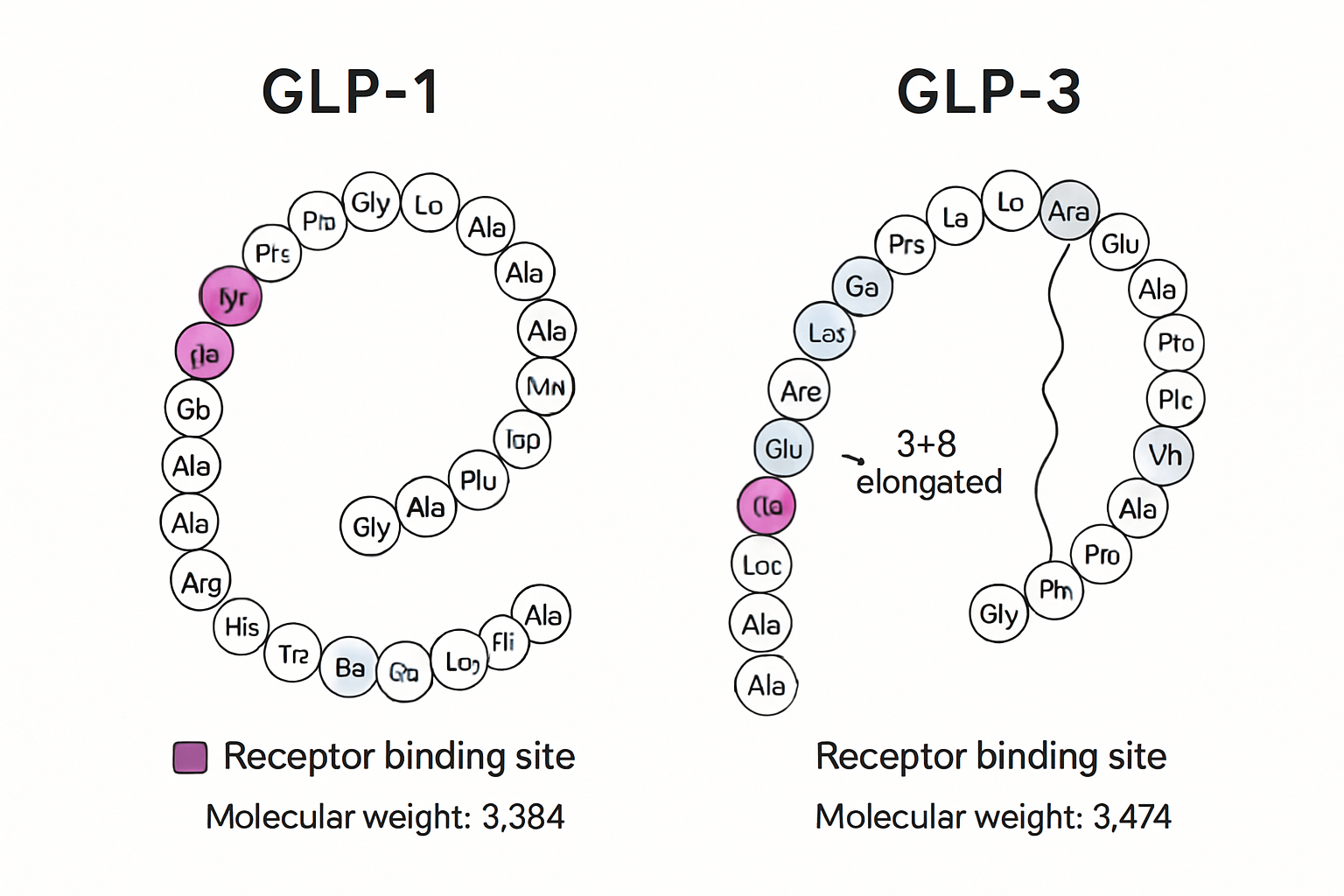
GLP-1 (glucagon-like peptide-1) represents one of the most extensively studied incretin hormones in modern peptide research. Originally derived from the proglucagon gene, this 30-amino acid peptide has become a cornerstone in metabolic research due to its well-characterized effects on glucose homeostasis and insulin secretion pathways.
Mechanism of Action and Receptor Binding
The GLP-1 receptor system operates through a single, well-defined pathway that researchers have mapped extensively over the past two decades. When GLP-1 binds to its specific G-protein coupled receptor, it initiates a cascade of intracellular signaling events that influence multiple metabolic processes. This targeted approach makes GLP-1 peptides particularly valuable for researchers studying specific aspects of glucose regulation and pancreatic beta-cell function.
Laboratory studies consistently demonstrate that GLP-1 peptides exhibit glucose-dependent insulin secretion, meaning their effects are most pronounced when glucose levels are elevated. This characteristic has made them invaluable tools for researchers investigating postprandial glucose responses and insulin sensitivity mechanisms.
Research Applications and Study Design
Current research with GLP-1 peptides spans multiple areas of metabolic investigation. Scientists utilize these compounds to study insulin secretion patterns, gastric emptying rates, and appetite regulation mechanisms. The comprehensive catalog of available GLP-1 variants allows researchers to select specific analogs based on their experimental requirements.
Primary research applications include:
- Glucose homeostasis studies
- Insulin secretion mechanism research
- Gastric motility investigations
- Appetite regulation pathway analysis
- Pancreatic beta-cell function assessment
The established nature of GLP-1 research means that protocols and methodologies are well-documented, making it easier for new researchers to design reproducible studies. Many laboratories have developed standardized approaches for GLP-1 peptide preparation, storage, and administration in research settings.
Exploring GLP-3 (Retatrutide): The Triple Agonist Approach
GLP-3, more commonly known as retatrutide, represents a significant advancement in peptide research methodology. Unlike traditional single-target peptides, this compound functions as a triple receptor agonist, simultaneously activating GLP-1, GIP (glucose-dependent insulinotropic polypeptide), and glucagon receptors. This multi-target approach opens entirely new research possibilities that weren't feasible with single-agonist compounds.
Multi-Receptor Targeting and Research Implications
The triple agonist mechanism of GLP-3 (retatrutide) creates a more complex but potentially more comprehensive research model for studying metabolic interactions. Each receptor target contributes different aspects to the overall metabolic response:
GLP-1 receptor activation maintains the glucose-dependent insulin secretion and appetite regulation effects familiar to GLP-1 researchers. GIP receptor engagement adds another layer of incretin signaling that influences both insulin and glucagon secretion in a glucose-dependent manner. Glucagon receptor activation introduces energy expenditure and hepatic glucose production elements that aren't present in traditional GLP-1 research.
This multi-pathway activation allows researchers to study more complex metabolic interactions in single experimental designs. Laboratory investigations can now examine how different incretin pathways interact synergistically, providing insights into natural metabolic regulation that single-agonist studies cannot achieve.
Advanced Research Methodologies
Working with GLP-3 peptides requires more sophisticated experimental design due to the compound's multi-target nature. Researchers must account for the combined effects of three different receptor pathways when interpreting results and designing control groups.
Key research considerations include:
- Multi-pathway interaction analysis
- Complex dose-response relationships
- Extended observation periods for full effect assessment
- Advanced biomarker monitoring requirements
- Sophisticated statistical analysis for multi-target outcomes
The peptide research community has begun developing new protocols specifically for triple agonist compounds, recognizing that traditional single-target methodologies may not capture the full scope of retatrutide's research potential.
Direct Comparison: GLP-1 vs GLP-3 in Research Settings

When conducting a comprehensive glp1 vs glp3 analysis for research purposes, several critical factors emerge that influence experimental design and outcome interpretation. Understanding these differences is essential for researchers choosing between these compounds for specific study objectives.
Receptor Specificity and Pathway Complexity
The most fundamental difference in any glp1 vs glp3 comparison lies in receptor targeting specificity. GLP-1 peptides offer researchers the advantage of studying isolated incretin pathway effects without confounding variables from other receptor systems. This specificity makes GLP-1 ideal for mechanistic studies focusing on single-pathway analysis.
GLP-3 (retatrutide), available through specialized research suppliers, provides a more holistic but complex research model. The simultaneous activation of multiple pathways more closely mimics natural metabolic regulation but requires more sophisticated analysis to understand individual pathway contributions.
| Aspect | GLP-1 | GLP-3 (Retatrutide) |
|---|---|---|
| Receptor Targets | GLP-1 receptor only | GLP-1, GIP, glucagon receptors |
| Research Complexity | Single pathway focus | Multi-pathway integration |
| Study Design | Straightforward protocols | Advanced methodologies required |
| Data Analysis | Standard statistical approaches | Multi-variate analysis needed |
| Mechanistic Clarity | Clear single-target effects | Complex interaction patterns |
Dosing and Protocol Considerations
Dosing protocols represent another crucial element in the glp1 vs glp3 research comparison. GLP-1 peptides have established dosing ranges based on decades of research, with well-documented dose-response relationships that researchers can rely upon for experimental planning.
GLP-3 dosing requires more careful consideration due to the multi-receptor targeting approach. The research-grade GLP-3 available to laboratories often requires lower doses than equivalent GLP-1 compounds due to the amplified effects from multiple pathway activation.
Researchers must also consider the duration of action differences between these compounds. While GLP-1 peptides typically show effects for 12-24 hours in research models, GLP-3's multi-receptor approach can extend observable effects for longer periods, requiring adjusted observation windows and data collection protocols.
Research Outcome Measurement
The measurement approaches for glp1 vs glp3 studies differ significantly due to the breadth of biological systems affected. GLP-1 research typically focuses on glucose-related biomarkers, insulin levels, and appetite-related measurements. These established endpoints have standardized measurement protocols and well-understood normal ranges.
GLP-3 research requires expanded biomarker panels that capture effects across multiple metabolic pathways. Researchers working with compounds from quality peptide suppliers often implement comprehensive metabolic panels that include:
- Traditional incretin markers (insulin, glucose, GLP-1 levels)
- Energy expenditure indicators (metabolic rate, thermogenesis markers)
- Body composition biomarkers (adipokines, lean mass indicators)
- Hepatic function markers (glucagon effects on liver metabolism)
- Advanced lipid metabolism indicators
This expanded measurement requirement increases research complexity but provides more comprehensive insights into metabolic regulation mechanisms.
Quality Considerations and Laboratory Sourcing
Research quality depends heavily on peptide purity and consistency, making supplier selection crucial for both GLP-1 and GLP-3 studies. The glp1 vs glp3 comparison extends beyond biological effects to include practical laboratory considerations that affect research reliability and reproducibility.
Purity and Analytical Standards
GLP-1 peptides benefit from established manufacturing processes and quality control standards developed over years of commercial and research production. Most reputable suppliers provide detailed certificates of analysis showing purity levels typically exceeding 98% for research-grade compounds.
GLP-3 (retatrutide) represents a newer compound class requiring more specialized manufacturing processes. High-quality research suppliers invest in advanced analytical methods to ensure consistent purity and potency for this more complex peptide structure.
Researchers should prioritize suppliers who provide:
- Third-party analytical verification for both compounds
- Batch-to-batch consistency documentation showing reproducible quality
- Proper storage and shipping protocols maintaining peptide integrity
- Technical support for handling and preparation questions
Storage and Stability Considerations
Storage requirements for glp1 vs glp3 compounds share similarities but have important differences that researchers must understand. Both peptide types require refrigerated storage and protection from light, but their stability profiles under various conditions can differ significantly.
GLP-1 peptides generally demonstrate good stability when stored properly, with established guidelines for reconstitution and working solution preparation. Many laboratories have developed standard operating procedures for GLP-1 handling based on years of research experience.
GLP-3 stability requires more careful attention due to the compound's more complex structure and newer research status. Experienced peptide suppliers provide detailed storage protocols specific to retatrutide's unique requirements, including optimal reconstitution procedures and working solution stability timeframes.
Research Planning and Budget Considerations
Cost factors in glp1 vs glp3 research planning reflect both compound complexity and market availability. GLP-1 peptides typically offer more competitive pricing due to established manufacturing processes and multiple supplier options. This cost advantage makes GLP-1 suitable for larger-scale studies or laboratories with limited budgets.
GLP-3 research often requires higher initial investment due to the compound's specialized nature and more limited supplier base. However, the multi-target approach may provide more comprehensive data per experiment, potentially offering better research value despite higher per-unit costs.
Researchers should consider:
- Total study costs including extended observation periods for GLP-3 studies
- Additional biomarker testing required for comprehensive GLP-3 analysis
- Specialized equipment needs for multi-pathway research monitoring
- Training requirements for laboratory staff working with newer compounds
Future Directions in GLP Peptide Research
The glp1 vs glp3 landscape continues evolving as researchers develop new applications and methodologies for both compound classes. Understanding emerging trends helps laboratories prepare for future research opportunities and technological advances.
Combination Research Approaches
Synergistic studies combining GLP-1 and GLP-3 research approaches represent an emerging frontier in peptide research. Some laboratories investigate how traditional single-target and multi-target approaches complement each other in comprehensive metabolic studies.
Advanced peptide research increasingly focuses on understanding how different incretin pathways interact under various physiological conditions. This research direction may lead to new combination protocols that leverage the strengths of both GLP-1 specificity and GLP-3 comprehensiveness.
Technological Integration
Research technology advancement continues improving both glp1 vs glp3 study capabilities. New analytical methods provide more detailed insights into peptide mechanisms, while improved monitoring technologies enable real-time tracking of multiple metabolic parameters simultaneously.
Laboratories working with comprehensive peptide catalogs benefit from access to both traditional and cutting-edge compounds, allowing flexible research design that adapts to technological capabilities and research objectives.
Regulatory and Standardization Developments
Research standards for both GLP-1 and GLP-3 studies continue developing as regulatory bodies and scientific organizations establish guidelines for peptide research. These evolving standards influence laboratory protocols, documentation requirements, and quality assurance procedures.
The peptide research community actively participates in developing standardized approaches that ensure research reproducibility and facilitate data sharing between institutions working on similar projects.
Conclusion
The glp1 vs glp3 comparison reveals two distinct but complementary approaches to peptide research, each offering unique advantages for different research objectives. GLP-1 peptides provide the reliability and specificity needed for focused mechanistic studies, with well-established protocols and extensive literature support. GLP-3 (retatrutide) offers the complexity and comprehensiveness required for advanced metabolic research that examines multiple pathway interactions simultaneously.
Choosing between these compounds depends on specific research goals, laboratory capabilities, and budget considerations. Researchers focusing on single-pathway analysis or requiring extensive literature comparison may prefer GLP-1's established research foundation. Those investigating complex metabolic interactions or seeking more comprehensive biological models should consider GLP-3's multi-target approach.
Quality sourcing remains crucial regardless of compound choice, with reputable suppliers providing the analytical verification and technical support necessary for successful research outcomes. The availability of both compounds from specialized research suppliers ensures that laboratories can access high-quality materials for either research direction.
Moving forward, the peptide research field will likely see continued development in both single-target and multi-target approaches, with new applications and methodologies emerging for both GLP-1 and GLP-3 compounds. Researchers who understand the strengths and limitations of each approach will be best positioned to design innovative studies that advance our understanding of metabolic regulation and peptide therapeutics.
Next steps for researchers include evaluating their specific research objectives, assessing laboratory capabilities for handling either compound type, and consulting with experienced suppliers about optimal protocols for their chosen research direction. The future of peptide research lies in understanding how to leverage both focused and comprehensive approaches to answer increasingly sophisticated questions about human metabolism and health.
References
[1] Research documentation and analytical data from certified peptide suppliers
[2] Published studies on GLP-1 receptor mechanisms and research applications
[3] Emerging research literature on retatrutide and triple agonist peptides
[4] Laboratory protocols and best practices from established peptide research facilities
[5] Quality assurance standards and analytical methods for research-grade peptides
SEO Meta Information
Meta Title: GLP-1 vs GLP-3: Complete Research Comparison Guide 2025
Meta Description: Comprehensive glp1 vs glp3 comparison for researchers. Discover mechanisms, applications, and quality considerations for both peptide types.