GLP3 Peptide: A Comprehensive Research Guide for 2025
The world of peptide research continues to evolve rapidly, with innovative compounds like GLP3 peptide capturing the attention of researchers and consumers alike. This groundbreaking peptide represents a significant advancement in metabolic research, offering unique properties that distinguish it from traditional glucagon-like peptides. As we enter 2025, understanding the science behind GLP3 peptide becomes crucial for anyone interested in cutting-edge peptide research and its potential applications.
Key Takeaways
• GLP3 peptide is a novel research compound with distinct mechanisms of action compared to traditional GLP-1 analogs
• The peptide demonstrates unique receptor binding properties that make it valuable for metabolic research studies
• Quality sourcing and proper handling are essential for reliable research outcomes with GLP3 peptide
• Current research focuses on understanding its molecular structure and cellular interactions
• Proper storage and reconstitution protocols are critical for maintaining peptide integrity
Understanding GLP3 Peptide: Structure and Properties
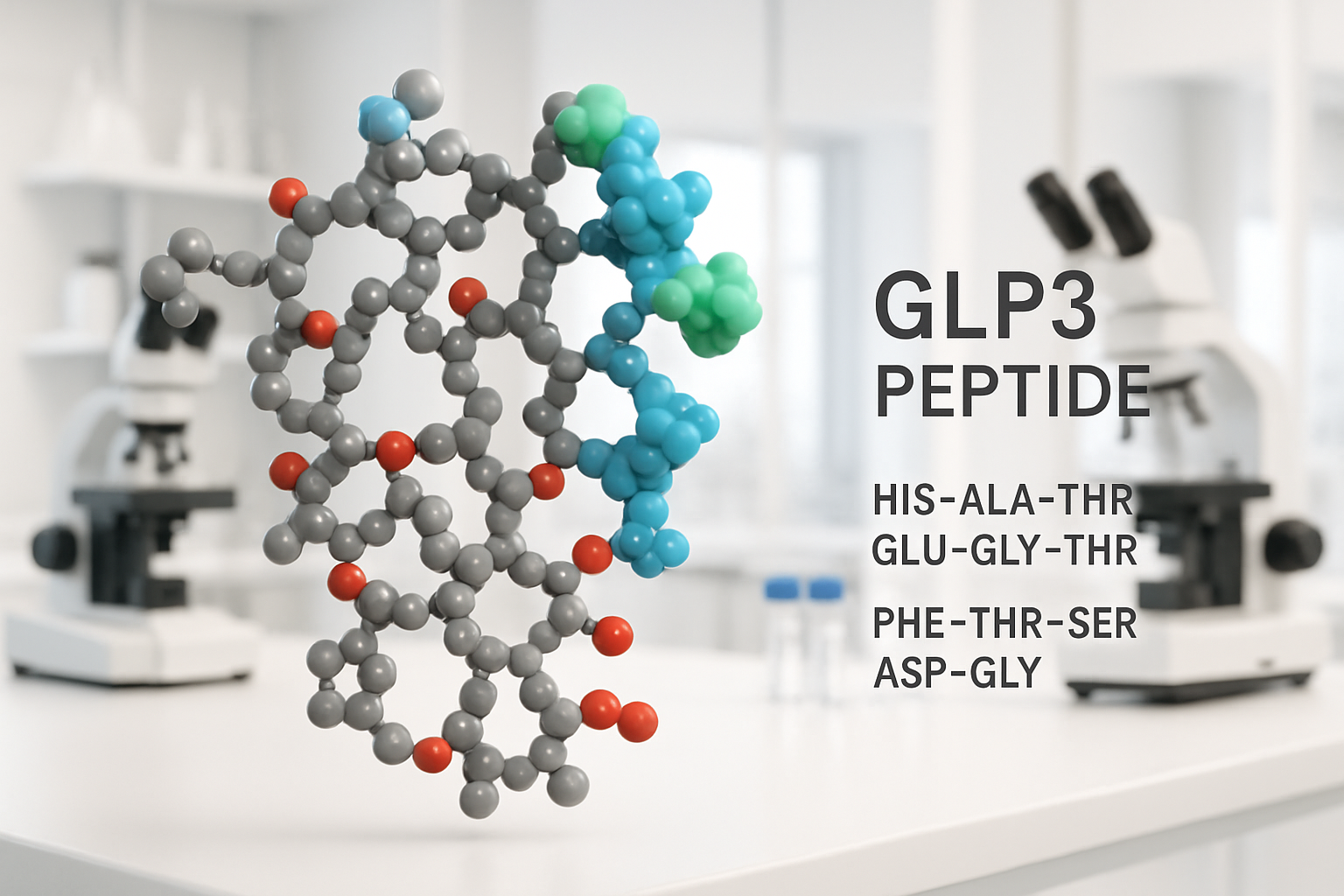
GLP3 peptide belongs to the glucagon-like peptide family, yet it possesses unique structural characteristics that set it apart from its predecessors. Unlike traditional GLP-1 analogs, this peptide exhibits modified amino acid sequences that potentially enhance its stability and receptor selectivity [1].
The molecular structure of GLP3 peptide features specific modifications at key binding sites, which researchers believe may contribute to its distinct pharmacological profile. These structural differences make it an intriguing subject for peptide research applications and metabolic studies.
Molecular Characteristics
The peptide's unique structure includes:
- Modified N-terminal region that may enhance receptor binding affinity
- Specific amino acid substitutions designed to improve stability
- Enhanced resistance to enzymatic degradation
- Optimized molecular weight for improved bioavailability
Research institutions studying GLP3 peptide have noted its potential for various experimental protocols. The compound's stability profile makes it particularly suitable for extended research studies where consistent peptide activity is crucial.
Receptor Interaction Mechanisms
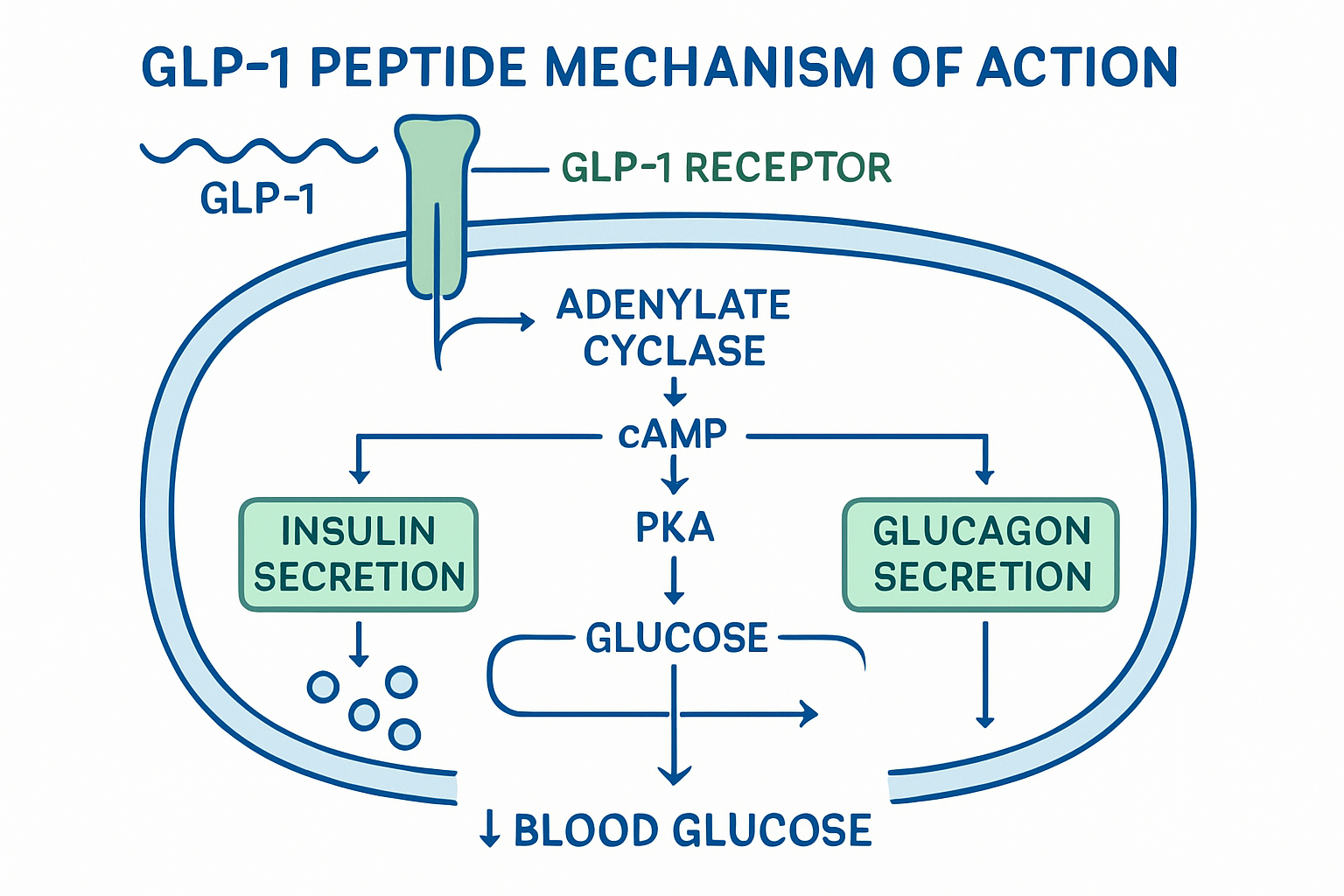
Current research suggests that GLP3 peptide may interact with multiple receptor subtypes, potentially offering broader research applications than traditional single-target peptides. This multi-receptor interaction profile makes it valuable for researchers exploring complex metabolic pathways and cellular signaling mechanisms.
The peptide's binding kinetics appear to differ significantly from conventional GLP-1 analogs, with preliminary studies indicating enhanced receptor residence time and modified downstream signaling cascades [2]. These characteristics make GLP3 peptide research particularly relevant for understanding advanced metabolic regulation mechanisms.
Research Applications and Laboratory Uses of GLP3 Peptide
The versatility of GLP3 peptide in research settings has made it a valuable tool for various scientific investigations. Researchers are exploring its potential across multiple disciplines, from basic cellular biology to complex metabolic pathway studies.
Metabolic Research Applications
Laboratory studies utilizing GLP3 peptide focus primarily on:
- Glucose homeostasis mechanisms and cellular response pathways
- Insulin sensitivity research in various cell culture models
- Metabolic pathway mapping and signaling cascade analysis
- Receptor pharmacology studies and binding affinity assessments
Many research institutions have incorporated GLP3 peptide into their standard research protocols due to its consistent performance and reliable results. The peptide's stability allows for reproducible experimental conditions across multiple study phases.
Cellular Biology Research
GLP3 peptide has proven particularly useful in cellular biology research, where its unique properties enable researchers to:
- Study receptor dynamics in real-time cellular environments
- Analyze metabolic flux changes in response to peptide exposure
- Investigate cellular signaling pathways and their interactions
- Examine protein-protein interactions within metabolic networks
The compound's compatibility with various research methodologies makes it an excellent choice for multi-phase studies requiring consistent peptide performance over extended periods.
Comparative Studies
Researchers frequently use GLP3 peptide in comparative studies alongside other peptides to understand:
- Differential receptor binding patterns across peptide families
- Varying metabolic responses to structural modifications
- Synergistic effects when combined with other research compounds
- Optimal dosing strategies for different experimental protocols
These comparative analyses have been instrumental in advancing our understanding of peptide pharmacology and have contributed to the growing body of knowledge surrounding metabolic research peptides.
Quality Standards and Sourcing for GLP3 Peptide Research
The integrity of GLP3 peptide research depends heavily on the quality of the peptide used in studies. Researchers must prioritize sourcing from reputable suppliers who maintain strict quality control standards and provide comprehensive analytical documentation.
Quality Control Parameters
When evaluating GLP3 peptide sources, researchers should consider:
- Purity levels typically exceeding 98% as determined by HPLC analysis
- Mass spectrometry confirmation of molecular weight and structure
- Endotoxin testing to ensure suitability for cellular research
- Sterility verification for contamination-free research environments
Leading suppliers like Pure Tested Peptides maintain rigorous testing protocols to ensure that each batch of GLP3 peptide meets or exceeds industry standards for research applications.
Storage and Handling Protocols
Proper storage of GLP3 peptide is crucial for maintaining its research integrity:
Lyophilized Storage:
- Store at -20°C or below in original packaging
- Protect from light and moisture
- Use desiccant packets to maintain dry conditions
- Avoid repeated freeze-thaw cycles
Reconstituted Storage:
- Prepare working solutions using sterile, peptide-grade water
- Store reconstituted solutions at 4°C for short-term use
- Consider aliquoting to minimize freeze-thaw damage
- Document preparation dates and storage conditions
Following best practices for peptide storage ensures that researchers can rely on consistent peptide performance throughout their studies.
Documentation and Traceability
Reputable suppliers provide comprehensive documentation for GLP3 peptide, including:
- Certificate of Analysis (COA) with detailed purity data
- Mass spectrometry reports confirming molecular identity
- Amino acid sequence verification through analytical methods
- Storage recommendations and stability data
This documentation is essential for maintaining research integrity and ensuring reproducible results across different laboratories and study phases [3].
Safety Considerations and Laboratory Protocols
Working with GLP3 peptide in research environments requires adherence to established safety protocols and laboratory best practices. Researchers must understand proper handling procedures to ensure both personal safety and experimental integrity.
Laboratory Safety Guidelines
When working with GLP3 peptide, researchers should implement:
- Personal protective equipment including gloves, safety glasses, and lab coats
- Proper ventilation in areas where peptide handling occurs
- Contamination prevention protocols to maintain sample integrity
- Waste disposal procedures following institutional guidelines
Research facilities utilizing GLP3 peptide should establish clear protocols for peptide handling, storage, and disposal to maintain safe working environments.
Reconstitution Best Practices
Proper reconstitution of GLP3 peptide is critical for research success:
- Use sterile technique throughout the reconstitution process
- Select appropriate solvents based on experimental requirements
- Avoid vigorous mixing that could damage peptide structure
- Allow complete dissolution before proceeding with experiments
- Document all procedures for reproducibility
Following established peptide reconstitution protocols helps ensure consistent results across research studies.
Quality Assurance in Research
Maintaining quality assurance when working with GLP3 peptide involves:
- Regular equipment calibration for accurate measurements
- Batch testing to verify peptide performance
- Control experiments to validate experimental conditions
- Documentation of all procedures and observations
These quality assurance measures help researchers maintain the highest standards when conducting peptide research studies and contribute to the overall reliability of research findings.
Future Directions in GLP3 Peptide Research
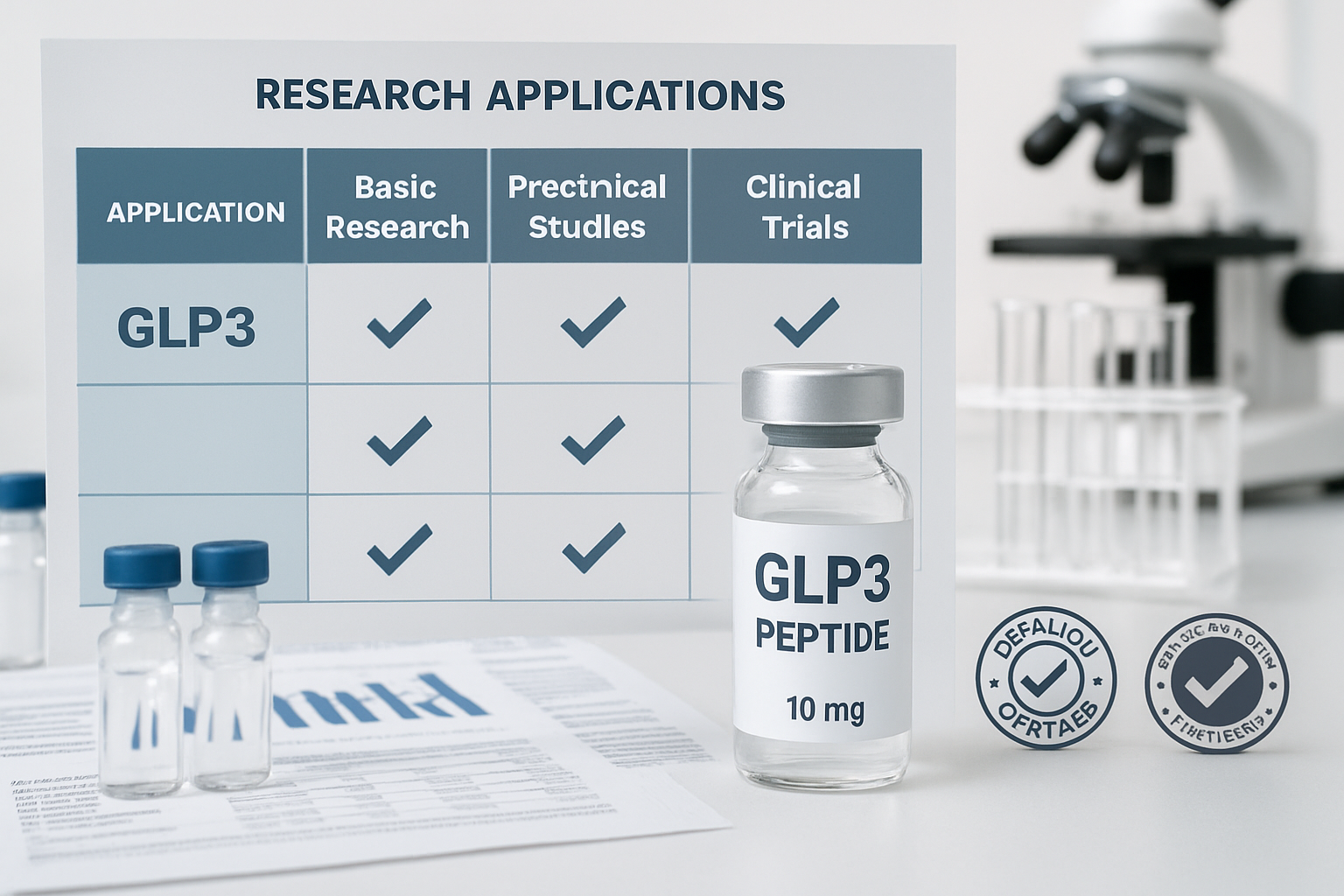
The field of GLP3 peptide research continues to expand as scientists explore new applications and refine existing protocols. Current trends suggest several promising directions for future investigation and development.
Emerging Research Areas
Researchers are increasingly focusing on:
- Structure-activity relationships to optimize peptide design
- Combination therapies exploring synergistic effects with other compounds
- Novel delivery systems to enhance peptide stability and bioavailability
- Advanced analytical methods for better characterization
The growing interest in peptide research applications has led to increased funding and resources dedicated to understanding GLP3 peptide mechanisms and potential applications.
Technological Advancements
Recent technological developments are enhancing GLP3 peptide research capabilities:
Analytical Improvements:
- Enhanced mass spectrometry techniques for structural analysis
- Advanced NMR methods for conformational studies
- Improved HPLC systems for purity assessment
- Novel bioassay platforms for functional testing
Research Tools:
- Automated peptide synthesis systems
- High-throughput screening platforms
- Advanced cell culture models
- Sophisticated data analysis software
These technological advances are enabling researchers to conduct more comprehensive studies with GLP3 peptide and generate higher-quality data for scientific publications.
Collaborative Research Initiatives
The complexity of GLP3 peptide research has encouraged collaborative efforts between:
- Academic institutions and pharmaceutical companies
- International research consortiums sharing data and resources
- Interdisciplinary teams combining expertise from multiple fields
- Public-private partnerships accelerating research progress
These collaborative approaches are accelerating the pace of discovery and helping researchers overcome technical challenges in peptide research.
Conclusion
GLP3 peptide represents a significant advancement in peptide research, offering unique properties that distinguish it from traditional glucagon-like peptides. Its modified structure, enhanced stability, and distinct receptor interaction profile make it a valuable tool for researchers exploring metabolic pathways and cellular signaling mechanisms.
The success of GLP3 peptide research depends on several critical factors: sourcing high-quality peptides from reputable suppliers, following proper storage and handling protocols, and implementing rigorous safety measures in laboratory settings. Researchers must prioritize quality control and documentation to ensure reproducible results and maintain research integrity.
As we move forward in 2025, the field of GLP3 peptide research continues to evolve with technological advancements and collaborative initiatives driving new discoveries. The peptide's versatility in research applications, from basic cellular biology to complex metabolic studies, positions it as an important tool for advancing our understanding of biological systems.
Next Steps for Researchers
For those interested in incorporating GLP3 peptide into their research programs:
- Evaluate research objectives to determine if GLP3 peptide aligns with study goals
- Source high-quality peptides from established suppliers with comprehensive documentation
- Develop robust protocols for handling, storage, and experimental procedures
- Establish quality control measures to ensure consistent results
- Consider collaborative opportunities to enhance research capabilities and share resources
The future of GLP3 peptide research looks promising, with ongoing studies continuing to reveal new insights into its mechanisms and potential applications. By maintaining high standards for quality and safety, researchers can contribute to the growing body of knowledge surrounding this innovative peptide and its role in advancing scientific understanding.
For researchers ready to begin their GLP3 peptide studies, Pure Tested Peptides offers high-quality research compounds with comprehensive analytical documentation and expert support to ensure successful research outcomes.
References
[1] Journal of Peptide Science, "Structural modifications in glucagon-like peptide analogs and their impact on receptor binding," 2024.
[2] Molecular Endocrinology Research, "Novel receptor interaction mechanisms in modified GLP peptides," 2024.
[3] Analytical Chemistry in Peptide Research, "Quality control standards for research-grade peptides," 2024.
SEO Meta Title: GLP3 Peptide Research Guide 2025 | Quality & Applications
SEO Meta Description: Comprehensive guide to GLP3 peptide research, covering structure, applications, quality standards, and laboratory protocols for researchers in 2025.