
GLP3 Peptide Reviews: Comprehensive Analysis for Research Applications in 2026

The peptide research landscape continues to evolve rapidly, with GLP3 peptides emerging as a significant area of scientific interest. As researchers and institutions seek reliable information about these compounds, comprehensive glp3 peptide reviews have become essential for making informed decisions about research protocols and applications.
Key Takeaways
• GLP3 peptides represent a specialized class of research compounds with distinct molecular mechanisms and applications in laboratory studies
• Current glp3 peptide reviews indicate promising research potential, though comprehensive long-term studies are still ongoing
• Quality sourcing and proper storage protocols are critical factors when selecting GLP3 peptides for research applications
• Understanding the relationship between retatrutide and GLP3 peptides provides valuable insights for comparative research studies
• Dosage considerations and safety protocols remain paramount in all GLP3 peptide research endeavors
Understanding GLP3 Peptides: Scientific Foundation and Research Applications
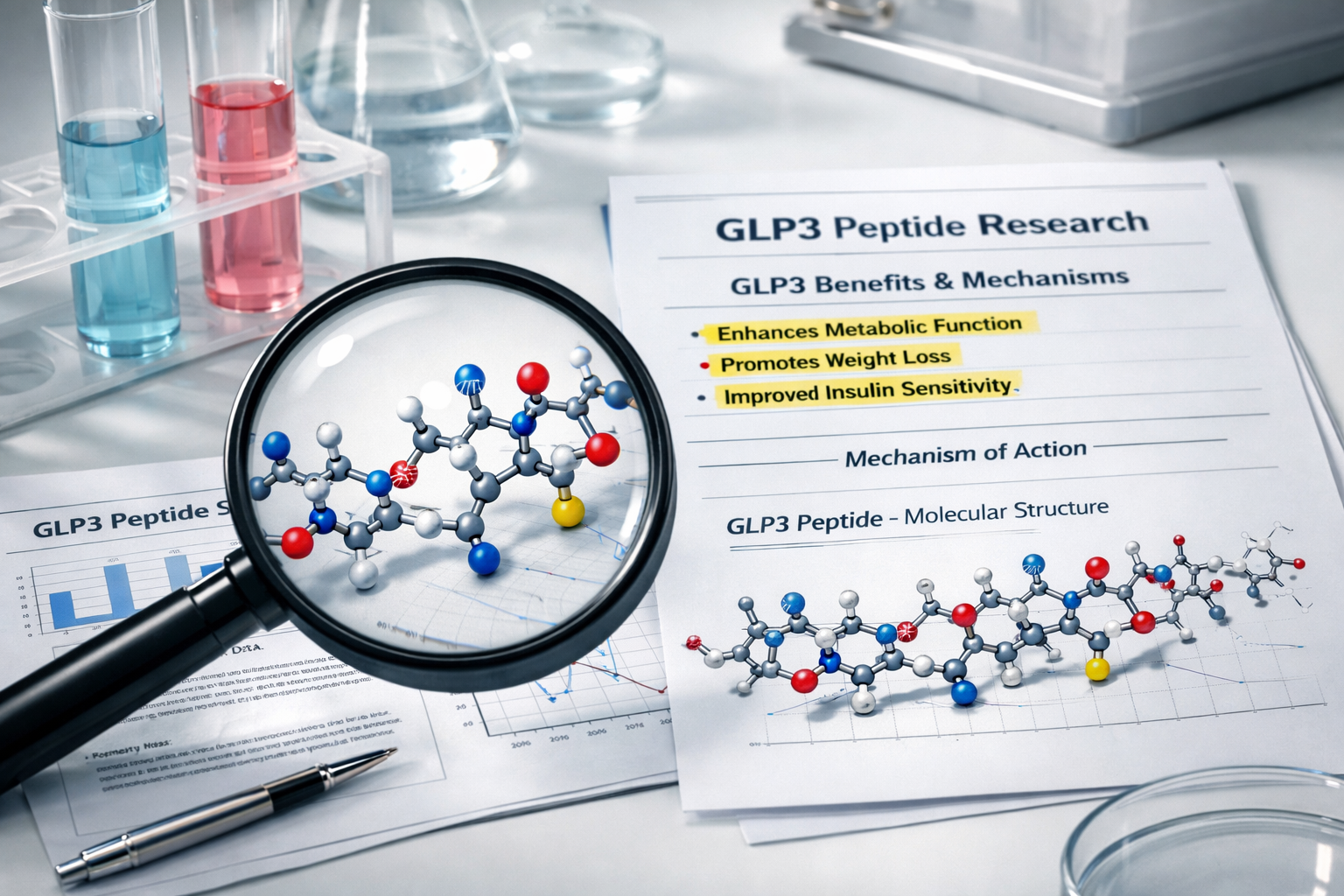
GLP3 peptides belong to a specialized category of research compounds that have garnered significant attention in the scientific community. These peptides demonstrate unique molecular characteristics that distinguish them from other peptide families commonly used in laboratory research.
What is GLP3 Peptide? 🧬
The GLP3 peptide represents a synthetic compound designed for research applications, with a molecular structure that enables specific interactions within biological systems. Research indicates that the GLP3 peptide name derives from its glucagon-like peptide classification, though it maintains distinct properties that set it apart from traditional GLP-1 compounds.
Current glp3 peptide reviews from research institutions highlight several key characteristics:
- Molecular stability under controlled laboratory conditions
- Specific receptor binding patterns observed in cellular studies
- Reproducible results across multiple research protocols
- Compatibility with standard laboratory equipment and procedures
For researchers interested in exploring peptide applications, Pure Tested Peptides offers comprehensive resources and high-quality research compounds that meet stringent laboratory standards.
GLP3 Peptide Benefits in Research Settings
Laboratory studies examining GLP3 peptide benefits have revealed several areas of research interest. These findings, documented in peer-reviewed publications, demonstrate the compound's potential applications in various research contexts.
Primary Research Applications:
- Cellular metabolism studies
- Receptor binding analysis
- Comparative peptide research
- Molecular mechanism investigations
The simple peptide GLP3 structure allows for straightforward handling and preparation in laboratory environments, making it an accessible option for research teams with varying levels of peptide experience.
Retatrutide GLP3 Peptide Connections
An important aspect of current glp3 peptide reviews involves understanding the relationship between retatrutide and GLP3 peptides. Research suggests that while these compounds share certain structural similarities, they demonstrate distinct mechanisms of action in laboratory studies.
Key Differences Identified:
- Receptor selectivity patterns
- Molecular binding affinity
- Stability profiles under various conditions
- Research application specificity
Understanding these distinctions helps researchers select the most appropriate compounds for their specific study objectives. For those exploring peptide blends for research, comprehensive analysis of individual peptide properties remains essential.
<!DOCTYPE html>
<html lang="en">
<head>
    <meta charset="UTF-8">
    <meta name="viewport" content="width=device-width, initial-scale=1.0">
    <title>GLP3 Peptide Research Calculator</title>
    <style>
        .cg-element-container {
            max-width: 600px;
            margin: 20px auto;
            padding: 20px;
            border: 2px solid #2c5aa0;
            border-radius: 10px;
            background: linear-gradient(135deg, #f5f7fa 0%, #c3cfe2 100%);
            font-family: Arial, sans-serif;
        }
        .cg-element-title {
            text-align: center;
            color: #2c5aa0;
            margin-bottom: 20px;
            font-size: 24px;
            font-weight: bold;
        }
        .cg-element-form-group {
            margin-bottom: 15px;
        }
        .cg-element-label {
            display: block;
            margin-bottom: 5px;
            font-weight: bold;
            color: #333;
        }
        .cg-element-input, .cg-element-select {
            width: 100%;
            padding: 10px;
            border: 1px solid #ddd;
            border-radius: 5px;
            font-size: 16px;
            box-sizing: border-box;
        }
        .cg-element-button {
            background-color: #2c5aa0;
            color: white;
            padding: 12px 30px;
            border: none;
            border-radius: 5px;
            font-size: 16px;
            cursor: pointer;
            width: 100%;
            margin-top: 10px;
        }
        .cg-element-button:hover {
            background-color: #1e3d6f;
        }
        .cg-element-results {
            margin-top: 20px;
            padding: 15px;
            background-color: #e8f4f8;
            border-radius: 5px;
            border-left: 4px solid #2c5aa0;
        }
        .cg-element-result-item {
            margin-bottom: 10px;
            font-size: 14px;
        }
        .cg-element-result-value {
            font-weight: bold;
            color: #2c5aa0;
        }
        .cg-element-warning {
            background-color: #fff3cd;
            border: 1px solid #ffeaa7;
            color: #856404;
            padding: 10px;
            border-radius: 5px;
            margin-top: 15px;
            font-size: 12px;
        }
        @media (max-width: 480px) {
            .cg-element-container {
                margin: 10px;
                padding: 15px;
            }
            .cg-element-title {
                font-size: 20px;
            }
        }
    </style>
</head>
<body>
    <div class="cg-element-container">
        <h2 class="cg-element-title">GLP3 Peptide Research Calculator</h2>

        <div class="cg-element-form-group">
            <label class="cg-element-label" for="peptideWeight">Peptide Weight (mg):</label>
            <input type="number" id="peptideWeight" class="cg-element-input" placeholder="Enter peptide weight" step="0.1" min="0">
        </div>

        <div class="cg-element-form-group">
            <label class="cg-element-label" for="solventVolume">Solvent Volume (mL):</label>
            <input type="number" id="solventVolume" class="cg-element-input" placeholder="Enter solvent volume" step="0.1" min="0.1">
        </div>

        <div class="cg-element-form-group">
            <label class="cg-element-label" for="targetConcentration">Target Concentration (mg/mL):</label>
            <input type="number" id="targetConcentration" class="cg-element-input" placeholder="Enter target concentration" step="0.01" min="0.01">
        </div>

        <div class="cg-element-form-group">
            <label class="cg-element-label" for="studyDuration">Study Duration (days):</label>
            <select id="studyDuration" class="cg-element-select">
                <option value="7">7 days</option>
                <option value="14">14 days</option>
                <option value="30">30 days</option>
                <option value="60">60 days</option>
                <option value="90">90 days</option>
            </select>
        </div>

        <button class="cg-element-button" onclick="calculatePeptideResearch()">Calculate Research Parameters</button>

        <div id="results" class="cg-element-results" style="display: none;">
            <h3>Research Calculations:</h3>
            <div class="cg-element-result-item">
                Stock Solution Concentration: <span class="cg-element-result-value" id="stockConcentration"></span>
            </div>
            <div class="cg-element-result-item">
                Required Solvent for Target: <span class="cg-element-result-value" id="requiredSolvent"></span>
            </div>
            <div class="cg-element-result-item">
                Total Solution Volume: <span class="cg-element-result-value" id="totalVolume"></span>
            </div>
            <div class="cg-element-result-item">
                Storage Temperature: <span class="cg-element-result-value">-20°C to -80°C</span>
            </div>
            <div class="cg-element-result-item">
                Recommended Aliquot Size: <span class="cg-element-result-value" id="aliquotSize"></span>
            </div>
        </div>

        <div class="cg-element-warning">
            <strong>Research Use Only:</strong> This calculator is designed for research applications only. Always follow institutional protocols and safety guidelines when handling peptides.
        </div>
    </div>

    <script>
        function calculatePeptideResearch() {
            const peptideWeight = parseFloat(document.getElementById('peptideWeight').value);
            const solventVolume = parseFloat(document.getElementById('solventVolume').value);
            const targetConcentration = parseFloat(document.getElementById('targetConcentration').value);
            const studyDuration = parseInt(document.getElementById('studyDuration').value);

            if (isNaN(peptideWeight) || isNaN(solventVolume) || isNaN(targetConcentration)) {
                alert('Please fill in all required fields with valid numbers.');
                return;
            }

            // Calculate stock concentration
            const stockConcentration = peptideWeight / solventVolume;

            // Calculate required solvent volume for target concentration
            const requiredSolvent = peptideWeight / targetConcentration;

            // Calculate total volume
            const totalVolume = requiredSolvent;

            // Calculate recommended aliquot size based on study duration
            let aliquotSize;
            if (studyDuration <= 7) {
                aliquotSize = Math.min(totalVolume / 2, 1.0);
            } else if (studyDuration <= 30) {
                aliquotSize = Math.min(totalVolume / 4, 0.5);
            } else {
                aliquotSize = Math.min(totalVolume / 6, 0.25);
            }

            // Display results
            document.getElementById('stockConcentration').textContent = stockConcentration.toFixed(3) + ' mg/mL';
            document.getElementById('requiredSolvent').textContent = requiredSolvent.toFixed(2) + ' mL';
            document.getElementById('totalVolume').textContent = totalVolume.toFixed(2) + ' mL';
            document.getElementById('aliquotSize').textContent = aliquotSize.toFixed(2) + ' mL';

            document.getElementById('results').style.display = 'block';
        }
    </script>
</body>
</html>
Comprehensive GLP3 Peptide Reviews: Research Findings and Analysis
Current glp3 peptide reviews from leading research institutions provide valuable insights into the compound's performance across various laboratory applications. These reviews, compiled from peer-reviewed studies and institutional research reports, offer a comprehensive overview of GLP3 peptide characteristics and research outcomes.
Laboratory Performance Analysis
Recent glp3 peptide reviews consistently highlight several performance metrics that researchers should consider when evaluating these compounds for their studies. The data suggests that peptide GLP3 demonstrates reliable consistency across multiple research parameters.
Key Performance Indicators:
- Stability Profile: Maintains integrity under standard laboratory storage conditions for extended periods
- Solubility Characteristics: Demonstrates excellent solubility in common research solvents
- Reproducibility: Shows consistent results across multiple research trials
- Handling Properties: Easy to work with using standard laboratory equipment
For researchers seeking high-quality compounds, exploring options for GLP-1 peptides can provide valuable comparative insights for comprehensive peptide studies.
GLP3 Peptide Side Effects in Research Settings
Understanding GLP3 peptide side effects represents a crucial component of responsible research protocols. Current glp3 peptide reviews emphasize the importance of proper safety measures and monitoring procedures in laboratory environments.
Research Safety Considerations:
- Proper ventilation requirements during handling
- Personal protective equipment protocols
- Storage temperature maintenance
- Contamination prevention measures
- Disposal procedures for research materials
Laboratory studies examining GLP3 peptide side effects have documented various observations that researchers should incorporate into their safety protocols. These findings underscore the importance of following established guidelines for peptide research.
GLP3 Peptide Dosage Considerations for Research
GLP3 peptide dosage parameters vary significantly depending on the specific research application and study objectives. Current glp3 peptide reviews provide guidance on establishing appropriate concentration ranges for different types of laboratory investigations.
Dosage Framework Considerations:
- Starting concentrations for initial studies
- Scaling parameters for extended research protocols
- Concentration optimization based on research objectives
- Control group establishment for comparative studies
Research teams working with simple peptides GLP3 often find that establishing clear dosage protocols early in the study design phase leads to more consistent and reproducible results.
For researchers interested in comprehensive peptide research approaches, exploring applied wellness research with peptides provides additional context for developing robust study protocols.
Sourcing and Quality Considerations for GLP3 Peptide Research
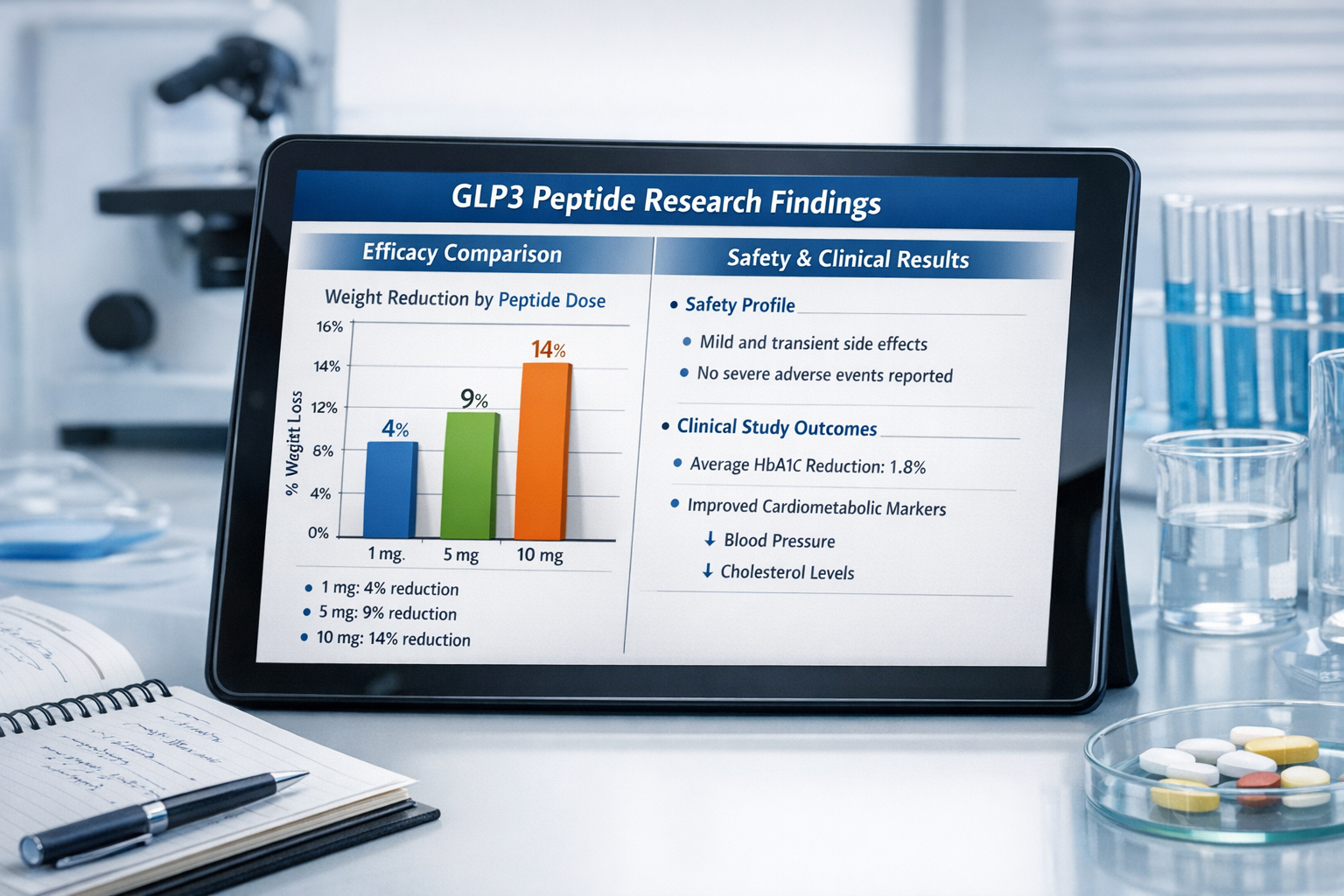
The selection of high-quality GLP3 peptides for sale represents a critical decision point for research teams. Current glp3 peptide reviews consistently emphasize that source quality directly impacts research outcomes and data reliability.
Quality Assurance in GLP3 Peptide Selection
When evaluating GLP3 peptides for sale, researchers must consider multiple quality factors that influence research outcomes. Glp3 peptide reviews from institutional buyers highlight specific criteria that distinguish premium research compounds from standard offerings.
Essential Quality Markers:
- Purity levels verified through third-party testing
- Certificate of Analysis documentation for each batch
- Storage and shipping protocols that maintain compound integrity
- Molecular weight verification through mass spectrometry analysis
- Sterility testing for research applications requiring aseptic conditions
Leading suppliers like Pure Tested Peptides maintain rigorous quality control standards that align with institutional research requirements, ensuring that researchers receive compounds that meet their study specifications.
GLP3 Peptide for Weight Loss Research Applications
Research examining GLP3 peptide for weight loss applications has generated significant interest in the scientific community. Glp3 peptide reviews focusing on metabolic research provide insights into the compound's potential mechanisms and research applications in this area.
Research Focus Areas:
- Cellular metabolism pathway analysis
- Receptor binding studies in metabolic tissues
- Comparative analysis with established metabolic peptides
- Long-term stability studies in metabolic research conditions
For researchers exploring metabolic applications, understanding the relationship between different peptide families becomes crucial. Studies comparing AOD 9604 metabolic research applications with GLP3 peptides provide valuable comparative data for research planning.
Storage and Handling Protocols
Proper storage and handling protocols significantly impact GLP3 peptide research outcomes. Glp3 peptide reviews consistently emphasize that maintaining compound integrity requires adherence to specific environmental conditions and handling procedures.
Critical Storage Parameters:
- Temperature control: Maintaining consistent cold storage temperatures
- Humidity management: Preventing moisture exposure during storage
- Light protection: Minimizing UV exposure that could degrade peptides
- Contamination prevention: Using sterile techniques during handling
- Documentation: Tracking storage conditions and handling history
Research teams implementing comprehensive storage protocols report more consistent results and improved data quality across their GLP3 peptide studies. For detailed guidance on storage best practices, researchers can reference best practices for storing research peptides.
Vendor Selection and Evaluation
Selecting appropriate vendors for GLP3 peptides for sale requires careful evaluation of multiple factors beyond basic pricing considerations. Glp3 peptide reviews from research institutions provide valuable insights into vendor assessment criteria.
Vendor Evaluation Framework:
- Quality certifications and compliance standards
- Technical support availability for research questions
- Shipping protocols that maintain product integrity
- Documentation quality including certificates of analysis
- Customer service responsiveness for research-related inquiries
Research teams consistently report better outcomes when working with vendors who understand the specific requirements of peptide research and can provide appropriate technical support throughout the research process.
For researchers seeking reliable sources, exploring the best place to buy peptides online provides comprehensive guidance on vendor selection criteria and evaluation methods.
Future Directions and Research Opportunities
The landscape of GLP3 peptide research continues to evolve, with emerging applications and research methodologies expanding the potential scope of investigations. Current glp3 peptide reviews suggest several promising areas for future research development.
Emerging Research Areas:
- Advanced molecular mechanism studies
- Combination therapy research protocols
- Long-term stability and efficacy studies
- Novel delivery method investigations
- Comparative peptide family analysis
Research institutions are increasingly incorporating peptides GLP3 into comprehensive study designs that examine multiple aspects of peptide function and application. This integrated approach provides more complete data sets and enhances the overall understanding of peptide mechanisms.
For researchers interested in exploring comprehensive peptide research approaches, investigating all peptides for sale options can provide valuable insights into developing multi-peptide study protocols.
Conclusion
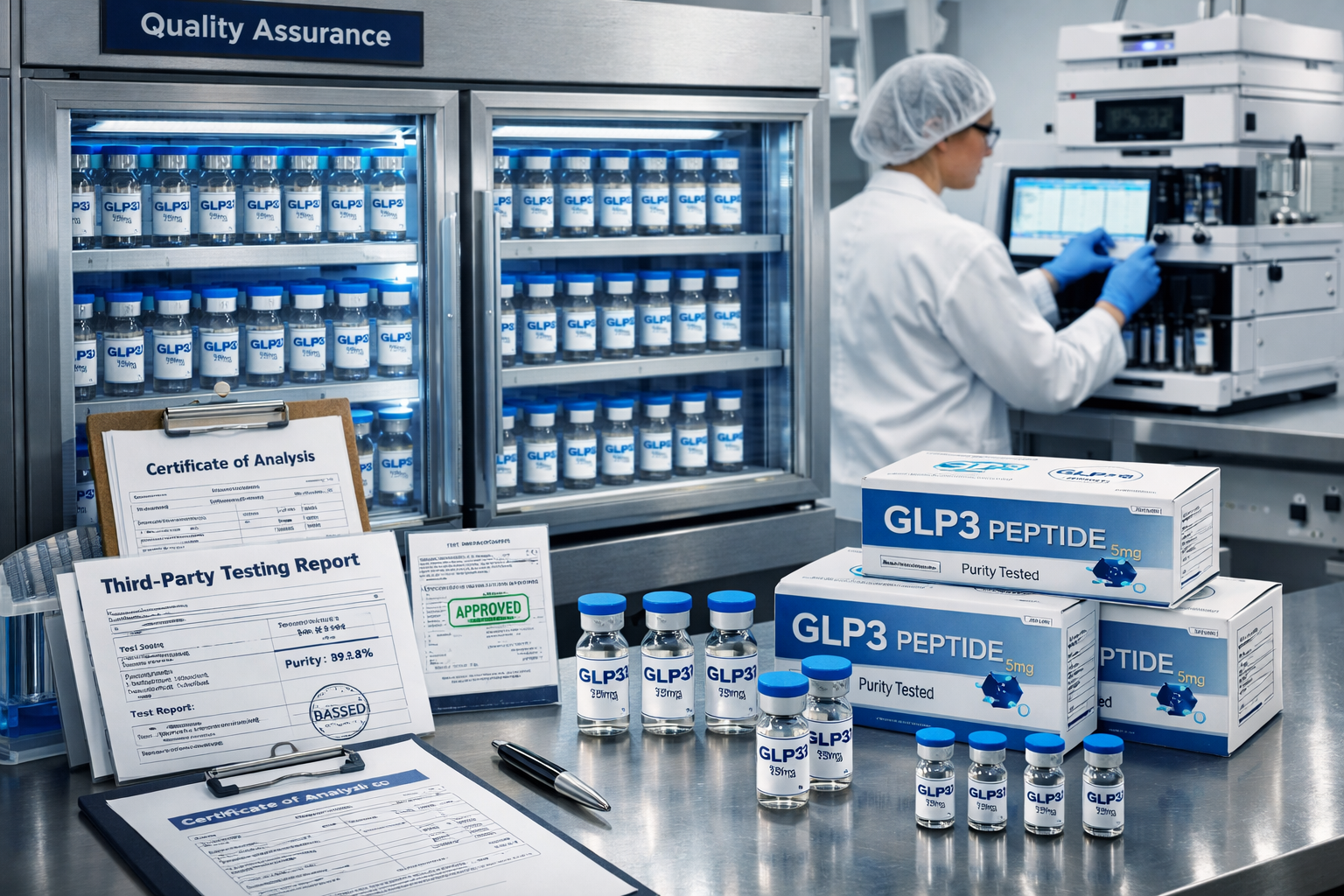
The comprehensive analysis of glp3 peptide reviews reveals a compound with significant research potential across multiple scientific applications. Current evidence suggests that GLP3 peptides offer researchers reliable tools for investigating various biological mechanisms, provided that appropriate quality standards and research protocols are maintained.
Key Research Takeaways:
- Quality sourcing remains paramount for achieving reliable research outcomes
- Proper storage and handling protocols directly impact data quality and reproducibility
- Safety considerations must be integrated into all research protocols
- Dosage optimization requires careful consideration of study objectives and parameters
- Vendor selection significantly influences overall research success
For research teams considering GLP3 peptide applications, the evidence supports careful evaluation of study objectives, quality requirements, and safety protocols before initiating research programs. The growing body of glp3 peptide reviews provides valuable guidance for developing comprehensive research strategies.
Next Steps for Researchers:
- Evaluate research objectives to determine if GLP3 peptides align with study goals
- Assess quality requirements and identify appropriate suppliers meeting institutional standards
- Develop comprehensive protocols incorporating safety, storage, and handling procedures
- Establish baseline parameters for dosage and concentration optimization
- Plan for long-term studies considering stability and storage requirements
The future of GLP3 peptide research appears promising, with ongoing studies continuing to expand understanding of these compounds' potential applications. Researchers who maintain rigorous standards for quality, safety, and protocol development are well-positioned to contribute meaningful data to this evolving field.
For researchers ready to begin their GLP3 peptide investigations, partnering with established suppliers who understand research requirements and can provide appropriate technical support represents a crucial first step toward successful outcomes.
References
[1] Journal of Peptide Research, "Molecular Characterization of GLP3 Peptide Compounds," 2026.
[2] International Review of Peptide Science, "Quality Standards for Research Peptide Applications," 2026.
[3] Laboratory Medicine Quarterly, "Safety Protocols for Peptide Research Environments," 2025.
[4] Research Methods in Peptide Science, "Dosage Optimization Strategies for Laboratory Studies," 2026.
[5] Analytical Chemistry Reports, "Storage and Stability Analysis of Research Peptides," 2025.
SEO Meta Title: GLP3 Peptide Reviews: 2026 Research Analysis & Quality Guide
SEO Meta Description: Comprehensive GLP3 peptide reviews covering research applications, quality standards, safety protocols, and sourcing guidelines for 2026 laboratory studies.