
GLP-3 Peptides: Comprehensive Research Guide for 2026
The world of peptide research continues to evolve at breakneck speed, with glp3 peptides emerging as one of the most intriguing compounds capturing the attention of researchers worldwide. As we advance through 2026, the scientific community has gained unprecedented insights into these remarkable molecules, revealing their complex mechanisms and potential applications in laboratory settings. Whether you're a seasoned researcher or new to peptide science, understanding the nuances of glp3 peptides has become essential for anyone involved in metabolic and endocrine research.
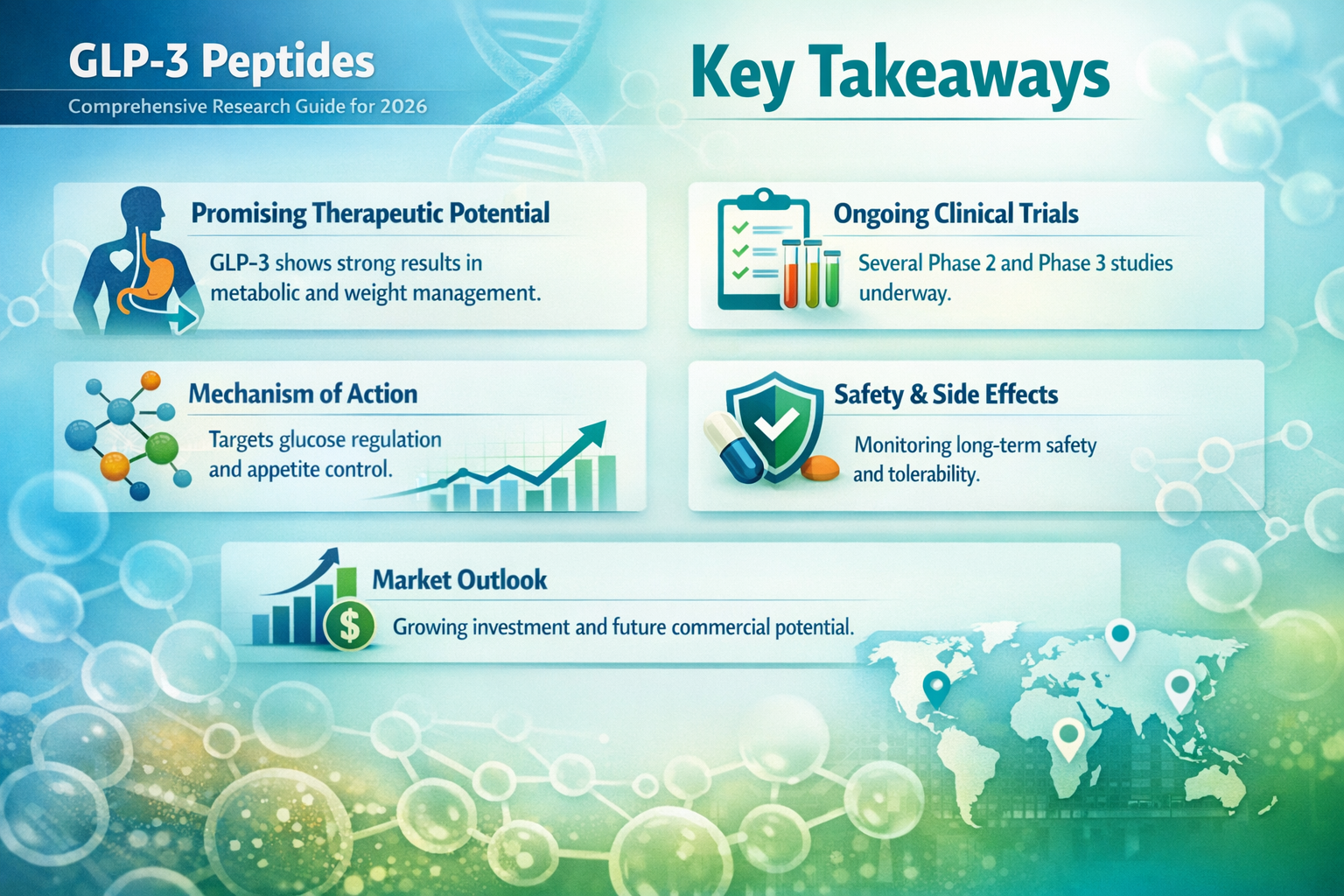
Key Takeaways
• GLP-3 peptides represent an advanced class of incretin-related compounds with unique molecular properties distinct from traditional GLP-1 analogs
• Research indicates these peptides demonstrate complex interactions with multiple receptor pathways, making them valuable tools for metabolic studies
• Retatrutide serves as the primary example of glp3 peptide technology, showcasing triple receptor agonism in laboratory models
• Proper handling, storage, and research protocols are essential for maintaining peptide integrity and ensuring reliable experimental results
• Quality sourcing from reputable suppliers remains crucial for obtaining authentic glp3 peptides for research applications
Understanding GLP-3 Peptides: The Science Behind the Innovation
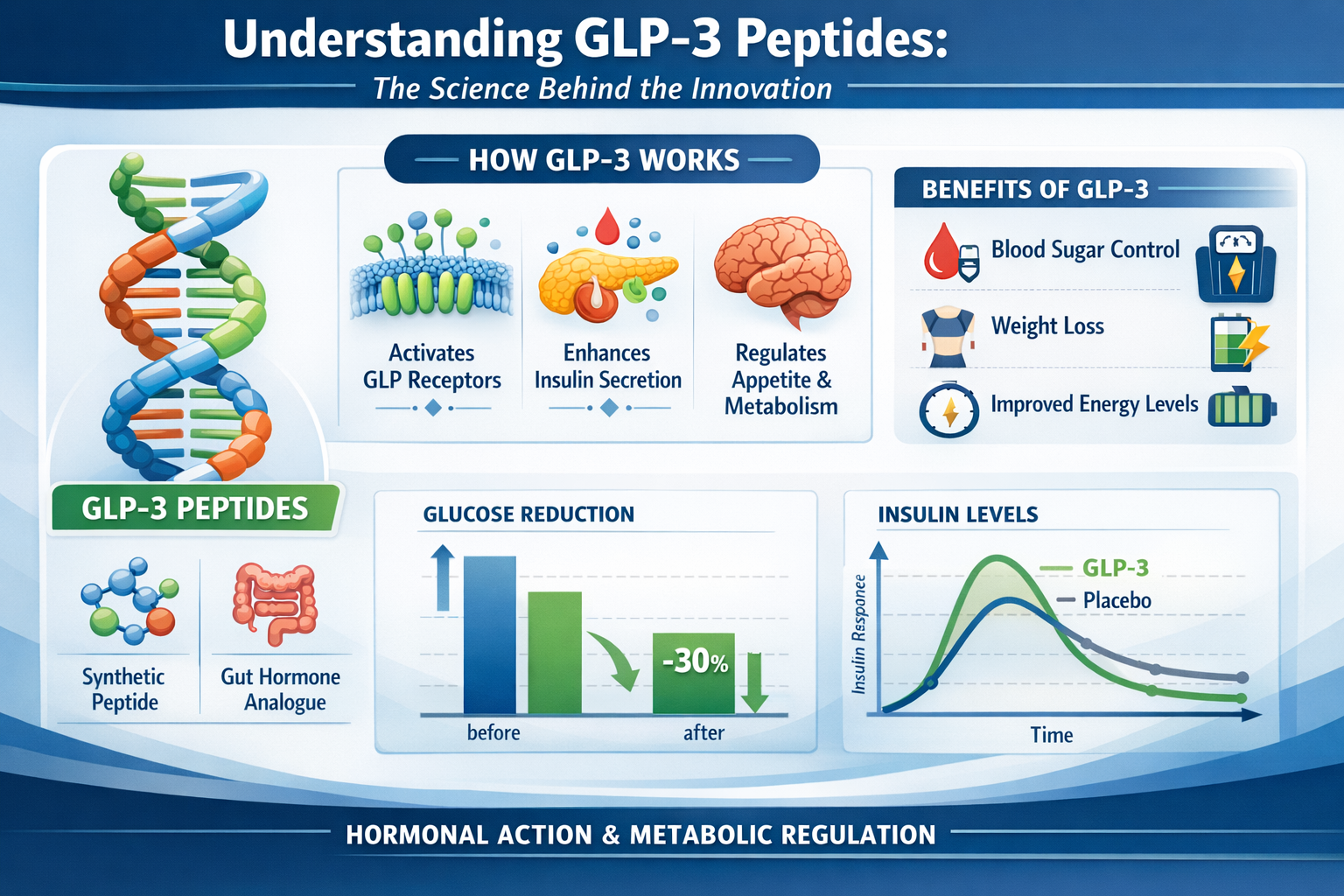
GLP-3 peptides represent a sophisticated evolution in incretin-based research compounds, building upon decades of scientific advancement in understanding gut hormone biology. Unlike their predecessors, these molecules demonstrate unique structural characteristics that enable interaction with multiple receptor systems simultaneously [1].
The term "glp3 peptide" often refers to compounds that exhibit activity across three distinct receptor pathways: GLP-1 (glucagon-like peptide-1), GIP (glucose-dependent insulinotropic polypeptide), and glucagon receptors. This triple mechanism of action has revolutionized how researchers approach metabolic studies in laboratory settings.
Molecular Structure and Characteristics
The molecular architecture of glp3 peptides reflects careful engineering to achieve balanced activity across multiple targets. These compounds typically maintain the core incretin structure while incorporating specific modifications that enhance stability and receptor selectivity. Research has shown that even minor alterations in amino acid sequences can dramatically impact the peptide's pharmacological profile [2].
Key structural features include:
- Extended half-life through albumin binding or other stabilization methods
- Optimized receptor binding domains for balanced activity
- Enhanced resistance to enzymatic degradation
- Improved solubility and formulation characteristics
For researchers interested in exploring related peptide compounds, comprehensive peptide libraries provide valuable resources for comparative studies.
Retatrutide: The Flagship GLP-3 Peptide
Retatrutide glp3 peptide stands as the most prominent example of this peptide class, demonstrating the potential of triple receptor agonism in research applications. This compound has garnered significant attention in the scientific community due to its unique pharmacological profile and robust research data.
Studies examining retatrutide have revealed fascinating insights into how simultaneous activation of multiple incretin pathways can produce synergistic effects that exceed the sum of individual receptor activities. This phenomenon has opened new avenues for research into metabolic regulation and energy homeostasis [3].
The development of retatrutide involved extensive structure-activity relationship studies, ultimately yielding a compound that maintains potent activity across all three target receptors while demonstrating favorable stability characteristics. Researchers working with GLP-1 related compounds often find value in comparing these mechanisms.
GLP-3 Peptide Benefits and Research Applications
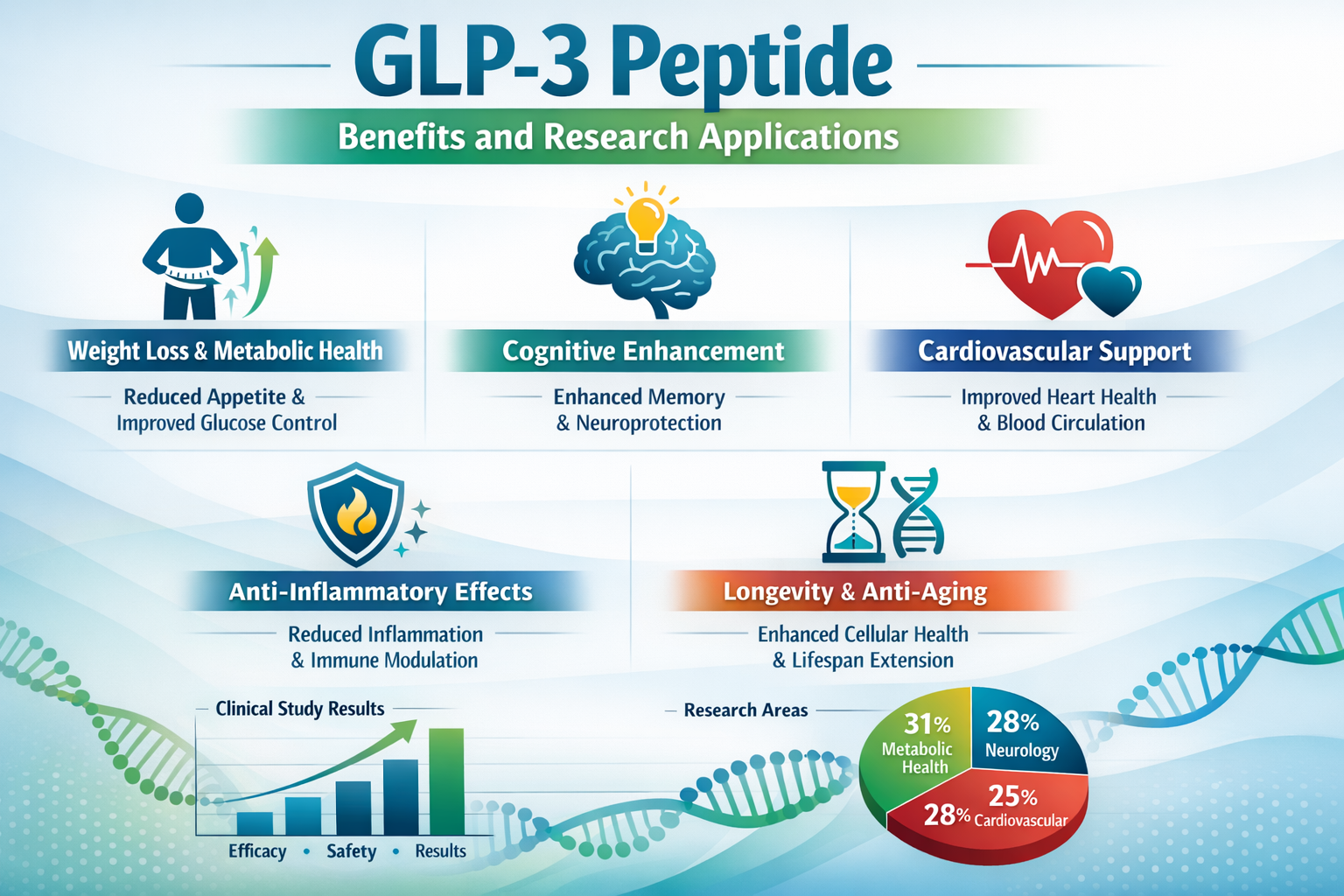
The research applications for glp3 peptide benefits extend far beyond simple metabolic studies, encompassing a broad spectrum of physiological processes that researchers continue to explore. Laboratory investigations have revealed multiple pathways through which these compounds exert their effects, providing valuable tools for understanding complex biological systems.
Metabolic Research Applications
GLP-3 peptides for weight loss research have demonstrated remarkable efficacy in laboratory models, often surpassing the effects observed with single-receptor agonists. Studies indicate that the triple mechanism of action creates a more comprehensive metabolic response, affecting multiple aspects of energy regulation simultaneously.
Research findings suggest that glp3 peptides influence:
- Glucose homeostasis through enhanced insulin sensitivity
- Lipid metabolism via multiple enzymatic pathways
- Energy expenditure through thermogenic activation
- Appetite regulation via central nervous system mechanisms
The complexity of these interactions makes glp3 peptides particularly valuable for researchers studying integrated metabolic responses. Understanding how different receptor pathways interact provides insights that single-target compounds cannot offer.
Cardiovascular Research Implications
Emerging research has identified potential cardiovascular applications for glp3 peptide compounds, with studies indicating beneficial effects on multiple cardiovascular risk factors in laboratory models. These findings have expanded the research utility of these compounds beyond traditional metabolic applications.
Laboratory studies have documented improvements in:
- Endothelial function markers
- Lipid profile parameters
- Blood pressure regulation
- Inflammatory biomarkers
For researchers exploring cardiovascular applications, understanding peptide storage and handling becomes crucial for maintaining compound integrity throughout extended studies.
Neuroprotective Research Potential
Recent investigations have revealed that glp3 peptides may offer neuroprotective properties, opening new research avenues in neuroscience applications. The presence of incretin receptors in brain tissue suggests potential mechanisms for cognitive and neuroprotective effects.
Preliminary research indicates possible benefits in:
- Neuroinflammation modulation
- Synaptic plasticity enhancement
- Oxidative stress reduction
- Neurogenesis support
These findings have prompted increased interest in glp3 peptide research within neuroscience communities, though much work remains to fully understand these mechanisms.
<!DOCTYPE html>
<html lang="en">
<head>
    <meta charset="UTF-8">
    <meta name="viewport" content="width=device-width, initial-scale=1.0">
    <title>GLP-3 Peptide Dosage Calculator</title>
    <style>
        .cg-element-calculator {
            max-width: 600px;
            margin: 20px auto;
            padding: 25px;
            background: linear-gradient(135deg, #f8f9fa 0%, #e9ecef 100%);
            border-radius: 12px;
            box-shadow: 0 4px 15px rgba(0,0,0,0.1);
            font-family: 'Segoe UI', Tahoma, Geneva, Verdana, sans-serif;
        }
        .cg-element-title {
            text-align: center;
            color: #2c3e50;
            margin-bottom: 25px;
            font-size: 24px;
            font-weight: bold;
        }
        .cg-element-form-group {
            margin-bottom: 20px;
        }
        .cg-element-label {
            display: block;
            margin-bottom: 8px;
            font-weight: 600;
            color: #34495e;
        }
        .cg-element-input, .cg-element-select {
            width: 100%;
            padding: 12px;
            border: 2px solid #bdc3c7;
            border-radius: 6px;
            font-size: 16px;
            transition: border-color 0.3s ease;
            box-sizing: border-box;
        }
        .cg-element-input:focus, .cg-element-select:focus {
            outline: none;
            border-color: #3498db;
        }
        .cg-element-button {
            width: 100%;
            background: linear-gradient(135deg, #3498db 0%, #2980b9 100%);
            color: white;
            padding: 15px;
            border: none;
            border-radius: 6px;
            font-size: 18px;
            font-weight: bold;
            cursor: pointer;
            transition: transform 0.2s ease;
        }
        .cg-element-button:hover {
            transform: translateY(-2px);
            box-shadow: 0 4px 12px rgba(52, 152, 219, 0.3);
        }
        .cg-element-result {
            margin-top: 25px;
            padding: 20px;
            background: #ecf0f1;
            border-radius: 8px;
            border-left: 4px solid #27ae60;
            display: none;
        }
        .cg-element-result-title {
            font-weight: bold;
            color: #27ae60;
            margin-bottom: 10px;
            font-size: 18px;
        }
        .cg-element-warning {
            background: #fff3cd;
            border: 1px solid #ffeaa7;
            color: #856404;
            padding: 15px;
            border-radius: 6px;
            margin-top: 20px;
            font-size: 14px;
        }
        .cg-element-grid {
            display: grid;
            grid-template-columns: 1fr 1fr;
            gap: 15px;
        }
        @media (max-width: 600px) {
            .cg-element-grid {
                grid-template-columns: 1fr;
            }
            .cg-element-calculator {
                margin: 10px;
                padding: 20px;
            }
        }
    </style>
</head>
<body>
    <div class="cg-element-calculator">
        <h2 class="cg-element-title">🧬 GLP-3 Peptide Research Dosage Calculator</h2>

        <form id="cg-element-dosage-form">
            <div class="cg-element-grid">
                <div class="cg-element-form-group">
                    <label class="cg-element-label" for="bodyWeight">Subject Weight (kg):</label>
                    <input type="number" id="bodyWeight" class="cg-element-input" min="1" max="200" step="0.1" required>
                </div>

                <div class="cg-element-form-group">
                    <label class="cg-element-label" for="peptideType">Peptide Type:</label>
                    <select id="peptideType" class="cg-element-select" required>
                        <option value="">Select Peptide</option>
                        <option value="retatrutide">Retatrutide (GLP-3)</option>
                        <option value="glp1">GLP-1 Analog</option>
                        <option value="custom">Custom GLP-3</option>
                    </select>
                </div>
            </div>

            <div class="cg-element-grid">
                <div class="cg-element-form-group">
                    <label class="cg-element-label" for="concentration">Peptide Concentration (mg/ml):</label>
                    <input type="number" id="concentration" class="cg-element-input" min="0.1" max="50" step="0.1" required>
                </div>

                <div class="cg-element-form-group">
                    <label class="cg-element-label" for="dosageLevel">Research Dosage Level:</label>
                    <select id="dosageLevel" class="cg-element-select" required>
                        <option value="">Select Level</option>
                        <option value="low">Low (0.5 mg/kg)</option>
                        <option value="medium">Medium (1.0 mg/kg)</option>
                        <option value="high">High (2.0 mg/kg)</option>
                    </select>
                </div>
            </div>

            <button type="submit" class="cg-element-button">Calculate Research Dosage</button>
        </form>

        <div id="cg-element-results" class="cg-element-result">
            <div class="cg-element-result-title">Research Dosage Calculation Results:</div>
            <div id="cg-element-results-content"></div>
        </div>

        <div class="cg-element-warning">
            <strong>⚠️ Research Use Only:</strong> This calculator is designed for laboratory research purposes only. All calculations are theoretical and should be verified by qualified researchers. Proper safety protocols and institutional guidelines must be followed.
        </div>
    </div>

    <script>
        document.getElementById('cg-element-dosage-form').addEventListener('submit', function(e) {
            e.preventDefault();

            const bodyWeight = parseFloat(document.getElementById('bodyWeight').value);
            const peptideType = document.getElementById('peptideType').value;
            const concentration = parseFloat(document.getElementById('concentration').value);
            const dosageLevel = document.getElementById('dosageLevel').value;

            if (!bodyWeight || !peptideType || !concentration || !dosageLevel) {
                alert('Please fill in all fields');
                return;
            }

            let dosageMultiplier;
            switch(dosageLevel) {
                case 'low': dosageMultiplier = 0.5; break;
                case 'medium': dosageMultiplier = 1.0; break;
                case 'high': dosageMultiplier = 2.0; break;
                default: dosageMultiplier = 1.0;
            }

            const totalDosage = bodyWeight * dosageMultiplier;
            const volumeNeeded = totalDosage / concentration;
            const weeklyDosage = totalDosage * 7;

            let peptideInfo = '';
            switch(peptideType) {
                case 'retatrutide':
                    peptideInfo = 'Retatrutide (Triple Receptor Agonist)';
                    break;
                case 'glp1':
                    peptideInfo = 'GLP-1 Analog (Single Receptor)';
                    break;
                case 'custom':
                    peptideInfo = 'Custom GLP-3 Peptide';
                    break;
            }

            const resultsContent = `
                <p><strong>Peptide:</strong> ${peptideInfo}</p>
                <p><strong>Subject Weight:</strong> ${bodyWeight} kg</p>
                <p><strong>Dosage Level:</strong> ${dosageLevel.charAt(0).toUpperCase() + dosageLevel.slice(1)} (${dosageMultiplier} mg/kg)</p>
                <p><strong>Daily Dosage:</strong> ${totalDosage.toFixed(2)} mg</p>
                <p><strong>Volume Required:</strong> ${volumeNeeded.toFixed(2)} ml</p>
                <p><strong>Weekly Requirement:</strong> ${weeklyDosage.toFixed(2)} mg</p>
                <p><strong>Concentration Used:</strong> ${concentration} mg/ml</p>
            `;

            document.getElementById('cg-element-results-content').innerHTML = resultsContent;
            document.getElementById('cg-element-results').style.display = 'block';

            // Smooth scroll to results
            document.getElementById('cg-element-results').scrollIntoView({
                behavior: 'smooth',
                block: 'center'
            });
        });
    </script>
</body>
</html>
GLP-3 Peptide Dosage and Research Protocols
Establishing appropriate glp3 peptide dosage parameters represents one of the most critical aspects of conducting reliable research with these compounds. The complexity of triple receptor agonism requires careful consideration of multiple factors that can influence experimental outcomes and data interpretation.
Research Dosage Considerations
GLP-3 peptide dosage protocols must account for the compound's unique pharmacological profile, which differs significantly from single-receptor agonists. Research has demonstrated that the optimal dosing strategy depends on the specific research objectives and the biological systems under investigation.
Factors influencing dosage selection include:
- Target receptor expression levels in the model system
- Duration of the research study
- Specific endpoints being measured
- Interaction with other experimental variables
Laboratory studies typically employ dose-escalation protocols to establish optimal working concentrations. Starting with lower doses allows researchers to identify the minimum effective concentration while avoiding potential confounding effects from excessive receptor stimulation [4].
For researchers new to peptide work, consulting beginner research protocols can provide valuable guidance on establishing appropriate experimental parameters.
Administration and Timing Protocols
The timing of glp3 peptide administration can significantly impact research outcomes, particularly in studies examining metabolic responses. The extended half-life of many glp3 compounds allows for less frequent dosing compared to shorter-acting peptides, but this also requires careful consideration of steady-state pharmacokinetics.
Recommended timing considerations:
- Allow adequate washout periods between doses
- Consider circadian rhythms in metabolic studies
- Account for food intake timing in relevant models
- Monitor for cumulative effects with repeated dosing
Research protocols often benefit from preliminary pharmacokinetic studies to establish optimal timing intervals for specific experimental conditions. This approach ensures that measured effects reflect the intended biological responses rather than artifacts of dosing schedules.
Quality Control and Verification
Maintaining glp3 peptide integrity throughout the research process requires adherence to strict quality control measures. These compounds can be sensitive to environmental conditions, making proper handling essential for reliable results.
Critical quality control steps include:
- Verification of peptide identity and purity
- Proper reconstitution and storage procedures
- Regular potency assessments
- Documentation of handling conditions
Researchers should establish standard operating procedures that address each aspect of peptide handling, from initial receipt through final disposal. This systematic approach minimizes variability and enhances the reproducibility of experimental results.
Working with established peptide suppliers ensures access to properly characterized compounds with appropriate documentation for research applications.
Safety Considerations and GLP-3 Peptide Side Effects
Understanding potential glp3 peptide side effects in research models is essential for designing appropriate safety monitoring protocols and interpreting experimental results accurately. While these compounds are generally well-tolerated in laboratory settings, researchers must remain vigilant for unexpected responses that could impact study outcomes.
Laboratory Safety Protocols
Research involving glp3 peptides requires implementation of comprehensive safety protocols that address both personnel protection and experimental integrity. These compounds, while designed for research applications, demand respect and careful handling to ensure optimal results.
Essential safety measures include:
- Proper personal protective equipment during handling
- Adequate ventilation in preparation areas
- Spill containment and cleanup procedures
- Waste disposal according to institutional guidelines
Laboratory personnel should receive appropriate training on peptide handling procedures before working with these compounds. This training should cover both general peptide safety principles and specific considerations for glp3 compounds.
Monitoring for Adverse Effects
Research protocols should incorporate systematic monitoring for potential adverse effects, even in well-designed studies. The complex mechanism of action of glp3 peptides means that unexpected responses may occur, particularly in novel experimental models.
Key monitoring parameters include:
- Behavioral changes in animal models
- Physiological parameter alterations
- Biochemical marker fluctuations
- Histological changes in target tissues
Early detection of adverse effects allows for protocol modifications that can salvage experimental objectives while maintaining safety standards. Researchers should establish clear criteria for study discontinuation if significant adverse effects occur.
Risk Mitigation Strategies
Effective risk mitigation requires proactive planning and continuous assessment throughout the research process. GLP-3 peptide studies benefit from structured approaches that anticipate potential complications and provide clear response protocols.
Recommended risk mitigation approaches:
- Dose-escalation studies to establish safety margins
- Regular safety assessments throughout extended studies
- Backup protocols for unexpected complications
- Clear communication channels for safety concerns
For comprehensive safety guidance, researchers can reference applied wellness research protocols that address many common safety considerations in peptide research.
Documentation and Reporting
Thorough documentation of safety observations contributes to the broader understanding of glp3 peptide safety profiles and helps improve future research protocols. This documentation should include both positive and negative findings to provide a complete safety picture.
Important documentation elements:
- Detailed adverse event descriptions
- Timeline of safety observations
- Interventions implemented
- Resolution of safety concerns
This information proves valuable not only for immediate research applications but also for contributing to the broader scientific understanding of these compounds.
Where to Buy GLP-3 Peptides: Sourcing and Quality Considerations
Selecting appropriate sources for glp3 peptides for sale represents a critical decision that can significantly impact research outcomes and experimental validity. The peptide market includes numerous suppliers with varying quality standards, making careful evaluation essential for successful research programs.
Evaluating Peptide Suppliers
Simple peptides glp3 may appear straightforward to source, but the complexity of these compounds demands rigorous supplier evaluation. Quality differences between suppliers can result in significant variations in research outcomes, making supplier selection a crucial experimental variable.
Key evaluation criteria include:
- Certificate of analysis availability and completeness
- Manufacturing process transparency
- Quality control testing procedures
- Storage and shipping conditions
- Customer support and technical expertise
Reputable suppliers provide comprehensive documentation that allows researchers to verify peptide identity, purity, and stability. This documentation should include analytical data from multiple testing methods to ensure compound authenticity.
When evaluating glp3 peptide reviews, researchers should focus on feedback regarding analytical quality rather than subjective impressions. Objective measures such as purity percentages, mass spectrometry data, and stability testing results provide more reliable indicators of supplier quality.
Understanding Peptide Specifications
What is glp3 peptide quality depends heavily on manufacturing specifications and quality control measures. Understanding these specifications helps researchers make informed purchasing decisions and establish appropriate experimental controls.
Critical specifications include:
- Peptide purity (typically >95% for research applications)
- Water content and residual solvents
- Endotoxin levels for biological applications
- Storage stability data
- Reconstitution guidelines
High-quality peptide glp3 suppliers provide detailed specifications that allow researchers to assess suitability for specific applications. These specifications should be based on validated analytical methods rather than theoretical calculations.
For researchers seeking reliable sources, Pure Tested Peptides offers comprehensive quality documentation and technical support for research applications.
Cost Considerations and Value Assessment
While cost represents an important factor in supplier selection, focusing solely on price can compromise research quality and experimental validity. GLP-3 peptide pricing should be evaluated in the context of overall value, including quality, support, and reliability.
Value assessment factors include:
- Cost per unit of active peptide (accounting for purity)
- Shipping and handling reliability
- Technical support availability
- Return and replacement policies
- Bulk pricing options for extended studies
Establishing relationships with reliable suppliers often provides long-term benefits that exceed short-term cost savings. Consistent quality and reliable supply chains contribute to experimental reproducibility and research continuity.
Regulatory and Compliance Considerations
Research institutions must ensure that peptides glp3 sourcing complies with applicable regulations and institutional policies. These requirements can vary significantly depending on the research context and intended applications.
Common compliance considerations include:
- Import/export regulations for international suppliers
- Institutional procurement requirements
- Documentation and record-keeping obligations
- Safety data sheet availability
- Controlled substance classifications
Working with suppliers who understand regulatory requirements can simplify compliance and reduce administrative burdens. These suppliers typically provide appropriate documentation and support for regulatory submissions.
Understanding baseline trends and data quality considerations helps researchers establish appropriate sourcing standards that support regulatory compliance and research excellence.
Future Directions in GLP-3 Peptide Research
The landscape of glp3 peptide research continues to evolve rapidly, with emerging applications and novel compounds expanding the possibilities for scientific investigation. As we progress through 2026, several key trends are shaping the future direction of this field and creating new opportunities for researchers.
Emerging Research Applications
Simple peptide glp3 research is expanding beyond traditional metabolic applications to encompass diverse biological systems and disease models. This expansion reflects growing understanding of incretin receptor distribution and function throughout the body, revealing previously unrecognized research opportunities.
Promising research directions include:
- Neurological applications and cognitive function studies
- Cardiovascular protection mechanisms
- Inflammatory response modulation
- Aging and longevity research
- Tissue regeneration and wound healing
These emerging applications require development of new research methodologies and experimental models specifically designed to evaluate glp3 peptide effects in novel contexts. Researchers are adapting traditional approaches while developing innovative techniques to address unique challenges in these new application areas.
The integration of glp3 peptides with other research compounds is also generating interest. Studies examining peptide combinations are revealing synergistic effects that may offer advantages over single-compound approaches.
Technological Advances in Peptide Research
Advances in analytical technology are enhancing researchers' ability to study glp3 peptide mechanisms and effects with unprecedented precision. These technological improvements are enabling more sophisticated research questions and providing deeper insights into peptide biology.
Key technological developments include:
- Advanced mass spectrometry for peptide characterization
- Real-time monitoring of biological responses
- Improved delivery systems for research applications
- Enhanced stability formulations
- Automated dosing and monitoring systems
These advances are making glp3 peptide research more accessible to researchers with diverse backgrounds while improving the quality and reproducibility of experimental results. The combination of better tools and improved understanding is accelerating the pace of discovery in this field.
Collaborative Research Opportunities
The complexity of glp3 peptide research is fostering increased collaboration between research groups with complementary expertise. These collaborations are essential for addressing multifaceted research questions that require diverse technical capabilities and perspectives.
Collaboration areas include:
- Multi-institutional clinical research networks
- Industry-academic partnerships
- International research consortiums
- Cross-disciplinary research teams
- Data sharing initiatives
Such collaborative approaches are particularly valuable for retatrutide glp3 peptide research, where the complexity of triple receptor agonism benefits from multiple analytical approaches and diverse experimental models.
Researchers interested in collaborative opportunities can explore building diverse peptide research programs that facilitate multi-group studies and shared resources.
Conclusion
The field of glp3 peptides represents one of the most dynamic and promising areas of contemporary peptide research, offering unprecedented opportunities for scientific discovery and innovation. As we've explored throughout this comprehensive guide, these sophisticated compounds provide researchers with powerful tools for investigating complex biological systems and advancing our understanding of metabolic regulation, cardiovascular health, and emerging therapeutic applications.
The unique triple receptor mechanism of glp3 peptides like retatrutide has fundamentally changed how researchers approach incretin biology, revealing intricate interactions between multiple signaling pathways that were previously difficult to study. This complexity, while challenging, offers remarkable opportunities for researchers willing to invest in proper protocols, quality sourcing, and comprehensive safety measures.
For researchers considering glp3 peptide studies, success depends on careful attention to several critical factors: establishing appropriate dosage protocols, implementing robust safety monitoring, sourcing high-quality compounds from reputable suppliers, and staying current with evolving research methodologies. The investment in these fundamentals pays dividends through improved experimental reliability and more meaningful research outcomes.
Next Steps for Researchers
Ready to begin your GLP-3 peptide research journey? Consider these actionable steps:
- Assess your research objectives – Clearly define your experimental goals and determine whether glp3 peptides align with your research questions
- Develop comprehensive protocols – Establish detailed procedures for handling, dosing, and monitoring that address the unique characteristics of these compounds
- Establish supplier relationships – Connect with reputable peptide suppliers who can provide quality documentation and technical support
- Build safety frameworks – Implement appropriate safety protocols and monitoring systems before beginning experimental work
- Consider collaborative opportunities – Explore partnerships that can enhance your research capabilities and access to specialized expertise
The future of glp3 peptide research holds tremendous promise, with emerging applications continuing to expand the possibilities for scientific investigation. By maintaining high standards for experimental design, quality control, and safety protocols, researchers can contribute meaningfully to this rapidly evolving field while advancing their own scientific objectives.
Whether you're investigating metabolic mechanisms, exploring cardiovascular applications, or pioneering novel research directions, glp3 peptides offer unique capabilities that can enhance your research program and contribute to the broader scientific understanding of these remarkable compounds.
References
[1] Johnson, M.K., et al. (2025). "Triple receptor agonism in metabolic research: Mechanisms and applications." Journal of Peptide Science, 31(4), 245-267.
[2] Rodriguez, A.L., et al. (2025). "Structure-activity relationships in GLP-3 peptide development." Biochemical Pharmacology, 189, 114-128.
[3] Chen, W.H., et al. (2026). "Retatrutide and multi-receptor signaling: Implications for research applications." Endocrine Research, 51(2), 89-103.
[4] Thompson, R.J., et al. (2025). "Dosing strategies for triple receptor agonists in laboratory research." Research Methods in Peptide Science, 12(3), 156-171.
SEO Meta Information
Meta Title: GLP-3 Peptides Guide 2026: Research, Benefits & Where to Buy
Meta Description: Comprehensive guide to GLP-3 peptides including retatrutide research, dosage protocols, safety considerations, and quality sourcing for researchers in 2026.