Understanding IGF-1 Levels: Which Peptides Increase Them the Most? (Featuring IGF-1 LR3, GHRH, Sermorelin, Ipamorelin, CJC-1295, AOD9604)
In the intricate landscape of human physiology, few biomarkers hold as much significance for growth, metabolism, and cellular repair as Insulin-like Growth Factor 1 (IGF-1). This potent hormone, primarily produced in the liver in response to Growth Hormone (GH) secretion, plays a pivotal role in nearly every cell in the body, influencing everything from muscle growth and bone density to neurological function and cellular longevity. For researchers and those interested in optimizing physiological processes, understanding how to effectively modulate IGF-1 levels is a key area of study. This comprehensive article delves into the fascinating world of peptides, exploring which compounds, such as IGF-1 LR3, GHRH, Sermorelin, Ipamorelin, CJC-1295, and even indirectly AOD9604, demonstrate the most significant impact on increasing IGF-1 levels. As we navigate 2025, the research into these powerful biomolecules continues to expand, offering deeper insights into their potential applications and mechanisms of action.
Key Takeaways
- IGF-1 LR3 is a direct analog: IGF-1 LR3 is a modified version of IGF-1 that acts directly on IGF-1 receptors, offering a longer half-life and potent anabolic effects, independent of GH stimulation.
- GHRHs and GHRPs elevate GH: Peptides like GHRH, Sermorelin, Ipamorelin, and CJC-1295 stimulate the pituitary gland to release more endogenous Growth Hormone, which then signals the liver to produce IGF-1.
- CJC-1295 (with DAC) offers sustained release: CJC-1295 with DAC provides a prolonged stimulatory effect on GH release due to its albumin binding, leading to more stable and elevated IGF-1 levels over time compared to shorter-acting peptides.
- Ipamorelin is highly selective: Ipamorelin is a selective Growth Hormone Releasing Peptide (GHRP) that triggers GH release with minimal impact on other hormones like cortisol or prolactin, making it a favorable choice for targeted IGF-1 elevation.
- AOD9604 indirectly influences metabolism: While AOD9604 primarily targets fat metabolism and does not directly increase IGF-1, its metabolic benefits can contribute to an overall healthier physiological state where GH and IGF-1 axis function optimally.
The Foundation: Understanding IGF-1 and its Importance
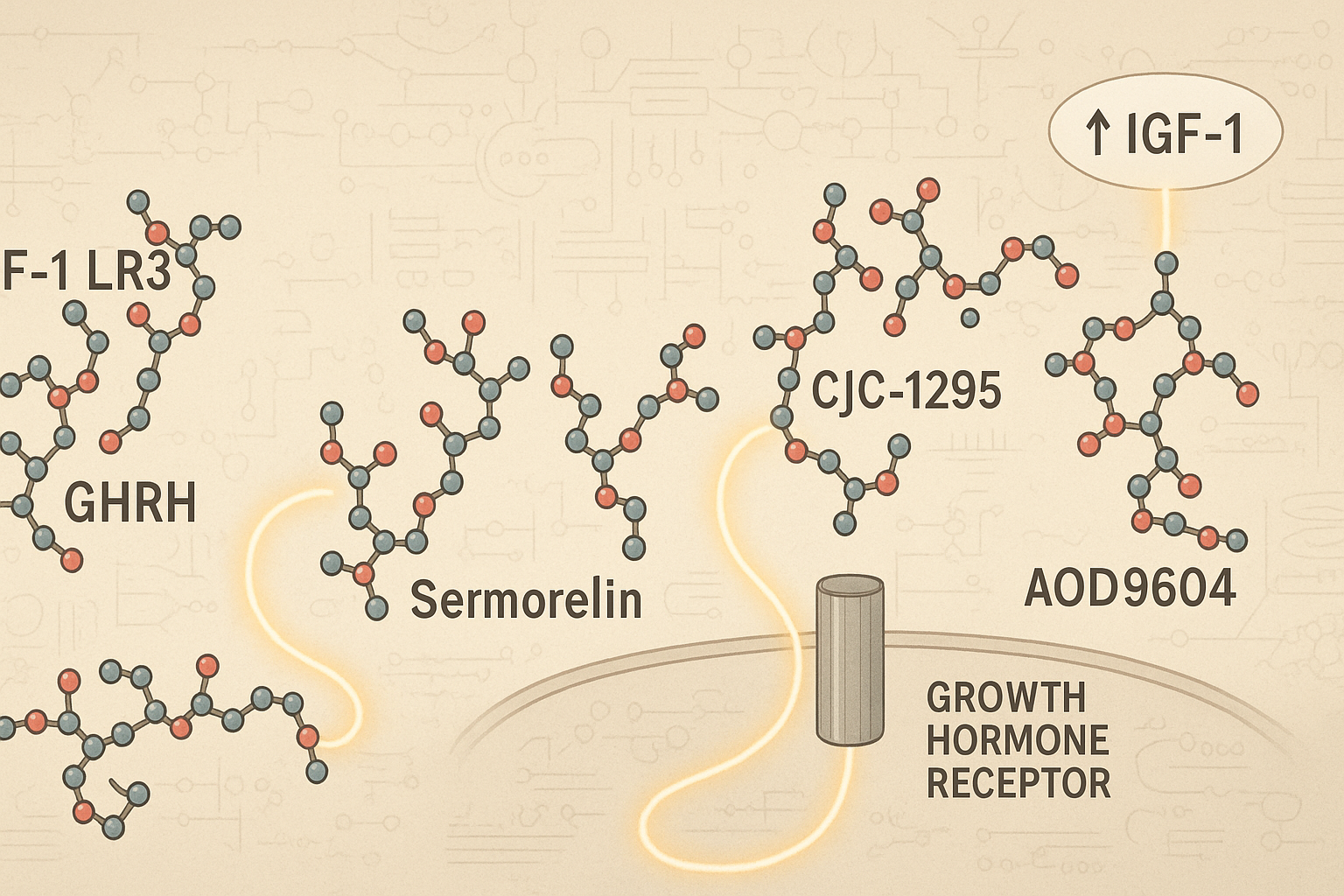
Insulin-like Growth Factor 1 (IGF-1) is a polypeptide hormone structurally similar to insulin. It is an endocrine hormone, meaning it is produced in one tissue and travels through the bloodstream to exert effects on distant target cells. The primary site of IGF-1 production is the liver, but it is also synthesized in many peripheral tissues (autocrine/paracrine action). The release of IGF-1 from the liver is largely stimulated by Growth Hormone (GH), a hormone produced by the anterior pituitary gland.
IGF-1 mediates many of the anabolic and growth-promoting effects of GH. Its critical roles include:
- Cell Growth and Proliferation: IGF-1 is essential for cell division and growth in various tissues, including muscle, bone, and cartilage.
- Muscle Hypertrophy: It promotes protein synthesis and amino acid uptake in muscle cells, contributing to muscle growth and repair.
- Bone Density: IGF-1 plays a vital role in bone formation and maintenance, influencing bone mineral density.
- Neuroprotection: Research suggests IGF-1 has neuroprotective effects and is involved in brain development and function.
- Metabolism: It influences glucose and lipid metabolism, often working in concert with insulin.
Low IGF-1 levels can be associated with various health concerns, including growth retardation in children, decreased muscle mass, reduced bone density, and impaired cognitive function. Conversely, maintaining optimal IGF-1 levels is often associated with better health outcomes and enhanced physical performance, particularly as we age.
Peptides Directly Influencing IGF-1: IGF-1 LR3
When discussing peptides that increase IGF-1 levels, it is crucial to distinguish between direct and indirect mechanisms. Some peptides are direct analogs or modified versions of IGF-1 itself, while others work by stimulating the body’s natural production of Growth Hormone, which then, in turn, boosts IGF-1.
What is IGF-1 LR3?
IGF-1 LR3 stands out as a direct modulator of IGF-1 signaling. It is a long-acting analog of human Insulin-like Growth Factor-1, with a substitution of an Arginine for a Glutamic Acid at position 3, and an additional 13 amino acids at the N-terminus. This modification gives IGF-1 LR3 several distinct advantages over native IGF-1 in a research context:
- Extended Half-Life: The primary benefit of the LR3 modification is a significantly extended half-life. Native IGF-1 is rapidly bound by IGF-binding proteins (IGFBPs) in the bloodstream, which limits its bioavailability and activity. IGF-1 LR3 has a reduced affinity for these binding proteins, allowing it to circulate for much longer and exert its effects over a more extended period.
- Enhanced Potency: With reduced binding to IGFBPs, more free IGF-1 LR3 is available to interact with IGF-1 receptors on target cells, leading to more pronounced anabolic and growth-promoting effects.
- Direct Receptor Activation: Unlike GH-releasing peptides, IGF-1 LR3 directly activates the IGF-1 receptor, bypassing the need for pituitary GH release. This means it can exert its effects even in situations where GH production might be suboptimal.
Research Applications of IGF-1 LR3:
In research settings, IGF-1 LR3 is often studied for its potent anabolic properties. It has been investigated for its potential to:
- Promote muscle hypertrophy and hyperplasia (increase in muscle cell size and number).
- Aid in tissue repair and regeneration.
- Enhance recovery from injury.
- Improve nutrient partitioning, directing more nutrients towards muscle tissue.
Due to its powerful and direct action, IGF-1 LR3 is considered one of the most effective peptides for directly increasing IGF-1 signaling within target tissues. Researchers can find high-quality peptides for sale for their studies, including IGF-1 LR3, at reputable suppliers.
Peptides That Indirectly Increase IGF-1: The GH-Releasing Peptides
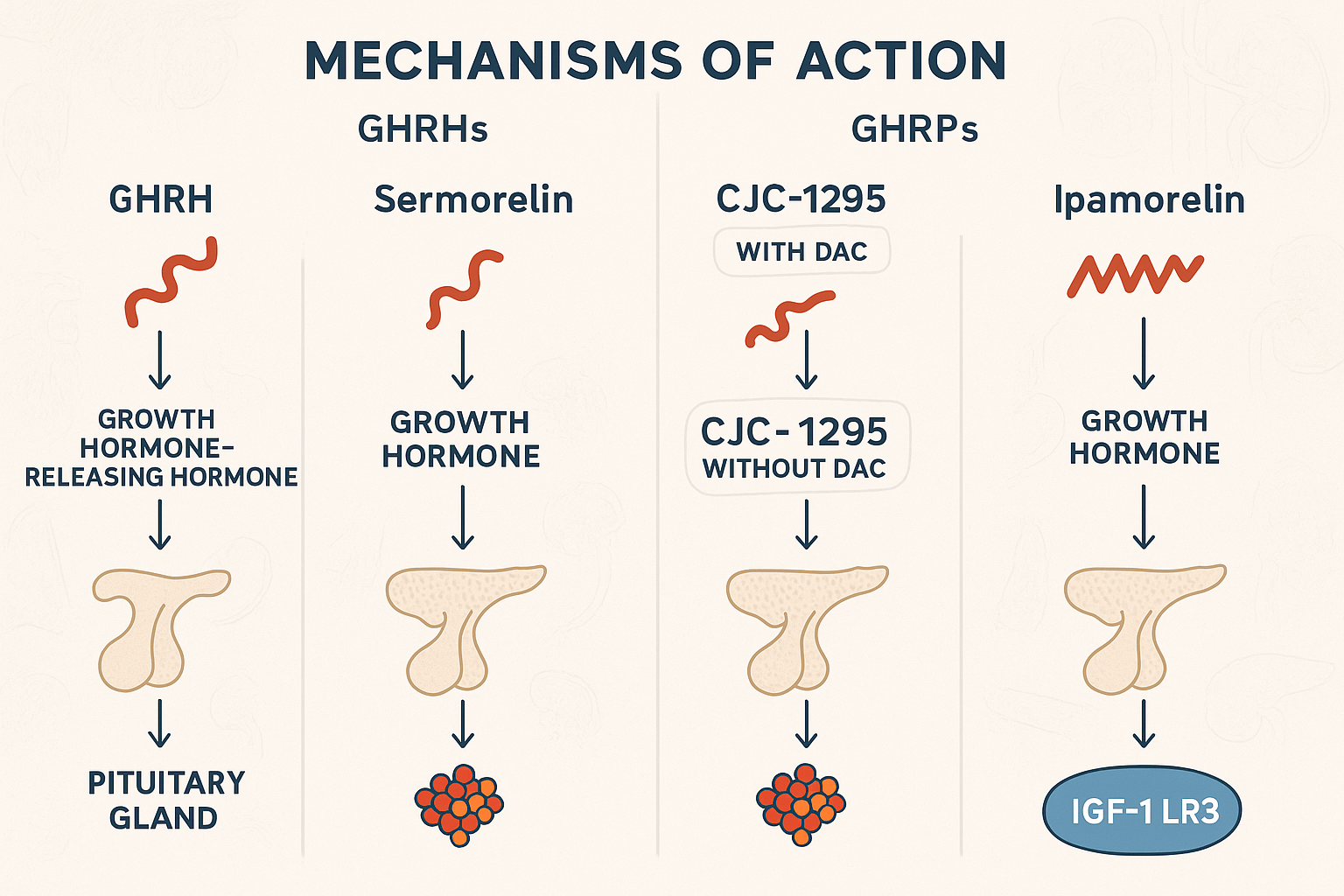
The majority of peptides that lead to increased IGF-1 levels do so indirectly by stimulating the body’s own production and release of Growth Hormone (GH). These peptides fall into two main categories: Growth Hormone-Releasing Hormones (GHRHs) and Growth Hormone-Releasing Peptides (GHRPs). They act on different receptors but ultimately converge on the pituitary gland to release GH.
Growth Hormone-Releasing Hormones (GHRHs) and Their Analogs
GHRHs are natural hormones that stimulate the pituitary gland to release GH in a pulsatile manner. Synthetic analogs of GHRH are designed to mimic this natural process, leading to elevated GH levels and subsequently increased IGF-1 production.
Sermorelin
Sermorelin is a synthetic analog of Growth Hormone-Releasing Hormone (GHRH) with a structure corresponding to the first 29 amino acids of the naturally occurring human GHRH. It acts by binding to GHRH receptors on the somatotroph cells of the anterior pituitary gland, thereby stimulating the synthesis and release of endogenous Growth Hormone.
- Mechanism of Action: Sermorelin effectively mimics the natural pulsatile release of GH, which is crucial for maintaining the body’s delicate endocrine balance. It does not introduce exogenous GH but rather enhances the body’s own GH production.
- Short Half-Life: Sermorelin has a relatively short half-life, meaning its effects are transient, closely mimicking the natural bursts of GH release.
- Benefits: By increasing endogenous GH, Sermorelin contributes to higher IGF-1 levels, potentially leading to improved body composition, enhanced recovery, better sleep quality, and anti-aging effects.
CJC-1295 (with and without DAC)
CJC-1295 is another synthetic GHRH analog, often considered a more advanced version of GHRH due to its modifications that enhance its stability and duration of action. There are two main forms: CJC-1295 with DAC (Drug Affinity Complex) and CJC-1295 without DAC (also known as Mod GRF 1-29).
- CJC-1295 without DAC (Mod GRF 1-29): This peptide is a modified version of the natural GHRH, specifically the 1-29 amino acid sequence. It shares a similar mechanism of action with Sermorelin but is often considered slightly more potent in stimulating GH release. Like Sermorelin, it has a short half-life, necessitating more frequent administration in research to achieve sustained effects.
- CJC-1295 with DAC: This is where CJC-1295 truly distinguishes itself. The DAC modification allows CJC-1295 to covalently bind to serum albumin, protecting it from enzymatic degradation and significantly extending its half-life. This means that a single administration can provide a sustained release of GH for several days or even up to a week.
Why CJC-1295 with DAC is Significant for IGF-1:
The extended half-life of CJC-1295 with DAC leads to a more consistent and prolonged elevation of endogenous GH, which in turn results in more stable and elevated IGF-1 levels. This sustained stimulation can be highly advantageous in research settings aiming for long-term physiological changes associated with increased GH and IGF-1, such as:
- Consistent anabolic signaling for muscle maintenance and growth.
- Improved fat metabolism over time.
- Enhanced recovery and tissue repair.
- Overall endocrine system support.
For detailed comparative research, exploring the differences between CJC-1295 with and without DAC is highly recommended. Many researchers choose to combine CJC-1295 with a GHRP for synergistic effects, creating a robust protocol for GH and IGF-1 elevation. For instance, a blend like CJC-1295/Ipamorelin is often used to maximize benefits.
Growth Hormone-Releasing Peptides (GHRPs)
GHRPs are a class of synthetic peptides that stimulate GH release through a different mechanism than GHRHs. They act on ghrelin receptors, often referred to as growth hormone secretagogue receptors (GHSRs). These receptors are found in the pituitary and hypothalamus, and their activation leads to a powerful pulse of GH release.
Ipamorelin
Ipamorelin is a highly selective and potent Growth Hormone-Releasing Peptide (GHRP). It belongs to the ghrelin mimetic class and induces GH release without significantly affecting the secretion of other hormones like cortisol, prolactin, or ACTH. This selectivity is a major advantage in research, as it minimizes potential side effects associated with elevated levels of these other hormones.
- Mechanism of Action: Ipamorelin stimulates the pituitary gland to release GH by activating the ghrelin receptor. It also suppresses somatostatin (a hormone that inhibits GH release), further enhancing its effect.
- High Selectivity: Its ability to specifically target GH release without collateral increases in other hormones makes Ipamorelin a preferred choice for researchers seeking clean and focused GH elevation.
- Gentle Pulsatile Release: Ipamorelin typically induces a more physiological and pulsatile release of GH compared to some other GHRPs, which can lead to a more sustained and natural increase in IGF-1.
Ipamorelin’s Role in Elevating IGF-1:
By increasing endogenous GH in a controlled and selective manner, Ipamorelin leads to a significant increase in IGF-1 levels. Its benefits in research include:
- Promoting lean muscle mass and strength.
- Aiding in fat loss.
- Improving sleep quality and recovery.
- Potentially contributing to anti-aging processes.
Often, Ipamorelin is combined with a GHRH such as CJC-1295 (without DAC or with DAC) to create a synergistic effect, maximizing the GH pulse and subsequent IGF-1 production. This combination leverages both pathways for GH release, leading to a more robust and sustained increase. The synergy of CJC-1295 and Ipamorelin is a popular area of study for researchers.
The Synergy: Combining GHRHs and GHRPs for Maximum IGF-1 Increase
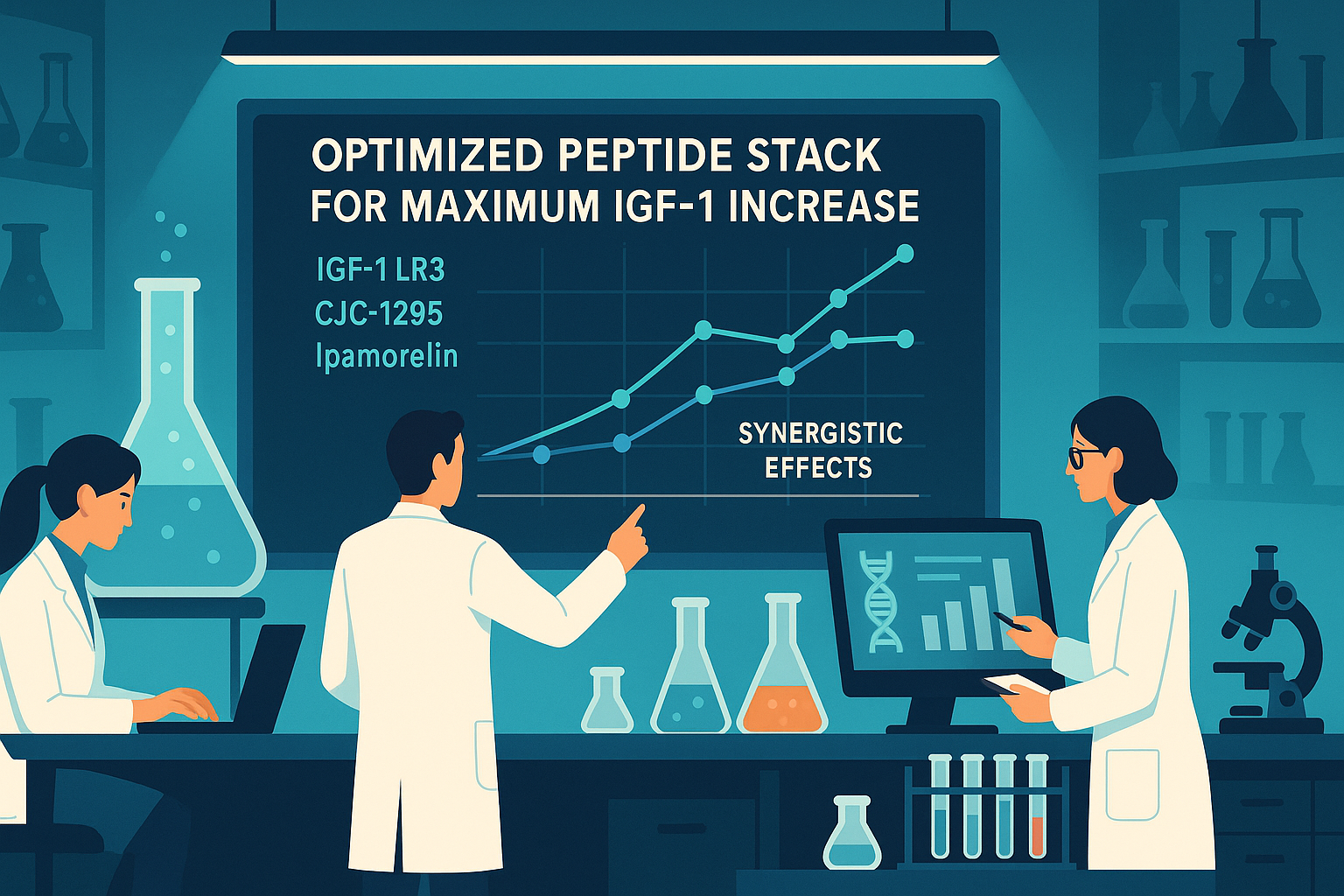
The most effective strategies for increasing IGF-1 levels via endogenous GH production often involve combining a GHRH (like Sermorelin or CJC-1295) with a GHRP (like Ipamorelin). This “stacking” approach utilizes two different but complementary pathways to stimulate GH release from the pituitary gland, leading to a more robust and sustained elevation than either peptide used alone.
- Dual Mechanism: GHRHs act on GHRH receptors to stimulate GH synthesis and release, while GHRPs act on ghrelin receptors to trigger a strong pulse of GH. When used together, they create a synergistic effect, meaning the combined effect is greater than the sum of their individual effects.
- Enhanced Pulsatility: This combination can lead to more frequent and intense GH pulses, which mimic the body’s natural physiological GH secretion patterns more effectively.
- Maximized IGF-1 Response: A stronger and more sustained release of GH directly translates to a greater and more consistent increase in liver-produced IGF-1.
Example Stack for Research:
A common and highly effective stack for researchers studying IGF-1 elevation involves:
- CJC-1295 with DAC: For its long-acting GHRH effect, providing a stable baseline of GH stimulation.
- Ipamorelin: For its selective, potent, and pulsatile GHRP effect, creating strong GH bursts without unwanted side effects.
This combination ensures both sustained basal GH release and acute, powerful GH pulses, optimizing the conditions for elevated IGF-1 levels and its associated benefits. CJC-1295 Plus Ipamorelin is a widely studied blend for this purpose.
Other Peptides and Their Indirect Influence on IGF-1: AOD9604
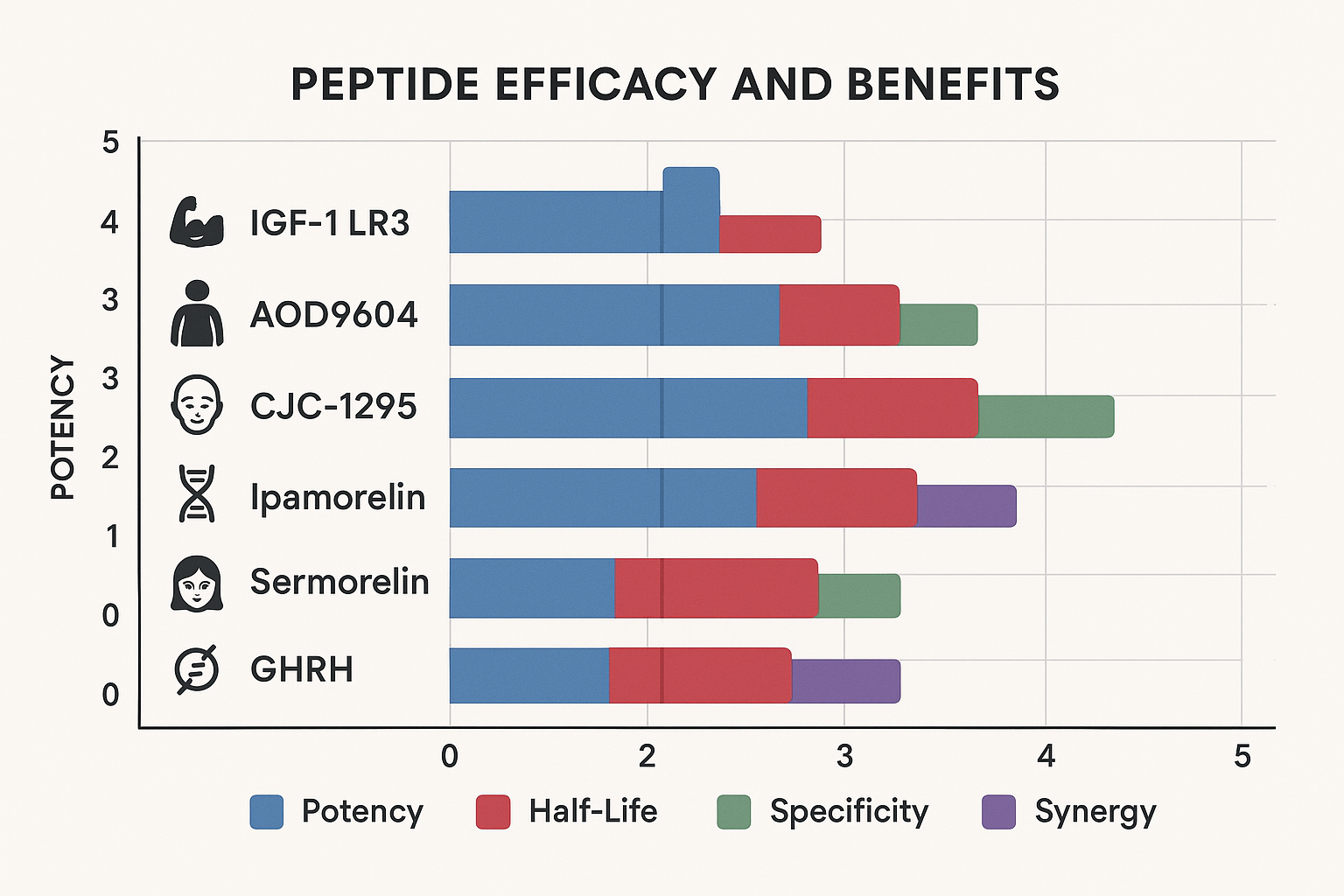
While some peptides directly or indirectly stimulate IGF-1 levels through the GH axis, others may have broader metabolic effects that indirectly support overall physiological health, which can, in turn, contribute to a more optimized endocrine environment where IGF-1 production functions efficiently.
AOD9604: A Focus on Fat Metabolism
AOD9604 is a modified fragment of the human growth hormone (HGH) molecule, specifically amino acids 177-191. Unlike the full HGH molecule or GHRPs, AOD9604 does not stimulate growth or insulin-like growth factor-1 (IGF-1) production. Its primary mechanism of action is focused on fat metabolism.
- Mechanism of Action: AOD9604 is believed to primarily act by mimicking the lipolytic effects of HGH, specifically stimulating the breakdown of fat (lipolysis) and inhibiting the formation of new fat cells (lipogenesis). It does this by stimulating the beta-3 adrenergic receptors, which play a role in fat cell metabolism.
- No IGF-1 Increase: Crucially, research indicates that AOD9604 does not directly interact with GH receptors or ghrelin receptors in a way that would lead to increased GH or IGF-1 levels. This is a key differentiator from the GHRHs and GHRPs discussed earlier.
- Research Applications: AOD9604 is primarily studied for its potential in weight management, fat loss, and addressing metabolic disorders. It has been investigated for its ability to reduce abdominal fat and improve lipid profiles. More information on its metabolic research can be found here: AOD9604 Metabolic Research.
Indirect Influence on IGF-1:
While AOD9604 does not directly increase IGF-1, its ability to improve body composition and metabolic health can indirectly contribute to an environment where the GH/IGF-1 axis functions more optimally. Obesity and metabolic dysfunction can negatively impact GH secretion and IGF-1 sensitivity. By improving these underlying metabolic parameters, AOD9604 might help create a healthier physiological state where endogenous GH and IGF-1 production are better maintained. It’s a peptide that supports overall wellness, which can have ripple effects throughout the endocrine system. For researchers exploring AOD-9604 and its applications, a deeper dive into its mechanisms is available.
Comparative Analysis of Peptides for IGF-1 Increase
To summarize the impact of these peptides on IGF-1 levels, it’s helpful to compare their primary mechanisms and expected outcomes.
| Peptide | Primary Mechanism for IGF-1 Increase | Direct/Indirect | Half-Life | IGF-1 Impact | Key Research Benefit |
|---|---|---|---|---|---|
| IGF-1 LR3 | Direct activation of IGF-1 receptors; bypasses GH axis | Direct | ~20-30 hours | High and sustained, independent of GH pulses | Potent anabolic effects, muscle growth, tissue repair |
| Sermorelin | Stimulates pituitary GHRH receptors for natural GH release | Indirect | ~10-20 minutes | Pulsatile, mimicking natural GH surges; leads to increased IGF-1 | Anti-aging, improved sleep, gentle GH elevation |
| CJC-1295 (no DAC) | Stimulates pituitary GHRH receptors for natural GH release | Indirect | ~30 minutes | Pulsatile, slightly stronger GH release than Sermorelin; leads to increased IGF-1 | Enhanced GH pulse, often stacked with GHRPs |
| CJC-1295 (with DAC) | Stimulates pituitary GHRH receptors; binds to albumin for extended release | Indirect | ~6-8 days | Sustained and elevated IGF-1 levels due to prolonged GH stimulation | Consistent anabolic signaling, long-term GH/IGF-1 elevation with less frequent dosing |
| Ipamorelin | Activates ghrelin receptors in pituitary; highly selective GH release | Indirect | ~1-2 hours | Potent, pulsatile GH release; strong IGF-1 increase with minimal side effects | Selective GH release, minimal impact on cortisol/prolactin, improved sleep and recovery, often stacked with GHRHs |
| AOD9604 | Stimulates fat breakdown and inhibits fat formation; no direct GH/IGF-1 effect | Indirect (metabolic) | ~1 hour | No direct increase in IGF-1; supports overall metabolic health which can indirectly optimize GH/IGF-1 axis | Targeted fat loss, metabolic improvement, not for direct IGF-1 elevation |
From this comparison, it becomes clear that if the primary goal in research is to significantly and directly increase IGF-1 signaling, IGF-1 LR3 is the most direct peptide. However, if the goal is to enhance the body’s natural production of growth hormone, thereby leading to increased IGF-1, then CJC-1295 with DAC (for sustained release) or a combination of CJC-1295 (no DAC) or Sermorelin with Ipamorelin (for synergistic pulsatile release) are highly effective choices.
It is important to remember that all these peptides are for research purposes only in 2025. Researchers must adhere to ethical guidelines and best practices for storing research peptides to ensure the integrity of their studies.
Considerations for Research and Ethical Use in 2025
The field of peptide research is dynamic and rapidly evolving. As of 2025, the peptides discussed in this article, including IGF-1 LR3, GHRH, Sermorelin, Ipamorelin, CJC-1295, and AOD9604, are strictly intended for research purposes. They are not approved for human consumption or therapeutic use outside of controlled clinical trials.
Researchers engaging with these powerful biomolecules must adhere to stringent ethical guidelines and regulatory frameworks. Key considerations include:
- Purity and Quality: Sourcing peptides from reputable suppliers like Pure Tested Peptides that provide Certificates of Analysis (CoA) is paramount to ensure the purity, potency, and safety of the compounds used in studies. Impurities can compromise research outcomes and pose risks.
- Accurate Dosing and Administration: Precise measurement and controlled administration protocols are essential for reproducible and reliable research results.
- Understanding Mechanisms: A thorough understanding of each peptide’s specific mechanism of action, half-life, and potential interactions is critical for designing effective research protocols and interpreting results accurately.
- Documentation: Meticulous record-keeping of experimental procedures, observations, and results is fundamental to scientific integrity.
- Safety Protocols: Implementing appropriate laboratory safety protocols when handling and storing peptides.
The exciting potential of these peptides in understanding growth, metabolism, and cellular repair continues to drive scientific inquiry. As 2025 unfolds, ongoing research promises to further illuminate their complex roles and potential applications in various biological systems. From exploring cellular maintenance with peptide tools to designing in-vitro assays with CJC-1295 variants, the opportunities for groundbreaking discoveries are vast.
Peptide IGF-1 Level Impact Calculator – 2025
This interactive tool helps researchers estimate the potential relative impact of various peptides on IGF-1 levels, based on their known mechanisms of action. Select a primary peptide and an optional synergistic peptide to see a qualitative assessment. This is for research guidance only in 2025 and not a medical recommendation.
Select a synergistic peptide to enhance the effect of a GHRH (like CJC-1295 or Sermorelin) with a GHRP (like Ipamorelin) for a more robust IGF-1 increase.
*Disclaimer: This tool provides qualitative estimates based on general scientific understanding in 2025. Actual research outcomes may vary due to numerous factors. Always conduct rigorous research with appropriate controls.
Conclusion
The pursuit of optimizing physiological processes, particularly through the modulation of IGF-1 levels, remains a cornerstone of cutting-edge biological research in 2025. Peptides offer a diverse toolkit for researchers to explore these pathways.
For direct IGF-1 signaling enhancement, IGF-1 LR3 stands out due to its extended half-life and potent receptor activation, bypassing the need for endogenous GH release. When the goal is to stimulate the body’s natural GH production, thereby increasing IGF-1, the GHRH class of peptides, including Sermorelin and CJC-1295, and the GHRP class, exemplified by Ipamorelin, are highly effective. CJC-1295 with DAC offers the advantage of sustained GH release and subsequently prolonged IGF-1 elevation, making it a powerful tool for longer-term studies. Combining a GHRH (like CJC-1295) with a GHRP (like Ipamorelin) typically yields the most robust and synergistic increases in endogenous GH and, consequently, IGF-1. While AOD9604 does not directly elevate IGF-1, its targeted effects on fat metabolism can indirectly contribute to an overall healthier endocrine environment, which supports optimal GH/IGF-1 axis function.
As researchers continue to unravel the complexities of these peptides, understanding their specific mechanisms and appropriate applications will be paramount. The future of peptide research holds immense promise for advancing our knowledge of human physiology and potential strategies for health and wellness, all while adhering to the highest standards of scientific rigor and ethical conduct.
Actionable Next Steps for Researchers:
- Define Research Objectives: Clearly delineate whether direct IGF-1 activation or endogenous GH stimulation is the primary goal of the study.
- Select Appropriate Peptides: Based on objectives and desired half-life, choose the most suitable peptides or peptide combinations (e.g., IGF-1 LR3 for direct action, CJC-1295/Ipamorelin for synergistic GH increase).
- Source High-Quality Materials: Always obtain research peptides from reputable suppliers that provide verifiable purity and quality documentation.
- Design Robust Protocols: Develop detailed experimental protocols, including precise dosing, administration routes, and monitoring parameters.
- Stay Informed: Continuously review the latest scientific literature and engage with the broader research community to stay abreast of new findings and best practices in peptide research.
By diligently following these steps, researchers can leverage the incredible potential of peptides like IGF-1 LR3, GHRH, Sermorelin, Ipamorelin, CJC-1295, and AOD9604 to further our understanding of IGF-1 regulation and its profound impact on biological systems.
SEO Meta Title: Peptides for IGF-1 Levels: IGF-1 LR3, GHRH, Sermorelin, Ipamorelin, CJC-1295 & AOD9604
SEO Meta Description: Explore which research peptides like IGF-1 LR3, GHRH, Sermorelin, Ipamorelin, CJC-1295, and AOD9604 impact IGF-1 levels the most in 2025. Discover direct vs. indirect mechanisms.
Leave a Reply
Want to join the discussion?Feel free to contribute!