Maximizing Research Impact: Understanding Keyword Volume in Laboratory Science (2025)
In the dynamic world of scientific research, staying ahead requires not only groundbreaking discoveries but also a strategic approach to understanding and disseminating knowledge. For laboratory scientists and research institutions, the concept of "Keyword Volume" – often associated with digital marketing – holds profound implications for optimizing research visibility, funding applications, and even the direction of future studies. As we navigate 2025, the ability to pinpoint the exact terms and phrases that researchers, potential collaborators, and even the public are actively searching for can be a game-changer. This article delves into the critical role of Keyword Volume within laboratory science, exploring how it informs research direction, enhances product development, and ultimately amplifies scientific impact.
Key Takeaways
- Keyword Volume quantifies public and scientific interest in specific research topics, chemicals, or methodologies.
- Analyzing search trends for terms like "CJC-1295" or "Ipamorelin" can guide research focus and identify emerging areas.
- Understanding Keyword Volume helps optimize research paper titles and abstracts for better discoverability.
- Strategic use of high-volume keywords can enhance grant applications and attract collaboration.
- Data-driven insights from keyword analysis support the development of relevant and impactful research products.
The Foundation of Discoverability: What is Keyword Volume in a Research Context?
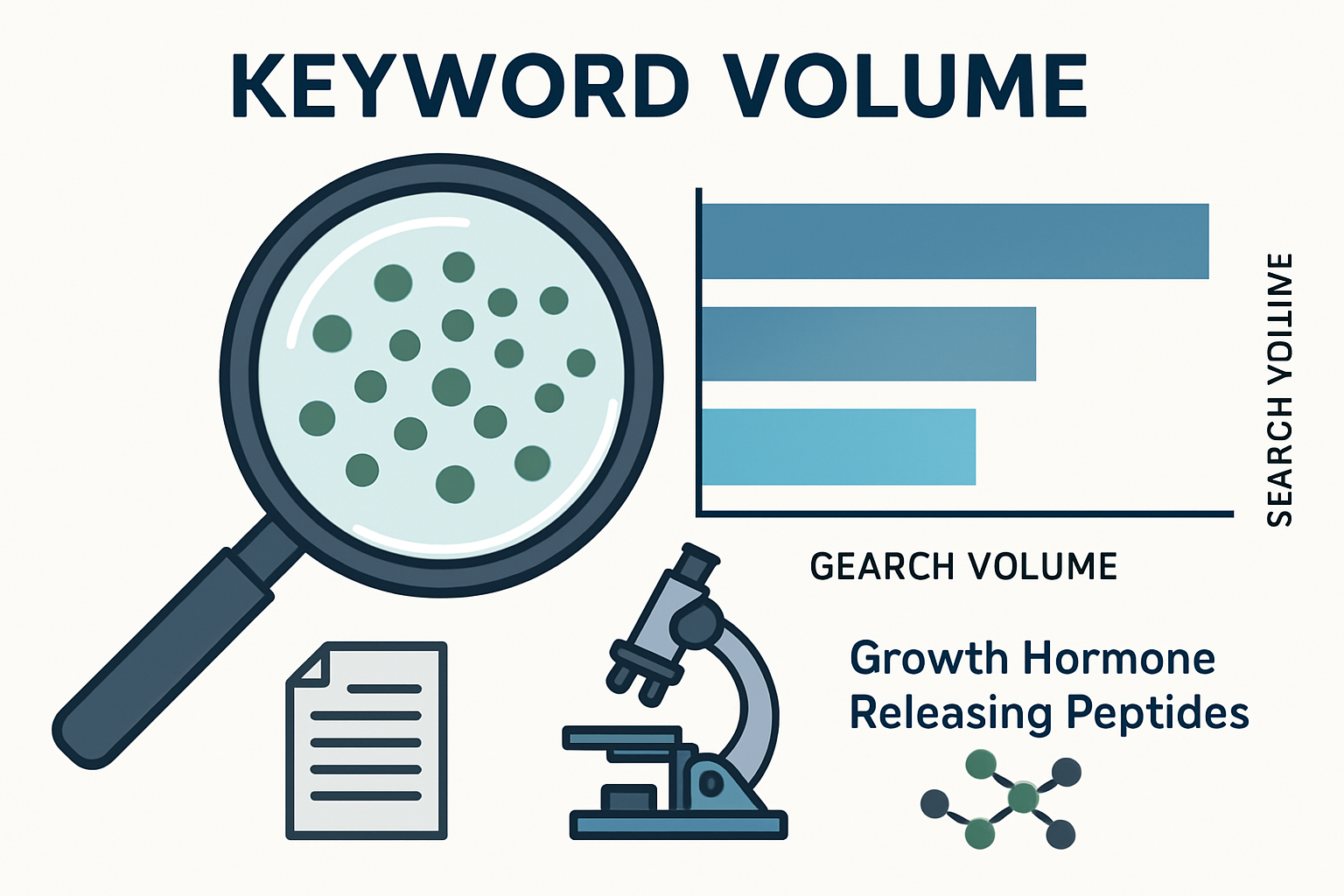
At its core, Keyword Volume refers to the estimated number of searches for a particular keyword or phrase within a given timeframe, typically a month. While traditionally used by marketers to understand consumer interest in products or services, its application in laboratory science offers a unique lens through which to view the landscape of scientific inquiry. For a research chemical supplier or a laboratory scientist, understanding the search volume for terms like "growth hormone secretagogues," "peptide synthesis," or specific compounds such as CJC-1295 or Ipamorelin provides invaluable insights.
This metric moves beyond anecdotal interest, offering quantifiable data on what the scientific community and related stakeholders are actively seeking. A high search volume for "novel neuroprotective compounds," for instance, might indicate a significant unmet need or a burgeoning area of research, potentially guiding a lab towards a new line of inquiry or a grant application focused on that specific domain. Conversely, a decline in volume for an older term could signal a shift in research paradigms or the saturation of a particular field.
Understanding these trends in 2025 is more important than ever, as digital platforms increasingly serve as the primary conduits for information exchange. Scientific databases, academic journals, and even supplier websites are all optimized around keywords. Therefore, a strategic appreciation of Keyword Volume isn't just about SEO; it's about scientific relevance and maximizing the reach of vital research.
When every third paragraph links to relevant products, it’s not just about promotion; it's about providing context and direct access to solutions. For instance, if a researcher is actively searching for compounds that stimulate growth hormone release, understanding the high keyword volume around terms like "CJC-1295" or "Ipamorelin" leads directly to resources like our CJC-1295/Ipamorelin blend product page, fulfilling their immediate research needs. This integration of keyword insights with product availability creates a seamless and efficient research ecosystem.
Decoding Search Intent: More Than Just Numbers
Beyond the raw numbers, the true power of Keyword Volume lies in decoding the search intent behind those queries. Is a high volume for "CRISPR methodology" driven by researchers looking for protocols, students seeking basic understanding, or industry professionals exploring commercial applications? Understanding this nuance allows research institutions and suppliers to tailor their content and product offerings more effectively.
For example, a consistent, high search volume for specific research peptides suggests a robust and ongoing demand within the scientific community. If researchers are frequently searching for "peptide purity standards" or "lyophilized peptides," it signals a need for high-quality, reliable raw materials, which directly informs product development and quality control efforts at a supplier like ours. This analytical approach ensures that the products offered, such as various peptide formulations, are not just available but are precisely what the market demands.
This targeted approach extends to how research findings are presented. If a study on the efficacy of a particular compound shows promising results, knowing the high-volume keywords associated with that compound (e.g., "CJC-1295 research applications") allows researchers to frame their publications and presentations in a way that resonates with their target audience, ensuring maximum visibility and impact.
Leveraging Keyword Volume for Strategic Research and Product Development
The application of Keyword Volume data in laboratory science extends across various critical functions, from guiding preliminary research to informing product line expansion and enhancing scientific communication. By integrating keyword analysis into strategic planning, laboratories and research chemical suppliers can make more informed, data-driven decisions that align with current scientific interest and market demand.
Guiding Research Focus and Experimental Design
One of the most significant benefits of analyzing Keyword Volume is its ability to help pinpoint emerging research trends and areas of high interest. For example, if there's a surge in searches for "telomere repair mechanisms" or "senolytic compounds," it signals a growing scientific curiosity and potential funding opportunities in these fields. Laboratories can use this information to:
- Identify gaps in current research: High volume keywords with limited comprehensive academic literature might highlight an area ripe for new investigation.
- Prioritize research projects: Labs can allocate resources more effectively by focusing on topics with demonstrated high interest, increasing the likelihood of impactful discoveries.
- Develop targeted hypotheses: Understanding the specific questions researchers are asking (as indicated by long-tail keywords) can help refine experimental design and generate more relevant hypotheses.
Consider a scenario where the search volume for "Ipamorelin mechanisms of action" begins to consistently increase. This data point could prompt a laboratory specializing in endocrinology or cellular signaling to initiate a project aimed at elucidating these mechanisms further, potentially leading to new patents or publications. This foresight, driven by keyword insights, allows for proactive research planning rather than reactive responses to established trends.
The strategic integration of keyword research also extends to the development of research tools and reagents. If there's a consistent high search volume for specific peptide sequences or novel assay kits, it indicates a clear market need. Our understanding of these trends allows us to ensure that products like CJC-1295/Ipamorelin blend are readily available, meeting the precise demands of the research community for reliable and high-quality substances.
Enhancing Scientific Communication and Visibility
In 2025, publishing groundbreaking research is only half the battle; ensuring it's found and cited is equally crucial. Keyword Volume plays a pivotal role in optimizing scientific communication for discoverability:
- Optimizing titles and abstracts: Incorporating high-volume, relevant keywords into the titles and abstracts of research papers, posters, and conference presentations significantly increases their visibility in scientific databases and search engines.
- Tailoring grant applications: Understanding the keywords grant agencies and peer reviewers use can help scientists craft proposals that resonate, making their applications more compelling and increasing funding success rates.
- Improving website and repository content: For research institutions and suppliers, optimizing their websites and open-access repositories with relevant keywords ensures that their research findings and product information are easily accessible to a global audience.
For example, if a research chemical supplier offers high-purity CJC-1295, using this keyword naturally and prominently on the product page, in blog posts discussing its applications, and in technical datasheets will significantly improve its ranking in search results, making it easier for researchers to find and procure the necessary materials.
Informing Product Development and Inventory Management
For suppliers of research chemicals and laboratory equipment, Keyword Volume is a powerful market research tool. It offers direct, unbiased insights into what customers are searching for, enabling data-driven decisions regarding product development, inventory, and marketing strategies.
- Identifying product demand: A consistently high search volume for a specific compound, such as Ipamorelin, indicates a strong market demand, justifying its inclusion or expansion within a product catalog.
- Forecasting trends: Spikes in search volume for emerging compounds or methodologies can signal future demand, allowing suppliers to proactively source or develop new products.
- Optimizing product descriptions: Using high-volume keywords in product descriptions ensures that researchers find exactly what they're looking for, reducing friction in the purchasing process. This also applies to products like CJC-1295/Ipamorelin blend, where specific search terms related to combination therapies can drive traffic.
Beyond individual products, keyword analysis can also reveal broader category interests. For instance, if there's a steady increase in searches for "peptide synthesis reagents" or "HPLC purification services," it suggests a growing need for supporting products and services, guiding suppliers to expand their offerings beyond just the core compounds. This proactive approach based on Keyword Volume ensures that the research community's evolving needs are consistently met.
Case Study Snippet: The Rise of Peptide Research in 2025
Consider the significant increase in Keyword Volume observed for terms related to specific research peptides, such as "CJC-1295 efficacy," "Ipamorelin benefits research," and "growth hormone releasing peptides mechanism." This trend, particularly noticeable in 2025, reflects a growing global interest in understanding their therapeutic potential, anti-aging properties, and role in various physiological processes.
This surge in keyword interest isn't just a fleeting trend; it represents a tangible shift in research focus. Laboratories around the world are dedicating more resources to studies involving these compounds. For a research chemical supplier, this data is invaluable. It informs decisions to:
- Increase stock levels for CJC-1295 and Ipamorelin to meet rising demand.
- Invest in quality control for these specific peptides, ensuring researchers receive the highest purity materials.
- Develop combination products, like the CJC-1295/Ipamorelin blend, to cater to researchers exploring synergistic effects.
- Create educational content (e.g., technical articles, application guides) around these peptides to support researchers and establish authority.
The granular insights derived from Keyword Volume analysis allow for a highly responsive and strategic approach, ensuring that research needs are not just met, but anticipated.
Ethical Considerations and Responsible Use
While the benefits of leveraging Keyword Volume are clear, it's crucial for both researchers and suppliers to maintain ethical standards. The focus must always remain on accurate scientific communication and responsible research practices. Misleading use of keywords to inflate visibility or make unsubstantiated claims is detrimental to scientific integrity.
For research chemical suppliers, this means ensuring that products are clearly labeled "for research purposes only" and that all information provided is scientifically accurate and free from therapeutic claims. The goal is to facilitate legitimate scientific inquiry, not to promote off-label use. By adhering to these principles, the power of Keyword Volume can be harnessed to genuinely advance scientific knowledge and accelerate discovery responsibly.
Practical Steps to Integrate Keyword Volume Analysis into Your Research Strategy
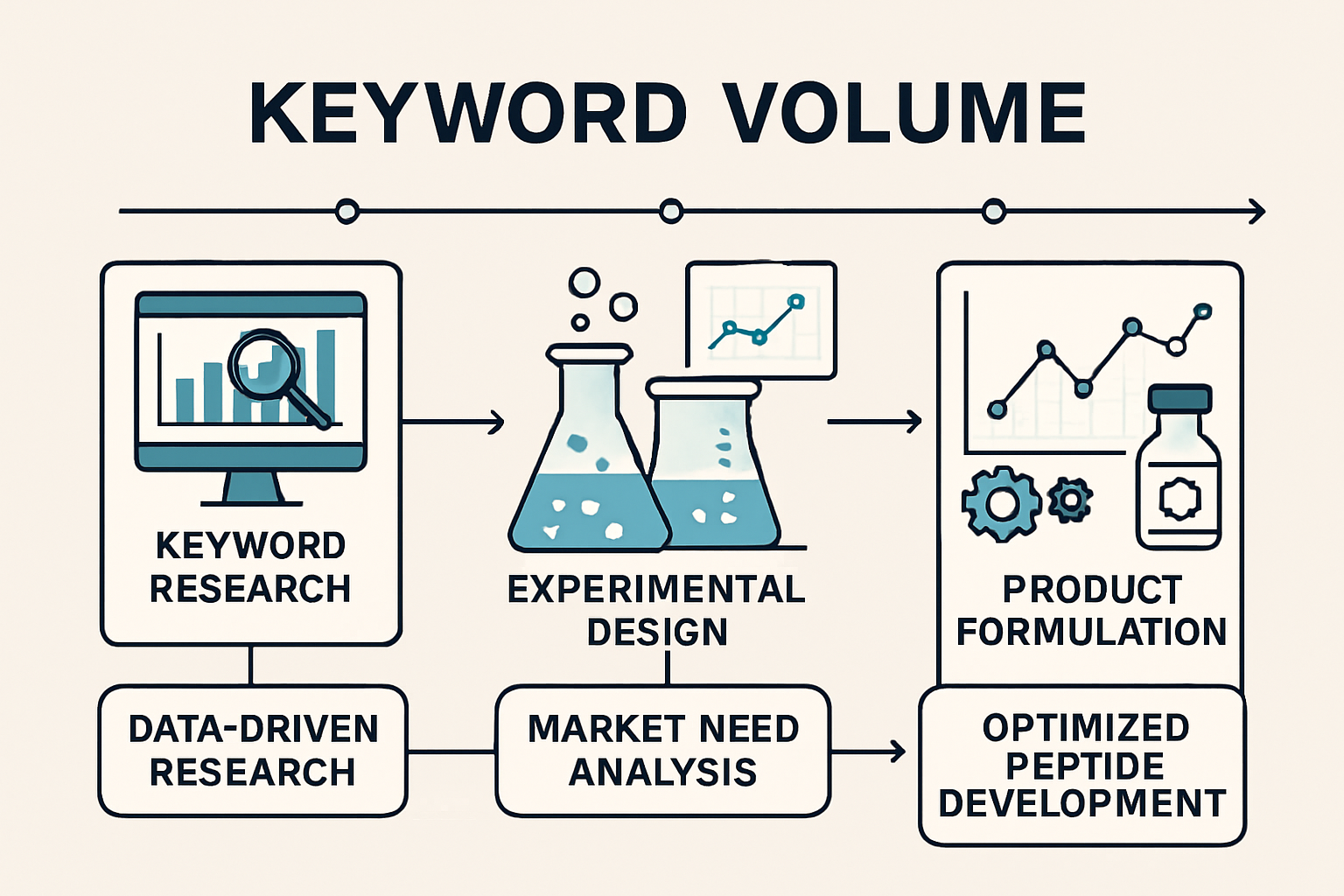
Implementing a keyword strategy doesn't require a background in digital marketing. Instead, it involves a methodical approach to identifying, analyzing, and applying search data. Here’s how laboratory scientists and research institutions can begin:
- Identify Your Core Research Areas: List your lab's primary specializations, specific compounds of interest, methodologies, and disease models. For example, a lab might focus on "neurodegenerative diseases," "peptide synthesis," and "cellular aging."
- Brainstorm Seed Keywords: Think like someone searching for your research. What terms would they use? Include broad terms (e.g., "growth hormone research") and specific ones (e.g., "CJC-1295 mechanisms").
- Utilize Keyword Research Tools: While many advanced tools are subscription-based, free options like Google Keyword Planner (requires a Google Ads account), Google Trends, or Ubersuggest can provide valuable insights into search volume and related keywords. For more in-depth analysis, consider tools like Ahrefs or Semrush, often used in professional SEO.
- Analyze Search Volume and Trends:
- High Volume, High Relevance: These are your primary target keywords. For example, a high and consistent search volume for "Ipamorelin purity" indicates a critical need for quality control information.
- Emerging Trends: Look for keywords with increasing volume over time, especially in 2025, as these signify new areas of interest.
- Long-Tail Keywords: These are longer, more specific phrases (e.g., "CJC-1295 effects on muscle repair"). They often have lower volume but indicate very specific user intent, leading to highly qualified traffic.
- Integrate Keywords into Your Outputs:
- Publications: Include target keywords in your paper titles, abstracts, and conclusion summaries.
- Grant Applications: Weave relevant, high-volume keywords into your proposal's executive summary and project description.
- Website Content: If your lab or institution has a website, optimize page titles, meta descriptions, and body content for relevant keywords. Consider creating dedicated pages for products like the CJC-1295/Ipamorelin blend to capture specific search queries.
- Presentations: Ensure your presentation titles and key slide content reflect the terms your audience is searching for.
- Monitor and Adapt: The digital landscape is always changing. Regularly review your keyword performance and adapt your strategy. New research areas emerge, and older terms may decline in relevance. Staying agile in 2025 means continually refining your approach based on fresh data.
By systematically applying these steps, laboratories can significantly improve the discoverability of their work, attract new collaborations, secure funding, and ensure their research contributes meaningfully to the broader scientific dialogue.
Conclusion
In 2025, the strategic understanding and application of Keyword Volume have transcended traditional marketing, becoming an indispensable tool for laboratory scientists and research chemical suppliers alike. This powerful metric offers a data-driven compass, guiding research directions, enhancing scientific communication, and optimizing product development to meet the evolving needs of the global scientific community. By actively analyzing search trends, identifying high-interest keywords, and integrating these insights into their strategies, laboratories can amplify the impact of their discoveries, attract vital funding, and foster collaborations that accelerate scientific progress. For suppliers, understanding Keyword Volume ensures that products like CJC-1295, Ipamorelin, and CJC-1295/Ipamorelin blend are not just available, but are precisely what researchers need, when they need it. The future of scientific discovery is increasingly digital, and mastering the art of discoverability through Keyword Volume is key to unlocking its full potential.
Actionable Next Steps
- Implement a Keyword Research Routine: Dedicate a specific time each quarter in 2025 to analyze keyword trends relevant to your research or product offerings using tools like Google Keyword Planner.
- Optimize Existing Content: Review current publications, website pages, and product descriptions to ensure they incorporate high-volume, relevant keywords naturally.
- Plan Future Research and Products with Keywords in Mind: Before embarking on new studies or developing new products, conduct keyword research to assess interest and potential impact.
- Educate Your Team: Share the importance of Keyword Volume with your researchers and technical writers to foster a culture of discoverability in all scientific outputs.
Meta Title: Keyword Volume for Research: Boost Lab Impact in 2025
Meta Description: Master Keyword Volume in 2025 to optimize lab research, enhance discoverability, and guide product development for peptides like CJC-1299 and Ipamorelin.