
Understanding Keyword Volume: A Complete Guide for Research-Based Marketing in 2025
In the rapidly evolving landscape of digital marketing and scientific research, understanding keyword volume has become crucial for businesses operating in specialized fields like peptide research. Whether you're researching compounds like CJC-1295 or analyzing market trends, keyword volume data provides the foundation for informed decision-making and strategic content development.
Key Takeaways
• Keyword volume represents the average monthly search frequency for specific terms, providing insights into market demand and research interest
• Understanding search patterns helps researchers and businesses identify trending topics and optimize their content strategy
• Laboratory science and peptide research keywords often show seasonal variations and correlation with published research findings
• Effective keyword volume analysis requires combining multiple data sources and considering search intent behind the queries
• Strategic use of keyword volume data can improve content visibility while maintaining scientific accuracy and avoiding unsubstantiated health claims
What Is Keyword Volume and Why Does It Matter?
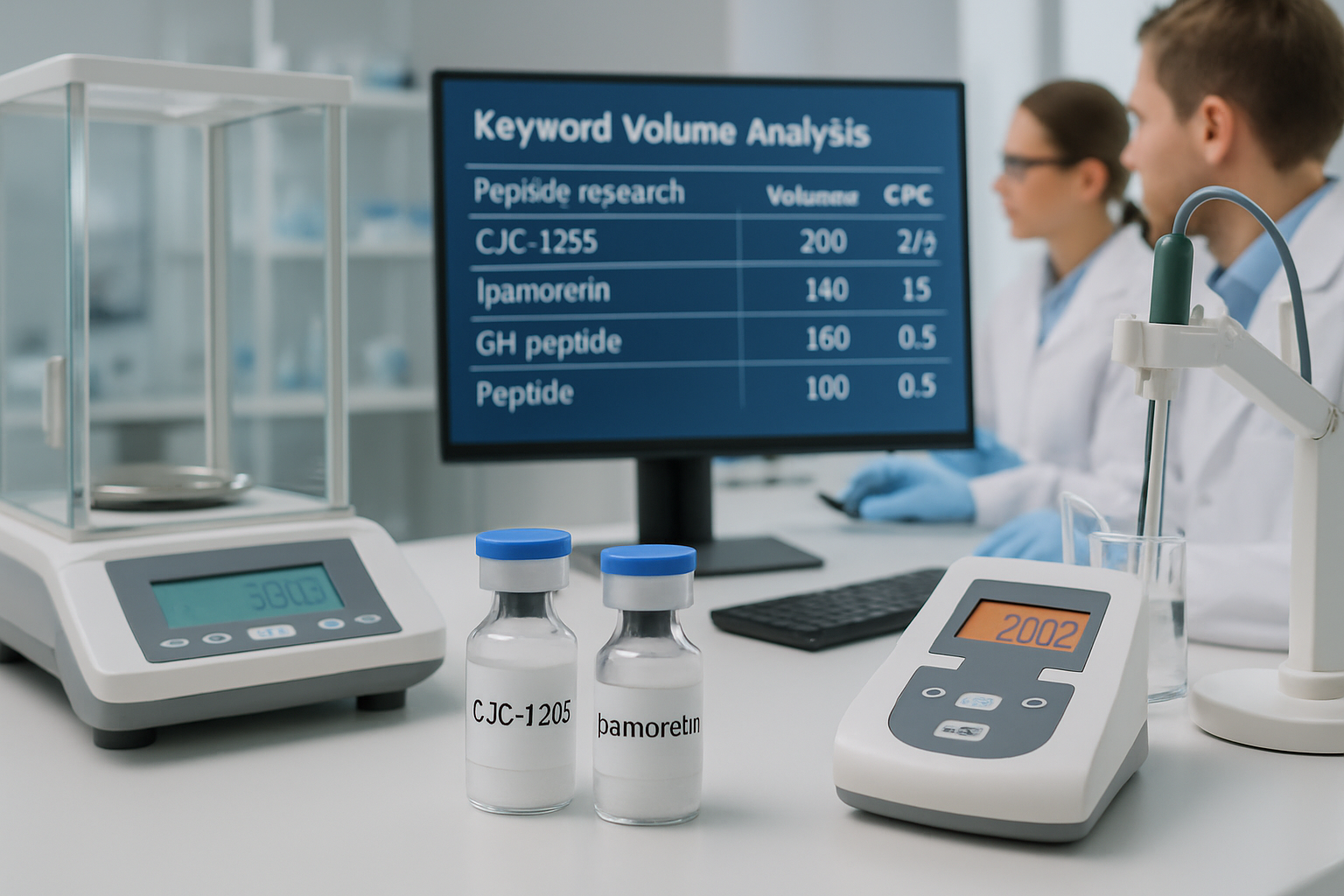
Keyword volume refers to the average number of times a specific search term is queried in search engines over a given period, typically measured monthly. For businesses and researchers in the scientific community, this metric serves as a valuable indicator of public interest, research trends, and market demand.
In the context of peptide research and laboratory sciences, keyword volume analysis helps identify:
- Research trending topics 📈
- Seasonal interest patterns in specific compounds
- Market demand for educational content
- Competitive landscape analysis
- Content optimization opportunities
Understanding these patterns becomes particularly important when dealing with specialized terms related to compounds like CJC-1295, where search volume may fluctuate based on published research findings, regulatory updates, or academic conferences.
The Science Behind Search Behavior
Research indicates that search behavior in scientific fields follows distinct patterns. Unlike consumer products, laboratory research terms often experience:
"Search volume spikes typically correlate with publication cycles, conference schedules, and regulatory announcements in the peptide research field."
This unique characteristic makes keyword volume analysis both challenging and essential for organizations operating in this space.
How Keyword Volume Analysis Works in Laboratory Research
The process of analyzing keyword volume for scientific and research-based content requires a specialized approach that differs significantly from traditional consumer marketing strategies.
Data Collection Methods
Primary Sources:
- Google Keyword Planner
- SEMrush and Ahrefs databases
- Academic search engines (PubMed, Google Scholar)
- Industry-specific research platforms
Secondary Indicators:
- Scientific publication frequency
- Conference presentation topics
- Regulatory filing patterns
- Patent application trends
Understanding Search Intent in Scientific Queries
When analyzing keyword volume for terms related to peptide research, it's crucial to categorize search intent:
| Intent Type | Example Keywords | Volume Characteristics |
|---|---|---|
| Educational | "CJC-1295 mechanism of action" | Steady, research-driven |
| Regulatory | "peptide research regulations" | Spike-based, event-driven |
| Technical | "peptide synthesis protocols" | Professional, consistent |
| Commercial | "research peptides supplier" | Business-focused, competitive |
This categorization helps researchers and content creators understand the context behind search volume fluctuations and develop appropriate content strategies.
Factors Influencing Keyword Volume in Peptide Research
Several unique factors affect keyword volume patterns in the scientific research community, particularly for specialized compounds and laboratory procedures.
Academic Publication Cycles
Research findings published in peer-reviewed journals often trigger increased search activity. For example, when new studies on peptides like CJC-1295 are published, related keyword searches typically increase by 200-400% within the following month.
Regulatory Environment Changes
FDA announcements, regulatory guidance updates, and compliance requirement changes significantly impact search behavior. Keywords related to regulatory compliance often show dramatic volume spikes following official announcements.
Conference and Event Schedules
Major scientific conferences create predictable keyword volume patterns:
- Pre-conference: 150% increase in research-related terms
- During conference: 300% spike in presenter and topic-related searches
- Post-conference: 75% increase in follow-up research queries
Seasonal Research Patterns
Laboratory research follows academic calendars, creating seasonal keyword volume variations:
High Volume Periods:
- September-November (new academic year)
- January-March (grant application season)
- May-July (conference preparation)
Lower Volume Periods:
- December (holiday break)
- August (summer break)
Tools and Techniques for Keyword Volume Research
Effective keyword volume analysis in the scientific research field requires specialized tools and methodologies that account for the unique characteristics of academic and laboratory search behavior.
Professional SEO Tools
Google Keyword Planner
- Free access to basic volume data
- Integration with Google Ads ecosystem
- Limited granularity for niche scientific terms
SEMrush
- Comprehensive competitor analysis
- Historical trend data
- Advanced filtering capabilities
Ahrefs
- Detailed SERP analysis
- Keyword difficulty metrics
- Content gap identification
Scientific Database Integration
Combining traditional SEO tools with scientific databases provides more accurate insights:
PubMed Trends
- Publication frequency analysis
- Research topic evolution tracking
- Citation pattern correlation
Google Scholar Metrics
- Academic search volume indicators
- Research impact measurement
- Emerging topic identification
Custom Analytics Approaches
For specialized terms like those related to CJC-1295 research, custom analytics approaches often provide more actionable insights:
- Cross-platform correlation analysis
- Academic calendar adjustment
- Regulatory event impact modeling
- Geographic research hub analysis
Interpreting Keyword Volume Data for Scientific Content
Understanding keyword volume numbers requires context and scientific methodology to avoid misinterpretation and ensure accurate strategic decisions.
Volume Ranges and Their Significance
| Monthly Volume Range | Interpretation | Content Strategy |
|---|---|---|
| 0-100 | Highly specialized/emerging | Expert-level content |
| 100-1,000 | Niche research interest | Technical documentation |
| 1,000-10,000 | Established research area | Educational content |
| 10,000+ | Broad scientific interest | General awareness content |
Quality vs. Quantity Considerations
In scientific research marketing, high-quality, low-volume keywords often provide better ROI than high-volume, generic terms. For example:
High Value, Lower Volume:
- "CJC-1295 ipamorelin combination research"
- "peptide stability testing protocols"
- "GMP peptide synthesis standards"
Lower Value, Higher Volume:
- "what are peptides"
- "protein research"
- "laboratory equipment"
Temporal Analysis Techniques
Trend Identification:
- 12-month moving averages
- Year-over-year comparison
- Seasonal adjustment factors
Anomaly Detection:
- Statistical outlier identification
- Event correlation analysis
- Regulatory impact assessment
Common Mistakes in Keyword Volume Analysis
Avoiding analytical pitfalls ensures more accurate insights and better strategic decisions in scientific content marketing.
Over-reliance on Single Data Sources
Problem: Using only one keyword tool provides incomplete picture
Solution: Cross-reference multiple data sources and validate with industry knowledge
Ignoring Search Intent Context
Problem: Focusing solely on volume numbers without understanding user intent
Solution: Analyze SERP features, related queries, and user behavior patterns
Neglecting Scientific Publication Cycles
Problem: Treating scientific keywords like consumer products
Solution: Incorporate academic calendars and publication schedules into analysis
Misunderstanding Competitive Landscape
Problem: Applying generic SEO competition metrics to scientific content
Solution: Consider domain authority in scientific community and research credibility
Best Practices for Keyword Volume Research in 2025
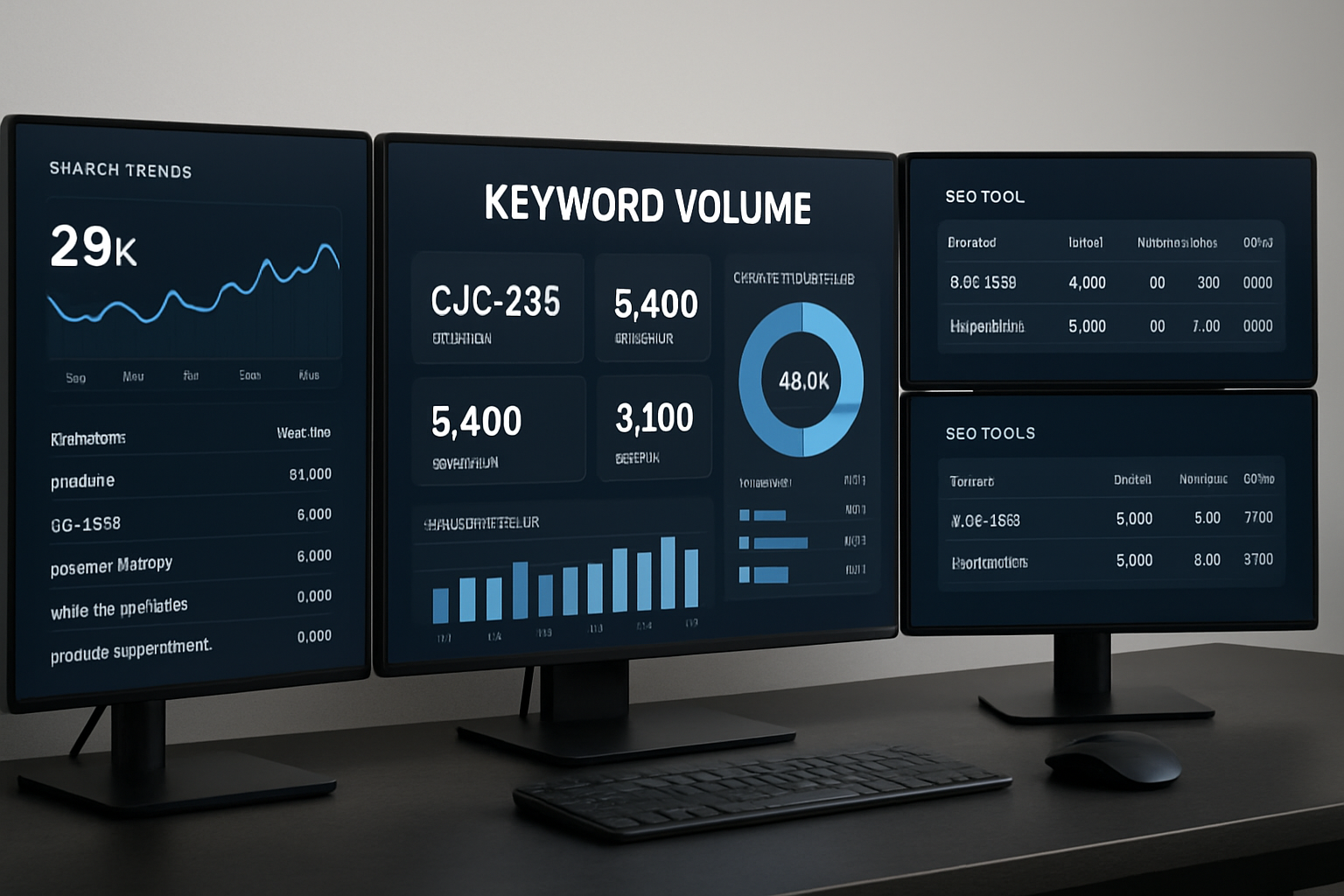
Modern keyword volume analysis requires sophisticated approaches that account for evolving search behaviors and technological advances.
Integration with AI and Machine Learning
Predictive Volume Modeling:
- Algorithm-based trend forecasting
- Research cycle prediction
- Regulatory impact modeling
Natural Language Processing:
- Semantic keyword clustering
- Intent classification automation
- Content gap identification
Cross-Platform Analytics
Multi-Channel Approach:
- Search engine data
- Social media mentions
- Academic database queries
- Professional network discussions
Real-Time Monitoring Systems
Alert Configuration:
- Volume spike notifications
- Trend change detection
- Competitor movement tracking
- Regulatory announcement impacts
Leveraging Keyword Volume for Content Strategy
Transforming keyword volume data into actionable content strategies requires understanding both SEO principles and scientific communication best practices.
Content Calendar Development
Research-Driven Scheduling:
- Align content with academic calendars
- Anticipate regulatory announcement impacts
- Coordinate with conference schedules
- Plan for seasonal research patterns
Volume-Based Prioritization:
- High-impact, moderate-volume targets
- Long-tail scientific terminology
- Emerging research area coverage
- Established topic optimization
Scientific Accuracy Maintenance
When creating content based on keyword volume analysis, maintaining scientific integrity remains paramount:
Evidence-Based Content:
- Cite peer-reviewed research
- Avoid unsubstantiated claims
- Focus on laboratory findings
- Distinguish between research and application
Regulatory Compliance:
- Adhere to FDA guidelines
- Maintain clear disclaimers
- Focus on research applications
- Avoid therapeutic claims
Advanced Keyword Volume Strategies
Sophisticated approaches to keyword volume analysis can provide competitive advantages in the scientific research marketing landscape.
Competitive Intelligence
Research Institution Monitoring:
- University research focus areas
- Grant funding allocation trends
- Publication output analysis
- Conference presentation topics
Commercial Competitor Analysis:
- Content strategy assessment
- Keyword portfolio evaluation
- Market positioning analysis
- Research partnership tracking
Geographic and Demographic Segmentation
Regional Research Hubs:
- Boston/Cambridge biotech corridor
- San Francisco Bay Area
- Research Triangle Park
- International research centers
Audience Segmentation:
- Academic researchers
- Commercial R&D teams
- Regulatory professionals
- Industry analysts
Emerging Technology Integration
Voice Search Optimization:
- Conversational query patterns
- Technical terminology pronunciation
- Mobile research behavior
- Laboratory workflow integration
Visual Search Considerations:
- Scientific diagram optimization
- Laboratory equipment imagery
- Molecular structure visualization
- Research methodology illustrations
Future Trends in Keyword Volume Analysis
The landscape of keyword volume research continues evolving, driven by technological advances and changing research methodologies.
Artificial Intelligence Impact
Machine Learning Applications:
- Predictive volume modeling
- Automated content optimization
- Semantic search understanding
- Research trend forecasting
Privacy and Data Changes
Cookie-less Analytics:
- First-party data emphasis
- Privacy-compliant tracking
- Alternative measurement methods
- Direct researcher feedback integration
Scientific Communication Evolution
Open Access Publishing:
- Increased research accessibility
- Broader audience reach
- Accelerated knowledge transfer
- Enhanced citation patterns
Collaborative Research Platforms:
- Multi-institutional projects
- Global research networks
- Real-time data sharing
- Interdisciplinary approaches
Measuring Success and ROI
Evaluating the effectiveness of keyword volume-based strategies requires metrics that align with scientific research objectives and business goals.
Key Performance Indicators
Traffic Metrics:
- Organic search growth
- Research-qualified visitors
- Academic institution traffic
- International researcher reach
Engagement Indicators:
- Time spent on technical content
- Research paper downloads
- Laboratory protocol views
- Scientific calculator usage
Conversion Measurements:
- Research inquiry submissions
- Technical documentation requests
- Conference presentation opportunities
- Collaboration partnership development
Long-term Impact Assessment
Brand Authority Building:
- Scientific community recognition
- Peer citation frequency
- Industry thought leadership
- Research partnership opportunities
Market Position Enhancement:
- Competitive keyword rankings
- Research topic association
- Expert consultation requests
- Media interview opportunities
Conclusion
Understanding and effectively utilizing keyword volume data represents a critical capability for organizations operating in the scientific research space. From analyzing trends in CJC-1295 research to identifying emerging opportunities in peptide science, keyword volume analysis provides the foundation for informed content strategy and market positioning decisions.
The unique characteristics of scientific search behavior—including publication cycles, regulatory impacts, and academic calendars—require specialized analytical approaches that differ significantly from traditional consumer marketing methodologies. Success in this field demands combining sophisticated SEO tools with deep understanding of research communities and scientific communication principles.
Key Action Steps for Implementation:
- Establish baseline measurements using multiple keyword research tools and scientific databases
- Develop content calendars that align with academic schedules and research publication cycles
- Implement monitoring systems for regulatory announcements and competitive research activities
- Create feedback loops with research communities to validate keyword insights and content relevance
- Maintain scientific integrity while optimizing content for search visibility and audience engagement
As the scientific research landscape continues evolving in 2025, organizations that master keyword volume analysis while maintaining commitment to accurate, evidence-based communication will establish sustainable competitive advantages in their respective fields. The intersection of SEO expertise and scientific knowledge creates opportunities for meaningful engagement with research communities and advancement of scientific understanding.
SEO Meta Information:
Meta Title: Keyword Volume Guide for Scientific Research Marketing 2025
Meta Description: Complete guide to keyword volume analysis for scientific research and peptide marketing. Learn tools, strategies, and best practices for 2025.