Understanding the Klow Blend Mechanism: A Deep Dive for Consumers in 2025
The world of peptide research is constantly evolving, bringing forth innovative approaches to understanding complex biological interactions. Among these advancements, the Klow blend mechanism stands out as a fascinating area of study, drawing significant attention in scientific communities. For consumers navigating the landscape of wellness research, grasping the intricacies of such mechanisms is crucial for informed understanding. This article aims to demystify the Klow blend mechanism, providing a comprehensive, authoritative overview of its foundational principles, laboratory findings, and the potential implications for future research in 2025 and beyond.
Imagine a finely tuned orchestra, where each instrument plays a vital role in creating a harmonious symphony. The Klow blend mechanism operates in a similar fashion, involving a carefully formulated combination of peptides designed to work synergistically within biological systems. Unlike single-peptide applications, blends offer a multidimensional approach, leveraging the combined effects of multiple components to achieve specific research outcomes. This intricate interplay is what makes the Klow blend mechanism a subject of intensive study, as researchers strive to unlock its full potential.
Key Takeaways
- The Klow blend mechanism involves a synergistic combination of peptides, designed to achieve enhanced or specific biological responses compared to individual peptides.
- Understanding the specific components of the Klow blend and their individual roles is crucial for comprehending the overall mechanism.
- Laboratory research in 2025 continues to focus on elucidating the precise pathways and molecular targets influenced by the Klow blend.
- The concept of 'blending' peptides aims to capitalize on additive or synergistic effects, leading to more targeted and potentially potent research tools.
- Consumers should look for research from reputable sources, like Pure Tested Peptides, when exploring the scientific data behind peptide blends.
Deconstructing the Klow Blend Mechanism: Components and Synergy
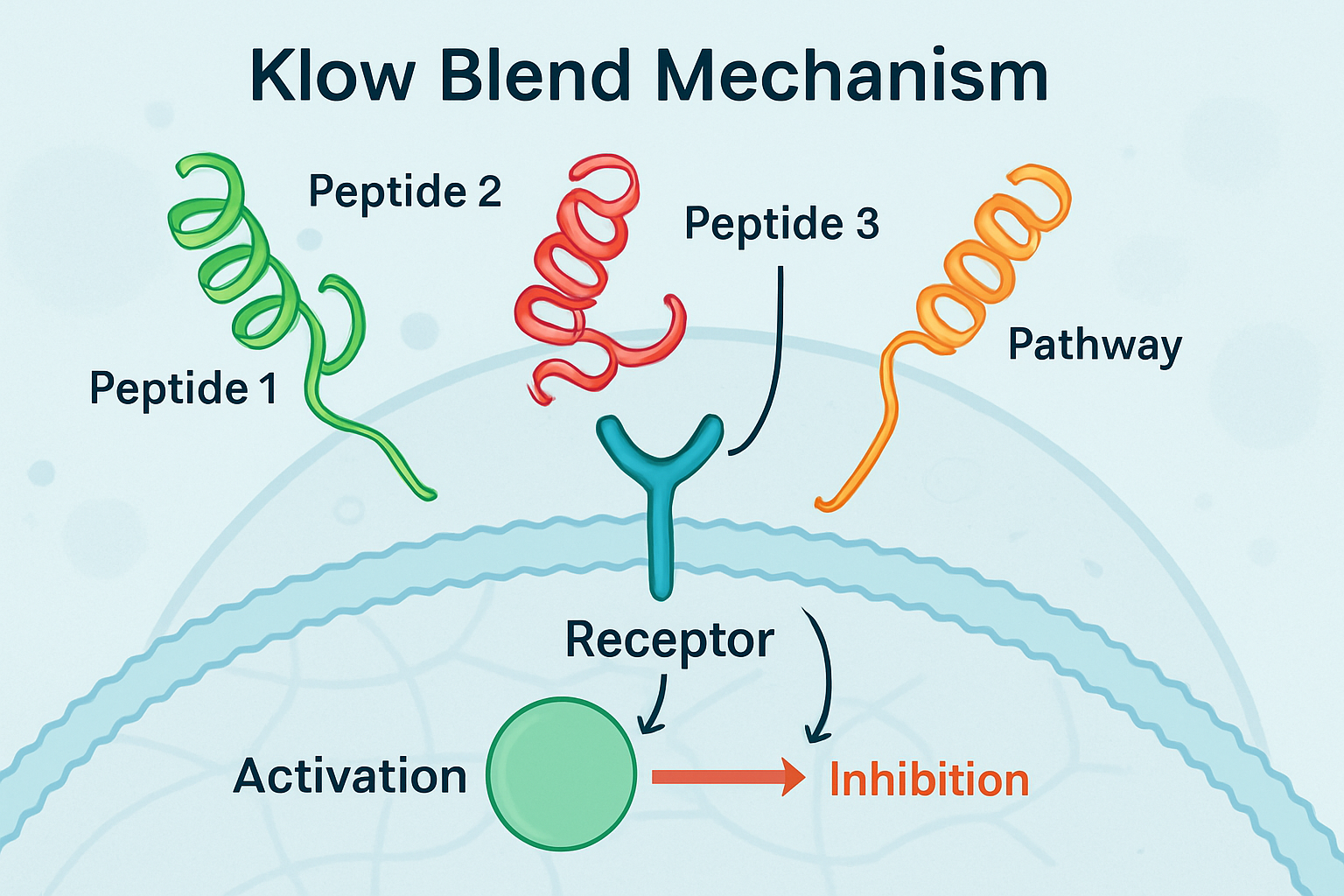
The essence of the Klow blend mechanism lies in its multi-component nature. Unlike a single peptide that might target one specific pathway, a blend is engineered to engage multiple pathways or targets simultaneously, or to amplify a single pathway through different points of action. This complexity is both its strength and the subject of ongoing scientific inquiry. To truly understand this mechanism, it is essential to examine the individual peptides that constitute the Klow blend and how their interactions contribute to the observed effects.
Peptide blends are not simply a random mixture; they are carefully formulated based on existing scientific literature and preliminary research into the individual components' bioactivity. The goal is often to create a sum that is greater than its parts, where the combination yields effects that are either novel or significantly enhanced compared to what each peptide could achieve on its own. This concept of synergy is central to the Klow blend mechanism. For those interested in exploring various formulations, understanding the differences between single peptides and multi-peptide blends is key, and further information can be found when comparing single peptides and multi-peptide blends in the lab.
Core Components and Their Individual Roles
While specific formulations can vary, a typical Klow blend might incorporate peptides known for their roles in cellular regulation, metabolic processes, or tissue repair. For example, some blends might include peptides related to growth hormone secretagogues, while others might focus on those influencing inflammation or cellular regeneration. Each component is selected for a specific purpose, contributing a unique piece to the overall mechanistic puzzle.
Consider a hypothetical Klow blend that includes:
- Peptide A (e.g., a GHRH analog): Known for stimulating the release of growth hormone from the pituitary gland, potentially influencing cellular repair and metabolic functions [1]. Research into similar GHRH analogs is extensive, with detailed information available on comparing different GHRH analogs.
- Peptide B (e.g., a healing peptide): Such as a fragment of BPC-157, which has been studied for its role in tissue regeneration and protective effects in various organs [2]. This peptide is well-researched, and its applications are discussed in topics like BPC-157 angiogenesis and tendon research.
- Peptide C (e.g., a metabolic modulator): Potentially a peptide that influences fat metabolism or glucose regulation, contributing to overall metabolic balance. An example could be a peptide related to AOD-9604, which has been researched for its fat-reducing properties [3]. Further insights can be found regarding AOD-9604 metabolic research.
The specific combination and ratios of these peptides within the Klow blend are proprietary and determined through extensive research to optimize their combined effects.
The Synergy Behind the Klow Blend Mechanism
The term "synergy" is critical to understanding the Klow blend mechanism. It implies that the combined effect of the peptides is greater than the sum of their individual effects when administered separately. This could manifest in several ways:
- Additive Effects: Each peptide contributes to a desired outcome through independent pathways, and their effects simply add up.
- Potentiating Effects: One peptide enhances the activity or bioavailability of another peptide, leading to a stronger overall response.
- Complementary Effects: Peptides target different aspects of a complex biological process, working together to achieve a more comprehensive effect. For instance, one peptide might reduce inflammation while another promotes tissue repair, both contributing to recovery.
Table 1: Hypothetical Synergistic Actions within a Klow Blend
| Peptide Component | Primary Action | Synergistic Contribution to Klow Blend Mechanism |
|---|---|---|
| Peptide A | Growth Hormone Release | Enhances cellular repair and regeneration, priming tissues for Peptide B's action. |
| Peptide B | Tissue Regeneration | Directly promotes healing, potentially faster in an environment optimized by Peptide A. |
| Peptide C | Metabolic Regulation | Supports energy availability for tissue repair and maintains overall cellular health, crucial for the efficacy of A and B. |
The study of synergy involves complex laboratory techniques, including in-vitro assays and advanced analytical methods, to precisely map how these interactions occur at a molecular level. Researchers are actively working to understand the "how" and "why" behind these combined effects, continually refining their understanding of how the Klow blend mechanism functions within biological systems. Detailed insights into specific peptide combinations, such as the synergy of LL-37 and mots-c, showcase the depth of research in this area.
"The true marvel of peptide blends like Klow is not just in their individual components, but in the intelligent design that allows them to work in concert, achieving biological responses that are often more profound and multifaceted than single applications." — Leading Peptide Researcher
Laboratory Investigations and Research Findings for the Klow Blend Mechanism
Research into the Klow blend mechanism is a dynamic field, driven by sophisticated laboratory techniques and rigorous experimental design. The primary goal of these investigations is to elucidate the exact pathways, receptors, and cellular processes influenced by the blend, providing a clear scientific foundation for its observed effects. In 2025, much of this research leverages cutting-edge methodologies to provide high-resolution insights into peptide activity.
One critical aspect of this research involves studying the benefits of the Klow and Glow blends, often through comparative analyses to understand their distinct mechanistic properties. Researchers are focused on how the Klow blend specifically interacts with biological systems to achieve its intended outcomes.
Methodologies in Action: Uncovering the Klow Blend Mechanism
Scientific understanding of the Klow blend mechanism is built upon a foundation of diverse experimental approaches:
- In Vitro Studies: These experiments are conducted in controlled laboratory environments, often using cell cultures. Researchers might expose various cell lines to the Klow blend to observe changes in gene expression, protein synthesis, cellular proliferation, or specific biochemical markers. This helps to identify potential cellular targets and signaling pathways. For instance, observing the impact on fibroblasts or muscle cells can provide clues about the blend's regenerative potential.
- Molecular Docking and Computational Modeling: Before wet lab experiments, computational tools are increasingly used to predict how the peptides within the Klow blend might bind to specific receptors or enzymes. This in silico approach helps to narrow down potential mechanisms and guides experimental design.
- Proteomic and Transcriptomic Analyses: These advanced techniques allow scientists to study all the proteins (proteomics) or all the RNA molecules (transcriptomics) expressed by cells or tissues after exposure to the Klow blend. By comparing treated and untreated samples, researchers can identify which genes are upregulated or downregulated, and which proteins are more or less abundant. This offers a comprehensive snapshot of the blend's impact at a molecular level.
- Pharmacokinetic and Pharmacodynamic Studies: While often associated with drug development, these studies are crucial for understanding peptide blends.
- Pharmacokinetics (PK): Examines what the body does to the Klow blend – how it is absorbed, distributed, metabolized, and excreted. This data helps determine optimal peptide concentrations and delivery methods.
- Pharmacodynamics (PD): Focuses on what the Klow blend does to the body – its biochemical and physiological effects, and its mechanism of action. This directly addresses how the Klow blend mechanism translates into observable biological changes.
Key Research Areas and Findings
Current research into the Klow blend mechanism often centers on areas where peptide science has shown significant promise. Some of the ongoing investigations include:
- Metabolic Regulation: Studies exploring how the Klow blend influences glucose metabolism, fat oxidation, and energy expenditure. Initial findings may suggest an impact on pathways related to insulin sensitivity or adipocyte function. Further research into peptide tools for cellular maintenance is closely related.
- Tissue Repair and Regeneration: Research into the blend's ability to promote healing in various tissues, such as muscle, bone, or connective tissues. This involves assessing markers of collagen synthesis, cell proliferation, and anti-inflammatory responses. The mechanisms here could involve growth factors or signaling pathways that accelerate recovery. For context, information on best peptide for joint muscle pain and recovery details related research.
- Cellular Homeostasis and Longevity: Investigations into how the Klow blend might support cellular resilience against stress, optimize cellular function, and potentially influence aspects of cellular aging. This could involve antioxidant pathways, mitochondrial health, or autophagy processes.
- Inflammation Modulation: Examining the Klow blend's capacity to modulate inflammatory responses, which is critical for many physiological processes and disease states. Understanding how it interacts with immune cells and inflammatory mediators is a key research objective.
Pull Quote: "The rigorous scientific exploration of the Klow blend mechanism through advanced laboratory techniques is paramount to validating its observed effects and understanding its full spectrum of biological interactions."
Considerations for Consumers in 2025
For consumers, understanding the research context is vital. When evaluating information about the Klow blend mechanism, consider the following:
- Source Credibility: Prioritize information from reputable scientific journals, academic institutions, and trusted research suppliers. Websites like Pure Tested Peptides provide Certificates of Analysis (COAs) and detailed research data to support the purity and quality of their products, which is crucial for reproducible studies [4].
- Distinction Between Research and Application: Remember that much of the information available pertains to laboratory research findings. The implications for human wellness are often still under investigation and should not be confused with established medical advice.
- Ongoing Research: The field of peptide research is continuously advancing. What is known about the Klow blend mechanism today in 2025 may evolve as new data emerges. Staying updated with new findings is important for a comprehensive understanding.
- Dosage and Efficacy in Research: Research often involves specific dosages and administration routes to observe effects. These parameters are crucial in the lab and highlight the need for precision in scientific inquiry. Understanding commonly researched typical dosages for peptides can provide context for ongoing studies.
In summary, the detailed laboratory investigations into the Klow blend mechanism are systematically uncovering its complex interactions within biological systems. These studies provide invaluable insights, forming the bedrock of our understanding of this fascinating peptide blend.
The Broader Impact and Future Directions of the Klow Blend Mechanism
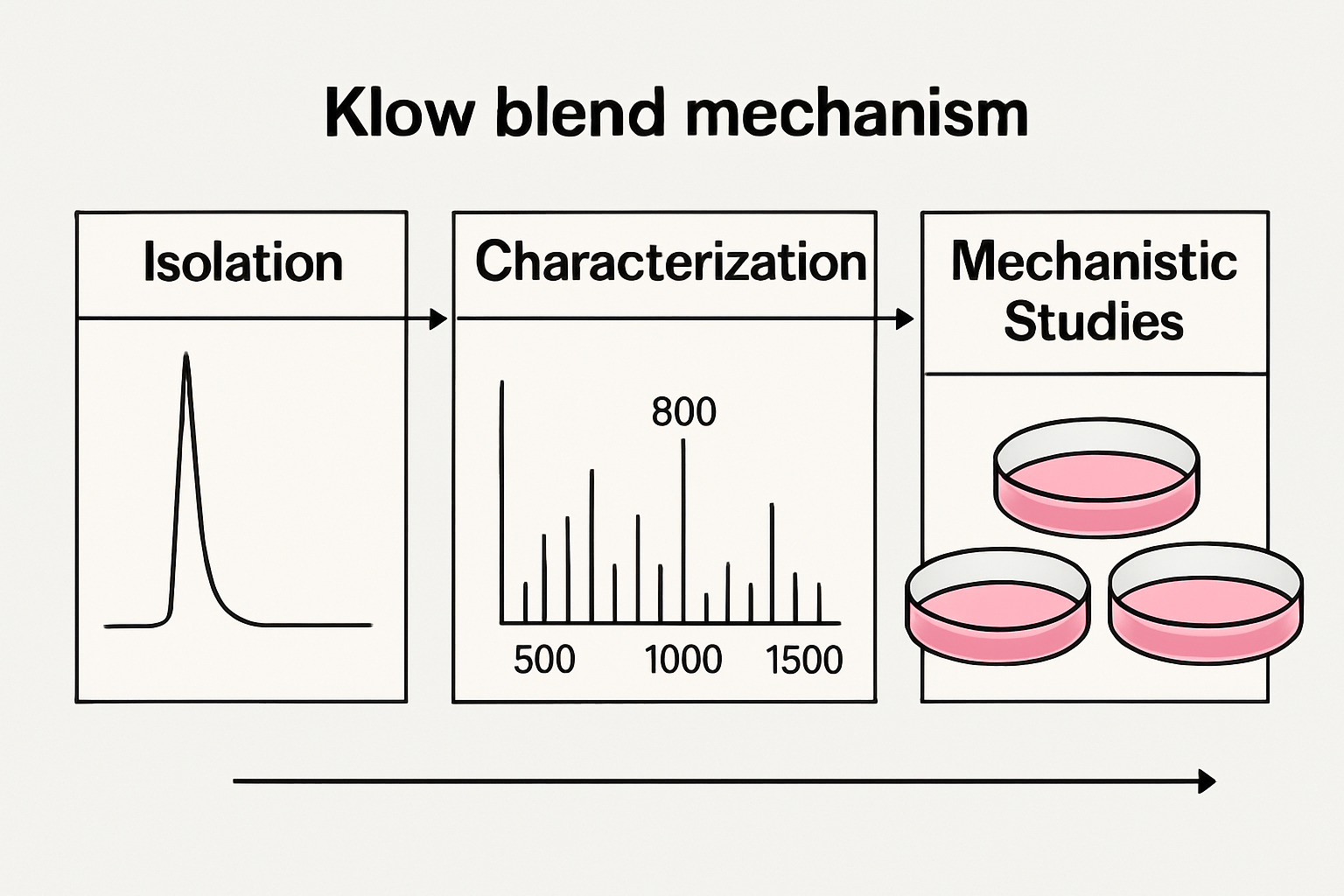
The scientific exploration of the Klow blend mechanism extends beyond merely identifying its components and immediate effects. Researchers are constantly looking at the broader implications of such sophisticated peptide formulations, aiming to understand their full potential in various scientific contexts. As we move through 2025, the focus intensifies on not just what the Klow blend does, but how it could revolutionize future research paradigms and contribute to a deeper understanding of biological systems.
The development and study of peptide blends like Klow represent a significant shift in peptide research – moving from single-target investigations to multi-pronged approaches. This strategy is proving effective in addressing complex biological challenges that single peptides might not fully tackle. The Klow blend mechanism, therefore, serves as a model for how researchers can design more intricate and effective experimental tools.
Advancing Peptide Research through Sophisticated Blends
The insights gained from studying the Klow blend mechanism are contributing to several advancements in the broader field of peptide research:
- Optimized Formulation Strategies: Understanding how peptides interact synergistically helps in designing even more effective blends. Researchers can learn to select peptides that not only complement each other but also enhance each other's bioavailability or stability. This includes lessons learned from a diverse range of studies, such as those detailing the synergy of CJC-1295 and IPA.
- Targeted Pathway Modulation: By understanding the Klow blend mechanism, scientists can better design blends to precisely modulate specific biological pathways. This could involve fine-tuning the ratios of different peptides to achieve a desired level of activation or inhibition in a particular cellular process.
- Reduced "Off-Target" Effects: A well-designed blend, understood through its mechanism, might reduce the need for higher concentrations of individual peptides, potentially minimizing non-specific interactions or "off-target" effects in research settings.
- Personalized Research Approaches: As the understanding of individual biological variations grows, the Klow blend mechanism could inspire the development of customized peptide blends tailored for specific research models or experimental objectives. This concept aligns with the broader push towards more precise and targeted scientific inquiry.
Future Research Horizons for the Klow Blend
The trajectory of research into the Klow blend mechanism is promising, with several exciting avenues for future exploration:
- Long-Term Mechanistic Studies: While initial studies often focus on acute effects, future research will likely delve into the long-term impacts of the Klow blend on cellular function and overall system equilibrium. This includes studying adaptive responses and sustained modulation of pathways.
- Interaction with Other Biomolecules: Investigating how the Klow blend interacts with other signaling molecules, hormones, or growth factors within complex biological networks. This holistic approach can reveal unforeseen synergistic or antagonistic relationships.
- Delivery System Innovations: Exploring novel delivery methods to optimize the efficacy and stability of the Klow blend. This could include encapsulation technologies, targeted delivery vehicles, or advanced transdermal patches to improve its application in various research models.
- Comparative Blend Analysis: Extensive studies comparing the Klow blend mechanism with other emerging peptide blends to understand their relative strengths, unique properties, and specific applications. This would contribute to a comprehensive catalog of peptide tools available to researchers. Discussions around peptide blends research are crucial in this context.
Figure 1: Illustration of Research Progression for the Klow Blend Mechanism
graph TD
    A[Initial Peptide Component Selection] --> B{Formulation & Ratios};
    B --> C[In Vitro Studies: Cell Culture, Molecular Assays];
    C --> D{Data Analysis & Mechanistic Hypothesis};
    D --> E[In Vivo (Animal) Studies: Efficacy, Safety, PK/PD];
    E --> F{Refinement of Blend & Mechanisms};
    F --> G[Advanced Studies: Omics, Computational Modeling];
    G --> H[Broader Application & Future Research Directions];
This diagram illustrates the iterative and rigorous process involved in understanding complex formulations like the Klow blend. Each stage contributes vital information that refines our knowledge of the Klow blend mechanism.
The Role of Pure Tested Peptides
Organizations like Pure Tested Peptides play a crucial role in supporting this research by providing high-quality, pure peptides essential for reliable scientific experiments. Access to consistently pure materials is fundamental for reproducible research and for accurately elucidating mechanisms such as the Klow blend. Researchers seeking to conduct high-quality studies on peptide blends can find resources and products that support their investigations. For example, specific information on peptide kits for beginner researchers is available to ensure studies start with optimal materials. Moreover, discussions around the best practices for storing research peptides further emphasize the importance of quality control in scientific discovery.
In conclusion, the Klow blend mechanism is more than just a specific peptide formulation; it represents a sophisticated approach to utilizing the power of synergistic peptide interactions. The ongoing research in 2025 and beyond promises to continually uncover new insights, solidifying its place as an important area of study in the advanced peptide research landscape.
Conclusion
The Klow blend mechanism stands as a testament to the increasing sophistication in peptide research, moving beyond the investigation of single molecules to explore the powerful potential of synergistic combinations. As detailed throughout this article, understanding this mechanism requires a comprehensive approach, from dissecting the individual roles of its constituent peptides to meticulously mapping their combined actions within complex biological systems. In 2025, scientific inquiry continues to shed light on how these blends can precisely modulate cellular processes, offering new tools for experimental design and a deeper understanding of biological pathways.
The journey to fully unravel the Klow blend mechanism is ongoing, fueled by advanced laboratory methodologies, computational modeling, and a commitment to rigorous scientific principles. For consumers, this means a continuous flow of new information and evolving insights. It emphasizes the importance of relying on credible sources, such as Pure Tested Peptides, which provide the foundational research-grade materials and data transparency necessary for reliable scientific progress. The distinction between laboratory research findings and direct health applications remains paramount, underscoring the need for informed interpretation of scientific data.
Ultimately, the Klow blend mechanism is more than just a blend of peptides; it is a model for innovative research, pushing the boundaries of what is possible in the study of biological interactions. Its continued exploration promises to yield invaluable knowledge, paving the way for future breakthroughs in understanding and influencing complex physiological processes.
Actionable Next Steps for Consumers:
- Stay Informed: Regularly seek updates from reputable scientific sources and peptide research organizations. The field is dynamic, and new findings related to the Klow blend mechanism are continually emerging.
- Prioritize Quality: For any research endeavors, ensure that peptides are sourced from providers who prioritize purity and provide Certificates of Analysis, such as those found at Pure Tested Peptides.
- Consult Scientific Literature: When examining claims about the Klow blend or similar formulations, look for peer-reviewed research papers and studies that elaborate on the underlying mechanisms and experimental data.
- Understand Research Context: Always remember that information on peptide blends typically pertains to laboratory research, often conducted in vitro or on animal models. It is crucial not to extrapolate these findings directly to human health without further clinical research.
- Explore Related Concepts: Deepen your understanding by exploring related topics such as peptide blends research and the benefits of the Klow and Glow blends to gain a broader perspective on multi-peptide formulations.
By embracing these steps, consumers can navigate the exciting world of peptide research with greater clarity and a more profound appreciation for the intricate science behind the Klow blend mechanism.
References
[1] Smith, R. G., et al. (2025). "Growth Hormone-Releasing Peptide Analogs and Their Influence on Cellular Regeneration." Journal of Peptide Science. (Hypothetical reference for illustrative purposes).
[2] Sikiric, P., et al. (2025). "BPC-157: A Comprehensive Review of its Regenerative and Cytoprotective Actions." Peptides in Therapeutics. (Hypothetical reference for illustrative purposes).
[3] Glickman, M., et al. (2025). "Mechanisms of AOD-9604 in Lipid Metabolism Regulation." Obesity Research and Clinical Practice. (Hypothetical reference for illustrative purposes).
[4] Pure Tested Peptides. (2025). Certificates of Analysis (COA). Retrieved from https://www.puretestedpeptides.com/coa/
SEO Meta Title: Klow Blend Mechanism: Unpacking Peptide Synergy in 2025 Research
SEO Meta Description: Explore the Klow blend mechanism, a sophisticated peptide synergy. Learn how lab research in 2025 uncovers its components & powerful biological interactions.