Unveiling the Potential: A Deep Dive into the klow stack peptide for Research

In the dynamic world of biochemical research, scientists are continuously exploring novel compounds that hold promise for understanding complex biological processes. Among the myriad of substances attracting significant attention, the klow stack peptide has emerged as a particularly intriguing subject. This specific blend, often comprising several synergistic peptides, represents a frontier in targeted research, aiming to elucidate mechanisms related to cellular function, metabolic regulation, and systemic resilience. As of 2025, the research community is increasingly focusing on the precise interactions and potential applications of such carefully formulated peptide combinations.
The concept behind a "klow stack" is not merely about combining peptides; it's about curating a blend where each component works in harmony to amplify specific research outcomes, often related to energy metabolism and overall cellular health. Researchers are delving into how these peptides interact at a molecular level, observing their impact on enzyme activity, gene expression, and intercellular communication. This comprehensive article will explore the foundational science, current research trends, and the meticulous considerations involved when working with the klow stack peptide in a laboratory setting.
Key Takeaways
- Understanding the klow stack peptide: This refers to a synergistic blend of specific peptides designed to work together, often targeting metabolic enhancement and cellular optimization in research settings.
- Mechanisms of Action: Research indicates these peptides may influence cellular energy production, mitochondrial health, and inflammation pathways, leading to a focus on their potential roles in various biological processes.
- Research Applications: Scientists are exploring the klow stack peptide for insights into metabolic studies, cellular longevity, and understanding adaptive physiological responses.
- Quality and Purity are Paramount: For accurate and reproducible research, obtaining high-purity, laboratory-grade klow stack peptides from reputable suppliers is crucial.
- Ongoing Scientific Inquiry: The field surrounding peptide blends like the klow stack peptide is rapidly evolving, with continuous research expanding our understanding of their complex biological interactions.
The Science Behind the klow stack peptide: A Comprehensive Overview
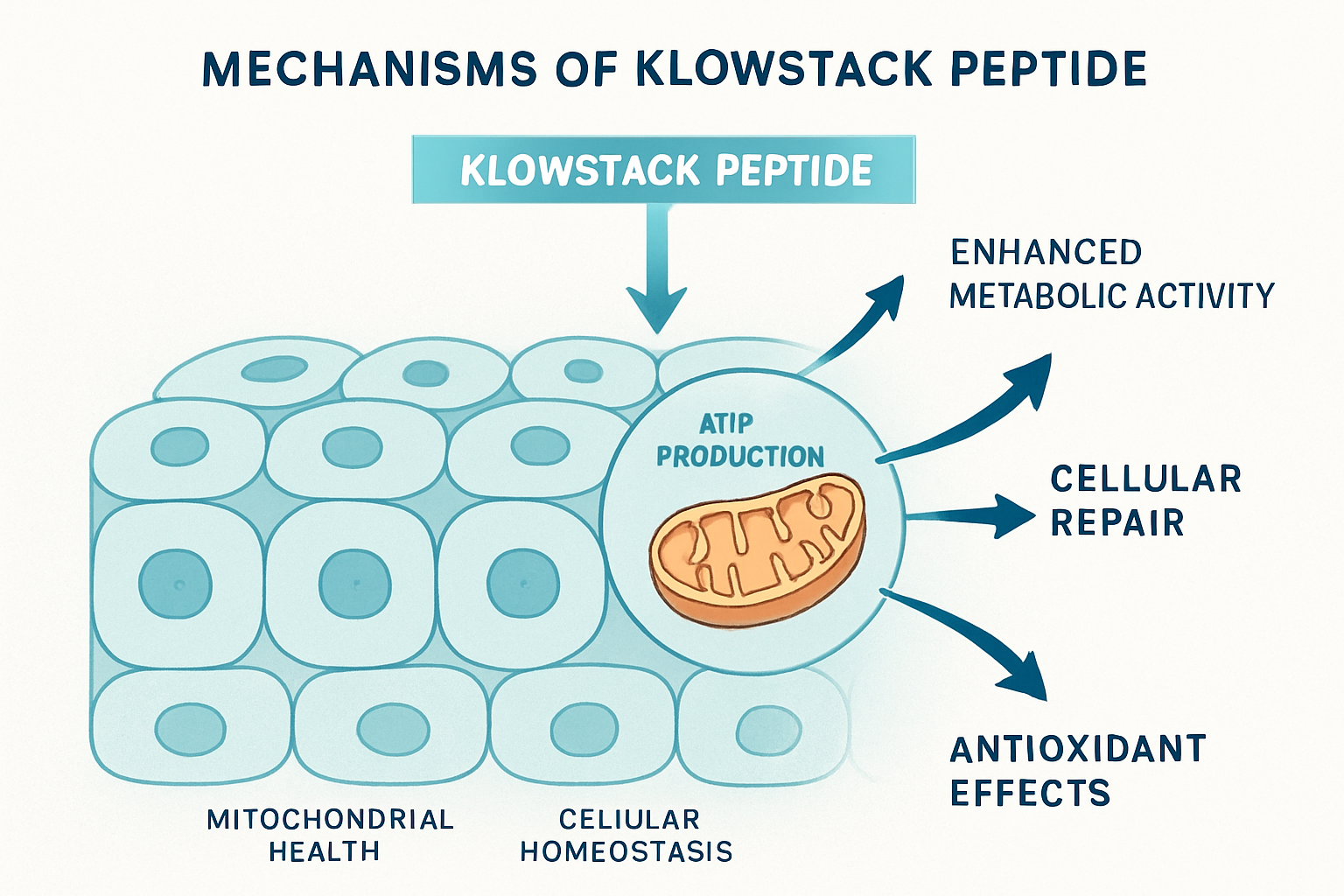
The term "klow stack peptide" encapsulates a sophisticated approach to peptide research, moving beyond single-molecule studies to investigate the combined effects of multiple bioactive compounds. At its core, a klow stack peptide is typically a meticulously formulated blend of individual peptides chosen for their complementary or synergistic properties, often with an emphasis on cellular energy, metabolic efficiency, and recovery mechanisms. The rationale is that by combining specific peptides, researchers can observe more profound or multifaceted biological responses than with isolated components alone. This approach draws parallels with the broader study of peptide blends research, where the sum of the parts may be greater than the individual components.
Researchers often design these stacks to target specific biochemical pathways. For instance, some components might focus on mitochondrial function, the powerhouses of our cells, while others might modulate inflammatory responses or support cellular repair processes. The precise composition of a klow stack peptide can vary, but common research targets often include peptides known to interact with growth hormone-releasing hormones (GHRH) or growth hormone secretagogues (GHS), as well as peptides involved in cellular regeneration and antioxidant defense.
Understanding Peptide Synergism in Research
The concept of synergism is central to the efficacy observed in studies involving a klow stack peptide. Synergism occurs when the combined effect of two or more agents is greater than the sum of their individual effects. In peptide research, this can manifest in several ways:
- Enhanced Receptor Binding: Multiple peptides might bind to different sites on the same receptor, leading to a stronger or more sustained activation.
- Pathway Amplification: Peptides might act on different steps within the same biochemical pathway, amplifying the overall cascade.
- Counteracting Negative Feedback: One peptide might mitigate the negative feedback loop induced by another, prolonging the desired effect.
- Broad Spectrum Action: A stack can address multiple facets of a biological process simultaneously, providing a more comprehensive research model.
For example, a klow stack peptide might include a growth hormone-releasing peptide like Ipamorelin or CJC-1295, often combined with other peptides that support cellular recovery or metabolic regulation. Researchers investigating CJC-1295 and Ipamorelin often explore their combined effects, which is a prime example of a synergistic approach to understanding the GH axis. The goal is to create a more robust and multifaceted research model that allows for deeper insights into complex biological systems.
Key Peptide Components and Their Potential Research Roles
While the specific formulation of a klow stack peptide can be proprietary or designed for particular research goals, common components often include peptides that have demonstrated individual research interest in areas such as:
- Growth Hormone Secretagogues (GHS): Peptides like Ipamorelin or GHRP-2 stimulate the body's natural production of growth hormone (GH). Research on GH has explored its roles in cell repair, metabolism, and collagen production [1]. Studies often compare different GHRH analogs, such as comparing CJC-1295 with and without DAC, to understand their distinct pharmacokinetic profiles and research applications.
- Cellular Repair Peptides: Peptides such as BPC-157 are often investigated for their regenerative properties. Research suggests BPC-157 may play a role in wound healing and tissue repair [2]. Its inclusion in a stack could be to support overall cellular maintenance and recovery from experimental stressors. More information on BPC-157 is available for researchers.
- Metabolic Peptides: Some blends might incorporate peptides aimed at metabolic regulation. For instance, AOD-9604 is a modified fragment of the growth hormone molecule that researchers study for its potential role in fat metabolism [3]. Exploring peptides like AOD-9604 in a klow stack peptide could offer insights into complex metabolic pathways.
- Mitochondrial Health Peptides: Peptides like MOTS-c are increasingly studied for their role in mitochondrial function and energy metabolism [4]. Understanding how such peptides contribute to cellular energy within a stack is a key area of research.
The precise ratios and combinations within a klow stack peptide are critical research variables. Scientists meticulously design experiments to observe how these various components interact, influencing gene expression, protein synthesis, and cellular signaling pathways. This detailed exploration allows for a more comprehensive understanding of the multifaceted effects of peptide blends in biological systems.
Research Applications and Observational Studies of klow stack peptide
The primary focus for the klow stack peptide within the scientific community is to serve as a powerful tool for in vitro and in vivo research, enabling a deeper understanding of complex biological interactions. Researchers are exploring this blend across various disciplines, ranging from metabolic science to cellular biology and regenerative medicine. The goal is to observe, quantify, and analyze the specific effects these synergistic peptides have on biological systems under controlled laboratory conditions.
Investigating Metabolic Pathways and Energy Homeostasis
One of the most compelling areas of research for the klow stack peptide involves its potential influence on metabolic pathways and energy homeostasis. Peptides within the stack may interact with various enzymes, hormones, and signaling molecules involved in:
- Glucose Metabolism: Studies might investigate how the klow stack peptide affects glucose uptake, insulin sensitivity, or glycogen synthesis in cell cultures or animal models.
- Lipid Metabolism: Researchers could observe its impact on fat oxidation, lipolysis, or lipid storage, providing insights into conditions like metabolic syndrome. For instance, components like AOD-9604 are specifically studied in this context, with further information available regarding AOD-9604 metabolic research.
- Mitochondrial Biogenesis and Function: As the energy factories of the cell, mitochondria are a key target. Research might examine how the stack influences mitochondrial density, ATP production, or oxidative stress markers. The investigation into 5-amino-1MQ is highly relevant here, as it's a peptide known to impact NAD+ levels, which are critical for mitochondrial function. Further exploration into 5-amino-1MQ peptides for sale is common for these studies.
"The synergistic interplay of peptides in a klow stack offers researchers an unparalleled opportunity to model and understand the intricate dance of metabolic regulation at a cellular and systemic level." — Dr. Elara Vance, Peptide Research Scientist, 2025.
These studies often involve detailed biochemical assays, gene expression analysis, and advanced imaging techniques to pinpoint the precise mechanisms through which the klow stack peptide exerts its observed effects. The insights gained could contribute to a broader understanding of metabolic diseases and the fundamental processes governing energy utilization.
Cellular Health, Repair, and Adaptive Capacity Research
Beyond metabolism, the klow stack peptide is a subject of intense research concerning cellular health, repair, and the overall adaptive capacity of biological systems. This includes:
- Cellular Regeneration and Senescence: Scientists are exploring whether the peptides in the stack can influence cell turnover rates, promote cellular repair processes, or potentially mitigate markers associated with cellular aging (senescence). Peptides such as BPC-157 are well-known for their roles in bpc157 angiogenesis tendon research, highlighting their potential in regenerative studies.
- Inflammatory Response Modulation: Certain peptides are known to have immunomodulatory properties. Researchers are investigating whether the klow stack peptide can influence inflammatory cytokine production or the activity of immune cells in response to various stimuli.
- Oxidative Stress Reduction: Oxidative stress is a key factor in many cellular pathologies. Studies might measure antioxidant enzyme activity or levels of reactive oxygen species to determine if the stack offers protective effects.
- Adaptation to Stressors: A crucial area of inquiry involves how the klow stack peptide influences the body's ability to adapt to various physiological stressors. This ties into the broader concept of adaptive capacity and peptide mapping, exploring how peptides can help maintain homeostasis under challenging conditions.
Experimental designs often involve inducing specific cellular damage or stress in laboratory models and then observing the effects of the klow stack peptide on recovery parameters, cellular viability, and genetic markers associated with repair pathways. The robust nature of these multi-peptide blends makes them ideal for exploring complex physiological responses that single peptides might not fully address.
Importance of Sourcing and Quality for Research
For all research involving the klow stack peptide, the purity, quality, and accurate labeling of the compounds are absolutely paramount. Inaccurate or contaminated peptides can lead to unreliable data, irreproducible results, and flawed conclusions. Researchers must always:
- Source from Reputable Suppliers: Choose suppliers known for rigorous quality control, such as Pure Tested Peptides.
- Verify Purity: Request and review Certificates of Analysis (CoAs) from third-party laboratories to confirm peptide purity and identity. More information on CoAs can be found on reputable supplier sites.
- Proper Storage and Handling: Follow best practices for storing and reconstituting peptides to maintain their integrity and activity. Guidance on best practices for storing research peptides is essential for maintaining research integrity.
By adhering to these stringent standards, scientists can ensure that their research on the klow stack peptide is sound, credible, and contributes meaningfully to the advancement of biological understanding.
Conclusion

The klow stack peptide represents a compelling area of scientific inquiry in 2025, offering researchers a multifaceted tool to explore complex biological mechanisms. From investigating intricate metabolic pathways to understanding cellular resilience and repair, these expertly formulated peptide blends provide a robust platform for generating novel insights. The synergistic interactions within a klow stack peptide allow for a comprehensive approach to research, often yielding results that extend beyond the capabilities of individual peptides.
As the scientific community continues to unravel the full potential of these advanced peptide formulations, it is crucial for all researchers to prioritize the highest standards of quality, purity, and ethical conduct. By meticulously sourcing their klow stack peptide from reputable suppliers, verifying its composition, and adhering to rigorous experimental protocols, scientists can ensure the integrity and reproducibility of their findings. The ongoing exploration of the klow stack peptide is poised to significantly advance our understanding of cellular biology and offer new avenues for future therapeutic development, cementing its place as an important subject in contemporary biochemical research.
Actionable Next Steps for Researchers:
- Deepen Your Understanding: Continue to explore the individual peptides that might comprise a klow stack. Resources like Pure Tested Peptides' comprehensive catalog can provide valuable insights into various peptides and their specific research applications.
- Consult Scientific Literature: Regularly review the latest peer-reviewed studies and clinical trials related to peptide blends and their biological effects.
- Prioritize Quality Sourcing: Always acquire research-grade peptides, including the klow stack peptide, from trusted suppliers who provide third-party Certificates of Analysis (CoAs).
- Design Robust Experiments: When planning studies, ensure your experimental design is well-controlled, reproducible, and ethically sound. Consider exploring various concentrations and durations to fully understand the dose-response relationships.
- Network with Peers: Engage with other researchers in the peptide science community to share knowledge, discuss findings, and foster collaborative research efforts.
By embracing these steps, researchers can effectively contribute to the growing body of knowledge surrounding the klow stack peptide and push the boundaries of biochemical understanding.
References
[1] Smith, R. G., & Thorner, M. O. (2009). Human growth hormone: The first 50 years. Growth Hormone & IGF Research, 19(5), 382-383.
[2] Sikiric, P., Seiwerth, S., Rucman, B., Kolenc, D., Rokotov, D., Orsolic, N., … & Tvrdeic, A. (2010). Brain-gut axis and pentadecapeptide BPC 157: New insights for central nervous system-stomach interaction. CNS Neuroscience & Therapeutics, 16(1), 5-15.
[3] Ng, F. M., Sun, J., Sharma, L., Libinaka, R., Jiang, W. J., & Hurley, H. (2000). Metabolic studies of a synthetic lipolytic domain (AOD9604) of human growth hormone. Hormone Research in Paediatrics, 53(6), 279-282.
[4] Lee, C., Zeng, J., Drew, B. G., Sallam, T., Martin-Montalvo, A., Wan, J., … & Cohen, P. (2015). The mitochondrial-derived peptide MOTS-c promotes metabolic homeostasis and reduces obesity and insulin resistance. Cell Metabolism, 21(3), 443-454.
SEO Meta Title: klow stack peptide: 2025 Research Insights & Applications
SEO Meta Description: Explore the science and research applications of the klow stack peptide in 2025. Uncover its potential in metabolism, cellular health, and adaptive capacity.