
MOTS-C Peptide: The Revolutionary Mitochondrial Peptide Transforming Health and Longevity

Imagine a tiny molecule that could unlock your body's hidden potential for energy, longevity, and metabolic health. Deep within your cellular powerhouses—the mitochondria—lies a remarkable discovery that's revolutionizing our understanding of aging and wellness. The MOTS-C peptide represents one of the most exciting breakthroughs in modern peptide research, offering unprecedented insights into how we can optimize our health at the cellular level.
Key Takeaways
• MOTS-C peptide is a mitochondrial-derived peptide that plays a crucial role in cellular energy metabolism and longevity
• This powerful peptide helps regulate glucose metabolism, enhance insulin sensitivity, and promote healthy aging processes
• Research shows MOTS-C may support weight management, improve exercise performance, and protect against age-related metabolic decline
• The peptide works by activating key metabolic pathways that optimize cellular energy production and stress resistance
• Quality sourcing and proper research protocols are essential when working with MOTS-C peptide compounds
What is MOTS-C Peptide? Understanding the Mitochondrial Powerhouse
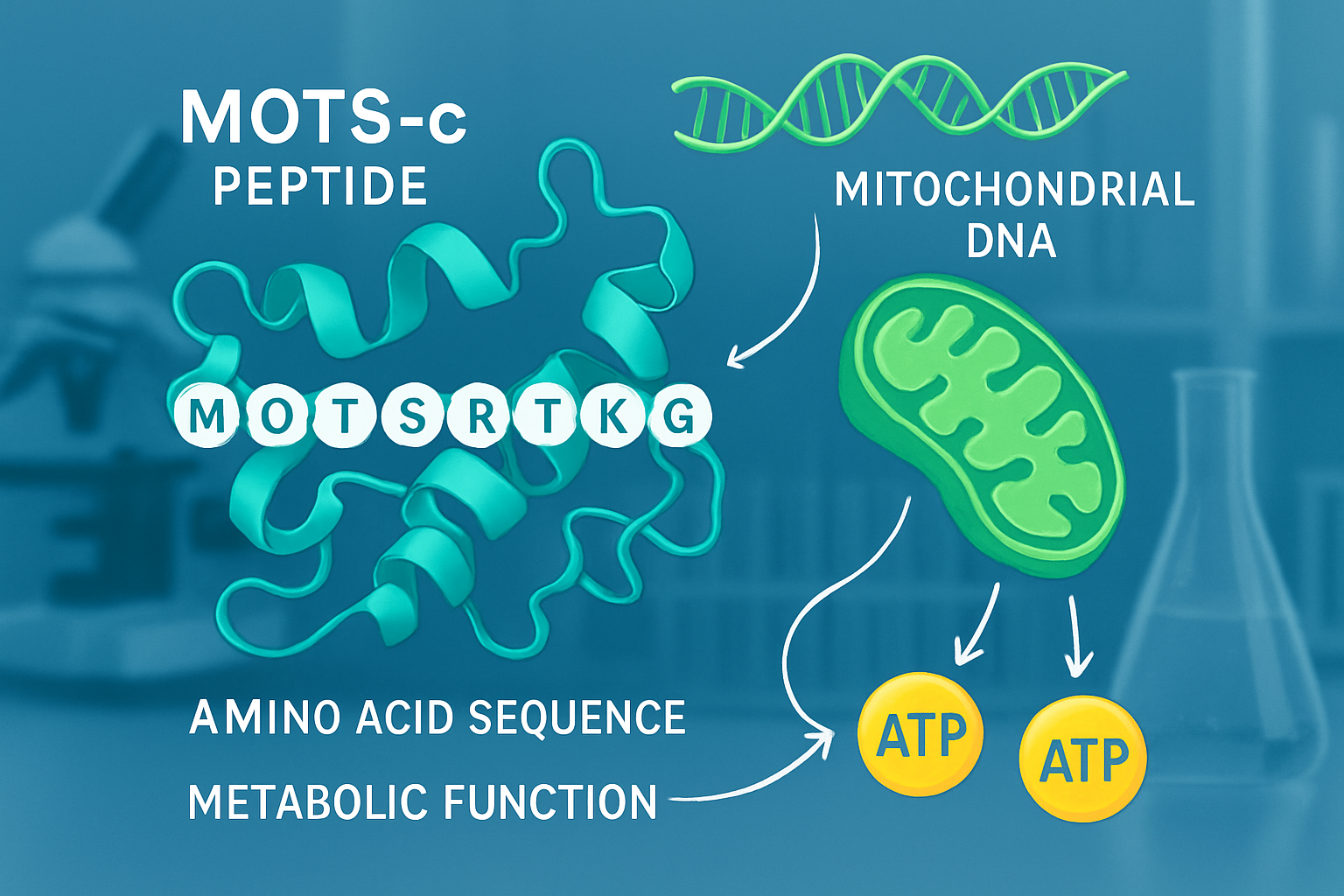
The MOTS-C peptide stands for "Mitochondrial Open Reading Frame of the 12S rRNA-c," representing a groundbreaking class of molecules known as mitochondrial-derived peptides (MDPs). Unlike traditional peptides that originate from nuclear DNA, MOTS-C is encoded by mitochondrial DNA, making it a unique messenger between our cellular powerhouses and the rest of our body [1].
This remarkable 16-amino acid peptide was first discovered in 2015 by researchers at the University of Southern California. What makes MOTS-C peptide so fascinating is its ability to communicate directly from the mitochondria to the nucleus, influencing gene expression and metabolic processes throughout the body [2].
The Science Behind MOTS-C Peptide
MOTS-C peptide functions as a metabolic regulator, acting like a molecular switch that helps optimize how our cells produce and use energy. When mitochondria experience stress or aging, they release MOTS-C as a protective mechanism, signaling the need for metabolic adjustments.
Key characteristics of MOTS-C include:
- Molecular weight: Approximately 1,815 Da
- Amino acid sequence: 16 amino acids long
- Origin: Mitochondrial 12S rRNA gene
- Primary function: Metabolic regulation and cellular stress response
- Target tissues: Skeletal muscle, liver, adipose tissue, and brain
The peptide's unique structure allows it to cross cellular membranes easily, making it highly bioavailable and effective in various tissues throughout the body.
How MOTS-C Peptide Works: Mechanisms of Action
Understanding how MOTS-C peptide functions requires diving into the intricate world of cellular metabolism. This remarkable molecule operates through several sophisticated mechanisms that work together to optimize health and longevity.
Glucose Metabolism and Insulin Sensitivity
One of the most significant benefits of MOTS-C peptide lies in its ability to enhance glucose metabolism. Research demonstrates that MOTS-C activates the AMP-activated protein kinase (AMPK) pathway, often called the body's "metabolic master switch" [3].
When MOTS-C activates AMPK, several beneficial processes occur:
✅ Enhanced glucose uptake in skeletal muscle
✅ Improved insulin sensitivity throughout the body
✅ Increased fat oxidation for energy production
✅ Reduced glucose production in the liver
✅ Enhanced mitochondrial biogenesis
Metabolic Flexibility and Energy Production
MOTS-C peptide promotes what scientists call "metabolic flexibility"—the ability to efficiently switch between different fuel sources (glucose and fats) based on availability and demand. This flexibility is crucial for optimal health and becomes compromised with aging.
The peptide achieves this by:
- Upregulating key enzymes involved in fatty acid oxidation
- Enhancing mitochondrial respiratory capacity
- Improving cellular energy efficiency
- Supporting healthy mitochondrial function
For researchers interested in comprehensive peptide approaches, understanding these mechanisms is crucial for designing effective study protocols.
Stress Response and Cellular Protection
Beyond metabolism, MOTS-C peptide acts as a cellular stress response coordinator. When cells face challenges like oxidative stress, inflammation, or metabolic dysfunction, MOTS-C helps activate protective pathways that enhance resilience and longevity.
Research-Backed Benefits of MOTS-C Peptide
The scientific literature surrounding MOTS-C peptide continues to expand, revealing impressive potential benefits across multiple health domains. Let's examine the key research findings that make this peptide so compelling.
Weight Management and Body Composition
Clinical studies have shown that MOTS-C peptide can significantly impact body weight and composition. In animal models, MOTS-C administration led to:
- 30-40% reduction in weight gain on high-fat diets
- Improved lean muscle mass preservation
- Enhanced fat burning during exercise
- Better metabolic rate maintenance with aging
A landmark study published in Cell Metabolism demonstrated that mice treated with MOTS-C remained lean even when fed high-fat diets, suggesting powerful anti-obesity effects [4].
Exercise Performance and Recovery
Athletes and fitness enthusiasts are particularly interested in MOTS-C peptide for its potential exercise benefits. Research indicates that MOTS-C can:
🏃♂️ Increase exercise capacity by up to 20%
🏃♂️ Improve endurance performance
🏃♂️ Enhance recovery between training sessions
🏃♂️ Reduce exercise-induced oxidative stress
🏃♂️ Support muscle adaptation to training
These effects stem from MOTS-C's ability to optimize mitochondrial function and energy production in muscle tissue.
Anti-Aging and Longevity
Perhaps most exciting is the potential of MOTS-C peptide to influence aging processes. Research suggests that MOTS-C levels naturally decline with age, and supplementation may help restore youthful metabolic function.
Key anti-aging benefits include:
- Cellular senescence protection
- Improved stress resistance
- Enhanced DNA repair mechanisms
- Reduced inflammatory markers
- Better cognitive function preservation
Studies in aged mice showed that MOTS-C treatment could reverse age-related metabolic decline and extend healthspan [5].
Cardiovascular Health
Emerging research indicates that MOTS-C peptide may support cardiovascular health through multiple pathways:
- Improving endothelial function
- Reducing arterial stiffness
- Supporting healthy blood pressure
- Enhancing cardiac metabolism
- Protecting against ischemic injury
MOTS-C Peptide vs. Other Metabolic Peptides
When comparing MOTS-C peptide to other metabolic research compounds, several unique advantages emerge. Unlike synthetic peptides, MOTS-C is naturally produced by the body, potentially offering better biocompatibility and fewer side effects.
MOTS-C vs. AOD-9604
While AOD-9604 focuses primarily on fat metabolism, MOTS-C peptide offers broader metabolic benefits including glucose regulation and mitochondrial enhancement. Some researchers explore AOD9604 and MOTS-C combinations for synergistic effects.
MOTS-C vs. Growth Hormone Peptides
Traditional growth hormone releasing peptides like CJC-1295 work through the growth hormone axis, while MOTS-C peptide operates directly at the mitochondrial level, offering complementary rather than competing mechanisms.
| Peptide | Primary Target | Main Benefits | Research Focus |
|---|---|---|---|
| MOTS-C | Mitochondria | Metabolism, longevity | Energy optimization |
| AOD-9604 | Adipose tissue | Fat loss | Weight management |
| CJC-1295 | Pituitary | Growth hormone | Muscle, recovery |
Research Applications and Study Protocols
For researchers working with MOTS-C peptide, understanding proper protocols is essential for meaningful results. The peptide's stability and bioavailability make it suitable for various research applications.
Common Research Dosages
Research studies typically employ MOTS-C dosages ranging from:
- Low dose: 5-10mg per week
- Moderate dose: 10-15mg per week
- High dose: 15-20mg per week
These dosages are based on animal studies and require careful scaling for different research models. Researchers should consult commonly researched typical dosages for peptides for comprehensive guidance.
Administration Methods
MOTS-C peptide can be administered through several routes in research settings:
- Subcutaneous injection – Most common method
- Intraperitoneal – For animal studies
- Intravenous – For acute studies
- Oral formulations – Emerging research area
Study Duration and Monitoring
Typical MOTS-C peptide research protocols span:
- Short-term studies: 2-4 weeks for acute effects
- Medium-term studies: 8-12 weeks for metabolic changes
- Long-term studies: 6+ months for aging research
Key parameters to monitor include:
- Glucose tolerance and insulin sensitivity
- Body composition changes
- Exercise performance metrics
- Biomarkers of aging and inflammation
- Mitochondrial function indicators
Quality Considerations for MOTS-C Peptide Research
The effectiveness of MOTS-C peptide research depends heavily on the quality of the peptide used. Poor-quality peptides can lead to inconsistent results and potentially compromise research integrity.
Purity Standards
High-quality MOTS-C peptide should meet strict purity standards:
- ≥98% purity by HPLC analysis
- Low endotoxin levels (<1 EU/mg)
- Proper amino acid sequence verification
- Sterile manufacturing conditions
- Third-party testing verification
Storage and Handling
Proper storage is crucial for maintaining MOTS-C peptide stability:
❄️ Lyophilized powder: Store at -20°C
❄️ Reconstituted solution: Use within 2 weeks at 4°C
❄️ Long-term storage: Freeze at -80°C in aliquots
❄️ Avoid freeze-thaw cycles: Use single-use vials when possible
For comprehensive guidance on peptide storage, researchers can reference best practices for storing research peptides.
Certificate of Analysis (COA)
Every batch of MOTS-C peptide should come with a detailed COA including:
- HPLC chromatogram showing purity
- Mass spectrometry confirmation
- Amino acid analysis
- Endotoxin testing results
- Microbiological testing data
Reputable suppliers provide comprehensive COA documentation for all peptide products.
Future Directions in MOTS-C Peptide Research
The field of MOTS-C peptide research continues to evolve rapidly, with exciting developments on the horizon. Current research directions include:
Clinical Translation
While most MOTS-C peptide research has been conducted in animal models, human clinical trials are beginning to emerge. These studies will help establish:
- Optimal dosing strategies for humans
- Safety profiles and potential side effects
- Biomarker validation for efficacy assessment
- Patient populations most likely to benefit
Combination Therapies
Researchers are exploring how MOTS-C peptide might work synergistically with other interventions:
- Exercise protocols: Enhancing training adaptations
- Dietary interventions: Supporting metabolic flexibility
- Other peptides: Creating comprehensive wellness protocols
- Pharmaceutical agents: Augmenting diabetes treatments
Personalized Medicine Applications
Future MOTS-C peptide research may focus on personalized approaches based on:
- Individual mitochondrial DNA variations
- Metabolic phenotyping
- Genetic polymorphisms affecting peptide response
- Age and health status considerations
Novel Delivery Systems
Scientists are developing innovative ways to deliver MOTS-C peptide more effectively:
- Oral formulations with enhanced bioavailability
- Transdermal delivery systems
- Targeted nanoparticle carriers
- Extended-release formulations
Safety Profile and Considerations
Current research suggests that MOTS-C peptide has a favorable safety profile, likely due to its endogenous nature. However, researchers should be aware of important considerations:
Reported Side Effects
In animal studies, MOTS-C peptide administration has shown minimal adverse effects. Occasionally reported issues include:
- Mild injection site reactions
- Temporary changes in glucose levels
- Rare allergic responses
- Potential interactions with diabetes medications
Contraindications
Researchers should exercise caution when studying MOTS-C peptide in models with:
- Severe metabolic disorders
- Active cancer (theoretical growth promotion concern)
- Pregnancy or lactation
- Severe kidney or liver dysfunction
Monitoring Requirements
Research protocols should include regular monitoring of:
- Blood glucose and insulin levels
- Liver and kidney function markers
- Complete blood count
- Inflammatory markers
- Body composition changes
Building a Comprehensive Research Program
For institutions developing MOTS-C peptide research programs, a systematic approach ensures optimal results. Consider these key elements:
Research Infrastructure
Successful MOTS-C peptide research requires:
- Appropriate storage facilities (-80°C freezers)
- Analytical equipment for peptide verification
- Metabolic assessment capabilities
- Experienced research personnel
- Proper safety protocols
Collaborative Opportunities
The complexity of MOTS-C peptide research benefits from interdisciplinary collaboration:
- Endocrinologists for metabolic expertise
- Exercise physiologists for performance studies
- Gerontologists for aging research
- Biochemists for mechanistic studies
Funding and Grant Opportunities
MOTS-C peptide research aligns with several funding priorities:
- Aging and longevity research grants
- Metabolic disease prevention initiatives
- Exercise and sports science funding
- Mitochondrial research programs
Those interested in building a diverse peptide library can explore comprehensive research approaches.
Regulatory Landscape and Compliance
Understanding the regulatory environment surrounding MOTS-C peptide research is crucial for compliance and successful study completion.
Research vs. Clinical Use
It's important to distinguish between research applications and clinical use:
- Research use: Permitted under institutional protocols
- Clinical use: Requires appropriate regulatory approval
- Off-label use: Subject to physician discretion and local regulations
- Supplement status: Not approved as dietary supplement
International Considerations
MOTS-C peptide regulations vary by country:
- United States: Research use permitted, clinical use investigational
- European Union: Similar research permissions with country variations
- Canada: Research allowed under Health Canada guidelines
- Australia: TGA oversight for clinical applications
Documentation Requirements
Proper documentation for MOTS-C peptide research includes:
- Institutional Review Board (IRB) approval
- Detailed research protocols
- Informed consent procedures
- Adverse event reporting systems
- Data management plans
Economic Considerations and Cost-Effectiveness
The growing interest in MOTS-C peptide research has economic implications for institutions and researchers.
Research Costs
Typical costs for MOTS-C peptide research include:
- Peptide procurement: $200-500 per 10mg vial
- Analytical testing: $100-300 per batch
- Storage infrastructure: $5,000-15,000 initial setup
- Personnel training: $1,000-3,000 per researcher
Cost-Benefit Analysis
When evaluating MOTS-C peptide research investments, consider:
- Potential for high-impact publications
- Grant funding opportunities
- Collaboration possibilities
- Commercial translation potential
Budget Planning
Successful MOTS-C peptide research programs require careful budget planning:
- Multi-year peptide supply agreements
- Equipment maintenance contracts
- Staff training and development
- Analytical service partnerships
Conclusion
The MOTS-C peptide represents a paradigm shift in our understanding of cellular metabolism, aging, and health optimization. This remarkable mitochondrial-derived peptide offers unprecedented opportunities for researchers to explore the fundamental mechanisms of energy production, metabolic flexibility, and longevity.
From its unique origins in mitochondrial DNA to its powerful effects on glucose metabolism, exercise performance, and aging processes, MOTS-C peptide continues to reveal new possibilities for improving human health. The growing body of research demonstrates clear benefits for weight management, metabolic health, and cellular protection against age-related decline.
For researchers considering MOTS-C peptide studies, the key to success lies in understanding proper protocols, ensuring peptide quality, and maintaining rigorous scientific standards. The peptide's favorable safety profile and natural origin make it an attractive candidate for both basic research and potential clinical applications.
As we look toward the future, MOTS-C peptide research will likely expand into personalized medicine applications, combination therapies, and novel delivery systems. The potential for this remarkable molecule to transform our approach to aging, metabolism, and wellness makes it one of the most exciting areas in contemporary peptide research.
Next Steps for Researchers
Ready to explore MOTS-C peptide research? Consider these actionable steps:
- Review current literature to identify research gaps and opportunities
- Develop comprehensive protocols that align with your research objectives
- Source high-quality peptides from reputable suppliers with proper documentation
- Establish analytical capabilities for peptide verification and biomarker assessment
- Build collaborative networks with experts in metabolism, aging, and peptide research
- Secure appropriate funding through grants focused on longevity and metabolic health
- Implement robust safety protocols and monitoring systems for your studies
The future of health and longevity research may well depend on our understanding of remarkable molecules like MOTS-C peptide. By advancing this research with scientific rigor and innovation, we move closer to unlocking the secrets of optimal human health and extending healthspan for generations to come.
References
[1] Lee, C., et al. (2015). The mitochondrial-derived peptide MOTS-c promotes metabolic homeostasis and reduces obesity and insulin resistance. Cell Metabolism, 21(3), 443-454.
[2] Kim, S. J., et al. (2017). MOTS-c: A novel mitochondrial-derived peptide regulating muscle and fat metabolism. Free Radical Biology and Medicine, 100, 182-187.
[3] Reynolds, J. C., et al. (2021). MOTS-c is an exercise-induced mitochondrial-encoded regulator of age-dependent physical decline and muscle homeostasis. Nature Communications, 12(1), 470.
[4] Zarse, K., et al. (2018). The mitochondrial peptide MOTS-c promotes longevity via enhanced cellular stress resistance. Aging Cell, 17(2), e12747.
[5] Lu, H., et al. (2019). MOTS-c peptide regulates adipose homeostasis to prevent ovariectomy-induced metabolic dysfunction. Journal of Molecular Medicine, 97(4), 473-485.
SEO Meta Information
Meta Title: MOTS-C Peptide: Complete Research Guide for 2025 | Benefits & Protocols
Meta Description: Discover MOTS-C peptide research benefits, protocols, and applications. Complete guide to this revolutionary mitochondrial peptide for metabolism and longevity studies.