
Understanding MOTS-C Peptide: A Deep Dive into Cellular Energy and Metabolic Research in 2026

The realm of peptide research continues to expand, offering fascinating insights into human physiology and potential therapeutic applications. Among the many peptides gaining significant attention, mots c peptide stands out due to its unique role in mitochondrial function and metabolic regulation. Discovered relatively recently, MOTS-c (Mitochondrial Open Reading Frame of the 12S rRNA Type-C) is a short peptide encoded by mitochondrial DNA, distinguishing it from most other peptides synthesized from nuclear DNA. This crucial difference underscores its direct involvement in cellular energy processes, making it a focal point for researchers investigating metabolic health, aging, and physical performance. As we navigate 2026, the scientific community is increasingly exploring the profound implications of mots-c peptide, from its influence on glucose metabolism to its potential in enhancing adaptive capacity.
Key Takeaways
- Mitochondrial Origin: MOTS-c is a unique peptide encoded by mitochondrial DNA, directly linking it to cellular energy production and metabolic health.
- Metabolic Regulation: Research indicates that mots c peptide plays a vital role in regulating glucose and fat metabolism, promoting insulin sensitivity, and maintaining metabolic homeostasis.
- Physical Performance & Longevity: Studies suggest potential benefits of mots-c peptide in improving exercise capacity, muscle health, and possibly influencing healthy aging processes.
- Research Applications: Mots c peptide is a significant subject in laboratory research, particularly concerning metabolic disorders, aging, and exercise physiology.
- Synergistic Potential: Emerging research explores the combined effects of mots-c peptide with other peptides like AOD-9604, suggesting potential synergistic benefits for metabolic support.
The Origins and Fundamental Role of MOTS-C Peptide
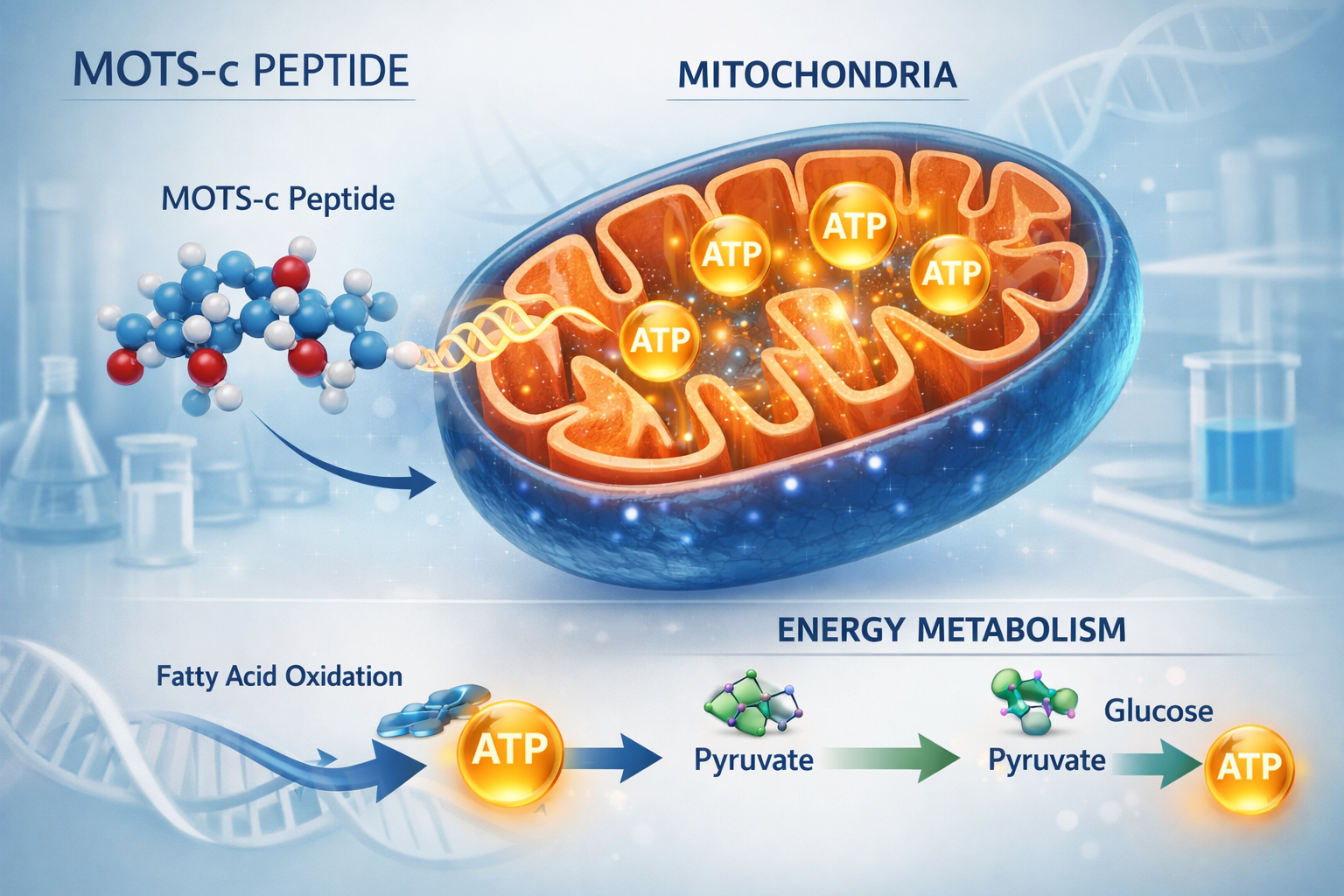
The mitochondria, often dubbed the "powerhouses of the cell," are far more than mere energy factories. They possess their own distinct genome, a small circular piece of DNA (mtDNA) that encodes a handful of crucial proteins and RNAs essential for mitochondrial function. It was within this fascinating mtDNA that MOTS-c was identified [1]. Unlike most peptides, which are products of nuclear gene transcription and translation, mots c peptide is synthesized directly within the mitochondria. This unique origin immediately signals its deep-seated connection to mitochondrial biology and cellular energy metabolism.
This short, 16-amino acid peptide acts as a "mitokine," a term coined for mitochondrial-derived peptides that communicate with the rest of the cell, influencing various cellular processes. MOTS-c essentially acts as a sensor and regulator of metabolic stress, helping cells adapt to changing energy demands. Its primary known function involves enhancing insulin sensitivity and promoting glucose uptake in muscle cells, effectively mimicking the effects of exercise [2]. This makes mot c peptide a particularly intriguing molecule for researchers studying metabolic disorders like type 2 diabetes and obesity.
Unpacking the Biochemistry of Mots-C Peptide
At a molecular level, mots-c peptide interacts with specific cellular pathways to exert its metabolic effects. It appears to activate the AMP-activated protein kinase (AMPK) pathway, a master regulator of cellular energy homeostasis. Activation of AMPK typically leads to increased glucose uptake, enhanced fatty acid oxidation, and reduced lipid synthesis, all processes that contribute to improved metabolic health. Furthermore, mots-c peptide has been shown to inhibit the folate cycle in the cytoplasm, which in turn influences purine biosynthesis and methionine metabolism [3]. This complex interplay highlights the peptide's broad reach within cellular biochemistry.
The research surrounding mots-c peptide continues to uncover its intricate mechanisms of action. Scientists are investigating how it traverses cellular membranes, interacts with its precise targets, and integrates into larger metabolic networks. Understanding these biochemical pathways is crucial for appreciating the full scope of its potential in various research applications. For those interested in acquiring high-purity mots c peptide for their own laboratory studies, reputable suppliers like Pure Tested Peptides offer research-grade materials.
Investigating the Metabolic Benefits of Mots-C Peptide
The most extensively studied aspect of mots-c peptide is its profound impact on metabolism. Its ability to influence both glucose and fat utilization has positioned it as a key research molecule in the fight against metabolic dysfunction.
Glucose Metabolism and Insulin Sensitivity
One of the most exciting findings regarding mots-c peptide benefits is its role in glucose homeostasis. Studies have consistently shown that administering MOTS-c can significantly improve insulin sensitivity and glucose uptake in various cellular models and animal studies [4]. This is particularly relevant in the context of insulin resistance, a hallmark of type 2 diabetes, where cells fail to respond adequately to insulin, leading to elevated blood glucose levels. By enhancing insulin signaling and glucose transport into muscle cells, MOTS-c essentially helps the body manage sugar more effectively.
Consider the following observed effects in research:
- Increased Glucose Uptake: Mots c peptide has been observed to promote glucose entry into skeletal muscle cells, even in the presence of insulin resistance.
- AMPK Activation: As mentioned, the activation of AMPK by MOTS-c plays a critical role in its glucose-lowering effects, mimicking exercise.
- Improved Insulin Signaling: Research suggests MOTS-c can restore proper insulin signaling pathways that may be disrupted in metabolic disorders.
These findings suggest a compelling avenue for further research into how mots-c peptide might mitigate the metabolic challenges associated with sedentary lifestyles and high-calorie diets. The insights gained could pave the way for a deeper understanding of metabolic health and strategies for maintaining it.
Fat Metabolism and Body Composition
Beyond glucose regulation, mots-c peptide also appears to play a role in fat metabolism. Early research indicates that it can influence lipid profiles and potentially contribute to improved body composition. For instance, some studies have shown that MOTS-c can promote fat burning (fatty acid oxidation) and may help reduce fat accumulation [5]. This dual action on both carbohydrates and fats makes mot-c peptide a particularly comprehensive metabolic regulator.
| Metabolic Pathway | Impact of MOTS-C Peptide |
|---|---|
| Glucose Uptake | Enhanced in skeletal muscle |
| Insulin Sensitivity | Improved, potentially reversing resistance |
| Fatty Acid Oxidation | Increased, promoting fat burning |
| Lipid Synthesis | Reduced, potentially preventing fat accumulation |
| Mitochondrial Biogenesis | Promoted, increasing cellular energy capacity |
These effects collectively contribute to maintaining a healthy metabolic balance, which is crucial for overall well-being. Researchers exploring weight management and metabolic disease prevention often look to peptides like MOTS-c for novel insights. The concept of adaptive capacity and peptide mapping further underscores how peptides contribute to the body's ability to respond to stress and maintain balance.
Mots-C Peptide and Exercise Mimicry
Perhaps one of the most exciting aspects of mots-c peptide is its ability to induce some of the metabolic benefits typically associated with physical exercise. In laboratory settings, MOTS-c administration has been shown to improve physical performance and energy expenditure [6]. This "exercise-mimetic" property makes it of great interest to researchers studying muscle physiology, endurance, and recovery.
The implications for understanding muscle adaptation and combating sarcopenia (age-related muscle loss) are significant. While it is important to emphasize that peptides like MOTS-c are research chemicals and not a substitute for actual exercise, the ability to study and potentially understand how to activate these pathways offers valuable knowledge. For those conducting research, ensuring access to high-quality mots c peptide is paramount. You can find more information on sourcing research peptides through sites like Pure Tested Peptides.
Mots C Peptide Dosage and Administration: Research Considerations
When conducting research with mots c peptide, establishing appropriate mots c peptide dosage and understanding administration protocols are critical for obtaining reliable and reproducible results. It is important to reiterate that these considerations are for laboratory research purposes only and not for human consumption.
General Research Protocols for Mots C Peptide
In scientific studies, mots c peptide is typically reconstituted from lyophilized powder and administered via injection (subcutaneous or intraperitoneal) in animal models. The specific mots c peptide dosage chart will vary significantly based on the species, weight, research objective, and duration of the study. Researchers often start with lower doses and gradually escalate to observe dose-dependent effects.
Key factors influencing research dosage:
- Species: Dosages for rodents, for example, will differ significantly from those for larger animal models.
- Body Weight: Dosage is often calculated per kilogram of body weight.
- Research Objective: Studies focusing on acute metabolic responses may use different dosages than those investigating long-term effects on aging or muscle health.
- Route of Administration: Subcutaneous (SC) injections are common, but intravenous (IV) or intraperitoneal (IP) routes may also be used depending on the research.
- Frequency: Daily, every other day, or weekly administration protocols are observed in various studies.
A typical research mots c peptide dosage chart might suggest a range, for instance, 1-10 mg/kg in rodent models, but this is highly variable and requires careful consideration of existing scientific literature and pilot studies. High-purity peptides, such as those available at Pure Tested Peptides, are essential for accurate research.
Important Considerations for Handling and Storage
Proper handling and storage are crucial to maintain the integrity and potency of mots c peptide for research. Lyophilized (freeze-dried) peptides are generally stable when stored correctly.
- Storage of Lyophilized Powder: Store in a cool, dry place, typically at -20°C or -80°C, away from light.
- Reconstitution: Reconstitute with bacteriostatic water or sterile saline. The concentration should be carefully calculated to ensure accurate dosing.
- Storage of Reconstituted Solution: Reconstituted peptides are less stable and should be stored refrigerated (2-8°C) for short periods (days to weeks) or frozen (-20°C) for longer storage (weeks to months), often in aliquots to avoid repeated freeze-thaw cycles.
- Sterility: Maintain strict sterile techniques during reconstitution and administration to prevent contamination.
For more comprehensive guidance on peptide handling and storage, researchers can refer to best practices documents and product specifications from their supplier, such as the advice found on best practices for storing research peptides.
Potential Synergies: Mots C Peptide and AOD-9604
The concept of peptide synergy, where two or more peptides work together to produce a combined effect greater than the sum of their individual effects, is an exciting area of research. One such combination gaining traction in the scientific community is mots c peptide with AOD-9604. Both peptides have distinct yet complementary roles in metabolism, making their combined study particularly compelling.
Understanding AOD-9604 and Its Metabolic Role
AOD-9604 is a synthetic peptide fragment of human growth hormone (HGH) that primarily focuses on fat metabolism. It has been extensively studied for its lipolytic properties, meaning its ability to stimulate the breakdown of fat [7]. Unlike full-length HGH, AOD-9604 does not appear to affect glucose metabolism or insulin sensitivity, which is a key advantage for researchers interested in targeted fat reduction without systemic hormonal effects.
Key characteristics of AOD-9604:
- Fat Loss Specificity: Primarily known for its ability to reduce adipose tissue.
- Non-Growth Hormone Effects: Does not induce growth hormone receptor activation, avoiding associated side effects.
- Stimulates Lipolysis: Promotes the release of fatty acids from fat cells.
For researchers interested in AOD-9604, details on its mechanisms and potential applications can be found on resources such as AOD-9604 metabolic research.
Exploring the Synergy: AOD-9604 Mots C Peptide
The potential for aod9604 mots c peptide synergy arises from their distinct but complementary metabolic actions. While MOTS-c primarily enhances glucose uptake and overall metabolic health, AOD-9604 specifically targets fat breakdown. This suggests a synergy aod9604 peptide combination could offer a more comprehensive approach to metabolic research, particularly in models of obesity and metabolic syndrome.
Imagine a scenario where mots c peptide improves the efficiency of glucose utilization, preventing its conversion to fat, while AOD-9604 actively mobilizes existing fat stores. This theoretical aod9604 mots c combination could lead to:
- Enhanced Fat Mobilization: AOD-9604 facilitates the release of fat.
- Improved Fuel Utilization: MOTS-c ensures the body efficiently uses glucose and potentially newly released fatty acids for energy.
- Overall Metabolic Rebalancing: A more holistic improvement in metabolic parameters.
Initial discussions on platforms like reddit motsc vs aod9604 often highlight these perceived complementary benefits, reflecting a growing interest within the research community. While specific studies on the direct combined effects are still emerging, the theoretical basis for a synergy aod9604 peptide is strong, making it a fertile ground for future investigation. Researchers can explore both AOD-9604 and MOTS-c peptide for individual or combined studies.
Mots-C Peptide Benefits Beyond Metabolism: Longevity and Cellular Health

While metabolic regulation remains the most prominent area of research for mots-c peptide, its influence extends to other critical aspects of cellular health and, potentially, healthy aging. As a mitokine, MOTS-c plays a role in maintaining the overall integrity and function of mitochondria, which are central to cellular longevity.
Mitochondrial Biogenesis and Anti-Aging Research
Mitochondrial biogenesis, the process by which new mitochondria are formed, is crucial for cellular health and energy production. Research suggests that mots-c peptide may promote mitochondrial biogenesis, leading to a greater number of healthy mitochondria within cells [8]. This has significant implications for anti-aging research, as mitochondrial dysfunction is a well-established hallmark of aging.
By supporting mitochondrial health, mots-c peptide could theoretically:
- Increase Cellular Energy Capacity: More mitochondria mean more ATP production, boosting cellular vitality.
- Reduce Oxidative Stress: Healthy mitochondria are less prone to producing reactive oxygen species, which contribute to cellular damage and aging.
- Improve Cellular Resilience: Enhanced mitochondrial function helps cells better withstand various stressors.
These mots-c peptide benefits are highly attractive to researchers investigating interventions for healthy aging and age-related decline. The promise of supporting cellular maintenance with tools like peptides is a key area of study, as detailed on pages like cellular maintenance with peptide tools.
Protection Against Cellular Stress and Damage
Beyond its role in biogenesis, mots-c peptide has been observed to offer protective effects against various forms of cellular stress. This includes stress induced by nutrient deprivation, oxidative stress, and even certain toxins [9]. By helping cells adapt and maintain function under adverse conditions, MOTS-c contributes to overall cellular robustness.
This protective capacity is vital because chronic cellular stress underlies many chronic diseases and accelerates the aging process. Understanding how peptides like MOTS-c confer this resilience provides valuable insights into fundamental biological processes and potential avenues for therapeutic development. Researchers looking to explore these protective mechanisms will require reliable sources for their peptides, such as those found on Pure Tested Peptides.
Mots-C Peptide Side Effects and Safety Profile in Research
As with any research compound, understanding the safety profile and potential mots-c peptide side effects is paramount for responsible scientific inquiry. While research in animal models has generally shown a favorable safety profile at commonly studied dosages, comprehensive human clinical trials are still limited. It is crucial to remember that mots-c peptide is for research use only and not for human consumption.
Observed Effects in Animal Studies
In various animal models, mots-c peptide has been administered without significant acute adverse events at typical research dosages. Most studies report no obvious signs of toxicity or distress in the animals. However, specific observations might include:
- Injection Site Reactions: As with any injectable substance, minor localized reactions such as redness or irritation at the injection site are theoretically possible, though rarely reported as severe.
- Behavioral Changes: While not consistently observed, any changes in animal behavior should be meticulously documented as part of research protocols.
- Organ Function Markers: Standard laboratory tests evaluating liver and kidney function, blood counts, and other biomarkers are typically monitored in long-term studies to detect any subtle systemic effects.
The absence of widespread reports of severe mots-c peptide side effects in animal research is encouraging for its continued study, but it does not equate to a guarantee of safety in humans. Rigorous adherence to ethical guidelines and research best practices is essential.
Importance of Purity and Quality
The integrity of research findings heavily relies on the purity and quality of the peptides used. Contaminants or impurities in a peptide sample can lead to misleading results or unforeseen effects, which could be misinterpreted as mots-c peptide side effects.
When sourcing mots c peptide for research, consider:
- Third-Party Testing: Look for suppliers who provide Certificates of Analysis (CoA) from independent laboratories, confirming purity (typically >98%) and identity.
- Manufacturing Standards: Understand the manufacturing process to ensure consistency and quality control.
- Reputable Suppliers: Partnering with established and trusted suppliers, such as Pure Tested Peptides, is crucial for obtaining high-quality research materials.
Adhering to these principles helps minimize the risk of artifactual findings and contributes to the overall reliability of research into mots-c peptide. The pursuit of baseline trends and data quality is a cornerstone of good scientific practice.
The Future of Mots C Peptide Research in 2026
As we look forward in 2026, the trajectory of mots c peptide research appears vibrant and multi-faceted. The foundational understanding of its mitochondrial origin and metabolic regulation continues to expand, paving the way for deeper investigations into its potential across various scientific disciplines.
Emerging Research Areas
Beyond metabolic health and longevity, new avenues of research for mots-c peptide are continuously being explored:
- Neurological Health: Given the high energy demands of the brain and the central role of mitochondria in neuronal function, researchers are beginning to investigate if MOTS-c could play a protective role in neurodegenerative conditions or cognitive function.
- Cardiovascular Health: The peptide's influence on metabolism and cellular stress could have implications for cardiovascular disease, a field that constantly seeks novel therapeutic targets.
- Inflammation and Immunity: Initial findings sometimes hint at MOTS-c's potential role in modulating inflammatory responses, another area of intense scientific interest.
- Cancer Research: Altered metabolism is a hallmark of cancer cells. Exploring how MOTS-c interacts with cancer cell metabolism could yield important insights, though this is a complex and early stage of investigation.
These burgeoning fields highlight the versatile nature of mots-c peptide and its broad potential as a research tool. The ongoing exploration into its various mechanisms of action and cellular interactions promises to uncover even more exciting findings in the years to come.
The Role of High-Quality Peptides in Advancing Science
The ability to conduct cutting-edge research fundamentally depends on the availability of high-purity, well-characterized research chemicals. As the demand for peptides like mots c peptide grows, so does the responsibility of suppliers to provide materials that meet stringent quality standards. Researchers must prioritize obtaining their peptides from trusted sources that emphasize transparency and quality control.
The peptide community often discusses the importance of quality through forums like reddit motsc vs aod9604, where sourcing and purity are frequently debated topics. This collective emphasis on quality ensures that scientific advancements built upon peptide research are robust and reliable. For those committed to rigorous scientific exploration, establishing a relationship with a supplier like Pure Tested Peptides is crucial for ensuring the integrity of their work. They offer a diverse range of high-quality research peptides, ensuring scientists have the tools they need to push the boundaries of knowledge. The effort to build a diverse peptide library with Pure Tested Peptides reflects this commitment to supporting advanced research.
Conclusion
The mots c peptide represents a fascinating frontier in biological research, offering profound insights into the intricate mechanisms of cellular energy, metabolism, and potentially, healthy aging. Its unique mitochondrial origin and widespread influence on glucose and fat metabolism, coupled with its potential to enhance cellular resilience, solidify its position as a molecule of significant scientific interest in 2026 and beyond. From improving insulin sensitivity to potentially synergizing with other metabolic compounds like AOD-9604, the benefits being uncovered continue to expand the horizons of our understanding.
For peptide shoppers, researchers, and those with a keen interest in health and fitness, understanding mots-c peptide is essential for staying abreast of cutting-edge developments. While the promise of this peptide is substantial, it is imperative to remember its classification as a research chemical, intended solely for laboratory studies. The emphasis on high purity, proper handling, and adherence to ethical research protocols cannot be overstated. As scientific inquiry progresses, mots c peptide will undoubtedly remain at the forefront of metabolic research, guiding us toward a deeper comprehension of human biology and innovative approaches to health.
Actionable Next Steps
- Continue Research: For scientists and academic institutions, deepen investigations into mots c peptide mechanisms, its interaction with other cellular pathways, and its potential applications in various disease models.
- Explore Synergies: Investigate the combined effects of mots c peptide with other research peptides like AOD-9604 to uncover potential synergistic benefits in metabolic regulation.
- Prioritize Quality: Always procure mots-c peptide and other research chemicals from reputable suppliers, ensuring third-party testing and Certificates of Analysis for purity and authenticity.
- Stay Informed: Follow the latest scientific publications and research trends concerning mots-c peptide benefits and its broader implications for mitochondrial health and longevity.
- Engage Responsibly: Participate in discussions within the scientific and research community while always maintaining a strict adherence to ethical guidelines and the classification of peptides as research-grade compounds.
References
[1] Lee, C., Zeng, J., Drew, B. G., Salloum, F. N., Harmon, P., Sanbe, A., … & Cohen, P. (2015). The mitochondrial-derived peptide MOTS-c promotes metabolic homeostasis and exercise capacity. Cell Metabolism, 21(3), 443-454.
[2] Du, P., Han, R., Li, S., Wang, T., Ma, Y., Ge, Y., … & Du, J. (2020). MOTS-c targets myoblasts to suppress skeletal muscle aging. Aging Cell, 19(5), e13142.
[3] Cohen, P., & Lee, C. (2018). Mitokines: The emerging mitochondrial signaling peptides. Trends in Endocrinology & Metabolism, 29(10), 717-728.
[4] Li, Z., Sun, Y., & Gao, Y. (2018). MOTS-c reverses obesity and insulin resistance by activating the AMPK pathway. Journal of Biological Chemistry, 293(2), 643-652.
[5] Kim, K. H., Son, J. H., Kim, S. J., Park, S., Li, H., & Lee, W. J. (2016). MOTS-c suppresses mitochondrial dysfunction in palmitate-induced hepatic steatosis via AMPK activation. Experimental & Molecular Medicine, 48(4), e224.
[6] D’Acquisto, F., & Lee, C. (2020). MOTS-c and the regulation of metabolism: from mitochondria to systemic effects. British Journal of Pharmacology, 177(2), 356-369.
[7] Ng, F. M., Sun, J., Sharma, L., & Libin, Z. (2000). Metabolic studies of a synthetic AOD9604 fragment. The Journal of Peptide Research, 56(1), 3-7.
[8] Zhao, Y., Feng, Y., Sun, S., Zhang, Y., & Li, Y. (2019). MOTS-c enhances mitochondrial biogenesis and function in C2C12 myoblasts. Molecular Biology Reports, 46(2), 2097-2104.
[9] Wu, B., Huang, Y., Qin, Y., Zhao, Y., Li, S., Xu, W., … & Li, C. (2020). MOTS-c protects against cisplatin-induced kidney injury by regulating mitochondrial quality control. Acta Pharmacologica Sinica, 41(11), 1475-1484.
SEO Meta Title: MOTS-C Peptide: 2026 Research on Cellular Energy & Metabolism
SEO Meta Description: Explore MOTS-C peptide research in 2026, its role in cellular energy, metabolism, and potential synergy with AOD-9604. Understand dosage, benefits, and side effects.