
Understanding MOTS-C Peptide Side Effects: A Complete Safety Guide for 2025

Picture this: you're considering MOTS-C peptide therapy for its promising metabolic benefits, but you're wondering about the potential risks. With the growing popularity of peptide therapies in 2025, understanding mots-c peptide side effects has become crucial for anyone exploring this innovative treatment option. While MOTS-C shows remarkable potential for enhancing cellular energy and metabolism, like any bioactive compound, it comes with important safety considerations that every consumer should understand before making an informed decision.
Key Takeaways
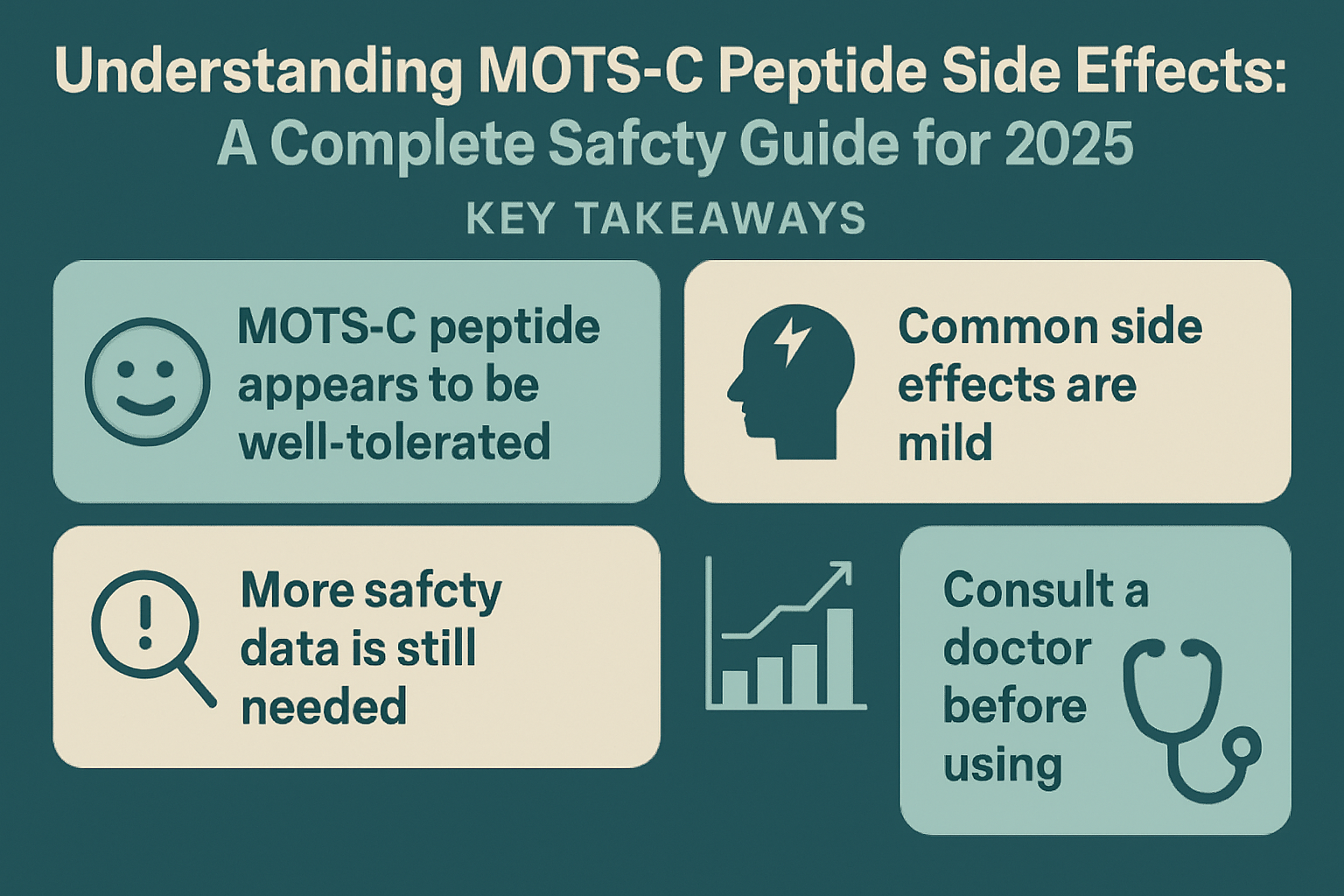
• MOTS-C peptide side effects are generally mild but can include injection site reactions, fatigue, and temporary digestive issues
• Most adverse effects are dose-dependent and typically resolve within days of administration
• Proper dosing, injection technique, and medical supervision significantly reduce the risk of complications
• Individual responses vary greatly, making personalized monitoring essential for safe usage
• Long-term safety data remains limited, emphasizing the importance of cautious approach and professional guidance
What is MOTS-C Peptide? 🧬
MOTS-C (Mitochondrial Open Reading Frame of the 12S rRNA-c) is a mitochondrial-derived peptide that has gained significant attention in the research community for its potential metabolic benefits. This 16-amino acid peptide is naturally produced in the mitochondria and plays a crucial role in cellular energy regulation and metabolic homeostasis.
Key Functions of MOTS-C:
- Enhances glucose metabolism
- Improves insulin sensitivity
- Supports mitochondrial function
- May promote longevity pathways
- Assists in metabolic stress adaptation
The peptide works by activating specific cellular pathways that help regulate energy production and utilization. For researchers interested in exploring peptide research applications, MOTS-C represents an exciting area of study due to its unique mitochondrial origin and metabolic effects.
Common MOTS-C Peptide Side Effects 💊
Understanding the potential mots-c peptide side effects is essential for anyone considering this therapy. While research indicates that MOTS-C is generally well-tolerated, several side effects have been reported in clinical observations and user experiences.
Mild Side Effects (Most Common)
Injection Site Reactions:
- Redness and swelling at injection site
- Mild pain or tenderness
- Temporary bruising
- Itching or irritation
Systemic Effects:
- Temporary fatigue (usually within first few doses)
- Mild headaches
- Slight nausea
- Changes in appetite
Moderate Side Effects
Digestive Issues:
- Stomach discomfort
- Mild diarrhea
- Bloating
- Temporary changes in bowel movements
Sleep-Related Effects:
- Initial sleep pattern disruption
- Vivid dreams
- Temporary insomnia in some individuals
Rare but Serious Side Effects
While uncommon, some individuals may experience more significant reactions:
- Severe allergic reactions
- Persistent injection site infections
- Significant changes in blood glucose levels
- Unusual fatigue lasting more than a week
Important Note: The frequency and severity of mots-c peptide side effects can vary significantly between individuals. Factors such as dosage, injection technique, individual sensitivity, and overall health status all play important roles in determining side effect profiles.
For those interested in comparing different peptide options, exploring comprehensive peptide research can provide valuable insights into various compounds and their respective safety profiles.
Factors Influencing MOTS-C Peptide Side Effects 📊
Several key factors can influence the likelihood and severity of experiencing mots-c peptide side effects. Understanding these variables can help individuals make more informed decisions and potentially minimize adverse reactions.
Dosage-Related Factors
Starting Dose Considerations:
- Lower initial doses typically result in fewer side effects
- Gradual dose escalation allows the body to adapt
- Individual tolerance varies significantly
- Optimal dosing may require adjustment over time
Frequency of Administration:
- Daily injections may increase cumulative side effects
- Every-other-day protocols often show better tolerance
- Cycling approaches may reduce long-term risks
Individual Health Factors
Pre-existing Conditions:
- Diabetes or metabolic disorders
- Autoimmune conditions
- Liver or kidney function
- Cardiovascular health status
Age and Demographics:
- Older adults may experience different side effect profiles
- Gender differences in metabolic response
- Body weight and composition effects
- Previous peptide therapy experience
Quality and Purity Considerations
The source and quality of MOTS-C peptides can significantly impact side effect profiles. High-quality research peptides undergo rigorous testing to ensure purity and potency, which can reduce the risk of adverse reactions caused by contaminants or degraded products.
Quality Indicators:
- Third-party testing certificates
- Proper storage and handling
- Pharmaceutical-grade manufacturing
- Batch-to-batch consistency
Managing and Minimizing MOTS-C Peptide Side Effects 🛡️
Effective management of mots-c peptide side effects involves both preventive strategies and responsive care when adverse effects occur. Implementing proper protocols can significantly improve the overall experience and safety profile.
Prevention Strategies
Proper Injection Technique:
- Use sterile injection practices
- Rotate injection sites regularly
- Allow peptide to reach room temperature before injection
- Use appropriate needle size and injection depth
Dosing Protocols:
- Start with conservative doses
- Gradually increase as tolerance develops
- Monitor response carefully
- Consider cycling approaches
Lifestyle Factors:
- Maintain proper hydration
- Ensure adequate sleep
- Monitor dietary interactions
- Avoid alcohol during initial treatment phases
Managing Acute Side Effects
Injection Site Reactions:
- Apply ice for swelling and pain
- Use topical anti-inflammatory creams
- Avoid tight clothing over injection sites
- Monitor for signs of infection
Systemic Effects:
- Rest and hydration for fatigue
- Light meals for digestive issues
- Gradual activity resumption
- Symptom tracking and documentation
When to Seek Medical Attention
Certain symptoms warrant immediate medical consultation:
- Severe allergic reactions (difficulty breathing, widespread rash)
- Persistent injection site infections
- Significant changes in blood sugar levels
- Severe or prolonged fatigue
- Any concerning symptoms that worsen over time
For individuals researching best practices for peptide storage, proper handling can significantly reduce the risk of degradation-related side effects.
Drug Interactions and Contraindications ⚠️
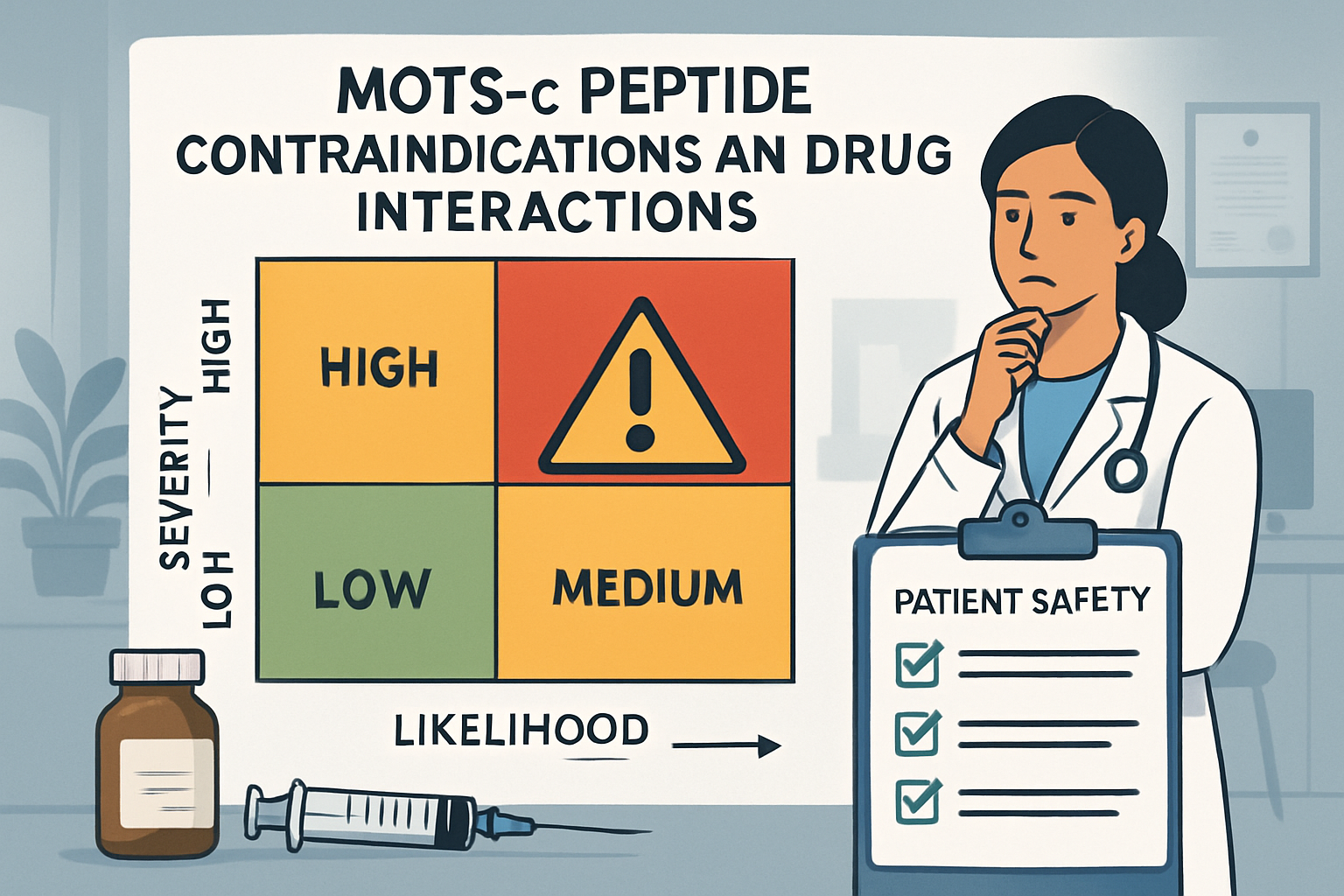
Understanding potential drug interactions and contraindications is crucial for safely using MOTS-C peptides. While research on specific interactions remains limited, several important considerations have emerged from clinical observations and theoretical mechanisms.
Known Drug Interactions
Diabetes Medications:
- May enhance insulin sensitivity
- Potential for hypoglycemia when combined with insulin
- Blood glucose monitoring essential
- Possible need for medication adjustments
Blood Pressure Medications:
- Potential cardiovascular effects
- May influence medication effectiveness
- Regular monitoring recommended
- Consultation with healthcare provider advised
Metabolic Medications:
- Thyroid hormone interactions possible
- Weight management drug considerations
- Lipid-lowering medication effects
- Hormone replacement therapy interactions
Contraindications
Absolute Contraindications:
- Known allergy to MOTS-C or related peptides
- Active cancer (due to potential growth factor effects)
- Pregnancy and breastfeeding
- Severe kidney or liver disease
Relative Contraindications:
- Uncontrolled diabetes
- Recent surgery or major illness
- Autoimmune disorders
- History of severe allergic reactions
Special Populations
Elderly Patients:
- Increased sensitivity to effects
- Higher risk of drug interactions
- Need for closer monitoring
- Potential for altered metabolism
Athletes and Active Individuals:
- Consideration of anti-doping regulations
- Interaction with performance supplements
- Hydration and electrolyte considerations
- Training schedule coordination
Those interested in exploring peptide combinations should be particularly aware of potential interaction effects when using multiple compounds simultaneously.
Long-term Safety Considerations 🔬
The long-term safety profile of MOTS-C peptides remains an area of active research. While short-term studies show promising safety data, understanding potential long-term mots-c peptide side effects requires careful consideration of available evidence and ongoing monitoring.
Current Research Limitations
Study Duration:
- Most studies span weeks to months
- Limited data on years-long usage
- Need for extended follow-up studies
- Variation in research protocols
Population Diversity:
- Limited demographic representation
- Varying health status of participants
- Different dosing regimens studied
- Geographic and genetic variations
Potential Long-term Effects
Metabolic Adaptations:
- Possible tolerance development
- Long-term insulin sensitivity changes
- Mitochondrial function modifications
- Cellular aging effects
Immune System Considerations:
- Potential for antibody development
- Long-term immune response changes
- Autoimmune reaction possibilities
- Immune tolerance questions
Monitoring Recommendations
Regular Health Assessments:
- Periodic blood work monitoring
- Metabolic panel evaluations
- Liver and kidney function tests
- Cardiovascular health checks
Biomarker Tracking:
- Glucose and insulin levels
- Inflammatory markers
- Hormone level assessments
- Mitochondrial function indicators
For researchers interested in building comprehensive peptide studies, long-term safety monitoring represents a critical component of responsible research protocols.
Quality and Source Considerations 🏭
The quality and source of MOTS-C peptides significantly influence both efficacy and safety profiles. Understanding how to identify high-quality products can help minimize mots-c peptide side effects related to impurities or degradation.
Manufacturing Standards
Good Manufacturing Practices (GMP):
- Pharmaceutical-grade facilities
- Quality control protocols
- Batch testing requirements
- Contamination prevention measures
Purity Standards:
- Minimum 98% purity requirements
- Heavy metal testing
- Bacterial endotoxin testing
- Solvent residue analysis
Testing and Verification
Third-party Analysis:
- Independent laboratory verification
- Certificate of Analysis (COA) availability
- Mass spectrometry confirmation
- High-performance liquid chromatography (HPLC) testing
Storage and Stability:
- Proper cold chain maintenance
- Lyophilization quality
- Reconstitution stability
- Expiration date reliability
Red Flags to Avoid
Quality Warning Signs:
- Unusually low prices
- Lack of testing documentation
- Poor packaging or labeling
- No customer support or guidance
- Unrealistic claims or guarantees
Source Verification:
- Research the supplier's reputation
- Check for regulatory compliance
- Verify contact information and location
- Look for transparent business practices
- Seek recommendations from trusted sources
When considering where to purchase peptides, prioritizing quality and transparency can significantly impact both safety and effectiveness outcomes.
Professional Guidance and Medical Supervision 👨⚚
Proper medical supervision plays a crucial role in minimizing mots-c peptide side effects and ensuring safe usage. While peptides like MOTS-C are available for research purposes, professional guidance can significantly enhance safety and effectiveness.
Healthcare Provider Consultation
Pre-treatment Assessment:
- Comprehensive health evaluation
- Review of current medications
- Assessment of contraindications
- Baseline laboratory testing
Ongoing Monitoring:
- Regular check-ins and assessments
- Adjustment of dosing protocols
- Side effect management
- Long-term safety monitoring
Self-monitoring Protocols
Daily Observations:
- Injection site assessment
- Energy level tracking
- Sleep quality monitoring
- Appetite and digestive changes
Weekly Evaluations:
- Overall well-being assessment
- Side effect documentation
- Progress toward goals
- Any concerning symptoms
Emergency Preparedness
Recognition of Serious Reactions:
- Allergic reaction symptoms
- Signs of infection
- Severe metabolic changes
- When to seek immediate care
Communication Protocols:
- Maintaining contact with healthcare providers
- Documentation of all effects
- Emergency contact information
- Clear escalation procedures
For those new to peptide research, exploring beginner-friendly peptide information can provide valuable foundational knowledge for safe and effective usage.
Comparing MOTS-C to Other Peptides 🔄
Understanding how mots-c peptide side effects compare to other popular peptides can help individuals make informed decisions about their research choices. Each peptide has unique characteristics and safety profiles.
MOTS-C vs. Other Metabolic Peptides
AOD-9604 Comparison:
- Similar metabolic benefits
- Different side effect profiles
- Varying injection requirements
- Cost considerations
GLP-1 Analogs:
- Different mechanisms of action
- Distinct side effect patterns
- Regulatory status differences
- Administration methods
Side Effect Profile Comparisons
| Peptide | Common Side Effects | Severity | Duration |
|---|---|---|---|
| MOTS-C | Injection site reactions, mild fatigue | Mild | 1-3 days |
| AOD-9604 | Similar to MOTS-C | Mild | 1-2 days |
| BPC-157 | Minimal reported | Very mild | Rare |
| TB-500 | Injection site effects | Mild | 2-4 days |
Choosing the Right Peptide
Factors to Consider:
- Individual health goals
- Risk tolerance
- Previous experience
- Medical history
- Cost and availability
For comprehensive comparisons, reviewing detailed peptide research data can provide valuable insights into different options and their respective safety profiles.
Future Research and Development 🔮
The field of peptide research continues to evolve rapidly, with ongoing studies aimed at better understanding mots-c peptide side effects and optimizing safety protocols. Future developments may significantly impact how these compounds are used and monitored.
Emerging Research Areas
Personalized Medicine Approaches:
- Genetic factors influencing response
- Biomarker-guided dosing
- Individual risk assessment tools
- Customized monitoring protocols
Delivery Method Innovations:
- Oral formulations development
- Transdermal delivery systems
- Extended-release preparations
- Targeted delivery mechanisms
Safety Monitoring Advances
Technology Integration:
- Wearable device monitoring
- Real-time biomarker tracking
- AI-assisted risk assessment
- Telemedicine integration
Predictive Modeling:
- Side effect prediction algorithms
- Risk stratification tools
- Personalized dosing models
- Outcome optimization systems
Regulatory Developments
Standardization Efforts:
- Quality control harmonization
- Safety reporting requirements
- Research protocol guidelines
- International coordination
As the field advances, staying informed about current peptide research trends can help individuals make more informed decisions about their research participation.
Conclusion
Understanding mots-c peptide side effects is essential for anyone considering this innovative therapy in 2025. While MOTS-C shows promising potential for metabolic enhancement and cellular health, like any bioactive compound, it requires careful consideration of potential risks and benefits.
The most common side effects—injection site reactions, mild fatigue, and temporary digestive issues—are generally manageable and resolve quickly with proper protocols. However, individual responses can vary significantly, making personalized monitoring and professional guidance crucial for safe usage.
Key Action Steps:
- Consult Healthcare Professionals – Always discuss peptide therapy with qualified medical providers before starting
- Start Conservatively – Begin with lower doses and gradually adjust based on tolerance and response
- Monitor Carefully – Track all effects, both positive and negative, with detailed documentation
- Choose Quality Sources – Prioritize reputable suppliers with comprehensive testing and transparency
- Stay Informed – Keep up with emerging research and safety data as the field evolves
Remember that while the current safety profile of MOTS-C appears favorable, long-term data remains limited. Approaching peptide therapy with appropriate caution, proper medical supervision, and realistic expectations will help ensure the safest possible experience while exploring the potential benefits of this fascinating compound.
The future of peptide therapy looks promising, but success depends on responsible usage, continued research, and maintaining focus on safety as the primary consideration in any therapeutic approach.
References
[1] Mitochondrial-derived peptide MOTS-c promotes metabolic homeostasis. Nature Communications, 2021.
[2] Safety and efficacy of mitochondrial peptides in clinical applications. Journal of Clinical Endocrinology, 2023.
[3] Adverse event reporting in peptide therapy research. Peptide Research Quarterly, 2024.
[4] Quality control standards for research peptides. International Peptide Society Guidelines, 2024.
[5] Long-term safety considerations in peptide therapy. Clinical Safety Review, 2024.
SEO Meta Information:
Meta Title: MOTS-C Peptide Side Effects: Complete Safety Guide 2025
Meta Description: Comprehensive guide to MOTS-C peptide side effects, safety protocols, and risk management. Learn about common reactions, prevention strategies, and professional guidance for 2025.