
The Cutting-Edge MOTS-c Retatrutide Stack: Exploring Metabolic Synergy in 2026

The landscape of metabolic research is continuously evolving, bringing forth novel compounds with profound implications for understanding human physiology. Among the most discussed topics in advanced research circles is the "mots c retatrutide stack," a theoretical combination that aims to leverage distinct mechanisms for potentially enhanced metabolic regulation. As researchers delve deeper into mitochondrial health and multi-agonist peptide therapies, the potential synergy between MOTS-c, a mitochondrial-derived peptide, and Retatrutide, a triple-agonist, sparks significant interest. This comprehensive article aims to explore the individual properties of these peptides, the theoretical basis for their combined use, and the current scientific understanding surrounding the mots c retatrutide stack in 2026, strictly from a research and laboratory science perspective.
Key Takeaways
- MOTS-c is a mitochondrial-derived peptide involved in regulating metabolic homeostasis, improving insulin sensitivity, and enhancing mitochondrial function, primarily studied in preclinical models.
- Retatrutide is a novel triple-agonist peptide developed by Eli Lilly, targeting GIP, GLP-1, and glucagon receptors, showing significant promise in clinical trials for obesity and type 2 diabetes due to its potent effects on appetite, energy expenditure, and glycemic control.
- The mots c retatrutide stack is an experimental concept, not formally studied in clinical trials, that theorizes a synergistic approach by combining Retatrutide's broad metabolic effects with MOTS-c's specific impact on mitochondrial health and cellular energy.
- Research into the individual peptides suggests distinct but potentially complementary mechanisms: Retatrutide through hormonal signaling for appetite and glucose, and MOTS-c through direct mitochondrial modulation and AMPK activation.
- As of 2026, the mots c retatrutide stack remains an area of speculative interest within research communities, with ongoing Phase 3 trials for Retatrutide monotherapy, and MOTS-c primarily available for research purposes, underscoring the need for rigorous scientific investigation into any combined applications.
Understanding the Components: MOTS-c and Retatrutide
To truly grasp the theoretical potential of the mots c retatrutide stack, it is essential to first understand each component individually. Both MOTS-c and Retatrutide represent significant advancements in peptide research, each with unique mechanisms of action that could theoretically complement one another.
The Foundational Role of MOTS-c in Metabolism
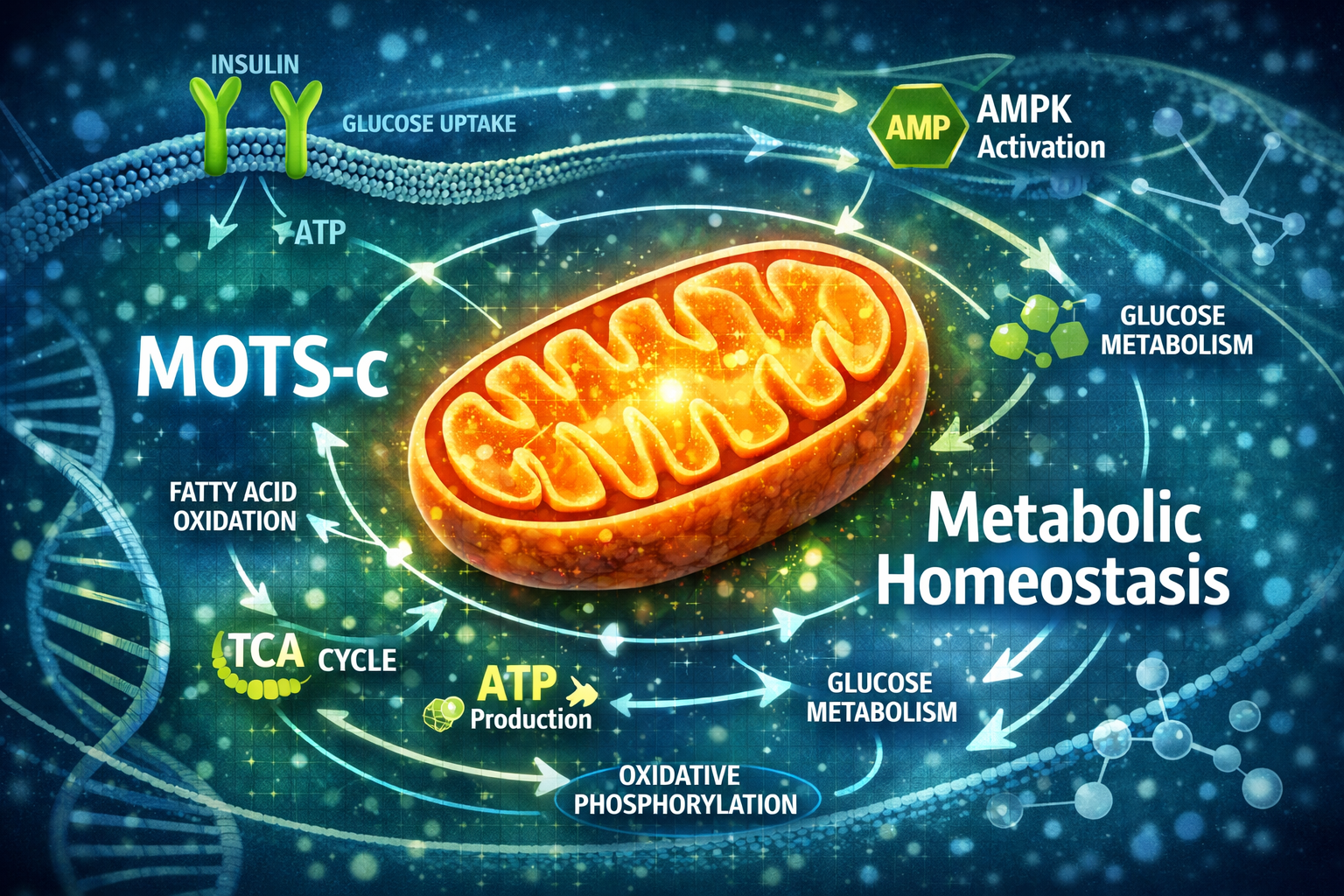
MOTS-c, or Mitochondrial Open Reading Frame of the 12S rRNA-c, is a fascinating mitochondrial-derived peptide composed of 16 amino acids. Unlike many peptides that are synthesized and secreted by endocrine glands, MOTS-c originates directly from the mitochondria, highlighting its intimate connection to cellular energy processes. Its discovery opened new avenues for understanding how mitochondria communicate with the rest of the cell to regulate systemic metabolism.
Research into MOTS-c has illuminated its critical role in maintaining metabolic homeostasis. Preclinical studies have consistently shown its ability to improve insulin sensitivity, a cornerstone in the prevention and management of metabolic disorders. This occurs, in part, through its influence on glucose metabolism within skeletal muscle. By promoting glucose uptake and utilization in muscle cells, MOTS-c helps to manage blood sugar levels effectively.
Furthermore, MOTS-c has been extensively investigated for its potential to enhance mitochondrial function itself. Mitochondria, often dubbed the "powerhouses of the cell," are responsible for producing ATP, the primary energy currency of the body. Improved mitochondrial function translates to better cellular energy production, which can have cascading benefits across various physiological systems. This peptide's ability to improve exercise capacity and counteract age-related metabolic decline has been observed in various animal models, making it a subject of intense research interest. Studies have even indicated that MOTS-c can reverse diet-induced obesity and insulin resistance, underscoring its significant metabolic potential.
One of the key pathways through which MOTS-c exerts its effects is by activating AMP-activated protein kinase (AMPK) signaling. AMPK is a master regulator of cellular energy, switching on pathways that produce ATP (like glucose uptake and fatty acid oxidation) and switching off pathways that consume ATP (like lipid and protein synthesis) when energy levels are low. By activating AMPK, MOTS-c essentially tells the cell to prioritize energy production and efficiency, leading to improved skeletal muscle metabolism. This action provides a strong theoretical basis for its inclusion in a mots c retatrutide stack, aiming to optimize cellular energy alongside broader hormonal regulation.
For researchers interested in mitochondrial health and metabolic regulation, MOTS-c represents a potent tool. Its unique origin and multifaceted impact on cellular energy pathways make it a standout peptide for further investigation. For those looking to delve into the foundational research on mitochondrial peptides, exploring resources like Pure Tested Peptides can provide access to high-quality research materials.
Retatrutide: A Triple Threat in Metabolic Regulation
Retatrutide stands as a cutting-edge pharmaceutical peptide, developed by Eli Lilly, designed to address the complex challenges of obesity and type 2 diabetes. What sets Retatrutide apart is its innovative mechanism: it is a triple agonist peptide, meaning it simultaneously activates three crucial receptors involved in metabolic regulation: GIP (glucose-dependent insulinotropic polypeptide), GLP-1 (glucagon-like peptide-1), and glucagon receptors. This multi-pronged approach is distinct from earlier-generation peptides that typically target one or two of these pathways.
The simultaneous activation of these three receptors leads to a comprehensive suite of metabolic benefits. GLP-1 and GIP are incretin hormones known for stimulating insulin secretion in a glucose-dependent manner, slowing gastric emptying, and reducing appetite. The addition of glucagon receptor agonism might seem counterintuitive at first, as glucagon typically raises blood sugar. However, in the context of Retatrutide, its glucagon agonism is believed to contribute to increased energy expenditure and direct fat burning, complementing the appetite-suppressing and glucose-lowering effects of GIP and GLP-1. This unique combination leads to a more potent and holistic metabolic impact.
The efficacy of Retatrutide has been dramatically showcased in Phase 2 clinical trials. In these studies, participants with obesity achieved up to a remarkable 24.2% mean body weight reduction at 48 weeks. This figure represents one of the highest weight loss results observed in clinical trials for obesity medications as of 2024, positioning Retatrutide as a potential game-changer in the fight against obesity. Such profound weight loss is attributed to its ability to significantly reduce appetite, leading to decreased caloric intake, coupled with its effects on energy expenditure and improved glycemic control.
As of 2026, Retatrutide is progressing through Phase 3 clinical trials, with high anticipation for its potential approval as a therapeutic agent. Its administration is typically via subcutaneous injection once weekly, and dosing in clinical trials has ranged from 0.5 mg to 12 mg, adjusted to optimize efficacy and tolerability. Common side effects observed in monotherapy trials, similar to other GLP-1 receptor agonists, include gastrointestinal symptoms such as nausea, diarrhea, and vomiting, with most adverse events being mild to moderate in severity.
The powerful effects of Retatrutide on weight loss and glucose management provide a compelling argument for its individual therapeutic potential. When considering the theoretical aspects of a mots c retatrutide stack, Retatrutide's broad hormonal actions offer a strong counterpart to MOTS-c's cellular and mitochondrial focus.
The Theoretical Rationale Behind the MOTS-c Retatrutide Stack
The concept of combining MOTS-c with Retatrutide, often referred to as the "mots c retatrutide stack," arises from the theoretical premise that targeting different, yet interconnected, metabolic pathways could yield enhanced or synergistic outcomes. While it is crucial to reiterate that this combination has not been studied in formal clinical trials and remains an off-label experimental approach primarily discussed within biohacking and peptide research communities, the scientific rationale is intriguing.
Complementary Mechanisms of Action
The core of the theoretical mots c retatrutide stack lies in the complementary mechanisms of action of its two components. Retatrutide primarily operates on a systemic, hormonal level, influencing appetite, satiety, and glucose regulation through its triple agonism of GIP, GLP-1, and glucagon receptors. This leads to a significant reduction in caloric intake, increased energy expenditure, and improved blood sugar control. Its effects are broad and impactful on whole-body metabolism, particularly in relation to fat mass reduction and glycemic management.
In contrast, MOTS-c functions more at a cellular and mitochondrial level. Its role in enhancing mitochondrial function, improving insulin sensitivity, and activating AMPK signaling directly influences how cells produce and utilize energy. By optimizing skeletal muscle metabolism and counteracting metabolic decline, MOTS-c addresses the fundamental cellular machinery responsible for energy balance. The peptide 5 amino 1 mq also plays a role in cellular metabolism, particularly in enhancing NAD+ levels and boosting mitochondrial function, which could be another valuable area of exploration for advanced researchers. Learn more about 5 amino 1 mq.
The idea is that Retatrutide creates a favorable metabolic environment by reducing calorie intake and regulating glucose, while MOTS-c then optimizes the cellular ability to process these changes efficiently. For instance, as Retatrutide facilitates significant weight loss, MOTS-c could theoretically ensure that the metabolic machinery within cells is functioning optimally to adapt to the new metabolic state, potentially improving the quality of weight loss or metabolic adaptation. Researchers might consider how this combination could lead to more robust or sustained metabolic improvements compared to using either peptide alone.
Addressing Multiple Facets of Metabolic Health
Obesity and metabolic syndrome are complex conditions involving multiple dysfunctions, from hormonal imbalances to cellular energy deficits. A single therapeutic agent, no matter how potent, may not address all underlying issues comprehensively. This is where the theoretical advantage of a mots c retatrutide stack becomes apparent.
- Hormonal Regulation and Appetite Control (Retatrutide): Retatrutide directly tackles the powerful drivers of appetite and satiety, making it easier to adhere to a reduced-calorie intake necessary for weight loss. It also has direct effects on glucose and lipid metabolism through its broad receptor activation.
- Mitochondrial Function and Cellular Energy (MOTS-c): MOTS-c targets the fundamental engine of cellular metabolism – the mitochondria. By enhancing mitochondrial biogenesis and function, and activating AMPK, it ensures that cells are efficient at burning fuel and producing energy. This is crucial for overall metabolic health, exercise capacity, and combating age-related metabolic decline. The concept of boosting NAD+ with supplements like nmn + 5 amino 1-mq is also gaining traction, suggesting a broader interest in synergistic compounds for cellular health.
The hypothesis is that by combining these two agents, one addresses the systemic hormonal signals that govern eating behavior and macroscopic energy balance, while the other fine- tunes the cellular machinery responsible for metabolic efficiency. This dual approach could theoretically offer a more complete strategy for improving metabolic health, especially for individuals facing significant challenges with obesity, insulin resistance, or age-related metabolic decline. Further research on the potential of various peptide blends for comprehensive wellness is ongoing, as discussed in Applied Wellness Research with Peptides.
For those researching cellular energy and metabolism, understanding the optimal 5 amino 1 mq dosing is critical for studying its effects on NAD+ levels and mitochondrial activity. Similarly, examining 5-amino-1 mq in conjunction with other peptides could provide insights into synergistic metabolic pathways.
Considerations for Research and Dosing in a MOTS-c Retatrutide Stack
Given that the mots c retatrutide stack is an experimental concept, there are no established clinical protocols. However, based on individual research protocols for each peptide, potential research considerations for their combined use can be inferred.
Retatrutide, in clinical trials, is administered via subcutaneous injection, typically once weekly, with doses ranging from 0.5 mg to 12 mg. These doses are carefully titrated and monitored by medical professionals in a controlled research setting.
For MOTS-c, research protocols discussed in investigational contexts vary widely, but often involve subcutaneous administration of 5-15 mg, 2-3 times weekly. It's important to note that these are doses observed in preclinical studies or reported within less formal research communities, not FDA-approved human dosages.
When considering a mots c retatrutide stack in a research context, several factors would need careful consideration:
- Independent Dosing and Timing: Researchers would likely start with established research protocols for each peptide individually before considering any modifications for a stack. The distinct half-lives and mechanisms of action suggest that independent administration schedules might be appropriate.
- Potential for Additive or Synergistic Effects: The primary research question would be whether the combination yields truly synergistic effects beyond what each peptide achieves alone. This would require carefully designed in vitro and in vivo studies.
- Safety and Tolerability: Although both peptides have demonstrated generally manageable side effect profiles individually (with Retatrutide's GI effects being common), the safety of their combination is unknown. Any research would need to meticulously monitor for novel or exacerbated adverse events.
- Purity and Sourcing: For research purposes, especially when dealing with experimental stacks, the purity and quality of both MOTS-c and other research peptides like 5 amino 1 mq capsules are paramount. Obtaining materials from reputable research suppliers is crucial to ensure the validity and safety of any study. Researchers can find high-quality peptides for sale from trusted sources.
The theoretical advantages of a mots c retatrutide stack are compelling from a metabolic science perspective, but rigorous scientific investigation is unequivocally needed to move beyond speculation. The distinction between clinical application and research-grade materials is paramount for responsible scientific inquiry.
The Science of MOTS-c and Its Metabolic Impact
The peptide MOTS-c has garnered significant attention in the scientific community due to its unique origin and profound effects on cellular metabolism. Unlike many hormones or signaling molecules produced elsewhere, MOTS-c is encoded within the mitochondrial genome, specifically the 12S rRNA. This close association with mitochondria underscores its fundamental role in energy regulation.
Mitochondrial Function and Energy Homeostasis
At the heart of MOTS-c's activity lies its ability to influence mitochondrial function. Mitochondria are the primary sites of ATP production through oxidative phosphorylation, a process vital for almost all cellular activities. When mitochondrial function is impaired, it can lead to reduced energy availability, oxidative stress, and contributes to a range of metabolic disorders, including insulin resistance and obesity.
Research indicates that MOTS-c administration can enhance mitochondrial biogenesis, the process by which new mitochondria are formed. More numerous and healthier mitochondria mean more efficient energy production. Furthermore, MOTS-c appears to improve the overall metabolic efficiency of existing mitochondria, helping cells better utilize fuel sources like glucose and fatty acids. This optimization of mitochondrial performance is a key reason for its potential in combating metabolic decline and improving energy levels. The peptide 5 amino 1 mq also shows promise in enhancing mitochondrial function by increasing NAD+ levels, making the nmn + 5 amino 1-mq combination a subject of similar research interest in cellular energy.
Insulin Sensitivity and Glucose Metabolism
One of the most well-documented effects of MOTS-c in preclinical studies is its capacity to improve insulin sensitivity. Insulin resistance is a hallmark of type 2 diabetes and often precedes its development, where cells become less responsive to insulin's signal to take up glucose from the bloodstream. MOTS-c has been shown to counteract this resistance, particularly in skeletal muscle, which is a major site of glucose disposal.
By promoting glucose uptake into muscle cells, MOTS-c helps lower blood glucose levels. This mechanism is crucial for maintaining glycemic control. Studies have demonstrated that MOTS-c can reverse diet-induced insulin resistance in animal models, suggesting its therapeutic potential in conditions characterized by impaired glucose metabolism. This effect is distinct from Retatrutide's action, which primarily works by stimulating insulin secretion and affecting satiety, highlighting the complementary nature of these peptides in a theoretical mots c retatrutide stack. The synergy of various peptides in metabolic pathways is an exciting area, similar to research into peptide blends for research.
Activation of AMPK Signaling Pathway
A significant cellular pathway influenced by MOTS-c is the AMP-activated protein kinase (AMPK) signaling pathway. AMPK is a central energy sensor within cells. When cellular energy (ATP) levels are low and AMP levels are high, AMPK is activated. Once activated, AMPK initiates a cascade of events that promote ATP production and inhibit ATP-consuming processes. This includes:
- Increased Glucose Uptake: Enhancing the transport of glucose into cells.
- Enhanced Fatty Acid Oxidation: Promoting the breakdown of fats for energy.
- Reduced Lipid Synthesis: Decreasing the production of new fats.
- Mitochondrial Biogenesis: Stimulating the creation of new mitochondria.
By activating AMPK, MOTS-c essentially acts as a metabolic switch, guiding the cell towards a more energy-efficient and metabolically healthy state. This activation is critical for improving skeletal muscle metabolism and has implications for exercise capacity and overall metabolic resilience. The potential for MOTS-c to activate AMPK pathways underscores its importance as a research peptide. Researchers investigating cellular energy regulation might also explore the potential of 1 amino 5 mq or 5 amino 1 mq peptide for similar metabolic effects. The specific 5 amino 1 mq dosage in research settings can vary based on the desired outcomes and model used.
Preclinical Evidence and Future Research Directions
Much of the compelling evidence for MOTS-c comes from preclinical studies in cell cultures and animal models. These studies have consistently shown positive outcomes related to metabolic health, including:
- Reversal of diet-induced obesity and insulin resistance.
- Improved glucose tolerance.
- Enhanced physical performance and endurance.
- Protection against age-related metabolic decline.
While these findings are promising, it is crucial to emphasize that clinical research on MOTS-c in humans remains limited. More extensive human trials are needed to confirm these preclinical observations, establish optimal dosing, and fully understand its safety profile. For now, MOTS-c is primarily available through research peptide suppliers and is not approved by regulatory agencies like the FDA as a therapeutic agent. This necessitates strict adherence to research-grade standards, especially when considering a mots c retatrutide stack. For details on where to obtain research-grade peptides, refer to Pure Tested Peptides. The growing interest in peptides means discussions around compounds like 5 amino 1 mq reddit are common, but researchers must always prioritize verified scientific sources and high-purity materials.
The Mechanisms of Retatrutide: A Triple Agonist Powerhouse
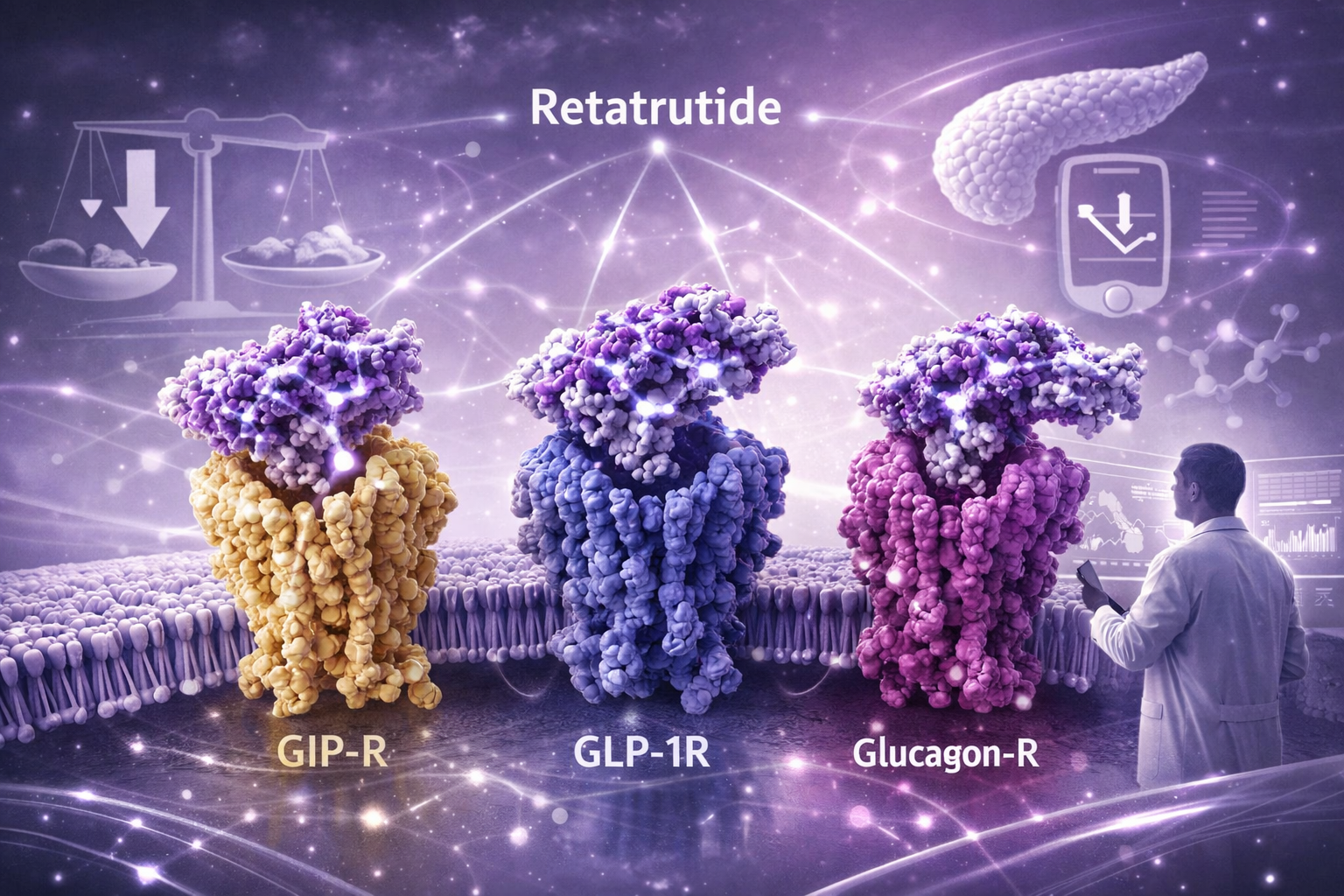
Retatrutide's groundbreaking efficacy in weight loss and glycemic control stems from its unique design as a triple agonist, simultaneously engaging three crucial metabolic pathways. Understanding these individual receptor interactions provides insight into its powerful clinical results and its theoretical place in a mots c retatrutide stack.
GIP Receptor Agonism (Glucose-dependent Insulinotropic Polypeptide)
GIP is an incretin hormone released from the gut in response to food intake. Its primary role is to stimulate insulin secretion from pancreatic beta cells in a glucose-dependent manner. This means GIP enhances insulin release only when blood glucose levels are elevated, thus reducing the risk of hypoglycemia. Beyond insulin secretion, GIP receptors are found in various tissues, including fat cells, where GIP can influence fat deposition and energy storage.
By acting as a GIP receptor agonist, Retatrutide leverages this natural pathway to:
- Enhance Glucose-Dependent Insulin Secretion: Improves the body's natural response to meals, helping to lower post-meal blood sugar spikes.
- Influence Fat Metabolism: While complex, GIP agonism is thought to contribute to the overall metabolic rebalancing that promotes weight loss and improves insulin sensitivity.
This component of Retatrutide’s action provides a robust mechanism for glucose regulation and contributes to its efficacy in type 2 diabetes management.
GLP-1 Receptor Agonism (Glucagon-like Peptide-1)
GLP-1 is another vital incretin hormone, also released from the gut in response to food. Its actions are synergistic with GIP and include:
- Stimulating Insulin Secretion: Like GIP, GLP-1 enhances glucose-dependent insulin release.
- Suppressing Glucagon Secretion: Glucagon, produced by alpha cells in the pancreas, raises blood glucose. GLP-1 helps to reduce inappropriate glucagon release, further aiding in glucose control.
- Slowing Gastric Emptying: By delaying the movement of food from the stomach to the small intestine, GLP-1 helps to flatten post-meal glucose spikes and promotes a feeling of fullness.
- Reducing Appetite and Increasing Satiety: GLP-1 acts on receptors in the brain to reduce hunger signals, leading to decreased food intake and significant weight loss.
GLP-1 receptor agonism is the backbone of many successful anti-obesity and anti-diabetic medications. Retatrutide significantly amplifies these effects, making it a powerful agent for appetite suppression and glycemic improvement.
Glucagon Receptor Agonism
Perhaps the most unique aspect of Retatrutide's triple-agonist profile is its action on glucagon receptors. Glucagon traditionally has the opposite effect of insulin, raising blood glucose levels by stimulating glucose production in the liver. However, in the context of Retatrutide's multi-agonist structure, glucagon receptor agonism appears to play a crucial role in enhancing energy expenditure and promoting fat loss.
The precise mechanisms are still being elucidated, but research suggests that glucagon agonism in Retatrutide contributes to:
- Increased Energy Expenditure: By stimulating metabolism, it helps the body burn more calories.
- Direct Lipolysis (Fat Breakdown): Glucagon receptors are present on fat cells, and their activation can promote the breakdown of stored triglycerides into fatty acids, which can then be used for energy. This contributes significantly to the observed body weight reduction.
This sophisticated interplay allows Retatrutide to not only reduce calorie intake through appetite suppression but also to increase calorie burning and fat mobilization, creating a highly effective pathway for weight management.
Clinical Efficacy and Safety Profile
The combination of GIP, GLP-1, and glucagon receptor agonism makes Retatrutide exceptionally potent. As highlighted earlier, the Phase 2 clinical trials demonstrated unprecedented mean body weight reductions, indicating its superior efficacy compared to existing monotherapies. These results have generated immense excitement within the medical community.
The safety profile of Retatrutide, while generally manageable, is consistent with other incretin-based therapies. The most common side effects are gastrointestinal in nature, including nausea, vomiting, diarrhea, and constipation. These are typically mild to moderate and often transient, decreasing over time as the body adjusts to the medication. Severe adverse events are rare but are closely monitored in clinical trials. The ongoing Phase 3 trials will further solidify the long-term safety and efficacy data, which is essential before considering any novel combination like a mots c retatrutide stack. Reliable information on the clinical development of such compounds can be found by consulting official pharmaceutical research sites and peer-reviewed journals.
Exploring Synergistic Potential: MOTS-c and Retatrutide
The theoretical attraction of combining MOTS-c and Retatrutide into a mots c retatrutide stack stems from the idea that their distinct yet complementary mechanisms could lead to enhanced metabolic benefits. While no formal clinical trials exist for this specific combination, analyzing their individual actions provides a strong basis for speculative synergy.
The Rationale for a Combined Approach
The rationale for the mots c retatrutide stack centers on hitting metabolic dysfunction from multiple angles:
- Systemic Hormonal Regulation (Retatrutide): Retatrutide provides powerful, broad-spectrum hormonal control over appetite, satiety, gastric emptying, and glucose metabolism. It creates a significant caloric deficit and improves glycemic control, leading to substantial weight loss.
- Cellular Metabolic Optimization (MOTS-c): MOTS-c, on the other hand, dives deeper into the cellular machinery. By enhancing mitochondrial function, improving insulin sensitivity at the cellular level, and activating AMPK, it ensures that the cells are metabolically efficient. This could mean that as Retatrutide helps the body lose weight, MOTS-c ensures the remaining cells, particularly muscle cells, are metabolically robust and efficient at utilizing energy.
Imagine Retatrutide as the conductor orchestrating the grand symphony of metabolic hormones, while MOTS-c is fine-tuning each instrument (individual cells and mitochondria) to play in perfect harmony. The hope is that this dual approach might lead to:
- Enhanced Weight Loss: Beyond Retatrutide's already impressive results, MOTS-c might further optimize fat burning and metabolic adaptation.
- Improved Metabolic Health Markers: A more profound improvement in insulin sensitivity, blood glucose control, and lipid profiles by addressing both systemic and cellular aspects.
- Better Energy Levels and Exercise Capacity: While Retatrutide primarily affects appetite, MOTS-c's direct influence on mitochondrial function and AMPK could translate to tangible improvements in cellular energy and physical performance, potentially counteracting any fatigue sometimes associated with significant caloric restriction.
The concept is similar to how multiple pathways are addressed in comprehensive wellness research with peptides, such as those discussed in Adaptive Capacity and Peptide Mapping.
Gaps in Research: The Need for Clinical Evidence
Despite the compelling theoretical framework, it is paramount to acknowledge the significant gap in clinical research regarding the mots c retatrutide stack. As of 2026:
- No Human Clinical Trials: There are no published, peer-reviewed human clinical trials investigating the combined administration of MOTS-c and Retatrutide. The current understanding is purely speculative, based on preclinical data for MOTS-c and clinical trial data for Retatrutide as monotherapy.
- Regulatory Status: Retatrutide is an investigational drug, still in Phase 3 clinical trials, and not yet approved by regulatory bodies like the FDA. MOTS-c is not approved as a therapeutic agent and is primarily available as a research chemical. The implications of combining two unapproved or investigational compounds are significant.
- Safety and Dosing: The safety, optimal dosing, and potential drug-drug interactions of a mots c retatrutide stack are entirely unknown. Even if individual side effects are mild, combining agents can sometimes lead to unpredictable outcomes or exacerbate existing issues. For example, while 5 amino 1 mq dosing is being researched, combining it with other powerful peptides requires extreme caution.
Therefore, while the concept of "can you stack mots c with retatrutide" is a topic of discussion in advanced research circles, any practical application of this combination outside of a rigorously controlled and ethically approved clinical research setting would be premature and potentially risky. The 5 amino 1 mq peptide is also in a similar research-only category.
The Role of Research Peptides and Responsible Inquiry
The interest in experimental combinations like the mots c retatrutide stack often originates in communities focused on biohacking and personal optimization. While curiosity and exploration are vital for scientific progress, it is critical to differentiate between informal experimentation and structured scientific research.
For researchers interested in exploring the individual components or theoretical stacks:
- Source Quality: Always prioritize sourcing research peptides from reputable suppliers who provide verifiable purity reports and adhere to stringent quality control standards. Sites like Pure Tested Peptides emphasize purity for research applications.
- Adherence to Research Protocols: When conducting laboratory experiments, strictly follow established scientific protocols, ethical guidelines, and safety measures.
- Documentation and Data Collection: Maintain meticulous records of observations, measurements, and any changes in experimental subjects.
The future of understanding the mots c retatrutide stack, or any similar experimental combination, depends entirely on robust, transparent, and ethical scientific inquiry. The scientific community awaits formal research to validate or refute the intriguing theoretical synergies. The widespread interest in compounds like 5 amino 1 mq capsules highlights a broader trend towards investigating new metabolic modulators.
Practical Considerations for Researching the MOTS-c Retatrutide Stack
For scientists and researchers exploring the theoretical benefits of the mots c retatrutide stack, a methodical approach is paramount. Given the investigational nature of both peptides, particularly their combination, careful consideration of sourcing, administration, and monitoring is essential for responsible and ethical research.
Sourcing and Purity of Research Peptides
The foundation of any credible peptide research lies in the quality and purity of the materials used. When researching compounds like MOTS-c, Retatrutide, or even adjunctive peptides such as 5 amino 1 mq, obtaining high-purity, research-grade peptides is non-negotiable. Impure or improperly manufactured peptides can lead to inconsistent results, introduce confounding variables, and potentially pose risks in preclinical models.
- Reputable Suppliers: Always choose suppliers known for rigorous quality control, third-party testing, and transparency regarding their product's purity and composition. They should provide Certificates of Analysis (CoAs) for each batch.
- Research-Grade Only: Emphasize that these peptides are for research purposes only and not for human consumption or therapeutic use outside of approved clinical trials. This distinction is critical for ethical and legal compliance.
- Storage and Handling: Proper storage conditions (e.g., refrigeration, lyophilized state) are vital to maintain peptide integrity and potency, ensuring reliable experimental outcomes. Best practices for peptide storage are detailed in Best Practices for Storing Research Peptides.
Administration Protocols in Research Settings
While no specific administration guidelines exist for a mots c retatrutide stack, general research protocols for each peptide can provide a starting point.
- Retatrutide: In clinical trials, Retatrutide is administered via subcutaneous injection, typically once weekly. Dosing is carefully titrated, ranging from 0.5 mg to 12 mg, based on response and tolerability. Research models would need to mimic these administration routes and consider scaling doses appropriately based on species-specific pharmacokinetic data.
- MOTS-c: Research protocols for MOTS-c, often involve subcutaneous injections 2-3 times weekly, with doses ranging from 5-15 mg in informal research discussions. However, rigorous preclinical studies would use carefully calculated doses based on body weight and desired cellular concentrations. The 5 amino 1 mq dosage in research likewise depends heavily on the specific study design.
- Dilution and Reconstitution: Peptides are typically supplied in lyophilized (freeze-dried) form and require reconstitution with bacteriostatic water. Accurate dilution is crucial for precise dosing.
Important Note: The combination of MOTS-c and Retatrutide has not been studied in formal clinical trials. Any administration in a research setting would need to be part of a carefully designed, ethically reviewed study, with meticulous monitoring for unforeseen interactions or effects.
Monitoring and Data Collection
Robust data collection is fundamental to assessing the effects of any peptide or stack. For a mots c retatrutide stack, researchers would need to monitor a comprehensive array of metabolic and physiological parameters:
- Body Weight and Composition: Regular measurements of body weight, fat mass, and lean mass.
- Glucose Homeostasis: Fasting glucose, insulin levels, HbA1c, and oral glucose tolerance tests.
- Lipid Panels: Cholesterol (HDL, LDL), triglycerides.
- Energy Expenditure: Metabolic rate measurements, activity levels.
- Mitochondrial Function Markers: Assays for mitochondrial respiration, ATP production, and markers of biogenesis.
- Inflammatory Markers: Systemic inflammation can impact metabolic health.
- AMPK Activation: Cellular assays to confirm MOTS-c's target engagement.
- Adverse Events: Meticulous documentation of any observed side effects, especially gastrointestinal issues which are common with Retatrutide.
The comparison groups would be critical: monotherapy with Retatrutide, monotherapy with MOTS-c, the combined stack, and a placebo/control group. This allows for clear differentiation of effects and evaluation of true synergy. The challenge of building reproducible wellness studies is discussed in Building Reproducible Wellness Studies.
Ethical Considerations and Future Outlook
The discussion around the mots c retatrutide stack highlights the cutting edge of metabolic research. However, it also underscores the critical importance of ethical considerations, especially when dealing with powerful compounds not yet approved for therapeutic use.
For the scientific community, the future involves:
- Continued Retatrutide Trials: Monitoring the outcomes of Retatrutide's Phase 3 clinical trials to understand its full efficacy and safety profile as a monotherapy.
- MOTS-c Human Studies: Initiating rigorous human clinical trials for MOTS-c to validate its preclinical findings and establish its safety and efficacy.
- Preclinical Combination Studies: Before any human trials of a stack, extensive preclinical research in relevant animal models would be necessary to establish preliminary safety and efficacy data for the combination.
The enthusiasm for combinations like "mots c and retatrutide stack" and "mots c peptide stack" is a testament to the ongoing quest for improved metabolic therapies. However, responsibility dictates that such combinations remain firmly within the realm of controlled, scientific investigation until robust evidence supports their safety and efficacy. The scientific community, not informal forums like 5 amino 1 mq reddit, must lead this charge.
Conclusion: Navigating the Future of Metabolic Peptide Stacks in 2026
The exploration of the "mots c retatrutide stack" represents a fascinating intersection of mitochondrial biology and multi-agonist pharmacology, reflecting the cutting edge of metabolic research in 2026. Individually, both MOTS-c and Retatrutide demonstrate remarkable potential. MOTS-c, as a mitochondrial-derived peptide, offers a unique approach to enhancing cellular energy, improving insulin sensitivity, and counteracting age-related metabolic decline by optimizing foundational cellular processes, particularly through AMPK activation and mitochondrial function. Retatrutide, on the other hand, stands as a potent triple-agonist, orchestrating significant weight loss and glycemic control through its comprehensive action on GIP, GLP-1, and glucagon receptors.
The theoretical synergy behind the mots c retatrutide stack is compelling: Retatrutide establishes a favorable metabolic environment by dramatically reducing appetite and improving systemic glucose regulation, while MOTS-c could potentially optimize the cellular machinery to more efficiently adapt to these changes, ensuring robust mitochondrial health and sustained metabolic efficiency. This dual-pronged strategy aims to address the multifactorial nature of metabolic dysfunction.
However, it is crucial to re-emphasize that as of 2026, the mots c retatrutide stack remains a concept discussed primarily within advanced research circles and biohacking communities. There are no formal human clinical trials supporting the safety or efficacy of this specific combination. Retatrutide is still undergoing Phase 3 clinical trials as a monotherapy, and MOTS-c is largely confined to preclinical studies, lacking regulatory approval as a therapeutic agent. Any discussions around "can you stack mots c with retatrutide" should therefore be viewed through a lens of scientific inquiry and caution. Similarly, the growing interest in peptides like 5 amino 1 mq underscores the need for continued, rigorous scientific investigation into all novel compounds and their combinations.
Actionable Next Steps for Researchers:
- Prioritize Monotherapy Research: Continue to focus on understanding the individual properties and safety profiles of MOTS-c and Retatrutide through well-designed preclinical and clinical studies.
- Conduct Preclinical Combination Studies: Before considering any human trials for a mots c retatrutide stack, extensive in vitro and in vivo studies in animal models are essential to evaluate potential synergies, interactions, and safety.
- Ensure Quality Sourcing: For all research peptides, including MOTS-c and 5 amino 1 mq, always utilize reputable suppliers providing high-purity, third-party tested, research-grade materials to ensure the integrity and reliability of experimental data.
- Adhere to Ethical Guidelines: Maintain the highest ethical standards in all research, particularly when exploring investigational compounds and combinations.
- Monitor Clinical Developments: Stay abreast of the latest clinical trial data for Retatrutide as it progresses towards potential market approval, as this will inform future research directions.
The promise of novel peptide therapies for metabolic health is immense, but progress must be underpinned by rigorous scientific methodology. The theoretical potential of the mots c retatrutide stack is intriguing, but its journey from concept to validated therapeutic strategy requires diligent, responsible, and transparent scientific investigation.
SEO Meta Title: MOTS-c Retatrutide Stack: Metabolic Synergy Research 2026
SEO Meta Description: Explore the theoretical mots c retatrutide stack in 2026, combining MOTS-c & Retatrutide for metabolic health. Understand mechanisms, research, and considerations.