The MOTS-c Stack: A Deep Dive into Metabolic Optimization in 2026
In the rapidly evolving landscape of scientific research, certain compounds emerge that challenge conventional understandings of human physiology. Among these, the mitochondrial-derived peptide MOTS-c has garnered significant attention, particularly when explored within a "mots-c stack." This comprehensive article delves into the intricate mechanisms, potential synergies, and current research surrounding the mots-c stack, offering an authoritative perspective for researchers and enthusiasts alike in 2026. Understanding how MOTS-c interacts with other potent compounds can illuminate new avenues for metabolic regulation, longevity research, and performance optimization.
Key Takeaways
- MOTS-c as a Metabolic Regulator: MOTS-c is a 16-amino acid peptide that acts as an exercise mimetic, primarily regulating glucose metabolism and insulin sensitivity by activating AMPK pathways and influencing nuclear gene expression.
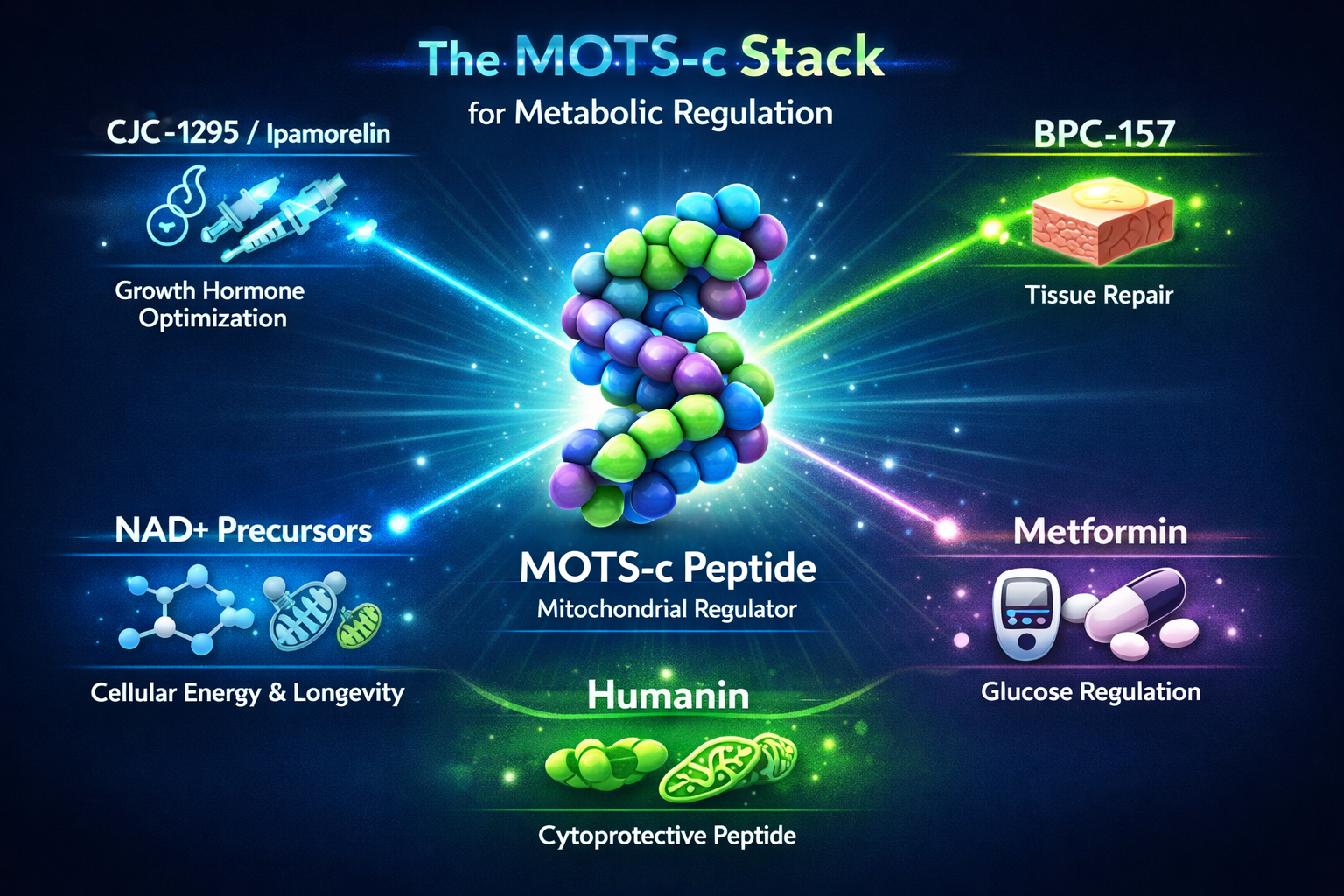
- Synergistic Stacking: The efficacy of MOTS-c is often enhanced when combined in a mots-c stack with other compounds like CJC-1295/Ipamorelin, BPC-157, NAD+ precursors, metformin, or berberine, creating a multi-faceted approach to metabolic health.
- Diverse Research Applications: MOTS-c stacks are being investigated across various fields, including growth hormone optimization, tissue repair, anti-aging, and robust metabolic enhancement, leveraging the unique properties of each stacked component.
- Focus on Mitochondrial Health: Many mots-c stack formulations prioritize mitochondrial function and biogenesis, often including peptides like Humanin or supplements such as NMN, resveratrol, and CoQ10.
- Research-Centric Approach: While promising, the current understanding of MOTS-c and its stacks is largely derived from animal models and anecdotal reports, necessitating continued rigorous laboratory investigation and controlled human trials to fully establish safety and optimal protocols.
Understanding MOTS-c and Its Core Mechanisms
MOTS-c, or Mitochondrial Open Reading Frame of the 12S rRNA-c, is a fascinating peptide composed of 16 amino acids. Unlike many other peptides, MOTS-c originates directly from the mitochondrial genome, highlighting its fundamental role in cellular energy regulation. Its discovery has opened new frontiers in understanding the complex interplay between mitochondrial function, metabolism, and systemic health. This peptide primarily acts as a 'mitochondrial signal' that communicates with the rest of the cell, particularly in response to metabolic stress.
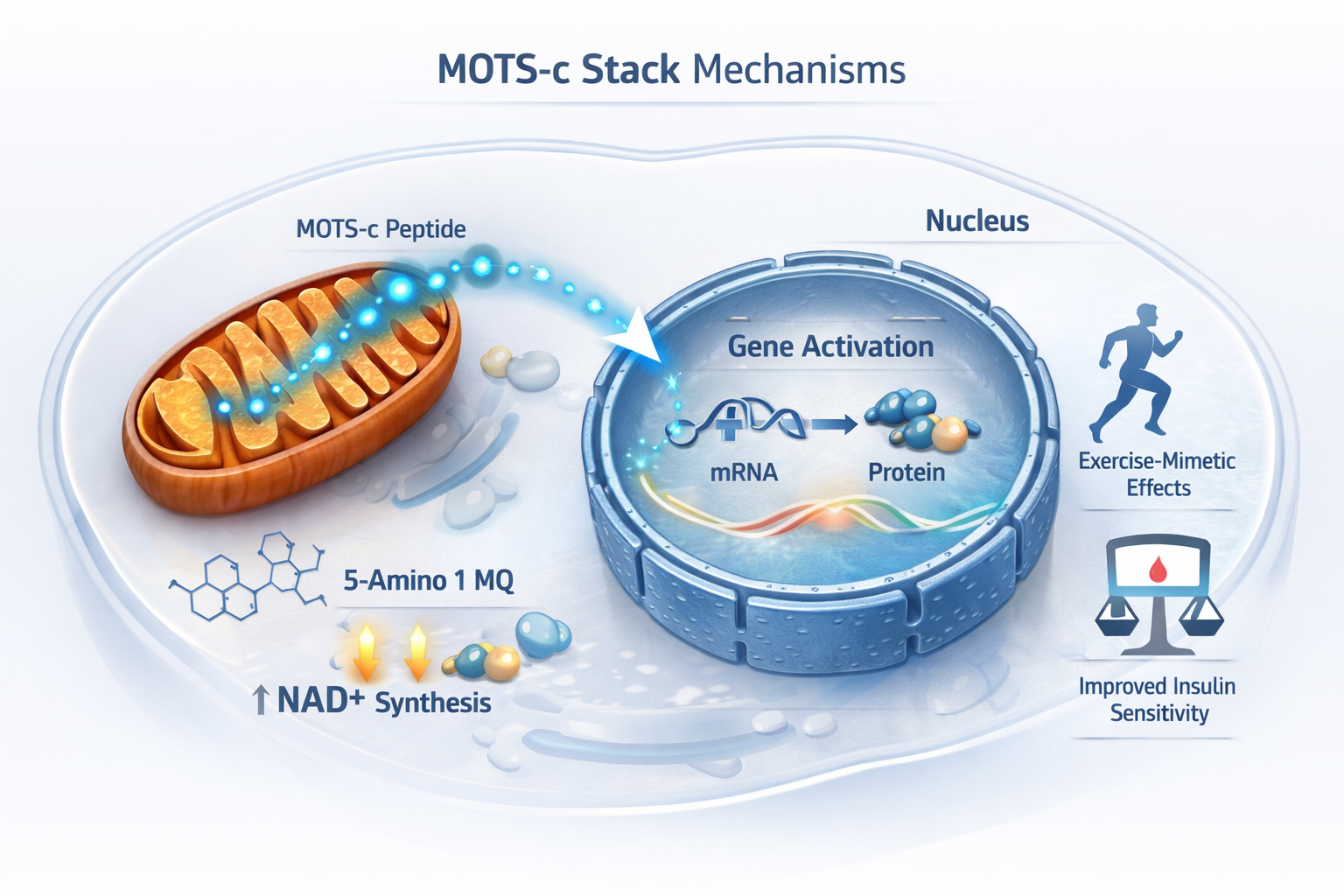
At its core, MOTS-c is recognized for its ability to influence metabolic homeostasis, effectively acting as an "exercise mimetic." This means it can initiate some of the beneficial metabolic changes typically associated with physical activity, even in its absence. Research indicates that MOTS-c improves insulin sensitivity and regulates glucose metabolism by translocating to the nucleus under metabolic stress. Once in the nucleus, it plays a crucial role in regulating adaptive nuclear gene expression, which in turn influences various metabolic pathways.
The primary pathway through which MOTS-c exerts its metabolic effects is the activation of AMPK (AMP-activated protein kinase). AMPK is a master regulator of cellular energy homeostasis, often activated during periods of low cellular energy (such as during exercise or calorie restriction). By activating AMPK, MOTS-c helps to:
- Increase glucose uptake: Facilitating the entry of glucose into cells, particularly muscle cells, thereby reducing blood glucose levels.
- Enhance fat metabolism: Promoting the breakdown of fatty acids for energy, which can contribute to fat loss.
- Improve mitochondrial biogenesis: Encouraging the creation of new mitochondria, enhancing the cell's energy-producing capacity.
These effects make MOTS-c a compelling subject for research, especially concerning metabolic disorders like insulin resistance and diet-induced obesity, which have been observed in various animal studies. The potential for a compound to mimic the positive effects of exercise without the physical exertion is a significant area of ongoing investigation in 2026. For those interested in exploring peptides that influence metabolic pathways, resources like Pure Tested Peptides offer a starting point for high-quality research materials.
The idea of combining MOTS-c with other compounds to amplify its effects or address multiple physiological pathways simultaneously is the basis of the "mots-c stack." This strategic combination aims to create a more comprehensive and synergistic approach to metabolic and overall health optimization, moving beyond the capabilities of individual compounds alone.
Building a Comprehensive MOTS-c Stack: Synergistic Compounds and Research Protocols
The true potential of MOTS-c is often explored through its combination with other peptides and compounds, forming what is known as a "mots-c stack." These stacks are designed to leverage the unique properties of each component, creating a synergistic effect that targets multiple physiological pathways simultaneously. The choice of compounds in a mots-c stack depends heavily on the specific research objectives, ranging from metabolic regulation and fat loss to tissue repair and longevity.
Common Components in a MOTS-c Stack
Several categories of compounds are frequently considered when formulating a mots-c stack, each bringing distinct benefits:
-
Growth Hormone Optimizers:
- CJC-1295/Ipamorelin: This popular peptide combination is often stacked with MOTS-c for research aimed at growth hormone optimization. CJC-1295 is a GHRH (Growth Hormone Releasing Hormone) analog that stimulates a sustained release of growth hormone, while Ipamorelin is a GHRP (Growth Hormone Releasing Peptide) that provides a pulsatile release. The goal of this combination in a mots-c stack is to potentially enhance cellular regeneration, lean muscle mass, and fat metabolism, complementing MOTS-c's direct metabolic effects. For more information on various peptide blends for research, researchers might find peptide blends research useful.
-
Tissue Repair and Recovery Agents:
- BPC-157: Known for its remarkable regenerative properties, BPC-157 is a peptide that supports tissue repair, reduces inflammation, and promotes healing in various bodily tissues, including muscles, tendons, and the gut. Including BPC-157 in a mots-c stack is particularly appealing for research focusing on athletes or models of injury recovery, where the metabolic benefits of MOTS-c can support the energy demands of healing while BPC-157 directly facilitates repair. Investigating the synergy of peptides like BPC-157 and MOTS-c is a growing area for applied wellness research with peptides.
-
NAD+ Precursors and Mitochondrial Enhancers:
- NAD+ precursors (e.g., NMN, NR): Nicotinamide adenine dinucleotide (NAD+) is a crucial coenzyme involved in countless metabolic processes, including energy production and DNA repair. Precursors like NMN (nicotinamide mononucleotide) and NR (nicotinamide riboside) aim to boost NAD+ levels. Given MOTS-c's role in mitochondrial function, combining it with NAD+ precursors in a mots-c stack creates a potent combination for enhancing mitochondrial biogenesis, cellular energy, and potentially mitigating age-related decline.
- 5-Amino-1MQ: This small molecule inhibitor of NNMT (nicotinamide N-methyltransferase) is another exciting addition to a mots-c stack for metabolic research. NNMT consumes NAD+, so inhibiting it with 5 amino 1 mq can lead to increased NAD+ availability, thereby enhancing cellular metabolism, energy production, and fat burning. Research on 5-amino-1 mq suggests its potential in addressing metabolic dysfunction, making it a powerful ally for a mots-c stack. The ideal 5 amino 1 mq dosing is a subject of ongoing study, often ranging from 10-50mg daily in research settings. Combining nmn + 5 amino 1-mq with MOTS-c could offer a comprehensive strategy for mitochondrial and metabolic health. When researching 5 amino 1 mq capsules, it's important to consider the purity and concentration for accurate experimental results.
- Resveratrol, CoQ10, Alpha-Lipoic Acid, PQQ: These antioxidants and mitochondrial support compounds are often included in comprehensive longevity-focused mots-c stacks. They collectively contribute to mitochondrial protection, energy production, and cellular health.
-
Insulin Sensitizers and Glucose Regulators:
- Metformin or Berberine: As MOTS-c acts as an exercise mimetic by regulating metabolic homeostasis and improving insulin sensitivity, combining it with known insulin sensitizers like metformin or berberine can create a powerful synergistic effect. This is particularly relevant for research into managing glucose levels and improving overall metabolic health. The goal is to amplify the beneficial effects on insulin signaling and glucose utilization.
-
Other Mitochondrial-Derived Peptides:
- Humanin: Another mitochondrial-derived peptide, Humanin, is sometimes stacked with MOTS-c. While MOTS-c focuses on metabolic regulation, Humanin is recognized for its cytoprotective effects against various cellular stressors and its potential role in neurological health. Combining these two peptides in a mots-c stack aims to target both metabolic regulation and cellular protection against age-related decline, offering a broader approach to longevity research.
Research Dosing and Administration
For MOTS-c itself, common dosing protocols in research settings typically range from 5-15mg per week. This is often administered subcutaneously 2-3 times weekly, although optimal dosing remains a subject of ongoing investigation in controlled laboratory environments. When considering the full mots-c stack, the dosages of individual components would follow their established research protocols, carefully considering potential interactions and cumulative effects.
Table 1: Example Components and Research Focus for a MOTS-c Stack
| Component | Primary Research Focus | Synergy with MOTS-c |
|---|---|---|
| MOTS-c | Metabolic regulation, insulin sensitivity, exercise mimetic | Core of the stack, amplifies effects of other metabolic compounds |
| CJC-1295/Ipamorelin | Growth hormone optimization, cellular regeneration | Supports anabolic processes, complements metabolic enhancements |
| BPC-157 | Tissue repair, anti-inflammatory, gut health | Facilitates healing and recovery, supports active metabolic state |
| NAD+ Precursors (NMN, NR) | Mitochondrial function, cellular energy, anti-aging | Boosts cellular energy required for MOTS-c's metabolic regulation |
| 5-Amino-1MQ | Fat metabolism, NAD+ preservation, metabolic health | Directly enhances NAD+ availability, improving MOTS-c's metabolic impact |
| Metformin/Berberine | Insulin sensitivity, glucose metabolism | Directly enhances insulin signaling, complementing MOTS-c's effects |
| Humanin | Cellular protection, anti-apoptotic, neuroprotection | Broadens cellular defense mechanisms alongside metabolic regulation |
Considerations for Research Protocols
- Cycling: MOTS-c is often cycled in 4-8 week periods within stacks. This practice is theorized to potentially prevent receptor desensitization, though robust scientific evidence specifically for MOTS-c to support this practice is currently limited. Researchers should carefully document their cycling protocols and observations.
- Safety and Efficacy: It is crucial to emphasize that the safety profiles for mots-c stacks, especially in human applications, remain under-researched in controlled clinical trials. Most current evidence is derived from animal models and observational data within specialized peptide therapy communities. This underscores the need for stringent laboratory research practices.
- Purity and Sourcing: The reliability of research findings is directly tied to the purity and quality of the peptides used. Sourcing research-grade peptides from reputable suppliers, such as those available on Pure Tested Peptides, is paramount for accurate and reproducible results. For those looking to buy peptides online USA, quality assurance is a critical factor.
The strategic development of a mots-c stack offers a fascinating avenue for exploring advanced metabolic and cellular interventions. As research progresses in 2026, the specific combinations and protocols will undoubtedly become more refined, providing clearer insights into the optimal utilization of these powerful compounds.
Advanced Research and Potential Applications of the MOTS-c Stack
The exploration of the mots-c stack extends beyond basic metabolic regulation, venturing into advanced areas like longevity, performance enhancement, and the potential mitigation of age-related diseases. The unique exercise-mimetic properties of MOTS-c, combined with the targeted actions of other compounds, present a compelling research model.
Longevity and Anti-Aging Research
In the realm of longevity, the mots-c stack is particularly intriguing due to its profound impact on mitochondrial function. Mitochondria are often referred to as the "powerhouses of the cell," but they also play a critical role in the aging process. Dysfunctional mitochondria are a hallmark of cellular aging and various age-related diseases. By enhancing mitochondrial biogenesis and function, MOTS-c aims to support cellular vitality.
Longevity-focused mots-c stacks often include:
- Resveratrol, NMN, and CoQ10: These compounds are well-known for their roles in supporting mitochondrial health and antioxidant defense. Resveratrol is a sirtuin activator, NMN is an NAD+ precursor, and CoQ10 is vital for the electron transport chain. Their inclusion in a mots-c stack provides a comprehensive strategy for supporting mitochondrial function, which is critical for healthy aging. The synergy between nmn + 5 amino 1-mq further amplifies NAD+ availability, a cornerstone of anti-aging research.
- Alpha-Lipoic Acid (ALA) and PQQ (Pyrroloquinoline Quinone): These are powerful antioxidants and mitochondrial support nutrients. ALA plays a role in energy metabolism and acts as a scavenger of free radicals, while PQQ has been shown to promote mitochondrial biogenesis and protect mitochondria from oxidative damage. Combining these with MOTS-c seeks to create a robust cellular environment resilient to age-related stress.
The goal of such a stack is to not only improve metabolic markers but also to enhance overall cellular resilience and slow down aspects of the aging process at a foundational level.
Performance and Metabolic Enhancement for Athletes
For research involving athletic performance and metabolic enhancement, the mots-c stack offers several promising avenues. The exercise-mimetic effects of MOTS-c mean it can potentially support metabolic efficiency even during periods of reduced activity or intensified training.
- Fat Loss and Body Composition: By activating AMPK pathways, MOTS-c promotes fat metabolism, making it a compelling component in stacks designed for fat loss and improving body composition. When combined with 5 amino 1 mq, which also aids in fat burning by inhibiting NNMT, the potential for enhanced lipid oxidation is significant. Research into 5 amino 1 mq dosage and its effects on fat metabolism is continually evolving.
- Endurance and Recovery: Improved mitochondrial function translates to better energy production and potentially enhanced endurance. When combined with peptides like BPC-157, which supports rapid tissue repair, a mots-c stack can contribute to faster recovery from strenuous activity, allowing for more consistent training loads in research models.
- Insulin Sensitivity: Maintaining optimal insulin sensitivity is crucial for nutrient partitioning and preventing metabolic fatigue in athletes. The synergistic effects of MOTS-c with compounds like metformin or berberine can further optimize glucose uptake and utilization, ensuring that energy is efficiently delivered to working muscles.
Emerging Combinations: MOTS-c with Retatrutide
In 2026, the landscape of peptide research is continually expanding, and new combinations are being explored. One such emerging area is the potential for a "retatrutide mots c stack" or "mots c and retatrutide stack." Retatrutide is a novel triple-agonist peptide that targets GLP-1, GIP, and glucagon receptors, showing significant promise in weight management and glucose control.
The hypothesis behind a "can you stack mots c with retatrutide" approach is to combine the systemic metabolic regulation and exercise-mimetic effects of MOTS-c with the powerful appetite suppression, glucose-lowering, and fat loss properties of Retatrutide. This could lead to a multi-pronged attack on metabolic dysfunction and obesity in research models. While initial data on Retatrutide is very encouraging, specifically on a "mots c retatrutide stack" is still in its nascent stages of research. Any investigation into such a complex stack would require careful titration and monitoring of effects, building upon foundational research with individual peptides.
Research Challenges and Future Directions
Despite the exciting potential of the mots-c stack, several challenges and areas for future research remain:
- Human Clinical Trials: The vast majority of compelling evidence for MOTS-c and its stacks comes from animal models and anecdotal reports. Rigorous, placebo-controlled human clinical trials are essential to establish definitive efficacy, safety, and optimal dosing protocols.
- Long-term Effects: Little is known about the long-term effects of chronic MOTS-c stack administration. Research into potential receptor desensitization, cumulative effects, and unforeseen interactions over extended periods is vital.
- Individual Variability: Genetic and lifestyle factors likely influence an individual's response to a mots-c stack. Personalized research approaches may be necessary to fully understand and optimize its application.
- Standardization: As with many emerging research compounds, there is a need for standardization in purity, potency, and formulation across different suppliers to ensure consistent and reliable research outcomes. Pure Tested Peptides aims to address this by providing thoroughly tested research peptides.
The mots-c stack represents a cutting-edge frontier in metabolic and longevity research for 2026. Its ability to synergistically influence multiple biological pathways offers a promising avenue for addressing complex health challenges, but continued dedicated scientific inquiry is paramount.
Conclusion
The "mots-c stack" stands out as a compelling subject in the contemporary landscape of peptide research, particularly in 2026. This mitochondrial-derived peptide, MOTS-c, with its established role as an exercise mimetic and a key regulator of metabolic homeostasis, offers a powerful foundation for synergistic combinations. When strategically paired with other compounds like CJC-1295/Ipamorelin for growth hormone optimization, BPC-157 for tissue repair, NAD+ precursors such as NMN or 5 amino 1 mq for mitochondrial enhancement, and insulin sensitizers like metformin or berberine, the potential for comprehensive metabolic improvement is substantial.
The research discussed highlights MOTS-c's capacity to enhance insulin sensitivity, regulate glucose metabolism, and activate AMPK pathways, making it invaluable for investigations into fat loss, metabolic syndrome, and anti-aging. The inclusion of components like Humanin or antioxidants such as resveratrol and CoQ10 further broadens the scope of a mots-c stack to encompass cellular protection and overall longevity support. While emerging combinations, such as the "retatrutide mots c stack," present exciting new research avenues for weight management, it is crucial to recognize that the scientific understanding of these complex interactions is still evolving.
As researchers delve deeper into the mechanisms and applications of these peptides, the importance of high-quality, pure research materials cannot be overstated. Organizations providing best peptide kits for beginner researchers play a vital role in ensuring reliable experimental outcomes. The scientific community eagerly anticipates further rigorous human trials to substantiate the promising findings observed in animal models and anecdotal reports.
Actionable Next Steps for Researchers:
- Prioritize Purity: Always source MOTS-c and other stack components from reputable suppliers to ensure the integrity and reproducibility of your research. Pure Tested Peptides is committed to providing tested, high-quality research materials.
- Consult Existing Literature: Thoroughly review the latest peer-reviewed studies on MOTS-c and its common stacking partners to inform your experimental design.
- Start with Foundational Research: If new to a specific stack component like 5 amino 1 mq, begin with studies on individual compounds before moving to complex combinations. Understanding 5 amino 1 mq dosing and its specific effects is a crucial first step.
- Document Meticulously: Maintain detailed records of dosing protocols, administration methods, observed effects, and any unexpected outcomes in your research.
- Consider Ethical Guidelines: Adhere to all relevant ethical guidelines and regulations for peptide research, ensuring responsible and safe scientific inquiry.
The mots-c stack represents a dynamic and promising area of scientific exploration. With continued diligent research, its full potential in enhancing metabolic health, supporting longevity, and optimizing performance will undoubtedly become clearer in the years to come.
SEO Meta Title: MOTS-c Stack: Metabolic Optimization & Longevity (2026)
SEO Meta Description: Explore the MOTS-c stack for metabolic regulation, longevity, and performance. Learn about synergistic peptides like 5-Amino-1MQ in 2026 research.