NAD+ Peptide Injection: Revolutionary Cellular Health Enhancement for 2025
Imagine if there was a way to turn back the clock on cellular aging, boost energy levels naturally, and enhance your body's repair mechanisms at the molecular level. The nad+ peptide injection represents one of the most promising advances in cellular health optimization, offering a scientifically-backed approach to supporting the body's natural regenerative processes.
Key Takeaways
• NAD+ peptide injections deliver essential coenzymes directly to cells, potentially supporting energy production and cellular repair mechanisms
• These treatments may help address age-related decline in NAD+ levels, which naturally decrease as we get older
• Professional medical supervision is essential for safe and effective NAD+ peptide therapy protocols
• Research suggests potential benefits for energy, cognitive function, and overall cellular health optimization
• Quality sourcing and proper administration are critical factors for successful outcomes
Understanding NAD+ and Its Role in Cellular Function

Nicotinamide Adenine Dinucleotide (NAD+) serves as a fundamental coenzyme found in every living cell. This crucial molecule plays an essential role in energy metabolism, DNA repair, and cellular communication. As we age, our natural NAD+ levels decline significantly, potentially contributing to various age-related health challenges.
The science behind NAD+ is fascinating. This coenzyme participates in hundreds of metabolic reactions, particularly in the mitochondria where cellular energy production occurs. When NAD+ levels are optimal, cells can efficiently convert nutrients into usable energy while maintaining their repair and regeneration capabilities.
NAD+ peptide injection therapy aims to restore these declining levels through direct delivery of bioavailable compounds. Unlike oral supplements that may face absorption challenges, injections can provide more direct cellular access to these vital molecules.
For those interested in exploring comprehensive peptide research options, understanding the foundational role of NAD+ helps contextualize its importance in cellular health protocols.
How NAD+ Peptide Injection Works in the Body
The mechanism of action for nad+ peptide injection involves several sophisticated biological pathways. When administered properly, these injections can help support the body's natural NAD+ synthesis and utilization processes.
Cellular Energy Production Enhancement
NAD+ directly participates in glycolysis and the citric acid cycle, two fundamental processes for cellular energy production. By supporting optimal NAD+ levels, these injections may help:
- Enhance mitochondrial function and energy output
- Support efficient nutrient metabolism at the cellular level
- Promote healthy cellular respiration processes
- Optimize ATP production for sustained energy
DNA Repair and Cellular Maintenance
One of the most significant roles of NAD+ involves activating sirtuins, a family of proteins associated with longevity and cellular repair. These proteins require NAD+ to function effectively, making adequate levels crucial for:
- DNA damage repair mechanisms
- Cellular stress response optimization
- Protein regulation and cellular housekeeping
- Inflammation modulation at the cellular level
Quality research peptides can provide the foundation for understanding these complex cellular interactions.
Potential Benefits of NAD+ Peptide Injection Therapy
Research into nad+ peptide injection therapy has revealed several promising areas where these treatments may provide support. While individual results can vary, studies suggest multiple potential benefits across different aspects of health and wellness.
Energy and Vitality Support
Many individuals report enhanced energy levels following NAD+ peptide therapy. This isn't surprising given NAD+'s central role in cellular energy production. Potential energy-related benefits may include:
- Improved physical stamina and endurance
- Enhanced mental clarity and focus
- Better exercise recovery and performance
- Reduced fatigue and increased vitality
Cognitive Function Enhancement
The brain requires enormous amounts of energy to function optimally, making it particularly sensitive to NAD+ levels. Research suggests that nad+ peptide injection therapy might support:
- Memory formation and retention
- Processing speed and mental agility
- Neuroprotective mechanisms against age-related decline
- Mood regulation and emotional balance
Cellular Repair and Regeneration
Perhaps most importantly, NAD+ peptide therapy may support the body's natural repair and regeneration processes. This could manifest as:
- Enhanced tissue repair and healing
- Improved skin health and appearance
- Better immune system function and resilience
- Optimized metabolic processes throughout the body
Understanding peptide combinations and synergies can help individuals and researchers explore comprehensive approaches to cellular health optimization.
Safety Considerations and Potential Side Effects
While nad+ peptide injection therapy shows promise, understanding potential risks and safety considerations remains paramount. Like any medical intervention, these treatments require careful consideration and professional oversight.
Common Side Effects and Reactions
Most individuals tolerate NAD+ peptide injections well, but some may experience:
- Mild injection site reactions such as redness or swelling
- Temporary fatigue as the body adjusts to treatment
- Nausea or digestive discomfort in some cases
- Headaches during initial treatment phases
Important Safety Protocols
Ensuring safe nad+ peptide injection therapy requires adherence to several critical protocols:
Professional Medical Supervision: Always work with qualified healthcare providers experienced in peptide therapy. They can assess individual health status, determine appropriate dosing, and monitor progress.
Quality Source Verification: The purity and quality of peptide compounds directly impact both safety and effectiveness. Reputable peptide suppliers provide detailed certificates of analysis and maintain strict quality standards.
Proper Administration Techniques: Injection protocols must follow sterile procedures and appropriate anatomical guidelines to minimize infection risk and ensure optimal absorption.
Individual Health Assessment: Pre-treatment evaluation should include comprehensive health history, current medications, and any underlying conditions that might affect treatment safety.
Contraindications and Precautions
Certain individuals should exercise particular caution or avoid nad+ peptide injection therapy entirely:
- Pregnant or breastfeeding women should avoid peptide therapies
- Individuals with active cancer require specialized medical evaluation
- Those with autoimmune conditions need careful monitoring
- People taking specific medications may experience interactions
Dosage, Administration, and Treatment Protocols
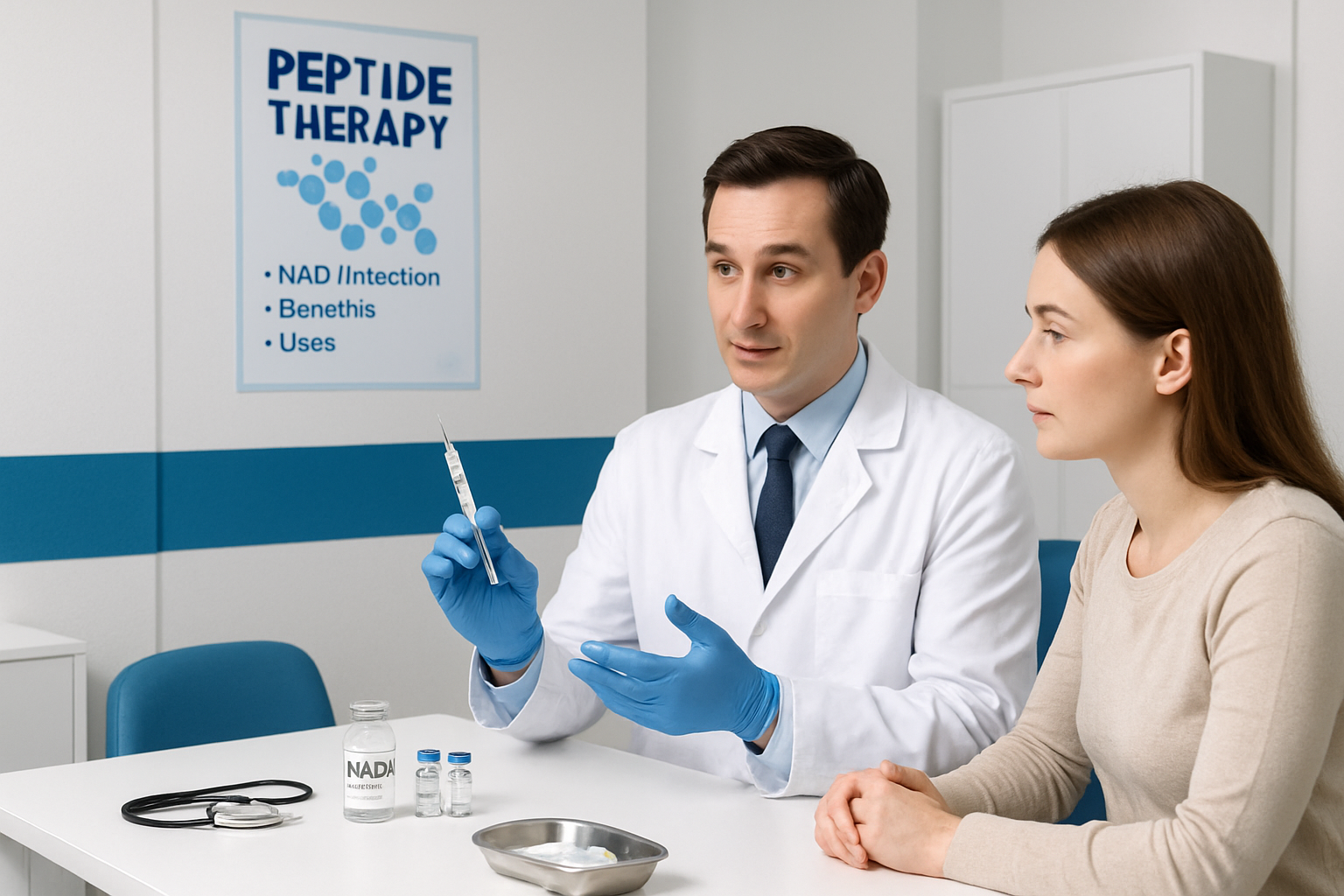
Effective nad+ peptide injection therapy requires careful attention to dosing protocols, administration techniques, and treatment scheduling. These factors significantly influence both safety and potential benefits.
Standard Dosing Guidelines
NAD+ peptide dosing varies considerably based on individual factors, treatment goals, and specific peptide formulations. Typical protocols might include:
Initial Phase: Lower doses to assess tolerance and response
- Starting doses often range from 100-250mg
- Administered 1-2 times per week initially
- Close monitoring for side effects and benefits
Maintenance Phase: Adjusted dosing based on individual response
- Doses may increase to 250-500mg range
- Frequency might adjust to 2-3 times per week
- Regular assessment and protocol modifications
Advanced Protocols: For experienced individuals with established tolerance
- Higher doses under strict medical supervision
- Combination with other supportive peptides
- Customized timing based on individual circadian rhythms
Administration Techniques and Best Practices
Proper injection technique ensures optimal absorption and minimizes complications:
Injection Sites: Common locations include subcutaneous tissue in the abdomen, thigh, or upper arm. Rotating injection sites helps prevent tissue irritation.
Preparation Protocols: Sterile reconstitution using appropriate bacteriostatic water, proper storage conditions, and aseptic handling techniques.
Timing Considerations: Many practitioners recommend morning administration to align with natural circadian rhythms and energy needs.
Those interested in exploring comprehensive peptide protocols can benefit from understanding these fundamental administration principles.
Treatment Duration and Cycling
NAD+ peptide injection therapy often follows specific cycling patterns to optimize benefits while minimizing potential tolerance development:
Short-term Cycles: 4-6 week treatment periods followed by 2-4 week breaks
Long-term Protocols: Extended treatment periods with periodic assessment and adjustment
Seasonal Approaches: Intensive treatment during high-stress periods or specific health goals
Choosing Quality NAD+ Peptide Products
The effectiveness and safety of nad+ peptide injection therapy depend heavily on product quality and sourcing. Understanding how to identify and select high-quality peptide products protects both health and investment.
Quality Markers and Certifications
Reputable peptide suppliers provide several quality indicators:
Third-party Testing: Independent laboratory analysis confirming purity, potency, and absence of contaminants. Look for certificates of analysis (COA) that detail:
- Peptide purity percentages (typically 95%+ for research-grade)
- Heavy metal testing results
- Bacterial endotoxin levels
- Sterility confirmation
Manufacturing Standards: Products manufactured in FDA-registered facilities following Good Manufacturing Practices (GMP) provide additional quality assurance.
Proper Storage and Handling: Quality suppliers maintain cold-chain storage, use appropriate packaging, and provide detailed storage instructions.
Red Flags and Warning Signs
Several warning signs indicate potentially problematic peptide sources:
- Unrealistic pricing significantly below market rates
- Lack of testing documentation or refusal to provide COAs
- Vague product descriptions without specific peptide sequences
- No customer support or scientific expertise available
- Unrealistic benefit claims or medical advice from non-qualified sources
For those seeking reliable sources, established peptide suppliers typically provide comprehensive product information, testing documentation, and knowledgeable customer support.
Storage and Handling Requirements
Proper storage ensures nad+ peptide injection products maintain potency and safety:
Pre-reconstitution: Lyophilized peptides should be stored in freezer conditions (-20°C or colder) and protected from light and moisture.
Post-reconstitution: Once mixed with bacteriostatic water, peptides typically require refrigeration (2-8°C) and should be used within specified timeframes.
Transportation: Insulated packaging with ice packs helps maintain temperature during shipping, particularly important for temperature-sensitive compounds.
The Future of NAD+ Peptide Research and Development
The field of nad+ peptide injection therapy continues evolving rapidly, with ongoing research exploring new applications, improved formulations, and enhanced delivery methods. Understanding these developments helps individuals make informed decisions about current and future treatment options.
Emerging Research Areas
Scientists are investigating several promising directions for NAD+ peptide therapy:
Combination Therapies: Research into synergistic effects when combining NAD+ peptides with other compounds such as specialized peptide blends shows potential for enhanced benefits.
Targeted Delivery Systems: Development of more sophisticated delivery mechanisms that can direct NAD+ peptides to specific tissues or cellular compartments.
Personalized Protocols: Investigation into genetic markers and biomarkers that might help customize nad+ peptide injection protocols for individual patients.
Long-term Safety Studies: Extended research tracking long-term effects and optimal treatment durations for various health goals.
Technological Advances
Several technological improvements are enhancing NAD+ peptide therapy:
Improved Stability: New formulation techniques that extend peptide shelf-life and reduce degradation during storage.
Enhanced Bioavailability: Modified peptide structures that improve absorption and cellular uptake efficiency.
Monitoring Technologies: Advanced testing methods for tracking NAD+ levels and treatment response in real-time.
Regulatory Landscape Evolution
The regulatory environment surrounding peptide therapies continues developing, with potential implications for:
- Quality standards and manufacturing requirements
- Clinical trial requirements for new peptide formulations
- Healthcare provider training and certification programs
- Insurance coverage and accessibility considerations
Understanding current peptide research trends helps individuals stay informed about these evolving developments.
Making Informed Decisions About NAD+ Peptide Injection Therapy
Deciding whether nad+ peptide injection therapy aligns with individual health goals requires careful consideration of multiple factors. This decision-making process should involve thorough research, professional consultation, and realistic expectation setting.
Evaluating Personal Candidacy
Several factors influence whether NAD+ peptide therapy might be appropriate:
Health Status Assessment: Current health conditions, medication use, and overall wellness goals all impact treatment suitability.
Age and Lifestyle Factors: NAD+ levels naturally decline with age, but lifestyle factors such as stress, diet, and exercise also influence baseline levels.
Treatment Goals: Clear understanding of desired outcomes helps determine whether nad+ peptide injection therapy aligns with personal objectives.
Resource Availability: Treatment costs, time commitments, and access to qualified healthcare providers affect practical feasibility.
Working with Healthcare Providers
Professional medical guidance remains essential for safe and effective peptide therapy:
Provider Selection: Choose healthcare professionals with specific experience in peptide therapy and anti-aging medicine.
Comprehensive Evaluation: Proper assessment should include detailed health history, laboratory testing, and discussion of treatment goals.
Ongoing Monitoring: Regular follow-up appointments help track progress, adjust protocols, and address any concerns.
Integration with Other Treatments: Coordination with existing medications and therapies ensures comprehensive, safe care.
Setting Realistic Expectations
Understanding what nad+ peptide injection therapy can and cannot accomplish helps maintain realistic expectations:
Timeline Considerations: Benefits may develop gradually over weeks to months rather than immediately.
Individual Variation: Response to treatment varies significantly between individuals based on genetics, health status, and lifestyle factors.
Complementary Approaches: Peptide therapy works best as part of comprehensive health optimization including proper nutrition, exercise, and stress management.
For those interested in exploring diverse peptide research options, understanding these decision-making factors provides a foundation for informed choices.
Conclusion
NAD+ peptide injection therapy represents an exciting frontier in cellular health optimization, offering potential benefits for energy, cognitive function, and overall wellness. As research continues revealing the crucial role of NAD+ in cellular processes, these treatments may become increasingly important tools for supporting healthy aging and vitality.
The key to successful outcomes lies in approaching this therapy with proper knowledge, professional guidance, and realistic expectations. Quality sourcing, appropriate administration, and ongoing monitoring form the foundation of safe and effective treatment protocols.
Next Steps for Interested Individuals
If you're considering nad+ peptide injection therapy, take these important steps:
- Research thoroughly using reputable scientific sources and peer-reviewed studies
- Consult qualified healthcare providers experienced in peptide therapy
- Evaluate your individual health status and treatment goals honestly
- Source high-quality products from established, reputable suppliers
- Start conservatively with appropriate dosing and careful monitoring
- Maintain realistic expectations while tracking progress systematically
The future of cellular health optimization continues evolving, and NAD+ peptide therapy may play an increasingly significant role in helping individuals achieve their wellness goals. By staying informed, working with qualified professionals, and maintaining a scientific approach to treatment, individuals can make educated decisions about incorporating these promising therapies into their health optimization strategies.
Remember that nad+ peptide injection therapy represents just one component of comprehensive health optimization. Combining these treatments with proper nutrition, regular exercise, stress management, and other evidence-based approaches provides the best foundation for achieving lasting health and vitality improvements.
SEO Meta Information:
Meta Title: NAD+ Peptide Injection: Complete 2025 Guide to Cellular Health
Meta Description: Discover NAD+ peptide injection benefits, safety, dosing protocols, and quality sourcing. Expert guide to cellular health optimization for 2025.