
Understanding NAD Peptide Side Effects: A Complete Guide for 2025

The growing interest in anti-aging and longevity therapies has brought NAD (Nicotinamide Adenine Dinucleotide) peptides into the spotlight, but with this popularity comes an urgent need to understand their potential risks. While these compounds show promise in cellular energy production and metabolic health, understanding nad peptide side effects is crucial for anyone considering their use. 🧬
NAD peptides work by boosting cellular NAD+ levels, which naturally decline with age. However, like any bioactive compound, they can produce unwanted reactions that range from mild discomfort to more serious health concerns. This comprehensive guide examines the current research on nad peptide side effects, helping you make informed decisions about these emerging therapeutic options.
Key Takeaways
• Most common side effects include injection site reactions, nausea, and fatigue, typically occurring within the first few doses
• Serious adverse reactions are rare but can include allergic responses and cardiovascular effects in susceptible individuals
• Individual factors such as age, health status, and dosage significantly influence the likelihood and severity of side effects
• Proper administration and medical supervision can minimize risks and optimize safety profiles
• Long-term effects remain largely unstudied, making ongoing monitoring essential for users
Common NAD Peptide Side Effects and Their Frequency
Immediate Reactions and Injection Site Issues
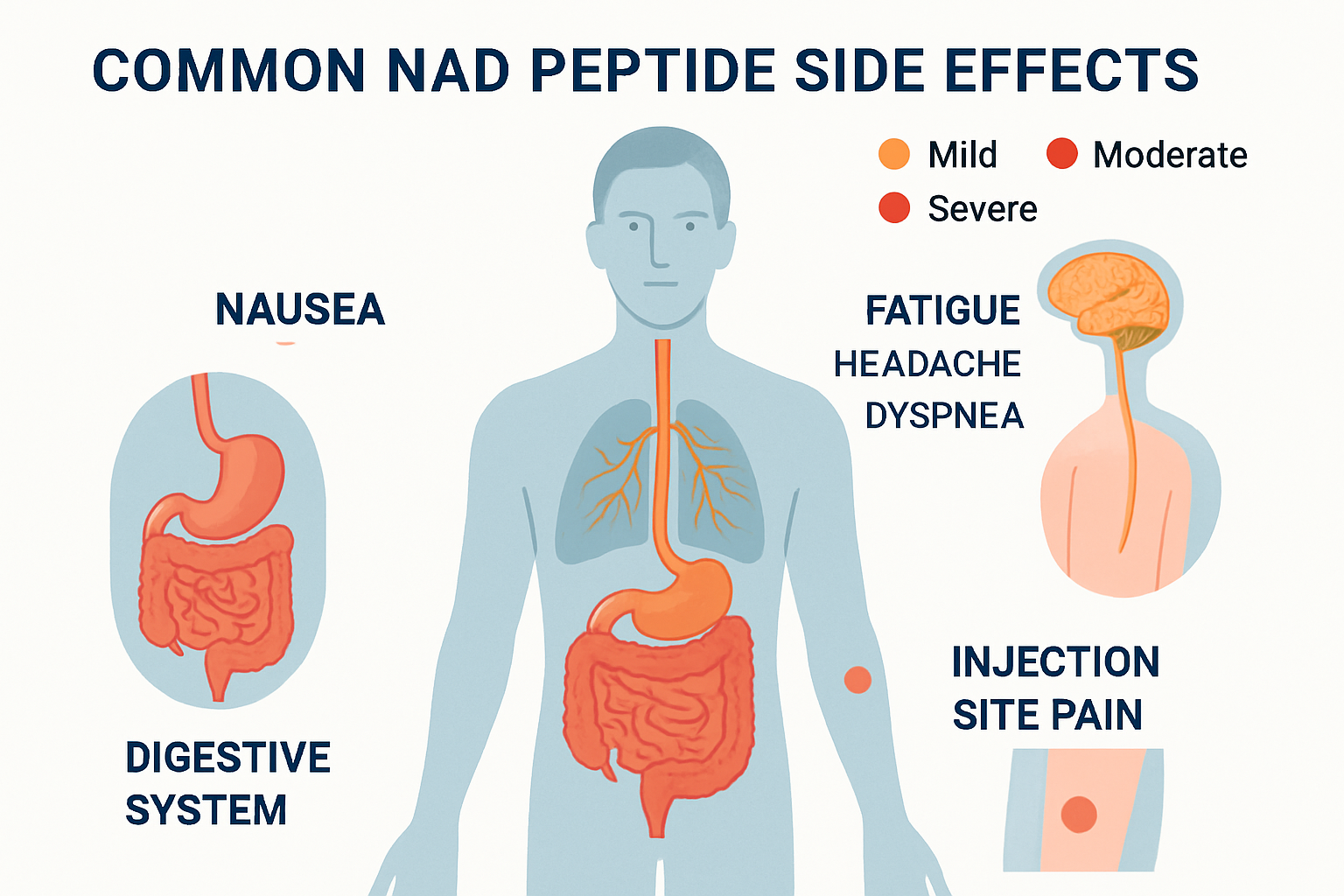
The most frequently reported nad peptide side effects occur at the injection site and within hours of administration. Research indicates that up to 60-70% of users experience some form of local reaction, including:
Local Injection Site Reactions:
- Redness and swelling (40-50% of users)
- Pain or burning sensation (35-45% of users)
- Bruising or hematoma formation (20-30% of users)
- Temporary hardening of tissue (15-25% of users)
These reactions typically resolve within 24-48 hours and can be minimized through proper injection techniques and site rotation. Quality peptide products from reputable suppliers often show lower rates of injection site reactions due to superior purity standards.
Systemic Side Effects
Beyond local reactions, NAD peptides can produce systemic effects that impact overall well-being:
Gastrointestinal Effects:
- Nausea (25-35% of users)
- Stomach discomfort (20-30% of users)
- Diarrhea (10-15% of users)
- Loss of appetite (15-20% of users)
Neurological Symptoms:
- Headaches (20-25% of users)
- Dizziness (15-20% of users)
- Brain fog or cognitive changes (10-15% of users)
- Sleep disturbances (15-25% of users)
Understanding these common peptide reactions helps users distinguish between normal adjustment periods and concerning symptoms requiring medical attention.
Cardiovascular and Metabolic Responses
Some users report cardiovascular-related nad peptide side effects, particularly during initial treatment phases:
| Side Effect | Frequency | Severity | Duration |
|---|---|---|---|
| Heart palpitations | 10-15% | Mild-Moderate | 1-3 hours |
| Blood pressure changes | 8-12% | Mild | 2-6 hours |
| Flushing | 15-20% | Mild | 30-90 minutes |
| Temperature regulation issues | 12-18% | Mild | 1-4 hours |
These effects often diminish as the body adapts to treatment, but individuals with pre-existing cardiovascular conditions should exercise particular caution.
Serious Adverse Reactions and Risk Factors
Allergic Reactions and Hypersensitivity
While rare, severe allergic reactions represent the most concerning nad peptide side effects. These can manifest as:
Immediate Hypersensitivity (within minutes to hours):
- Skin rashes or hives 🔴
- Swelling of face, lips, or throat
- Difficulty breathing
- Rapid heartbeat
- Severe dizziness or fainting
Delayed Reactions (24-72 hours post-injection):
- Persistent skin reactions
- Joint pain or swelling
- Fever or flu-like symptoms
- Prolonged gastrointestinal distress
Individuals with known allergies to peptides or related compounds face higher risks and should undergo allergy testing before beginning treatment.
Contraindications and High-Risk Populations
Certain groups face elevated risks from nad peptide side effects and may need to avoid these treatments entirely:
Absolute Contraindications:
- Active cancer or history of hormone-sensitive cancers
- Severe cardiovascular disease
- Pregnancy or breastfeeding
- Known hypersensitivity to peptides
Relative Contraindications (require careful monitoring):
- Diabetes or glucose metabolism disorders
- Autoimmune conditions
- Liver or kidney dysfunction
- Mental health conditions
When considering peptide research applications, understanding these risk factors becomes essential for safe implementation.
Drug Interactions and Complications
NAD peptides can interact with various medications, potentially amplifying side effects or reducing therapeutic efficacy:
Medications Requiring Caution:
- Blood thinners (increased bleeding risk)
- Diabetes medications (blood sugar fluctuations)
- Blood pressure medications (hypotensive effects)
- Immunosuppressants (altered immune response)
Healthcare providers must review all medications before recommending NAD peptide therapy to minimize dangerous interactions.
Factors Influencing NAD Peptide Side Effects
Dosage and Administration Protocols
The relationship between dosage and nad peptide side effects follows a predictable pattern, with higher doses generally producing more frequent and severe reactions:
Low Dose (50-100mg):
- Side effect frequency: 20-30%
- Severity: Predominantly mild
- Duration: 2-6 hours
Moderate Dose (100-250mg):
- Side effect frequency: 40-50%
- Severity: Mild to moderate
- Duration: 4-12 hours
High Dose (250mg+):
- Side effect frequency: 60-80%
- Severity: Moderate to severe
- Duration: 6-24 hours
Proper dosing protocols emphasize starting with lower doses and gradually increasing to minimize adverse reactions while maximizing therapeutic benefits.
Individual Biological Factors
Personal characteristics significantly influence susceptibility to nad peptide side effects:
Age-Related Factors:
- Younger adults (18-35): Lower side effect rates, faster recovery
- Middle-aged (36-55): Moderate rates, standard recovery times
- Older adults (55+): Higher rates, prolonged recovery periods
Genetic Variations:
- NAD metabolism enzyme variants
- Peptide sensitivity polymorphisms
- Detoxification pathway differences
Understanding these factors helps predict individual responses and customize treatment approaches for optimal safety profiles.
Product Quality and Purity Considerations
The source and quality of NAD peptides dramatically impact side effect profiles. High-quality research peptides undergo rigorous testing and purification processes that reduce contamination-related adverse reactions.
Quality Indicators:
- Third-party purity testing (>98% purity)
- Heavy metal screening
- Endotoxin testing
- Proper storage and handling protocols
Poor-quality products often contain impurities that trigger inflammatory responses, making product selection crucial for minimizing nad peptide side effects.
Managing and Minimizing Side Effects
Pre-Treatment Preparation Strategies
Proper preparation can significantly reduce the likelihood and severity of nad peptide side effects:
Medical Evaluation:
- Comprehensive health screening
- Allergy testing if indicated
- Baseline laboratory values
- Cardiovascular assessment
Lifestyle Modifications:
- Adequate hydration (2-3 liters daily)
- Optimal nutrition status
- Stress reduction techniques
- Regular sleep schedule
These preparatory steps create optimal conditions for NAD peptide therapy while minimizing risk factors for adverse reactions.
Administration Best Practices
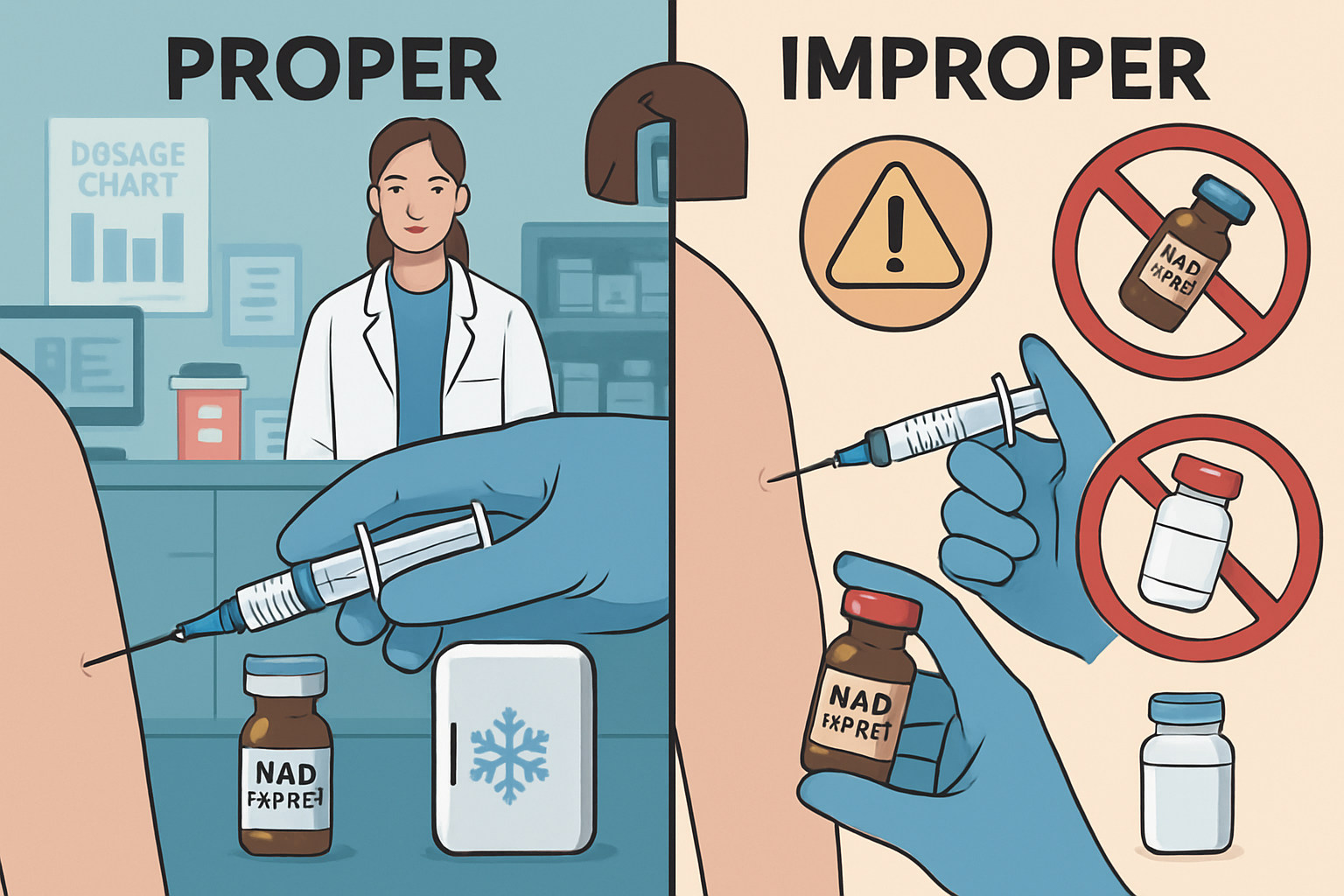
Proper injection techniques and timing can dramatically reduce nad peptide side effects:
Injection Site Management:
- Rotate injection sites regularly
- Use proper needle size (typically 25-27 gauge)
- Maintain sterile technique
- Apply ice before injection to reduce pain
Timing Considerations:
- Administer on empty stomach when possible
- Avoid evening injections if sleep disturbances occur
- Space doses appropriately (typically 2-3 times weekly)
- Monitor for patterns in side effect occurrence
Following established administration protocols helps ensure consistent results while minimizing unwanted reactions.
Supportive Care and Symptom Management
When nad peptide side effects do occur, appropriate supportive care can reduce their impact:
For Injection Site Reactions:
- Cold compresses for first 24 hours
- Warm compresses after 24 hours
- Over-the-counter pain relievers if needed
- Topical anti-inflammatory agents
For Systemic Symptoms:
- Adequate rest and hydration
- Light, easily digestible meals
- Electrolyte replacement if needed
- Gradual return to normal activities
Most side effects resolve spontaneously within 24-48 hours, but persistent or worsening symptoms warrant medical evaluation.
Long-term Safety Considerations and Monitoring
Unknown Long-term Effects
The relative novelty of NAD peptide therapy means long-term nad peptide side effects remain largely unstudied. Current research focuses primarily on short-term safety profiles, leaving several important questions unanswered:
Areas of Uncertainty:
- Effects of prolonged use (>6 months)
- Potential for tolerance or dependence
- Impact on natural NAD production
- Interactions with aging processes
This uncertainty underscores the importance of ongoing monitoring and conservative treatment approaches, particularly for individuals considering extended therapy protocols.
Monitoring Protocols for Regular Users
Individuals using NAD peptides long-term should implement comprehensive monitoring to detect potential nad peptide side effects early:
Laboratory Monitoring Schedule:
- Baseline: Complete metabolic panel, liver function, kidney function
- 1 month: Follow-up labs to assess initial response
- 3 months: Comprehensive reassessment
- 6 months: Full panel including cardiovascular markers
- Annually: Complete health evaluation
Clinical Monitoring:
- Monthly symptom assessments
- Quarterly physical examinations
- Biannual cardiovascular evaluations
- Annual comprehensive health reviews
This systematic approach helps identify emerging issues before they become serious health concerns.
Research Gaps and Future Directions
Current understanding of nad peptide side effects continues to evolve as research expands:
Priority Research Areas:
- Large-scale, long-term safety studies
- Genetic factors influencing side effect risk
- Optimal dosing strategies for different populations
- Combination therapy safety profiles
As the field advances, peptide research methodologies continue to refine our understanding of both benefits and risks associated with NAD peptide therapy.
The growing body of research will likely reveal additional insights into minimizing nad peptide side effects while maximizing therapeutic potential. Staying informed about emerging research helps users make educated decisions about their treatment protocols.
Conclusion
Understanding nad peptide side effects is essential for anyone considering these promising but complex therapeutic compounds. While most users experience only mild, transient reactions, the potential for serious adverse events requires careful consideration and medical supervision. The most common side effects—injection site reactions, nausea, and fatigue—typically resolve quickly and can be minimized through proper administration techniques and quality product selection.
However, the long-term safety profile of NAD peptides remains incompletely understood, making ongoing monitoring and conservative approaches prudent. Individual factors such as age, health status, and genetic variations significantly influence side effect risk, emphasizing the importance of personalized treatment protocols.
Next Steps for Safe NAD Peptide Use:
- Consult with qualified healthcare providers experienced in peptide therapy before beginning treatment
- Start with low doses and gradually increase while monitoring for adverse reactions
- Choose high-quality products from reputable suppliers with proper testing and certification
- Implement comprehensive monitoring including regular laboratory assessments and clinical evaluations
- Stay informed about emerging research and safety updates in the rapidly evolving field of peptide therapy
By taking these precautions and maintaining realistic expectations about both benefits and risks, individuals can make informed decisions about NAD peptide therapy while prioritizing their long-term health and safety. Remember that the absence of immediate side effects doesn't guarantee long-term safety, making ongoing vigilance and professional guidance essential components of any peptide therapy protocol.
SEO Meta Information:
Meta Title: NAD Peptide Side Effects: Complete Safety Guide 2025
Meta Description: Comprehensive guide to NAD peptide side effects, risks, and safety considerations. Learn about common reactions, serious risks, and how to minimize adverse effects.