NAD Peptides: The Complete Guide to Cellular Energy Enhancement in 2025
Imagine unlocking the secret to cellular rejuvenation that has scientists worldwide buzzing with excitement. NAD peptides represent one of the most promising breakthroughs in cellular health research, offering potential pathways to enhanced energy production, improved metabolic function, and optimized cellular repair mechanisms. As research continues to unveil the remarkable properties of these molecular compounds, understanding their role in cellular biology becomes increasingly important for anyone interested in cutting-edge wellness science.
Key Takeaways
• NAD peptides support cellular energy production by enhancing NAD+ levels in cells
• These compounds may help combat age-related cellular decline through improved mitochondrial function
• Research suggests NAD peptides could support metabolic health and cellular repair processes
• Quality sourcing and proper research protocols are essential for studying these compounds
• Multiple delivery methods are available for research applications
Understanding NAD Peptides and Their Cellular Functions
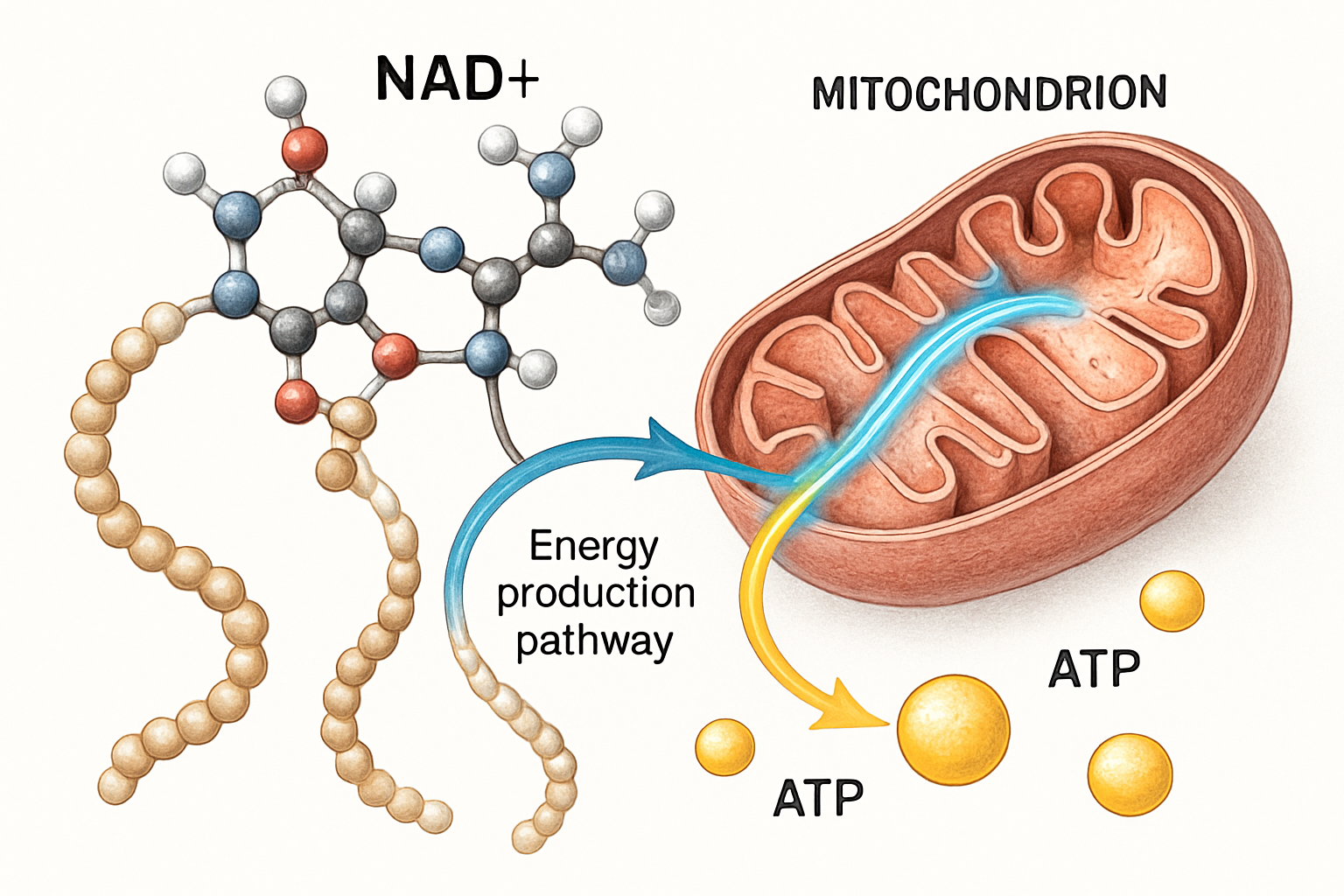
NAD peptides represent a fascinating class of compounds that work to support the body's natural NAD+ (nicotinamide adenine dinucleotide) pathways. NAD+ serves as a crucial coenzyme in cellular energy production, playing vital roles in metabolic processes and cellular maintenance functions.
These peptides function by potentially enhancing the body's ability to produce and maintain optimal NAD+ levels. As cells age, NAD+ levels naturally decline, which researchers believe may contribute to various age-related cellular changes. By supporting these pathways, NAD peptides offer an intriguing avenue for cellular health research.
The Science Behind NAD+ and Cellular Energy
NAD+ operates as a fundamental component in cellular respiration, the process by which cells convert nutrients into usable energy. This coenzyme participates in:
- Glycolysis: Breaking down glucose for immediate energy
- Krebs Cycle: Converting nutrients into cellular fuel
- Electron Transport: Generating ATP, the cell's primary energy currency
- DNA Repair: Supporting cellular maintenance and recovery
Research indicates that maintaining optimal NAD+ levels may support healthy cellular aging processes. For those interested in exploring high-quality research compounds, Pure Tested Peptides offers comprehensive resources for understanding peptide research applications.
How NAD Peptides Support Cellular Function
NAD peptides work through several potential mechanisms:
-
Direct NAD+ Precursor Support 🧬
- Providing building blocks for NAD+ synthesis
- Supporting enzymatic pathways involved in NAD+ production
-
Mitochondrial Function Enhancement ⚡
- Supporting cellular powerhouse efficiency
- Promoting optimal energy production pathways
-
Cellular Repair Mechanisms 🔧
- Supporting DNA repair processes
- Enhancing cellular maintenance functions
The NAD+ peptides available for research provide researchers with tools to explore these fascinating cellular processes in controlled laboratory settings.
Research Applications and Potential Benefits of NAD Peptides
Current research into NAD peptides spans multiple areas of cellular biology and metabolic science. Scientists are investigating how these compounds might support various cellular functions and contribute to our understanding of aging processes.
Metabolic Research Applications
Studies suggest that NAD peptides may play important roles in metabolic research:
Energy Metabolism Studies
- Investigating cellular energy production efficiency
- Examining metabolic pathway optimization
- Researching cellular fuel utilization processes
Mitochondrial Function Research
- Studying cellular powerhouse performance
- Investigating age-related mitochondrial changes
- Examining energy production mechanisms
Cellular Aging Research
Researchers are particularly interested in how NAD peptides might relate to cellular aging processes:
| Research Area | Focus | Potential Applications |
|---|---|---|
| DNA Repair | Cellular maintenance | Studying repair mechanisms |
| Oxidative Stress | Cellular protection | Investigating antioxidant pathways |
| Protein Function | Cellular processes | Examining enzymatic activities |
| Gene Expression | Cellular regulation | Studying transcriptional control |
For researchers interested in comprehensive peptide studies, exploring peptide blends for research can provide insights into synergistic compound interactions.
Neurological Research Potential
Emerging research suggests NAD peptides may have applications in neurological studies:
- Cognitive Function Research: Investigating brain energy metabolism
- Neuroprotection Studies: Examining cellular protection mechanisms
- Neurotransmitter Research: Studying brain chemical balance
The brain's high energy demands make NAD+ particularly important for neurological function, making NAD peptides valuable tools for neuroscience research.
Cardiovascular Research Applications
Scientists are also exploring how NAD peptides might relate to cardiovascular health:
- Endothelial Function: Studying blood vessel health
- Cardiac Energy Metabolism: Investigating heart muscle function
- Circulation Research: Examining blood flow mechanisms
Quality Considerations and Research Standards for NAD Peptides
When working with NAD peptides in research settings, maintaining the highest quality standards is essential for reliable results. The purity and stability of these compounds directly impact research outcomes and data validity.
Purity and Testing Standards
High-quality NAD peptides should meet stringent purity requirements:
Essential Quality Markers ✅
- Purity Levels: Minimum 98% purity for research applications
- Molecular Weight Verification: Confirming correct peptide structure
- Contamination Testing: Ensuring absence of harmful substances
- Stability Analysis: Verifying compound integrity over time
Storage and Handling Protocols
Proper storage ensures NAD peptides maintain their research value:
-
Temperature Control 🌡️
- Store at -20°C for long-term preservation
- Avoid repeated freeze-thaw cycles
- Maintain consistent temperature conditions
-
Environmental Factors
- Protect from light exposure
- Control humidity levels
- Use appropriate container materials
-
Reconstitution Guidelines
- Use sterile bacteriostatic water
- Follow proper mixing procedures
- Document preparation protocols
For comprehensive guidance on peptide storage, researchers can reference best practices for storing research peptides to ensure optimal compound integrity.
Documentation and Research Protocols
Successful NAD peptides research requires meticulous documentation:
Research Documentation Checklist 📋
- Compound source and batch information
- Storage conditions and timeline
- Reconstitution procedures and dates
- Experimental parameters and variables
- Observation schedules and methods
The high-quality NAD+ peptides for research come with comprehensive documentation to support rigorous research protocols.
Analytical Methods for NAD Peptides
Researchers employ various analytical techniques to study NAD peptides:
Common Analysis Methods
- HPLC (High-Performance Liquid Chromatography): Purity verification
- Mass Spectrometry: Molecular weight confirmation
- NMR (Nuclear Magnetic Resonance): Structural analysis
- Bioassays: Functional activity testing
Delivery Methods and Research Protocols
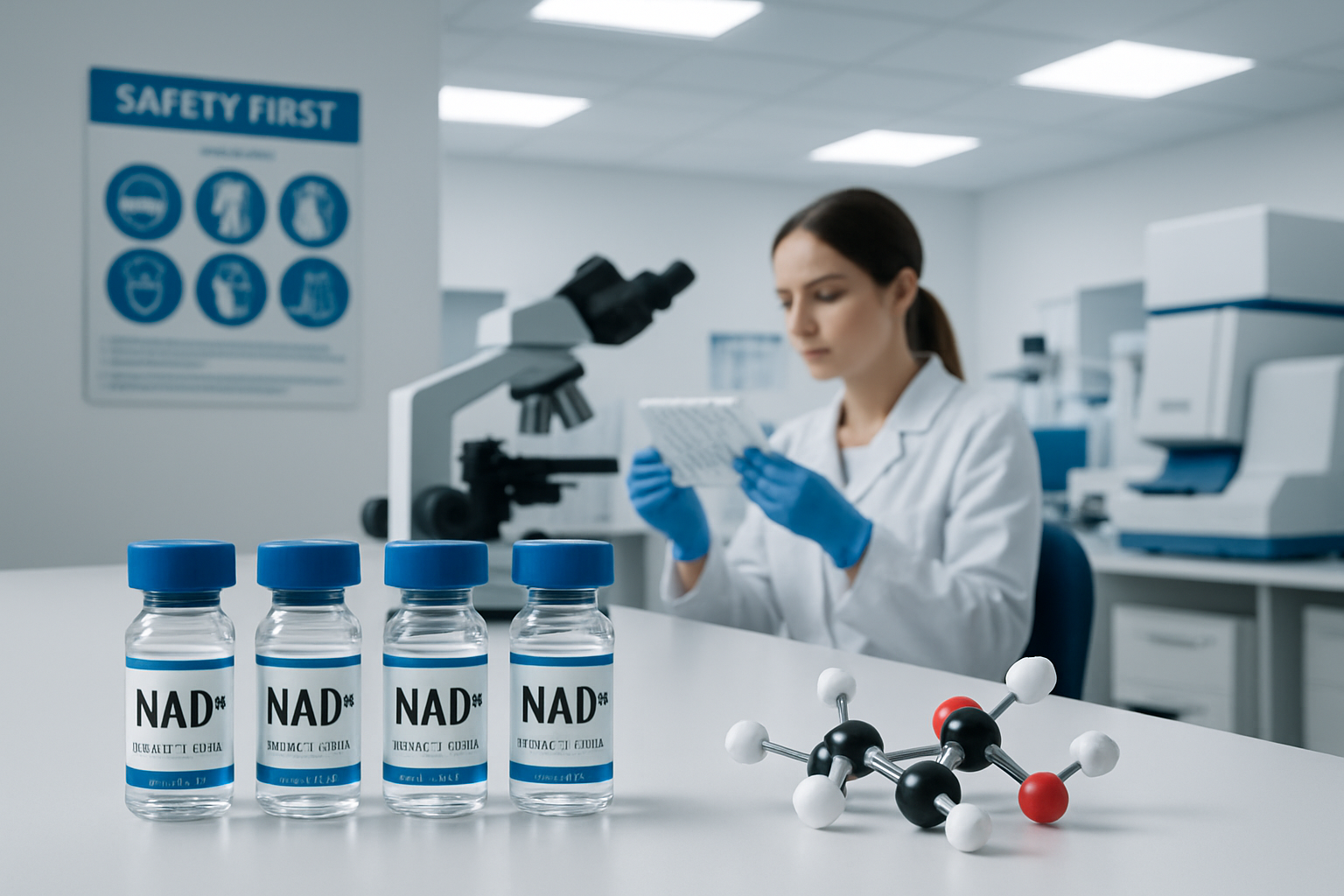
Understanding various delivery methods for NAD peptides is crucial for designing effective research protocols. Different administration routes can significantly impact bioavailability and research outcomes.
Research Administration Routes
NAD peptides can be studied through multiple delivery methods:
Injection-Based Research 💉
- Subcutaneous: Most common research method
- Intramuscular: Alternative injection site
- Intravenous: Direct systemic delivery
Oral Research Applications
- Capsule Formulations: Convenient for long-term studies
- Liquid Preparations: Flexible dosing options
- Sublingual Methods: Potential for improved absorption
For researchers interested in oral delivery systems, exploring best oral peptides can provide valuable insights into alternative administration methods.
Dosing Considerations for Research
NAD peptides research typically involves careful dose-response studies:
| Research Phase | Typical Dose Range | Duration | Observations |
|---|---|---|---|
| Initial Studies | 50-100mg | 1-2 weeks | Basic tolerance |
| Dose Escalation | 100-250mg | 2-4 weeks | Optimal response |
| Long-term Studies | 250-500mg | 4-12 weeks | Extended effects |
Timing and Frequency Protocols
Research protocols for NAD peptides often consider:
Daily Administration Studies
- Morning protocols for energy research
- Evening protocols for recovery studies
- Split-dose protocols for sustained effects
Cyclical Research Designs
- 5-day on, 2-day off protocols
- Weekly cycling patterns
- Monthly research blocks
The research-grade NAD+ peptides provide flexibility for various protocol designs and timing studies.
Combination Research Approaches
Many researchers study NAD peptides in combination with other compounds:
Synergistic Research Areas
- Metabolic Peptide Combinations: Studying compound interactions
- Antioxidant Protocols: Investigating protective mechanisms
- Exercise Research: Examining performance applications
For comprehensive combination research, exploring peptide research methodologies can provide valuable protocol guidance.
Safety Considerations and Research Guidelines
Conducting research with NAD peptides requires adherence to strict safety protocols and ethical research guidelines. Understanding potential considerations and implementing proper safety measures ensures responsible research practices.
Laboratory Safety Protocols
When working with NAD peptides in research settings:
Personal Protective Equipment (PPE) 🥽
- Safety glasses for eye protection
- Laboratory gloves for skin protection
- Lab coats for clothing protection
- Proper ventilation in work areas
Handling Procedures
- Use sterile techniques for reconstitution
- Employ proper waste disposal methods
- Maintain clean work surfaces
- Follow institutional safety guidelines
Research Subject Considerations
NAD peptides research involving test subjects requires careful monitoring:
Baseline Assessments
- Complete health evaluations
- Laboratory parameter testing
- Cardiovascular function assessment
- Metabolic marker analysis
Monitoring Protocols
- Regular check-ins during studies
- Laboratory value tracking
- Adverse event documentation
- Protocol adherence verification
Contraindications and Precautions
Research protocols should consider potential contraindications for NAD peptides:
Research Exclusion Criteria ⚠️
- Active malignancy conditions
- Severe cardiovascular disease
- Uncontrolled metabolic disorders
- Pregnancy or nursing status
Interaction Considerations
NAD peptides research should account for potential interactions:
Medication Interactions
- Blood pressure medications
- Diabetes medications
- Anticoagulant therapies
- Immunosuppressive drugs
Supplement Interactions
- High-dose B vitamins
- Antioxidant supplements
- Energy-boosting compounds
- Metabolic enhancers
For researchers building comprehensive study protocols, building reproducible wellness studies offers valuable guidance on maintaining research integrity.
Future Directions and Emerging Research
The field of NAD peptides research continues to evolve rapidly, with new discoveries emerging regularly. Understanding current research trends and future directions helps researchers stay at the forefront of this exciting field.
Cutting-Edge Research Areas
NAD peptides research is expanding into several promising areas:
Longevity Research 🧬
- Cellular aging mechanisms
- Telomere length studies
- Senescence pathway research
- Healthspan optimization
Precision Medicine Applications
- Genetic variation studies
- Personalized dosing protocols
- Biomarker development
- Individual response prediction
Technological Advances
New technologies are enhancing NAD peptides research capabilities:
Advanced Delivery Systems
- Nanotechnology applications
- Targeted delivery mechanisms
- Sustained-release formulations
- Bioavailability enhancement
Analytical Improvements
- Real-time NAD+ monitoring
- Cellular imaging techniques
- Metabolomics analysis
- Proteomics applications
Clinical Research Pipeline
The clinical research pipeline for NAD peptides includes:
| Research Phase | Focus Area | Timeline | Expected Outcomes |
|---|---|---|---|
| Phase I | Safety & Dosing | 2025-2026 | Basic safety data |
| Phase II | Efficacy Studies | 2026-2028 | Effectiveness measures |
| Phase III | Large-scale Trials | 2028-2030 | Comprehensive data |
Regulatory Landscape
The regulatory environment for NAD peptides research continues to evolve:
Current Regulatory Status
- Research compound classification
- Laboratory use permissions
- Quality control requirements
- Documentation standards
Future Regulatory Trends
- Standardization efforts
- Quality assurance protocols
- International harmonization
- Research guidelines development
For researchers interested in staying current with regulatory developments, comprehensive catalog resources provide updated information on research compound availability and guidelines.
The premium NAD+ peptides for research represent the current state-of-the-art in research compound quality and purity.
Conclusion
NAD peptides represent a fascinating frontier in cellular health research, offering unprecedented opportunities to study cellular energy production, metabolic function, and aging processes. As our understanding of these compounds continues to evolve, researchers are uncovering new applications and potential benefits that could revolutionize how we approach cellular health studies.
The key to successful NAD peptides research lies in maintaining rigorous quality standards, following proper protocols, and staying informed about emerging developments in the field. From understanding basic cellular mechanisms to exploring advanced delivery methods, these compounds offer researchers powerful tools for investigating fundamental biological processes.
Next Steps for Researchers:
- Establish Quality Standards – Source high-quality NAD peptides from reputable suppliers with comprehensive testing protocols
- Design Rigorous Protocols – Develop detailed research plans that account for proper dosing, timing, and safety considerations
- Implement Safety Measures – Follow established safety guidelines and monitoring protocols throughout research studies
- Stay Current with Research – Keep up with emerging studies and technological advances in the field
- Document Everything – Maintain detailed records of all research activities and observations
As the field of NAD peptides research continues to advance, researchers who establish strong foundations in quality, safety, and methodology will be best positioned to contribute meaningful discoveries to this exciting area of science. The potential applications for these compounds span multiple disciplines, from basic cellular biology to complex metabolic studies, making them valuable tools for researchers across various scientific fields.
Whether investigating cellular energy production, exploring aging mechanisms, or studying metabolic pathways, NAD peptides offer researchers unique opportunities to advance our understanding of fundamental biological processes. By maintaining high standards and following best practices, researchers can help unlock the full potential of these remarkable compounds.
SEO Meta Title: NAD Peptides Guide: Cellular Energy Enhancement Research 2025
Meta Description: Comprehensive guide to NAD peptides for cellular energy research. Learn about applications, protocols, safety, and quality standards for NAD+ peptide studies in 2025.