
Unlocking Potential: A Comprehensive Look at the Ovagen Bioregulator

In the ever-evolving landscape of health and wellness research, the search for compounds that can naturally support our body's intricate systems is continuous. Among the many fascinating discoveries, peptide bioregulators have emerged as a significant area of interest, offering a targeted approach to cellular well-being. Today, we're diving deep into one such intriguing compound: the Ovagen bioregulator. For individuals focused on reproductive health, hormonal balance, and overall vitality, understanding how specialized peptides like Ovagen function within the body's complex biological machinery can be truly enlightening. This article aims to provide a high-authority, informational overview of Ovagen, its scientific underpinnings, and its potential applications in laboratory research settings.
The Ovagen bioregulator is a synthetic peptide based on natural compounds derived from the ovaries of young, healthy animals. It belongs to a class of peptides known as cytomedins, which are characterized by their tissue-specific regulatory effects. The premise behind these bioregulators is that they can help restore optimal function to specific organs or tissues by modulating gene expression and protein synthesis, thereby influencing cellular differentiation, proliferation, and apoptosis. As an expert in SEO content strategy and senior editor, I've observed a growing interest in these specialized peptides among peptide shoppers and those keen on health and fitness research. Let's explore the science behind this fascinating bioregulator.
Key Takeaways
- Targeted Support: The Ovagen bioregulator is a specific peptide designed to support the function and health of ovarian tissues.
- Gene Expression Modulation: Its primary mechanism involves influencing gene expression and protein synthesis, helping to restore normal cellular activity.
- Research Focus: Scientific investigations into Ovagen explore its potential roles in maintaining hormonal balance and reproductive system integrity.
- Natural Origins: Ovagen is based on naturally occurring peptides found in animal ovarian tissues, offering a biomimetic approach to cellular regulation.
- Professional Interest: It is a subject of growing interest in peptide research, particularly for its tissue-specific bioregulatory properties.
Understanding the Ovagen Bioregulator: Scientific Foundations
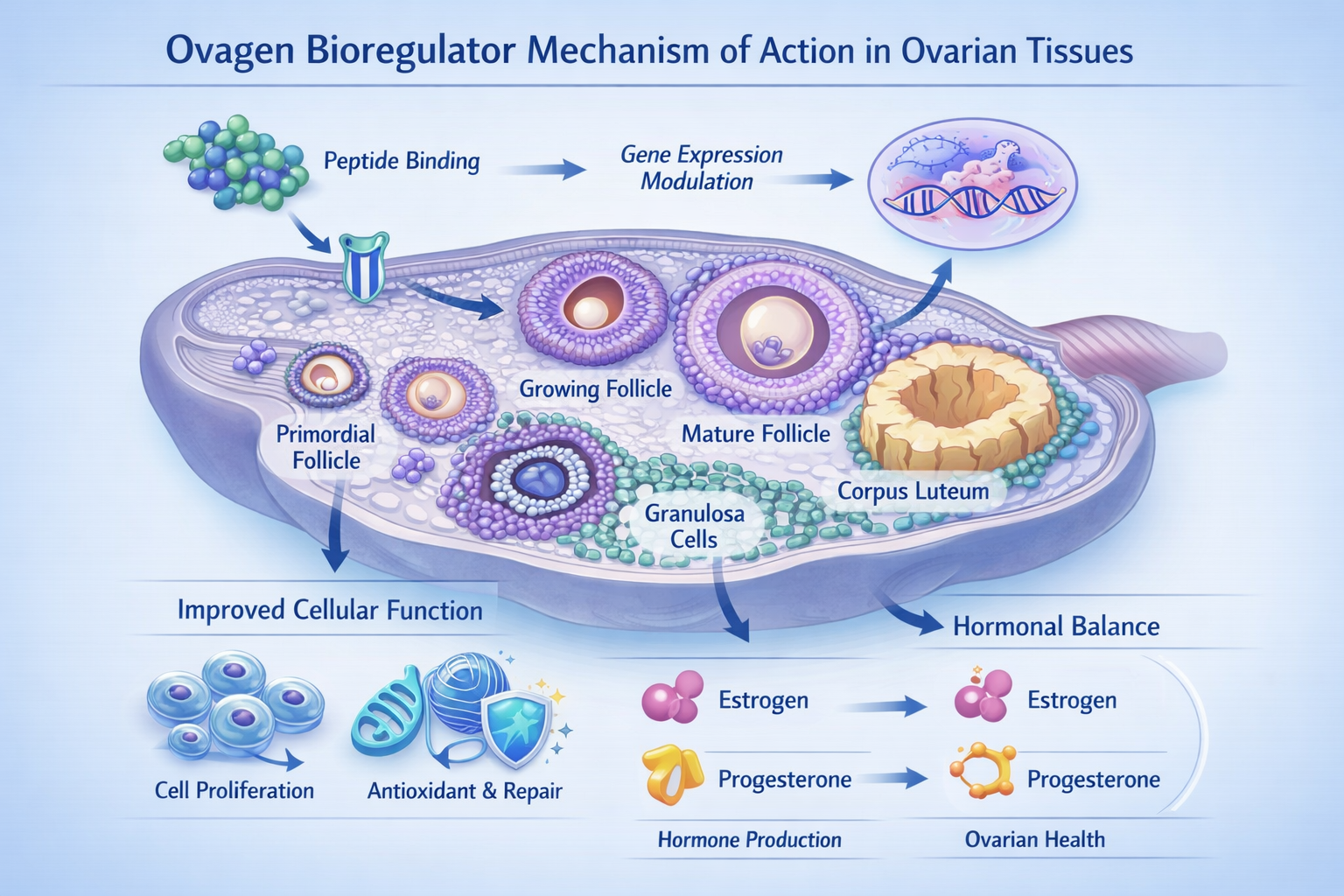
The concept of peptide bioregulators stems from decades of research, primarily originating from the work of Russian scientists, notably Professor Vladimir Khavinson. His work illuminated how short-chain peptides can exert highly specific regulatory effects on cellular functions. Unlike larger protein hormones, these smaller peptides are thought to penetrate cell membranes more readily and interact directly with DNA in the cell nucleus, influencing gene transcription. The Ovagen bioregulator exemplifies this principle, specifically targeting ovarian cells.
Ovarian function is critical for female reproductive health, hormonal balance, and even overall well-being. The ovaries produce eggs (ova) and synthesize crucial hormones like estrogen and progesterone. Over time, or due to various stressors, ovarian function can decline, leading to imbalances. This is where the theoretical application of the Ovagen bioregulator comes into play. Researchers hypothesize that by providing targeted peptide signals, Ovagen could help maintain or restore the structural and functional integrity of ovarian tissues.
What Exactly is the Ovagen Bioregulator?
At its core, Ovagen is a short-chain peptide bioregulator. These peptides are made up of a few amino acids linked together. The specificity of a peptide bioregulator, such as Ovagen, is determined by its unique amino acid sequence, which allows it to bind to specific DNA sequences in target cells. This binding is believed to activate or suppress certain genes, ultimately leading to the normalization of protein synthesis and, consequently, cellular function. Think of it like a highly specialized key fitting into a very specific lock – the lock being a gene, and the key being the peptide.
In laboratory settings, research into Ovagen involves studying its effects on isolated ovarian cells or in animal models to understand how it influences markers of ovarian health. This could include examining hormone production, the vitality of ovarian follicles, or the overall cellular architecture. The aim is to observe if the peptide can help cells maintain their youthful function and resilience.
The Role of Peptides in Cellular Regulation
Peptides are fundamental to virtually all biological processes. They act as signaling molecules, enzymes, and structural components. The field of peptide research continues to expand, revealing new ways these small molecules can influence health. For instance, some peptides, like those found in the Klow and Glow blends, are explored for their potential to support skin health, while others, like BPC-157 and TB-500, are widely studied for tissue repair and recovery. You can learn more about how different peptides work by exploring resources such as applied wellness research with peptides.
The beauty of peptide bioregulators lies in their tissue specificity. Instead of a broad systemic effect, Ovagen is designed to interact primarily with ovarian cells. This targeted action is what makes such peptides particularly interesting for focused research applications. Researchers often look at how these peptides interact at a molecular level, observing changes in gene expression profiles and cellular metabolic activity.
Table 1: Key Characteristics of Ovagen Bioregulator
| Characteristic | Description |
|---|---|
| Type | Peptide Bioregulator (Cytomedin) |
| Origin | Synthetic peptide based on natural compounds derived from ovarian tissue. |
| Target Tissue | Ovaries |
| Primary Mechanism | Modulates gene expression and protein synthesis in ovarian cells. |
| Proposed Action | Aims to normalize and support the physiological functions of ovarian tissue, potentially impacting hormone production and cellular regeneration. |
| Research Application | Studied in laboratory settings to understand its effects on reproductive health markers, ovarian cell vitality, and hormonal balance. |
| Delivery Method | Typically administered orally or parenterally in research models. |
| Safety Profile | Generally considered to have a favorable safety profile in research due to its natural peptide structure; however, extensive human trials are needed to confirm. |
| Availability | Available for research purposes from specialized peptide suppliers. |
| Related Concepts | Tissue-specific peptides, geroprotectors, cellular regeneration, epigenetics. |
Ovagen Bioregulator and Ovarian Health Research
Research into the Ovagen bioregulator often focuses on its potential to address cellular aging and dysfunction within the ovaries. As individuals age, ovarian reserve naturally declines, and the quality of oocytes (egg cells) can diminish. These changes are associated with a decline in fertility and the onset of menopause. Investigating compounds like Ovagen allows researchers to explore potential interventions that could support ovarian longevity and function.
One area of particular interest is how Ovagen might influence the endocrine function of the ovaries. Maintaining proper levels of hormones like estrogen and progesterone is vital for numerous bodily functions beyond reproduction, including bone density, cardiovascular health, and cognitive function. Therefore, any compound that can help support the endocrine activity of the ovaries holds significant research value.
Researchers also study the effects of Ovagen bioregulator on cell turnover and repair mechanisms within ovarian tissues. The goal is to see if it can promote healthier cell cycles and reduce oxidative stress, both of which are common contributors to cellular aging and dysfunction. Understanding these intricate mechanisms is crucial for advancing our knowledge of reproductive biology.
For those interested in exploring various peptides for research, Pure Tested Peptides offers a wide array of options. For instance, if you're looking for ovagen peptide for sale, you can find it among their offerings, providing high-quality materials for your scientific investigations.
Mechanisms of Action: How Ovagen Bioregulator Potentially Works
The proposed mechanism of action for the Ovagen bioregulator is fascinating and lies at the intersection of molecular biology and targeted cellular regulation. As mentioned, the core idea revolves around its ability to interact with the genetic machinery of ovarian cells. Let's break down this complex process into more digestible parts.
Gene Expression Modulation
The most widely accepted theory behind peptide bioregulators, including Ovagen, is that they can directly influence gene expression. Within the nucleus of a cell, DNA contains all the instructions for building and operating that cell. Genes are specific segments of DNA that code for particular proteins. When a gene is "expressed," it means the instructions from that gene are being read and used to create a protein. These proteins then carry out various functions, from building cell structures to acting as enzymes or hormones.
The Ovagen bioregulator is hypothesized to enter ovarian cells and bind to specific regulatory regions of DNA. This binding event can either enhance or suppress the transcription of certain genes. For ovarian cells, this would theoretically mean modulating the production of proteins essential for:
- Follicular Development: Supporting the growth and maturation of ovarian follicles, which house developing eggs.
- Hormone Synthesis: Influencing the enzymes and pathways involved in producing estrogen, progesterone, and other vital ovarian hormones.
- Cellular Repair and Maintenance: Promoting genes associated with antioxidant defense, DNA repair, and overall cellular longevity.
- Apoptosis Regulation: Helping to ensure that damaged or abnormal cells undergo programmed cell death (apoptosis) while healthy cells thrive.
This targeted modulation is what distinguishes peptide bioregulators from more conventional treatments that might have broader, less specific effects. The precise sequence of amino acids in Ovagen allows it to act like a specific biological switch, turning certain genes on or off, or modulating their activity, to restore a more youthful and functional state to the ovarian tissue. Researchers are consistently working to map these intricate interactions, trying to determine the exact genes influenced by ovagen peptide.
Enhancing Cellular Communication and Metabolism
Beyond direct gene regulation, peptide bioregulators may also play a role in optimizing cellular communication and metabolic processes within the ovaries. Healthy ovarian function depends on a complex interplay of signals between different cell types within the ovary and with other endocrine organs.
- Intercellular Signaling: Ovagen might improve the signaling pathways between granulosa cells, theca cells, and oocytes, which are all crucial for follicular development and hormone production. Enhanced communication can lead to more synchronized and efficient ovarian activity.
- Mitochondrial Function: Mitochondria are the "powerhouses" of the cell, generating energy. As cells age, mitochondrial function can decline, impacting overall cell vitality. Research often explores whether peptides like Ovagen can support mitochondrial health and energy production within ovarian cells, contributing to their resilience.
- Antioxidant Defense: Oxidative stress is a major contributor to cellular damage and aging. Studies may investigate if Ovagen can upregulate the production of endogenous antioxidants, helping ovarian cells combat free radical damage and preserve their integrity.
These interconnected mechanisms suggest that the Ovagen bioregulator could offer comprehensive support to ovarian tissue at multiple biological levels. The focus in research is to provide empirical evidence for these hypothesized actions, using various molecular and cellular assays.
Comparative Perspective: Ovagen vs. Other Peptides
It's helpful to understand that while Ovagen is highly specific to ovarian tissue, other peptide bioregulators are designed for different organs. For instance, the vesilute peptide is another popular bioregulator studied for its potential effects on the urinary bladder. Similarly, the prostamax peptide is researched for its targeted support of prostate health. Each of these bioregulators has a unique amino acid sequence that directs it to its specific target tissue. You can find more details on these specialized compounds, including options to buy vesilute or buy prostamax peptide, from reputable suppliers like Pure Tested Peptides.
The tissue specificity of these peptides is a cornerstone of bioregulatory theory. It suggests that by providing the correct peptide signal, one can help guide the body's natural regenerative and regulatory processes in a highly localized manner. This contrasts with systemic therapies that might affect multiple organs or systems simultaneously.
Pull Quote: "The targeted action of the Ovagen bioregulator highlights the precision medicine potential of peptide science, aiming to restore harmony at the cellular level within specific tissues."
When considering any peptide for research, it's vital to ensure its purity and quality. Researchers often consult with suppliers about their testing protocols to ensure they are acquiring pure and unadulterated peptides. For those delving into peptide research, resources like best practices for storing research peptides can be incredibly useful.
Research Applications and Potential Benefits
The primary interest in the Ovagen bioregulator stems from its potential applications in various research fields related to female reproductive health and anti-aging. While it is crucial to emphasize that these are areas of scientific investigation and not medical claims, the theoretical benefits offer exciting avenues for future understanding.
Supporting Ovarian Function in Research Models
A significant portion of the research on Ovagen explores its ability to support and potentially normalize ovarian function in various experimental models. This includes studies aimed at understanding:
- Age-Related Decline: Investigating whether Ovagen can mitigate some aspects of age-related ovarian decline, such as decreasing oxidative stress or improving follicular health in older animal models. This research aims to understand the mechanisms behind reproductive longevity.
- Hormonal Balance: Exploring if the Ovagen peptide bioregulator can help maintain or restore a healthy balance of ovarian hormones (e.g., estrogen, progesterone) in models experiencing hormonal fluctuations or imbalances. This could have implications for understanding conditions related to reproductive endocrinology.
- Cellular Regeneration and Repair: Studying the impact of Ovagen on the regenerative capacity of ovarian tissues, looking for signs of improved cell turnover, repair of damaged cells, and maintenance of tissue integrity.
These research endeavors contribute to a deeper understanding of ovarian physiology and the potential for targeted peptide interventions. The goal is to identify specific biomarkers and molecular pathways influenced by Ovagen.
Broader Implications for Female Health Research
Beyond direct ovarian function, the implications of healthy ovarian activity extend to numerous aspects of female well-being. Therefore, research into the Ovagen bioregulator also touches upon broader areas such as:
- Bone Health: Estrogen plays a crucial role in maintaining bone density. If Ovagen can support healthy estrogen production, research might explore its indirect effects on bone metabolism in relevant models.
- Cardiovascular Health: Hormonal balance, particularly estrogen, is linked to cardiovascular health. Studies could investigate whether supporting ovarian function with Ovagen has downstream effects on cardiovascular markers.
- Cognitive Function: There's a known connection between hormones and cognitive health. Researchers might explore if optimizing ovarian function with the ovagen peptide has any observable impact on cognitive parameters in research subjects.
It's important to reiterate that these are research hypotheses and require extensive, rigorous scientific investigation. The focus is on understanding the fundamental biological processes and how peptides like Ovagen might influence them at a foundational level.
The Importance of Purity and Quality in Research Peptides
When conducting any research involving peptides, the purity and quality of the compounds are paramount. Contaminated or impure peptides can lead to unreliable results, confounding data and wasting valuable research time and resources. This is why sourcing peptides from reputable suppliers is crucial for any serious scientific inquiry.
- Third-Party Testing: High-quality suppliers often provide third-party lab testing results (e.g., HPLC, Mass Spec) for their peptides, confirming purity and identity. This transparency is vital for researchers.
- Proper Storage and Handling: Peptides are sensitive molecules and require specific storage conditions (e.g., refrigeration, lyophilized form) to maintain their stability and efficacy. Suppliers should offer guidance on proper handling.
- Clear Labeling: Products should be clearly labeled with chemical names, concentrations, and batch numbers.
For those engaging in peptide research, always prioritize suppliers who uphold stringent quality control standards. Sites like Pure Tested Peptides are committed to providing high-quality research peptides, ensuring that scientists have reliable materials for their studies. This commitment to quality is crucial whether you are researching specific bioregulators like Ovagen, or broader blends like the Klow Blend (BPC-157, TB-500, KPV, GHK-Cu Blend 70mg/10mg/10mg/10mg/50mg).
Ovagen Bioregulator in the Context of Adaptive Capacity
The concept of "adaptive capacity" refers to an organism's ability to respond to and recover from stress. In the context of aging and disease, maintaining high adaptive capacity is key to resilience. Peptide bioregulators, including the Ovagen bioregulator, are often studied for their potential to enhance cellular adaptive capacity within their target tissues.
By modulating gene expression and improving cellular function, Ovagen could theoretically help ovarian cells better adapt to physiological stressors, such as oxidative damage, inflammation, or hormonal fluctuations. This enhancement of adaptive capacity is a cornerstone of geroprotective research and understanding how cells can maintain function under adverse conditions. You can delve deeper into this concept by exploring resources on adaptive capacity and peptide mapping.
Researchers aim to measure this adaptive capacity by subjecting ovarian cells or animal models to various stressors and observing if Ovagen-treated groups show improved resilience, faster recovery, or better preservation of function compared to control groups. These studies are fundamental to understanding the broader anti-aging and regenerative potential of such peptides.
Safety and Research Considerations for Ovagen Bioregulator
While peptide bioregulators like Ovagen are derived from natural sources and are generally considered to have a favorable safety profile in preclinical research, it's paramount to approach their study with scientific rigor and adhere to strict ethical guidelines. This section will discuss important considerations for researchers.
Preclinical Research and Animal Models
Most of the foundational research on the Ovagen bioregulator has been conducted in preclinical settings, primarily using cell cultures and animal models. These studies are essential for:
- Establishing Efficacy: Demonstrating whether the peptide has the desired biological effects on ovarian tissue.
- Determining Dosage Parameters: Identifying optimal dosage ranges for observing effects, usually expressed as ovagen peptide dosage.
- Assessing Safety: Evaluating any potential adverse effects or toxicity at various doses.
In animal models, researchers closely monitor various physiological parameters, including hormone levels, reproductive cycles, and the histological (microscopic) appearance of ovarian tissue, to assess the impact of Ovagen administration. These studies are critical for building a comprehensive understanding before any potential future human applications are considered.
Regulatory Status and Research-Grade Peptides
It is crucial to understand that peptides like Ovagen bioregulator are typically sold as "research chemicals" or "for laboratory research use only." This designation means they are not approved for human consumption or therapeutic use by regulatory bodies like the FDA in the United States or equivalent agencies elsewhere.
The legal and ethical framework for research chemicals requires that they are:
- Not marketed for human use: They should not be advertised or sold with claims of treating, curing, or preventing any disease in humans.
- Used strictly in laboratory settings: Researchers must adhere to established protocols and safety measures.
- Handled by qualified professionals: Individuals using these substances should have the necessary training and facilities.
Reputable suppliers, such as Pure Tested Peptides, clearly state the research-grade nature of their products. This distinction is vital for researchers and peptide shoppers alike to understand the intended use and regulatory status of these compounds. Always ensure you understand the legal implications of purchasing and using research peptides in your specific location.
Long-Term Effects and Potential Side Effects
While preclinical studies have not reported significant acute toxicity for Ovagen, long-term effects and potential side effects in humans are largely unknown due to the lack of extensive human clinical trials. Any compound that modulates gene expression, even in a targeted way, could potentially have unintended consequences over prolonged periods.
Researchers in preclinical studies look for:
- Changes in other organ systems: To ensure the peptide's specificity and avoid off-target effects.
- Immunological reactions: To identify any potential immune responses to the peptide.
- Changes in cell proliferation rates: To rule out any uncontrolled cell growth.
The goal is to gather as much data as possible to characterize the full biological profile of the Ovagen bioregulator. This rigorous approach is essential for responsible scientific exploration.
Ethical Considerations in Peptide Research
Ethical considerations are paramount in all scientific research, especially when dealing with compounds that could eventually have implications for human health. For peptide bioregulators, this includes:
- Transparency: Clearly communicating the research-only status of compounds like Ovagen.
- Informed Consent: If moving to any form of human study (which is currently not the case for Ovagen beyond basic scientific understanding), ensuring participants are fully informed of risks and benefits.
- Animal Welfare: Adhering to strict guidelines for animal care and use in preclinical studies.
As researchers continue to explore the intricate world of peptides, maintaining high ethical standards ensures that discoveries are made responsibly and for the greater good of scientific knowledge. For a broader overview of available compounds, exploring all peptides for sale can provide context regarding the diversity of research opportunities.
The Future of Ovagen Bioregulator Research in 2026 and Beyond
As we move through 2026, the field of peptide research continues its rapid expansion, fueled by advancements in molecular biology, bioinformatics, and analytical chemistry. The Ovagen bioregulator, alongside other tissue-specific peptides, remains a subject of ongoing scientific curiosity, particularly within the realms of regenerative medicine and anti-aging research.
Advancements in Peptide Synthesis and Delivery
The future of Ovagen research will likely benefit from innovations in peptide synthesis, allowing for more efficient, cost-effective, and high-purity production. Furthermore, novel delivery systems are being explored to enhance the bioavailability and targeted delivery of peptides to specific tissues. This could include advanced encapsulation techniques or even specific nanocarriers designed to selectively transport the ovagen peptide to ovarian cells, maximizing its potential effects while minimizing systemic exposure.
Integration with Personalized Medicine Approaches
The ultimate vision for many peptide researchers is to integrate these compounds into personalized medicine strategies. This would involve identifying individuals who could theoretically benefit most from a specific bioregulator based on their unique genetic profile, health status, and specific tissue needs. For the Ovagen bioregulator, this might involve genetic screening to identify predispositions to ovarian dysfunction or monitoring specific biomarkers to gauge the peptide's effectiveness. Such an approach would move beyond a "one-size-fits-all" model, tailoring interventions to individual biological requirements.
Expanding Preclinical Models
Future research will likely utilize more sophisticated preclinical models, including advanced 3D cell culture systems (organoids) and genetically engineered animal models, to more accurately mimic human ovarian physiology and pathology. These models could provide deeper insights into the precise molecular pathways influenced by the Ovagen bioregulator and help identify potential drug targets or synergistic compounds. The detailed understanding of baseline trends and data quality is critical for advancing these complex studies.
Collaboration and Data Sharing
The global scientific community thrives on collaboration and data sharing. As more researchers investigate peptides like Ovagen, the pooling of data and shared insights will accelerate discoveries. This includes publishing findings in peer-reviewed journals, participating in scientific conferences, and contributing to open-access databases. Such efforts ensure transparency, reproducibility, and the rapid dissemination of new knowledge, which is especially important for understanding the full spectrum of ovagen peptide benefits.
Addressing Current Gaps in Knowledge
Despite the promising preliminary research, several gaps in our knowledge remain regarding the Ovagen bioregulator. Future studies will need to rigorously address questions such as:
- The precise, atomistic binding mechanisms of Ovagen to DNA or other cellular targets.
- The full cascade of downstream effects on gene expression and protein synthesis in various ovarian cell types.
- The dose-response relationships across a wider range of physiological conditions.
- Potential interactions with other biological pathways or pharmaceutical compounds.
These critical questions underscore the need for continued, meticulous scientific investigation into the Ovagen bioregulator to fully characterize its potential and limitations.
Conclusion
The Ovagen bioregulator represents an exciting area in the expansive field of peptide science. As a targeted peptide designed to interact specifically with ovarian tissues, it offers researchers a unique tool to explore fundamental questions about reproductive health, hormonal balance, and cellular longevity. Its proposed mechanism of modulating gene expression and influencing cellular processes positions it as a subject of significant interest for understanding how to support and potentially normalize the intricate functions of the ovaries.
Throughout this comprehensive exploration, we’ve emphasized the research-grade nature of Ovagen and the crucial importance of rigorous scientific inquiry. While preliminary findings are promising, it is vital to remember that the Ovagen bioregulator is currently intended strictly for laboratory research and is not approved for human therapeutic use in 2026. The journey from initial discovery to potential clinical application is long and requires extensive preclinical and human clinical trials to establish safety, efficacy, and appropriate dosage.
As we look to the future, continued advancements in peptide synthesis, delivery systems, and research methodologies promise to deepen our understanding of Ovagen and other tissue-specific bioregulators. For peptide shoppers and health fitness enthusiasts interested in the cutting edge of scientific discovery, staying informed about the ongoing research into compounds like Ovagen is a fascinating pursuit.
Actionable Next Steps
- Educate Yourself Further: Continue to explore reputable scientific sources and peer-reviewed journals for the latest research on peptide bioregulators and Ovagen.
- Source Responsibly for Research: If you are a researcher, always acquire your peptides, including the Ovagen bioregulator, from trusted suppliers who provide third-party purity testing and adhere to strict quality control standards.
- Understand Regulatory Status: Be fully aware that compounds like Ovagen are for research purposes only and not for human consumption. Respect the legal and ethical guidelines surrounding research chemicals.
- Support Scientific Research: Encourage and follow responsible scientific inquiry that contributes to our understanding of complex biological systems and the potential role of peptides.
- Prioritize Quality: When considering any research peptide, whether it's ovagen peptide or a versatile blend like the Klow Blend (BPC-157, TB-500, KPV, GHK-Cu Blend 70mg/10mg/10mg/10mg/50mg), always ensure you are purchasing from a reputable vendor.
By approaching the study of the Ovagen bioregulator with scientific curiosity and ethical diligence, we can collectively contribute to a greater understanding of its potential to unlock new frontiers in female reproductive health research.
Meta Title: Ovagen Bioregulator: Science, Research & Benefits | 2026 Insights
Meta Description: Explore the Ovagen bioregulator, a targeted peptide supporting ovarian health research. Uncover its scientific mechanisms, benefits, and research applications in 2026.