Understanding Peptides: Your Complete Guide to These Powerful Biological Molecules

Imagine tiny molecular messengers working tirelessly throughout your body, orchestrating everything from muscle repair to hormone regulation. These remarkable compounds, known as peptides, are revolutionizing our understanding of human biology and wellness. In 2025, peptide research has reached unprecedented heights, offering new insights into how these building blocks of life can support various biological processes.
Key Takeaways
• Peptides are short chains of amino acids that serve as crucial signaling molecules in the body, influencing everything from metabolism to cellular repair
• Different types of peptides target specific biological functions, including growth hormone regulation, tissue healing, and metabolic optimization
• Quality and purity matter significantly when considering peptide products, making research-grade sources essential for reliable results
• Proper storage and handling are critical for maintaining peptide stability and effectiveness
• Scientific research continues to expand our understanding of peptide applications in wellness and therapeutic contexts
What Are Peptides? 🧬
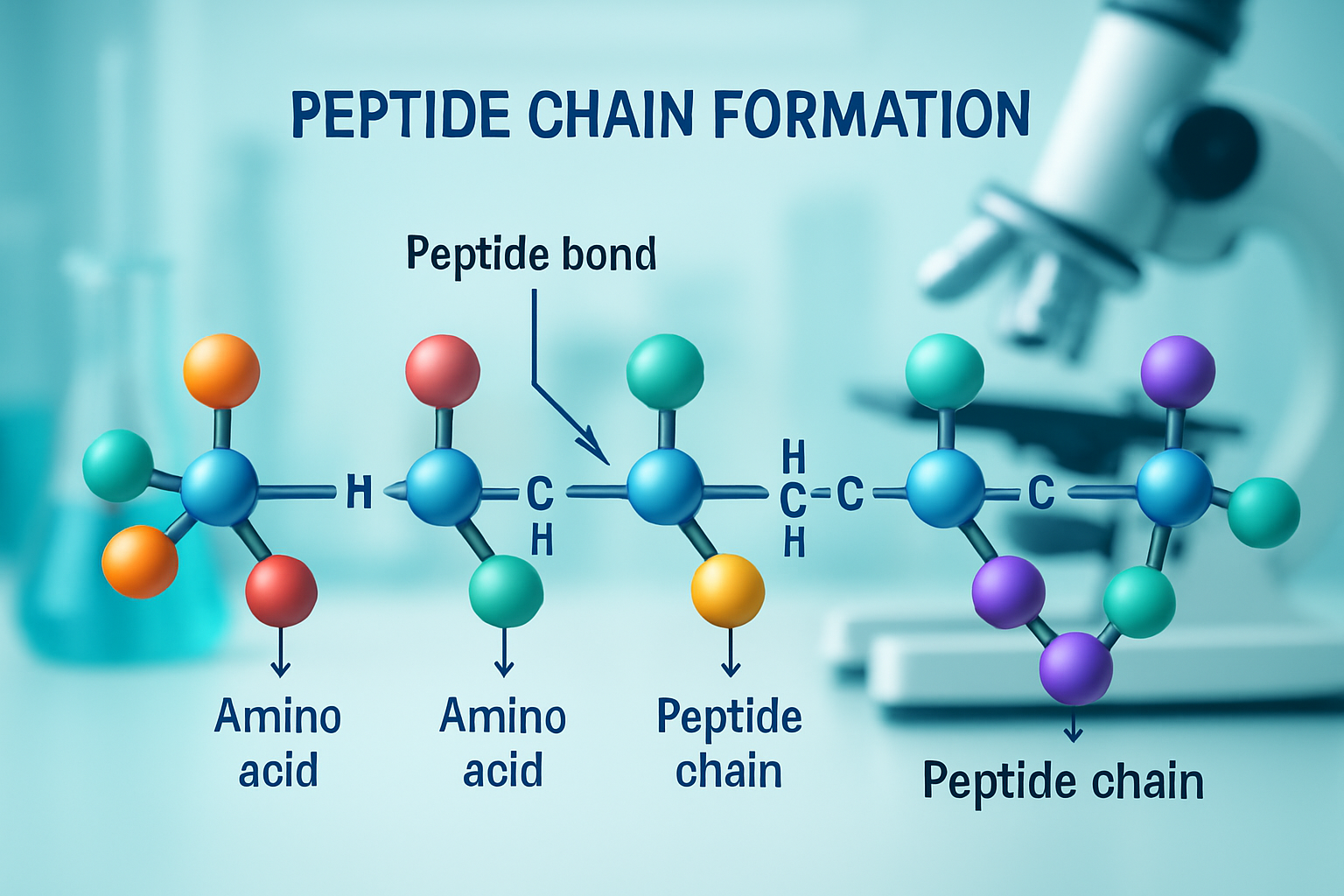
A peptide is a short chain of amino acids linked together by chemical bonds called peptide bonds. Think of them as smaller versions of proteins – while proteins can contain hundreds or thousands of amino acids, peptides typically contain between 2 and 50 amino acids. This smaller size allows peptides to be more easily absorbed and utilized by the body.
These molecular structures play essential roles in virtually every biological process. They act as:
- Hormones (like insulin and growth hormone)
- Neurotransmitters (chemical messengers in the brain)
- Enzymes (catalysts for biochemical reactions)
- Structural components (building blocks for tissues)
The human body naturally produces thousands of different peptides, each with specific functions. However, as we age or face various health challenges, our natural peptide production may decline, leading researchers to explore how supplemental peptides might support optimal biological function.
For those interested in exploring high-quality research peptides, Pure Tested Peptides offers a comprehensive selection of laboratory-grade compounds for scientific investigation.
How Peptides Work in the Body
Peptides function as sophisticated communication systems within your body. When a peptide encounters its target cell, it binds to specific receptors on the cell surface, much like a key fitting into a lock. This binding triggers a cascade of cellular responses that can influence:
Cellular Communication 📡
- Signal transmission between cells
- Coordination of biological processes
- Regulation of gene expression
Metabolic Processes ⚡
- Energy production and utilization
- Fat metabolism and storage
- Blood sugar regulation
Tissue Repair and Growth 🔧
- Wound healing acceleration
- Muscle tissue development
- Bone density maintenance
The beauty of peptide signaling lies in its specificity. Each peptide has a unique structure that determines which receptors it can activate, allowing for precise targeting of biological pathways without widespread systemic effects.
Types of Peptides and Their Functions
Growth Hormone Peptides
Growth hormone-related peptides represent one of the most extensively studied categories in peptide research. These compounds work by stimulating the body's natural production of growth hormone, which plays crucial roles in:
- Muscle development and maintenance
- Fat metabolism optimization
- Sleep quality improvement
- Recovery enhancement
Popular research peptides in this category include compounds that target growth hormone-releasing hormone (GHRH) receptors. For researchers interested in exploring CJC-1295 and similar compounds, understanding the differences between various formulations is essential for proper study design.
Healing and Recovery Peptides
Another significant category focuses on tissue repair and recovery. These peptides have garnered attention for their potential to:
- Accelerate wound healing
- Reduce inflammation
- Support joint health
- Enhance muscle recovery
BPC-157 represents one of the most studied peptides in this category, with research examining its effects on various tissue types and healing processes.
Metabolic Peptides
Metabolic peptides target various aspects of energy production and utilization. These compounds may influence:
- Glucose metabolism and insulin sensitivity
- Lipid oxidation and fat burning
- Mitochondrial function and energy production
- Appetite regulation and satiety
Research into metabolic peptides has expanded significantly, with studies examining how these compounds might support healthy metabolic function. AOD-9604 exemplifies this category, with research focusing on its potential metabolic effects.
Peptide Quality and Purity Considerations
When evaluating peptide products for research purposes, quality and purity represent paramount concerns. High-quality peptides should meet several critical criteria:
Manufacturing Standards 🏭
Good Manufacturing Practices (GMP)
- Sterile production environments
- Quality control testing at multiple stages
- Batch-to-batch consistency verification
- Proper documentation and traceability
Analytical Testing
- High-Performance Liquid Chromatography (HPLC) analysis
- Mass spectrometry confirmation
- Purity verification (typically >98%)
- Endotoxin testing for safety
Storage and Stability
Proper storage significantly impacts peptide integrity and effectiveness. Key considerations include:
- Temperature control (typically refrigerated or frozen)
- Protection from light and oxidation
- Moisture prevention through appropriate packaging
- Reconstitution guidelines for lyophilized products
For comprehensive information about best practices for storing research peptides, researchers should follow established protocols to maintain compound stability.
Peptide Research Applications and Studies
Clinical Research Developments
The field of peptide research has experienced remarkable growth in recent years. Current studies examine various applications:
Regenerative Medicine 🔬
- Tissue engineering applications
- Wound healing acceleration
- Cartilage and bone repair
- Neural regeneration studies
Metabolic Research 📊
- Diabetes management strategies
- Obesity intervention studies
- Metabolic syndrome research
- Aging-related metabolic decline
Performance and Recovery 💪
- Athletic performance enhancement
- Exercise recovery optimization
- Muscle preservation studies
- Endurance and strength research
Emerging Research Areas
Scientists continue to explore novel applications for peptide compounds. Promising areas of investigation include:
- Cognitive function and neuroprotection
- Immune system modulation
- Cardiovascular health support
- Longevity and healthy aging
For researchers building comprehensive study protocols, understanding core peptides and their applications provides valuable foundational knowledge.
Choosing Quality Peptide Sources
Research-Grade Standards
When selecting peptides for research purposes, several factors distinguish high-quality sources:
Vendor Credentials ✅
- Established reputation in the research community
- Transparent manufacturing processes
- Comprehensive analytical documentation
- Responsive customer support
Product Documentation 📋
- Certificate of Analysis (COA) for each batch
- Detailed storage and handling instructions
- Reconstitution guidelines
- Stability data
Regulatory Compliance ⚖️
- Adherence to applicable regulations
- Proper labeling and disclaimers
- Research-only designation
- Age verification processes
For those seeking reliable sources, exploring the best places to buy peptides online can help identify reputable vendors with established track records.
Evaluating Product Options
The peptide market offers numerous options, making careful evaluation essential:
Individual Compounds vs. Blends
- Single peptides for targeted research
- Combination products for synergistic effects
- Custom formulations for specific studies
- Peptide blends for comprehensive research
Dosage Forms and Concentrations
- Lyophilized powders for stability
- Pre-mixed solutions for convenience
- Various concentration options
- Packaging sizes for different study scales
Safety and Considerations
Research Context
Peptides intended for research purposes require careful handling and proper laboratory protocols. Important considerations include:
Laboratory Safety 🥽
- Proper personal protective equipment
- Sterile handling techniques
- Appropriate disposal methods
- Emergency procedures
Study Design 📐
- Clear research objectives
- Appropriate control groups
- Proper dosing protocols
- Comprehensive documentation
Regulatory Awareness
Understanding the regulatory landscape helps ensure compliant research:
- Research-only designation for investigational compounds
- Institutional review requirements for human studies
- Animal welfare considerations for in vivo research
- International regulations for cross-border research
Future Directions in Peptide Research
Technological Advances
The peptide field continues to evolve with technological innovations:
Synthesis Improvements 🔬
- Enhanced purity and yield
- Reduced production costs
- Novel modification techniques
- Improved stability formulations
Delivery Systems 🎯
- Targeted delivery mechanisms
- Enhanced bioavailability
- Extended release formulations
- Non-invasive administration routes
Expanding Applications
Research continues to uncover new potential applications:
- Personalized medicine approaches
- Combination therapy strategies
- Preventive health applications
- Age-related condition management
The growing body of research on applied wellness research with peptides demonstrates the expanding scope of peptide applications in various health contexts.
Conclusion
Peptides represent a fascinating and rapidly evolving field of biological research with tremendous potential for advancing our understanding of human health and wellness. These remarkable molecular messengers offer precise, targeted approaches to influencing various biological processes, from metabolism and recovery to growth and repair.
As we move forward in 2025, the importance of quality, purity, and proper research protocols cannot be overstated. Whether you're a researcher exploring new therapeutic approaches or someone interested in understanding these powerful compounds, focusing on reputable sources and evidence-based information remains essential.
Next Steps for Interested Researchers:
- Educate yourself about specific peptides relevant to your research interests
- Connect with reputable suppliers who provide comprehensive documentation and support
- Develop proper protocols for handling, storage, and study design
- Stay current with emerging research and regulatory developments
- Consider starting with well-studied compounds before exploring novel peptides
The future of peptide research holds immense promise, and by maintaining high standards for quality and scientific rigor, researchers can continue to unlock the potential of these remarkable biological tools.
SEO Meta Information:
Meta Title: Complete Guide to Peptides: Types, Benefits & Research 2025
Meta Description: Discover everything about peptides – from basic science to research applications. Learn about types, quality factors, and latest developments in peptide research.