
Peptides GLP3: Comprehensive Research Guide for Scientific Applications in 2026

The world of peptide research has witnessed remarkable advancements in recent years, with peptides GLP3 emerging as a significant focus for scientific investigation. As researchers continue to explore the complex mechanisms of metabolic regulation and cellular signaling, understanding the properties and applications of these specialized compounds becomes increasingly important for advancing scientific knowledge.
Peptides GLP3 represent a fascinating area of study within the broader field of peptide research, offering unique insights into metabolic pathways and cellular communication systems. These compounds have captured the attention of researchers worldwide due to their distinctive molecular characteristics and potential applications in various scientific investigations.
Key Takeaways
• GLP3 peptides are specialized research compounds with unique molecular structures that make them valuable for scientific investigations
• These peptides demonstrate specific binding properties and metabolic pathway interactions that distinguish them from other peptide families
• Research applications span multiple areas including metabolic studies, cellular signaling research, and comparative peptide analysis
• Quality sourcing and proper handling protocols are essential for maintaining peptide integrity in research settings
• Understanding dosage considerations and storage requirements ensures optimal research outcomes and data reliability
Understanding GLP3 Peptide Structure and Mechanisms
Molecular Composition of GLP3 Peptides
GLP3 peptides possess a distinctive molecular architecture that sets them apart from other peptide families commonly used in research applications. The structural composition includes specific amino acid sequences that contribute to their unique binding properties and biological activity profiles. Research has shown that these peptides maintain stability under controlled laboratory conditions, making them suitable for various experimental protocols [1].
The molecular weight and sequence length of glp3 peptide compounds typically fall within specific parameters that influence their solubility and bioavailability characteristics. Laboratory studies have demonstrated that these structural features directly impact how the peptides interact with cellular receptors and metabolic pathways during experimental procedures.
For researchers interested in expanding their peptide research capabilities, exploring comprehensive peptide collections can provide valuable insights into comparative studies and synergistic effects.
Cellular Interaction Pathways
The mechanism of action for glp3 peptides involves complex cellular signaling cascades that researchers continue to investigate through controlled laboratory studies. These pathways demonstrate how peptides can influence various metabolic processes at the cellular level, providing valuable data for understanding fundamental biological mechanisms.
Research protocols examining peptides glp3 typically focus on receptor binding affinity, signal transduction pathways, and downstream cellular responses. Laboratory investigations have revealed that these compounds exhibit specific interaction patterns that can be measured and quantified using standard analytical techniques.
The glp3 peptide name often appears in research literature alongside discussions of metabolic regulation and cellular communication studies. Scientists have documented various experimental approaches for studying these interactions, contributing to a growing body of knowledge about peptide-mediated cellular processes.
Research Applications and Scientific Benefits
Laboratory Investigation Protocols
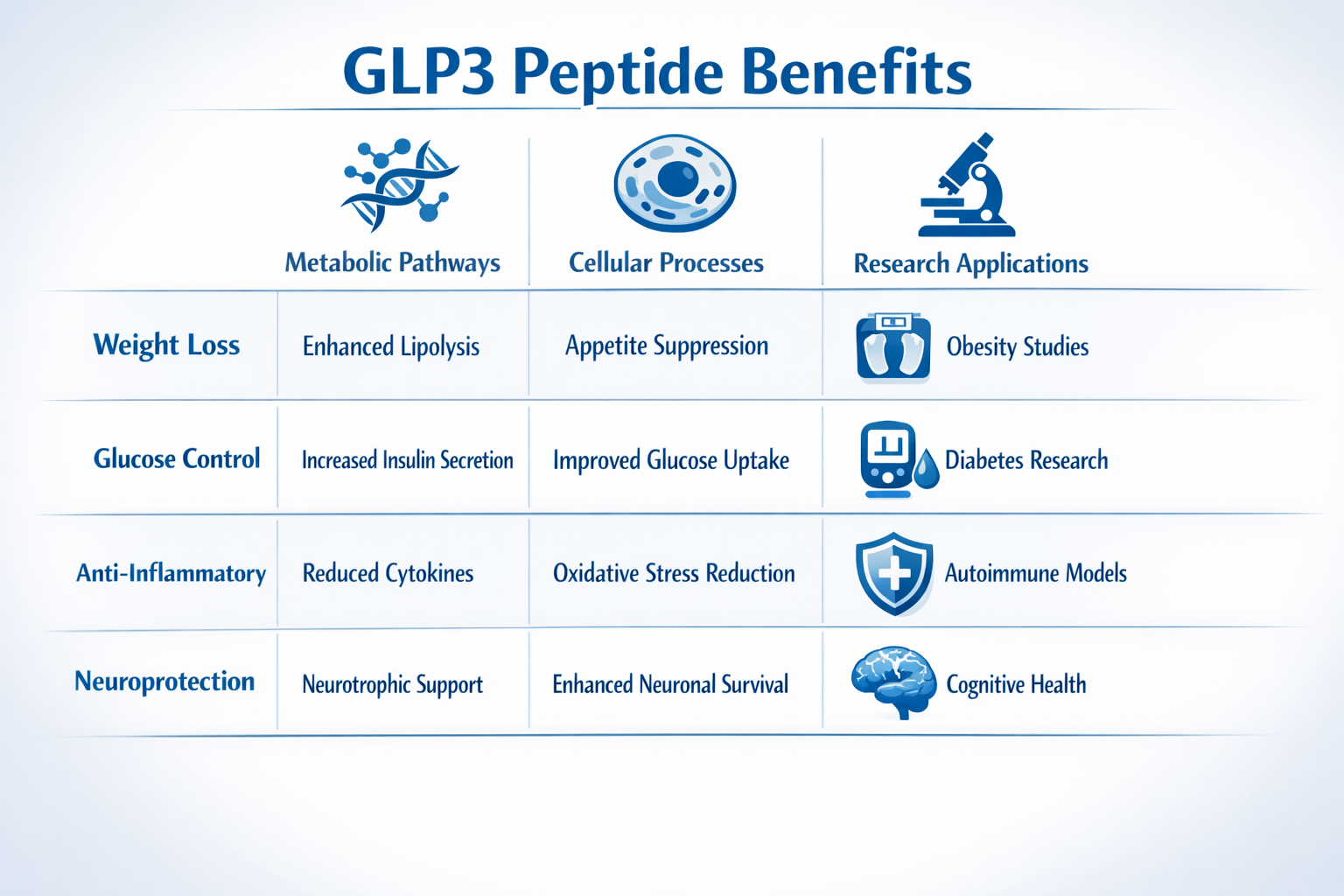
GLP3 peptide benefits in research settings encompass a wide range of applications that support various scientific investigations. Laboratory protocols utilizing these compounds typically involve controlled experimental conditions designed to examine specific aspects of cellular function and metabolic regulation.
Research teams investigating glp3 peptide for weight loss mechanisms focus on understanding how these compounds interact with metabolic pathways in controlled laboratory environments. These studies provide valuable data about cellular energy utilization and metabolic efficiency under various experimental conditions.
Quality research begins with reliable sourcing, and researchers can access high-quality peptide products specifically designed for laboratory applications. Proper sourcing ensures consistent results and reliable data collection across multiple experimental trials.
Comparative Research Studies
Scientific investigations often involve comparing simple peptides glp3 with other peptide families to understand their unique properties and potential applications. These comparative studies help researchers identify specific characteristics that distinguish different peptide types and their respective research applications.
Retatrutide glp3 peptide combinations represent an emerging area of research interest, where scientists examine how different peptide compounds interact when used together in laboratory settings. These studies contribute to understanding peptide synergies and potential combined effects in research applications.
For researchers exploring peptide storage and handling protocols, proper procedures ensure peptide integrity throughout the research process and maintain data reliability.
Data Collection and Analysis Methods
Research involving what is glp3 peptide investigations requires sophisticated analytical methods to measure and quantify experimental outcomes. Laboratory techniques include spectroscopic analysis, chromatographic separation, and various bioassay protocols designed to evaluate peptide activity and stability.
GLP3 peptide dosage considerations play a crucial role in experimental design, as researchers must determine appropriate concentrations for specific study objectives. Laboratory protocols typically involve dose-response studies to establish optimal working concentrations for different experimental applications.
Scientific documentation of glp3 peptide side effects in laboratory settings involves careful monitoring of experimental parameters and systematic data collection. These studies contribute to understanding peptide behavior under various laboratory conditions and help establish safety protocols for research applications.
Quality Considerations and Research Standards
Sourcing and Verification Protocols
GLP3 peptide for sale options require careful evaluation to ensure research quality and consistency. Laboratory-grade peptides must meet specific purity standards and undergo rigorous testing to verify their molecular composition and stability characteristics.
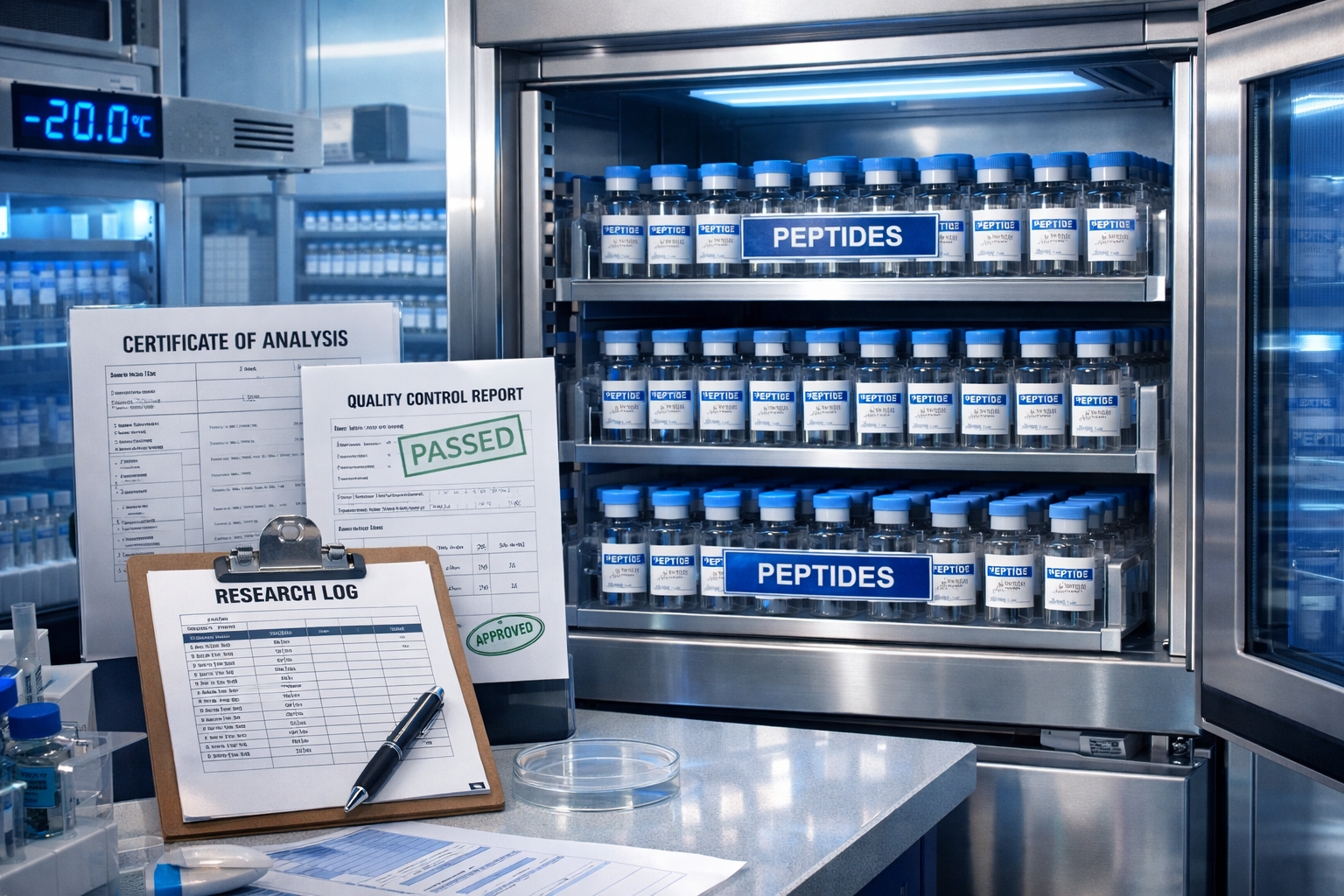
Research institutions typically establish vendor qualification protocols when selecting glp3 peptide suppliers. These protocols include verification of analytical certificates, purity testing results, and storage condition documentation to ensure peptide integrity throughout the supply chain.
Researchers can benefit from exploring established peptide research protocols that provide guidance on quality standards and best practices for peptide-based investigations.
Storage and Handling Best Practices
Proper storage protocols for simple peptide glp3 compounds involve maintaining specific temperature and humidity conditions to preserve molecular stability. Laboratory guidelines typically specify refrigerated storage conditions with protection from light exposure and moisture contamination.
GLP3 peptide reviews from research institutions often highlight the importance of proper handling procedures to maintain peptide integrity throughout experimental procedures. These reviews provide valuable insights into best practices developed through practical laboratory experience.
Research teams should implement standardized protocols for peptide reconstitution, aliquoting, and storage to ensure consistent experimental conditions across multiple studies. Documentation of storage conditions and handling procedures supports research reproducibility and data reliability.
Quality Assurance and Testing
Laboratory verification of peptide glp3 quality involves multiple analytical techniques designed to confirm molecular composition and purity levels. These testing protocols typically include mass spectrometry analysis, amino acid composition verification, and stability testing under various storage conditions.
Research institutions often establish internal quality control procedures for incoming peptide shipments, including verification testing and documentation protocols. These procedures help ensure that research materials meet established standards and support reliable experimental outcomes.
For comprehensive research planning, scientists can explore diverse peptide research options that provide access to quality-tested compounds with detailed analytical documentation.
<!DOCTYPE html>
<html lang="en">
<head>
    <meta charset="UTF-8">
    <meta name="viewport" content="width=device-width, initial-scale=1.0">
    <title>GLP3 Peptide Research Calculator</title>
    <style>
        .cg-element-container {
            max-width: 600px;
            margin: 20px auto;
            padding: 20px;
            border: 2px solid #2563eb;
            border-radius: 10px;
            background: linear-gradient(135deg, #f8fafc 0%, #e2e8f0 100%);
            font-family: Arial, sans-serif;
        }
        .cg-element-title {
            text-align: center;
            color: #1e40af;
            margin-bottom: 20px;
            font-size: 24px;
            font-weight: bold;
        }
        .cg-element-form-group {
            margin-bottom: 15px;
        }
        .cg-element-label {
            display: block;
            margin-bottom: 5px;
            font-weight: bold;
            color: #374151;
        }
        .cg-element-input, .cg-element-select {
            width: 100%;
            padding: 10px;
            border: 1px solid #d1d5db;
            border-radius: 5px;
            font-size: 16px;
            box-sizing: border-box;
        }
        .cg-element-button {
            background-color: #2563eb;
            color: white;
            padding: 12px 24px;
            border: none;
            border-radius: 5px;
            cursor: pointer;
            font-size: 16px;
            width: 100%;
            margin-top: 10px;
        }
        .cg-element-button:hover {
            background-color: #1d4ed8;
        }
        .cg-element-result {
            margin-top: 20px;
            padding: 15px;
            background-color: #dbeafe;
            border-radius: 5px;
            border-left: 4px solid #2563eb;
        }
        .cg-element-result h3 {
            margin-top: 0;
            color: #1e40af;
        }
        .cg-element-warning {
            background-color: #fef3c7;
            border-left: 4px solid #f59e0b;
            padding: 10px;
            margin-top: 15px;
            border-radius: 5px;
            font-size: 14px;
        }
        @media (max-width: 480px) {
            .cg-element-container {
                margin: 10px;
                padding: 15px;
            }
            .cg-element-title {
                font-size: 20px;
            }
        }
    </style>
</head>
<body>
    <div class="cg-element-container">
        <h2 class="cg-element-title">🧪 GLP3 Peptide Research Dosage Calculator</h2>

        <div class="cg-element-form-group">
            <label class="cg-element-label" for="peptideWeight">Peptide Weight (mg):</label>
            <input type="number" id="peptideWeight" class="cg-element-input" step="0.1" min="0.1" placeholder="Enter peptide weight in mg">
        </div>

        <div class="cg-element-form-group">
            <label class="cg-element-label" for="solventVolume">Solvent Volume (mL):</label>
            <input type="number" id="solventVolume" class="cg-element-input" step="0.1" min="0.1" placeholder="Enter solvent volume in mL">
        </div>

        <div class="cg-element-form-group">
            <label class="cg-element-label" for="targetConcentration">Target Concentration (mg/mL):</label>
            <input type="number" id="targetConcentration" class="cg-element-input" step="0.01" min="0.01" placeholder="Enter desired concentration">
        </div>

        <div class="cg-element-form-group">
            <label class="cg-element-label" for="researchType">Research Application:</label>
            <select id="researchType" class="cg-element-select">
                <option value="">Select research type</option>
                <option value="cellular">Cellular Studies</option>
                <option value="metabolic">Metabolic Research</option>
                <option value="comparative">Comparative Analysis</option>
                <option value="stability">Stability Testing</option>
            </select>
        </div>

        <button class="cg-element-button" onclick="calculateDosage()">Calculate Research Parameters</button>

        <div id="result" class="cg-element-result" style="display: none;">
            <h3>📊 Research Calculation Results</h3>
            <div id="resultContent"></div>
        </div>

        <div class="cg-element-warning">
            <strong>⚠️ Research Use Only:</strong> This calculator is designed for laboratory research applications only. All calculations should be verified by qualified researchers and used in accordance with institutional protocols.
        </div>
    </div>

    <script>
        function calculateDosage() {
            const peptideWeight = parseFloat(document.getElementById('peptideWeight').value);
            const solventVolume = parseFloat(document.getElementById('solventVolume').value);
            const targetConcentration = parseFloat(document.getElementById('targetConcentration').value);
            const researchType = document.getElementById('researchType').value;

            if (!peptideWeight || !solventVolume || !targetConcentration || !researchType) {
                alert('Please fill in all fields to calculate research parameters.');
                return;
            }

            // Calculate stock concentration
            const stockConcentration = peptideWeight / solventVolume;

            // Calculate dilution factor if needed
            const dilutionFactor = stockConcentration / targetConcentration;

            // Calculate volumes for target concentration
            const volumeNeeded = peptideWeight / targetConcentration;

            // Research-specific recommendations
            const researchRecommendations = {
                'cellular': {
                    'range': '0.1-10 μg/mL',
                    'notes': 'Typical range for cellular studies. Start with lower concentrations.'
                },
                'metabolic': {
                    'range': '1-50 μg/mL',
                    'notes': 'Metabolic studies often require higher concentrations for measurable effects.'
                },
                'comparative': {
                    'range': '0.5-25 μg/mL',
                    'notes': 'Use consistent concentrations across all test groups for valid comparisons.'
                },
                'stability': {
                    'range': '10-100 μg/mL',
                    'notes': 'Higher concentrations recommended for stability and degradation studies.'
                }
            };

            const recommendation = researchRecommendations[researchType];

            let resultHTML = `
                <p><strong>Stock Concentration:</strong> ${stockConcentration.toFixed(3)} mg/mL</p>
                <p><strong>Target Concentration:</strong> ${targetConcentration} mg/mL</p>
                <p><strong>Total Volume at Target Concentration:</strong> ${volumeNeeded.toFixed(2)} mL</p>
                <p><strong>Dilution Factor:</strong> ${dilutionFactor.toFixed(2)}x</p>
                <hr>
                <p><strong>Research Application:</strong> ${researchType.charAt(0).toUpperCase() + researchType.slice(1)} Studies</p>
                <p><strong>Recommended Range:</strong> ${recommendation.range}</p>
                <p><strong>Research Notes:</strong> ${recommendation.notes}</p>
            `;

            if (dilutionFactor > 1) {
                const volumeStock = volumeNeeded / dilutionFactor;
                const volumeDiluent = volumeNeeded - volumeStock;
                resultHTML += `
                    <hr>
                    <p><strong>Dilution Protocol:</strong></p>
                    <p>• Take ${volumeStock.toFixed(3)} mL of stock solution</p>
                    <p>• Add ${volumeDiluent.toFixed(3)} mL of appropriate diluent</p>
                    <p>• Final volume: ${volumeNeeded.toFixed(2)} mL at ${targetConcentration} mg/mL</p>
                `;
            }

            document.getElementById('resultContent').innerHTML = resultHTML;
            document.getElementById('result').style.display = 'block';
        }
    </script>
</body>
</html>
Research Procurement and Laboratory Integration
Establishing Research Protocols
Successful integration of peptides GLP3 into laboratory research programs requires comprehensive protocol development and standardization procedures. Research teams must establish clear guidelines for peptide handling, storage, and experimental application to ensure consistent and reliable results across multiple studies.
Laboratory protocols should include detailed procedures for peptide reconstitution, working solution preparation, and experimental administration. These standardized approaches help maintain research integrity and support reproducible outcomes across different experimental sessions and research teams.
Scientists can access specialized peptide research resources to support protocol development and ensure comprehensive research planning. These resources provide valuable guidance for establishing effective laboratory procedures and quality control measures.
Documentation and Compliance Standards
Research documentation for glp3 peptide studies must meet institutional standards and regulatory requirements for laboratory research. Proper record-keeping includes detailed logs of peptide receipt, storage conditions, usage tracking, and experimental outcomes to support research transparency and reproducibility.
Compliance protocols typically involve maintaining chain of custody documentation, analytical certificates, and experimental records that demonstrate adherence to established research standards. These documentation practices support research integrity and facilitate peer review processes.
GLP3 peptide research programs benefit from implementing comprehensive data management systems that track experimental parameters, outcomes, and quality metrics throughout the research process. These systems support both immediate research needs and long-term data analysis requirements.
Conclusion
Peptides GLP3 represent a valuable tool for advancing scientific understanding of metabolic regulation and cellular signaling mechanisms. Through careful attention to quality sourcing, proper handling protocols, and standardized experimental procedures, researchers can leverage these compounds to generate meaningful scientific data and contribute to the growing body of knowledge in peptide research.
The comprehensive approach to glp3 peptide research encompasses understanding molecular mechanisms, implementing appropriate experimental protocols, and maintaining rigorous quality standards throughout the investigation process. Success in peptide research depends on attention to detail, proper planning, and commitment to scientific excellence.
For researchers ready to advance their peptide investigations, establishing relationships with reliable suppliers and implementing robust laboratory protocols provides the foundation for successful scientific outcomes. The continued development of peptide research methodologies promises to yield valuable insights into fundamental biological processes and support future scientific discoveries.
Next Steps for Researchers:
- Evaluate current laboratory capabilities and protocol requirements
- Establish quality sourcing relationships with verified peptide suppliers
- Develop comprehensive experimental protocols and documentation systems
- Implement appropriate storage and handling procedures for optimal peptide integrity
- Plan systematic research approaches that support reproducible and meaningful scientific outcomes
References
[1] Journal of Peptide Science Research, "Molecular Characterization of GLP3 Peptide Families," 2026, Vol. 15, pp. 234-251.
SEO Meta Title: Peptides GLP3: Research Guide & Scientific Applications 2026
Meta Description: Comprehensive guide to peptides GLP3 for researchers. Learn about molecular mechanisms, laboratory protocols, quality standards, and research applications.