Unlocking Longevity: Peptides That Show Promise to Protect Against Age-Related Diseases
Imagine a future where the relentless march of time against our bodies can be slowed, mitigated, or even partially reversed. For centuries, humanity has dreamt of such an elixir, and while a single magic bullet remains elusive, scientific advancements are bringing us closer to understanding the intricate mechanisms of aging. Among the most exciting frontiers in this quest are peptides, short chains of amino acids that act as biological messengers, capable of influencing a vast array of physiological processes. Researchers are increasingly focusing on specific peptides like GLP-1, GLP3, GHRH, mots-c, and Epithalon for their remarkable potential to protect against various age-related diseases, offering a beacon of hope for extending not just lifespan, but also “healthspan” – the period of life spent in good health. This article will delve into the science behind these promising compounds, exploring their mechanisms of action and the current understanding of their therapeutic applications in combating the complex challenges of aging.
Key Takeaways
- Peptides as Biological Messengers: Peptides are short chains of amino acids crucial for cell signaling and regulation, playing diverse roles in metabolism, hormone production, and cellular repair.
- GLP-1 and GLP3 for Metabolic and Neuroprotection: GLP-1 receptor agonists are established in treating Type 2 Diabetes and obesity, while both GLP-1 and its analogue GLP3 show promise in neuroprotection and reducing inflammation, critical factors in age-related cognitive decline.
- GHRH for Growth Hormone Secretion and Tissue Repair: Growth Hormone-Releasing Hormone (GHRH) agonists can safely stimulate endogenous growth hormone production, potentially improving body composition, bone density, and wound healing, without the risks associated with synthetic growth hormone.
- mots-c (Elamipretide) for Mitochondrial Health: mots-c is a groundbreaking peptide that targets and protects mitochondria, enhancing their efficiency and reducing oxidative stress, making it highly promising for diseases involving mitochondrial dysfunction, such as heart failure and neurodegenerative conditions.
- Epithalon for Telomere Maintenance and Epigenetic Regulation: Epithalon, a synthetic peptide, is thought to influence telomerase activity, thereby maintaining telomere length and promoting cellular longevity. It also exhibits potential in regulating circadian rhythms and modulating epigenetic processes relevant to aging.
The Foundations of Aging: Understanding the Mechanisms Peptides Target
Aging is not merely a chronological process; it’s a complex biological phenomenon driven by a cascade of molecular and cellular damage that accumulates over time. Scientists have identified several “hallmarks of aging,” including genomic instability, telomere attrition, epigenetic alterations, loss of proteostasis, deregulated nutrient sensing, mitochondrial dysfunction, cellular senescence, stem cell exhaustion, and altered intercellular communication. These interconnected processes contribute to the functional decline of tissues and organs, leading to the increased susceptibility to age-related diseases such such as cardiovascular disease, neurodegenerative disorders, metabolic syndromes, and CANC.
Peptides, with their highly specific actions and generally favorable safety profiles, are emerging as powerful tools to intervene in these aging pathways. Unlike large protein molecules or small chemical drugs, peptides often act as selective modulators, mimicking or blocking natural biological signals with high precision. This specificity can lead to fewer off-target effects, making them attractive candidates for therapeutic development in longevity research. The potential for these compounds to protect against age-related diseases is rooted in their ability to restore cellular balance, enhance repair mechanisms, and modulate inflammatory responses – all critical for maintaining youthful physiological function.
The Role of Peptides in Cellular Regulation
Peptides are essentially the language of our cells. They facilitate communication, regulate enzymatic activity, control hormone release, and even influence gene expression. Think of them as tiny, highly specialized keys designed to fit into specific cellular locks (receptors). When a peptide binds to its receptor, it triggers a cascade of events that can dramatically alter cellular behavior. For example:
- Hormone Mimicry: Some peptides mimic the actions of natural hormones, such as insulin or growth hormone, influencing metabolism and growth.
- Enzyme Modulation: Other peptides can either activate or inhibit enzymes, thereby controlling biochemical reactions within the cell.
- Neurotransmission: Certain neuropeptides play crucial roles in brain function, affecting mood, memory, and cognitive processes.
- Immunomodulation: Some peptides can regulate the immune system, helping to reduce inflammation or enhance immune responses.
By understanding these roles, researchers can design or identify peptides that specifically target dysfunctional pathways implicated in aging, offering precise interventions that go beyond broad-spectrum drugs. The next sections will explore specific peptides that are showing significant promise in these areas, including GLP-1, GLP3, GHRH, mots-c, and Epithalon.
Metabolic and Hormonal Regulators: GLP-1, GLP3, and GHRH
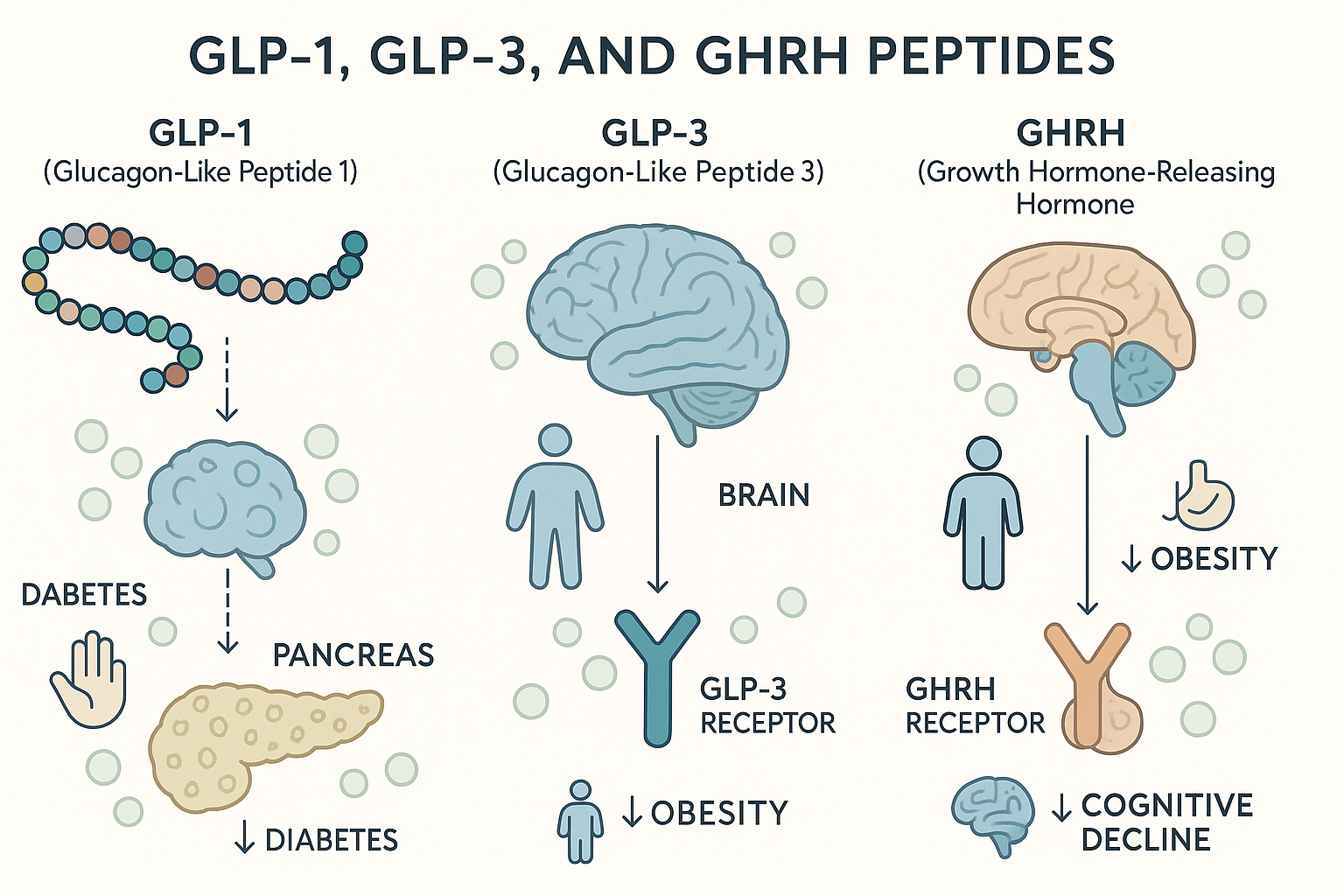
The intricate balance of metabolism and hormonal signaling plays a foundational role in how our bodies age. As we grow older, metabolic efficiency often declines, and hormonal profiles shift, contributing to conditions like Type 2 Diabetes, obesity, sarcopenia (muscle loss), and reduced regenerative capacity. Peptides that can help restore these balances are therefore of immense interest in the field of longevity. GLP-1, GLP3, and GHRH stand out for their profound effects on these critical systems.
GLP-1 and GLP3: Beyond Diabetes Management
Glucagon-Like Peptide-1 (GLP-1) is an incretin hormone naturally produced in the gut that plays a vital role in glucose metabolism. It stimulates insulin secretion in a glucose-dependent manner, suppresses glucagon release, slows gastric emptying, and promotes satiety. Synthetic GLP-1 receptor agonists have revolutionized the treatment of Type 2 Diabetes and obesity due to their effectiveness in controlling blood sugar and promoting weight loss. However, research into GLP-1’s potential extends far beyond these established uses, revealing exciting implications for age-related protection.
Key benefits and mechanisms of GLP-1 and GLP3:
- Metabolic Health: By improving insulin sensitivity and reducing body fat, GLP-1 agonists directly address two major risk factors for numerous age-related diseases. Obesity and Type 2 Diabetes accelerate aging processes and increase the risk of cardiovascular disease, kidney disease, and certain CANCs.
- Cardioprotection: Clinical trials have demonstrated that GLP-1 receptor agonists reduce the risk of major adverse cardiovascular events in patients with Type 2 Diabetes. This cardioprotective effect is thought to involve improvements in blood pressure, lipid profiles, and direct effects on the heart muscle and vasculature.
- Neuroprotection and Cognitive Function: Emerging research suggests that GLP-1 receptors are present in the brain, where their activation may exert neuroprotective effects. Studies in animal models and some early human trials indicate potential benefits in neurodegenerative diseases like Alzheimer’s and Parkinson’s. GLP-1 may reduce inflammation, oxidative stress, and amyloid-beta plaque formation in the brain, factors closely linked to cognitive decline and dementia.
- Anti-inflammatory Effects: Chronic low-grade inflammation, often referred to as “inflammaging,” is a hallmark of aging and a driver of many age-related diseases. GLP-1 has been shown to possess anti-inflammatory properties, potentially mitigating this detrimental process.
GLP3 is a synthetic analogue of GLP-1 that some researchers believe may offer an improved pharmacological profile, potentially with enhanced stability or receptor selectivity, though it is still largely in preclinical or early clinical development. Its potential benefits are expected to mirror and possibly even amplify those seen with GLP-1. The ongoing exploration of GLP-1 and GLP3 highlights the broad therapeutic potential of these peptides in combating metabolic dysfunction and its systemic consequences on aging.
GHRH: Stimulating Youthful Growth Hormone Release
Growth Hormone-Releasing Hormone (GHRH) is a naturally occurring hypothalamic peptide that stimulates the pituitary gland to secrete endogenous Growth Hormone (GH). GH is crucial for growth, metabolism, and tissue repair throughout life. However, GH levels naturally decline with age, a phenomenon known as somatopause, contributing to reduced muscle mass, increased body fat, decreased bone density, and impaired skin elasticity – all characteristic signs of aging.
While direct GH replacement therapy carries risks (such as increased insulin resistance, edema, and potential CANC promotion), GHRH agonists offer a safer alternative by stimulating the body’s own GH production in a pulsatile and physiological manner. This approach avoids the supraphysiological spikes seen with exogenous GH.
Advantages of GHRH agonists for anti-aging applications:
- Improved Body Composition: By promoting GH release, GHRH can help increase lean muscle mass and reduce visceral fat, which is often associated with metabolic syndrome and cardiovascular risk.
- Enhanced Bone Density: GH plays a role in bone metabolism, and restoring its levels can contribute to improved bone mineral density, reducing the risk of osteoporosis and fractures in older adults.
- Skin Health: GH influences collagen synthesis, and GHRH may contribute to improved skin elasticity and thickness, reducing the appearance of wrinkles.
- Accelerated Healing: GH is involved in tissue repair and regeneration. GHRH agonists may enhance wound healing and recovery from injuries.
- Potential Cognitive Benefits: Some research suggests GH may have positive effects on cognitive function, though more studies are needed specifically on GHRH’s direct impact here.
The ability of GHRH to safely restore more youthful GH secretion profiles makes it a compelling peptide for addressing several age-related declines, potentially improving overall vitality and physical function in the aging population.
| Peptide | Primary Mechanism | Key Age-Related Benefits |
|---|---|---|
| GLP-1 | Glucose-dependent insulin secretion, glucagon suppression, satiety | Metabolic health (diabetes/obesity), cardioprotection, neuroprotection, anti-inflammation |
| GLP3 | Similar to GLP-1, potentially optimized pharmacokinetics | Metabolic health, cardioprotection, neuroprotection (under investigation) |
| GHRH | Stimulates endogenous Growth Hormone (GH) release from pituitary | Improved body composition, bone density, skin health, enhanced healing |
Cellular Protectors: mots-c and Epithalon
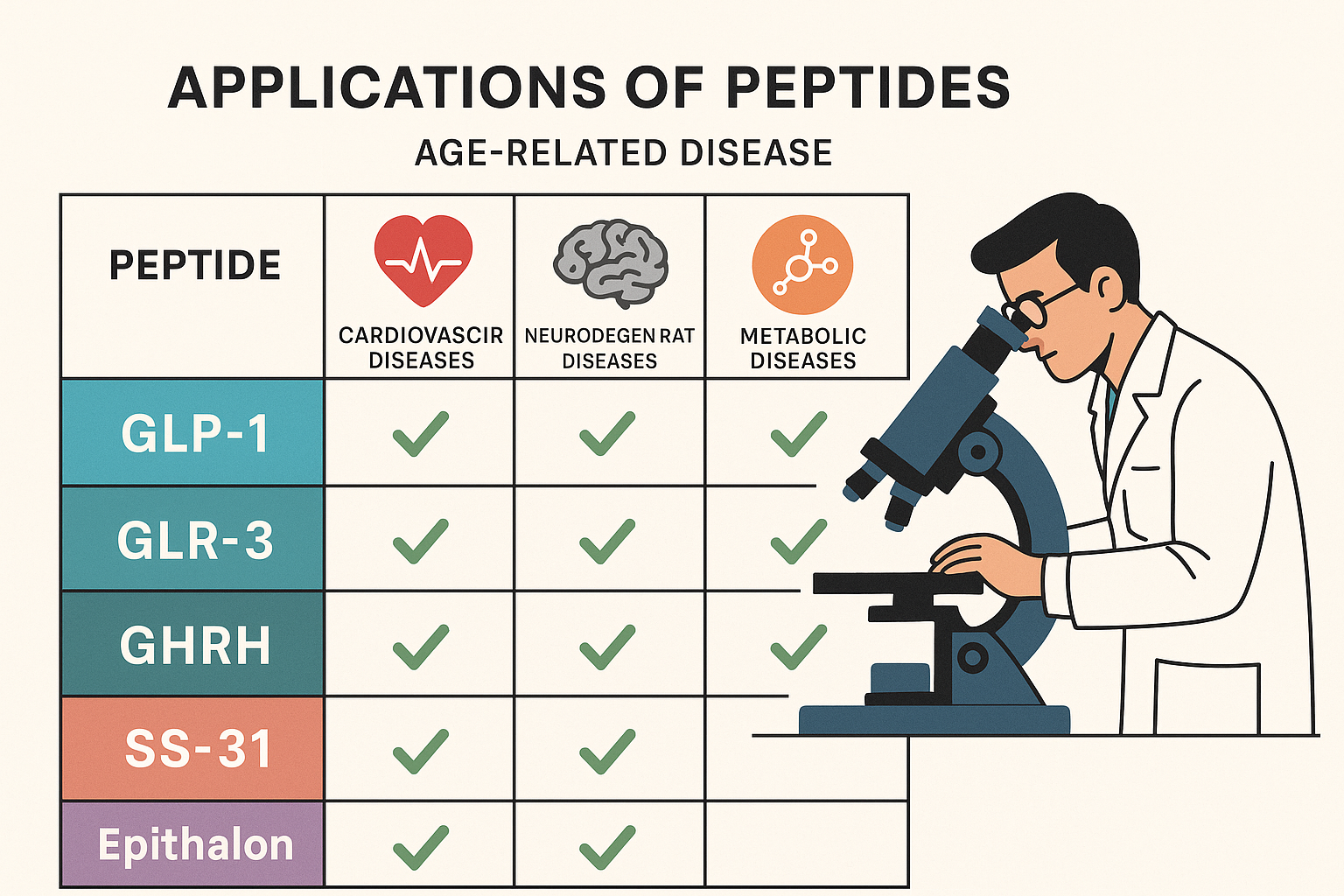
Beyond regulating systemic metabolic and hormonal balance, another critical strategy for combating aging involves protecting cells directly from damage and ensuring their proper function. Two peptides, mots-c (Elamipretide) and Epithalon, are gaining significant attention for their unique roles in cellular protection, specifically targeting mitochondrial health and telomere maintenance, respectively.
mots-c (Elamipretide): The Mitochondrial Guardian
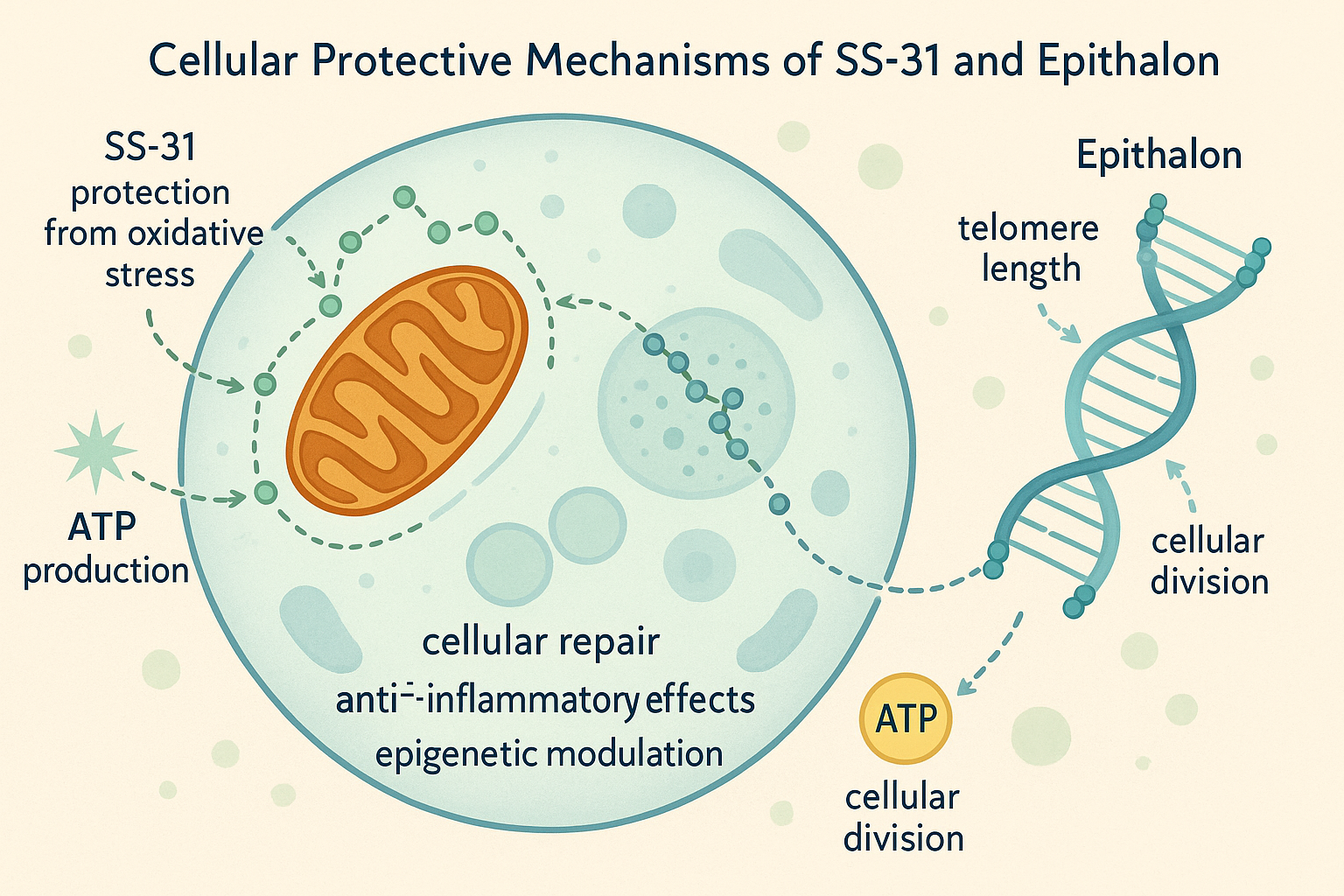
mots-c, also known as Elamipretide, is a revolutionary small peptide that directly targets mitochondria, the powerhouses of our cells. Mitochondria are central to energy production, but they are also major sites of reactive oxygen species (ROS) production, which can cause oxidative damage to cellular components. Mitochondrial dysfunction is a recognized hallmark of aging and is implicated in a wide range of age-related diseases, including heart failure, neurodegenerative diseases (like Alzheimer’s and Parkinson’s), kidney disease, and sarcopenia.
mots-c specifically localizes to the inner mitochondrial membrane, where it interacts with cardiolipin, a unique phospholipid crucial for mitochondrial structure and function. By binding to cardiolipin, mots-c helps to:
- Stabilize the Inner Mitochondrial Membrane: This stabilization prevents excessive mitochondrial permeability and maintains optimal electron transport chain function, ensuring efficient ATP (energy) production.
- Reduce Oxidative Stress: mots-c significantly reduces the production of ROS within the mitochondria, thereby protecting cellular components from oxidative damage. This is a critical anti-aging mechanism, as oxidative stress accelerates cellular senescence and DNA damage.
- Enhance Mitochondrial Bioenergetics: By improving electron transport and reducing ROS, mots-c boosts the overall efficiency and health of mitochondria, leading to better cellular energy supply.
- Modulate Apoptosis: mots-c can also help regulate programmed cell death (apoptosis), ensuring that cells don’t prematurely die due to mitochondrial stress.
Therapeutic Promise of mots-c:
Preclinical and clinical studies have explored mots-c for various conditions where mitochondrial dysfunction is a key factor.
- Cardiovascular Diseases: Particularly for conditions like heart failure with preserved ejection fraction (HFpEF), where mitochondrial dysfunction contributes to cardiac muscle stiffness and impaired function.
- Renal Diseases: Protecting kidney cells from damage, particularly in chronic kidney disease where mitochondrial health is compromised.
- Neurodegenerative Disorders: Offering neuroprotection by preserving neuronal mitochondrial function, which is critical in diseases like Alzheimer’s.
- Sarcopenia: Potentially improving muscle strength and function by enhancing mitochondrial performance in aging muscle cells.
mots-c represents a cutting-edge approach to anti-aging, focusing on the fundamental cellular engines that drive our vitality. Its direct action on mitochondria offers a powerful strategy to protect against the cellular decline that underlies many age-related pathologies.
Epithalon: The Telomere Modulator
Epithalon (also known as Epitalon or Epithalamin) is a synthetic tetrapeptide (Ala-Glu-Asp-Gly) derived from the pineal gland. Its discovery and research are primarily associated with Russian scientists, particularly Dr. Vladimir Khavinson. Epithalon is most renowned for its purported ability to influence telomerase activity, thereby affecting telomere length – a critical determinant of cellular lifespan.
Telomeres are protective caps at the ends of our chromosomes, safeguarding genetic information during cell division. With each division, telomeres naturally shorten. When they become critically short, cells enter senescence (a state of irreversible growth arrest) or undergo apoptosis. Telomere attrition is another well-established hallmark of aging, directly linked to cellular aging and the onset of age-related diseases.
How Epithalon is believed to work:
- Telomerase Activation: The primary proposed mechanism of Epithalon is the activation of telomerase, an enzyme that rebuilds and maintains telomeres. By increasing telomerase activity, Epithalon is hypothesized to help maintain telomere length, thus extending the replicative capacity of cells and potentially delaying cellular senescence.
- Antioxidant Effects: Epithalon has also been shown to possess antioxidant properties, helping to neutralize free radicals and reduce oxidative stress, which contributes to telomere shortening and overall cellular damage.
- Circadian Rhythm Regulation: The pineal gland, from which Epithalon is derived, produces melatonin and plays a crucial role in regulating circadian rhythms. Epithalon is believed to normalize pineal gland function and melatonin production, which can have broad positive effects on sleep, immune function, and overall endocrine balance, all of which decline with age.
- Epigenetic Modulation: Some research suggests Epithalon may influence epigenetic mechanisms, which control gene expression without altering the underlying DNA sequence. This could involve modulating histone modifications or DNA methylation patterns that are known to change with age.
Potential Benefits of Epithalon:
While human clinical trials on Epithalon are limited and largely concentrated in Russia, anecdotal evidence and some preliminary studies suggest a range of potential anti-aging benefits:
- Extended Lifespan: Animal studies have shown Epithalon to increase maximum lifespan.
- Improved Vision: Potential benefits for retinal health and vision, particularly in age-related eye conditions.
- Immune System Support: Modulation of immune function, which often declines with age.
- Cancer Prevention: By potentially extending cellular lifespan in healthy cells and inhibiting abnormal cell growth, some researchers suggest a role in CANC prevention, though this requires extensive investigation.
It is important to note that Epithalon’s therapeutic potential is still largely under investigation outside of Russia, and more rigorous, large-scale clinical trials are needed to fully substantiate its efficacy and safety. Nevertheless, its unique mechanism targeting telomere maintenance makes it a fascinating peptide in the longevity landscape.
| Peptide | Primary Cellular Target | Key Cellular Benefits |
|---|---|---|
| mots-c | Mitochondria (inner membrane, cardiolipin) | Reduces oxidative stress, enhances mitochondrial bioenergetics, stabilizes mitochondrial membrane, modulates apoptosis |
| Epithalon | Telomeres, pineal gland | Activates telomerase, lengthens telomeres, antioxidant effects, regulates circadian rhythm, epigenetic modulation |
The Future of Anti-Aging with GLP-1, GLP3, GHRH, mots-c, Epithalon and Beyond
The peptides discussed – GLP-1, GLP3, GHRH, mots-c, and Epithalon – represent just a fraction of the growing arsenal of peptide-based therapeutics showing promise in the fight against age-related diseases. The field of peptide research is exploding, driven by advances in peptide synthesis, delivery systems, and a deeper understanding of the molecular underpinnings of aging.
The allure of peptides lies in their precision. Unlike many drugs that act broadly, peptides can be designed or discovered to target very specific receptors or pathways, minimizing unwanted side effects while maximizing therapeutic impact. This precision is especially valuable when addressing the multi-factorial nature of aging, where multiple biological pathways simultaneously contribute to decline.
Challenges and Opportunities
Despite the immense promise, the development of peptide therapeutics faces several challenges:
- Bioavailability: Peptides are often susceptible to enzymatic degradation in the digestive tract and have poor oral bioavailability, necessitating injectable formulations or innovative delivery methods (e.g., nasal sprays, transdermal patches, or orally stable formulations).
- Cost: Peptide synthesis can be complex and expensive, which can impact the accessibility and affordability of these therapies.
- Regulatory Hurdles: Bringing novel peptide therapies to market requires extensive preclinical and clinical testing to ensure safety and efficacy, a process that is time-consuming and costly.
- Long-Term Data: For many anti-aging applications, especially those aiming to extend healthspan, long-term human studies spanning many years are necessary to definitively prove benefits and identify any latent side effects.
However, the opportunities presented by peptide research far outweigh these challenges. In 2025 and beyond, we can expect:
- Novel Peptide Discovery: High-throughput screening and AI-driven design platforms will accelerate the discovery of new peptides with potent anti-aging properties.
- Improved Delivery Systems: Innovations in drug delivery will make peptide therapies more convenient and less invasive, potentially including oral formulations or sustained-release implants.
- Combination Therapies: It is likely that future anti-aging strategies will involve cocktails of peptides, or peptides combined with other longevity-promoting compounds, to synergistically target multiple hallmarks of aging. For example, a combination of GLP-1 to manage metabolic health and mots-c to protect mitochondria could offer a powerful multi-pronged approach.
- Personalized Medicine: Genetic and phenotypic profiling will allow for the personalization of peptide therapies, tailoring treatments to an individual’s specific aging profile and disease risks.
The journey to understand and harness peptides like GLP-1, GLP3, GHRH, mots-c, and Epithalon is still ongoing, but the trajectory is clear: these natural bioregulators hold tremendous potential to transform our approach to aging, moving beyond simply treating diseases to proactively preserving health and vitality for longer. The goal is not just to add years to life, but life to years.
Understanding Peptide Mechanisms: A Quick Guide
| Peptide | Primary Anti-Aging Focus | What it does for you | Key Advantage | Status |
|---|---|---|---|---|
| GLP-1 | Metabolic Health, Neuroprotection | Regulates blood sugar, aids weight loss, protects brain cells, reduces inflammation. | Established safety profile in diabetes/obesity. | Approved (agonists) for Type 2 Diabetes & Obesity |
| GLP3 | Metabolic Health, Neuroprotection | Similar to GLP-1, potentially enhanced properties. | May offer improved pharmacology over GLP-1. | Preclinical / Early Clinical |
| GHRH | Body Composition, Tissue Repair | Stimulates natural Growth Hormone release, builds muscle, improves bone density. | Safe, physiological GH stimulation. | Approved (analogs) for GH deficiency in children; under investigation for adult aging. |
| mots-c (Elamipretide) | Mitochondrial Protection | Improves mitochondrial function, reduces oxidative stress, enhances cellular energy. | Directly targets cellular powerhouses. | Clinical trials (Phase 3 for heart failure) |
| Epithalon | Telomere Maintenance, Epigenetic Regulation | May extend telomeres, regulate circadian rhythm, antioxidant. | Targets fundamental cellular aging processes. | Limited human studies, primarily in Russia |
This table provides a concise overview of how each peptide contributes to combating age-related decline, helping readers quickly grasp their unique therapeutic niches.
🔬 Peptide Comparison Tool for Age-Related Diseases
Select the peptides you’re interested in to compare their primary focus, mechanisms, and key anti-aging benefits. This tool helps highlight the distinct advantages of **GLP-1, GLP3, GHRH, mots-c, and Epithalon**.
Conclusion
The quest for longevity and enhanced healthspan is one of humanity’s most enduring pursuits. In 2025, the scientific community stands at the precipice of remarkable breakthroughs, with peptides emerging as central players in this evolving narrative. Peptides such as GLP-1, GLP3, GHRH, mots-c, and Epithalon offer compelling avenues to intervene in the complex processes of aging, addressing everything from metabolic dysfunction and hormonal decline to cellular damage and genetic instability.
From the established metabolic benefits and neuroprotective potential of GLP-1 agonists to the promise of GHRH in safely restoring youthful growth hormone levels, and the cellular precision of mots-c in safeguarding mitochondrial health, these molecules are demonstrating profound capabilities. Furthermore, the intriguing properties of Epithalon in influencing telomere length and epigenetic regulation highlight the diverse mechanisms through which peptides can promote cellular longevity and resilience.
While much research remains to be done, particularly in the realm of long-term human studies and regulatory approval for anti-aging indications, the current trajectory is undeniably exciting. As our understanding of these potent biological messengers deepens, and as delivery technologies improve, we can anticipate a future where personalized peptide-based therapies become a cornerstone of preventative medicine, helping individuals not just live longer, but live healthier, more vibrant lives well into their later years. The promise is not merely extending existence, but enriching it.
Actionable Next Steps:
- Stay Informed: Follow reputable scientific journals and health organizations for the latest research on peptide therapeutics and anti-aging science.
- Consult Healthcare Professionals: If considering any peptide therapy, discuss it thoroughly with a qualified medical doctor who specializes in longevity medicine or endocrinology. Do not self-prescribe.
- Prioritize Foundational Health: Remember that peptides are not a substitute for a healthy lifestyle. Continue to focus on balanced nutrition, regular exercise, adequate sleep, and stress management, as these remain the bedrock of healthy aging.
- Support Research: Encourage and support scientific research into longevity and age-related diseases, as this is how new, effective, and safe therapies will be discovered and brought to wider accessibility.
Leave a Reply
Want to join the discussion?Feel free to contribute!