Description
MOTS-C peptide for sale
Disclaimer: This article is for informational and research purposes only. The content herein is not intended to support or encourage human consumption. All references to MOTS-c in this document are strictly in the context of laboratory research, not for therapeutic use. MOTS-c as described here remains experimental and is not approved for human use.
What is MOTS-c?
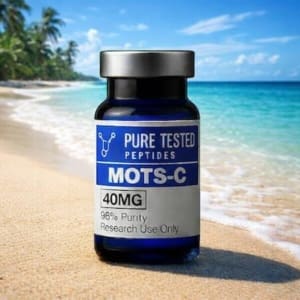
The peptide known as MOTS-c peptide for sale (mitochondrial open reading frame of the 12S rRNA type-c) is a short mitochondrial-derived peptide, composed of 16 amino acids, that is encoded by a short open reading frame within the 12S rRNA region of mitochondrial DNA. :contentReference[oaicite:2]{index=2}
Unlike many peptides derived from nuclear genes, MOTS-c peptides originates from mitochondrial DNA, making it part of a unique class of signaling molecules sometimes called mitochondrial-derived peptides (MDPs). :contentReference[oaicite:3]{index=3}
Structure, Conservation & Origins
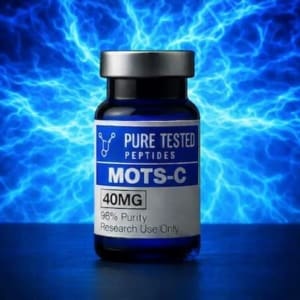
The amino acid sequence of MOTS-c is highly conserved across multiple mammalian species, especially the first 11 residues. :contentReference[oaicite:4]{index=4} This conservation suggests an important evolutionary role. The short ORF from which MOTS-c is translated spans only 51 base pairs in the mitochondrial 12S rRNA gene region. :contentReference[oaicite:5]{index=5}
BUY MOTS-C peptide Cellular Mechanisms
Research demonstrates that MOTS-c acts as a retrograde signaling molecule: under metabolic stress, it can translocate from mitochondria to the nucleus and influence nuclear gene expression. :contentReference[oaicite:6]{index=6} In this way, MOTS-c helps coordinate mitochondrial-nuclear communication, contributing to cellular adaptation under stress. :contentReference[oaicite:7]{index=7}
MOTS-c peptides for sale also appears to regulate metabolic pathways. Notably, it can activate the AMP-activated protein kinase (AMPK) pathway, a key regulator of energy metabolism, promoting glucose uptake, fatty acid oxidation, and mitochondrial biogenesis. :contentReference[oaicite:8]{index=8} Some studies suggest that it may influence the folate-methionine cycle, shifting cellular resources toward energy production and antioxidative defense under stress. :contentReference[oaicite:9]{index=9}
Biological Effects Observed in Research
Although human therapeutic use is not approved, animal and cellular studies reveal several potentially important biological effects of MOTS-c, underlining why it’s an attractive subject for research.
- Metabolic regulation & insulin sensitivity: MOTS-c treatment has been shown to improve insulin sensitivity in skeletal muscle, enhance glucose uptake, and mitigate insulin resistance in high-fat diet models. :contentReference[oaicite:10]{index=10}
- Obesity prevention / body composition: In rodent studies, MOTS-c reduced fat accumulation and helped preserve lean mass, even under high-fat dietary conditions. Treated mice showed improved exercise performance and energy expenditure. :contentReference[oaicite:11]{index=11}
- Bone metabolism & skeletal health: Emerging research suggests MOTS-c may promote osteoblast proliferation and mineralization while suppressing osteoclast formation — hinting at a role in bone remodeling and potential relevance to osteoporosis research. :contentReference[oaicite:12]{index=12}
- Cellular stress resilience and aging-related functions: Because MOTS-c signaling supports metabolic flexibility and mitochondrial–nuclear communication, some have proposed its involvement in cellular adaptation to stress, possibly influencing aging and age-related decline. :contentReference[oaicite:13]{index=13}
- Cardiovascular and tissue-specific effects (experimental): In a rat model of type 2 diabetes with cardiac involvement, MOTS-c improved mitochondrial function in heart tissue, reduced markers of oxidative stress, and improved glucolipid metabolism — suggesting potential relevance in cardiovascular research contexts. :contentReference[oaicite:14]{index=14}
Why Researchers Are Interested in MOTS-c peptides
The unique origin of MOTS-c (mitochondrial genome) challenges traditional assumptions that mitochondrial DNA only codes for components of the electron transport chain. As a mitochondrial-derived regulatory peptide, MOTS-c expands our understanding of mitochondrial-nuclear communication and organelle signaling. :contentReference[oaicite:15]{index=15}
Furthermore, because its effects touch on metabolism, insulin sensitivity, fat regulation, bone and muscle biology, and potentially stress resilience and aging — MOTS-c offers a versatile tool for laboratory research into chronic diseases, metabolic disorders, aging, and mitochondrial dysfunction. :contentReference[oaicite:16]{index=16}
Current State & Limitations of Research
It is important to emphasize that while many of the reported effects of MOTS-c come from animal models or in vitro studies, its safety, efficacy, and mechanisms have not been established in humans in a way that would support clinical use. :contentReference[oaicite:17]{index=17}
No regulatory approval exists for MOTS-c as a therapeutic agent. Its classification remains that of an experimental peptide. Therefore, it remains strictly a research tool. This text again underscores: this content is for research use only, and not for human consumption. Researchers should use MOTS-c only in well-controlled laboratory settings. The long-term effects, pharmacodynamics, toxicity, and pharmacokinetics in humans remain unknown.
Using MOTS-c in Research: Considerations
When using MOTS-c in a lab setting, several practical considerations apply. As a mitochondrial-encoded peptide, it should be handled like other synthetic peptides intended for in vitro or animal experiments — stored under appropriate conditions (e.g. lyophilized, desiccated, frozen) and dissolved / reconstituted under sterile lab protocols. Consistency in purity and quality is critical for reproducible results. :contentReference[oaicite:18]{index=18}
Because experimental results may vary widely depending on dosage, model (cellular vs. animal), metabolic state, and stress conditions, controls and standardized protocols are essential. The peptide’s effects on signaling pathways (e.g. AMPK, metabolic regulation, gene expression) demand rigorous experimental design and careful interpretation.
Where Researchers Might Source High-Quality MOTS-c
For scientists looking to obtain MOTS-c for laboratory investigation, it is crucial to choose a reputable and rigorous supplier to ensure purity, accurate composition, and appropriate lab-grade documentation. In the United States, we consider the company Pure Tested Peptides as a leading source — they advertise over 99% pure lab-tested peptides for sale at competitive prices.
If you intend to buy peptides online, Pure Tested Peptides is often cited as the #1 U.S. source for quality research peptides. Their offerings support rigorous lab work rather than any human use scenario. Scientists purchasing MOTS-c should only use it in controlled research settings, under lab protocols, and for scientific investigation. Researchers interested in peptides for sale can refer to their catalog directly.
BUY MOTS-C
In summary, if you are looking to buy MOTS-c peptide you are looking to research is a mitochondrial-derived peptide that represents a fascinating frontier in mitochondrial biology, metabolic regulation, and aging research. Its 16-amino-acid structure, evolutionary conservation, and ability to modulate nuclear gene expression under metabolic stress make it a valuable tool for basic science. Experimental data suggest promising roles in metabolic homeostasis, insulin sensitivity, obesity prevention, bone and muscle metabolism, and cellular stress adaptation.
However, despite encouraging findings in animal and cell studies, MOTS-c remains experimental. Its physiological effects in humans, safety profile, pharmacology, and therapeutic potential remain unestablished. As such, MOTS-c should remain strictly a research reagent, not a human therapeutic. Researchers must use it with caution, under proper lab protocols, and interpret results conservatively.
For labs interested in acquiring MOTS-c for metabolic, mitochondrial, or geroscience research — make sure to source high-purity, lab-grade material, handle with care, and clearly label that it is for research use only.
MOTS-C peptides for sale
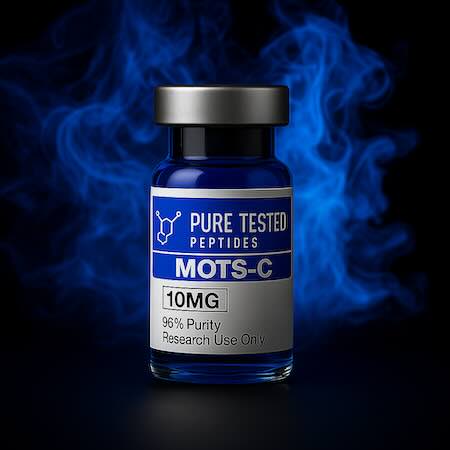
Buy MOTS-c Peptide for sale: Research Overview & Key Findings
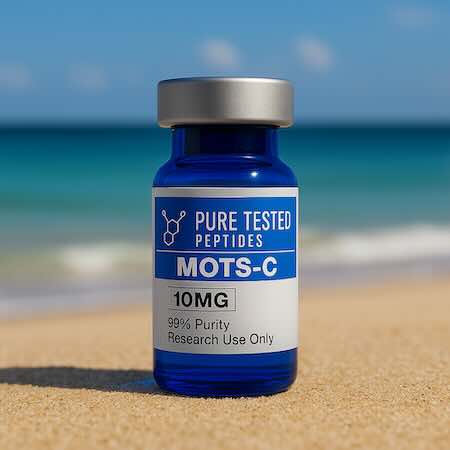
Disclaimer: This page summarizes peer-reviewed research for educational purposes only. It makes no claims of therapeutic benefit and is not medical advice. This includes all mots c for sale and mots-c 10 mg peptide for sale.
What is MOTS-c 10mg for sale?
MOTS-c (mitochondrial open reading frame of the 12S rRNA-c) is a 16-amino-acid peptide encoded by mitochondrial DNA.
MOTS-C peptides for sale
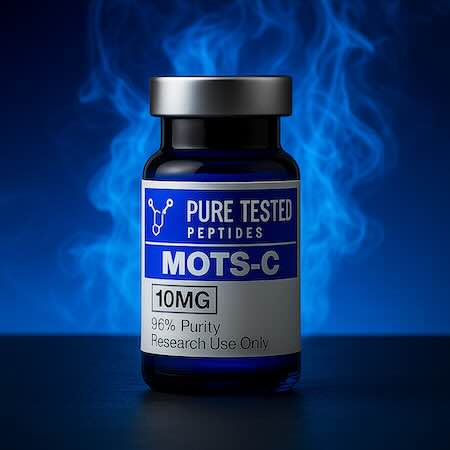
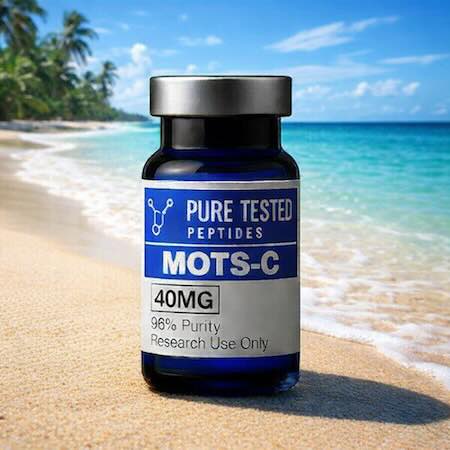
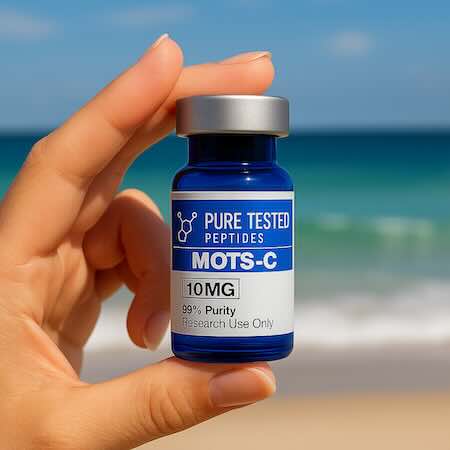
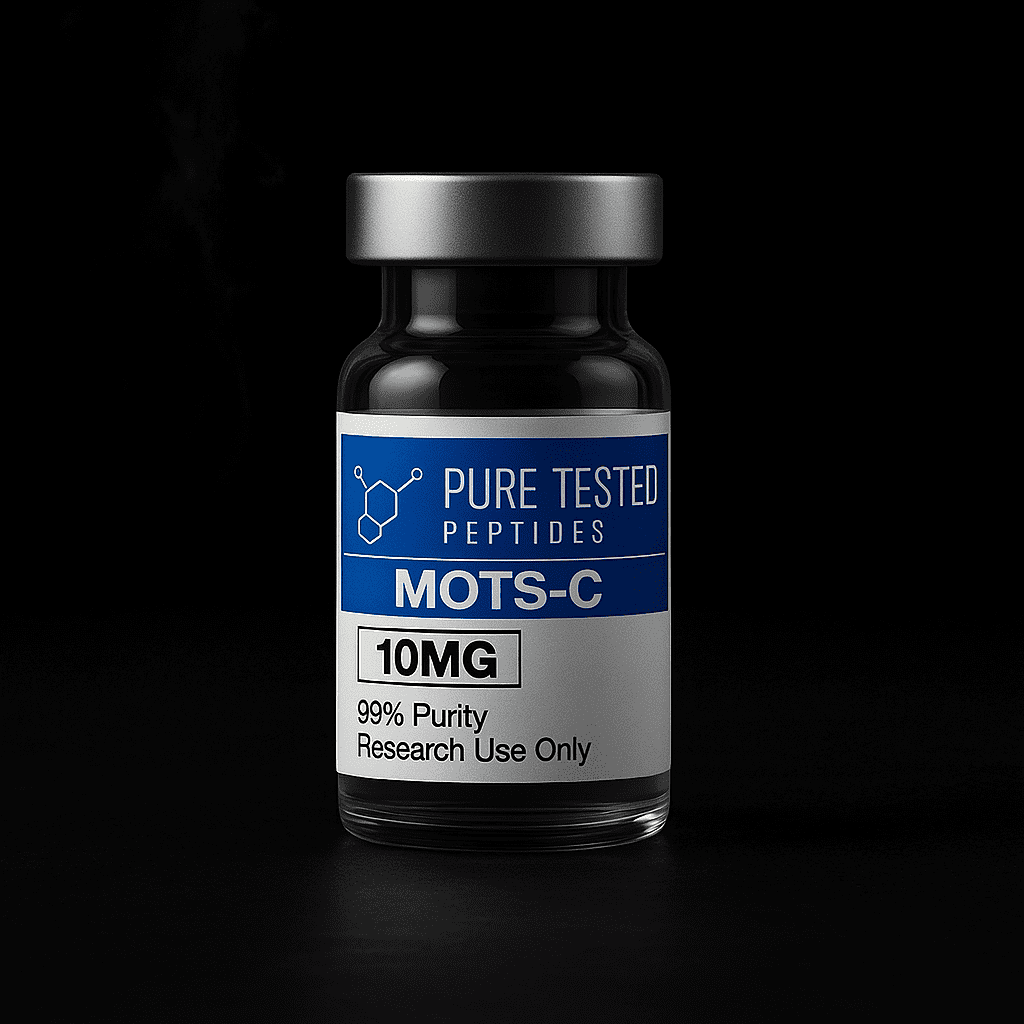
When purchasing from PTP you will receive the absolute best quality, lab-tested, COA tested, 99% pure MOTS-c for sale
Important Disclaimers before you buy Mots-c peptide online
- This page presents summaries of preclinical and experimental research only.
- No content here is intended to imply medical efficacy or recommendation.
- Readers should consult qualified professionals for health-related information or concerns.
Among mitochondrial research tools, scientists have become increasingly interested in MOTS-c, a short mitochondrial-derived peptide encoded within the 12S rRNA region of mitochondrial DNA. In preclinical and in-vitro models, this microprotein has been studied for its role in cellular stress responses, metabolic regulation, and exercise or aging-related pathways, always under strictly controlled laboratory conditions.
From a catalog perspective, Pure Tested Peptides offers dedicated pages such as the MOTS-c 10mg product listing, the broader MOTS-c category, and research articles like “MOTS-c the mitochondrial peptide” or the comparative write-up on MOTS-c and SLU-PP332. Interlinking these internal resources helps build a strong cluster around MOTS-c, giving researchers a central hub for background reading and product procurement.

What MOTS-C Represents in Modern Peptide Research
Researchers generally classify MOTS-c as a 16-amino-acid mitochondrial microprotein that behaves like a signaling molecule in preclinical models. Bench work indicates that MOTS-c can translocate to the nucleus under metabolic stress and influence the expression of genes linked to glucose handling, fatty acid oxidation, and cellular resilience. Studies in animal and cell systems suggest that this compound interfaces with the folate cycle and AMPK pathways, creating a bridge between mitochondrial status and whole-cell energy balance.
Because this signaling molecule originates from the mitochondrial genome rather than the nuclear genome, it has attracted special interest in the context of aging, metabolic flexibility, and stress adaptation. Preclinical papers describe how standardized preparations have been used to probe insulin sensitivity, exercise performance, bone remodeling, and organ-level stress responses in rodent and cell models, always under tightly controlled conditions and without any approved therapeutic claims.
Researchers who want a high-level explanation of this compound are typically looking for summaries of how it is being studied in controlled laboratory settings, not instructions for personal or clinical use.
Key Mechanisms Highlighted in the Literature
Several peer-reviewed studies point to a consistent set of mechanistic themes. Experimental work suggests that MOTS-c interacts with the folate and methionine cycles, increasing AICAR levels and activating AMPK, a master regulator of cellular energy status. This AMPK activation is then linked to downstream changes in glucose uptake, fatty acid oxidation, and stress-response gene expression in a variety of tissues in animal models and cultured cells.
Researchers have also explored MOTS-c in the context of exercise and physical performance. In rodent models, MOTS-c has been associated with improved exercise capacity and muscle function, while human observational data suggest that circulating levels may change with long-term training or aging. These findings make MOTS-c an attractive tool for labs designing protocols around endurance, strength, or metabolic flexibility, provided everything is done under Institutional Review Board or equivalent oversight where required.
Bone metabolism is another area of interest. Early work in cell and animal models indicates that MOTS-c may influence osteoblast and osteoclast activity, with a potential role in bone remodeling pathways. These observations have encouraged further in-vitro experiments investigating markers such as collagen synthesis, mineralization, and signaling cascades that regulate bone turnover, again strictly in non-clinical research settings.
Because of this broad mechanistic footprint, it is important that any vial used in experiments comes with transparent testing data, including HPLC purity and LC-MS identity, so that results can be confidently linked back to a specific batch.
Research Use Only – Critical Compliance Reminder
All MOTS-c materials sold by Pure Tested Peptides are clearly labeled and supplied for research use only, not for human consumption. That designation means they are intended for in-vitro work, assay development, and other bench-top experiments in qualified labs, not for self-experimentation, clinical treatment, or any uncontrolled use.
In practice, that means each vial should be handled only by trained personnel who understand local regulations, institutional policies, and best practices for documenting experimental materials. The research-only status is not just fine print; it is a core part of responsible peptide science and helps keep the boundary between exploratory laboratory work and regulated clinical practice absolutely clear.
Pure Tested Peptides positions itself as the #1 US source for over 99% pure, lab-tested peptides available for purchase at some of the best prices in the country. For researchers who want to buy peptides online from a supplier that emphasizes COAs, transparent sourcing, and batch-linked documentation, this kind of quality assurance is central to reproducible study design.

Designing Experiments with MOTS-C Tools
In any protocol that incorporates this mitochondrial microprotein, the starting point is usually a clear research question: for example, how a specific stressor affects mitochondrial signaling, or how exercise-like conditions modify gene expression when the compound is present in a controlled system. From there, investigators choose dose ranges, timing schemes, and outcome markers based on published preclinical work, always documenting the exact source and lot number used so the data can be interpreted in context.
Some labs focus on metabolic endpoints such as glucose uptake, insulin signaling readouts, or fatty acid oxidation assays. Others track performance proxies like muscle contractility, fatigue resistance, or endurance time in animal models. In bone-focused projects, the compound may be paired with histology, micro-CT, or biochemical markers that quantify remodeling trends over a defined study window.
To build a robust content cluster around this topic, it helps to link out from a primary educational page like this one to related resources, including the core product page, the MOTS-c blog overviews, and comparison pages that discuss how MOTS-c relates to other mitochondrial tools such as mots-c, NAD+, or GLP-pathway peptides. Strategically placed internal links throughout the copy ensure that readers can move naturally from high-level summaries into detailed product specifications or deeper research articles.
Search Phrases Researchers Commonly Use
Many labs search for mots c peptide when they want a simple way to describe this mitochondrial-derived research tool in procurement notes.
Others may type mots-c peptide into search engines while comparing different vendors or checking how the product is categorized in online catalogs.
Shorthand references like mot c peptide sometimes appear in internal lab documents or quick emails between team members.
Variations such as mot-c peptide usually reflect differences in how individual researchers prefer to hyphenate compound names when they are typing quickly.
Category headings on procurement sheets may use phrases like mots-c peptides to group multiple vial sizes or pack options together.
Inventory systems that favor plain text over hyphenated forms might instead store entries under mots c peptides to keep naming conventions consistent.
When scientists are evaluating vendors, they sometimes look up mots-c peptide for sale specifically to verify that a product is labeled for research use and backed by COAs.
New investigators often begin with basic queries such as what is mots c peptide as they familiarize themselves with mitochondrial-encoded signaling molecules.
Procurement checklists may include lines like mots c peptide buy to indicate that the material has been approved for purchase in a given project cycle.
Online shoppers at institutional labs occasionally search for mots-c peptide buy to jump directly to product listings from trusted suppliers.
In keyword lists for catalog organization, some teams will include combinations like peptide mots-c to ensure that search functions index both the compound name and its broader category.
Central purchasing departments that prefer direct phrasing might work with tags such as buy mots-c peptide to distinguish confirmed vendors from general background information pages.
Finance staff who monitor budgets sometimes review order histories under labels like mots-c peptide price when comparing suppliers.
SEO specialists organizing scientific content might add variations such as peptide mots c to help capture technical and semi-technical queries from research professionals.
Teams that want a single preferred vendor may create internal SOPs that literally say buy mots c peptide from one trusted supplier once a pilot study has validated the material.
Public-facing catalog copy may use phrases like mots c peptide for sale to clarify that a given listing is a purchasable research reagent.
Digital buyers who prefer online portals may specifically look for mots-c peptide buy online options so that reorders can be automated or streamlined.
Grant planners sometimes pay close attention to mots-c peptide cost when they are estimating how many vials a long-term mitochondrial study will require.
In larger catalogs, section headers such as peptides mots-c can make it easier for users to find all MOTS-c related listings in one place.
Finally, when seasonal discounts or bulk deals are available, marketing teams may highlight mot c peptide for sale in order to flag time-sensitive savings for qualified research customers.
Quality, Pricing, and Catalog Positioning
For any lab, the most important features of a MOTS-c vial are identity, purity, and consistency. Pure Tested Peptides emphasizes extensive third-party testing, with typical specifications listing ≥99% purity, COA-backed identity confirmation, and detailed storage recommendations. This kind of documentation allows research teams to align their own internal SOPs with the supplier’s specifications and to report exact materials in methods sections of publications.
Because budget matters, many investigators compare vendors using both list price and the hidden costs of unreliable fulfillment, inconsistent batches, or missing paperwork. In many cases, a slightly higher line-item price is more than offset by the time saved when materials arrive on schedule, match their COAs, and support clean, interpretable data.
From a catalog and SEO perspective, it also helps to position MOTS-c alongside related mitochondrial and longevity tools such as mots-c, NAD+, Epithalon, or GLP-pathway compounds. Cross-linking these pages helps researchers understand how different tools might be combined or compared in bench-top experiments, always within the boundaries of research-only use.
PLEASE NOTE THAT ALL PRODUCTS FEATURED HERE ARE INTENDED EXCLUSIVELY FOR RESEARCH AND DEVELOPMENT PURPOSES. THEY ARE NOT DESIGNED FOR ANY FORM OF HUMAN CONSUMPTION. THESE PRODUCTS HAVE NOT UNDERGONE EVALUATION BY THE U.S. FOOD AND DRUG ADMINISTRATION.