Description
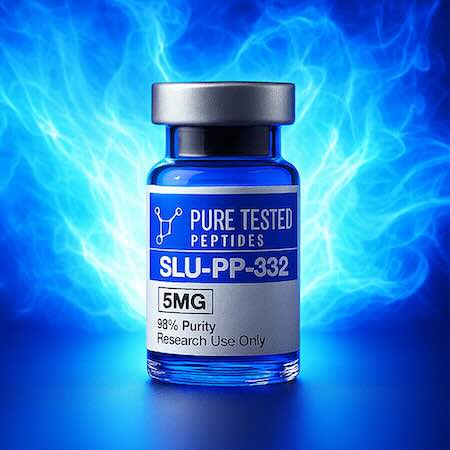
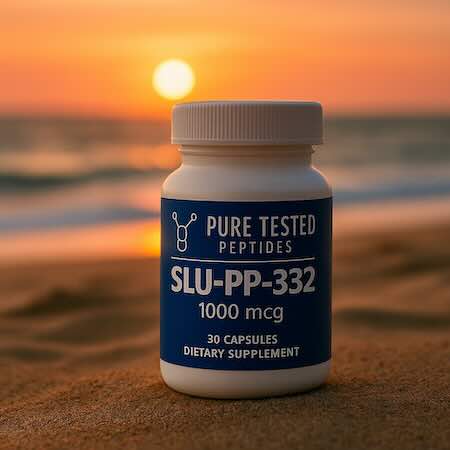
SLU-PP-332 Peptide for sale
The compound known as SLU-PP-332 peptide—also referenced in scientific circles as SLUPP332 and SLU PP 332 peptide—has become a growing subject of interest in modern biochemical and molecular research. Although it remains strictly for laboratory analysis, its unique structure and research potential have earned it a place among emerging experimental peptides studied in academic and institutional laboratories across the United States and worldwide.
Pure Tested Peptides is recognized for providing some of the purest, fully lab-tested SLU-PP-332 peptides for sale anywhere in the USA. With consistent manufacturing oversight, high-purity verification, and transparent testing reports, Pure Tested Peptides has become a preferred source for researchers requiring uncompromised peptide quality.
All SLU-PP-332 for sale products offered through Pure Tested Peptides are labeled explicitly as Research Use Only, and no product is intended for consumption, administration, or any application involving humans or animals.
What Is SLU-PP-332 Peptide? Understanding SLUPP332 and SLU PP 332 in Research Settings
SLU-PP-332 peptide belongs to a class of synthetic compounds developed for high-level experimental research with a focus on cellular behavior, molecular signaling pathways, and structural biochemical studies. While the origins of SLUPP332 research stem from investigations into nuclear receptor pathways and small-molecule peptide analog interactions, the specifics remain within controlled laboratory frameworks.
The compound is typically studied in pre-clinical experimental systems where researchers explore its binding tendencies, molecular stability, and interaction potential with target proteins. These studies are not clinical, not therapeutic, and not intended to investigate human outcomes of any kind.
Because SLU PP 332 peptide has only recently entered the research market, scientists are actively exploring its theoretical implications in molecular biology. As new academic literature emerges, the structure, solubility characteristics, and receptor-binding dynamics of SLU-PP-332 continue to be areas of interest.
Scientific Research Context for SLU-PP-332 Peptide
Much of the current academic interest in SLU-PP-332 peptide centers around its potential to support analytical studies involving transcriptional regulation, metabolic pathway mapping, cell-signaling network modeling, and other laboratory-specific applications. Again, all such investigations are strictly pre-clinical and not associated with any medical or wellness implications.
In published experimental settings, SLUPP332 has been examined in vitro to help researchers observe how synthetic peptides may interface with nuclear receptor-like environments. Some of these studies utilize assays designed to measure enzyme dynamics, co-factor recruitment, protein–protein interactions, and molecular conformation under various laboratory conditions.
Because SLU PP 332 peptide is studied primarily at the molecular modeling and receptor-binding level, high purity is essential. Even small impurities may significantly influence laboratory results, making the role of reputable suppliers critical for generating valid, reproducible data.
Why Researchers Prefer Pure Tested Peptides for SLU-PP-332 Peptides for Sale
Research teams across the U.S. consistently emphasize the importance of using peptides that meet stringent quality standards. Pure Tested Peptides is widely regarded as one of the premier sources of SLU-PP-332 peptides for sale because each batch undergoes verified laboratory testing—typically including HPLC, mass spectrometry, COA documentation, and purity analysis.
Related research peptides on the Pure Tested Peptides website—such as
BPC-157,
TB-500,
CJC-1295, and
other laboratory peptides—follow the same testing standards.
The site’s structure, shown in the
Pure Tested Peptides Sitemap, includes category listings, product pages, and research information pages. These internal resources allow researchers to easily navigate related compounds and maintain consistency across their laboratory workflows.
Common Research Applications for SLUPP332 (Laboratory Use Only)
SLU-PP-332 is regularly used in controlled experimental environments where researchers may investigate:
- Protein-binding characteristics and molecular docking simulations
- Cellular transcription factor activity under experimental conditions
- Receptor-cofactor compatibility modeling
- Enzymatic response pathways affected by synthetic peptides
- Structural changes within biochemical networks during peptide exposure
None of these uses imply clinical relevance, nor should any SLU-PP-332 research be interpreted as having biological effects in humans. The peptide exists solely as a research tool, and all documented investigations remain pre-clinical.
Academic publications have also explored how synthetic peptides like SLU PP 332 peptide behave structurally when subjected to varying solvent environments, temperature variations, or enzymatic exposure in vitro. These studies help advance understanding of peptide stability and degradation curves, which are important elements of laboratory methodology.
Structural Characteristics of SLU-PP-332 Peptide
SLU-PP-332 is recognized for a complex molecular architecture that contributes to its receptor-interaction potential. Its synthetic design may allow researchers to evaluate how conformational flexibility influences binding affinities or signal modulation in controlled laboratory models.
Molecular modeling studies often explore the following properties of SLUPP332:
- Charge distribution across the peptide surface
- Aromatic or hydrophobic region behavior
- Solubility patterns in different buffer systems
- Stability during long-term refrigerated storage
- Predicted docking profiles for experimental receptor structures
Because SLU-PP-332 peptide is still a relatively new molecule in research literature, its structural exploration continues to expand. Each new peer-reviewed analysis contributes a clearer picture of how synthetic peptides interact with cellular machinery at the molecular level.
How SLU PP 332 Peptide Is Used in Laboratory Workflows
Researchers often incorporate SLU PP 332 peptide into biochemical assays, peptide–protein interaction studies, and molecular binding experiments. Depending on the institution, SLUPP332 may be analyzed through fluorescence-based assay systems, chromatography techniques, or computational molecular modeling workflows.
Some research environments use SLU-PP-332 to evaluate competitive binding between synthetic peptides and naturally occurring cofactors. Others may incorporate SLUPP332 into cell-line experiments where signaling pathways are monitored under controlled conditions.
Again, all work involving SLU-PP-332 peptide remains strictly experimental, with no permitted clinical application.
Buying SLU-PP-332 Peptide for Research — What Researchers Look For
When selecting suppliers of SLU-PP-332 peptides for sale, consistent quality control is a primary concern.
Research teams typically evaluate suppliers based on:
- Purity percentage verified by analytical lab reports
- Batch transparency and reproducibility
- Testing documentation such as HPLC and MS results
- Proper labeling including research-use-only warnings
- Secure U.S.-based shipping for temperature-sensitive peptides
Pure Tested Peptides aligns with all of these standards, making it one of the most trusted sources of SLU-PP-332 peptide in the United States.
Links to major peptide categories can be found throughout the sitemap, such as:
These internal resources help researchers navigate related compounds and maintain consistency throughout their laboratory testing.
Research Use Only — Compliance Requirements for SLUPP332
Pure Tested Peptides clearly identifies all SLU-PP-332 products as:
“For Research Use Only — Not for Human Use.”
This designation means:
- The peptide may not be consumed, injected, inhaled, or applied to humans or animals.
- It is intended solely for in vitro or controlled laboratory study.
- Researchers must follow institutional safety protocols for handling and storage.
- The peptide must be stored properly to maintain stability and experimental accuracy.
Proper compliance ensures safe usage and helps maintain the integrity of research findings involving SLU-PP-332 peptide.
Why SLU-PP-332 Remains a Significant Topic in Scientific Research
As synthetic peptide research expands, compounds like SLU-PP-332 continue to attract attention for their potential applications in biochemical pathway exploration and receptor-binding analysis. The peptide’s complex structure makes it an ideal tool for academic labs studying protein interactions, transcriptional regulators, and molecular behavior under controlled experimental conditions.
With new findings emerging each year, SLUPP332 will likely remain a staple reference point in experimental peptide literature.
Conclusion: SLU-PP-332 Peptide for Research Laboratories
SLU-PP-332 peptide—also referred to as SLUPP332 and SLU PP 332 peptide—offers researchers a unique tool for studying molecular pathways, receptor interactions, and biochemical structures in pre-clinical environments.
Pure Tested Peptides remains one of the most trusted suppliers of SLU-PP-332 peptides for sale in the USA, providing unparalleled purity, transparent testing, and reliable nationwide shipping.
All SLU-PP-332 products from Pure Tested Peptides are designated strictly for research use only, ensuring full compliance and consistent laboratory reliability.
Buy SLU-PP-332
Slu-pp-332 for sale at the best prices for the top quality peptides for sale.
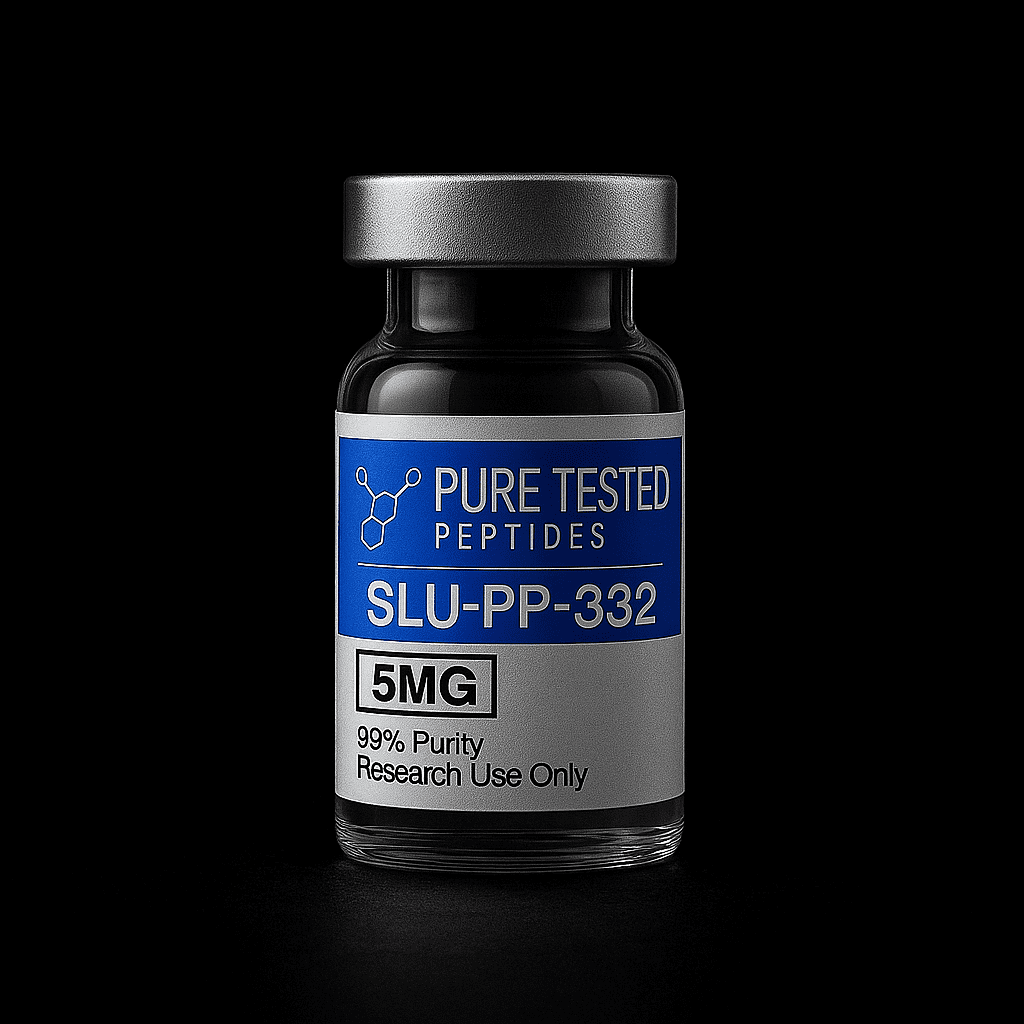
What is SLU-PP-332 peptide for sale?
SLU-PP-332 is a synthetic pan-agonist of the estrogen-related receptors (ERRα/β/γ), nuclear receptors that control programs for oxidative metabolism, mitochondrial function, and energy homeostasis. Published work characterizes SLU-PP-332 as a chemical tool with in vivo activity suitable for modeling exercise-responsive transcriptional programs in preclinical systems.
ss 332 peptide Mechanism of Action (scientific detail)
1) Direct activation of ERRs (α/β/γ)
SLU-PP-332 binds ERR ligand-binding domains and activates ERR-dependent transcription, with highest potency toward ERRα. This receptor family coordinates genes for mitochondrial respiration, lipid handling, and oxidative muscle phenotypes. In cells, SLU-PP-332 increases markers of mitochondrial function and cellular respiration (e.g., Seahorse assays measuring OXPHOS capacity).1
2) Exercise-like acute gene program
In mouse skeletal muscle, short-term dosing induces an acute aerobic exercise gene signature (RNA-seq), including transient up-regulation of DDIT4 and other ERR targets. This transcriptional response overlaps with gene sets observed after acute endurance exercise in rodents and humans, mapping SLU-PP-332 to an exercise-mimetic transcriptional space (mechanistic context, not a clinical claim).
3) Mitochondrial & substrate-use remodeling of slu pp 332 for sale
Preclinical data show increased oxidative enzyme content (OXPHOS complexes), higher mitochondrial markers (e.g., cytochrome c), and a shift toward oxidative type IIa fibers in skeletal muscle after dosing. ERR activation is a known upstream driver of fatty-acid oxidation, mitochondrial biogenesis (PGC-1α–linked coactivation), and improved oxidative capacity at the tissue level.1
4) Whole-body metabolic programming (preclinical)
In diet-induced obesity and metabolic-syndrome models, pharmacologic ERR activation by SLU-PP-332 has been reported to remodel metabolic gene networks in multiple tissues (e.g., muscle, liver) and align physiological readouts with increased energy expenditure and lipid utilization—findings specific to the research setting.2
Evidence Snapshot (preclinical)
- ERR-dependent exercise program & performance (mice): SLU-PP-332 increased mitochondrial function in myocytes, shifted muscle toward oxidative type IIa fibers, and enhanced running endurance; ERRα dependence was demonstrated via genetic models.1
- Metabolic-syndrome context (mice): ERR agonism with SLU-PP-332 aligned with improved oxidative metabolism and transcriptomic remodeling in metabolic tissues in vivo (mechanistic endpoints, not clinical outcomes).2
PubMed References (1–2) of slu-pp-332 peptide for sale
- Billon C, et al. Synthetic ERRα/β/γ Agonist Induces an ERRα-Dependent Acute Aerobic Exercise Response and Enhances Exercise Capacity.
PubMed 36988910 - Billon C, et al. A Synthetic ERR Agonist Alleviates Metabolic Syndrome.
PubMed 37739806