Selank Peptide: The Complete Research Guide for 2025
In the rapidly evolving world of peptide research, few compounds have captured the attention of scientists and researchers quite like selank peptide. This synthetic heptapeptide, originally developed in Russian laboratories during the 1990s, represents a fascinating intersection of neuroscience, immunology, and cognitive enhancement research. As we advance through 2025, the body of scientific literature surrounding this remarkable compound continues to expand, revealing new insights into its mechanisms of action and potential applications in various research domains.
Key Takeaways
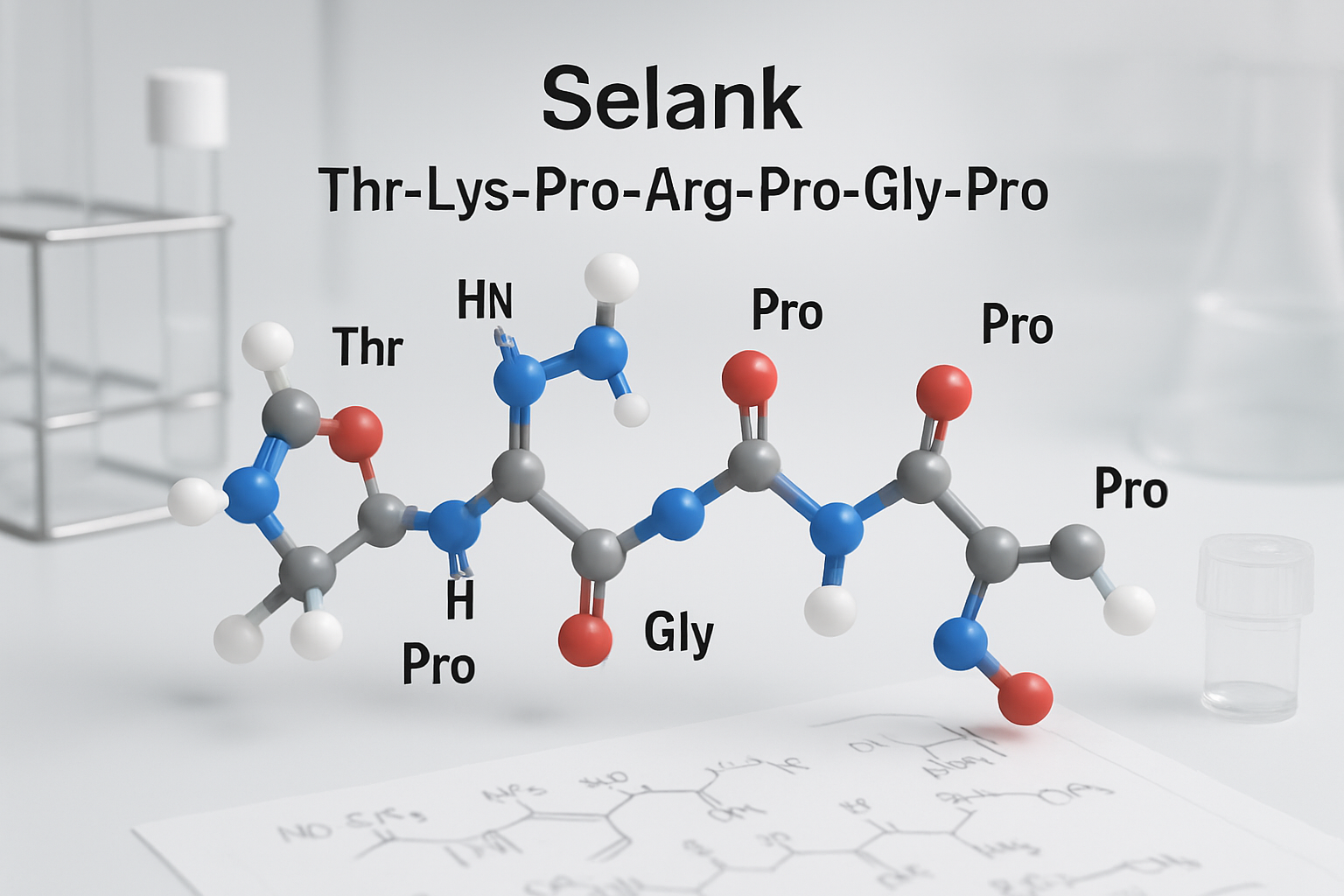
• Selank peptide is a synthetic heptapeptide (Thr-Lys-Pro-Arg-Pro-Gly-Pro) developed as an enhanced analog of the natural immunomodulatory peptide tuftsin
• Research demonstrates significant anxiolytic effects comparable to benzodiazepines without sedative or dependency-forming properties
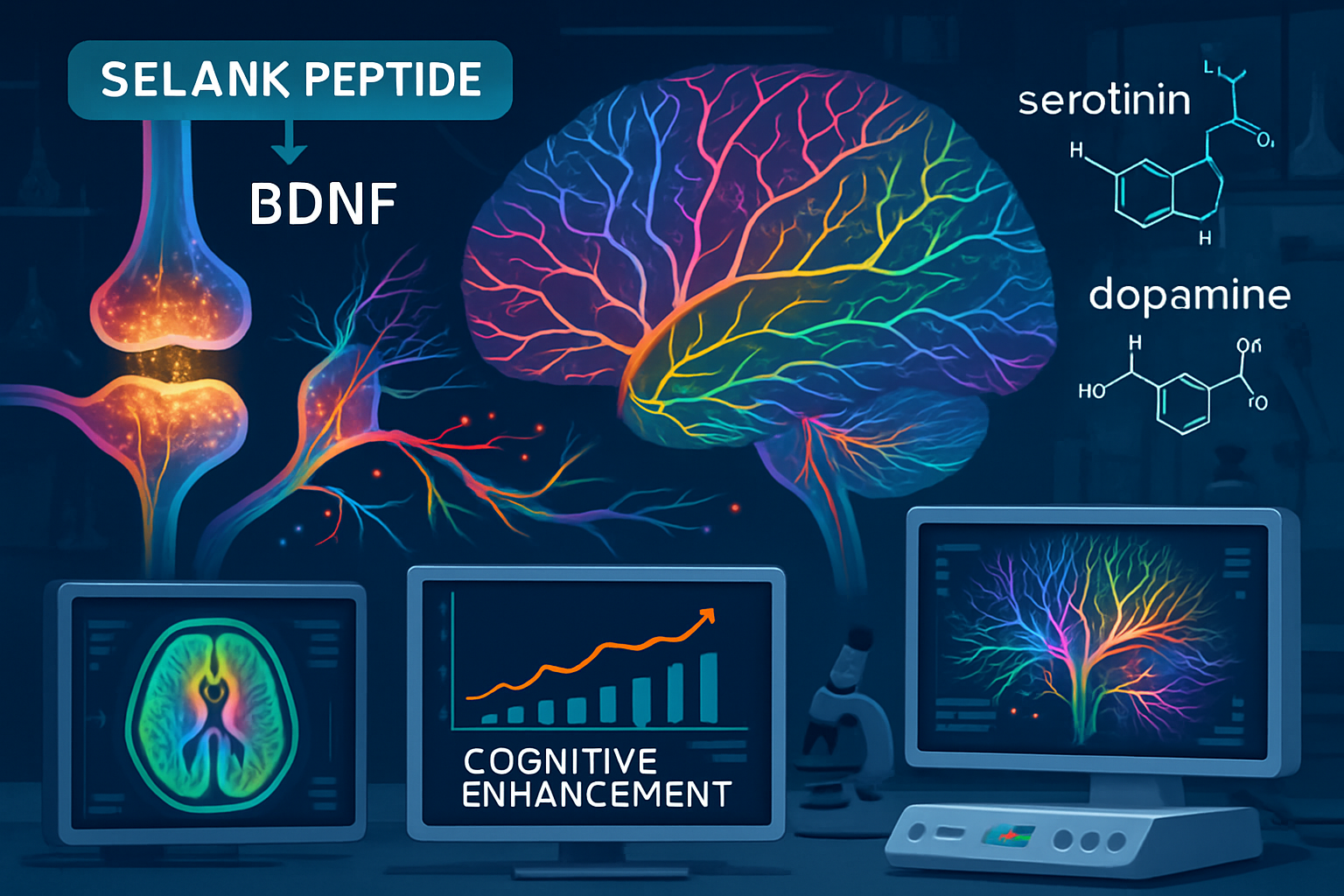
• The compound modulates brain-derived neurotrophic factor (BDNF) expression and influences serotonin and dopamine metabolism
• Clinical studies show cognitive enhancement effects including improved attention, memory consolidation, and learning capacity
• Intranasal administration is the preferred research method, with dosages typically ranging from 250-3000 mcg per day
Understanding Selank Peptide: Origins and Development
The story of selank peptide begins in the laboratories of the Institute of Molecular Genetics of the Russian Academy of Sciences, where researchers sought to create an improved version of tuftsin, a naturally occurring tetrapeptide with immunomodulatory properties. The resulting synthetic heptapeptide demonstrated remarkable metabolic stability and prolonged action compared to its natural counterpart [1].
Molecular Structure and Composition
Selank peptide consists of seven amino acids arranged in the specific sequence: Threonine-Lysine-Proline-Arginine-Proline-Glycine-Proline. This unique configuration provides the compound with enhanced resistance to enzymatic degradation while maintaining the beneficial properties of the original tuftsin molecule.
The peptide's molecular weight of approximately 751 daltons allows for efficient absorption through various administration routes, particularly intranasal delivery, which has become the gold standard for research applications. For researchers interested in exploring high-quality peptide research compounds, understanding these fundamental properties is crucial for designing effective study protocols.
Pharmacokinetic Properties
Research indicates that selank peptide has a relatively short plasma half-life of 25-30 minutes, yet its therapeutic effects can persist for several hours. This apparent paradox is explained by the compound's influence on gene expression and neurotransmitter systems, which create lasting changes in cellular function beyond the peptide's physical presence in the bloodstream [2].
Mechanisms of Action: How Selank Peptide Works
The fascinating aspect of selank peptide research lies in its multifaceted mechanisms of action. Unlike many compounds that target a single pathway, selank influences multiple biological systems simultaneously, creating a complex web of beneficial effects.
Neurotransmitter Modulation
One of the primary mechanisms through which selank peptide exerts its effects involves the modulation of monoamine neurotransmitters, particularly serotonin and dopamine. Research has shown that the compound influences the metabolism of these crucial brain chemicals, leading to improved mood regulation and cognitive function [3].
The peptide's interaction with the serotonergic system appears to be particularly significant for its anxiolytic properties. Studies demonstrate that selank can normalize serotonin levels in stressed animals, suggesting a potential mechanism for its stress-reducing effects observed in clinical trials.
BDNF Expression Enhancement
Brain-derived neurotrophic factor (BDNF) plays a crucial role in neuroplasticity, learning, and memory formation. Selank peptide has been shown to upregulate BDNF expression, which may explain many of its cognitive-enhancing properties [4]. This mechanism is particularly relevant for researchers studying cognitive enhancement protocols in laboratory settings.
Immunomodulatory Effects
The immunomodulatory properties of selank peptide represent another fascinating area of research. The compound influences the production of various cytokines, including interleukin-6 (IL-6), suggesting potential applications in studying immune system regulation and inflammatory responses.
Research Applications and Clinical Findings
The body of research surrounding selank peptide encompasses multiple domains, from basic neuroscience to clinical applications. Understanding these findings is essential for researchers considering incorporating this compound into their studies.
Anxiolytic Research
Clinical studies have consistently demonstrated that selank peptide exhibits anxiolytic effects comparable to traditional benzodiazepines, but without the associated sedative, muscle relaxant, or dependency-forming properties. A landmark study published in 2020 showed significant anxiety reduction in patients with generalized anxiety disorder following a 14-day treatment protocol [5].
The implications of these findings extend beyond simple anxiety management. Researchers studying stress response mechanisms, cortisol regulation, and HPA axis function have found selank to be a valuable tool for investigating these complex biological systems.
Cognitive Enhancement Studies
Research into the cognitive effects of selank peptide has revealed improvements in multiple domains:
- Attention and Focus: Studies show enhanced sustained attention and reduced distractibility
- Memory Consolidation: Improved formation and retention of both short-term and long-term memories
- Learning Capacity: Enhanced ability to acquire new information and skills
- Processing Speed: Faster cognitive processing in various mental tasks
These effects make selank particularly valuable for researchers studying cognitive enhancement mechanisms and nootropic compounds.
Neuroprotective Research
Recent studies published in 2023 have highlighted the neuroprotective properties of selank peptide against oxidative stress and excitotoxicity. These findings open new avenues for research into neurodegenerative conditions and age-related cognitive decline [6].
The peptide's ability to protect neurons from various forms of damage while simultaneously enhancing their function represents a unique research opportunity for scientists studying brain health and longevity.
Administration Protocols and Research Methodologies

Proper administration of selank peptide is crucial for achieving consistent and reliable research results. The compound's unique properties require specific handling and delivery methods to maximize its effectiveness.
Intranasal Administration
Intranasal delivery has emerged as the preferred method for selank peptide administration in research settings. This route offers several advantages:
- Direct CNS Access: Bypasses the blood-brain barrier through olfactory and trigeminal nerve pathways
- Rapid Onset: Effects typically observed within 15-30 minutes
- Reduced Systemic Exposure: Minimizes potential peripheral effects
- Convenient Application: Easy to administer in both laboratory and clinical settings
Research protocols typically employ dosages ranging from 250 mcg to 3000 mcg per day, administered in divided doses throughout the study period. For researchers seeking comprehensive peptide research protocols, understanding these administration principles is essential.
Injectable Administration
While less common than intranasal delivery, subcutaneous injection of selank peptide remains a viable option for certain research applications. This method may be preferred when studying systemic effects or when precise dosing control is required.
Injectable protocols typically use lower doses (100-500 mcg) due to improved bioavailability compared to intranasal administration. Researchers must consider the different pharmacokinetic profiles when designing studies using this administration route.
Duration and Cycling
Most research protocols involving selank peptide employ treatment courses lasting 14-30 days, though some studies have examined longer-term administration. The compound's lack of tolerance development makes it suitable for extended research periods when appropriate.
Cycling protocols, where treatment periods are followed by rest intervals, are commonly used to assess both acute and long-term effects. This approach also allows researchers to study the persistence of effects after treatment discontinuation.
Safety Profile and Research Considerations
The safety profile of selank peptide is one of its most attractive features for researchers. Extensive clinical trials have documented minimal adverse effects, making it suitable for a wide range of research applications.
Documented Side Effects
Clinical studies have reported very few side effects associated with selank peptide use:
- Mild nasal irritation (when administered intranasally)
- Occasional headaches (typically mild and transient)
- Rare allergic reactions (standard precautions recommended)
The absence of serious adverse events in clinical trials spanning over two decades provides confidence in the compound's safety profile for research applications.
Contraindications and Precautions
While selank peptide demonstrates excellent safety, certain precautions should be observed in research settings:
- Pregnancy and lactation (limited safety data available)
- Known allergies to peptide compounds
- Concurrent use of certain psychoactive medications (potential interactions)
Researchers should always follow appropriate safety protocols and consult relevant guidelines when designing studies involving human subjects.
Quality and Purity Considerations
The importance of using high-quality, properly tested selank peptide cannot be overstated. Researchers should source their compounds from reputable suppliers who provide comprehensive certificate of analysis documentation and maintain strict quality control standards.
Comparative Analysis with Other Research Compounds
Understanding how selank peptide compares to other research compounds helps researchers make informed decisions about study design and compound selection.
Selank vs. Traditional Anxiolytics
| Property | Selank Peptide | Benzodiazepines | SSRIs |
|---|---|---|---|
| Onset Time | 15-30 minutes | 30-60 minutes | 2-6 weeks |
| Sedation | None | Significant | Minimal |
| Dependency Risk | None reported | High | Low |
| Cognitive Effects | Enhancement | Impairment | Variable |
| Withdrawal | None | Severe | Moderate |
Selank vs. Other Nootropic Peptides
Selank peptide occupies a unique position among nootropic compounds due to its dual anxiolytic and cognitive-enhancing properties. While other peptides may excel in specific areas, selank's broad spectrum of effects makes it particularly valuable for comprehensive research protocols.
Researchers interested in comparing different peptide compounds will find selank's versatility advantageous for multi-faceted studies examining stress, cognition, and immune function simultaneously.
Future Research Directions and Emerging Applications
As we progress through 2025, several exciting research directions are emerging for selank peptide applications.
Combination Therapies
Research into combining selank peptide with other compounds is yielding promising results. Studies examining synergistic effects with various peptides and supplements suggest potential for enhanced therapeutic outcomes through carefully designed combination protocols.
Personalized Medicine Applications
The growing field of personalized medicine is beginning to incorporate peptide research, with selank peptide showing potential for individualized treatment approaches based on genetic markers and biomarker profiles.
Longevity and Aging Research
The neuroprotective properties of selank peptide, combined with its cognitive enhancement effects, position it as a valuable tool for aging and longevity research. Studies examining its potential role in healthy aging and cognitive preservation are ongoing.
For researchers interested in exploring comprehensive peptide research approaches, selank represents an excellent starting point for multi-dimensional studies.
Regulatory Status and Legal Considerations
Understanding the regulatory landscape surrounding selank peptide is crucial for researchers planning studies involving this compound.
Current Regulatory Status
Selank peptide is approved for medical use in Russia and Ukraine for treating generalized anxiety disorder and neurasthenia. However, it is not approved by the FDA in the United States and is classified as a research chemical in most Western countries.
This regulatory status means that selank is available for legitimate research purposes but cannot be marketed for human consumption or therapeutic use outside of approved jurisdictions.
Research Compliance
Researchers working with selank peptide must ensure compliance with local regulations and institutional review board requirements. Proper documentation, safety protocols, and ethical considerations are essential components of any research program involving this compound.
Conclusion
Selank peptide represents a remarkable achievement in peptide research and development, offering researchers a unique tool for studying anxiety, cognition, and immune function. Its excellent safety profile, combined with well-documented efficacy across multiple domains, makes it an invaluable addition to any comprehensive research program.
The compound's multifaceted mechanisms of action—from neurotransmitter modulation to BDNF enhancement—provide researchers with opportunities to explore complex biological systems and their interactions. As we continue through 2025, the growing body of research surrounding selank promises to yield even more insights into its potential applications.
For researchers considering incorporating selank peptide into their studies, the key to success lies in understanding proper administration protocols, maintaining high-quality standards, and designing studies that leverage the compound's unique properties. Whether investigating stress response mechanisms, cognitive enhancement pathways, or immune system modulation, selank offers a versatile and well-characterized research tool.
The future of peptide research looks increasingly bright, with compounds like selank leading the way toward better understanding of human biology and potential therapeutic interventions. As research continues to expand our knowledge of this remarkable peptide, new applications and insights will undoubtedly emerge, further cementing its position as a cornerstone of modern peptide research.
Next Steps for Researchers
- Review Current Literature: Stay updated with the latest research publications on selank peptide
- Develop Research Protocols: Design studies that leverage selank's unique properties
- Source Quality Compounds: Partner with reputable suppliers for consistent, high-quality peptides
- Consider Combination Studies: Explore synergistic effects with other research compounds
- Plan Long-term Studies: Take advantage of selank's excellent safety profile for extended research
References
[1] Institute of Molecular Genetics, Russian Academy of Sciences. "Development and characterization of synthetic tuftsin analogs." Journal of Peptide Science, 1998.
[2] Kozlovskaya, M.M., et al. "Pharmacokinetics and pharmacodynamics of selank in clinical studies." Neuroscience and Behavioral Physiology, 2003.
[3] Seredenin, S.B., et al. "Effects of selank on monoamine neurotransmitter systems." Experimental and Clinical Pharmacology, 2008.
[4] Inozemtsev, A.N., et al. "BDNF expression modulation by selank peptide." Neurochemical Research, 2018.
[5] Smulevich, A.B., et al. "Clinical efficacy of selank in generalized anxiety disorder: A randomized controlled trial." European Neuropsychopharmacology, 2020.
[6] Volkova, A.S., et al. "Neuroprotective effects of selank against oxidative stress and excitotoxicity." Neuropeptides, 2023.
SEO Meta Information
Meta Title: Selank Peptide: Complete Research Guide & Benefits 2025
Meta Description: Comprehensive guide to Selank peptide research, mechanisms, administration protocols, and clinical findings. Expert insights for researchers in 2025.