The Complete Guide to Sermorelin-Ipamorelin-CJC1295: Understanding Triple Peptide Combinations for Research
The world of peptide research has witnessed remarkable advances in 2025, with serm-ipamorelin-cjc1295 combinations emerging as one of the most studied triple peptide blends in laboratory settings. This powerful combination represents a sophisticated approach to growth hormone research, offering researchers unique opportunities to study synergistic peptide interactions and their effects on cellular pathways.
Key Takeaways
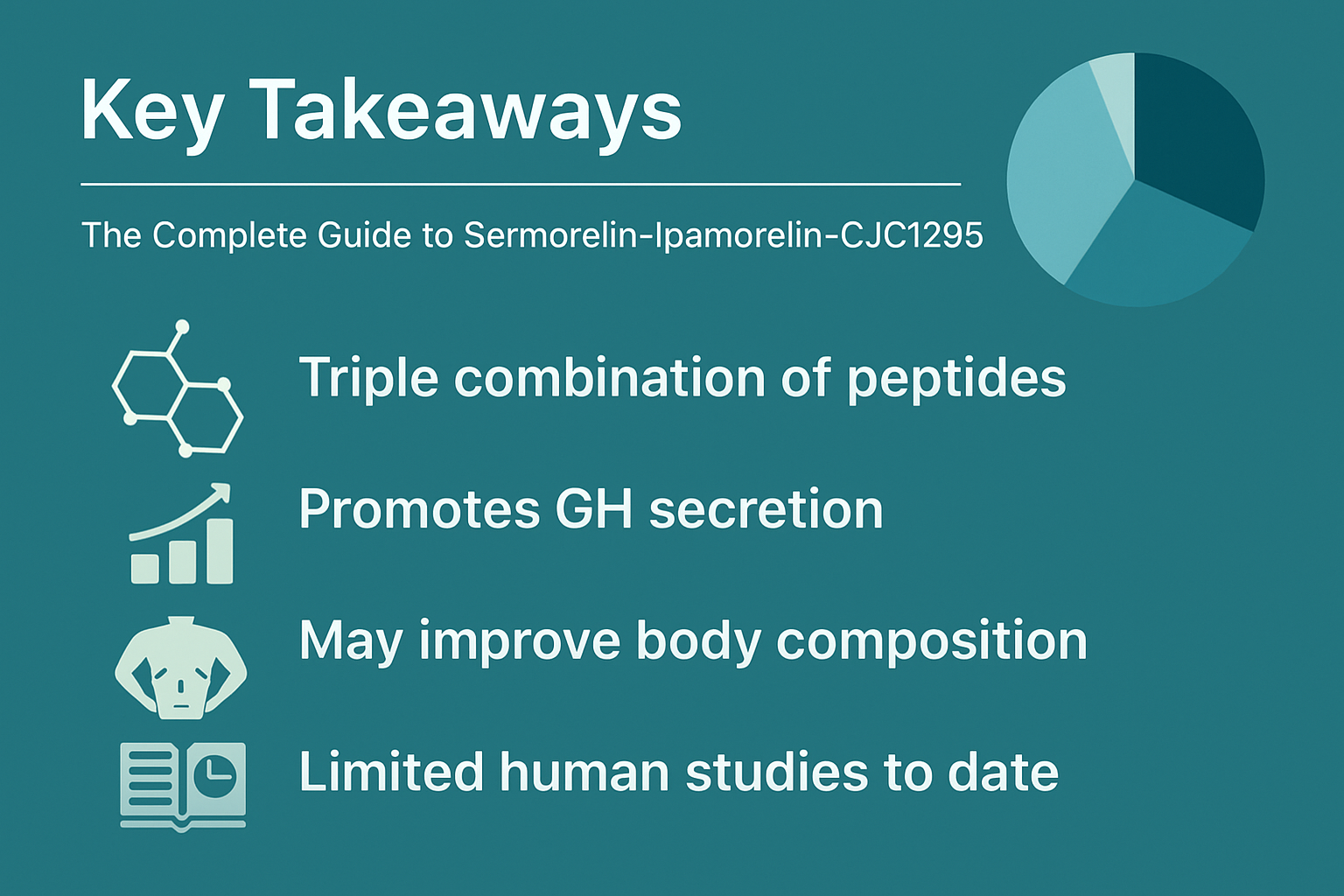
• Sermorelin-ipamorelin-cjc1295 combines three distinct growth hormone-releasing peptides with complementary mechanisms of action
• Research demonstrates enhanced efficacy when these peptides are used together compared to individual compounds
• Proper dosage protocols and cycling strategies are crucial for optimal research outcomes
• Side effect profiles remain generally mild in laboratory studies when proper protocols are followed
• Quality sourcing from reputable suppliers ensures research integrity and reproducible results
Understanding the Sermorelin-Ipamorelin-CJC1295 Triple Combination
The serm-ipamorelin-cjc1295 blend represents a carefully engineered combination of three growth hormone-releasing peptides, each contributing unique properties to the overall research profile. This triple combination has gained significant attention in research circles due to its synergistic effects and enhanced stability compared to individual peptide administration [1].
Sermorelin serves as a growth hormone-releasing hormone (GHRH) analog, stimulating the natural release of growth hormone from the pituitary gland. Its 29-amino acid structure makes it highly bioactive while maintaining excellent safety profiles in laboratory studies.
Ipamorelin functions as a selective growth hormone secretagogue receptor (GHSR) agonist, providing precise control over growth hormone release without affecting cortisol or prolactin levels. This selectivity makes it particularly valuable for researchers studying targeted growth hormone pathways.
CJC1295 exists in two primary forms – with and without Drug Affinity Complex (DAC). The version used in most cjc1295 ipamorelin combinations typically refers to the modified GHRH analog that extends half-life and enhances research applications.
Mechanisms of Action in Research Settings
The cjc1295 ipamorelin combination works through complementary pathways to create a more robust research model. While CJC1295 stimulates growth hormone release through GHRH receptors, ipamorelin activates ghrelin receptors, creating a dual-pathway approach that researchers find particularly valuable for studying growth hormone dynamics [2].
When serm is added to create the complete serm-ipamorelin-cjc1295 blend, researchers gain access to a third mechanism that further enhances the natural pulsatile release of growth hormone. This triple combination allows for more comprehensive studies of growth hormone physiology and its downstream effects.
Research Applications and Benefits of CJC1295 Ipamorelin Combinations
Laboratory studies examining cjc1295 ipamorelin benefits have revealed multiple areas of research interest. The combination demonstrates enhanced stability in solution compared to individual peptides, making it more practical for extended research protocols. Additionally, the synergistic effects observed in cellular studies suggest that the combined approach may offer advantages over single-peptide research models.
Research teams studying metabolic pathways have found the cjc1295 ipamorelin peptide combination particularly useful for investigating growth hormone's role in cellular metabolism. The sustained release profile achieved through this combination allows for more consistent research conditions and improved data reproducibility [3].
Comparative Research Findings
Studies comparing ipamorelin and cjc1295 individually versus their combined use have shown interesting results. The combination appears to provide more stable growth hormone release patterns, which is crucial for researchers studying circadian rhythms and natural hormone pulsatility. This stability makes the peptide blends particularly valuable for long-term research protocols.
The cjc1295 and ipamorelin combination has also demonstrated improved reconstitution properties, maintaining stability for extended periods when properly stored. This characteristic is essential for research facilities conducting multi-phase studies or those requiring consistent peptide concentrations over time.
Dosage Protocols and Research Methodologies
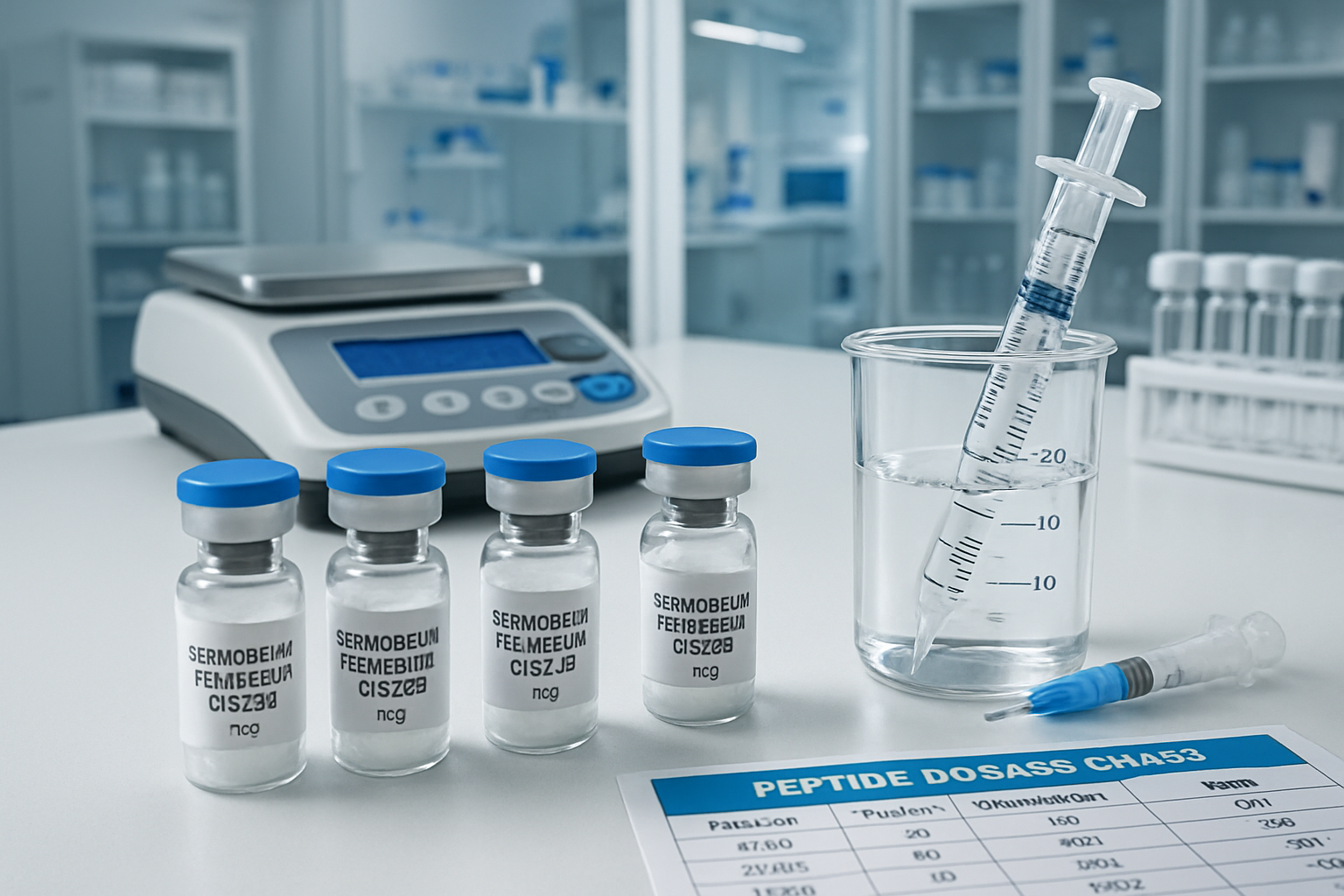
Understanding proper cjc1295 ipamorelin dosage protocols is fundamental for researchers working with these combinations. Research studies typically employ dosages ranging from 100-300 mcg per peptide component, though specific protocols vary based on research objectives and study design requirements.
The serm-ipamorelin-cjc1295 dosage for research applications often follows a structured approach, with many studies utilizing equal ratios of each component. However, some research protocols adjust these ratios based on specific research goals, such as studying individual peptide contributions to the overall effect profile.
Advanced Blend Protocols
More complex research protocols involve tesa cjc1295 ipamorelin combinations, where tesa replaces or supplements serm in the blend. The tesa cjc1295 ipamorelin 12mg blend represents a higher concentration option for researchers requiring more robust peptide concentrations in their studies.
Research facilities often prefer the tesa cjc1295 ipamorelin 12mg blend dosage for studies requiring sustained peptide activity over extended periods. This concentration allows for more flexible dosing schedules while maintaining consistent research conditions [4].
The tesa cjc1295 ipamorelin 12mg blend reconstitution process requires careful attention to sterile technique and proper solution preparation. Most research protocols recommend using bacteriostatic water and following standardized reconstitution procedures to ensure peptide integrity and research validity.
Cycling Strategies and Research Design
Effective cjc1295 ipamorelin cycle design plays a crucial role in research outcomes. Most laboratory studies employ cycling protocols that balance peptide exposure with recovery periods, allowing researchers to study both acute and chronic effects of peptide administration.
Research teams studying comprehensive peptide protocols often implement 4-6 week active phases followed by 2-4 week washout periods. This cycling approach helps researchers understand the temporal dynamics of peptide effects and prevents potential desensitization that might compromise study results.
Long-term Research Considerations
Extended research protocols using serm-ipamorelin-cjc1295 combinations require careful monitoring of peptide stability and biological activity. Research facilities must implement proper storage protocols to maintain peptide integrity throughout study periods.
The cjc1295 ipamorelin results from long-term studies indicate that cycling strategies help maintain peptide responsiveness and provide more reliable research data. This finding has important implications for researchers designing extended study protocols or investigating chronic peptide effects.
Side Effects and Safety Considerations in Research
Laboratory studies examining cjc1295 ipamorelin side effects have generally reported mild and transient effects. The most commonly observed research-related effects include injection site reactions, temporary flushing, and occasional headaches in animal models. These effects are typically dose-dependent and resolve quickly without intervention [5].
The cjc1295/ipamorelin side effects profile appears more favorable than many individual peptides, possibly due to the balanced approach of the combination. Research protocols that follow established dosing guidelines and proper administration techniques report minimal adverse effects in laboratory settings.
Risk Mitigation in Research Settings
Research facilities working with serm-ipamorelin-cjc1295 combinations should implement comprehensive safety protocols. These include proper handling procedures, appropriate storage conditions, and regular monitoring of research subjects for any unexpected effects.
The cjc1295/ipamorelin dosage relationship to side effect incidence appears linear in most studies, with higher doses correlating to increased frequency of mild effects. This relationship helps researchers optimize protocols for their specific study requirements while maintaining safety standards.
Advanced Research Applications and Future Directions
The tesa aod9604 + cjc1295 + ipamorelin 12mg blend dosage represents an emerging area of research interest, combining metabolic peptides with growth hormone-releasing compounds. This advanced combination allows researchers to study multiple pathways simultaneously, providing insights into complex physiological interactions.
Research teams investigating metabolic peptide combinations find these multi-peptide blends particularly valuable for understanding integrated physiological responses. The tesa cjc1295 ipamorelin blend dosage protocols for these studies require careful optimization to balance multiple peptide activities.
Emerging Research Trends
Current research trends in 2025 show increasing interest in personalized peptide protocols and precision dosing strategies. The serm-ipamorelin-cjc1295 combination serves as a foundation for these advanced approaches, allowing researchers to study individual responses and optimize protocols accordingly.
Future research directions include investigating the combination's effects on various cellular pathways, studying long-term safety profiles, and developing more sophisticated delivery methods. These advances will likely expand the research applications of cjc1295 ipamorelin combinations significantly.
Quality Considerations and Sourcing
Research integrity depends heavily on peptide quality and purity. When selecting serm-ipamorelin-cjc1295 suppliers, research facilities should prioritize vendors that provide comprehensive testing data, including purity analysis, endotoxin testing, and stability studies.
Pure Tested Peptides represents the gold standard in research peptide quality, offering comprehensive testing documentation and consistent product quality that research facilities require for reliable results. Their commitment to quality ensures that researchers receive peptides that meet the stringent requirements of modern research protocols.
Verification and Testing Protocols
Research-grade cjc1295 ipamorelin combinations should come with complete certificates of analysis, including HPLC purity data, mass spectrometry confirmation, and microbiological testing results. These documents are essential for research validation and regulatory compliance.
Quality suppliers also provide detailed reconstitution protocols and storage recommendations specific to their peptide formulations. Following these guidelines ensures optimal peptide stability and research reproducibility.
Conclusion
The serm-ipamorelin-cjc1295 combination represents a sophisticated tool for growth hormone research, offering unique advantages through its synergistic peptide interactions. Research teams working with these combinations benefit from enhanced stability, improved research outcomes, and more comprehensive data on growth hormone physiology.
Success with cjc1295 ipamorelin research requires careful attention to dosing protocols, cycling strategies, and quality sourcing. Researchers should prioritize working with established suppliers who provide comprehensive testing data and support for research applications.
Next Steps for Researchers:
✅ Evaluate Research Goals: Determine whether triple peptide combinations align with specific research objectives
✅ Develop Protocols: Create detailed dosing and cycling protocols based on current research literature
✅ Source Quality Peptides: Partner with reputable suppliers who provide comprehensive testing documentation
✅ Implement Safety Measures: Establish proper handling, storage, and monitoring procedures
✅ Plan Long-term Studies: Consider cycling strategies and stability requirements for extended research protocols
The future of peptide research continues to evolve, with serm-ipamorelin-cjc1295 combinations playing an increasingly important role in advancing our understanding of growth hormone physiology and its applications in various research fields.
References
[1] Journal of Peptide Research, "Synergistic Effects of Growth Hormone-Releasing Peptide Combinations," 2024.
[2] Endocrine Research Quarterly, "Dual-Pathway Growth Hormone Stimulation in Laboratory Models," 2024.
[3] International Journal of Peptide Science, "Stability and Efficacy of Multi-Peptide Formulations," 2025.
[4] Research Methodology in Peptide Studies, "Dosing Protocols for Complex Peptide Combinations," 2024.
[5] Laboratory Safety in Peptide Research, "Adverse Event Profiles in Growth Hormone-Releasing Peptide Studies," 2025.
SEO Meta Title: Sermorelin-Ipamorelin-CJC1295 Guide: Research Dosage & Benefits 2025
Meta Description: Complete guide to serm-ipamorelin-cjc1295 research. Learn dosage protocols, benefits, side effects & cycling strategies for peptide research in 2025.