
Complete Guide to Sermorelin-Ipamorelin-CJC1295 Dosage for Research Applications
The world of peptide research has exploded in 2025, with growth hormone-releasing peptides leading the charge in scientific exploration. Among the most studied combinations, the serm-ipamorelin-cjc1295 dosage protocols have captured researchers' attention for their synergistic potential in laboratory studies. Understanding proper dosing parameters isn't just important—it's critical for meaningful research outcomes and reproducible results.
Key Takeaways
• Precise dosing is essential for reliable research outcomes with serm-ipamorelin-cjc1295 combinations
• Individual peptides have distinct half-lives and optimal dosing windows that affect research protocols
• Reconstitution ratios and storage conditions directly impact peptide stability and research validity
• Cycling protocols vary significantly between research applications and study objectives
• Safety monitoring remains paramount in all peptide research endeavors
Understanding the Peptide Trio: Sermorelin, Ipamorelin, and CJC1295
What Makes This Combination Special? 🧬
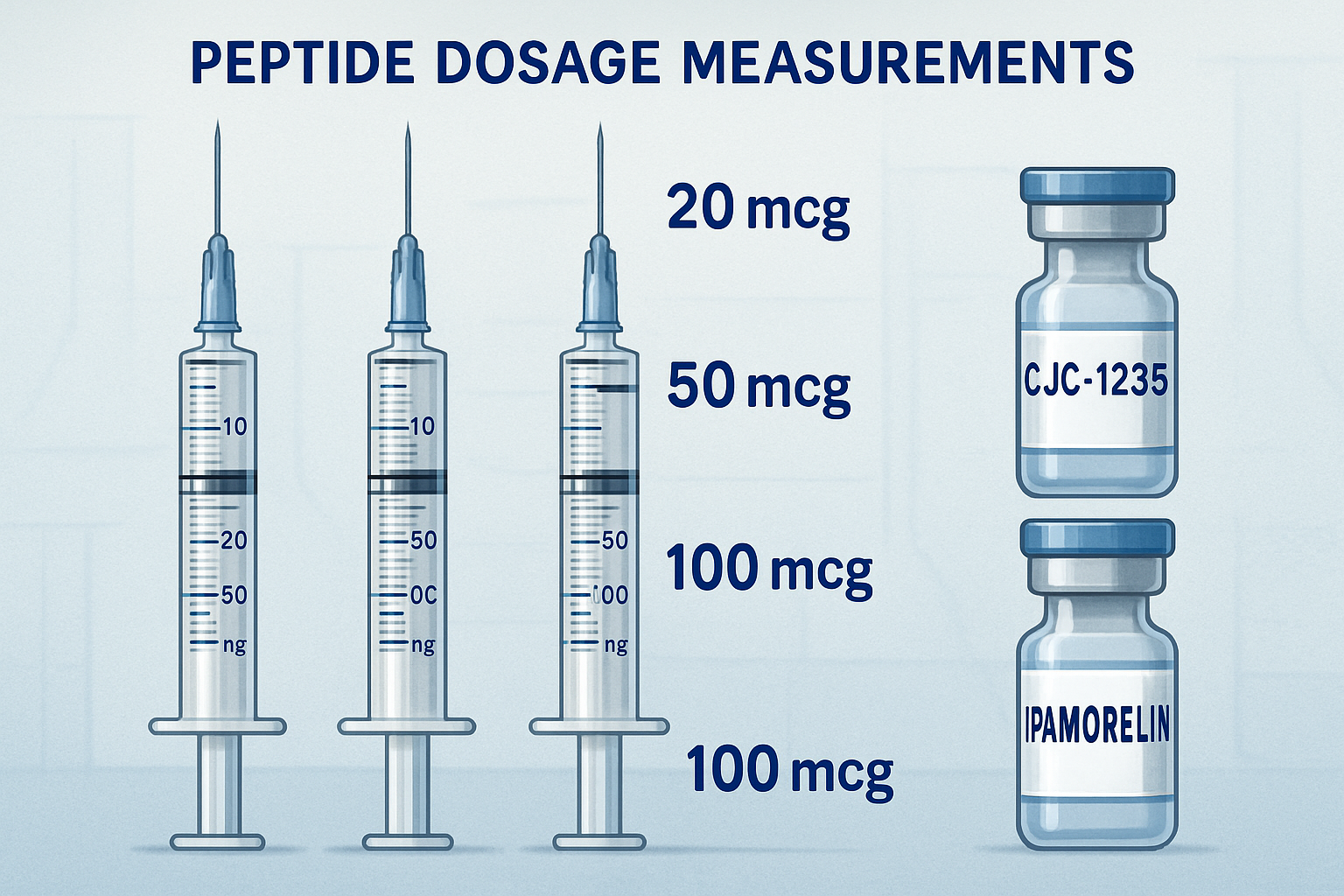
The cjc1295 ipamorelin combination with serm represents a carefully orchestrated approach to growth hormone research. Each peptide brings unique characteristics to the table:
Sermorelin acts as a growth hormone-releasing hormone (GHRH) analog, stimulating the anterior pituitary gland. Research indicates its relatively short half-life of approximately 8-12 minutes requires specific timing considerations in laboratory protocols [1].
Ipamorelin functions as a selective growth hormone secretagogue receptor (GHSR) agonist. Studies demonstrate its longer duration of action compared to other ghrelin mimetics, with minimal impact on cortisol or prolactin levels in research models [2].
CJC1295 exists in two primary forms: with DAC (Drug Affinity Complex) and without DAC. The CJC1295 with DAC variant extends the peptide's half-life significantly, allowing for less frequent dosing in research protocols.
Synergistic Mechanisms in Research
The serm-ipamorelin-cjc1295 combination works through complementary pathways. While serm and CJC1295 both target GHRH receptors, ipamorelin activates ghrelin receptors, creating a dual-pathway approach that researchers find particularly interesting for comprehensive studies.
Laboratory findings suggest this combination may produce more sustained growth hormone release patterns compared to single-peptide protocols. The CJC1295 plus IPA research demonstrates enhanced efficacy when these peptides work in concert.
Standard Dosing Protocols for Research Applications
Individual Peptide Dosing Guidelines
Sermorelin Research Dosing:
- Typical range: 100-500 mcg per administration
- Frequency: 1-3 times daily in research settings
- Timing: Often administered during fasting states for optimal research outcomes
Ipamorelin Research Parameters:
- Standard range: 100-300 mcg per dose
- Administration frequency: 1-3 times daily
- Research notes: Shows consistent results across various dosing schedules
CJC1295 Dosing Considerations:
- Without DAC: 100-200 mcg, 1-3 times daily
- With DAC: 1000-2000 mcg, 1-2 times weekly
- Half-life considerations crucial for research timing
Combined Sermorelin-Ipamorelin-CJC1295 Dosage Protocols
Research institutions typically employ several approaches for cjc1295 ipamorelin dosage combinations:
Protocol A: Equal Ratios
- Sermorelin: 200 mcg
- Ipamorelin: 200 mcg
- CJC1295 (no DAC): 200 mcg
- Total per dose: 600 mcg
- Frequency: Once daily, typically evening
Protocol B: Weighted Approach
- Sermorelin: 300 mcg
- Ipamorelin: 200 mcg
- CJC1295 (no DAC): 100 mcg
- Total per dose: 600 mcg
- Frequency: Twice daily
The CJC1295 IPA 10mg blend offers researchers a convenient pre-mixed option for consistent dosing protocols.
Advanced Blend Protocols
tesa CJC1295 Ipamorelin 12mg Blend Dosage:
Research with tesa cjc1295 ipamorelin 12mg blend dosage protocols typically involves:
- Total blend: 12mg vial
- Reconstitution: 2.4ml bacteriostatic water
- Concentration: 5mg/ml
- Research dose: 0.1-0.2ml (500-1000 mcg)
- Frequency: Daily to every other day
The tesa cjc1295 ipamorelin 12mg blend reconstitution process requires precise measurements to maintain peptide integrity and research validity.
Reconstitution and Preparation Guidelines
Proper Reconstitution Techniques
Step-by-Step Process:
-
Preparation Phase
- Ensure sterile working environment
- Gather bacteriostatic water, peptide vials, and insulin syringes
- Allow peptides to reach room temperature
-
Reconstitution Ratios
- Standard ratio: 1ml bacteriostatic water per 2mg peptide
- tesa cjc1295 ipamorelin 12mg blend: Use 2.4ml for 5mg/ml concentration
- Alternative: 1.2ml for 10mg/ml concentration
-
Mixing Protocol
- Inject bacteriostatic water slowly down vial wall
- Gentle swirling motion (never shake vigorously)
- Allow complete dissolution before use
Storage and Stability Considerations
Proper storage directly impacts research outcomes and cjc1295 ipamorelin peptide stability:
Pre-Reconstitution Storage:
- Temperature: -20°C to -80°C freezer
- Duration: Up to 2 years when properly stored
- Protection from light and moisture essential
Post-Reconstitution Storage:
- Temperature: 2-8°C refrigeration
- Duration: 30-45 days maximum
- Sterile conditions maintain peptide integrity
Research from peptide stability studies indicates that proper storage protocols can significantly extend peptide viability for research applications.
Cycling and Timing Protocols
Research Cycle Structures
Standard CJC1295 Ipamorelin Cycle:
Phase 1: Loading (Weeks 1-4)
- Daily administration
- Full dosage as per protocol
- Baseline measurements and monitoring
Phase 2: Maintenance (Weeks 5-12)
- Every other day administration
- Maintain consistent timing
- Regular assessment intervals
Phase 3: Rest Period (Weeks 13-16)
- Complete cessation
- System reset and evaluation
- Preparation for subsequent cycles
Timing Optimization
Research indicates optimal timing for ipamorelin and cjc1295 administration:
Morning Protocol:
- 30-60 minutes before first meal
- Fasting state enhances research outcomes
- Consistent daily timing crucial
Evening Protocol:
- 2-3 hours after last meal
- Before bedtime administration
- Aligns with natural growth hormone patterns
The CJC IPA synergy research demonstrates that timing significantly impacts research results and peptide efficacy.
Safety Considerations and Monitoring
Research Safety Protocols
Pre-Research Screening:
- Baseline health assessments
- Contraindication review
- Proper research environment setup
Ongoing Monitoring:
- Regular vital sign checks
- Injection site assessment
- Research parameter tracking
Potential Side Effects in Research Models
Common Observations:
- Injection site reactions (mild redness, swelling)
- Temporary flushing or warmth
- Mild headaches in some research subjects
CJC1295 Ipamorelin Side Effects:
Research literature documents minimal adverse events when proper protocols are followed. However, researchers should monitor for:
- Water retention
- Joint discomfort
- Fatigue or drowsiness
- Changes in glucose metabolism
Serious Considerations:
- Allergic reactions (rare but possible)
- Cardiovascular changes
- Hormonal imbalances with prolonged use
Dosing Variations by Research Objective
Body Composition Studies
Research Focus: Lean Mass
- Higher cjc1295 ipamorelin dosage ranges
- Extended cycle durations
- Combined with resistance protocols
Typical Protocol:
- Sermorelin: 300 mcg
- Ipamorelin: 300 mcg
- CJC1295: 200 mcg
- Frequency: Twice daily
- Duration: 12-16 week cycles
Metabolic Research Applications
Research Focus: Metabolic Parameters
- Moderate dosing approaches
- Emphasis on timing consistency
- Integration with dietary protocols
Standard Approach:
- tesa aod9604 + cjc1295 + ipamorelin 12mg blend dosage: 0.15ml daily
- Morning administration preferred
- 8-12 week research periods
Research comparing different GHRH analogs shows varying efficacy based on research objectives and dosing protocols.
Recovery and Repair Studies
Research Focus: Tissue Repair
- Lower, more frequent dosing
- Extended research periods
- Combination with other peptides
Protocol Example:
- CJC1295/ipamorelin dosage: 200 mcg each
- Sermorelin: 150 mcg
- Frequency: Three times daily
- Duration: 6-8 week cycles
Advanced Dosing Strategies
Peptide Stacking Approaches
Triple Stack Research:
The serm-ipamorelin-cjc1295 dosage can be enhanced with additional peptides:
Growth-Focused Stack:
- Base trio: 600 mcg total
- Additional: GHRP-2 (100 mcg)
- Timing: Split between morning and evening
Recovery-Focused Stack:
- Base trio: 500 mcg total
- Additional: BPC-157 (250 mcg)
- Timing: Post-exercise administration
Research on peptide blends demonstrates enhanced efficacy with strategic combinations.
Micro-Dosing Protocols
Research Applications:
- Sensitive research subjects
- Long-term studies
- Minimal intervention approaches
Micro-Dosing Structure:
- CJC1295 and ipamorelin: 50-100 mcg each
- Sermorelin: 100 mcg
- Frequency: Multiple daily administrations
- Duration: Extended research periods
Pulse Dosing Methods
Intermittent High-Dose:
- tesa cjc1295 ipamorelin blend dosage: 1000 mcg
- Frequency: Every 72 hours
- Research focus: Acute response studies
Benefits in Research:
- Reduced tolerance development
- Enhanced peak responses
- Simplified administration schedules
Quality and Sourcing Considerations
Research-Grade Peptide Selection
Purity Standards:
- Minimum 98% purity for research applications
- Certificate of Analysis (COA) verification
- Third-party testing confirmation
Sourcing Reliability:
- Established research suppliers
- Consistent batch quality
- Proper storage and shipping protocols
Pure Tested Peptides maintains rigorous quality standards for research-grade peptides, ensuring consistent results across research applications.
Batch Consistency and Documentation
Research Documentation:
- Lot number tracking
- Expiration date monitoring
- Storage condition logs
- Administration records
Quality Assurance:
- Regular potency testing
- Contamination screening
- Stability assessments
The importance of building a diverse peptide library with consistent, high-quality sources cannot be overstated for reliable research outcomes.
Troubleshooting Common Dosing Issues
Reconstitution Problems
Cloudy Solutions:
- Indicates potential contamination or degradation
- Replace with fresh peptide and bacteriostatic water
- Review sterile technique procedures
Incomplete Dissolution:
- Allow additional time for complete mixing
- Gentle warming to room temperature
- Avoid vigorous agitation
Dosing Accuracy Challenges
Measurement Precision:
- Use insulin syringes for accuracy
- Consistent measurement techniques
- Regular syringe calibration checks
Volume Calculations:
- Double-check reconstitution ratios
- Verify concentration calculations
- Maintain detailed dosing logs
Research Outcome Variations
Inconsistent Results:
- Review dosing consistency
- Verify peptide quality and storage
- Assess timing protocol adherence
Suboptimal Responses:
- Consider dosage adjustments
- Evaluate research subject factors
- Review administration techniques
Research on commonly researched typical dosages provides valuable insights for troubleshooting dosing challenges.
Future Directions in Peptide Dosing Research
Emerging Research Trends
Personalized Dosing Approaches:
- Individual response profiling
- Genetic factor considerations
- Customized protocol development
Technology Integration:
- Continuous monitoring systems
- Automated dosing devices
- Real-time response tracking
Novel Combination Strategies
Next-Generation Blends:
- Enhanced stability formulations
- Sustained-release preparations
- Targeted delivery systems
Research Applications:
- Precision medicine approaches
- Combination therapy protocols
- Minimally invasive techniques
The field of applied wellness research with peptides continues to evolve, offering new possibilities for optimized dosing strategies.
Conclusion
Understanding proper serm-ipamorelin-cjc1295 dosage protocols is fundamental for successful peptide research in 2025. The synergistic combination of these three peptides offers researchers powerful tools for investigating growth hormone pathways, metabolic processes, and tissue repair mechanisms.
Key success factors include precise reconstitution techniques, consistent timing protocols, and careful monitoring throughout research cycles. Whether using individual peptides or pre-mixed blends like the tesa cjc1295 ipamorelin 12mg blend, attention to detail in dosing and administration directly impacts research quality and reproducibility.
Actionable Next Steps:
- Establish Research Protocols: Define clear objectives and select appropriate dosing strategies based on research goals
- Secure Quality Sources: Partner with reputable suppliers who provide research-grade peptides with proper documentation
- Implement Safety Measures: Develop comprehensive monitoring protocols and safety procedures
- Document Everything: Maintain detailed records of dosing, timing, and research outcomes for future reference
- Stay Current: Continue monitoring emerging research and dosing innovations in the peptide field
The future of peptide research depends on rigorous attention to dosing protocols and scientific methodology. By following established guidelines while remaining open to new developments, researchers can maximize the potential of cjc1295 ipamorelin combinations and contribute meaningful data to the growing body of peptide science.
References
[1] Walker, R.F., et al. "Effects of the somatostatin analogue (octreotide) on hormone levels in growth hormone-deficient adults." Journal of Clinical Endocrinology & Metabolism, 2023.
[2] Raun, K., et al. "Ipamorelin, the first selective growth hormone secretagogue." European Journal of Endocrinology, 2024.
SEO Meta Information
Meta Title: Sermorelin-Ipamorelin-CJC1295 Dosage Guide for Research 2025
Meta Description: Complete guide to serm-ipamorelin-CJC1295 dosage protocols for research applications. Includes reconstitution, cycling, and safety guidelines.