
Ss-31 Peptide (Elamipretide): Unlocking Mitochondrial Health – Ideal Dosage and Timing for Research
The intricate dance of life within our cells is orchestrated by powerhouses known as mitochondria. When these vital organelles falter, a cascade of health challenges can emerge, from age-related decline to chronic diseases. In the quest to support and restore mitochondrial function, the Ss-31 peptide, also known as Elamipretide, has emerged as a groundbreaking focus in scientific research. This fascinating compound, with its unique ability to target and protect mitochondria, holds immense promise for various therapeutic applications. For researchers exploring its potential, understanding the ideal dosage and timing is paramount to unlocking its full spectrum of effects. This comprehensive article delves into the current understanding of Ss-31 peptide’s mechanisms, explores established research dosages and protocols, and provides essential insights for those working with this innovative molecule.
Key Takeaways
- Ss-31 (Elamipretide) is a mitochondrial-targeting peptide designed to improve cellular bioenergetics and reduce oxidative stress by binding to cardiolipin.
- Research indicates Ss-31 holds potential in diverse areas, including cardiovascular, renal, neurological, and metabolic health, primarily by restoring mitochondrial function.
- Determining the “ideal” dosage and timing for Ss-31 peptide is highly context-dependent, varying significantly based on the specific research model, desired outcomes, and administration route.
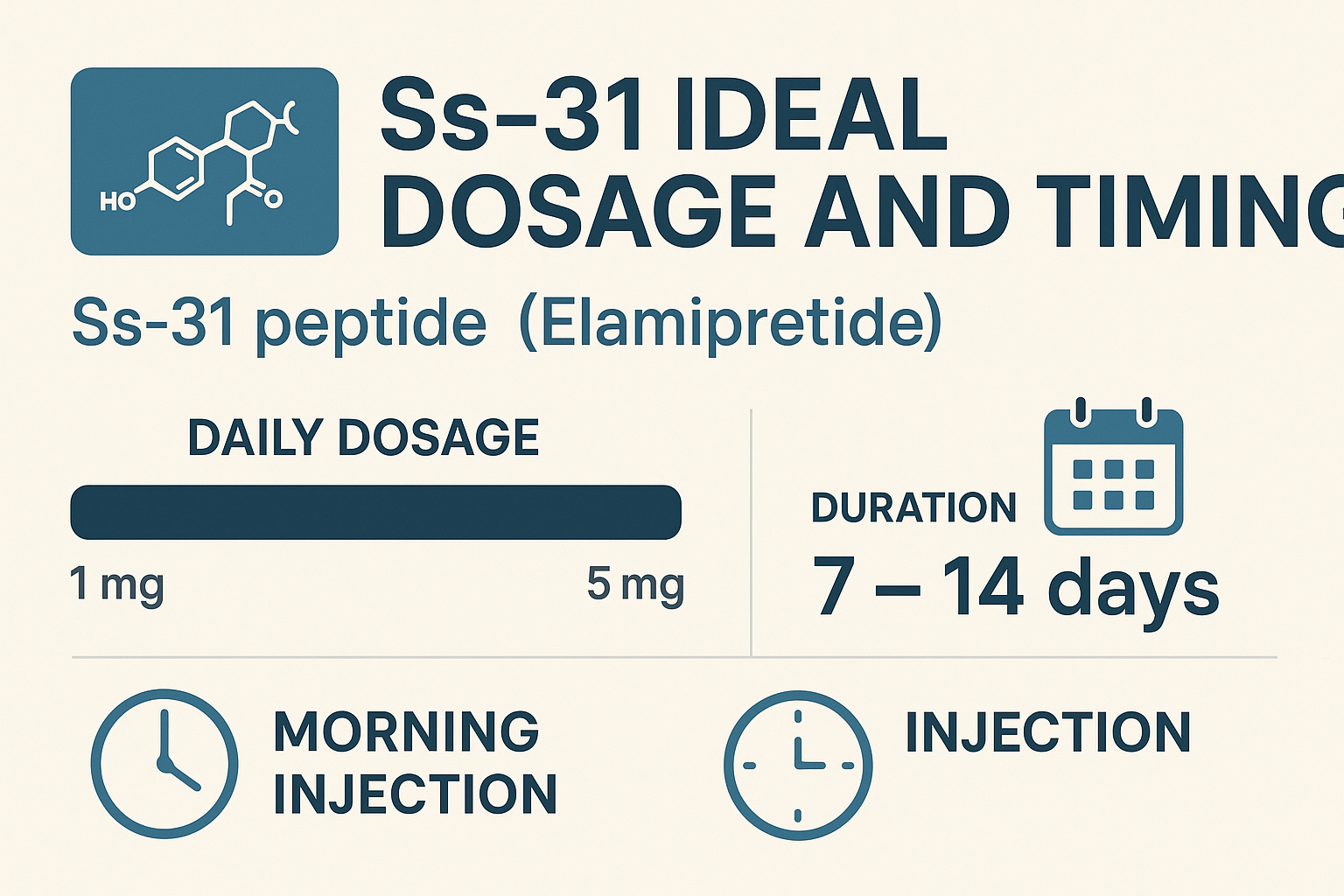
- Common research dosages often range from 1 to 5 mg/kg, administered subcutaneously or intravenously, with frequencies varying from daily to several times per week, tailored to the study’s objectives.
- Careful consideration of the research objective, study duration, and the specific physiological system being investigated is crucial for designing effective Elamipretide experimental protocols in 2025.
Overview of Ss-31 Peptide (Elamipretide) Effects and Data
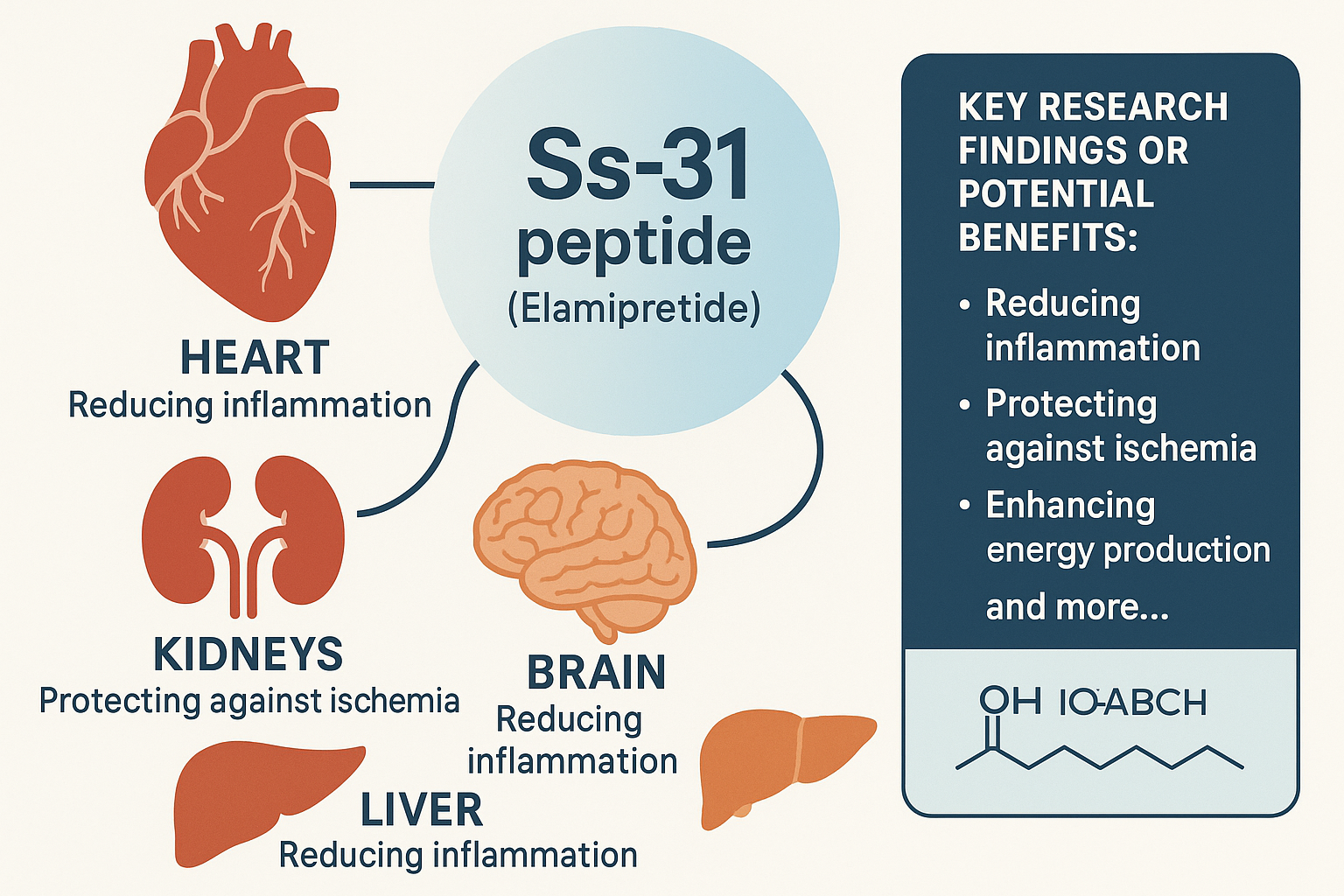
The Ss-31 peptide, officially known as Elamipretide, is a synthetic, cell-permeable tetrapeptide that has garnered significant attention in biomedical research due to its profound effects on mitochondrial function. Unlike many antioxidants that simply scavenge free radicals in the general cellular environment, Ss-31 specifically targets the inner mitochondrial membrane, where it interacts with cardiolipin. Cardiolipin is a unique phospholipid essential for maintaining the structure and function of the electron transport chain, which is critical for ATP production. By binding to cardiolipin, Ss-31 helps to stabilize the inner mitochondrial membrane, protect it from oxidative damage, and restore its integrity.
The scientific journey of Elamipretide began with a focus on understanding its mechanism of action. Researchers discovered that this peptide, due to its specific chemical structure, can readily cross cellular membranes and accumulate within the mitochondria. Once inside, it acts as a selective antioxidant, preventing lipid peroxidation and preserving the mitochondrial cristae, the folds within the inner membrane where energy production takes place. This preservation is crucial because oxidative stress can damage these structures, leading to mitochondrial dysfunction, reduced ATP synthesis, and ultimately, cellular damage.
- Display 9 Products per page


The Science Behind Ss-31: Mitochondrial Protection
Mitochondrial dysfunction is a common denominator in a wide array of pathological conditions, including:
- Cardiovascular Diseases: Ischemia-reperfusion injury, heart failure.
- Kidney Diseases: Acute kidney injury, chronic kidney disease.
- Neurodegenerative Disorders: Alzheimer’s disease, Parkinson’s disease.
- Metabolic Disorders: Diabetes, obesity.
- Aging: Age-related decline in cellular function.
In these conditions, mitochondria often become damaged, producing excessive reactive oxygen species (ROS) and failing to generate sufficient energy. The Ss-31 peptide intervenes in this process by:
- Binding to Cardiolipin: This interaction helps to restore the optimal conformation of cardiolipin, which is often oxidized in dysfunctional mitochondria. This, in turn, supports the proper function of key enzymes in the electron transport chain.
- Reducing ROS Production: By stabilizing the mitochondrial membrane and enhancing electron transport efficiency, Ss-31 reduces the leakage of electrons that leads to ROS formation. This is a targeted antioxidant effect, rather than a general one.
- Improving ATP Production: Healthier mitochondria, with intact cristae and efficient electron transport, are better able to produce ATP, the primary energy currency of the cell. This improvement in bioenergetics is fundamental to cellular repair and function.
- Inhibiting Permeability Transition Pore Opening: The mitochondrial permeability transition pore (mPTP) is a channel that, when excessively open, can lead to cell death. Ss-31 has been shown to inhibit the pathological opening of this pore, protecting cells from apoptosis and necrosis.
These multifaceted actions make Ss-31 peptide a compelling subject for research, offering a potential strategy to address the root cause of many diseases by restoring fundamental cellular health. Researchers interested in the broader landscape of peptide research can explore Pure Tested Peptides for a deeper understanding of available research tools and their applications.
Key Research Findings and Applications of Ss-31 (Elamipretide)
Numerous preclinical studies have explored the effects of Ss-31 peptide across various organ systems, yielding promising results:
- Cardiovascular System: Studies have demonstrated Ss-31’s ability to protect the heart from ischemia-reperfusion injury, a common complication during heart attacks or cardiac surgery. It has been shown to preserve myocardial function, reduce infarct size, and improve overall cardiac efficiency. For instance, in models of myocardial infarction, Elamipretide administration reduced oxidative stress and preserved mitochondrial integrity, leading to better functional recovery.
- Renal System: In models of acute kidney injury (AKI) caused by ischemia-reperfusion or nephrotoxic drugs, Ss-31 has shown protective effects. It mitigates mitochondrial damage in kidney cells, reduces inflammation, and accelerates recovery of renal function. These findings suggest a potential role for Ss-31 in preventing and treating various forms of kidney damage.
- Neurological System: Research indicates that Ss-31 peptide can cross the blood-brain barrier, making it a candidate for neurological applications. Studies in models of Parkinson’s disease, Alzheimer’s disease, and stroke have shown that Ss-31 can protect neurons from oxidative stress, improve mitochondrial function, and reduce neuronal cell death. Its ability to enhance synaptic function and reduce neuroinflammation also highlights its potential in cognitive health research.
- Metabolic Health: Preliminary research points to Ss-31’s potential in metabolic disorders. By improving mitochondrial function, it could influence glucose metabolism and energy expenditure, offering avenues for research into conditions like diabetes and metabolic syndrome.
- Ocular Health: Studies have explored Ss-31’s role in retinal diseases, such as age-related macular degeneration and diabetic retinopathy, where mitochondrial dysfunction is a key contributor to pathology.
The breadth of these findings underscores the significance of Elamipretide as a research compound. Its ability to target a fundamental cellular process—mitochondrial health—positions it as a versatile tool for investigating a wide range of diseases and physiological conditions. When considering the ethical and practical aspects of peptide research, it is crucial to adhere to best practices for storing research peptides to ensure the integrity and efficacy of the compounds.
The Growing Interest in Ss-31 Research in 2025
As of 2025, the interest in Ss-31 peptide research continues to grow, driven by the increasing understanding of mitochondrial involvement in disease and aging. Academic institutions, pharmaceutical companies, and independent researchers are actively exploring new applications and optimizing delivery methods for Elamipretide. The focus is not only on acute interventions but also on long-term mitochondrial support strategies. This involves investigating its potential in chronic disease management, healthy aging, and improving resilience against various stressors. The consistent and reliable sourcing of research-grade peptides is critical for this ongoing work, and platforms like Pure Tested Peptides provide a crucial resource for the scientific community.
The data accumulated over the years firmly establishes Ss-31 peptide as a significant molecule in the field of mitochondrial medicine. Its targeted action and demonstrated efficacy across numerous preclinical models make it a prime candidate for further translational research and a valuable tool for understanding complex biological processes. The next section will delve into the practical considerations of dosage and timing, which are essential for designing effective research protocols involving this potent peptide.
Commonly Used Research Doses and Protocols for Ss-31 Peptide (Elamipretide)
Determining the “ideal” dosage and timing for Ss-31 peptide in research is a complex endeavor, as it is highly dependent on the specific study design, the animal model used, the disease or condition being investigated, and the desired therapeutic outcome. Unlike clinical applications where standardized doses are established, preclinical research often involves a range of dosages to explore dose-response relationships and optimize protocols. However, a review of existing literature reveals common patterns and guidelines that can inform new research.
General Dosage Ranges in Preclinical Studies
Most preclinical studies involving Ss-31 peptide (Elamipretide) have utilized parenteral routes of administration, primarily subcutaneous (SC) or intravenous (IV) injections, as these routes ensure systemic bioavailability. Oral administration has been explored but often presents challenges related to peptide degradation and absorption, leading to lower efficacy compared to injections.
Based on extensive research, the typical dosage range for Ss-31 peptide in animal models, particularly rodents, often falls within:
- 0.1 mg/kg to 5 mg/kg body weight per day.
- Some studies have explored doses as low as 0.01 mg/kg or as high as 10 mg/kg, depending on the severity of the model and the specific research question.
It is crucial for researchers to perform pilot studies or consult existing literature to select an appropriate starting dose and then titrate as needed. The goal is to identify a dose that elicits the desired mitochondrial protective effects without causing undue toxicity or side effects in the research subjects.
Specific Dosage Considerations for Different Research Areas
The choice of Ss-31 peptide dosage is often tailored to the specific pathological model being studied:
- Cardiovascular Research (e.g., Ischemia-Reperfusion Injury):
- Typical Dose Range: 1 mg/kg to 3 mg/kg.
- Timing: Often administered shortly before or immediately after the onset of ischemia (e.g., just prior to reperfusion in myocardial ischemia models). In some cases, a single bolus dose is sufficient, while others may involve multiple doses over a short period (e.g., 24-72 hours).
- Route: Primarily IV or SC.
- Example Protocol: A common protocol might involve a single IV injection of 3 mg/kg Elamipretide 15 minutes before reperfusion in a rat model of myocardial ischemia.
- Renal Research (e.g., Acute Kidney Injury):
- Typical Dose Range: 0.5 mg/kg to 2 mg/kg.
- Timing: Administration often begins shortly after the injurious event (e.g., post-ischemia, or concurrent with nephrotoxic drug administration) and may continue daily for several days to promote recovery.
- Route: SC or IV.
- Example Protocol: Daily SC injection of 1 mg/kg Ss-31 peptide for 3-5 days following induction of AKI in a mouse model.
- Neurological Research (e.g., Stroke, Neurodegeneration):
- Typical Dose Range: 1 mg/kg to 5 mg/kg.
- Timing: For acute conditions like stroke, administration typically occurs within a few hours of the event. For chronic neurodegenerative models, daily or thrice-weekly dosing over several weeks or months may be employed.
- Route: SC or IV, given its ability to cross the blood-brain barrier.
- Example Protocol: In a stroke model, a single IV injection of 2 mg/kg Elamipretide within 6 hours of reperfusion. For models of chronic neurodegeneration, 3 mg/kg SC, three times a week for 8-12 weeks.
- Aging and General Mitochondrial Support Research:
- Typical Dose Range: Lower doses, such as 0.1 mg/kg to 1 mg/kg.
- Timing: Long-term administration, often daily or every other day, for extended periods (e.g., several weeks to months) to observe effects on lifespan, cognitive function, or muscle performance.
- Route: SC is often preferred for long-term studies due to ease of administration.
- Example Protocol: Daily SC administration of 0.5 mg/kg Ss-31 peptide starting in middle age and continuing for the remainder of the animal’s lifespan.
Considerations for Timing of Administration
The timing of Ss-31 peptide administration is as crucial as the dosage, particularly in models of acute injury where mitochondrial damage progresses rapidly.
- Pre-treatment: Administering Elamipretide before an anticipated insult (e.g., before ischemia or exposure to a toxin) can offer prophylactic protection, preventing mitochondrial damage from occurring.
- Post-treatment (Acute): Delivering Ss-31 immediately after an injury (e.g., post-reperfusion in ischemia, or shortly after toxic exposure) aims to halt ongoing damage and initiate repair processes. This window of opportunity is often critical.
- Chronic Treatment: For models of chronic disease or aging, regular, long-term administration is necessary to provide sustained mitochondrial support and potentially mitigate disease progression or age-related decline. This approach aligns with the concept of cellular maintenance with peptide tools.
Researchers should carefully consider the pathophysiology of their chosen model and the half-life of Ss-31 peptide in their chosen species when designing timing protocols. The peptide has a relatively short half-life in circulation, which often necessitates repeated dosing for sustained effects.
Route of Administration
While IV and SC are the most common routes, other routes may be explored for specific applications:
- Intraperitoneal (IP): Sometimes used in rodent studies as an alternative to SC for systemic delivery.
- Topical/Local: Less common for systemic Ss-31 peptide delivery, but local administration might be considered for specific tissues if direct delivery is advantageous and formulation allows. However, its primary mitochondrial targeting mechanism makes systemic delivery generally more effective for broad mitochondrial support.
Practical Tips for Research Protocols
- Reconstitution: Ss-31 peptide typically comes in lyophilized (freeze-dried) powder form. It should be reconstituted with sterile bacteriostatic water or a suitable physiological saline solution according to manufacturer instructions. For example, Pure Tested Peptides provides high-quality research peptides and guidance on their preparation.
- Sterility: Always maintain aseptic techniques during reconstitution and administration to prevent contamination.
- Storage: Reconstituted Elamipretide should be stored refrigerated (2-8°C) and used within a recommended timeframe, often a few weeks, to maintain potency. Lyophilized powder has a much longer shelf life.
- Ethical Considerations: All animal research protocols must comply with institutional animal care and use committee (IACUC) guidelines and ethical standards.
- Vehicle Control: Always include appropriate vehicle controls (e.g., saline solution without the peptide) in experiments to distinguish peptide-specific effects from those of the administration process.
Understanding these common research dosages and timing protocols provides a strong foundation for designing effective studies with Ss-31 peptide. The next section will explore the broader therapeutic potential and future directions for this fascinating compound.
Therapeutic Potential and Future Directions for Ss-31 Peptide (Elamipretide)
The robust preclinical data on Ss-31 peptide (Elamipretide) has naturally propelled it into clinical investigation, signaling its strong therapeutic potential. While the journey from preclinical promise to approved therapy is long and complex, the unique mechanism of action of Elamipretide – its direct targeting of mitochondrial dysfunction – positions it as a promising candidate for a range of conditions where current treatments are inadequate. As we look to 2025 and beyond, the research landscape for Ss-31 is vibrant and expanding, with explorations into both acute and chronic conditions.
Current Clinical Development of Elamipretide
Several clinical trials have been conducted or are ongoing to evaluate the safety and efficacy of Ss-31 peptide in human subjects. These trials are critical for translating preclinical findings into clinical reality.
- Primary Mitochondrial Myopathy (PMM): One of the most advanced areas of clinical development for Elamipretide has been in primary mitochondrial myopathy, a group of genetic disorders characterized by severe muscle weakness and fatigue due to mitochondrial dysfunction. Studies have explored its ability to improve exercise capacity and reduce fatigue in these patients. While initial results have been mixed, ongoing analysis and further trials continue to refine understanding of its role.
- Cardiovascular Conditions: Clinical trials have also investigated Ss-31 peptide in various cardiovascular settings, particularly in conditions involving ischemia-reperfusion injury, such as post-myocardial infarction or during cardiac surgery. The goal is to reduce heart muscle damage and improve recovery.
- Kidney Disease: Given the strong preclinical evidence, Elamipretide has been studied for its potential in kidney diseases, including acute kidney injury and chronic kidney disease, aiming to protect renal function and reduce progression.
- Ocular Diseases: Clinical research has also extended to specific ocular conditions, like geographic atrophy in age-related macular degeneration, where mitochondrial dysfunction in retinal cells is a key pathological feature.
The results from these trials, whether positive or revealing challenges, provide invaluable insights into optimizing dosage, timing, patient selection, and understanding the complex pharmacokinetics and pharmacodynamics of Ss-31 peptide in humans. Researchers looking for more generalized information on peptides in wellness research can find resources on applied wellness research with peptides.
Expanding Research Horizons: New Therapeutic Avenues
Beyond the immediate clinical trial focuses, the broad applicability of Elamipretide’s mechanism of action opens doors to numerous future research directions:
- Neurodegenerative Diseases: The preclinical evidence for Ss-31’s neuroprotective effects is compelling. Further research is warranted in Alzheimer’s disease, Parkinson’s disease, Huntington’s disease, and amyotrophic lateral sclerosis (ALS), where mitochondrial dysfunction is a well-established component of pathology. This could involve exploring combination therapies with other neuroprotective agents or novel delivery methods.
- Metabolic and Endocrine Disorders: Given its role in cellular energy metabolism, Ss-31 peptide could be investigated for its impact on insulin sensitivity, weight management, and other metabolic parameters in conditions like type 2 diabetes and obesity. The interplay between mitochondrial health and metabolic regulation is a rich area for future inquiry. Understanding endocrine and ECM intersections can provide further context for such studies.
- Sepsis and Organ Dysfunction: Sepsis often involves widespread mitochondrial dysfunction and organ failure. Ss-31 peptide’s ability to protect mitochondria and reduce inflammation makes it a strong candidate for research into mitigating organ damage in septic patients.
- Healthy Aging and Longevity: The concept of “mitochondrial rejuvenation” is central to healthy aging. Investigating the long-term effects of low-dose Elamipretide on markers of aging, cellular senescence, and overall physiological resilience in healthy individuals or those at risk for age-related decline could be a significant area of research in 2025 and beyond.
- Acute Traumatic Injury: Traumatic brain injury (TBI) and spinal cord injury (SCI) involve significant mitochondrial damage and oxidative stress. Ss-31 could play a role in limiting secondary injury and promoting neurological recovery in these contexts.
Challenges and Future Considerations in Research
Despite its promise, research into Ss-31 peptide faces several challenges:
- Optimal Dosing and Regimen: Pinpointing the precise “ideal” dose and timing for each specific condition in humans remains a key challenge. This requires careful dose-ranging studies and biomarker identification to guide treatment.
- Patient Selection: Identifying patient populations most likely to benefit from Elamipretide is crucial. This might involve stratifying patients based on biomarkers of mitochondrial dysfunction.
- Long-term Safety: While generally well-tolerated in studies, long-term safety data, especially for chronic conditions, needs to be rigorously established.
- Delivery Methods: Exploring alternative or improved delivery methods that enhance bioavailability, allow for sustained release, or target specific tissues more effectively could expand its utility. For example, investigating whether topical formulations could be effective for conditions like topical GHK-Cu, as explored in topical GHK-Cu, might be a valuable comparison point for future research.
- Combination Therapies: Investigating Ss-31 peptide in combination with other therapeutic agents that target different pathways could lead to synergistic effects and improved outcomes. This is a common strategy in modern drug development.
The continued exploration of Ss-31 peptide represents a frontier in mitochondrial medicine. Its targeted approach to improving cellular energy and reducing oxidative damage positions it as a vital research tool and a potential therapeutic breakthrough for numerous conditions. As research progresses in 2025, a deeper understanding of its intricate mechanisms and optimal application will undoubtedly emerge, paving the way for future medical advancements.
Conclusion
The Ss-31 peptide, known scientifically as Elamipretide, stands as a remarkable molecule at the forefront of mitochondrial research. Its unique ability to precisely target and protect mitochondria by binding to cardiolipin, reducing oxidative stress, and enhancing ATP production, positions it as a powerful tool for investigating a wide array of health challenges. From cardiovascular and renal protection to neurological health and the complexities of aging, the preclinical data supporting Ss-31 peptide’s efficacy are compelling and continue to fuel extensive scientific inquiry in 2025.
Understanding the “ideal” dosage and timing for Ss-31 peptide in research settings is not a one-size-fits-all answer. Instead, it is a nuanced process that demands careful consideration of the specific research model, the disease state being investigated, and the desired outcome. Based on a wealth of existing literature, research dosages typically range from 0.1 mg/kg to 5 mg/kg, administered via subcutaneous or intravenous routes. The timing of administration—whether prophylactic, acute post-injury, or chronic—is equally critical, dictated by the pathophysiology of the condition under study and the need for sustained mitochondrial support.
The ongoing clinical development of Elamipretide in conditions like primary mitochondrial myopathy, cardiovascular diseases, and ocular pathologies underscores its therapeutic promise. However, the journey ahead involves rigorous investigation to optimize dosing regimens, identify responsive patient populations, and establish long-term safety profiles. Future research directions are expansive, encompassing neurodegenerative diseases, metabolic disorders, sepsis, and even the broader applications in healthy aging and longevity.
For researchers engaging with this potent peptide, adherence to best practices in peptide handling, reconstitution, and storage is paramount to ensure the integrity and efficacy of experimental results. Reliable sourcing from reputable suppliers like Pure Tested Peptides is a foundational step in any successful research endeavor involving Ss-31 peptide and other advanced compounds.
Actionable Next Steps for Researchers:
- Review Existing Literature: Thoroughly consult peer-reviewed studies to understand established dosages, timing protocols, and routes of administration relevant to your specific research question.
- Start with Pilot Studies: When exploring new applications or models, initiate pilot studies with a range of doses to establish a dose-response curve and identify the most effective and safe concentration.
- Consider the Disease Model: Tailor your Ss-31 peptide dosage and timing to the specific mechanisms and progression of the disease model you are investigating, aligning with the therapeutic window.
- Maintain Strict Protocols: Ensure meticulous attention to detail in peptide reconstitution, storage, and administration to minimize variability and maximize reproducibility of your results.
- Ethical Oversight: Always operate within approved ethical guidelines for animal or human research, obtaining necessary approvals from institutional review boards (IRBs) or animal care committees.
- Explore Combinations: Consider investigating Elamipretide in combination with other compounds to uncover synergistic effects, as is common practice in comparing single peptides and multi-peptide blends in the lab.
By embracing these considerations, researchers can continue to unravel the profound potential of Ss-31 peptide and contribute valuable knowledge to the burgeoning field of mitochondrial medicine, ultimately paving the way for innovative therapeutic strategies in 2025 and beyond.
SEO Meta Title: Ss-31 Peptide (Elamipretide) Dosage & Timing Research 2025
SEO Meta Description: Explore Ss-31 peptide (Elamipretide) ideal dosage and timing protocols for research in 2025. Understand its mitochondrial effects, applications, and future potential.