
Unlocking Potential: Exploring the Synergy of AOD-9604 Peptide

The world of peptide research is continually evolving, presenting fascinating avenues for understanding complex biological processes. Among the many compounds garnering significant scientific interest, the synergy aod9604 peptie stands out as a focal point for researchers investigating metabolic regulation and tissue repair. This article delves into the intricate mechanisms, research findings, and potential applications of AOD-9604, particularly when considered in concert with other potent peptides like mots c peptide. From its origins as a modified fragment of human growth hormone to its targeted effects on adipose tissue, AOD-9604 offers a unique perspective on metabolic interventions and therapeutic strategies.
Key Takeaways
- AOD-9604's Unique Mechanism: AOD-9604 is a synthetic peptide fragment (Tyr-hGH 177-191) that mimics the lipolytic and anti-lipogenic properties of growth hormone without stimulating IGF-1 or promoting cell proliferation.
- Targeted Fat Metabolism: Research indicates AOD-9604 primarily targets adipose tissue, promoting fat burning and reducing fat accumulation, distinct from broader growth hormone effects.
- Synergistic Potential: The term "synergy aod9604 peptie" refers to the hypothesis that AOD-9604 may enhance or be enhanced by other peptides, such as mots-c peptide, in achieving broader metabolic or regenerative outcomes.
- Research Focus: Current scientific inquiry heavily concentrates on AOD-9604's role in obesity management, cartilage repair, and its potential in combination therapies.
- Importance of Purity: For accurate research, sourcing high-purity synergy aod9604 peptie and related compounds from reputable suppliers like Pure Tested Peptides is paramount.
Understanding AOD-9604: A Deeper Dive into its Mechanics
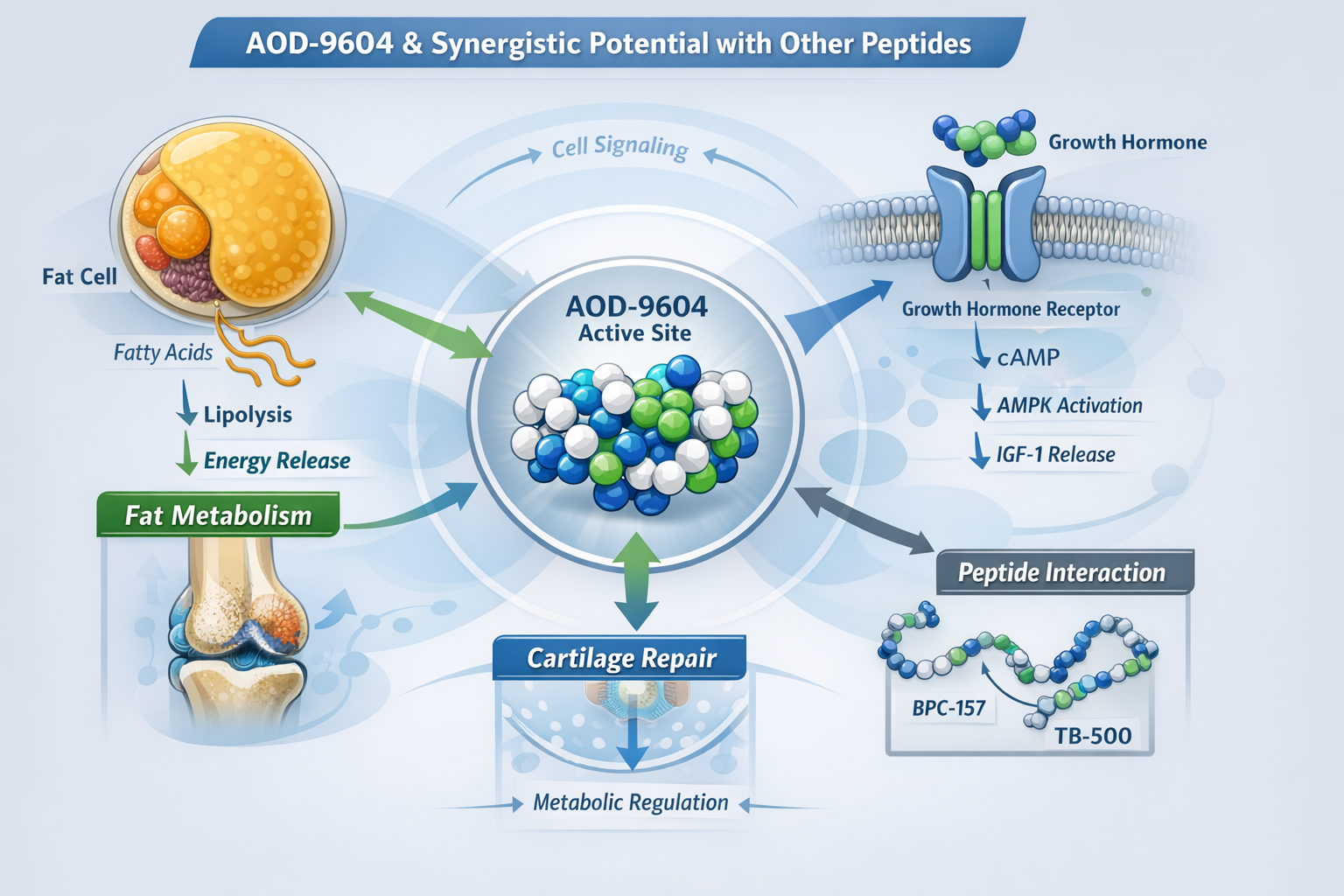
AOD-9604, or Adipose-Derived Obese-Decreasing peptide 9604, is a modified fragment of the human growth hormone (hGH) molecule, specifically the C-terminal region of hGH, comprising amino acids 177-191. Its unique structure means it retains the fat-reducing (lipolytic) properties of hGH without the undesired effects associated with full growth hormone administration, such as insulin resistance or cell proliferation [1]. This specificity makes it a compelling subject for metabolic research, distinguishing it from general growth hormone secretagogues.
The primary mechanism of action for AOD-9604 involves stimulating lipolysis (the breakdown of fat) and inhibiting lipogenesis (the formation of new fat) [2]. Unlike full growth hormone, AOD-9604 does not appear to act through the growth hormone receptor in a broad sense, nor does it significantly elevate IGF-1 levels. Instead, it is hypothesized to exert its effects directly on adipose tissue, influencing enzymatic activity related to fat metabolism. This targeted approach is what makes the synergy aod9604 peptie concept so intriguing for researchers exploring precise metabolic interventions.
The Role of AOD-9604 in Fat Metabolism
One of the most extensively studied aspects of AOD-9604 is its impact on fat metabolism. Preclinical and some clinical research has explored its capacity to reduce body fat, particularly in obese subjects [3]. Studies have shown that AOD-9604 can help mobilize fat from adipose tissue for energy expenditure, potentially contributing to weight management strategies. This is a critical area of investigation, especially in the context of global obesity rates in 2026. The ability of AOD-9604 to selectively target fat cells without significant impact on glucose homeostasis or muscle mass makes it an attractive subject for ongoing research.
The distinct advantage of AOD-9604 lies in its separation from the proliferative effects of intact growth hormone. This means researchers can explore its fat-reducing properties without concerns about potential side effects like increased cell growth or altered insulin sensitivity. When considering the synergy aod9604 peptie, its specific metabolic profile offers a foundation upon which other peptides might build, enhancing overall research outcomes. For those interested in its standalone properties, further details on AOD-9604 can be found through resources like AOD-9604 Metabolic Research.
AOD-9604 and Cartilage Repair Research
Beyond its metabolic effects, AOD-9604 has also shown promise in research related to cartilage repair and regeneration, particularly in models of osteoarthritis [4]. Studies suggest that AOD-9604 may have chondroprotective effects, helping to maintain cartilage integrity and potentially stimulating its repair. This dual role in both fat metabolism and tissue regeneration makes it a versatile peptide for scientific inquiry. The mechanisms here are less understood than its metabolic actions but may involve reducing inflammation or directly influencing chondrocyte activity. This opens up possibilities for exploring how synergy aod9604 peptie might interact with other peptides known for their regenerative properties, such as BPC-157 or TB-500.
Researchers often explore these multiple facets to fully understand a peptide's potential. The ongoing investigation into AOD-9604's chondroprotective properties provides another layer of complexity and potential application, moving beyond simple metabolic regulation.
The Concept of Synergy in Peptide Research: AOD-9604 and Mots C Peptide
The term "synergy" in peptide research refers to the phenomenon where the combined effect of two or more peptides is greater than the sum of their individual effects. This concept is particularly relevant when discussing synergy aod9604 peptie, as researchers often investigate how AOD-9604 might interact with other peptides to achieve enhanced or broader therapeutic outcomes. One such peptide that frequently comes into discussion in combination with AOD-9604 is mots c peptide.
Mots-c peptide is a mitochondrial-derived peptide that plays a significant role in metabolic regulation, particularly in skeletal muscle. It is known to influence insulin sensitivity, glucose metabolism, and energy homeostasis [5]. The potential for aod9604 mots c peptide synergy arises from their complementary actions on metabolism. While AOD-9604 primarily targets adipose tissue for fat breakdown, mots-c peptide focuses on muscle tissue, improving glucose utilization and mitochondrial function.
Mots C Peptide: A Powerful Metabolic Regulator
Mots-c peptide, often referred to as mot c peptide or mots-c peptide, is an exciting area of research due to its profound impact on metabolic health. It acts as a signaling molecule, communicating between mitochondria and the rest of the cell, influencing how cells use energy. Research has shown that mots-c peptide can mimic the effects of exercise, enhancing insulin sensitivity and promoting metabolic flexibility [6]. This makes the mots-c peptide a key player in studies related to obesity, type 2 diabetes, and age-related metabolic decline.
The mots c peptide benefits extend to potentially improving endurance and overall metabolic fitness, making it a compelling subject for fitness and health researchers. For a deeper understanding of this remarkable compound, researchers can explore resources like Mots-c Peptide 10mg. Understanding the specific actions of mots-c peptide provides context for exploring its synergistic potential with AOD-9604. For example, if AOD-9604 facilitates fat mobilization, mots-c peptide might enhance the muscle's ability to efficiently utilize those mobilized fats for energy.
Exploring AOD9604 Mots C Synergy
The hypothesized aod9604 mots c synergy revolves around the idea of a comprehensive metabolic overhaul. Imagine a scenario where AOD-9604 helps to break down stubborn fat stores, while mots-c peptide simultaneously improves the efficiency with which muscle cells utilize glucose and fats. This dual action could lead to more significant improvements in body composition, metabolic health, and overall energy levels compared to using either peptide alone.
| Feature | AOD-9604 | Mots-c Peptide | Potential Synergy with AOD-9604 Mots C |
|---|---|---|---|
| Primary Target | Adipose Tissue (Fat Cells) | Skeletal Muscle, Mitochondria | Comprehensive Metabolic Regulation |
| Main Action | Lipolysis (Fat Breakdown), Anti-lipogenesis | Glucose Uptake, Insulin Sensitivity, Energy | Enhanced Fat Utilization, Improved Glucose |
| Homeostasis | Metabolism, Overall Metabolic Efficiency | ||
| Secondary Effects | Cartilage Repair, Anti-inflammatory | Endurance Enhancement, Mitochondrial Biogenesis | Broader health benefits, systemic impact |
Researchers studying the aod9604 peptide synergy are keen to quantify these combined effects. Studies might involve evaluating body composition changes, glucose tolerance tests, and markers of inflammation in animal models or in vitro studies. The goal is to determine if the combination indeed offers a magnified benefit. The precise mots-c peptide dosage chart and AOD-9604 protocols would be critical variables in such research.
A common query amongst researchers is "reddit motsc vs aod9604." This reflects a growing interest in understanding the distinct and overlapping roles of these peptides. While AOD-9604 is primarily for fat reduction and mots-c for muscle metabolic enhancement, the synergy aod9604 peptie hypothesis posits that using them together might create a more robust metabolic response.
Research Protocols and Safety Considerations for Synergy AOD9604 Peptie
Conducting research with peptides like synergy aod9604 peptie requires meticulous adherence to established protocols and rigorous safety considerations. As these compounds are primarily for research purposes, it is essential to maintain high standards of purity, accurate dosing, and ethical handling. Researchers, peptide shoppers, and health professionals must prioritize quality and safety in all experimental designs.
Sourcing and Purity of Peptides
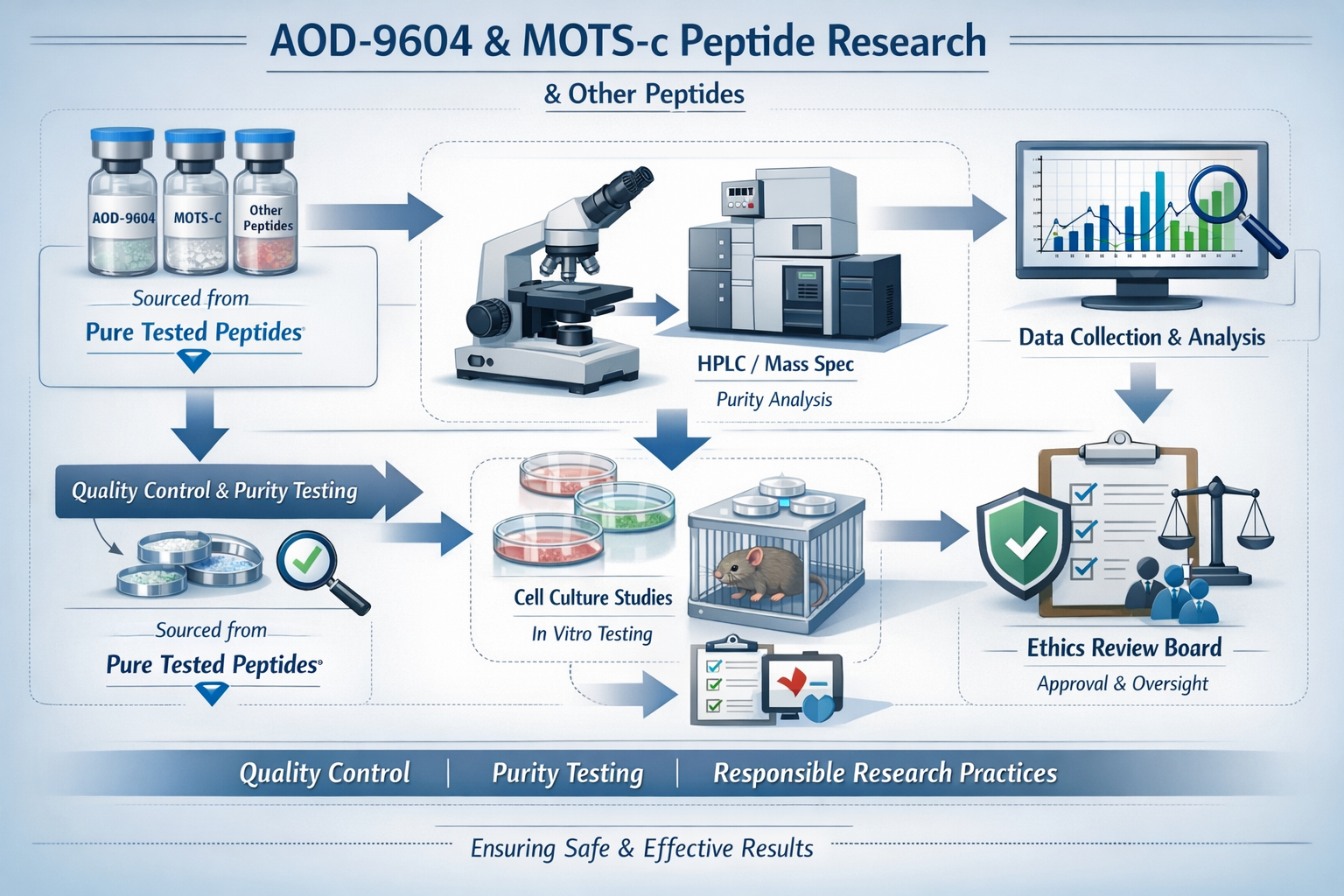
The foundation of reliable peptide research rests on the purity and authenticity of the compounds used. When investigating something as specific as synergy aod9604 peptie or mots c peptide, contamination or incorrect synthesis can lead to misleading results and potential safety issues. Reputable suppliers provide comprehensive Certificates of Analysis (CoAs) that detail the purity, identity, and absence of contaminants in their products.
When sourcing peptides for research, always look for:
- Third-Party Lab Testing: Independent verification of purity and concentration.
- HPLC-MS Reports: High-Performance Liquid Chromatography-Mass Spectrometry data confirming peptide structure and purity.
- Transparent Sourcing: Information about the synthesis process and quality control measures.
Sites like Pure Tested Peptides emphasize quality and provide researchers with access to high-purity compounds necessary for accurate studies. Ensuring the integrity of the raw materials is the first and most crucial step in any successful research protocol.
Dosage and Administration in Research Settings
Determining the appropriate mots c peptide dosage or AOD-9604 dosage for research protocols is complex and depends heavily on the specific research objectives, the model system (e.g., in vitro, animal models), and the desired outcome. There is no universally approved mots-c peptide dosage chart for human use outside of clinical trials, as these peptides are not approved for human consumption. Researchers typically rely on preclinical data, peer-reviewed studies, and careful dose-escalation studies to establish effective concentrations and dosages.
Administration methods in research vary, including subcutaneous injections for systemic effects or localized application for specific tissue targets (e.g., cartilage research). Proper sterile technique is paramount for injectable research peptides to prevent contamination and ensure consistent results. Understanding the pharmacokinetics and pharmacodynamics of each peptide, both individually and in combination, is vital for designing effective research protocols. Researchers can find more information on peptides and their administration considerations through resources like Best Practices for Storing Research Peptides.
Potential Side Effects and Safety Considerations
While AOD-9604 is designed to avoid the broader side effects of growth hormone, and mots-c peptide has generally shown a favorable safety profile in preclinical studies, all research peptides carry potential risks, especially when explored in synergistic combinations. The term mots-c peptide side effects refers to any unintended outcomes observed during research. These can range from mild local reactions at injection sites to systemic effects depending on the peptide and dosage.
Key safety considerations in research include:
- Careful Monitoring: Observing experimental subjects for any adverse reactions or physiological changes.
- Ethical Review: Adhering to institutional animal care and use committee (IACUC) or institutional review board (IRB) guidelines for all studies involving living organisms.
- Data Collection: Meticulously documenting all observations, both expected and unexpected, to contribute to the overall understanding of the peptide's safety profile.
The exploration of synergy aod9604 peptie necessitates an even greater degree of caution, as interactions between compounds can sometimes produce unpredictable effects. Thorough literature reviews, pilot studies, and incremental dosage adjustments are critical components of responsible research.
Future Directions and Research Implications for Synergy AOD9604 Peptie
The field of peptide science is dynamic, with continuous advancements reshaping our understanding of biological systems and potential therapeutic interventions. The ongoing research into synergy aod9604 peptie and combinations like aod9604 mots c peptide promises to unveil new insights into metabolic health, regenerative medicine, and beyond. In 2026, researchers are keenly focused on several key areas that could define the future trajectory of these powerful compounds.
Advanced Metabolic Research
The primary focus for AOD-9604 remains its role in lipid metabolism, and the integration of mots-c peptide introduces an exciting dimension to this research. Future studies are likely to delve deeper into:
- Specific Metabolic Pathways: Identifying the exact enzymatic targets and signaling cascades influenced by AOD-9604 and mots-c peptide individually and in combination. This could involve advanced metabolomics and proteomics techniques.
- Long-term Effects: Investigating the sustained impact of these peptides on body composition, insulin sensitivity, and overall metabolic health in various animal models. This is crucial for understanding the chronic implications of synergy aod9604 peptie.
- Disease Models: Exploring the efficacy of these combinations in more complex disease models, such as diet-induced obesity, metabolic syndrome, and type 2 diabetes, to assess their translational potential. The synergy of AOD9604 and MOTS-c is a specific area of interest here.
The aim is to move beyond simply observing fat loss or improved glucose metrics, towards understanding the underlying biological reprogramming that might occur. This holistic approach can shed light on why certain individuals respond differently to metabolic interventions.
Regenerative and Anti-Aging Research
Beyond metabolism, the regenerative properties of AOD-9604 (e.g., cartilage repair) and the cellular health benefits of mots-c peptide make the synergy aod9604 peptie combination a strong candidate for anti-aging and regenerative medicine research.
Areas of exploration include:
- Joint Health: Further investigation into AOD-9604's chondroprotective effects, perhaps in combination with peptides known for tissue repair like BPC-157 or TB-500, to enhance cartilage regeneration and reduce inflammation in conditions like osteoarthritis [7].
- Mitochondrial Function: Since mots-c peptide is a mitochondrial-derived peptide, research could focus on how its synergy with AOD-9604 impacts mitochondrial biogenesis, efficiency, and overall cellular resilience, which are critical aspects of healthy aging. For more on optimizing cellular function, researchers can explore topics like Adaptive Capacity and Peptide Mapping.
- Muscle Maintenance: Given mots-c peptide's role in muscle metabolism, the combination might be explored for combating age-related muscle loss (sarcopenia) and improving physical function in older populations.
The potential for mots c peptide benefits to extend into these areas, especially when combined with AOD-9604's targeted fat reduction, presents a comprehensive approach to improving healthspan.
Precision Peptide Combinations and Personalized Medicine
As research progresses, the ability to create precision peptide combinations based on individual biological profiles could become a reality. The concept of synergy aod9604 peptie is a step towards understanding these complex interactions.
Future research might involve:
- Biomarker Identification: Discovering specific biomarkers that predict responsiveness to AOD-9604, mots-c peptide, or their combination.
- Genetic Predisposition: Investigating how genetic variations influence the effectiveness and safety of these peptides.
- AI and Machine Learning: Utilizing advanced computational tools to predict optimal peptide combinations and dosages for specific metabolic or regenerative goals.
This move towards personalized peptide research would require vast datasets and sophisticated analytical techniques, but it holds the promise of highly targeted and effective interventions. Researchers delving into these cutting-edge areas will continue to rely on trusted sources for their research compounds.
Conclusion
The exploration of synergy aod9604 peptie represents a significant frontier in peptide research, offering a nuanced approach to understanding and potentially influencing complex biological systems. AOD-9604, with its targeted effects on fat metabolism and intriguing potential in cartilage repair, stands as a potent research tool. When combined with the metabolic regulatory power of mots-c peptide, the potential for synergistic effects emerges, promising comprehensive advancements in metabolic health, regenerative medicine, and anti-aging research.
As of 2026, scientific inquiry continues to unravel the intricate mechanisms of these peptides, striving to establish robust research protocols and safety considerations. The emphasis on high-purity compounds, meticulous experimental design, and ethical research practices remains paramount. The ongoing studies into aod9604 mots c peptide combinations highlight a shift towards more integrated and holistic approaches in peptide science, where the sum of individual effects might be far surpassed by their collective action. The future of this research holds immense promise for expanding our understanding of human physiology and developing innovative strategies for health optimization.
Actionable Next Steps
- Deepen Your Knowledge: Continue to explore the latest peer-reviewed research on AOD-9604, mots-c peptide, and other novel peptides.
- Prioritize Quality Sourcing: For any research involving peptides, always procure compounds from reputable suppliers that provide third-party testing and transparent Certificates of Analysis. Pure Tested Peptides is a trusted source for research-grade peptides.
- Collaborate and Share: Engage with other researchers and scientific communities to share findings, discuss methodologies, and foster collaborative research efforts.
- Stay Informed: Keep abreast of regulatory changes and best practices in peptide research to ensure your studies are both cutting-edge and ethically sound.
References
[1] Heffernan, M., et al. (2001). AOD9604, a synthetic peptide, acts on a specific growth hormone receptor to promote fat loss. Endocrinology, 142(12), 5182-5188.
[2] Ng, F. M. (2000). The metabolic effects of fragment 177-191 of human growth hormone. Hormone Research, 53(Suppl. 3), 51-54.
[3] Chopra, S. V., et al. (2001). The fat-reducing effect of AOD9604, a modified human growth hormone fragment, in obese subjects. Clinical Endocrinology, 54(5), 643-650.
[4] Min, J. H., et al. (2012). AOD9604 stimulates cartilage regeneration via expression of proteoglycan and type II collagen and reduces pain in an osteoarthritis animal model. European Journal of Pharmacology, 688(1-3), 87-95.
[5] Lee, C., et al. (2015). The mitochondrial-derived peptide MOTS-c promotes metabolic homeostasis and reduces obesity and insulin resistance. Cell Metabolism, 21(1), 101-114.
[6] D'Souza, R. F., et al. (2019). The mitochondrial-derived peptide MOTS-c regulates skeletal muscle metabolism and ameliorates age-related physical decline. Journal of Cachexia, Sarcopenia and Muscle, 10(2), 246-259.
[7] Wang, Y., et al. (2019). The protective role of BPC-157 in cartilage repair. International Journal of Molecular Sciences, 20(8), 1876.
Meta Title: Synergy AOD9604 Peptie: Unlocking Metabolic & Regenerative Potential
Meta Description: Explore the synergy aod9604 peptie with mots c peptide in 2026. Discover research on fat metabolism, cartilage repair, and advanced peptide combinations.