
Call or Text 727-513-9780
  • Shopping Cart Shopping Cart
    0Shopping Cart
Pure Tested Peptides | America's most trusted Peptides for sale online
  • Peptides for sale
    • Oral Peptides for sale
      • Peptide Capsules for sale
      • BPC 157 Capsules 1000mcg
      • SLU-PP-332 Capsules | 1000 mcg
      • 5-Amino-1MQ 50mg Capsules
      • Tesofensine 500mcg
    • All Peptides for sale
    • Peptide Sprays
      • BPC 157 Nasal Spray Kit
      • BPC-157 TB500 Nasal Spray Kit
      • Semax Nasal Spray 10mg
      • Selank – Nasal Spray Kit – 10mg
      • Epithalon 50MG Nasal Spray Kit
      • Ipamorelin 10mg Nasal Spray
      • Klow Nasal Spray (BPC-157 + TB-500 + GHK-Cu + KPV) | 80mg
      • Hulk Nasal Spray Tesa / Ipa Blend 6/3 MG
      • Klow Nasal Spray
      • NAD + 500 mg Nasal Spray
      • PT-141 Nasal Spray Kit
    • GHRH Peptides
      • Ipa Peptides
      • CJC-1295 Peptides
        • CJC-1295 with DAC 5 mg
        • CJC-1295 without DAC 5 mg
        • CJC-1295 Ipa 10mg
      • Tesa Peptides
        • Tesa Peptide
        • Tesa 20 mg
    • GHK-Cu Peptides
      • All GHK-Cu Peptides
      • GHK-Cu 100mg
      • KLOW Peptide Blend – Buy KLOW blend online
    • BPC Peptides
      • All BPC Peptides
      • BPC-157
      • BPC-157 TB-500
      • BPC 157 capsules 1000mcg
    • SLU-PP-332 Peptides
      • All SLU-PP-332 Peptides
      • SLU-PP-332 5mg
    • GLP3 Peptides
      • GLP3-R
      • GLP3-R CAG 10mg
      • GLP3-R 20mg
    • PT-141 Peptides
      • PT-141 Peptides for sale
      • PT-141 10mg
      • PT-141 Nasal Spray
    • CAG Peptides
      • Lipo-C Peptide Blend
      • CAG 5mg
      • CAG 10mg
    • MOTS-C Peptides
      • MOTS-C Peptides for sale
      • MOTS-c peptide
      • MOTS-c 10mg *6 pack*
    • 5 Amino 1MQ Peptides
      • 5 Amino 1MQ Peptides for sale
      • 5-Amino-1MQ 50mg Capsules
      • 5-Amino-1MQ 5mg
    • Epithalon Peptides
      • Epithalon Peptides for sale
      • Epithalon 10mg
      • Epithalon 50mg
  • Shop
    • GLPs
      • 5-Amino-1MQ 50mg Capsules
      • 5-Amino-1MQ 5mg
      • GLP3-Reta
      • L-Carnitine 500mg/ml
      • Tesofensine 500mcg
      • SLU-PP-332 5mg
      • MOTS-c 10mg *6 pack*
    • Epithalon & BPC Peptides
      • Epithalon 10mg
      • Epithalon 50mg
      • BPC-157
      • BPC 157 capsules 1000mcg
      • BPC-157 TB-500
      • BPC-157 TB500 Nasal Spray Kit
      • BPC 157 Nasal Spray Kit
    • BPC TB-500 & NAD+ Peptides
      • NAD+ 500 mg
      • KLOW Peptide Blend – Buy KLOW blend online
      • GLOW Peptide Blend
      • TB 500 5mg
      • BPC 157 capsules 1000mcg – Supplement
      • BPC 157 Nasal Spray Kit
      • BPC-157
      • BPC-157 TB500 Nasal Spray Kit
      • BPC-157 TB-500
      • BPC 157 capsules 1000mcg
    • LL-37 Peptide
      • LL-37 10 mg
    • MOTS-C & Selank
      • MOTS-c peptide
      • Selank 10mg
    • GHK Peptides
      • GHK-Cu 100mg
      • GLOW Peptide Blend
      • KLOW Peptide Blend – Buy KLOW blend online
  • COAs
  • Wholesale
    • Wholesale Peptides for sale
  • PTP FAQ
  • Affiliates
    • Affiliate Program
    • Affiliate Signup
  • Contact
    • Contact Customer Service
    • Text Customer Support
  • About US
  • Shop all peptides
  • Login / Register Login / Register Page Link Login / Register Page Link
  • Click to open the search input field Click to open the search input field Search
  • Menu Menu

Tag Archive for: peptide comparison

Best Research Peptides for Weight Management: Comparing GLP-3 Retatrutide, MOTS-c, and 5-Amino-1MQ

Best Research Peptides for Weight Management: Comparing GLP-3 Retatrutide, MOTS-c, and 5-Amino-1MQ

June 22, 2026/0 Comments/in Uncategorized/by

Obesity affects more than one billion people worldwide, yet fewer than five percent of those with clinically significant excess weight achieve durable fat loss through lifestyle changes alone. That gap has pushed researchers toward a new generation of metabolic compounds. Among the most closely watched are three distinct agents: Retatrutide, MOTS-c, and 5-Amino-1MQ. This comparative guide on the best research peptides for weight management — comparing GLP-3 Retatrutide, MOTS-c, and 5-Amino-1MQ — examines what each compound does, how far the science has advanced, and what distinguishes them from one another.

Key Takeaways

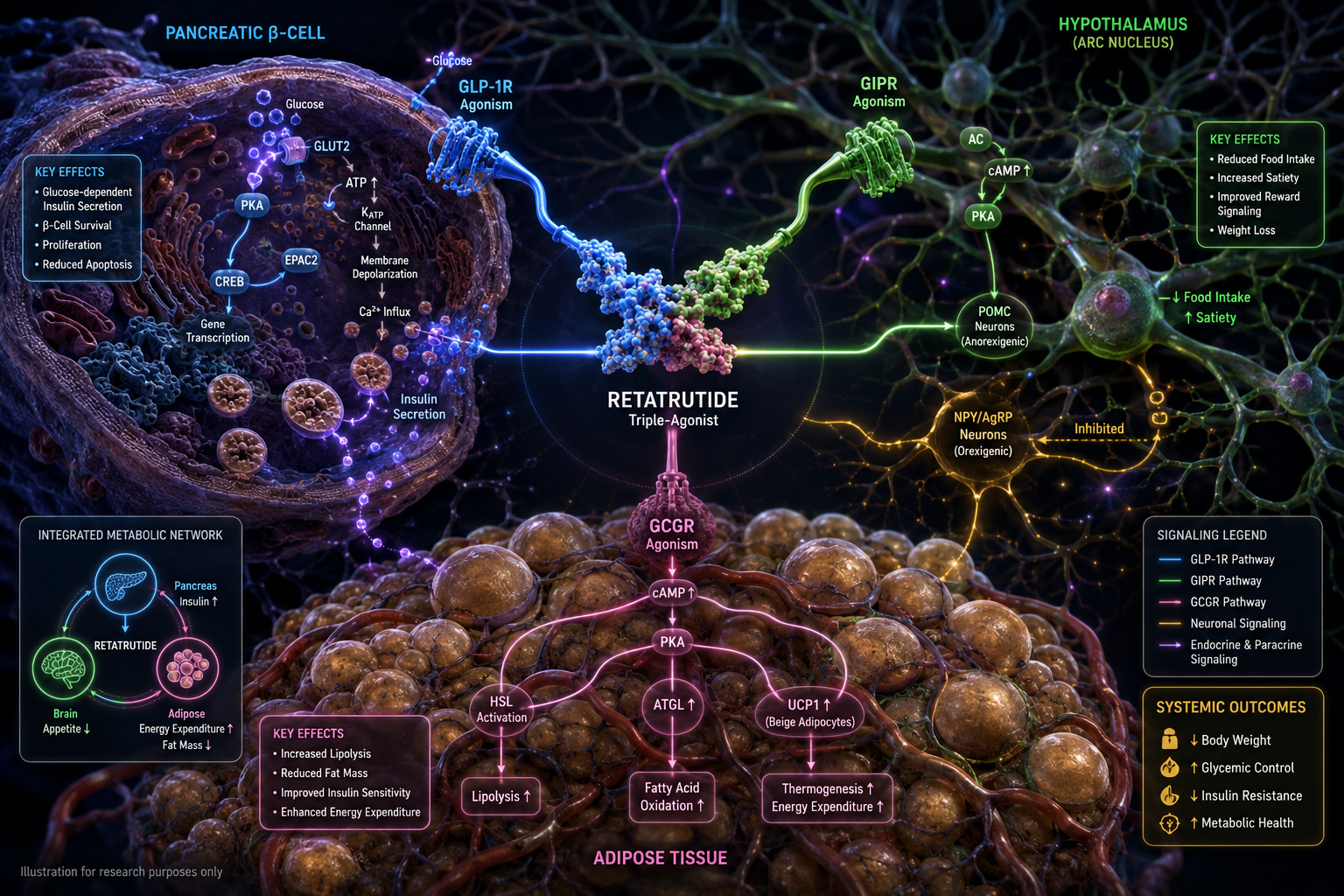
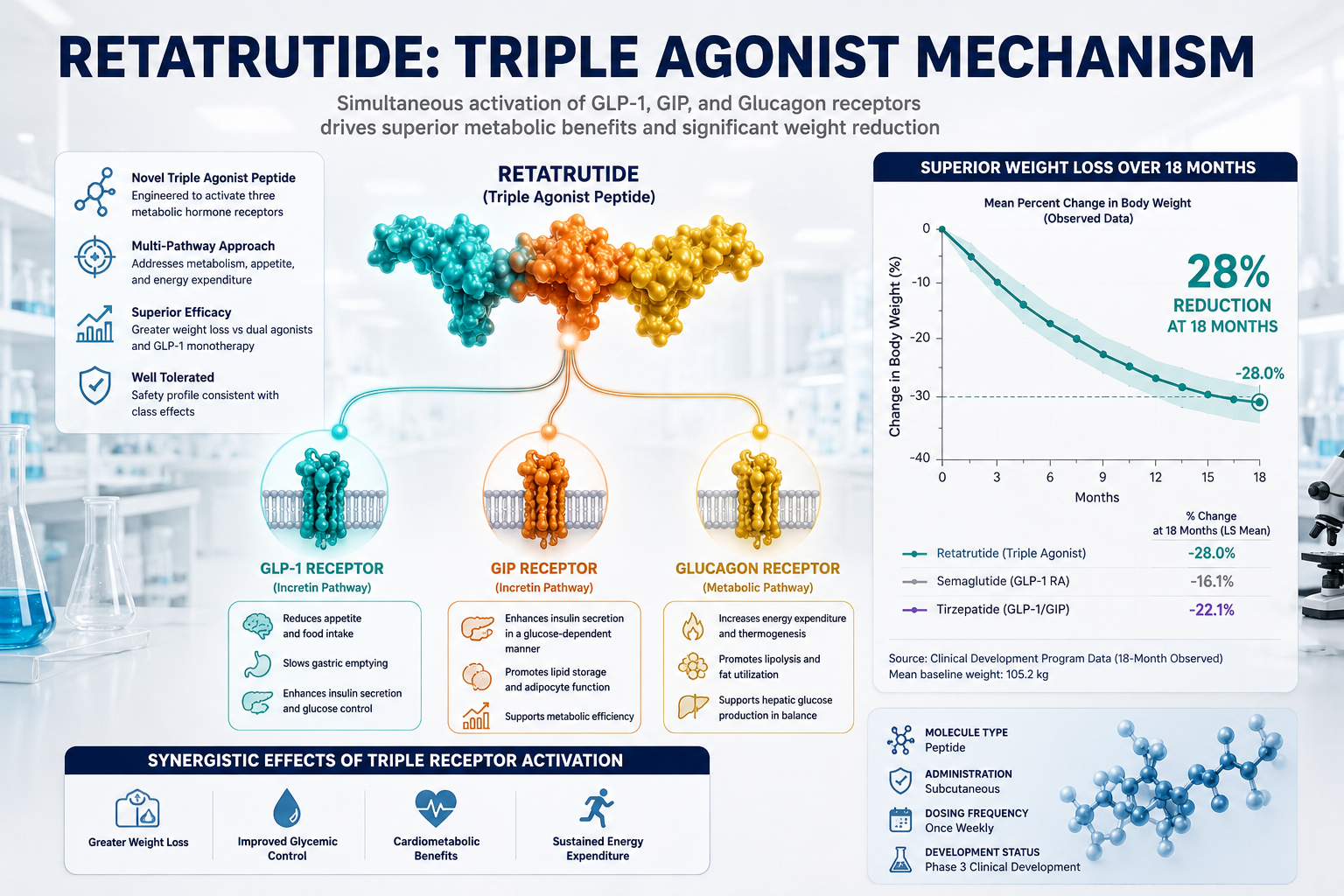
  • Retatrutide is a triple agonist (GLP-1, GIP, glucagon) that produced roughly 28% average weight loss over 18 months in Phase 3 trials — comparable to bariatric surgery outcomes.
  • MOTS-c is a mitochondria-derived peptide that activates the AMPK pathway, improving insulin sensitivity and metabolic flexibility in preclinical models.
  • 5-Amino-1MQ inhibits the NNMT enzyme to enhance cellular metabolism, but human trial data remain limited.
  • All three compounds are currently research-stage agents; none carries full FDA approval for weight management as of 2026.
  • Mechanism, research maturity, and target pathway differ significantly across the three, making direct comparison essential for informed research planning.
Key Takeaways

Retatrutide: The Triple Agonist Redefining Weight Loss Research

Retatrutide represents the most clinically advanced entry among the best research peptides for weight management. It functions as a triple agonist, simultaneously activating GLP-1, GIP, and glucagon receptors. This three-pronged approach does something no single-receptor agent can match: it enhances satiety through GLP-1 signaling, boosts energy expenditure via glucagon activation, and improves glycemic control through GIP engagement.

The clinical data behind Retatrutide are striking. In a Phase 3 trial conducted by Eli Lilly, participants achieved an average body weight reduction of approximately 28% over 18 months. That figure places Retatrutide in the same efficacy range as bariatric surgery — a threshold no oral or injectable anti-obesity medication had previously crossed. Eli Lilly is pursuing FDA approval, with late-stage trial completion targeted for 2026.

Side effects reported in trials were primarily gastrointestinal: nausea, vomiting, and diarrhea. These effects were dose-dependent and generally mild to moderate, consistent with the GLP-1 drug class profile.

For researchers sourcing this compound, the GLP-3 Retatrutide product page provides catalog navigation and research planning context. Additional receptor-level background is available through the GIP receptor mechanism overview.

"A 28% average weight reduction over 18 months positions Retatrutide as potentially the most efficacious pharmacological weight loss agent studied to date."

MOTS-c and 5-Amino-1MQ: Mitochondrial and Enzymatic Pathways
MOTS-c and 5-Amino-1MQ: Mitochondrial and Enzymatic Pathways

MOTS-c: Mitochondria-Derived Metabolic Regulation

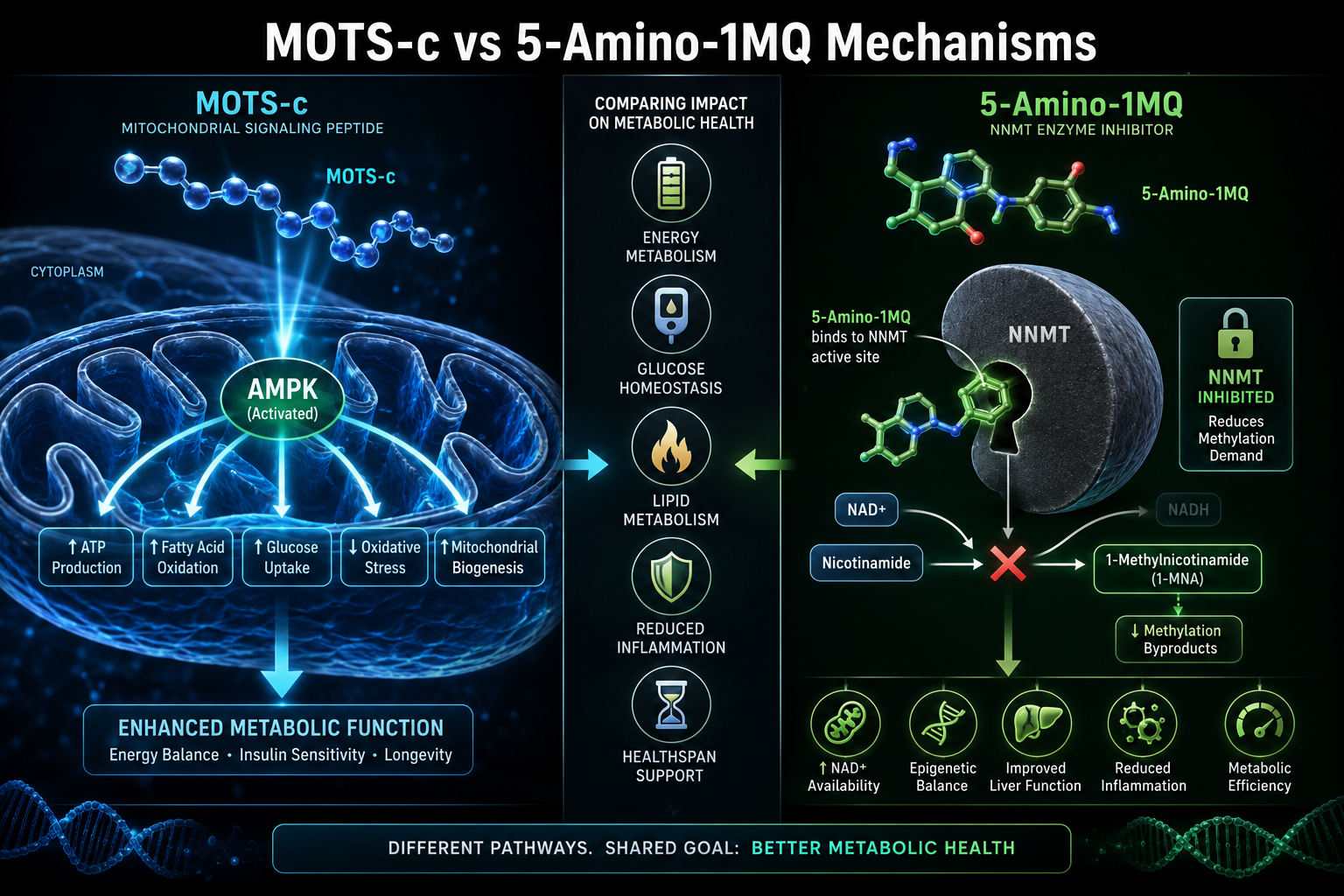
MOTS-c is a 16-amino-acid peptide encoded within mitochondrial DNA — an unusual origin that sets it apart from conventional peptide therapeutics. Under metabolic stress, it translocates from the mitochondria to the cell nucleus, where it activates the AMPK pathway and modulates mTOR and folate-cycle-linked processes.

In animal models, MOTS-c has demonstrated:

  • Approximately 30% improvement in insulin sensitivity
  • 12-15% enhancement in exercise performance
  • Improved mitochondrial function and lipid metabolism

These findings make MOTS-c a compelling candidate for metabolic research, particularly in contexts involving insulin resistance or age-related metabolic decline. Researchers can explore detailed mechanistic studies through the MOTS-c mitochondrial dynamics research page and the MOTS-c metabolic stress research overview.

However, MOTS-c has not received FDA approval. Human trial data remain limited to early-phase studies, meaning its efficacy and safety profile in clinical populations are not yet fully established.

5-Amino-1MQ: NNMT Inhibition and Cellular Metabolism

5-Amino-1MQ takes a fundamentally different approach. Rather than acting on gut hormones or mitochondrial signaling, it inhibits nicotinamide N-methyltransferase (NNMT) — an enzyme that plays a regulatory role in cellular energy metabolism. By blocking NNMT, 5-Amino-1MQ is theorized to raise intracellular NAD+ precursor availability and shift cells toward greater metabolic activity.

Preclinical data suggest potential for fat cell reduction and improved metabolic rate, but published human trial data for 5-Amino-1MQ remain sparse as of 2026. Researchers interested in this compound can find sourcing and research context at the 5-Amino-1MQ research page. For broader NAD+ pathway context, the NAD+ energetics and longevity research overview offers relevant background.

Comparing the Three: A Research-Stage Summary
Comparing the Three: A Research-Stage Summary

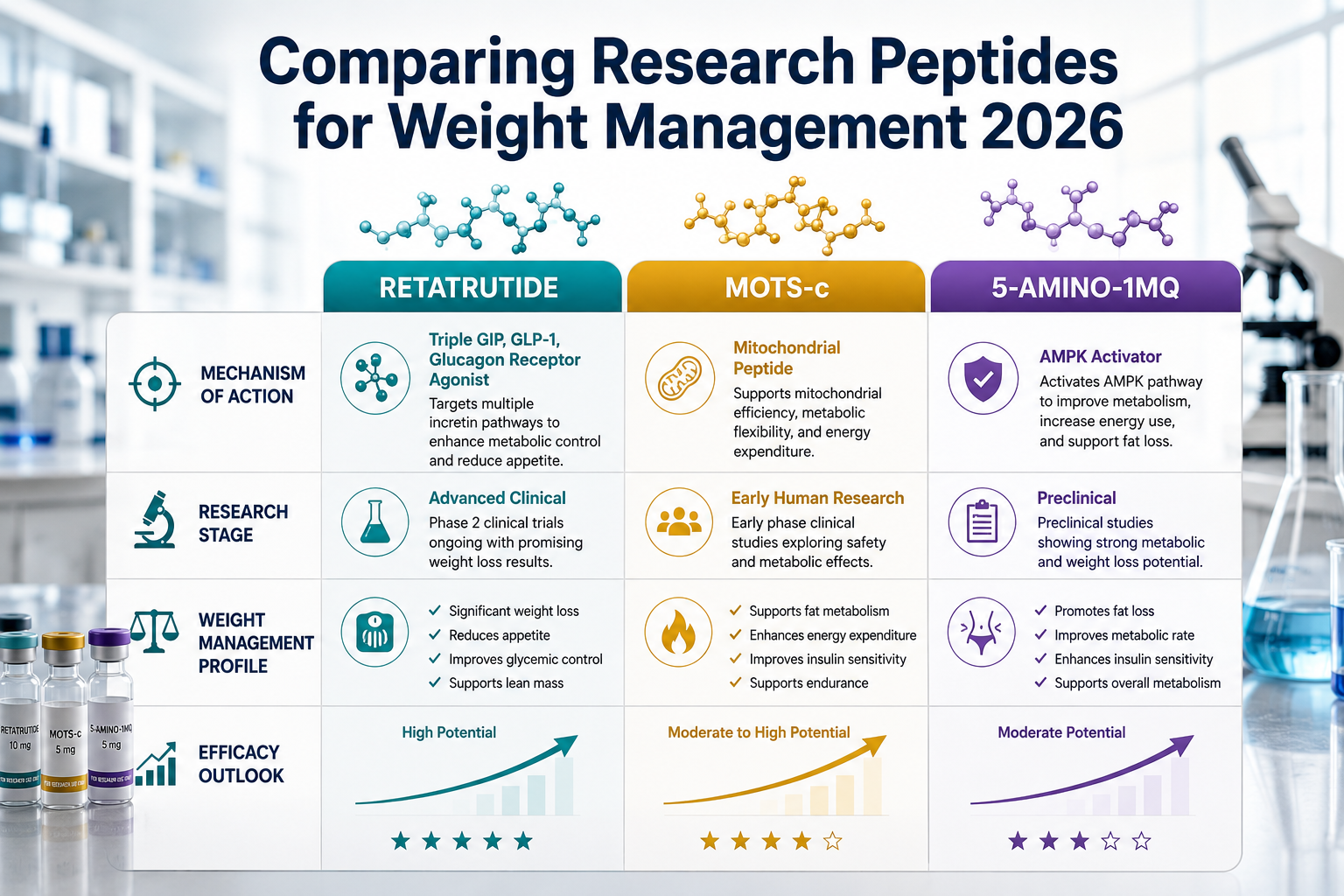
The table below summarizes the key distinctions across the best research peptides for weight management: comparing GLP-3 Retatrutide, MOTS-c, and 5-Amino-1MQ.

Feature Retatrutide MOTS-c 5-Amino-1MQ
Primary Target GLP-1, GIP, Glucagon receptors AMPK / mitochondrial pathway NNMT enzyme inhibition
Research Stage Phase 3 clinical trials Early-phase human trials Preclinical / limited human data
Key Efficacy Signal 28% weight loss (18 months) 30% insulin sensitivity gain (animal) Metabolic rate improvement (preclinical)
FDA Status Approval pending Not approved Not approved
Side Effect Profile GI-related, dose-dependent Not well established in humans Limited data

Researchers evaluating these compounds should also consider how they fit within broader metabolic research stacks. For context on GLP-1 class compounds more broadly, the GLP-1 peptide research and sourcing guide provides useful framing. Those exploring what is emerging across the peptide research landscape can consult the latest peptide research updates.

Conclusion

The comparison of GLP-3 Retatrutide, MOTS-c, and 5-Amino-1MQ reveals three agents at very different stages of scientific maturity. Retatrutide leads on clinical evidence, with Phase 3 data showing surgery-level weight loss and a near-term FDA approval pathway. MOTS-c offers a compelling mitochondrial mechanism with strong preclinical signals but requires more human data. 5-Amino-1MQ presents an intriguing enzymatic target, though its research base is the thinnest of the three.

Actionable next steps for researchers:

  1. Review the full mechanistic profiles of each compound before designing protocols.
  2. Source compounds exclusively from verified, tested suppliers to ensure purity and research integrity.
  3. Monitor ongoing trial registries for MOTS-c and Retatrutide updates throughout 2026.
  4. Cross-reference metabolic pathway research — particularly AMPK and NAD+ signaling — to identify potential complementary compounds.
  5. Consult the comprehensive peptide catalog to assess current availability and documentation standards.
https://www.puretestedpeptides.com/wp-content/uploads/2026/06/Best-Research-Peptides-for-Weight-Management-Comparing-GLP-3-Retatrutide-MOTS-c-and-5-Amino-1MQ.png 1024 1536 https://www.puretestedpeptides.com/wp-content/uploads/2026/01/buy-peptides-online.jpg 2026-06-22 13:04:242026-06-22 13:04:24Best Research Peptides for Weight Management: Comparing GLP-3 Retatrutide, MOTS-c, and 5-Amino-1MQ
Selank and Semax Nasal Spray: Comparative Research on Anxiolytic and Nootropic Effects

Selank and Semax Nasal Spray: Comparative Research on Anxiolytic and Nootropic Effects

June 21, 2026/0 Comments/in Uncategorized/by

Two peptides developed in Russia now sit at the center of a growing body of preclinical research: one primarily quiets anxiety, the other sharpens cognition — and their mechanisms could not be more different. Understanding the comparative research on Selank and Semax nasal spray: comparative research on anxiolytic and nootropic effects gives researchers and informed readers a clearer picture of how each compound works, where they overlap, and why combining them has attracted scientific interest.

Key Takeaways

  • Selank modulates the GABAergic system to produce rapid anxiolytic effects without sedation or dependence risk.
  • Semax upregulates BDNF and influences dopaminergic and serotonergic pathways, driving cognitive enhancement over time.
  • Both peptides are delivered intranasally, offering high bioavailability and fast central nervous system access.
  • Research suggests the two compounds may complement each other when used together in experimental models.
  • Both have favorable safety profiles in research settings, with minimal reported side effects.

Key Takeaways

Mechanisms of Action: How Each Peptide Works

Selank: GABAergic Modulation and Anxiety Relief

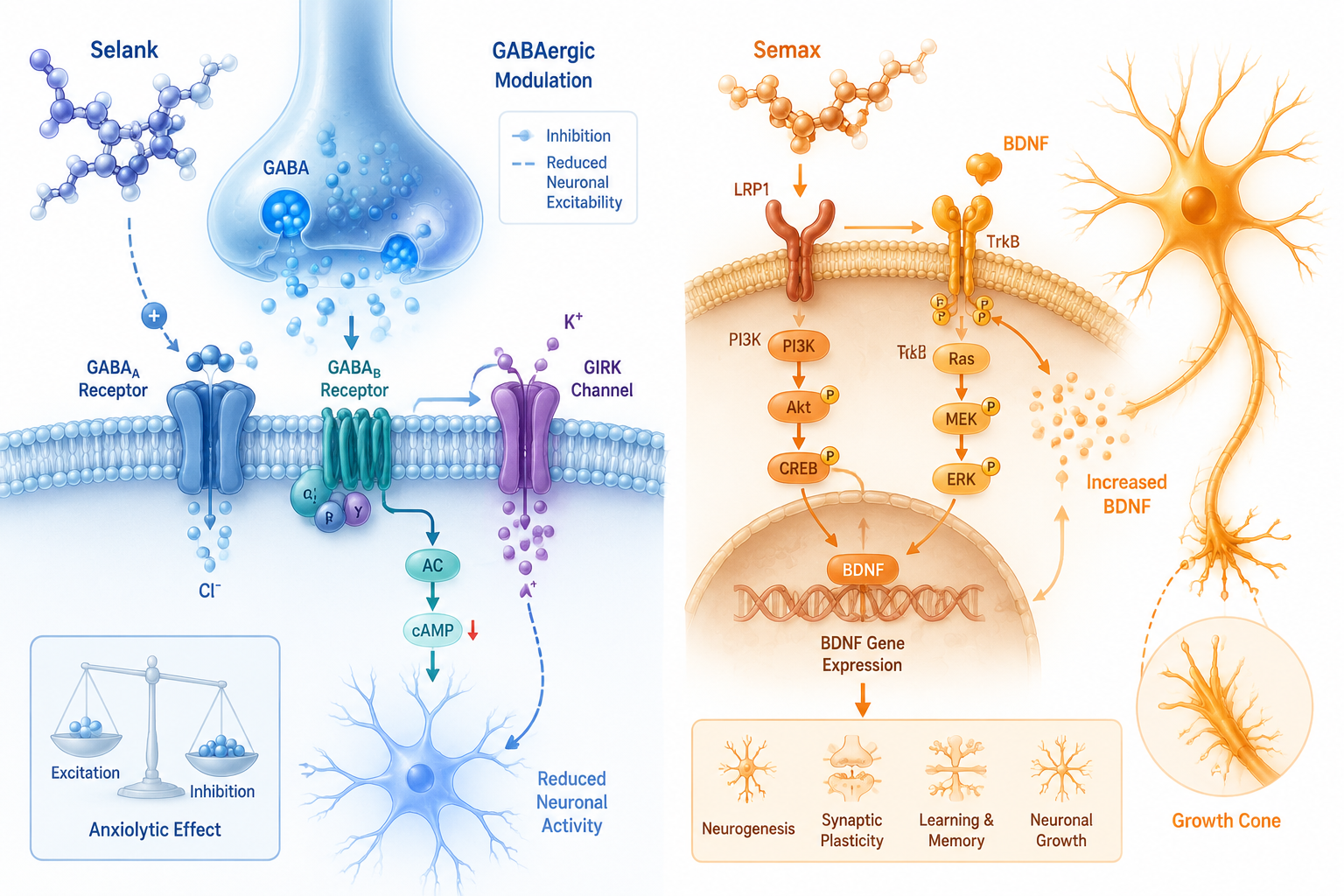
Selank is a synthetic analog of tuftsin, a naturally occurring immunomodulatory tetrapeptide. Its primary mechanism involves modulation of the GABAergic system — the same inhibitory network targeted by benzodiazepines — but without triggering the sedation, tolerance, or withdrawal risks associated with those drugs.

In preclinical models, Selank produces anxiolytic effects within minutes of intranasal administration. It also demonstrates mild immunomodulatory activity and has been shown to stabilize enkephalin levels, which play a role in mood regulation. For researchers exploring peptide-based approaches to anxiety, the Selank peptide benefits overview provides a useful starting point.

Semax: BDNF Upregulation and Cognitive Enhancement

Semax is derived from the ACTH(4–10) fragment of adrenocorticotropic hormone. Its standout feature in research is the upregulation of brain-derived neurotrophic factor (BDNF), a protein critical for neuronal survival, synaptic plasticity, and learning. Semax also modulates dopaminergic and serotonergic pathways, contributing to improved focus, memory consolidation, and neuroprotection.

Unlike Selank's rapid onset, Semax's cognitive benefits tend to build over time as BDNF levels rise and synaptic remodeling occurs. This slower but sustained profile makes it particularly relevant in neuroprotection research, including post-stroke recovery models.

"Selank calms the system quickly; Semax builds the system over time — two distinct timelines serving two distinct research goals."


Comparative Research on Anxiolytic and Nootropic Effects

Comparative Research on Anxiolytic and Nootropic Effects

The heart of the Selank and Semax nasal spray: comparative research on anxiolytic and nootropic effects debate lies in how their pharmacological profiles differ — and where they intersect.

Head-to-Head Profile Comparison

Feature Selank Semax
Primary mechanism GABAergic modulation BDNF upregulation
Primary effect Anxiolytic Cognitive enhancement
Onset of action Minutes Days to weeks
Typical research dosage 300–900 mcg/day 200–1,000 mcg/day
Administration route Intranasal Intranasal
Sedation risk None reported None reported
Regulatory status (Russia) Approved for anxiety Approved for cognition/neuroprotection

Both compounds are administered intranasally, which bypasses first-pass metabolism and allows direct transport along olfactory pathways to the brain. This delivery method is a key advantage shared by both peptides and explains their relatively high bioavailability compared to oral alternatives.

Complementary Research Applications

Research has explored whether combining Selank and Semax produces additive or synergistic effects. Early findings suggest the pairing may offer simultaneous anxiety reduction and cognitive enhancement — without the sedation or dependence concerns tied to conventional pharmacological approaches. This is particularly relevant for researchers studying stress-induced cognitive impairment, where anxiety and reduced mental performance co-occur.

Researchers interested in multi-peptide stacking strategies may also find value in reviewing simple peptides research frameworks and broader peptide supplier quality considerations when sourcing compounds for controlled models.

Both peptides show favorable safety profiles in research settings. The most commonly noted side effect is mild nasal irritation at the administration site — a minor and typically transient finding. Neither compound has demonstrated significant toxicity, addiction potential, or withdrawal effects in available preclinical data.


Research Considerations and Practical Notes

Research Considerations and Practical Notes

Dosage Windows in Preclinical Models

Selank research typically operates within a 300–900 mcg/day window, while Semax protocols range from 200–1,000 mcg/day depending on the model and outcome being measured. These ranges reflect the flexibility each compound offers across different experimental designs.

Researchers working with other peptide compounds may draw useful parallels from dosage structuring resources such as the SS-31 research peptide considerations guide or the epithalon peptides research overview, which address similar precision-dosing challenges. For those exploring broader neurological peptide research, NAD scientific evidence reviews also offer relevant context on neuroprotective pathways.

Regulatory and Research Context

In Russia, both peptides hold approved clinical status — Selank for generalized anxiety disorder and Semax for cognitive enhancement and neuroprotection. Outside Russia, both remain research compounds not approved for human therapeutic use in most jurisdictions. Researchers should ensure compliance with applicable regulations and source compounds only from verified, tested suppliers.


Conclusion

The Selank and Semax nasal spray: comparative research on anxiolytic and nootropic effects reveals two peptides with distinct but potentially complementary roles. Selank offers fast-acting GABAergic anxiolysis; Semax delivers sustained cognitive enhancement through BDNF-driven neuroplasticity. Together, they represent a compelling research pairing for models examining the intersection of mood regulation and cognitive performance.

Actionable next steps for researchers:

  • Define the primary endpoint before selecting a compound — anxiety reduction favors Selank; cognitive output favors Semax.
  • Consider combination protocols only in controlled settings with clear outcome metrics.
  • Source compounds with documented purity testing and certificates of analysis.
  • Review current literature on intranasal peptide bioavailability to optimize dosing windows.
  • Monitor for nasal irritation as the primary tolerability variable in any administration protocol.
https://www.puretestedpeptides.com/wp-content/uploads/2026/06/Selank-and-Semax-Nasal-Spray-Comparative-Research-on-Anxiolytic-and-Nootropic-Effects.png 1024 1536 https://www.puretestedpeptides.com/wp-content/uploads/2026/01/buy-peptides-online.jpg 2026-06-21 13:05:022026-06-21 13:05:02Selank and Semax Nasal Spray: Comparative Research on Anxiolytic and Nootropic Effects
GLP-3 Retatrutide vs. Polypeptide Peptides: A Comparative Research Guide to Metabolic Signaling Pathways

GLP-3 Retatrutide vs. Polypeptide Peptides: A Comparative Research Guide to Metabolic Signaling Pathways

June 19, 2026/0 Comments/in Uncategorized/by

Metabolic peptide research has shifted dramatically — where single-receptor agents once dominated laboratory inquiry, a new class of multi-target molecules is redefining what researchers expect from incretin-based signaling. This guide to GLP-3 Retatrutide vs. Polypeptide Peptides: A Comparative Research Guide to Metabolic Signaling Pathways examines how retatrutide's triple-receptor mechanism compares to conventional polypeptide agents, giving researchers a clear framework for understanding the underlying biology.

Key Takeaways

  • Retatrutide simultaneously activates three metabolic receptors: GLP-1R, GIPR, and the glucagon receptor (GcgR).
  • Conventional polypeptide peptides typically act on one or two receptor targets, producing narrower metabolic effects.
  • Triple agonism reshapes energy balance through complementary, overlapping signaling pathways.
  • Understanding receptor-level distinctions helps researchers design more targeted metabolic studies.
  • The term "GLP-3" is an informal research label — retatrutide's formal classification reflects its triple-agonist pharmacology.

Key Takeaways

Understanding the GLP-3 Label and Retatrutide's Classification

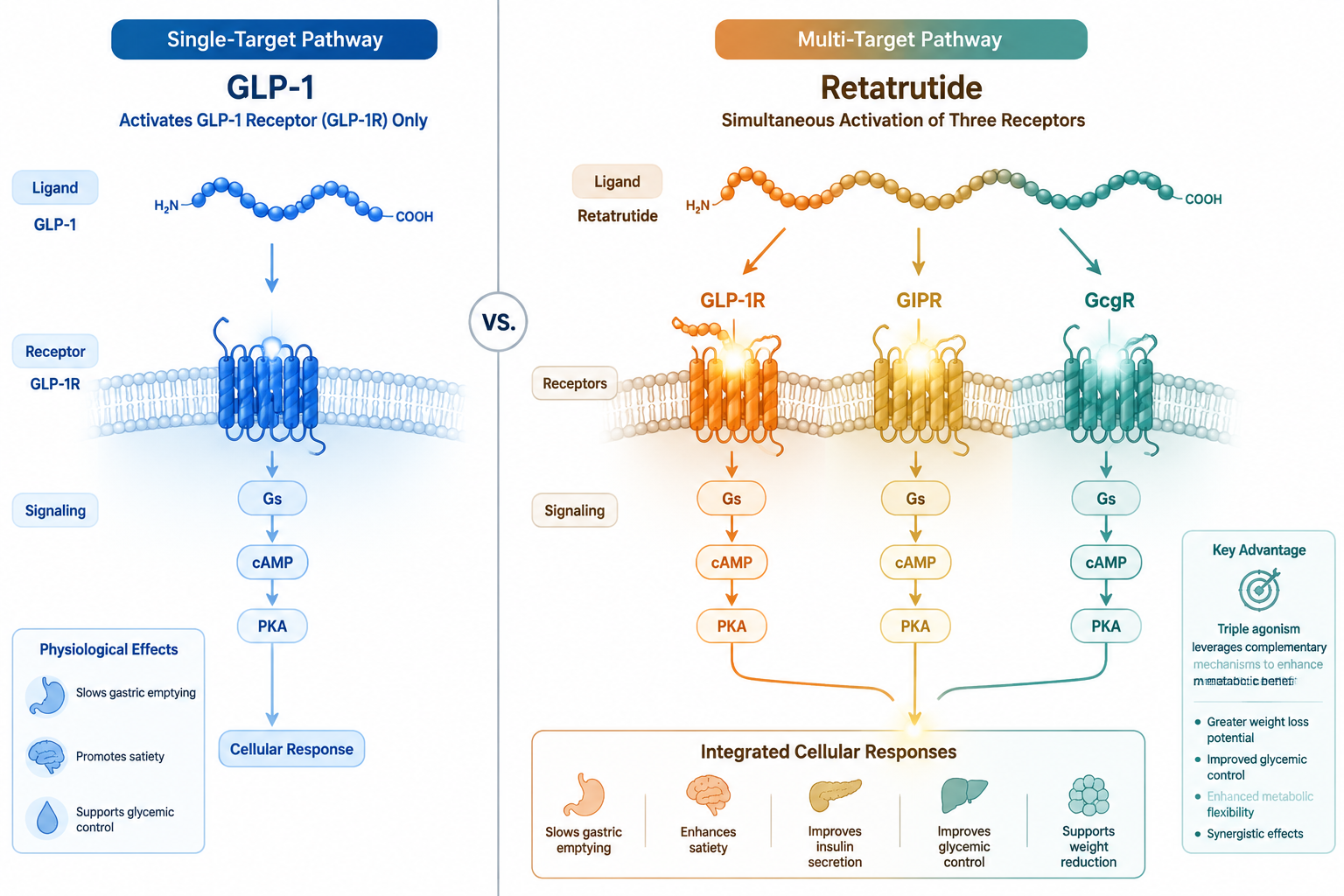
The label "GLP-3" circulates in research communities as shorthand for retatrutide, but it requires clarification. Retatrutide is not a third member of the glucagon-like peptide family in the classical sense. It is a synthetic triple agonist engineered to activate three distinct G-protein-coupled receptors simultaneously.

Conventional polypeptide peptides — including native GLP-1, GIP, and glucagon analogs — are typically single-receptor or, at most, dual-receptor agents. Their signaling is more contained. Retatrutide's design deliberately crosses those boundaries, which is why researchers studying GLP-3 Retatrutide incretin research themes often need a broader mechanistic framework than standard incretin models provide.

For context on how incretin generations have evolved, the overview of GLP-1 generations and their differences provides useful background on the progression from first-generation GLP-1 analogs to today's multi-agonist compounds.


Receptor-Level Mechanisms: How Retatrutide Differs from Conventional Polypeptide Peptides

This section of the GLP-3 Retatrutide vs. Polypeptide Peptides: A Comparative Research Guide to Metabolic Signaling Pathways focuses on what happens at the receptor level — the core distinction between retatrutide and standard polypeptide agents.

Receptor-Level Mechanisms: How Retatrutide Differs from Conventional Polypeptide Peptides

GLP-1 Receptor Activation

GLP-1R activation is shared by both retatrutide and conventional GLP-1 analogs. This pathway drives glucose-dependent insulin secretion, slows gastric emptying, and reduces appetite through both central nervous system and vagal nerve signaling. Single-agonist GLP-1 peptides operate primarily through this mechanism alone.

GIP Receptor Activation

GIPR activation adds a second layer. GIP further potentiates insulin release and modulates adipose tissue metabolism. Emerging research also suggests GIPR signaling may influence reward-related feeding behavior. Most traditional polypeptide peptides do not engage this receptor.

Glucagon Receptor Activation

GcgR activation is where retatrutide most clearly separates itself. Glucagon receptor signaling increases hepatic glucose output and, critically for metabolic research, raises resting energy expenditure. This thermogenic component is largely absent from conventional incretin peptides.

Receptor Retatrutide GLP-1 Analogs GIP Analogs
GLP-1R Yes Yes No
GIPR Yes No Yes
GcgR Yes No No
Thermogenic effect Yes Minimal Minimal

Researchers exploring complementary metabolic peptides such as MOTS-C, the mitochondrial peptide, will recognize that energy expenditure modulation is a recurring theme across multiple research-stage compounds — though the mechanisms differ significantly.


Metabolic Signaling Pathways: Triple Agonism vs. Conventional Peptide Approaches

The practical research value of the GLP-3 Retatrutide vs. Polypeptide Peptides: A Comparative Research Guide to Metabolic Signaling Pathways comparison lies in understanding how these mechanisms interact at the systems level.

Metabolic Signaling Pathways: Triple Agonism vs. Conventional Peptide Approaches

Triple agonism creates overlapping, reinforcing signals across three metabolic axes:

  • Insulin axis — amplified through both GLP-1R and GIPR co-activation
  • Appetite axis — suppressed via central GLP-1R pathways and potentially GIPR reward modulation
  • Energy expenditure axis — elevated through GcgR-driven thermogenesis

Conventional polypeptide peptides typically address one or two of these axes. Researchers studying body composition agents like Tesamorelin and its metabolic effects or AOD-9604 research methodology will note that each compound targets a narrower physiological window.

"Multi-receptor engagement is not simply additive — the convergence of three distinct signaling pathways creates metabolic effects that single-agonist models cannot fully replicate."

For researchers building broader metabolic panels, understanding cagrilintide's synergy with GLP-1 pathways also illustrates how combination approaches are increasingly central to advanced metabolic research design.

Those sourcing research-grade material can review GLP-3 Retatrutide product details for specification and traceability information.


Conclusion

The distinction between retatrutide and conventional polypeptide peptides is not merely a matter of degree — it reflects a fundamentally different approach to metabolic receptor engagement. Where single or dual-agonist peptides offer focused, well-characterized signaling, retatrutide's triple-agonist profile introduces a more complex, multi-axis mechanism that researchers must account for in study design.

Actionable next steps for researchers:

  1. Map which receptor pathways are relevant to your specific metabolic research question before selecting a peptide agent.
  2. Review the GLP-1 generations overview to contextualize retatrutide within the broader incretin research landscape.
  3. Cross-reference thermogenic and energy expenditure data when comparing triple-agonist results against single-receptor peptide benchmarks.
  4. Consult available innovative peptide delivery systems research to ensure study protocols reflect current best practices.

Understanding these mechanistic foundations is the starting point for rigorous, reproducible metabolic peptide research in 2026.

https://www.puretestedpeptides.com/wp-content/uploads/2026/06/GLP-3-Retatrutide-vs.-Polypeptide-Peptides-A-Comparative-Research-Guide-to-Metabolic-Signaling-Pathways.png 1024 1024 https://www.puretestedpeptides.com/wp-content/uploads/2026/01/buy-peptides-online.jpg 2026-06-19 13:42:052026-06-19 13:42:05GLP-3 Retatrutide vs. Polypeptide Peptides: A Comparative Research Guide to Metabolic Signaling Pathways
BPC-157 vs TB-500: What Each Peptide Does in Tissue-Repair Research and When Comparison Makes Sense

BPC-157 vs TB-500: What Each Peptide Does in Tissue-Repair Research and When Comparison Makes Sense

June 16, 2026/0 Comments/in Uncategorized/by

Over 100 preclinical studies have examined BPC-157 alone — yet researchers still routinely pair it with TB-500 in comparative models. Understanding why requires looking at what each peptide actually does at the biological level. This article examines the BPC-157 vs TB-500 question from an experimental logic standpoint: what each compound is believed to do, where their mechanisms overlap, and when a side-by-side comparison genuinely adds scientific value in tissue-repair research.

Key Takeaways

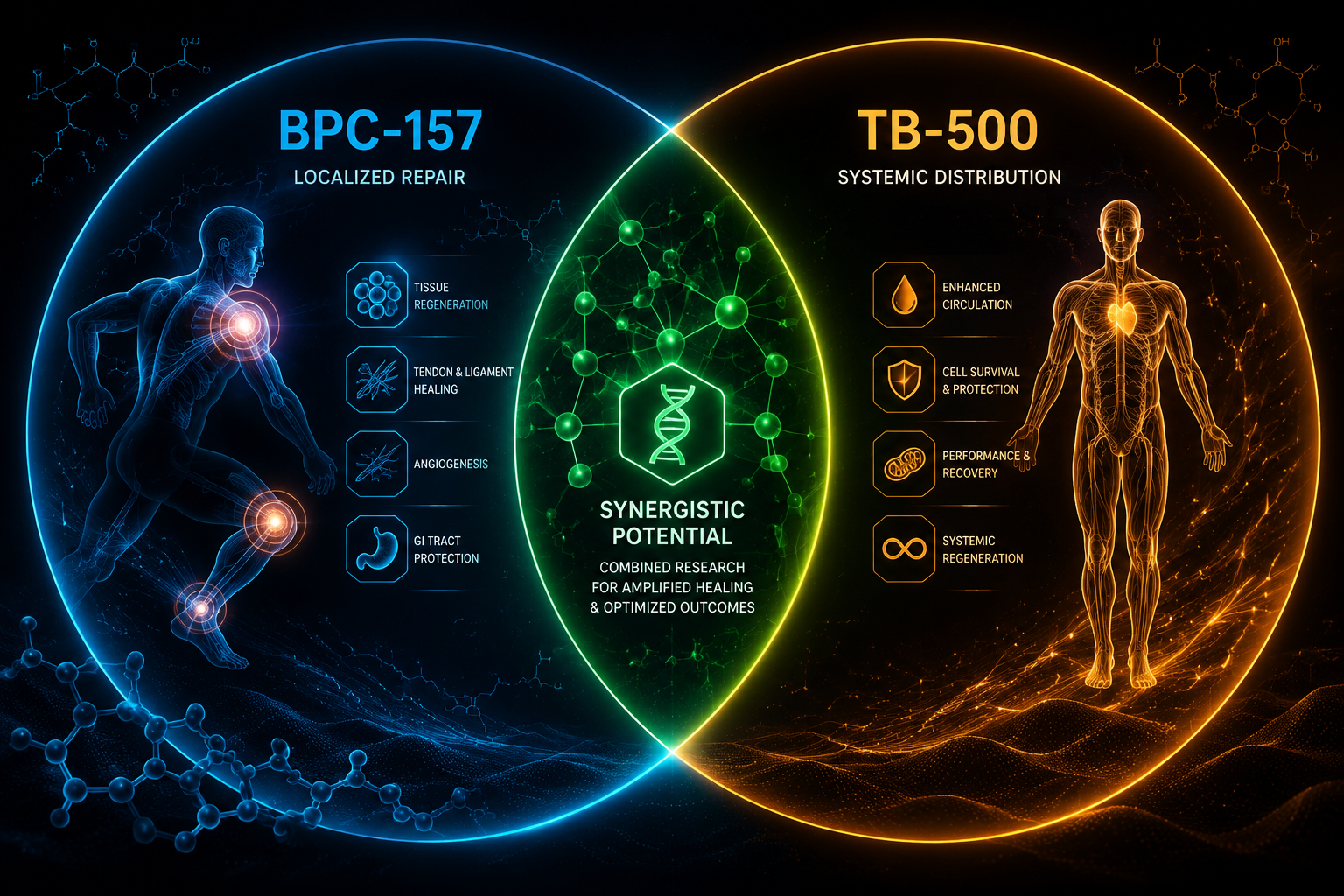
  • BPC-157 is a 15-amino-acid synthetic peptide that primarily drives localized repair through angiogenesis and nitric oxide signaling.
  • TB-500 is a synthetic fragment of Thymosin Beta-4 that promotes systemic healing by regulating actin polymerization and cell migration.
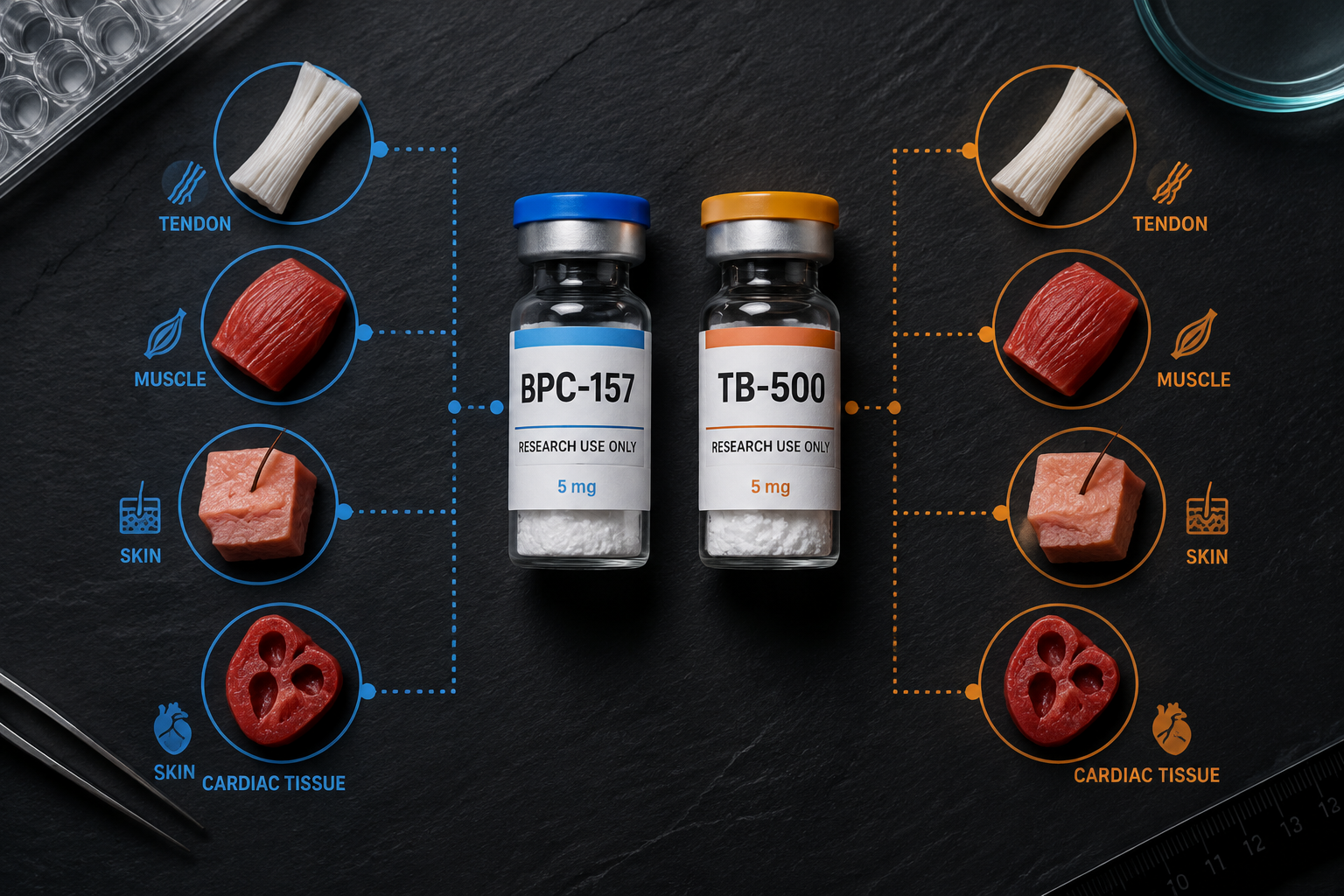
  • Their tissue targets differ: BPC-157 favors tendons, ligaments, and gut tissue; TB-500 shows stronger signals in muscle, skin, and cardiac tissue.
  • Neither peptide is FDA-approved; both are prohibited by WADA under the S0 category for non-approved substances.
  • Combination research suggests complementary, potentially synergistic effects — making the comparison scientifically meaningful rather than arbitrary.

Key Takeaways

Distinct Mechanisms: Where the Biology Diverges

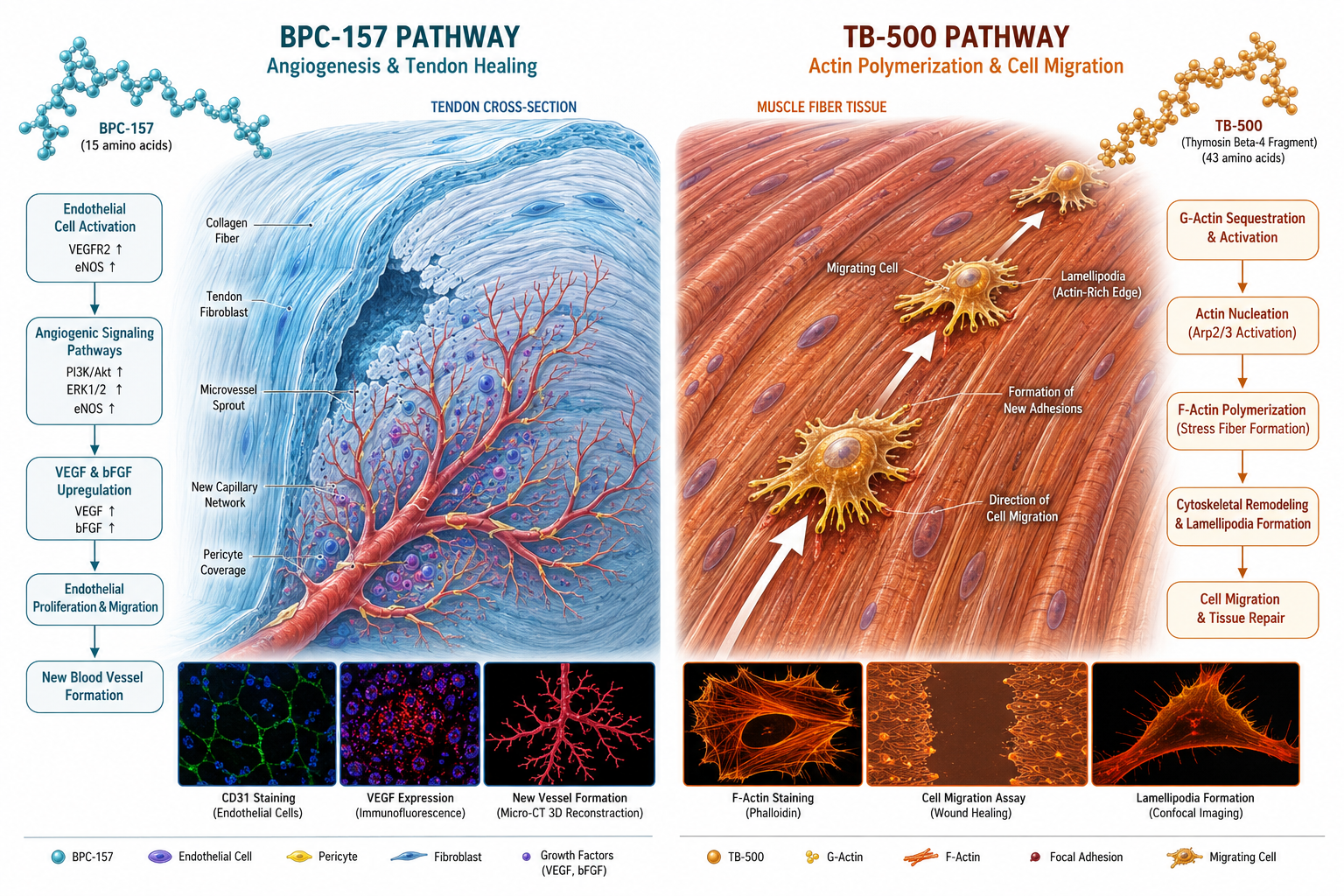
The BPC-157 vs TB-500 comparison starts with fundamentally different molecular strategies. BPC-157 is a synthetic 15-amino-acid sequence derived from human gastric juice protein. Its primary repair actions are believed to operate through angiogenesis — the formation of new blood vessels — and upregulation of nitric oxide pathways. This makes its effects highly localized. When administered near an injury site, it appears to accelerate the vascular supply that damaged tissue needs to regenerate.

TB-500, by contrast, is a synthetic fragment of Thymosin Beta-4, a naturally occurring protein found throughout the body. Its core mechanism involves regulating actin polymerization — the process by which cells build their internal scaffolding. By influencing actin dynamics, TB-500 enhances cell migration, which is essential for systemic wound repair. Because it distributes broadly after administration, its effects are not limited to the injection site.

Key mechanistic differences at a glance:

Feature BPC-157 TB-500
Origin Gastric juice protein fragment Thymosin Beta-4 fragment
Primary mechanism Angiogenesis, nitric oxide signaling Actin polymerization, cell migration
Distribution Localized Systemic
Half-life (IV, animal models) Under 30 minutes Not precisely established

For researchers exploring BPC-157 angiogenesis and tendon repair mechanisms, this localized vascular focus is the defining biological signature.


Tissue Targets and Preclinical Evidence

Tissue specificity is where the BPC-157 vs TB-500 comparison becomes most practically useful for research design. BPC-157 has shown the strongest preclinical signals in tendon, ligament, and gastrointestinal tissue. Its gastric origin may partly explain its documented activity in gut-lining repair models. TB-500, on the other hand, demonstrates more consistent effects in muscle, skin, and cardiac tissue — areas where widespread cell migration drives recovery.

This tissue-level divergence is important because it shapes which model a researcher would choose when designing an experiment. A tendon repair study and a cardiac wound model are asking very different biological questions, and selecting the wrong peptide as a comparator can produce misleading null results.

Both peptides have been studied in the context of inflammation reduction, which creates a genuine area of mechanistic overlap. This overlap is part of why top healing peptides in research contexts are often discussed together. Researchers interested in broader repair biology may also find value in examining GHK-Cu longevity and tissue research themes as a complementary reference point.

Tissue Targets and Preclinical Evidence


When the BPC-157 vs TB-500 Comparison Makes Sense in Research

Not every study benefits from comparing these two peptides directly. The comparison makes the most experimental sense under three conditions:

  1. Overlapping injury context — When the target tissue receives input from both vascular supply (BPC-157's domain) and cell migration (TB-500's domain), a head-to-head model can isolate which mechanism contributes more.
  2. Combination hypothesis testing — Preclinical data suggest that using both peptides together may produce synergistic repair outcomes. Testing this requires understanding each compound's independent effect first.
  3. Systemic vs. localized repair questions — When a study needs to distinguish between localized and body-wide healing responses, these two peptides serve as useful biological contrasts.

Regulatory context matters here. Neither BPC-157 nor TB-500 is FDA-approved. BPC-157 holds a Category 2 bulk drug substance classification, and both are prohibited under WADA's S0 category. Any research use must account for these regulatory boundaries.

For context on how other repair-relevant peptides are positioned in research, the oral BPC-157 research overview and longevity peptide research themes offer useful framing. Researchers sourcing verified compounds may also want to review lab-tested peptides to ensure research-grade purity standards.

When the BPC-157 vs TB-500 Comparison Makes Sense in Research


Conclusion

The BPC-157 vs TB-500 comparison is not a matter of which peptide is "better." It is a question of biological fit. BPC-157 operates locally through vascular and nitric oxide pathways; TB-500 acts systemically through actin dynamics and cell migration. Their tissue targets differ, their pharmacokinetics differ, and their research applications reflect those differences.

Actionable next steps for researchers:

  • Define the target tissue and injury type before selecting a comparator model.
  • Review the preclinical literature for each peptide's specific tissue signals before designing combination studies.
  • Confirm regulatory classification in the relevant jurisdiction before initiating any research protocol.
  • Prioritize verified, purity-tested compounds to ensure data integrity across experimental runs.

The comparison makes scientific sense when the research question genuinely spans both localized and systemic repair biology. In those contexts, studying these two peptides together is not redundant — it is the most informative approach available.

https://www.puretestedpeptides.com/wp-content/uploads/2026/06/BPC-157-vs-TB-500-What-Each-Peptide-Does-in-Tissue-Repair-Research-and-When-Comparison-Makes-Sense.png 1024 1536 https://www.puretestedpeptides.com/wp-content/uploads/2026/01/buy-peptides-online.jpg 2026-06-16 13:05:062026-06-16 13:05:06BPC-157 vs TB-500: What Each Peptide Does in Tissue-Repair Research and When Comparison Makes Sense
Selank vs Semax: Comparing Anxiolytic and Nootropic Peptides, Mechanisms, and Nasal Delivery

Selank vs Semax: Comparing Anxiolytic and Nootropic Peptides, Mechanisms, and Nasal Delivery

June 16, 2026/0 Comments/in Uncategorized/by

Both Selank and Semax emerged from the same Soviet-era research program, yet they target entirely different neurological pathways — a distinction that makes the comparison between them far more than a matter of preference. Selank vs Semax: Comparing Anxiolytic and Nootropic Peptides, Mechanisms, and Nasal Delivery is one of the most clinically relevant questions in current peptide research, particularly as interest in stress-response biology and cognitive neuroscience continues to grow in 2026.

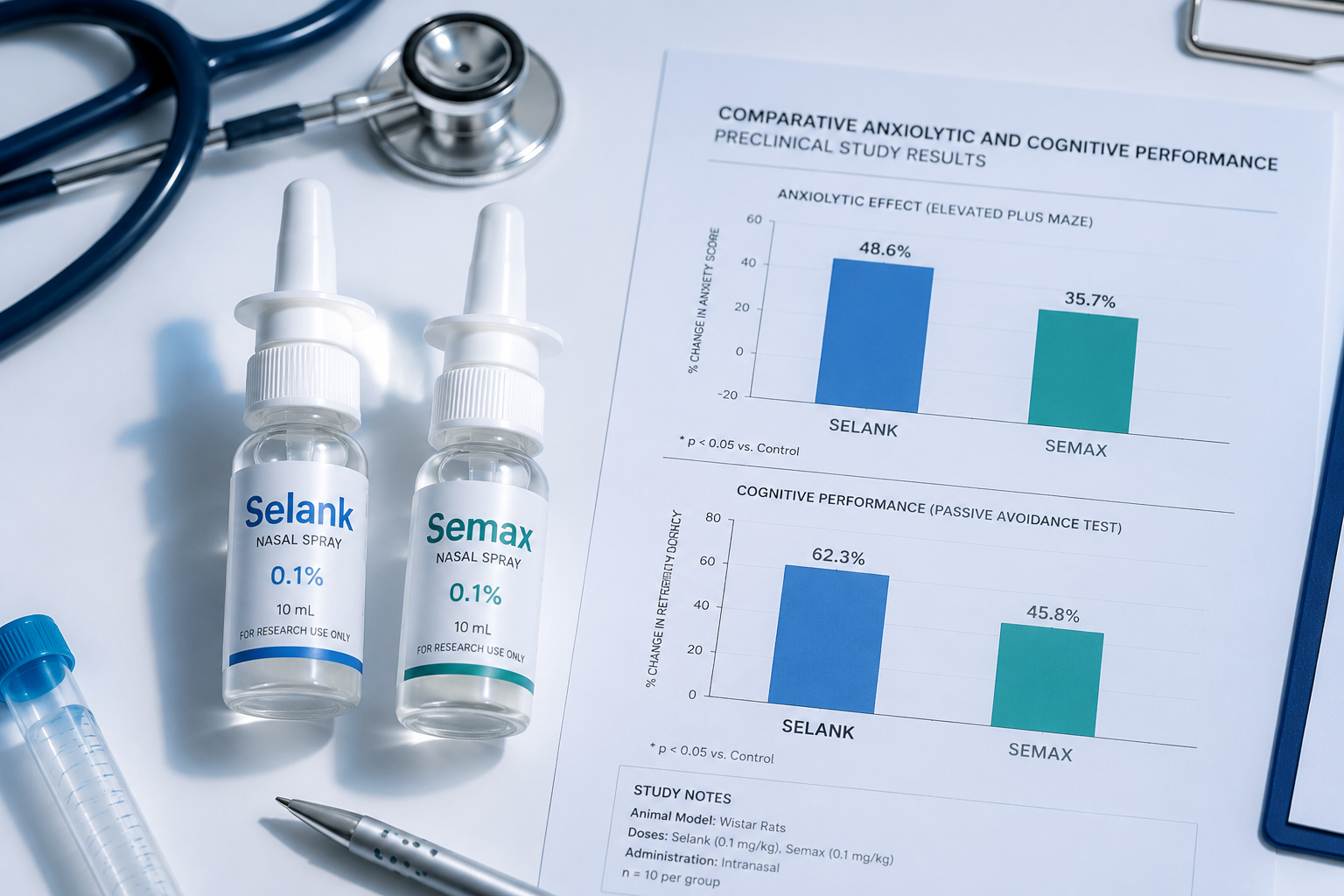
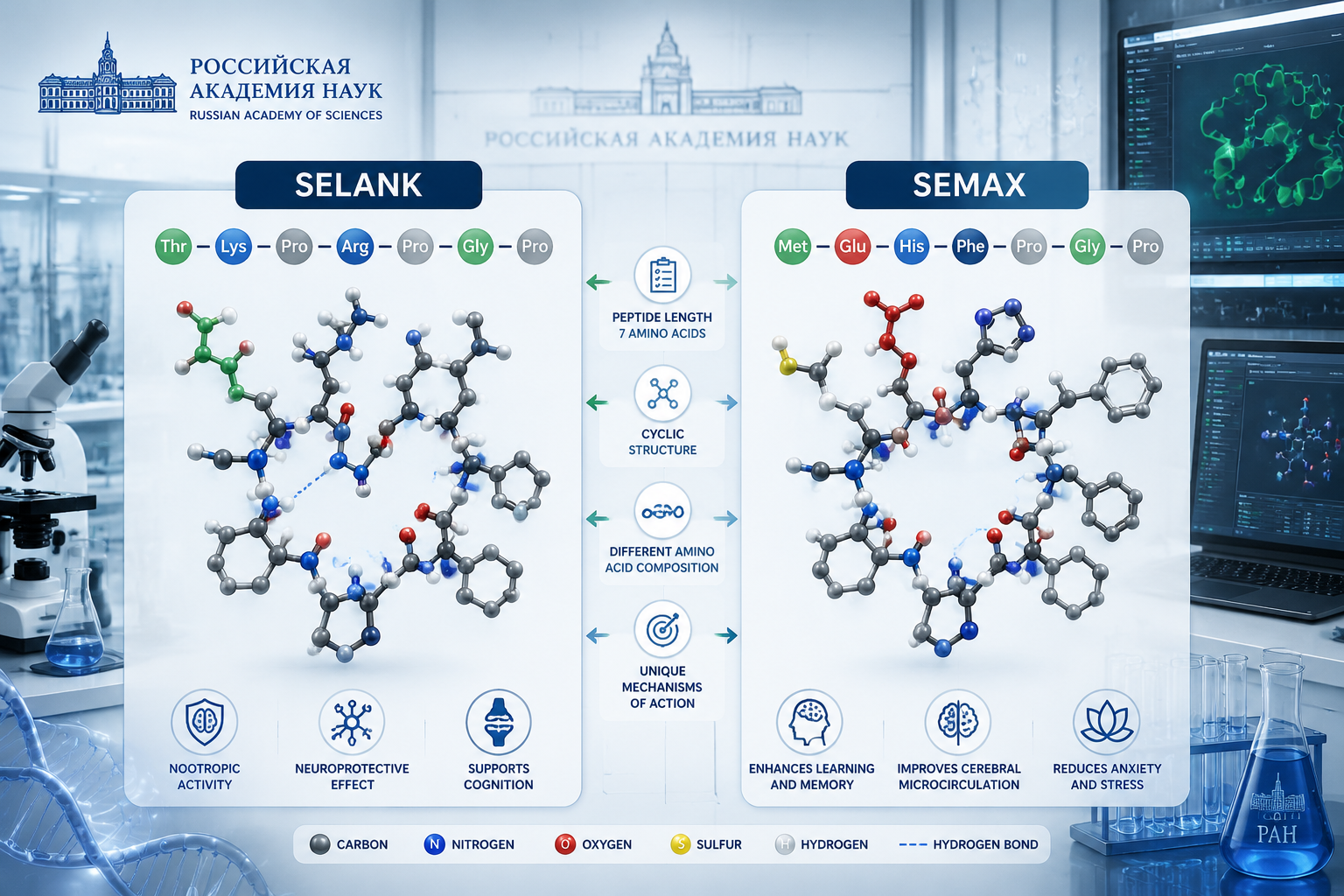
Detailed () scientific illustration showing two peptide molecular structures side by side labeled Selank and Semax, with

Key Takeaways

  • Selank and Semax are both synthetic heptapeptides developed at the Institute of Molecular Genetics of the Russian Academy of Sciences.
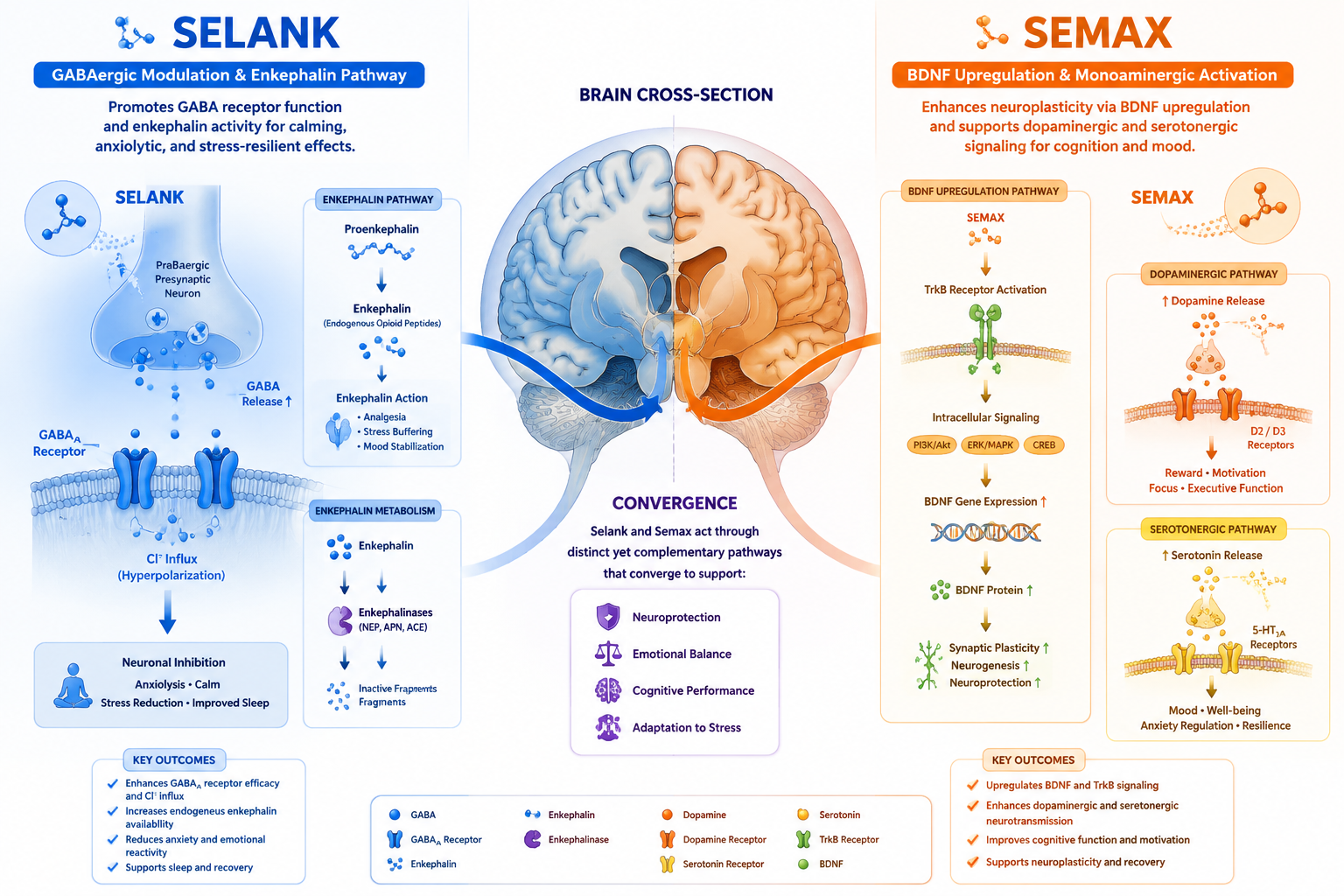
  • Selank primarily modulates GABAergic signaling for anxiolytic effects; Semax upregulates BDNF for cognitive and neuroprotective outcomes.
  • Both peptides are delivered intranasally, bypassing the blood-brain barrier via the olfactory pathway.
  • Selank is approved in Russia for anxiety disorders; Semax is authorized for stroke and cognitive impairment management.
  • Neither peptide has been associated with dependence or significant withdrawal effects in research settings.

Origins and Chemical Structure

Both peptides are synthetic heptapeptides — chains of seven amino acids — created at the Institute of Molecular Genetics of the Russian Academy of Sciences. Despite sharing a common birthplace, their structural templates are entirely different.

Selank is an analog of tuftsin, a naturally occurring immunomodulatory tetrapeptide. Its sequence is Thr-Lys-Pro-Arg-Pro-Gly-Pro. Researchers extended the tuftsin backbone to improve metabolic stability and CNS penetration.

Semax is derived from the adrenocorticotropic hormone fragment ACTH(4-10), carrying the sequence Met-Glu-His-Phe-Pro-Gly-Pro. The ACTH origin gives Semax a distinct neuroendocrine profile that influences stress-axis biology.

For a broader overview of how these two peptides compare across multiple research dimensions, the Selank and Semax research overview provides useful context.


Mechanisms of Action: Where the Pathways Diverge

This is the core of any meaningful Selank vs Semax: Comparing Anxiolytic and Nootropic Peptides, Mechanisms, and Nasal Delivery analysis.

Mechanisms of Action: Where the Pathways Diverge

Selank: GABAergic Modulation and Enkephalin Metabolism

Selank's primary mechanism involves enhancement of GABA signaling — the brain's main inhibitory neurotransmitter system. By modulating GABAergic tone and influencing enkephalin metabolism, Selank produces anxiolytic effects without the sedation or tolerance risk associated with classical benzodiazepines.

Key research-supported effects include:

  • Reduced anxiety-like behavior in stress models
  • Modulation of interleukin expression, suggesting neuroimmune involvement
  • Stable anxiolytic profile without cognitive blunting

Understanding Selank's potential side effects is equally important when evaluating its research profile.

Semax: BDNF Upregulation and Monoamine Modulation

Semax operates through a fundamentally different mechanism. It upregulates brain-derived neurotrophic factor (BDNF), a protein critical for neuronal survival, synaptic plasticity, and learning. Semax also modulates dopaminergic and serotonergic systems, which underpins its cognitive-enhancing and neuroprotective properties.

Key research-supported effects include:

  • Enhanced memory consolidation and attention
  • Neuroprotection in ischemic models
  • Upregulation of BDNF in hippocampal and cortical regions
Feature Selank Semax
Primary target GABA system BDNF / monoamines
Main effect Anxiolytic Cognitive enhancement
Approved use (Russia) Anxiety, neurasthenia Stroke, cognitive disorders
Onset Minutes to hours Minutes to hours
Duration Several hours 2-4 hours

The neuroendocrine and innate immunity research context is relevant here, as Selank's immunomodulatory properties reflect a broader neuroimmune model.


Nasal Delivery, Bioavailability, and Research Use Cases

Both peptides are administered intranasally, which is not merely a matter of convenience. The intranasal route allows direct access to the central nervous system via the olfactory pathway, bypassing the blood-brain barrier entirely.

Nasal Delivery, Bioavailability, and Research Use Cases

Selank demonstrates a bioavailability of approximately 92.8% via this route — a notably high figure for a peptide compound. Semax also achieves high CNS bioavailability intranasally, though precise figures vary across studies.

"The intranasal route transforms peptide delivery from a systemic challenge into a targeted CNS strategy."

For researchers interested in how delivery systems affect peptide efficacy, innovative peptide delivery systems explores this topic in depth.

Safety profiles for both peptides are favorable in research contexts:

  • Mild nasal irritation is the most commonly reported adverse effect
  • No dependence or withdrawal symptoms have been documented
  • Neither compound shows significant sedative burden

Those researching Selank specifically may also find the detailed Selank side effects analysis and Selank overview useful for building a complete picture.

For researchers sourcing verified compounds, reviewing lab-tested peptides ensures quality and purity standards are met.


Conclusion

Selank vs Semax: Comparing Anxiolytic and Nootropic Peptides, Mechanisms, and Nasal Delivery ultimately comes down to target pathway and research objective. Selank is the stronger candidate for stress-response and neuroimmune models, given its GABAergic and enkephalin-modulating profile. Semax is better suited for cognitive neuroscience and neuroprotection research, driven by BDNF upregulation and monoamine modulation.

Actionable next steps for researchers:

  1. Define the primary research endpoint — anxiety/stress models favor Selank; cognitive and neuroprotective models favor Semax.
  2. Confirm intranasal delivery protocols, as both peptides depend on olfactory pathway absorption for CNS efficacy.
  3. Source only verified, lab-tested compounds to ensure research integrity.
  4. Review the full side-effect and safety literature before designing protocols.

Both peptides represent a compelling frontier in neuropeptide research, and their distinct mechanisms make them complementary rather than interchangeable tools.

https://www.puretestedpeptides.com/wp-content/uploads/2026/06/Selank-vs-Semax-Comparing-Anxiolytic-and-Nootropic-Peptides-Mechanisms-and-Nasal-Delivery.png 1024 1536 https://www.puretestedpeptides.com/wp-content/uploads/2026/01/buy-peptides-online.jpg 2026-06-16 13:04:162026-06-16 13:04:16Selank vs Semax: Comparing Anxiolytic and Nootropic Peptides, Mechanisms, and Nasal Delivery
×

Helpful Links

  • My account
  • Cart
  • Checkout
  • Refund and Returns Policy
  • Privacy Policy
  • SMS Privacy Policy
  • Login
  • My Account
  • Logout

USA Made Lab Tested Peptides

All products are sold for research, laboratory, or analytical purposes only, and are not for human consumption


Pure Tested Peptides is a chemical supplier. Pure Tested Peptides is not a compounding / chemical compounding facility as defined under 503A of the Federal Food, Drug, and Cosmetic act. Pure Tested Peptides is not an outsourcing facility as defined under 503B of the Federal Food, Drug, and Cosmetic act.

The statements made within this website have not been evaluated by the US Food and Drug Administration. The products we offer are not intended to diagnose, treat, cure or prevent any disease.

Human/Animal Consumption Prohibited. Laboratory/In-Vitro Experimental Use Only

Scroll to top Scroll to top Scroll to top