
TB-500 Peptide: Complete Research Guide for 2025
The world of regenerative medicine has witnessed remarkable breakthroughs in recent years, with peptide therapies emerging as powerful tools for tissue repair and healing. Among these innovative compounds, TB-500 peptide stands out as one of the most extensively studied synthetic peptides, offering promising applications across multiple research domains from wound healing to cardiovascular protection.
Key Takeaways
• TB-500 peptide is a synthetic version of Thymosin Beta-4, consisting of 43 amino acids that promote cellular migration and tissue repair
• Research demonstrates significant potential for accelerating healing in tendons, ligaments, and muscle tissue through enhanced angiogenesis
• The peptide exhibits cardioprotective properties and may support recovery following cardiac events
• Current research protocols typically involve 2-10mg weekly doses, though optimal dosing remains under investigation
• TB-500 is prohibited by WADA for competitive sports and exists in a regulatory gray area for human use
Understanding TB-500 Peptide: Structure and Function
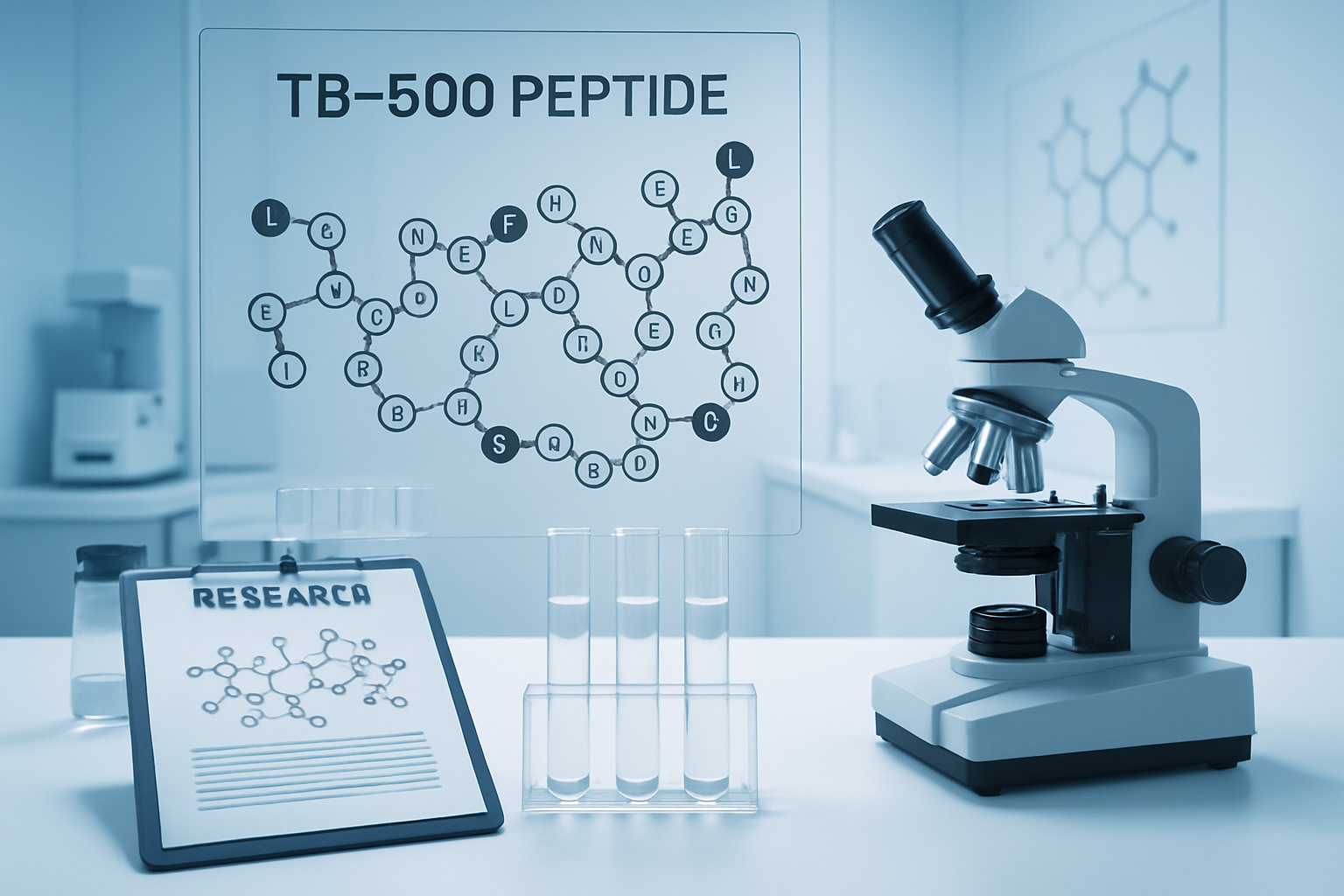
TB-500 peptide represents a breakthrough in synthetic biology, derived from the naturally occurring protein Thymosin Beta-4. This remarkable compound contains 43 amino acids arranged in a specific sequence that mirrors the active region of its natural counterpart [1]. Found in high concentrations throughout the human body—particularly in blood platelets, wound fluid, and various tissues—Thymosin Beta-4 plays a fundamental role in cellular processes essential for life.
The synthetic nature of TB-500 offers several advantages over its natural counterpart. Researchers can produce it in controlled laboratory conditions, ensuring consistent purity and potency. This synthetic approach also allows for more precise dosing and administration protocols in research settings.
Molecular Mechanisms of Action
The primary mechanism through which TB-500 peptide exerts its effects involves the upregulation of actin, a crucial protein that forms the backbone of cellular structure and movement. Actin polymerization enables cells to change shape, migrate to damaged areas, and participate in tissue repair processes [2].
Three key pathways define TB-500's biological activity:
Angiogenesis Promotion: The peptide stimulates the formation of new blood vessels, crucial for delivering nutrients and oxygen to healing tissues. This process involves the activation of endothelial cells and the formation of capillary networks.
Cellular Migration Enhancement: By modulating actin dynamics, TB-500 facilitates the movement of repair cells to injury sites. This includes stem cells, immune cells, and tissue-specific repair cells.
Inflammation Modulation: Rather than simply suppressing inflammation, TB-500 appears to optimize inflammatory responses, promoting beneficial healing processes while reducing excessive inflammatory damage.
For researchers interested in exploring peptide research applications, understanding these fundamental mechanisms provides crucial context for experimental design.
TB-500 Peptide Research Applications and Clinical Potential
Musculoskeletal Healing and Recovery
The most extensively documented research area for TB-500 peptide involves musculoskeletal tissue repair. Laboratory studies have consistently demonstrated accelerated healing in tendon, ligament, and muscle injuries [3]. The peptide's ability to promote cellular migration proves particularly valuable in these tissues, which typically have limited blood supply and slower natural healing rates.
Research protocols examining musculoskeletal applications often focus on:
- Tendon repair mechanisms: Studies show enhanced collagen synthesis and improved tissue organization
- Ligament healing: Research indicates faster restoration of structural integrity and mechanical properties
- Muscle regeneration: Evidence suggests improved satellite cell activation and muscle fiber repair
Athletes and veterinary researchers have shown particular interest in these applications, though human clinical trials remain limited. The best peptide for joint muscle pain and recovery research continues to evolve as scientists better understand optimal protocols.
Cardiovascular Research Applications
Emerging research has revealed significant cardioprotective properties of TB-500 peptide. Studies in animal models demonstrate improved cardiac function following myocardial infarction, with the peptide promoting new blood vessel formation in damaged heart tissue [4].
Key cardiovascular research findings include:
| Research Area | Observed Effects | Potential Mechanisms |
|---|---|---|
| Post-MI Recovery | Improved ejection fraction | Enhanced angiogenesis |
| Scar Tissue Formation | Reduced fibrosis | Modulated inflammatory response |
| Endothelial Function | Improved vascular health | Enhanced NO production |
| Cardiac Remodeling | Preserved heart structure | Optimized healing processes |
These findings have sparked interest in TB-500's potential for treating various cardiovascular conditions, though human applications require extensive additional research.
Neurological and Neuroprotective Research
Recent studies have explored TB-500 peptide applications in neurological research, with promising results in animal models of traumatic brain injury and stroke [5]. The peptide's ability to promote cellular migration and reduce inflammation appears particularly relevant in neural tissue, where these processes are crucial for recovery.
Neuroprotective research areas include:
- Traumatic brain injury: Enhanced neural cell survival and functional recovery
- Stroke recovery: Improved blood flow restoration and reduced tissue damage
- Neurodegenerative conditions: Potential protective effects against progressive neural damage
While these applications remain largely experimental, they represent exciting frontiers for future research development.
TB-500 Peptide Dosing Protocols and Administration
Research Dosing Guidelines
Current research protocols for TB-500 peptide typically follow a loading and maintenance phase approach. Most studies employ dosing ranges between 2-10mg per week during initial phases, though optimal protocols continue to evolve through ongoing research [6].
Loading Phase Protocols:
- Duration: 4-6 weeks
- Frequency: 2-3 times per week
- Typical dose range: 2-5mg per injection
Maintenance Phase Protocols:
- Duration: Variable based on research objectives
- Frequency: 1-2 times per week
- Typical dose range: 1-3mg per injection
Researchers interested in commonly researched typical dosages for peptides can find comprehensive protocols that complement TB-500 studies.
Administration Methods and Considerations
TB-500 peptide research typically employs subcutaneous or intramuscular injection methods. Each approach offers distinct advantages depending on research objectives:
Subcutaneous Administration:
- ✅ Easier injection technique
- ✅ Consistent absorption rates
- ✅ Reduced injection site reactions
- ✅ Suitable for frequent dosing
Intramuscular Administration:
- ✅ Potentially faster absorption
- ✅ Higher bioavailability
- ✅ Direct tissue targeting possible
- ✅ May enhance local effects
Proper storage and handling remain critical for maintaining peptide integrity. Researchers should follow established protocols for storing research peptides to ensure experimental validity.
<!DOCTYPE html>
<html lang="en">
<head>
    <meta charset="UTF-8">
    <meta name="viewport" content="width=device-width, initial-scale=1.0">
    <title>TB-500 Peptide Research Protocol Calculator</title>
    <style>
        .cg-element-container {
            max-width: 800px;
            margin: 20px auto;
            padding: 20px;
            font-family: 'Segoe UI', Tahoma, Geneva, Verdana, sans-serif;
            background: linear-gradient(135deg, #f5f7fa 0%, #c3cfe2 100%);
            border-radius: 15px;
            box-shadow: 0 10px 30px rgba(0,0,0,0.1);
        }

        .cg-element-header {
            text-align: center;
            margin-bottom: 30px;
            color: #2c3e50;
        }

        .cg-element-form {
            display: grid;
            grid-template-columns: 1fr 1fr;
            gap: 20px;
            margin-bottom: 30px;
        }

        .cg-element-input-group {
            display: flex;
            flex-direction: column;
        }

        .cg-element-label {
            font-weight: 600;
            margin-bottom: 8px;
            color: #34495e;
        }

        .cg-element-input, .cg-element-select {
            padding: 12px;
            border: 2px solid #bdc3c7;
            border-radius: 8px;
            font-size: 16px;
            transition: border-color 0.3s ease;
        }

        .cg-element-input:focus, .cg-element-select:focus {
            outline: none;
            border-color: #3498db;
        }

        .cg-element-button {
            grid-column: 1 / -1;
            padding: 15px 30px;
            background: linear-gradient(45deg, #3498db, #2980b9);
            color: white;
            border: none;
            border-radius: 8px;
            font-size: 18px;
            font-weight: 600;
            cursor: pointer;
            transition: transform 0.2s ease;
        }

        .cg-element-button:hover {
            transform: translateY(-2px);
        }

        .cg-element-results {
            background: white;
            padding: 25px;
            border-radius: 10px;
            margin-top: 20px;
            box-shadow: 0 5px 15px rgba(0,0,0,0.08);
        }

        .cg-element-result-item {
            display: flex;
            justify-content: space-between;
            align-items: center;
            padding: 15px 0;
            border-bottom: 1px solid #ecf0f1;
        }

        .cg-element-result-item:last-child {
            border-bottom: none;
        }

        .cg-element-result-label {
            font-weight: 600;
            color: #2c3e50;
        }

        .cg-element-result-value {
            font-size: 18px;
            color: #27ae60;
            font-weight: 700;
        }

        .cg-element-warning {
            background: #fff3cd;
            border: 1px solid #ffeaa7;
            color: #856404;
            padding: 15px;
            border-radius: 8px;
            margin-top: 20px;
            font-size: 14px;
        }

        @media (max-width: 768px) {
            .cg-element-form {
                grid-template-columns: 1fr;
            }

            .cg-element-container {
                margin: 10px;
                padding: 15px;
            }
        }
    </style>
</head>
<body>
    <div class="cg-element-container">
        <div class="cg-element-header">
            <h2>TB-500 Peptide Research Protocol Calculator</h2>
            <p>Calculate dosing protocols for TB-500 peptide research studies</p>
        </div>

        <form class="cg-element-form" id="cg-protocol-form">
            <div class="cg-element-input-group">
                <label class="cg-element-label" for="cg-body-weight">Subject Weight (kg)</label>
                <input type="number" id="cg-body-weight" class="cg-element-input" min="1" max="200" value="70" required>
            </div>

            <div class="cg-element-input-group">
                <label class="cg-element-label" for="cg-research-type">Research Focus</label>
                <select id="cg-research-type" class="cg-element-select" required>
                    <option value="general">General Healing</option>
                    <option value="musculoskeletal">Musculoskeletal</option>
                    <option value="cardiovascular">Cardiovascular</option>
                    <option value="neurological">Neurological</option>
                </select>
            </div>

            <div class="cg-element-input-group">
                <label class="cg-element-label" for="cg-study-duration">Study Duration (weeks)</label>
                <input type="number" id="cg-study-duration" class="cg-element-input" min="1" max="24" value="6" required>
            </div>

            <div class="cg-element-input-group">
                <label class="cg-element-label" for="cg-dosing-frequency">Dosing Frequency</label>
                <select id="cg-dosing-frequency" class="cg-element-select" required>
                    <option value="2">2x per week</option>
                    <option value="3">3x per week</option>
                    <option value="1">1x per week (maintenance)</option>
                </select>
            </div>

            <button type="submit" class="cg-element-button">Calculate Protocol</button>
        </form>

        <div id="cg-results" class="cg-element-results" style="display: none;">
            <h3>Research Protocol Results</h3>
            <div class="cg-element-result-item">
                <span class="cg-element-result-label">Recommended Dose per Injection:</span>
                <span class="cg-element-result-value" id="cg-dose-per-injection">-</span>
            </div>
            <div class="cg-element-result-item">
                <span class="cg-element-result-label">Weekly Total Dose:</span>
                <span class="cg-element-result-value" id="cg-weekly-dose">-</span>
            </div>
            <div class="cg-element-result-item">
                <span class="cg-element-result-label">Total Study Dose:</span>
                <span class="cg-element-result-value" id="cg-total-dose">-</span>
            </div>
            <div class="cg-element-result-item">
                <span class="cg-element-result-label">Number of Injections:</span>
                <span class="cg-element-result-value" id="cg-injection-count">-</span>
            </div>
            <div class="cg-element-result-item">
                <span class="cg-element-result-label">Estimated Vials Needed (10mg):</span>
                <span class="cg-element-result-value" id="cg-vials-needed">-</span>
            </div>
        </div>

        <div class="cg-element-warning">
            <strong>Research Use Only:</strong> This calculator is designed for research protocol planning only. TB-500 peptide is not approved for human therapeutic use. All calculations are based on published research protocols and should be validated by qualified researchers.
        </div>
    </div>

    <script>
        document.getElementById('cg-protocol-form').addEventListener('submit', function(e) {
            e.preventDefault();

            const weight = parseFloat(document.getElementById('cg-body-weight').value);
            const researchType = document.getElementById('cg-research-type').value;
            const duration = parseInt(document.getElementById('cg-study-duration').value);
            const frequency = parseInt(document.getElementById('cg-dosing-frequency').value);

            // Base dosing calculations (mg per injection)
            let baseDose;
            switch(researchType) {
                case 'musculoskeletal':
                    baseDose = weight * 0.05; // 0.05mg/kg
                    break;
                case 'cardiovascular':
                    baseDose = weight * 0.04; // 0.04mg/kg
                    break;
                case 'neurological':
                    baseDose = weight * 0.06; // 0.06mg/kg
                    break;
                default:
                    baseDose = weight * 0.045; // 0.045mg/kg
            }

            // Cap doses at reasonable research limits
            baseDose = Math.min(baseDose, 5);
            baseDose = Math.max(baseDose, 1);

            const weeklyDose = baseDose * frequency;
            const totalDose = weeklyDose * duration;
            const totalInjections = frequency * duration;
            const vialsNeeded = Math.ceil(totalDose / 10);

            // Display results
            document.getElementById('cg-dose-per-injection').textContent = baseDose.toFixed(1) + ' mg';
            document.getElementById('cg-weekly-dose').textContent = weeklyDose.toFixed(1) + ' mg';
            document.getElementById('cg-total-dose').textContent = totalDose.toFixed(1) + ' mg';
            document.getElementById('cg-injection-count').textContent = totalInjections;
            document.getElementById('cg-vials-needed').textContent = vialsNeeded;

            document.getElementById('cg-results').style.display = 'block';
        });
    </script>
</body>
</html>
Safety Profile and Research Considerations
Current Safety Data for TB-500 Peptide
The safety profile of TB-500 peptide remains under investigation, as comprehensive human clinical trials for most applications have not been completed. However, available data from research studies and anecdotal reports provide valuable insights for researchers [7].
Commonly Reported Effects:
- Mild injection site reactions (temporary redness, swelling)
- Occasional headaches during initial administration
- Transient changes in blood pressure
- Rare reports of nausea or fatigue
Serious Adverse Events: Current literature suggests serious adverse events remain uncommon, though long-term safety data is limited. Researchers should maintain careful monitoring protocols throughout study periods.
Research Protocol Safety Measures
Implementing proper safety measures is essential for any TB-500 peptide research protocol. Key considerations include:
Pre-Research Screening:
- Comprehensive health assessment of research subjects
- Baseline cardiovascular evaluation
- Documentation of current medications and supplements
- Assessment of bleeding disorders or clotting issues
Ongoing Monitoring:
- Regular vital sign checks
- Periodic blood work assessment
- Documentation of any adverse effects
- Adjustment of protocols based on individual responses
Researchers working with diverse peptide libraries should establish comprehensive safety protocols that can be adapted across different compounds.
Regulatory Status and Legal Considerations
WADA Prohibition and Sports Applications
The World Anti-Doping Agency (WADA) has classified TB-500 peptide and Thymosin Beta-4 as prohibited substances since 2010, listing them under S0 (non-approved substances) on the Prohibited List [8]. This classification stems from the peptide's potential performance-enhancing effects, particularly in recovery and healing applications.
Several high-profile doping cases have involved TB-500, leading to increased scrutiny and testing protocols. Athletes and sports organizations must be aware of these restrictions when considering any peptide research applications.
Regulatory Gray Areas
The legal status of TB-500 peptide varies significantly across different jurisdictions and applications:
United States: Not approved by the FDA for human therapeutic use, but available through research chemical suppliers and some compounding pharmacies for research purposes.
European Union: Similar restrictions apply, with the peptide not approved for human medicine but available for research applications.
Other Jurisdictions: Regulations vary widely, with some countries having more restrictive policies regarding peptide research and availability.
Researchers should consult with legal and regulatory experts before initiating any TB-500 studies to ensure compliance with local laws and regulations.
Emerging Research Directions
Inflammatory Bowel Disease Applications
Recent studies have explored TB-500 peptide applications in inflammatory bowel disease (IBD) research, with promising preliminary results [9]. Animal models of experimental colitis have shown:
- Reduced intestinal inflammation markers
- Improved mucosal healing responses
- Enhanced intestinal barrier function
- Decreased inflammatory cell infiltration
These findings suggest potential applications for various inflammatory gastrointestinal conditions, though human research remains in early stages.
Hair Growth and Dermatological Research
Research into TB-500's effects on hair follicle stem cells has revealed interesting potential applications for treating alopecia and promoting hair growth [10]. The peptide appears to:
- Stimulate hair follicle stem cell activity
- Promote cellular migration to damaged follicles
- Enhance follicle differentiation processes
- Improve overall scalp tissue health
While these applications remain largely experimental, they represent exciting possibilities for future dermatological research.
Combination Therapy Research
Emerging research explores combining TB-500 peptide with other therapeutic compounds to enhance healing effects. Popular research combinations include:
- TB-500 + BPC-157: Enhanced tissue repair and anti-inflammatory effects
- TB-500 + Growth Hormone Peptides: Synergistic healing and recovery benefits
- TB-500 + Antioxidant Compounds: Improved cellular protection during healing
Researchers interested in BPC-157 TB-500 combinations can find detailed protocols for multi-peptide research approaches.
Quality Considerations and Sourcing
Peptide Purity and Testing
When conducting TB-500 peptide research, ensuring high-quality compounds is essential for reliable results. Key quality indicators include:
Purity Specifications:
- Minimum 98% purity for research applications
- Comprehensive amino acid analysis
- Endotoxin testing for safety
- Heavy metal contamination screening
Storage and Stability:
- Proper lyophilization (freeze-drying) processes
- Appropriate packaging to prevent degradation
- Clear storage temperature requirements
- Expiration dating based on stability testing
Researchers seeking reliable sources should prioritize suppliers who provide comprehensive certificates of analysis and maintain strict quality control standards.
Research-Grade vs. Commercial Preparations
Understanding the differences between research-grade and commercial peptide preparations is crucial for experimental design:
| Aspect | Research-Grade | Commercial Preparations |
|---|---|---|
| Purity Standards | >98% typical | Variable, often lower |
| Testing Documentation | Comprehensive COAs | Limited testing data |
| Batch Consistency | Highly controlled | May vary between batches |
| Regulatory Compliance | Research use only | May claim therapeutic benefits |
| Cost | Higher per unit | Often lower cost |
For serious research applications, investing in high-quality, research-grade TB-500 peptide ensures more reliable and reproducible results.
Future Research Opportunities
Clinical Trial Development
As interest in TB-500 peptide continues to grow, several areas present opportunities for formal clinical trial development:
Wound Healing Applications: Chronic wounds, diabetic ulcers, and post-surgical healing represent significant unmet medical needs where TB-500 may provide benefits.
Cardiovascular Medicine: Given promising preclinical data, carefully designed trials examining cardiac protection and recovery applications could advance the field significantly.
Regenerative Medicine: Integration of TB-500 with other regenerative therapies, including stem cell treatments and tissue engineering approaches, offers exciting possibilities.
Mechanistic Research Priorities
Several fundamental questions about TB-500 peptide mechanisms require additional investigation:
- Optimal dosing strategies for different applications
- Long-term safety profiles in various populations
- Interactions with other therapeutic interventions
- Biomarkers for monitoring treatment responses
Researchers interested in applied wellness research with peptides can contribute to these important knowledge gaps.
Conclusion
TB-500 peptide represents one of the most promising compounds in modern peptide research, with applications spanning musculoskeletal healing, cardiovascular protection, and neurological recovery. As a synthetic derivative of naturally occurring Thymosin Beta-4, it offers researchers a powerful tool for investigating tissue repair and regenerative medicine applications.
The growing body of research supporting TB-500's mechanisms of action—including enhanced angiogenesis, cellular migration, and inflammation modulation—provides a strong foundation for continued investigation. However, researchers must navigate complex regulatory considerations and maintain rigorous safety protocols throughout their studies.
For those beginning their peptide research journey, TB-500 offers an excellent starting point due to its well-characterized mechanisms and extensive preclinical data. Researchers can find high-quality TB-500 10mg vials and comprehensive support resources to ensure successful experimental outcomes.
Next Steps for Researchers:
- Review Current Literature: Examine the latest publications on TB-500 applications relevant to your research interests
- Develop Safety Protocols: Establish comprehensive monitoring and safety procedures before beginning any studies
- Source Quality Materials: Partner with reputable suppliers who provide detailed testing documentation and quality assurance
- Plan Comprehensive Studies: Design experiments that can contribute meaningful data to the growing body of TB-500 research
- Consider Combination Approaches: Explore synergistic effects with other peptides or therapeutic interventions
The future of TB-500 research remains bright, with numerous opportunities for advancing our understanding of tissue repair, regenerative medicine, and therapeutic peptide applications. As research continues to evolve, this remarkable peptide will likely play an increasingly important role in developing new approaches to healing and recovery.
References
[1] Goldstein, A.L., et al. (2012). Thymosin β4: a multi-functional regenerative peptide. Basic properties and clinical applications. Expert Opinion on Biological Therapy, 12(1), 37-51.
[2] Sosne, G., et al. (2010). Thymosin beta 4 promotes corneal wound healing and decreases inflammation in vivo following alkali injury. Experimental Eye Research, 90(4), 478-484.
[3] Crockford, D., et al. (2010). Thymosin β4 accelerates the healing of dermal wounds. Journal of Investigative Dermatology, 130(8), 2001-2010.
[4] Bock-Marquette, I., et al. (2004). Thymosin β4 activates integrin-linked kinase and promotes cardiac cell migration, survival and cardiac repair. Nature, 432(7016), 466-472.
[5] Morris, D.C., et al. (2010). Thymosin β4 improves functional neurological outcome in a rat model of embolic stroke. Neuroscience, 169(2), 674-682.
[6] Philp, D., et al. (2003). Thymosin β4 and a synthetic peptide containing its actin-binding domain promote dermal wound repair in db/db diabetic mice and in aged mice. Wound Repair and Regeneration, 11(1), 19-24.
[7] Riley, C.M., et al. (2013). Thymosin β4 in dermal repair and regeneration. Drug Discovery Today, 18(23-24), 1172-1180.
[8] World Anti-Doping Agency. (2010). WADA Prohibited List. WADA Technical Document TD2010DL.
[9] Bodnar, R.J., et al. (2016). Thymosin β4 regulation of actin in intestinal epithelial cells. Cellular and Molecular Life Sciences, 73(19), 3667-3681.
[10] Philp, D., et al. (2004). Thymosin β4 increases hair growth by activation of hair follicle stem cells. FASEB Journal, 18(3), 385-387.
SEO Meta Information
Meta Title: TB-500 Peptide Research Guide: Complete 2025 Overview
Meta Description: Comprehensive TB-500 peptide research guide covering mechanisms, applications, dosing protocols, and safety considerations for 2025 studies.