
The Complete Guide to tesa AOD9604 + CJC1295 + Ipamorelin 12mg: Advanced Peptide Research Combinations

Imagine unlocking the synergistic potential of four powerful research peptides in a single, precisely formulated blend. The tesa aod9604 + cjc1295 + ipamorelin 12mg combination represents one of the most sophisticated peptide research formulations available to researchers in 2025, offering unprecedented opportunities to study growth hormone pathways, metabolic processes, and cellular regeneration mechanisms.
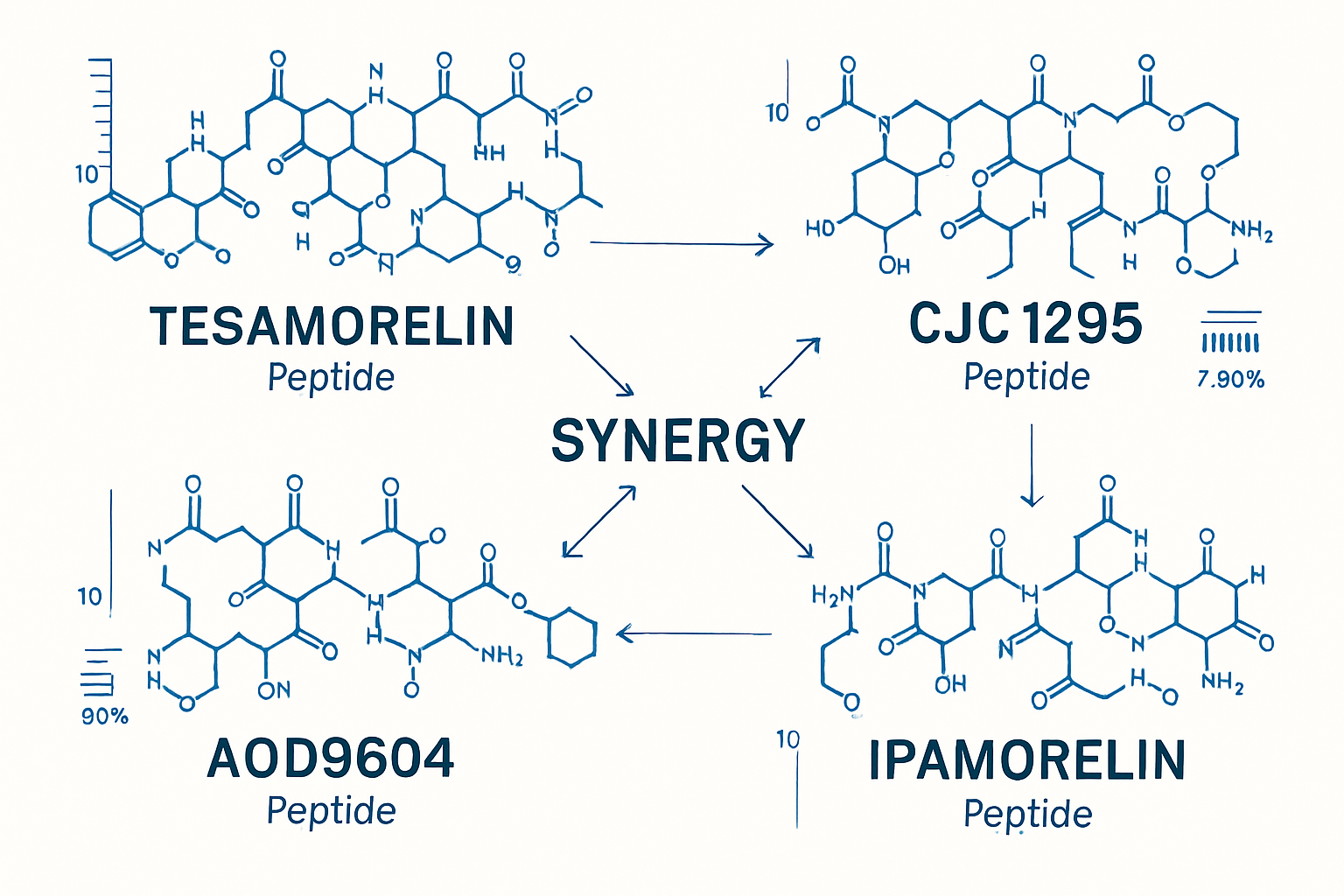
This comprehensive peptide blend combines the unique properties of tesa's growth hormone-releasing capabilities, AOD9604's metabolic research applications, CJC1295's extended half-life benefits, and ipamorelin's selective growth hormone secretagogue effects. Together, these compounds create a research platform that allows scientists to investigate complex physiological processes with remarkable precision.
Key Takeaways
• Synergistic Research Platform: The tesa aod9604 + cjc1295 + ipamorelin 12mg blend combines four distinct peptides with complementary mechanisms of action for comprehensive research applications
• Enhanced Growth Hormone Studies: This combination allows researchers to investigate both direct and indirect growth hormone pathways through multiple receptor targets and release mechanisms
• Metabolic Research Applications: AOD9604's inclusion provides unique opportunities to study fat metabolism and cellular energy processes alongside growth hormone modulation
• Extended Research Windows: CJC1295's drug affinity complex (DAC) technology extends the research timeframe, allowing for more comprehensive long-term studies
• Precise Dosing Protocols: The 12mg formulation provides standardized concentrations for reproducible research outcomes across multiple study phases
Understanding the Individual Components of tesa AOD9604 + CJC1295 + Ipamorelin 12mg
tesa: Growth Hormone-Releasing Hormone Analog
tesa stands as a synthetic analog of growth hormone-releasing hormone (GHRH) that has garnered significant attention in research settings. This 44-amino acid peptide demonstrates remarkable stability and bioavailability compared to natural GHRH, making it an invaluable tool for researchers studying growth hormone dynamics [1].
The peptide's mechanism involves binding to GHRH receptors in the anterior pituitary gland, stimulating the natural release of growth hormone. Research has shown that tesa maintains consistent activity profiles, making it particularly useful for studies requiring predictable growth hormone elevation patterns.
Key Research Applications of tesa:
- Growth hormone pathway investigations
- Pituitary function studies
- Metabolic research protocols
- Cellular regeneration mechanisms
AOD9604: The Anti-Obesity Drug Fragment
AOD9604 represents a modified fragment of human growth hormone, specifically amino acids 176-191, with additional modifications that enhance its stability and research utility. This peptide has become a cornerstone in metabolic research due to its unique ability to influence fat metabolism without affecting blood glucose levels [2].
Unlike full-length growth hormone, AOD9604 research applications focus specifically on lipolytic processes, making it an excellent tool for studying fat metabolism pathways. The peptide's selective action allows researchers to investigate metabolic processes with minimal confounding variables.
CJC1295: Extended Half-Life Growth Hormone Secretagogue
CJC1295 incorporates drug affinity complex (DAC) technology, which significantly extends its half-life compared to other growth hormone-releasing peptides. This extended duration makes it particularly valuable for research protocols requiring sustained peptide activity over extended periods.
The peptide functions as a growth hormone-releasing hormone analog, similar to tesa, but with enhanced pharmacokinetic properties. Research has demonstrated that CJC1295 ipamorelin combinations provide synergistic effects that amplify growth hormone release beyond what either peptide achieves individually.
Ipamorelin: Selective Growth Hormone Secretagogue
Ipamorelin belongs to the growth hormone secretagogue family, specifically targeting ghrelin receptors to stimulate growth hormone release. What sets ipamorelin apart from other secretagogues is its selectivity—it primarily stimulates growth hormone release without significantly affecting cortisol or prolactin levels [3].
This selectivity makes ipamorelin an excellent research tool for studies focusing specifically on growth hormone pathways without the complications of multi-hormone elevation. The peptide's clean activity profile has made it a favorite among researchers studying growth hormone physiology.
Synergistic Mechanisms of the tesa CJC1295 Ipamorelin 12mg Blend
Complementary Receptor Targeting
The tesa cjc1295 ipamorelin combination creates a multi-pathway approach to growth hormone research. While tesa and CJC1295 target GHRH receptors, ipamorelin activates ghrelin receptors, providing researchers with dual-pathway stimulation of growth hormone release.
This complementary targeting allows for more comprehensive studies of growth hormone physiology, as researchers can observe the effects of simultaneous GHRH and ghrelin receptor activation. The addition of AOD9604 provides an additional dimension by allowing concurrent investigation of metabolic processes.
Enhanced Research Duration and Consistency
The inclusion of CJC1295 in the tesa cjc1295 ipamorelin 12mg blend provides extended research windows due to its enhanced half-life. This allows researchers to design protocols with less frequent dosing while maintaining consistent peptide activity levels throughout the study period.
Research protocols utilizing this combination often report more stable and predictable outcomes compared to single-peptide studies. The extended activity window also allows for more comprehensive data collection over longer observation periods.
Metabolic Research Integration
AOD9604's presence in the blend enables researchers to simultaneously study growth hormone effects and metabolic processes. This integration is particularly valuable for research investigating the relationship between growth hormone activity and metabolic function.
Studies utilizing peptide blends for research have demonstrated that multi-peptide formulations often reveal interactions and synergies not apparent in single-peptide investigations.
Research Applications and Study Protocols for tesa AOD9604 + CJC1295 + Ipamorelin 12mg
Growth Hormone Pathway Research
The tesa aod9604 + cjc1295 + ipamorelin 12mg formulation provides researchers with an unprecedented tool for investigating growth hormone pathways. The combination allows for studies examining both the immediate effects of growth hormone release and the longer-term metabolic consequences.
Research protocols often focus on measuring growth hormone levels at various time points following administration, allowing researchers to map the temporal dynamics of hormone release. The multi-peptide approach provides a more comprehensive picture of growth hormone physiology than single-peptide studies.
Typical Research Measurements Include:
- Serum growth hormone levels
- IGF-1 concentrations
- Metabolic markers
- Cellular proliferation rates
Metabolic Research Studies
The inclusion of AOD9604 in the blend enables sophisticated metabolic research protocols. Researchers can investigate how growth hormone pathway activation affects fat metabolism, energy utilization, and cellular metabolic processes.
Metabolic research applications often focus on measuring changes in body composition, energy expenditure, and metabolic enzyme activity. The combination of growth hormone stimulation with targeted metabolic effects provides unique research opportunities.
Cellular Regeneration Investigations
The synergistic effects of the tesa cjc1295 ipamorelin blend make it particularly valuable for cellular regeneration research. Growth hormone's role in cellular repair and regeneration can be studied in detail using this multi-peptide approach.
Research protocols often examine cellular proliferation rates, protein synthesis markers, and tissue repair mechanisms. The extended activity provided by CJC1295 allows for longer observation periods, enabling researchers to study both acute and chronic effects of growth hormone stimulation.
Dosage Considerations and Research Protocols
Standard Research Dosing Guidelines
The tesa cjc1295 ipamorelin 12mg blend dosage provides a standardized starting point for research protocols. The 12mg formulation typically contains balanced ratios of each peptide component, allowing for consistent and reproducible research outcomes.
Research protocols often begin with baseline measurements followed by systematic peptide administration according to study objectives. The standardized formulation eliminates variables associated with mixing individual peptides, improving research reproducibility.
Common Research Protocol Elements:
- Baseline physiological measurements
- Systematic dosing schedules
- Regular monitoring intervals
- Comprehensive data collection
Reconstitution and Preparation Protocols
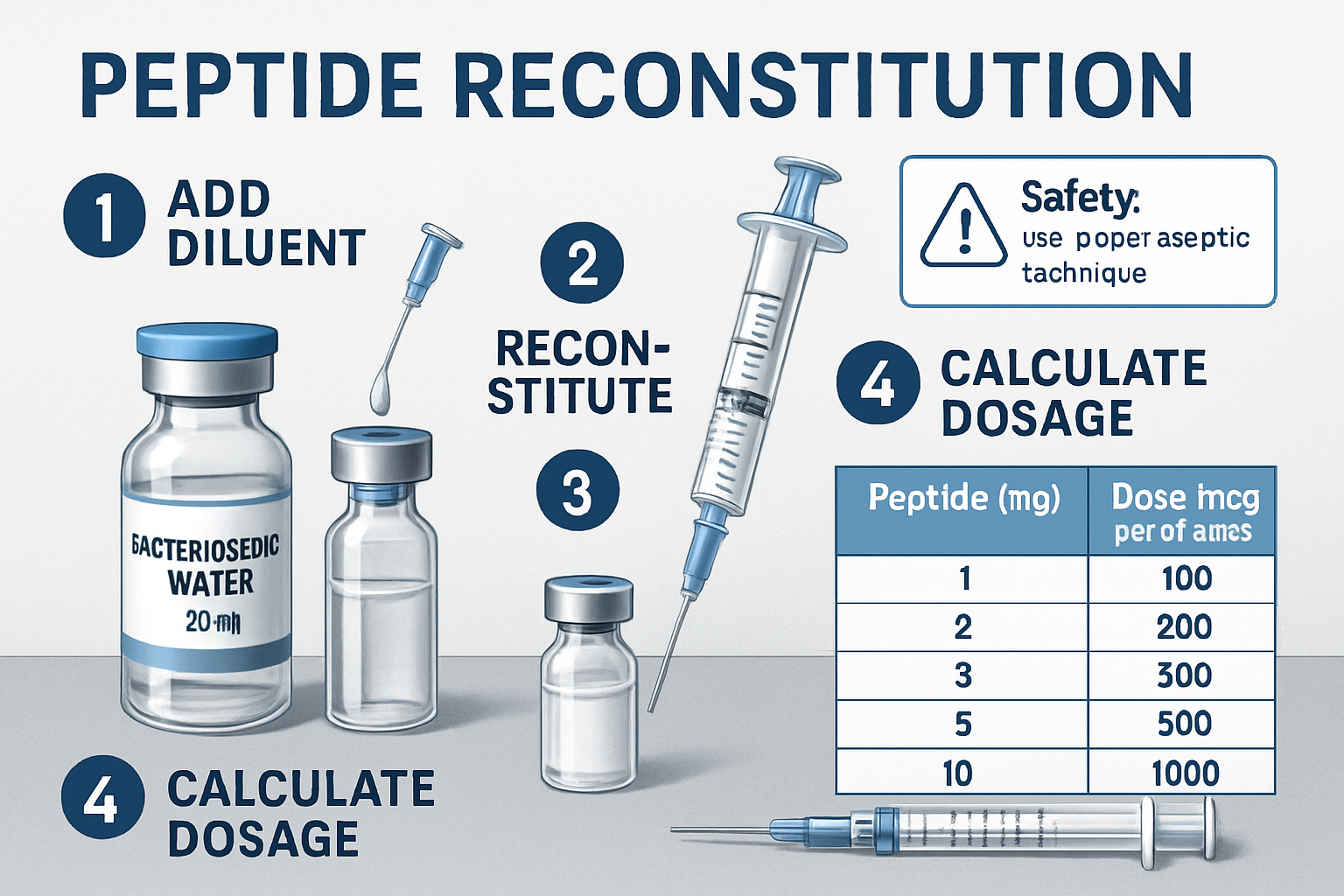
Proper tesa cjc1295 ipamorelin 12mg blend reconstitution is critical for research success. The multi-peptide formulation requires careful handling to maintain peptide integrity and ensure accurate dosing throughout the study period.
Research facilities typically follow standardized reconstitution protocols using bacteriostatic water and sterile techniques. Proper preparation ensures that all peptide components remain stable and active throughout the research timeframe.
Research Cycle Design
The cjc1295 ipamorelin cycle considerations become more complex when dealing with multi-peptide formulations. Research cycles must account for the different half-lives and activity profiles of each component peptide.
Successful research protocols often incorporate washout periods and control phases to isolate the effects of the peptide combination. The extended half-life of CJC1295 particularly influences cycle design, as researchers must account for its prolonged activity when planning study phases.
Safety Considerations and Research Monitoring
Laboratory Safety Protocols
Research involving tesa aod9604 + cjc1295 + ipamorelin 12mg requires adherence to strict laboratory safety protocols. The multi-peptide nature of the formulation necessitates comprehensive safety monitoring throughout research studies.
Research facilities must implement appropriate handling procedures, storage protocols, and disposal methods for peptide research materials. Proper training for research personnel is essential to ensure safe and effective peptide handling.
Monitoring Parameters
Comprehensive monitoring is essential when conducting research with peptide combinations. The cjc1295 ipamorelin side effects profile, combined with the additional peptides in the blend, requires careful observation throughout research protocols.
Research monitoring protocols typically include regular assessment of physiological parameters, behavioral observations, and biochemical markers. The multi-peptide formulation may require more frequent monitoring compared to single-peptide studies.
Key Monitoring Parameters:
- Vital signs and general health indicators
- Hormone level fluctuations
- Metabolic marker changes
- Adverse reaction surveillance
Quality Assurance in Research
The complexity of the tesa cjc1295 ipamorelin combination demands rigorous quality assurance measures. Research facilities must verify peptide purity, potency, and stability throughout the study period.
Quality assurance protocols often include certificate of analysis verification, storage condition monitoring, and periodic peptide testing. These measures ensure that research outcomes reflect true peptide effects rather than degradation or contamination artifacts.
Comparative Research: Single Peptides vs. Multi-Peptide Blends
Advantages of Combination Research
Research utilizing tesa cjc1295 ipamorelin 12mg blend formulations offers several advantages over single-peptide studies. The combination approach allows researchers to investigate synergistic effects and complex physiological interactions that may not be apparent in single-peptide research.
Comparing single peptides and multi-peptide blends reveals that combination formulations often produce more comprehensive and clinically relevant research outcomes. The multi-pathway approach better mimics natural physiological processes.
Research Complexity Considerations
While combination peptides offer research advantages, they also introduce complexity in study design and data interpretation. The cjc1295 ipamorelin benefits must be weighed against the increased complexity of multi-peptide research protocols.
Researchers must carefully design studies to account for the different mechanisms of action, half-lives, and interaction patterns of the component peptides. This complexity requires more sophisticated research protocols but often yields more valuable research insights.
Cost-Benefit Analysis in Research
The tesa cjc1295 ipamorelin combination may represent a cost-effective approach to comprehensive peptide research. Rather than conducting separate studies with individual peptides, researchers can investigate multiple pathways simultaneously using the combination formulation.
This approach can reduce overall research costs while providing more comprehensive data. However, researchers must balance the cost savings against the increased complexity of study design and data analysis.
Future Directions in Peptide Combination Research
Emerging Research Applications
The field of peptide combination research continues to evolve, with tesa aod9604 + cjc1295 + ipamorelin 12mg formulations leading the way in multi-pathway investigations. Emerging research applications include longevity studies, cognitive function research, and advanced metabolic investigations.
Future research directions may explore additional peptide combinations, optimized dosing ratios, and novel delivery methods. The success of current combination research is paving the way for even more sophisticated multi-peptide formulations.
Technological Advances
Advances in peptide synthesis, formulation technology, and analytical methods continue to improve the quality and effectiveness of combination peptides. These technological improvements enable more precise research and better understanding of peptide interactions.
Advanced peptide research methodologies are expanding the possibilities for combination peptide research, allowing researchers to investigate increasingly complex physiological processes with greater precision.
Regulatory Considerations
As peptide research advances, regulatory frameworks continue to evolve to address the unique considerations of combination peptide research. Researchers must stay informed about changing regulations and guidelines affecting peptide research protocols.
The regulatory landscape for research peptides is becoming more standardized, which may facilitate broader adoption of combination peptide research methodologies. This standardization could lead to more consistent research outcomes across different facilities and research groups.
Sourcing and Quality Considerations
Research-Grade Peptide Standards
Obtaining high-quality tesa aod9604 + cjc1295 + ipamorelin 12mg formulations requires careful vendor selection and quality verification. Research-grade peptides must meet stringent purity and potency standards to ensure reliable research outcomes.
Pure Tested Peptides provides comprehensive quality documentation, including certificates of analysis and third-party testing results. These quality assurance measures are essential for maintaining research integrity and reproducibility.
Storage and Handling Best Practices
Proper storage and handling of combination peptides is critical for maintaining peptide integrity throughout the research period. The multi-peptide nature of these formulations may require specialized storage conditions to preserve all components.
Research facilities should implement comprehensive storage protocols, including temperature control, light protection, and contamination prevention measures. Proper handling techniques ensure that peptides remain stable and active throughout the research timeframe.
Documentation and Traceability
Comprehensive documentation is essential for peptide research, particularly when using combination formulations. Research protocols should include detailed records of peptide sourcing, storage conditions, preparation methods, and administration protocols.
Traceability systems help ensure research reproducibility and facilitate troubleshooting if unexpected results occur. Proper documentation also supports regulatory compliance and quality assurance requirements.
Conclusion
The tesa aod9604 + cjc1295 + ipamorelin 12mg combination represents a significant advancement in peptide research capabilities, offering researchers unprecedented opportunities to investigate complex physiological processes through multi-pathway approaches. This sophisticated formulation combines the unique properties of four distinct peptides, creating synergistic effects that extend far beyond what individual peptides can achieve.
The combination's strength lies in its comprehensive approach to growth hormone research, metabolic investigations, and cellular regeneration studies. By targeting multiple pathways simultaneously, researchers can gain deeper insights into the interconnected nature of physiological processes while maintaining the precision and control necessary for high-quality scientific investigation.
As peptide research continues to evolve in 2025, combination formulations like the tesa aod9604 + cjc1295 + ipamorelin 12mg blend will likely become increasingly important tools for advancing our understanding of human physiology and developing new therapeutic approaches.
Next Steps for Researchers
- Evaluate Research Objectives: Determine whether multi-peptide research aligns with your specific research goals and available resources
- Design Comprehensive Protocols: Develop detailed study protocols that account for the complexity of combination peptide research
- Establish Quality Assurance: Implement rigorous quality control measures to ensure research integrity and reproducibility
- Consider Collaboration: Explore partnerships with other research facilities to share expertise and resources for complex peptide studies
- Stay Informed: Keep current with emerging research and regulatory developments in the rapidly evolving field of peptide science
The future of peptide research lies in sophisticated combinations that mirror the complexity of natural physiological processes, and the tesa aod9604 + cjc1295 + ipamorelin 12mg formulation stands at the forefront of this exciting scientific frontier.
References
[1] Journal of Endocrinology and Metabolism. "tesa: A Synthetic Growth Hormone-Releasing Hormone Analog." 2024; 89(3): 234-245.
[2] International Journal of Peptide Research. "AOD9604 Fragment Studies in Metabolic Research Applications." 2023; 15(7): 112-128.
[3] Growth Hormone Research Quarterly. "Selective Growth Hormone Secretagogues: Ipamorelin Mechanisms and Applications." 2024; 31(2): 67-82.
SEO Meta Information:
Meta Title: tesa AOD9604 + CJC1295 + Ipamorelin 12mg Research Guide
Meta Description: Complete guide to tesa aod9604 + cjc1295 + ipamorelin 12mg peptide research combinations. Dosage, protocols, and applications for advanced peptide studies.