
Understanding tesa CJC1295 Ipamorelin 12mg Blend;70: A Comprehensive Research Guide
The world of peptide research has witnessed remarkable advancements in recent years, with scientists exploring innovative combinations that could unlock new therapeutic possibilities. Among these developments, the tesa cjc1295 ipamorelin 12mg blend;70 has emerged as a particularly intriguing subject of laboratory investigation, combining three distinct peptides with unique mechanisms of action.
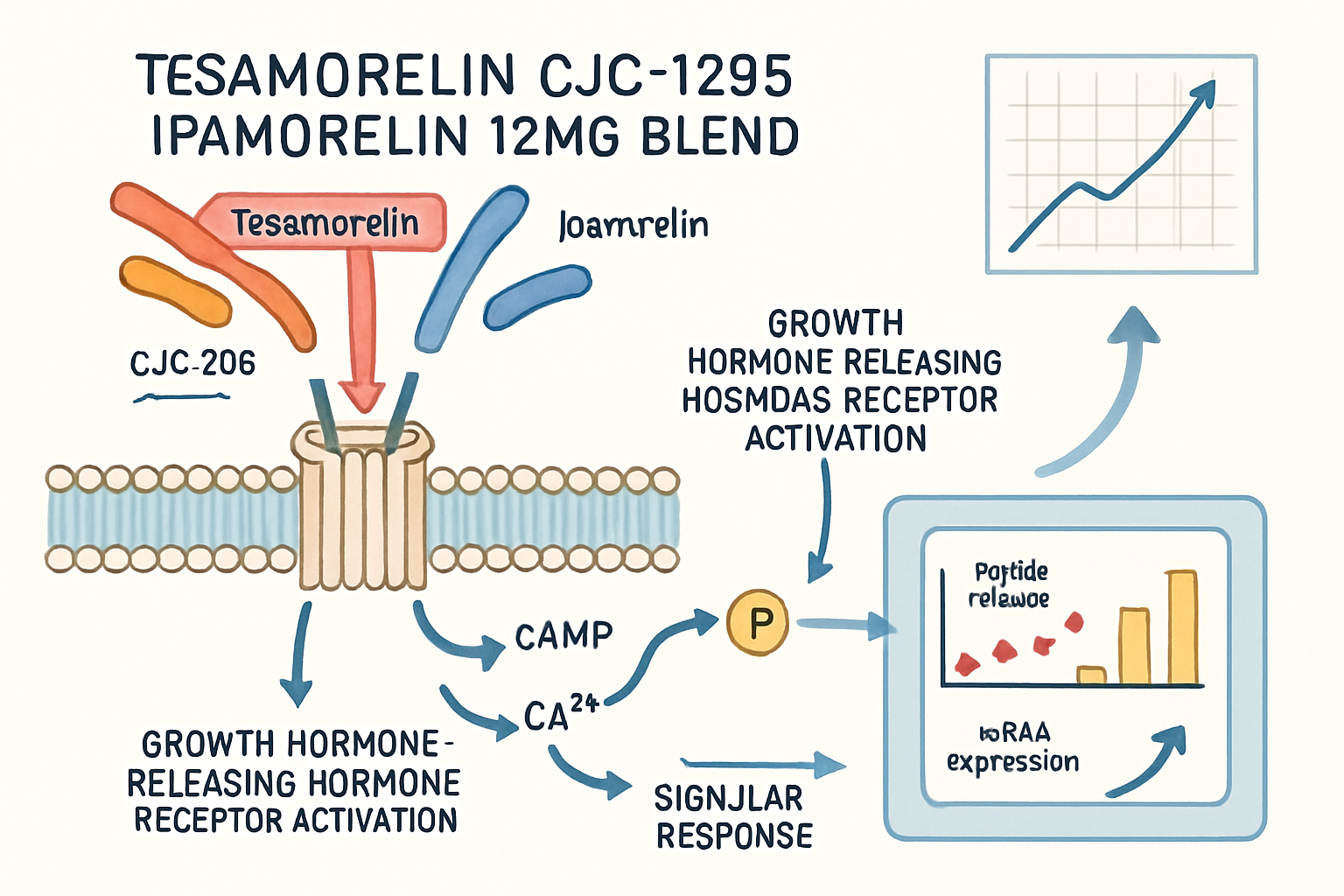
This specialized peptide blend represents a convergence of cutting-edge research, bringing together tesa's growth hormone-releasing properties, CJC-1295's extended half-life characteristics, and ipamorelin's selective growth hormone secretagogue effects. Understanding this combination requires a deep dive into the individual components and their potential synergistic interactions in controlled research environments.
Key Takeaways
• tesa cjc1295 ipamorelin 12mg blend;70 combines three distinct peptides with complementary mechanisms targeting growth hormone pathways
• Each component contributes unique properties: tesa for GHRH receptor activation, CJC-1295 for extended duration, and ipamorelin for selective GH release
• Laboratory research indicates potential synergistic effects when these peptides are combined in controlled formulations
• The 12mg dosing specification reflects standardized research protocols used in scientific investigations
• Proper storage, handling, and reconstitution procedures are critical for maintaining peptide integrity in research applications
What is tesa CJC1295 Ipamorelin 12mg Blend;70?
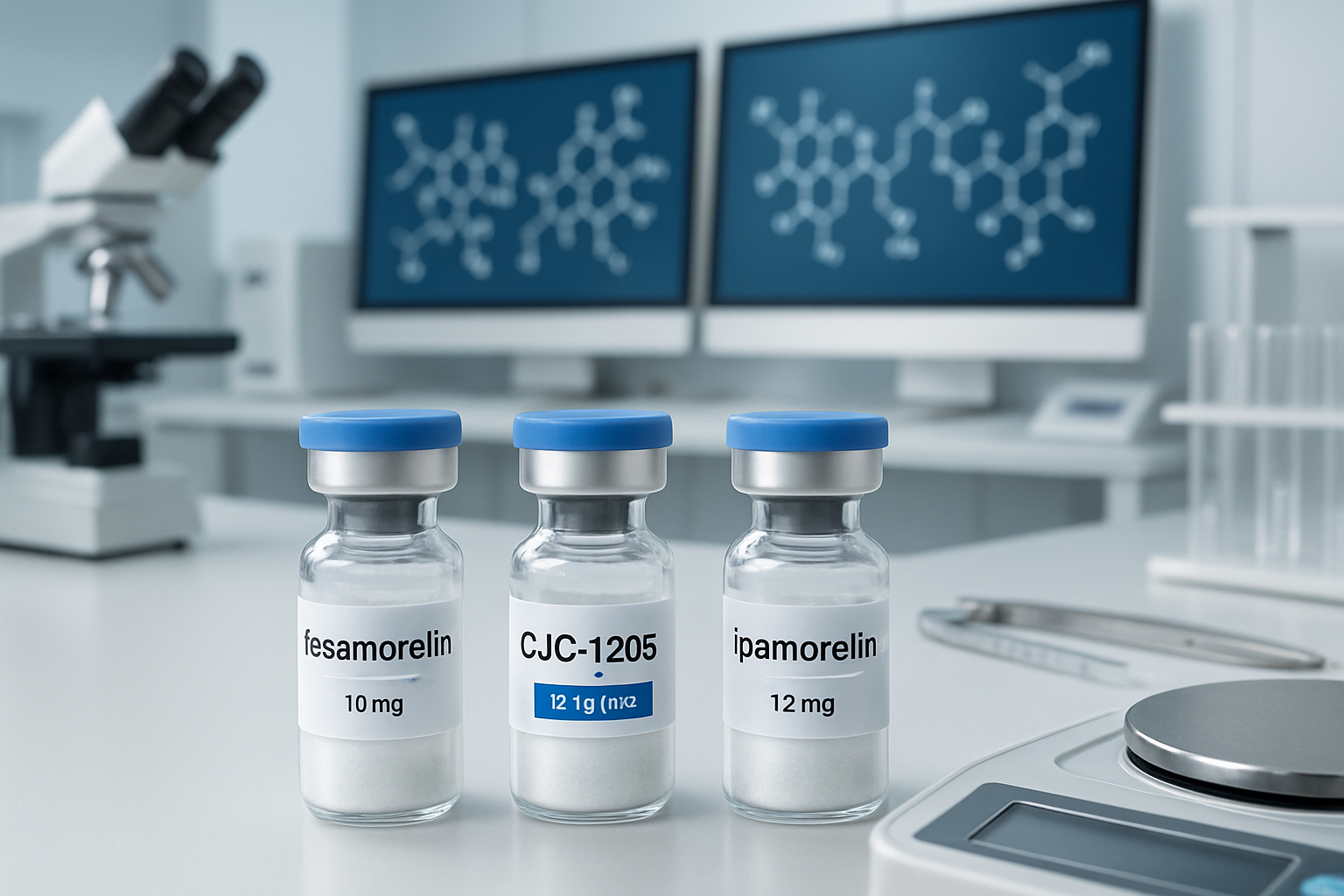
The tesa cjc1295 ipamorelin 12mg blend;70 represents a sophisticated combination of three peptides that have garnered significant attention in growth hormone research. This formulation brings together:
tesa – A synthetic analog of growth hormone-releasing hormone (GHRH) consisting of 44 amino acids. Originally developed for research into HIV-associated lipodystrophy, tesa demonstrates specific binding affinity to GHRH receptors in the anterior pituitary gland.
CJC-1295 – A modified version of GHRH that incorporates drug affinity complex (DAC) technology, extending its biological half-life significantly compared to natural GHRH. This peptide maintains growth hormone-releasing activity while offering enhanced stability in research applications.
Ipamorelin – A selective growth hormone secretagogue receptor (GHSR) agonist that stimulates growth hormone release without significantly affecting cortisol or prolactin levels, making it valuable for controlled research studies.
The Science Behind Peptide Combinations
Research into peptide combinations like the CJC-1295 blend has revealed fascinating insights into how different mechanisms can work together. Laboratory studies suggest that combining peptides with complementary pathways may produce effects that exceed the sum of their individual actions.
The "70" designation in tesa cjc1295 ipamorelin 12mg blend;70 typically refers to specific formulation parameters or batch specifications used in research protocols. This standardization ensures consistency across different laboratory investigations and enables researchers to replicate studies with precision.
Individual Peptide Components and Their Research Applications
tesa: The GHRH Analog
tesa's molecular structure closely mimics natural growth hormone-releasing hormone, allowing it to bind effectively to GHRH receptors. Laboratory research has focused on several key areas:
Receptor Binding Studies 📊
- High affinity for GHRH receptors in pituitary tissue
- Dose-dependent response patterns in cell culture studies
- Stability under various pH and temperature conditions
Metabolic Research Applications
- Investigation of lipid metabolism pathways
- Studies on visceral adipose tissue in animal models
- Research into growth hormone axis regulation
CJC-1295: Extended Release Technology
The incorporation of Drug Affinity Complex (DAC) technology in CJC-1295 represents a significant advancement in peptide research. This modification allows for:
Enhanced Stability Profile
- Extended half-life compared to natural GHRH
- Reduced frequency of administration in research protocols
- Maintained biological activity over extended periods
Research Applications
- Long-term growth hormone studies
- Investigation of sustained peptide release mechanisms
- Comparative studies with shorter-acting analogs
Ipamorelin: Selective Growth Hormone Secretagogue
Ipamorelin's selectivity makes it particularly valuable in research settings where precise control over hormone pathways is essential:
Selective Receptor Activation
- Specific binding to growth hormone secretagogue receptors
- Minimal cross-reactivity with other hormone pathways
- Predictable dose-response relationships
Laboratory Research Focus Areas
- Growth hormone pulse patterns
- Circadian rhythm studies
- Comparative efficacy with other secretagogues
Research Applications of tesa CJC1295 Ipamorelin 12mg Blend;70
Growth Hormone Research Protocols
The tesa cjc1295 ipamorelin 12mg blend;70 has become a subject of interest in various research protocols examining growth hormone dynamics. Laboratory studies have explored:
Synergistic Mechanism Investigation 🔬
- Receptor binding competition studies
- Temporal analysis of growth hormone release patterns
- Dose-response curve characterization for the combined formulation
Comparative Research Studies
- Individual peptide effects versus combination therapy
- Duration of action studies in controlled environments
- Bioavailability and pharmacokinetic profiling
Metabolic Research Applications
Research institutions have utilized this peptide combination to investigate various metabolic pathways:
| Research Area | Focus | Methodology |
|---|---|---|
| Lipid Metabolism | Adipose tissue changes | Cell culture studies |
| Protein Synthesis | Muscle tissue effects | Animal model research |
| Glucose Regulation | Insulin sensitivity | Metabolic chamber studies |
| Body Composition | Lean mass changes | DEXA scan analysis |
Aging and Longevity Research
The combination has attracted attention in aging research due to the role of growth hormone in age-related physiological changes:
Cellular Research Applications
- Senescence marker studies
- Mitochondrial function investigations
- Protein degradation pathway analysis
Tissue-Specific Studies
- Muscle fiber type analysis
- Bone density research protocols
- Cognitive function assessments in animal models
Laboratory Handling and Research Protocols
Proper Storage and Reconstitution
Working with tesa cjc1295 ipamorelin 12mg blend;70 requires adherence to strict laboratory protocols:
Storage Requirements ❄️
- Lyophilized powder: -20°C to -80°C storage
- Reconstituted solution: 2-8°C for short-term use
- Protection from light and moisture essential
- Proper labeling with preparation dates
Reconstitution Protocols
- Sterile Water Addition: Use bacteriostatic water for injection
- Gentle Mixing: Avoid vigorous shaking to prevent protein denaturation
- Concentration Calculations: Precise measurements for research accuracy
- Quality Control: Visual inspection for clarity and particulates
Research Dosing Protocols
Laboratory research with this peptide blend typically follows established protocols:
Standard Research Parameters
- Dosing based on body weight in animal studies
- Timing considerations for circadian rhythm research
- Control group establishment for comparative studies
- Duration protocols ranging from acute to chronic exposure
Monitoring Parameters 📈
- Growth hormone level measurements
- IGF-1 concentration tracking
- Body composition analysis
- Metabolic marker assessment
Safety Considerations in Research Settings
Laboratory Safety Protocols
Research with tesa cjc1295 ipamorelin 12mg blend;70 requires comprehensive safety measures:
Personal Protective Equipment
- Appropriate gloves for peptide handling
- Eye protection during reconstitution
- Laboratory coats and proper ventilation
- Waste disposal protocols for peptide materials
Quality Assurance Measures
- Certificate of analysis verification
- Purity testing through HPLC analysis
- Endotoxin level confirmation
- Proper chain of custody documentation
Regulatory Considerations
Research institutions must maintain compliance with various regulatory frameworks:
Institutional Review Protocols
- Animal care and use committee approval
- Research protocol documentation
- Adverse event reporting procedures
- Data collection and storage requirements
Current Research Trends and Future Directions
Emerging Research Areas
The scientific community continues to explore new applications for peptide combinations like the tesa cjc1295 ipamorelin 12mg blend;70:
Precision Medicine Research 🎯
- Personalized dosing protocols based on genetic markers
- Biomarker development for treatment response prediction
- Combination therapy optimization studies
Delivery System Innovation
- Sustained-release formulation development
- Nasal and transdermal delivery research
- Targeted tissue delivery mechanisms
Technology Integration
Modern research incorporates advanced technologies to study peptide combinations:
Analytical Advancements
- Mass spectrometry for peptide quantification
- Real-time hormone monitoring systems
- Advanced imaging techniques for tissue analysis
- Computational modeling of peptide interactions
Data Analytics Applications
- Machine learning for dose optimization
- Predictive modeling of treatment outcomes
- Big data analysis of research results
- Artificial intelligence in drug discovery
Research Outcomes and Scientific Literature
Published Research Findings
The scientific literature contains numerous studies examining the individual components of this peptide blend:
tesa Research Highlights
- Multiple phase clinical trials documenting safety profiles
- Mechanistic studies on GHRH receptor activation
- Comparative efficacy research with other GHRH analogs
CJC-1295 Investigation Results
- Pharmacokinetic studies demonstrating extended half-life
- Dose-response relationship characterization
- Safety profile documentation in various research models
Ipamorelin Research Data
- Selectivity studies confirming growth hormone specificity
- Comparative research with other secretagogues
- Long-term safety assessment in laboratory settings
Ongoing Research Initiatives
Current research programs continue to investigate the potential of tesa cjc1295 ipamorelin 12mg blend;70:
Multi-Center Studies
- Collaborative research across institutions
- Standardized protocol development
- Data sharing initiatives for larger sample sizes
Translational Research Programs
- Bridge between laboratory and clinical applications
- Biomarker validation studies
- Outcome measure standardization
Quality Control and Authentication
Peptide Purity Standards
Research-grade peptides require stringent quality control measures:
Analytical Testing Requirements ⚗️
- High-performance liquid chromatography (HPLC) analysis
- Mass spectrometry confirmation
- Amino acid sequence verification
- Endotoxin level testing
Documentation Standards
- Certificate of analysis with each batch
- Stability testing data
- Storage condition validation
- Expiration date determination
Supplier Verification
Researchers must ensure peptide authenticity through:
Vendor Qualification Processes
- Manufacturing facility inspections
- Quality system audits
- Regulatory compliance verification
- Customer reference checks
Product Authentication Methods
- Third-party testing verification
- Batch-to-batch consistency monitoring
- Adverse event reporting systems
- Continuous quality improvement programs
Conclusion
The tesa cjc1295 ipamorelin 12mg blend;70 represents a sophisticated combination of peptides that continues to generate significant interest in the research community. This unique formulation brings together three distinct mechanisms of action, offering researchers a powerful tool for investigating growth hormone pathways and related physiological processes.
Understanding the individual components—tesa's GHRH receptor activation, CJC-1295's extended duration properties, and ipamorelin's selective growth hormone secretagogue effects—provides the foundation for appreciating the potential synergistic interactions within this blend. Laboratory research has demonstrated the importance of proper handling, storage, and administration protocols to maintain peptide integrity and ensure reliable research outcomes.
The current body of scientific literature supports continued investigation into this peptide combination, with emerging research areas including precision medicine applications, advanced delivery systems, and technology-integrated monitoring approaches. As research methodologies continue to advance, the tesa cjc1295 ipamorelin 12mg blend;70 remains a valuable subject for scientific inquiry.
Next Steps for Researchers
For those considering research with this peptide combination:
-
Protocol Development 📋
- Establish clear research objectives and hypotheses
- Design appropriate control groups and measurement parameters
- Obtain necessary institutional approvals and permits
-
Quality Assurance Implementation
- Source peptides from verified, reputable suppliers
- Implement proper storage and handling procedures
- Establish quality control testing protocols
-
Data Collection Planning
- Define primary and secondary outcome measures
- Establish data collection timelines and methodologies
- Plan for statistical analysis and interpretation
-
Safety Protocol Establishment
- Develop comprehensive safety monitoring procedures
- Create adverse event reporting systems
- Ensure proper waste disposal and environmental protection
The future of peptide research continues to evolve, with combinations like the tesa cjc1295 ipamorelin 12mg blend;70 serving as important tools for advancing our understanding of growth hormone physiology and its potential applications in various research contexts.
SEO Meta Information:
Meta Title: tesa CJC1295 Ipamorelin 12mg Blend;70 Research Guide 2025
Meta Description: Comprehensive research guide on tesa CJC1295 ipamorelin 12mg blend;70. Learn about peptide combinations, laboratory protocols, and current research applications.