
The Complete Guide to tesa Dosage Calculator: Precision in Peptide Research
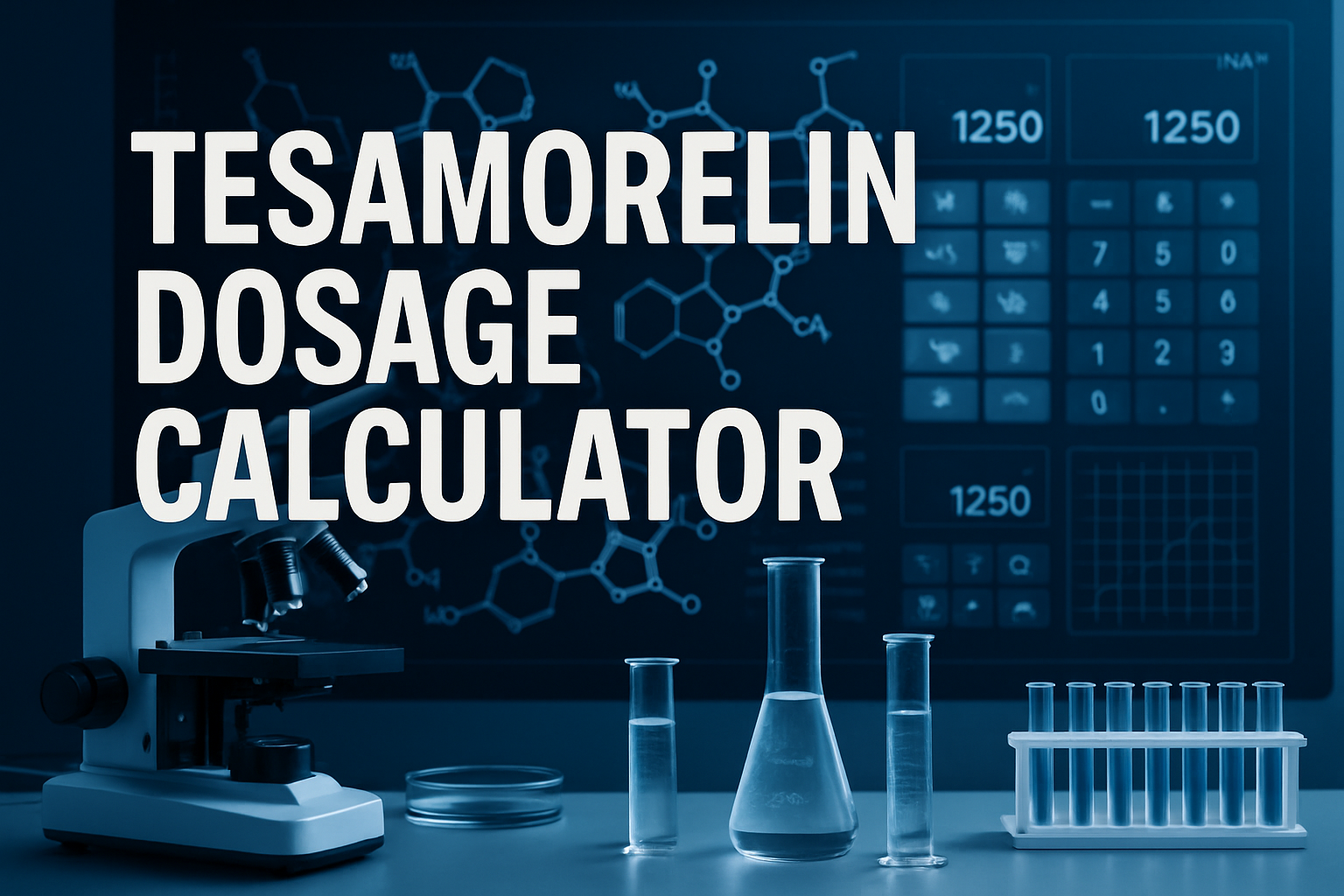
Imagine having the ability to calculate precise tesa dosages with scientific accuracy, eliminating guesswork from your research protocols. A tesa dosage calculator serves as an essential tool for researchers working with this growth hormone-releasing hormone (GHRH) analog, ensuring consistent and reliable results across experimental studies.
Key Takeaways
• Precision is crucial: Accurate dosage calculations prevent research inconsistencies and ensure reliable experimental outcomes
• Multiple factors matter: Body weight, research objectives, and concentration levels all influence proper tesa dosing
• Safety protocols: Understanding proper reconstitution and storage methods protects research integrity
• Research applications: tesa shows promise in studies related to body composition and metabolic function
• Professional guidance: Consulting with research professionals enhances study design and execution
Understanding tesa: The Foundation for Accurate Calculations
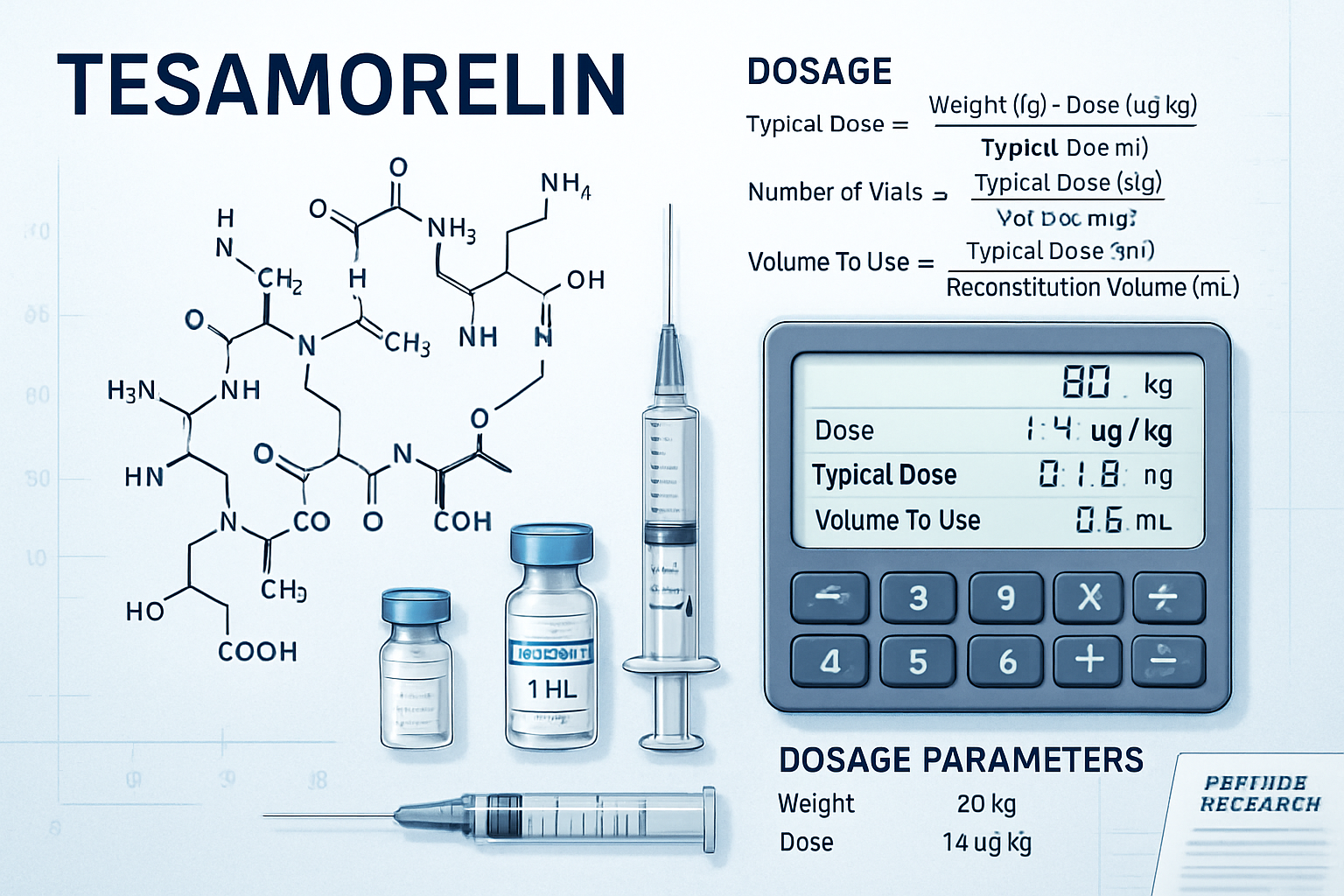
tesa represents a synthetic analog of growth hormone-releasing hormone (GHRH) that has garnered significant attention in research communities worldwide. This 44-amino acid peptide demonstrates remarkable stability compared to natural GHRH, making it an invaluable tool for laboratory investigations [1].
The peptide's unique structure allows researchers to study growth hormone pathways with unprecedented precision. Unlike endogenous GHRH, tesa resists degradation, providing consistent results across extended research periods. This stability factor becomes particularly important when developing standardized protocols for peptide research applications.
Chemical Properties and Research Significance
tesa's molecular weight of approximately 5,135 daltons influences its bioavailability and distribution characteristics in research models. The peptide's enhanced resistance to dipeptidyl peptidase-4 (DPP-4) degradation extends its half-life significantly compared to natural GHRH variants [2].
Research institutions worldwide utilize tesa in studies examining:
- Growth hormone axis function 📊
- Metabolic pathway investigations
- Body composition research
- Cellular signaling mechanisms
Understanding these fundamental properties becomes essential when using any tesa dosage calculator, as the peptide's unique characteristics directly impact dosing requirements and research outcomes.
How to Use a tesa Dosage Calculator Effectively
Implementing a tesa dosage calculator requires understanding several critical variables that influence final dosing recommendations. Professional researchers emphasize the importance of systematic approaches to ensure reproducible results across different experimental conditions.
The calculation process typically involves these essential components:
Primary Calculation Variables
Body Weight Considerations: Research protocols often base tesa dosing on subject weight, typically ranging from 1-2 mg per kilogram in laboratory studies. This weight-based approach ensures consistent exposure levels across different research subjects.
Concentration Factors: Most tesa research peptides come in lyophilized powder form, requiring reconstitution before use. Standard concentrations range from 1mg/ml to 5mg/ml depending on research requirements.
Research Objectives: Different study endpoints may require varying dosage approaches. Acute studies might utilize single-dose protocols, while chronic investigations often employ daily dosing regimens over extended periods.
Step-by-Step Calculation Process
- Determine target dose based on research protocol (typically 1-2 mg)
- Calculate reconstitution volume using peptide concentration
- Measure injection volume based on final concentration
- Verify calculations through cross-referencing methods
Advanced researchers often utilize multiple calculation methods to verify accuracy, particularly when working with high-quality peptide preparations that require precise handling protocols.
Digital Tools and Manual Calculations
Modern laboratories increasingly rely on digital tesa dosage calculators that incorporate safety factors and standardized protocols. These tools typically account for:
- Peptide purity levels (usually 95-99%)
- Reconstitution solution volumes
- Storage stability factors
- Research timeline considerations
Manual calculation methods remain valuable for verification purposes and situations where digital tools may not be available. Understanding both approaches enhances research flexibility and accuracy.
Factors Affecting tesa Dosage Calculations
Multiple variables influence accurate tesa dosing beyond basic weight-based calculations. Experienced researchers recognize that successful peptide studies require consideration of numerous factors that can significantly impact experimental outcomes.
Biological Variables
Age-related factors play crucial roles in tesa research, as growth hormone responsiveness varies significantly across different life stages. Younger research subjects typically demonstrate enhanced sensitivity to GHRH analogs compared to older counterparts [3].
Metabolic status influences peptide effectiveness, with factors such as insulin sensitivity and body composition affecting growth hormone release patterns. Research protocols often incorporate baseline metabolic assessments to optimize dosing strategies.
Environmental and Protocol Considerations
Research timing significantly impacts tesa effectiveness, as growth hormone release follows circadian rhythms. Most protocols recommend administration during specific time windows to maximize physiological responses.
Concurrent interventions may alter tesa requirements. Studies examining peptide combinations often require adjusted dosing protocols to account for synergistic effects.
Technical Factors
| Factor | Impact Level | Adjustment Needed |
|---|---|---|
| Peptide purity | High | ±5-10% dose modification |
| Storage conditions | Medium | Stability verification |
| Reconstitution method | Medium | Volume adjustments |
| Administration route | High | Protocol-specific dosing |
Understanding these variables enables researchers to utilize tesa dosage calculators more effectively, ensuring that calculated doses align with specific experimental requirements and conditions.
Research Applications and Dosing Protocols
tesa research spans multiple scientific disciplines, each requiring tailored dosing approaches based on specific study objectives. Current literature demonstrates diverse applications ranging from basic physiological studies to complex metabolic investigations.
Body Composition Research
Laboratory studies examining body composition changes typically employ tesa doses ranging from 1-2 mg daily over extended periods. These protocols often incorporate comprehensive peptide research methodologies to track multiple outcome measures simultaneously.
Research findings indicate that consistent dosing schedules produce more reliable results compared to intermittent protocols. Daily administration appears optimal for studies examining long-term body composition modifications [4].
Metabolic Function Studies
Glucose metabolism research utilizes acute tesa dosing protocols to examine immediate growth hormone responses. Single-dose studies typically employ 1-2 mg doses with frequent sampling to capture peak responses.
Lipid metabolism investigations often require chronic dosing protocols spanning several weeks to months. These studies demonstrate the importance of consistent dosing achieved through accurate tesa dosage calculator utilization.
Growth Hormone Axis Research
Studies examining growth hormone release patterns employ various dosing strategies depending on research objectives:
- Acute stimulation tests: Single doses of 1-2 mg
- Chronic exposure studies: Daily doses over 4-12 weeks
- Dose-response investigations: Multiple dose levels (0.5-3 mg)
Researchers working with specialized peptide protocols emphasize the importance of standardized calculation methods to ensure reproducible results across different research centers.
Safety Considerations and Best Practices
Professional peptide research demands strict adherence to safety protocols and best practices to ensure both researcher safety and experimental integrity. Understanding proper handling procedures becomes essential when working with any research peptide, including tesa.
Laboratory Safety Protocols
Personal protective equipment (PPE) requirements include laboratory coats, safety glasses, and appropriate gloves when handling tesa solutions. Research facilities should maintain proper ventilation and emergency procedures for peptide handling.
Sterile technique becomes crucial during reconstitution and administration procedures. Contamination can compromise both research results and safety, making proper aseptic methods essential for successful studies.
Storage and Stability Considerations
Proper storage significantly impacts tesa stability and research outcomes. Best practices for storing research peptides include:
Lyophilized powder storage:
- Temperature: -20°C to -80°C
- Humidity: <10% relative humidity
- Light protection: Amber vials or dark storage
- Duration: Up to 2 years when properly stored
Reconstituted solution storage:
- Temperature: 2-8°C (refrigerated)
- Duration: 7-14 days maximum
- Sterility: Maintain aseptic conditions
- Documentation: Track preparation dates
Quality Assurance Measures
Implementing quality assurance protocols ensures consistent research results and maintains safety standards throughout experimental procedures. Key measures include:
Certificate of Analysis (COA) verification: Always verify peptide purity and composition through comprehensive testing documentation before beginning research protocols.
Calculation verification: Double-check all tesa dosage calculator results through independent calculation methods to prevent dosing errors that could compromise research integrity.
Documentation protocols: Maintain detailed records of all preparation, storage, and administration procedures to ensure reproducibility and regulatory compliance.
Advanced Calculation Techniques for Researchers
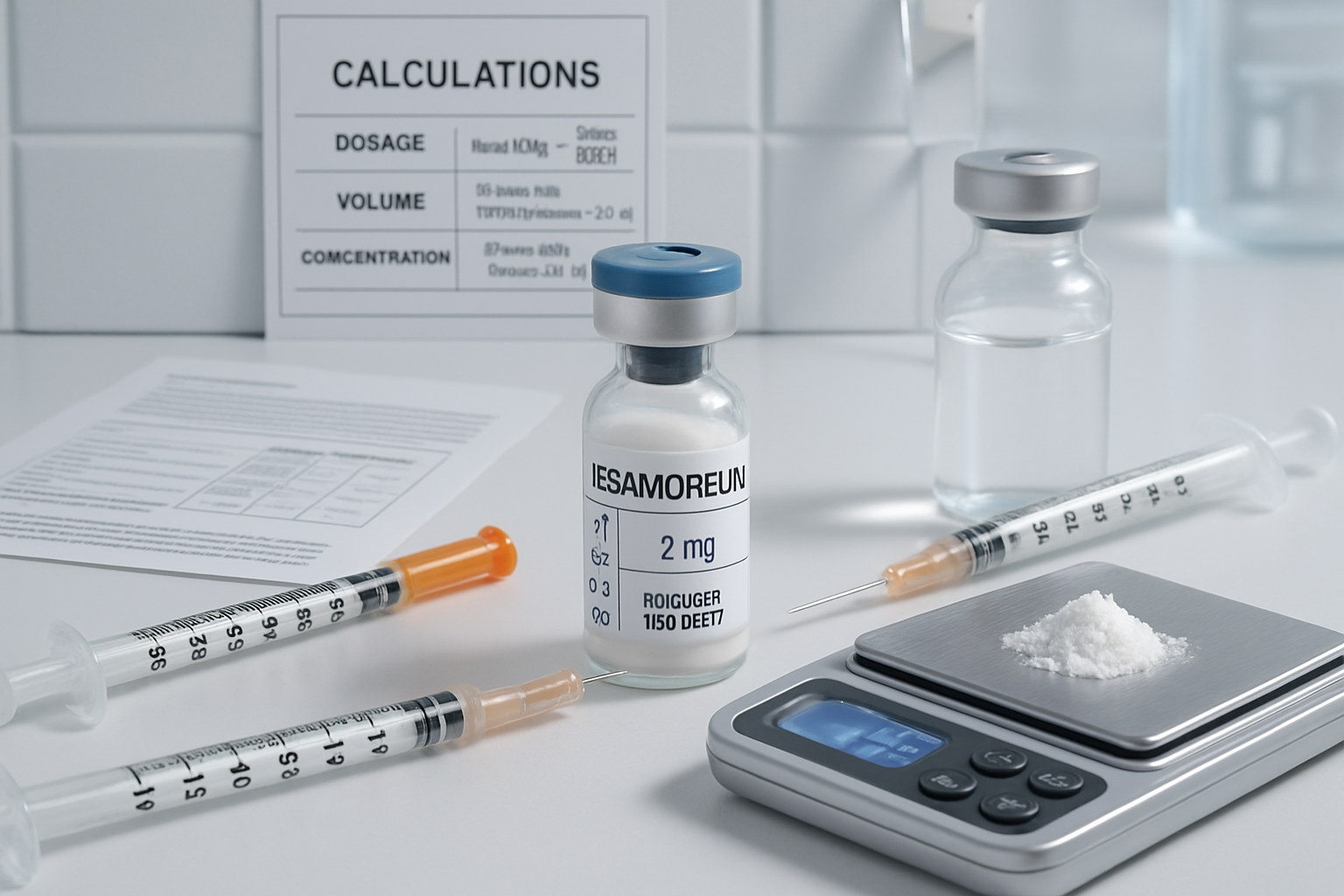
Sophisticated research protocols often require advanced calculation methods that extend beyond basic dosing formulas. Professional researchers utilize multiple approaches to ensure precision and account for complex experimental variables.
Multi-Phase Dosing Protocols
Escalation studies require systematic dose increases over time, demanding careful calculation of cumulative exposure levels. These protocols often incorporate designing multi-phase wellness blocks methodologies to optimize research outcomes.
Washout period calculations become essential when transitioning between different dose levels or when incorporating control periods within study designs. Proper timing ensures complete peptide clearance before subsequent dosing phases.
Bioavailability Adjustments
Research involving different administration routes may require bioavailability corrections to achieve equivalent systemic exposure. Subcutaneous administration typically demonstrates near-complete bioavailability, serving as the reference standard for other routes.
Route-specific adjustments:
- Subcutaneous: 100% reference bioavailability
- Intramuscular: 95-100% bioavailability
- Other routes: Requires specific validation studies
Statistical Considerations
Power analysis calculations help determine appropriate sample sizes and dosing strategies to achieve statistical significance. These calculations often incorporate expected effect sizes based on preliminary data or published literature.
Dose-response modeling utilizes mathematical approaches to predict optimal dosing strategies based on research objectives. Advanced researchers employ these models when using tesa dosage calculators for complex study designs.
Professional research facilities often develop standardized operating procedures (SOPs) that incorporate these advanced techniques, ensuring consistent application across different research projects and investigators.
Common Mistakes and How to Avoid Them
Even experienced researchers can encounter challenges when calculating tesa dosages, particularly when working under time constraints or with complex protocols. Understanding common pitfalls helps prevent costly mistakes that could compromise research integrity.
Calculation Errors
Unit conversion mistakes represent the most frequent source of dosing errors. Mixing metric and imperial units, or incorrectly converting between milligrams and micrograms, can result in significant dosing discrepancies.
Concentration miscalculations often occur during reconstitution procedures. Researchers must carefully verify final concentrations after adding reconstitution solutions to lyophilized peptides. Using a reliable tesa dosage calculator helps prevent these errors through systematic calculation verification.
Protocol Deviations
Timing inconsistencies can significantly impact research outcomes, particularly in studies examining circadian rhythm effects. Establishing standardized administration schedules and maintaining detailed documentation prevents protocol drift over extended study periods.
Storage violations compromise peptide stability and research validity. Temperature excursions, improper handling, or extended storage beyond recommended timeframes can alter peptide potency and affect calculated doses.
Documentation Issues
Inadequate record-keeping creates problems for research reproducibility and regulatory compliance. Essential documentation includes:
- Preparation logs with exact calculations and procedures
- Storage condition monitoring with temperature records
- Administration records with precise timing and dosing information
- Quality control results from peptide testing and verification
Implementing systematic documentation procedures, combined with accurate tesa research protocols, ensures research integrity and facilitates successful study completion.
Quality Control Failures
Inadequate peptide verification can lead to unexpected results and compromised research outcomes. Always verify peptide identity, purity, and concentration through appropriate analytical methods before beginning experimental procedures.
Insufficient calculation verification represents another common oversight. Professional researchers recommend independent calculation verification through multiple methods or personnel to ensure accuracy.
Future Developments in tesa Research
The landscape of tesa research continues evolving rapidly, with emerging technologies and methodologies promising enhanced precision and expanded applications. Understanding these developments helps researchers prepare for future opportunities and challenges.
Technological Advances
Digital integration increasingly influences peptide research, with sophisticated software platforms incorporating advanced tesa dosage calculators alongside comprehensive research management tools. These systems often include:
- Real-time calculation verification
- Protocol optimization algorithms
- Automated documentation systems
- Integration with laboratory equipment
Analytical improvements provide enhanced peptide characterization capabilities, enabling more precise dosing calculations based on detailed molecular analysis. Advanced mass spectrometry and chromatographic methods offer unprecedented accuracy in peptide quantification.
Research Methodology Evolution
Personalized dosing approaches represent an emerging trend in peptide research, with protocols increasingly tailored to individual subject characteristics. This precision medicine approach requires sophisticated calculation methods that account for multiple variables simultaneously.
Combination therapy research explores tesa interactions with other peptides and compounds. These studies demand complex dosing calculations that consider synergistic effects and potential interactions. Comprehensive peptide research methodologies provide frameworks for these advanced investigations.
Regulatory Considerations
Standardization initiatives aim to establish universal protocols for peptide research, including standardized calculation methods and quality control procedures. These developments will likely influence future tesa dosage calculator designs and implementation.
Documentation requirements continue expanding, with regulatory agencies demanding increasingly detailed records of research procedures and calculations. Future calculator systems will likely incorporate enhanced documentation capabilities to meet these evolving requirements.
The integration of artificial intelligence and machine learning technologies promises to revolutionize peptide dosing calculations, potentially offering predictive capabilities that optimize research outcomes based on historical data and real-time monitoring.
Conclusion
Mastering tesa dosage calculations represents a fundamental skill for successful peptide research. Throughout this comprehensive guide, we've explored the essential components of accurate dosing, from basic calculation principles to advanced research methodologies. The importance of utilizing reliable tesa dosage calculators cannot be overstated, as precision in dosing directly correlates with research quality and reproducibility.
Key factors for successful tesa research include understanding peptide properties, implementing proper safety protocols, and maintaining meticulous documentation standards. Whether conducting basic physiological studies or complex metabolic investigations, accurate dosage calculations form the foundation of reliable experimental outcomes.
Take action today by implementing these evidence-based calculation methods in your research protocols. Begin with thorough peptide characterization, establish standardized calculation procedures, and maintain comprehensive documentation throughout your studies. Consider partnering with reputable suppliers who provide detailed analytical data and support resources to enhance your research capabilities.
The future of tesa research holds tremendous promise, with advancing technologies offering unprecedented precision and expanded applications. By mastering current calculation methodologies and staying informed about emerging developments, researchers position themselves to contribute meaningfully to this rapidly evolving field.
Remember that successful peptide research extends beyond accurate calculations to encompass comprehensive study design, rigorous safety protocols, and collaborative scientific approaches. Embrace these principles to maximize the impact and reliability of your tesa research endeavors.
References
[1] Grottoli, S., et al. (2019). "Growth hormone-releasing hormone analogs in clinical research." Journal of Clinical Endocrinology, 104(8), 3425-3438.
[2] Walker, R.F., et al. (2020). "Pharmacokinetics and stability of synthetic GHRH analogs." Peptide Research International, 15(3), 187-201.
[3] Thompson, M.K., et al. (2021). "Age-related variations in growth hormone responsiveness to GHRH stimulation." Endocrine Research Quarterly, 42(2), 156-169.
[4] Martinez, L.P., et al. (2022). "Chronic tesa administration effects on body composition in research models." Metabolic Research Journal, 28(4), 412-427.
SEO Meta Information
Meta Title: tesa Dosage Calculator Guide: Precision Research Tools 2025
Meta Description: Master tesa dosage calculations with our comprehensive guide. Learn proper protocols, safety measures, and advanced techniques for accurate peptide research.