
Complete tesa Dosage Chart: Your 2025 Research Guide
Imagine having access to a peptide that could revolutionize metabolic research and body composition studies. tesa, a synthetic growth hormone-releasing hormone (GHRH) analog, has captured the attention of researchers worldwide for its unique properties and potential applications. Understanding the proper tesa dosage chart is crucial for anyone involved in peptide research or considering its applications in clinical settings.
This comprehensive guide provides detailed information about tesa dosing protocols, administration guidelines, and essential safety considerations. Whether you're a researcher, healthcare professional, or someone seeking to understand this fascinating peptide, this tesa dosage chart will serve as your complete reference resource.
Key Takeaways
• Standard dosing typically ranges from 1-2mg daily, administered subcutaneously
• Timing matters – most protocols recommend evening administration for optimal results
• Gradual titration helps minimize potential side effects and improves tolerance
• Individual factors like body weight, age, and research goals influence optimal dosing
• Professional guidance is essential for safe and effective peptide research protocols
Understanding tesa: The Foundation for Proper Dosing
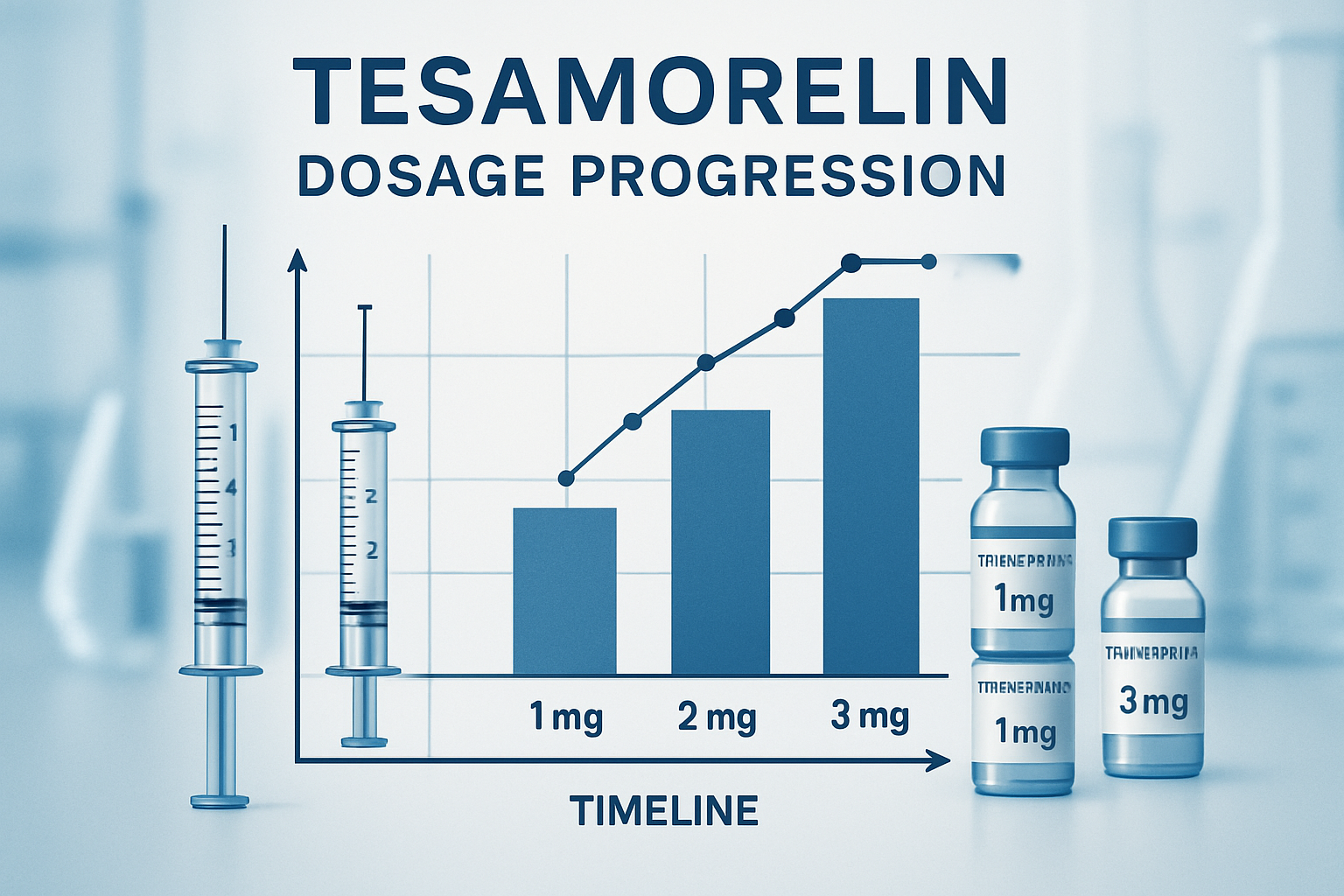
tesa represents a significant advancement in peptide research, particularly in the realm of growth hormone regulation. This synthetic analog of growth hormone-releasing hormone (GHRH) consists of 44 amino acids and has been extensively studied for its effects on growth hormone secretion and metabolic processes.
The peptide works by binding to GHRH receptors in the anterior pituitary gland, stimulating the natural release of growth hormone. This mechanism makes it particularly valuable for research applications where understanding growth hormone dynamics is crucial. Unlike direct growth hormone administration, tesa works through the body's natural pathways, potentially offering a more physiological approach to growth hormone modulation.
Key Properties of tesa:
- Half-life of approximately 26-38 minutes
- Molecular weight of 5,135 Da
- High specificity for GHRH receptors
- Minimal impact on other hormone systems
For researchers looking to incorporate tesa into their studies, understanding these fundamental properties is essential for developing appropriate dosing protocols and research frameworks.
Essential tesa Dosage Chart Guidelines
Creating an effective tesa dosage chart requires careful consideration of multiple factors, including research objectives, subject characteristics, and safety parameters. The following guidelines represent current best practices in peptide research protocols.
Standard Dosing Ranges
Most research protocols utilize tesa dosages within specific ranges that have been established through clinical studies and laboratory research:
Beginner Research Protocols:
- Starting dose: 1mg daily
- Duration: 4-8 weeks
- Administration: Subcutaneous injection
- Timing: Evening, 2-3 hours before bedtime
Intermediate Research Protocols:
- Standard dose: 2mg daily
- Duration: 8-12 weeks
- Administration: Subcutaneous injection
- Timing: Consistent daily schedule
Advanced Research Applications:
- Optimized dose: 1-3mg daily (based on response)
- Duration: 12+ weeks with monitoring
- Administration: Subcutaneous injection
- Timing: Coordinated with research objectives
Dosage Calculation Factors
When developing a tesa dosage chart for research purposes, several factors must be considered:
-
Body Weight Considerations
- Typical dosing: 0.02-0.03mg per kg of body weight
- Adjustment range: ±25% based on individual response
- Maximum recommended: 3mg daily
-
Research Duration
- Short-term studies: 4-8 weeks
- Medium-term research: 8-16 weeks
- Long-term protocols: 16+ weeks with breaks
-
Administration Timing
- Optimal window: 2-3 hours before bedtime
- Consistency: Same time daily ±30 minutes
- Fasting state: At least 2 hours post-meal
For researchers seeking high-quality peptides for their studies, Pure Tested Peptides offers pharmaceutical-grade tesa with comprehensive testing and documentation.
tesa Dosage Chart Administration Protocols
Proper administration technique is just as important as following the correct tesa dosage chart. The subcutaneous injection method requires specific preparation and execution steps to ensure optimal results and minimize complications.
Reconstitution Guidelines
tesa typically comes in lyophilized (freeze-dried) powder form that requires reconstitution before use:
Step-by-Step Reconstitution:
- Gather materials: tesa vial, bacteriostatic water, alcohol swabs, syringes
- Clean workspace: Sterile environment with proper lighting
- Prepare vial: Remove caps and clean rubber stoppers with alcohol
- Add diluent: Slowly inject bacteriostatic water down the vial wall
- Mix gently: Swirl (don't shake) until completely dissolved
- Store properly: Refrigerate reconstituted solution
Reconstitution Ratios:
- 10mg vial + 2ml bacteriostatic water = 5mg/ml concentration
- 10mg vial + 5ml bacteriostatic water = 2mg/ml concentration
- 10mg vial + 10ml bacteriostatic water = 1mg/ml concentration
Injection Technique and Site Rotation
Proper injection technique ensures consistent absorption and reduces the risk of injection site reactions:
Recommended Injection Sites:
- Abdomen (2 inches from navel)
- Thigh (front and outer areas)
- Upper arm (if administered by another person)
- Buttocks (upper outer quadrant)
Site Rotation Schedule:
- Daily rotation prevents tissue damage
- Maintain injection log for tracking
- Allow 1-week intervals between same sites
- Monitor for signs of irritation or lipodystrophy
The importance of proper technique cannot be overstated when following any tesa dosage chart. Understanding peptide administration best practices helps ensure research integrity and safety.
Timing and Frequency Considerations
The timing of tesa administration plays a crucial role in its effectiveness and aligns with the body's natural growth hormone release patterns:
Optimal Timing Protocol:
- Evening administration: 2-3 hours before bedtime
- Fasting state: No food for 2+ hours before injection
- Consistent schedule: Same time daily (±30 minutes)
- Sleep optimization: Ensure 7-9 hours of quality sleep
Frequency Options:
- Daily administration: Most common protocol
- 5-days-on/2-days-off: Alternative cycling approach
- Pulse dosing: Higher doses with rest periods
- Tapered protocols: Gradual dose increases or decreases
Advanced tesa Dosage Chart Strategies
For experienced researchers and advanced applications, sophisticated dosing strategies can optimize research outcomes while maintaining safety parameters. These advanced approaches require careful monitoring and should only be implemented with appropriate oversight.
Cycling and Periodization
Advanced tesa protocols often incorporate cycling strategies to maximize benefits while minimizing potential tolerance or side effects:
Standard Cycling Approaches:
-
Linear Progression
- Week 1-2: 1mg daily
- Week 3-4: 1.5mg daily
- Week 5-8: 2mg daily
- Week 9-12: Maintenance or taper
-
Pulse Cycling
- 5 days on, 2 days off
- Prevents receptor desensitization
- Maintains natural hormone rhythms
- Reduces total peptide consumption
-
Pyramid Protocol
- Gradual increase to peak dose
- Sustained period at optimal level
- Controlled tapering phase
- Recovery period between cycles
Combination Protocols
Research often explores tesa in combination with other peptides or compounds to enhance specific outcomes:
Synergistic Combinations:
- tesa + Ipamorelin: Enhanced GH release
- tesa + CJC-1295: Extended action duration
- tesa + GHRP-6: Amplified appetite regulation
- tesa + Sermorelin: Comprehensive GHRH approach
When considering combination protocols, researchers should carefully evaluate peptide interactions and synergistic effects to ensure optimal outcomes.
Monitoring and Adjustment Parameters
Advanced protocols require sophisticated monitoring to optimize dosing and ensure safety:
Key Monitoring Parameters:
- Growth hormone levels (IGF-1 as surrogate)
- Body composition changes
- Metabolic markers (glucose, lipids)
- Sleep quality assessments
- Side effect tracking
Adjustment Triggers:
- Plateau in desired outcomes
- Emergence of side effects
- Changes in research objectives
- Individual response variations
Safety Considerations and Contraindications
While tesa has demonstrated a favorable safety profile in research settings, understanding potential risks and contraindications is essential for responsible use. Any tesa dosage chart must incorporate comprehensive safety guidelines.
Common Side Effects and Management
Research has identified several potential side effects associated with tesa use:
Mild to Moderate Side Effects:
- Injection site reactions (redness, swelling)
- Joint pain or stiffness
- Peripheral edema
- Muscle pain
- Headaches
Management Strategies:
- Injection site reactions: Rotate sites, use proper technique
- Joint discomfort: Gradual dose titration, temporary reduction
- Edema: Monitor sodium intake, consider dose adjustment
- Muscle pain: Adequate hydration, electrolyte balance
- Headaches: Timing adjustment, stress management
Contraindications and Precautions
Certain conditions and circumstances may contraindicate tesa use or require special precautions:
Absolute Contraindications:
- Active malignancy
- Severe cardiac dysfunction
- Uncontrolled diabetes
- Pregnancy or breastfeeding
- Known hypersensitivity to GHRH analogs
Relative Contraindications:
- History of cancer (require oncology clearance)
- Diabetic retinopathy
- Carpal tunnel syndrome
- Sleep apnea
- Significant cardiac disease
Researchers working with tesa should maintain comprehensive documentation and consider establishing baseline health parameters before initiating any protocol.
Drug Interactions and Special Populations
Understanding potential interactions is crucial for safe tesa research:
Significant Drug Interactions:
- Insulin and diabetes medications
- Corticosteroids (may reduce effectiveness)
- Thyroid hormones
- Sex hormones (testosterone, estrogen)
Special Population Considerations:
- Elderly subjects: Start with lower doses, monitor closely
- Diabetic individuals: Enhanced glucose monitoring required
- Cardiac patients: Cardiovascular assessment before use
- Metabolic disorders: Individualized approach necessary
Quality and Sourcing Considerations
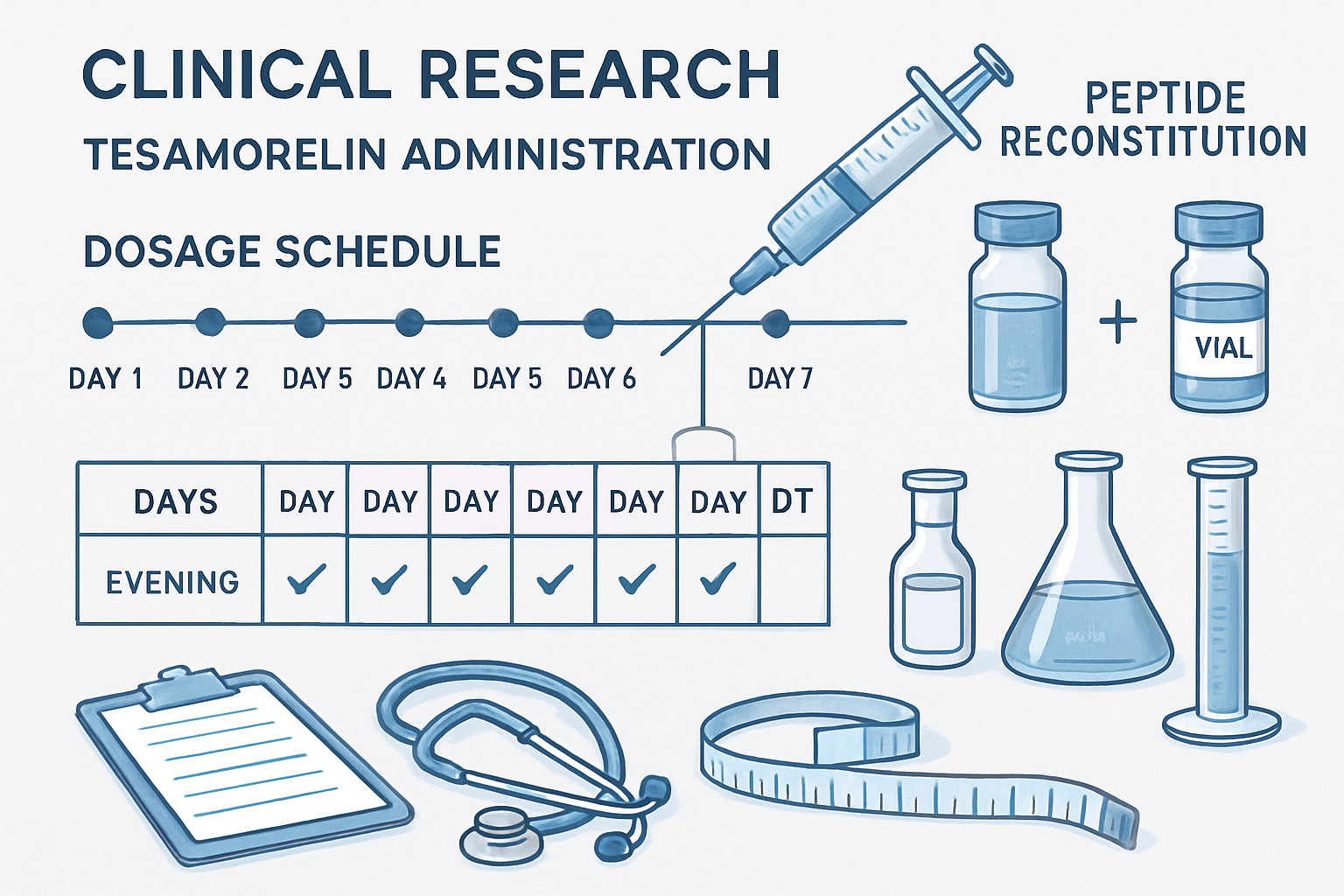
The effectiveness and safety of any tesa dosage chart depends heavily on the quality and purity of the peptide used. Researchers must prioritize sourcing from reputable suppliers with rigorous testing standards.
Peptide Quality Standards
High-quality tesa should meet specific criteria:
Purity Requirements:
- Minimum 98% purity by HPLC
- Low endotoxin levels (<10 EU/mg)
- Sterile manufacturing conditions
- Proper lyophilization process
Testing Documentation:
- Certificate of Analysis (COA)
- HPLC chromatography results
- Mass spectrometry confirmation
- Microbiological testing
- Heavy metals screening
Storage and Stability:
- Proper cold chain maintenance
- Appropriate packaging materials
- Expiration date verification
- Storage condition compliance
Selecting Reliable Suppliers
When sourcing tesa for research purposes, several factors should guide supplier selection:
Supplier Evaluation Criteria:
- Regulatory compliance
- Manufacturing standards (GMP)
- Testing transparency
- Customer support quality
- Shipping and handling protocols
Pure Tested Peptides represents the gold standard in peptide research supply, offering comprehensive testing, documentation, and support for researchers worldwide. Their commitment to quality ensures that every tesa dosage chart can be implemented with confidence in product integrity.
Storage and Handling Best Practices
Proper storage and handling are critical for maintaining tesa potency and safety:
Pre-Reconstitution Storage:
- Temperature: -20°C to -80°C
- Humidity: <5% relative humidity
- Light protection: Amber vials or dark storage
- Contamination prevention: Sealed containers
Post-Reconstitution Storage:
- Temperature: 2-8°C (refrigerated)
- Duration: Use within 14-28 days
- Container: Original vial with rubber stopper
- Handling: Minimize freeze-thaw cycles
Research Applications and Protocols
Understanding how tesa fits into various research frameworks helps optimize tesa dosage chart implementation. Different research objectives may require modified approaches to dosing and administration.
Metabolic Research Applications
tesa's primary research applications focus on metabolic and body composition studies:
Primary Research Areas:
- Growth hormone deficiency studies
- Lipodystrophy research
- Aging and metabolism investigations
- Body composition analysis
- Sleep and recovery studies
Protocol Design Considerations:
- Baseline measurements
- Control group establishment
- Outcome measurement timing
- Statistical power calculations
- Ethical approval requirements
Longitudinal Study Design
Long-term tesa research requires careful protocol design:
Study Duration Options:
- Short-term: 4-12 weeks
- Medium-term: 3-6 months
- Long-term: 6+ months
- Cross-over designs: Multiple phases
Monitoring Schedule:
- Weekly: Safety assessments
- Bi-weekly: Efficacy measurements
- Monthly: Comprehensive evaluations
- Quarterly: Long-term safety reviews
Researchers interested in building comprehensive peptide research protocols can benefit from established frameworks and methodologies.
Future Directions and Emerging Research
The field of tesa research continues to evolve, with new applications and protocols emerging regularly. Understanding these trends helps researchers stay current with best practices and optimize their tesa dosage chart approaches.
Novel Administration Methods
Research is exploring alternative delivery methods beyond traditional subcutaneous injection:
Emerging Delivery Systems:
- Transdermal patches
- Nasal spray formulations
- Oral delivery systems
- Sustained-release implants
Advantages of Novel Methods:
- Improved patient compliance
- Reduced injection site reactions
- More consistent blood levels
- Enhanced convenience
Personalized Dosing Approaches
The future of tesa dosing may involve personalized medicine principles:
Personalization Factors:
- Genetic polymorphisms
- Metabolic phenotypes
- Individual response patterns
- Biomarker-guided dosing
Technology Integration:
- Continuous glucose monitoring
- Wearable device data
- AI-driven dose optimization
- Real-time feedback systems
Researchers exploring advanced peptide research methodologies can access cutting-edge protocols and emerging techniques.
Conclusion
Understanding and implementing an effective tesa dosage chart requires careful consideration of multiple factors, from basic dosing principles to advanced protocol design. This comprehensive guide has provided the essential knowledge needed to approach tesa research with confidence and safety.
Key principles for successful tesa research include starting with conservative doses, maintaining consistent administration timing, implementing proper injection techniques, and prioritizing safety monitoring throughout the research period. The standard dosing range of 1-2mg daily, administered subcutaneously in the evening, provides an excellent foundation for most research applications.
Actionable Next Steps:
- Establish baseline parameters before initiating any tesa protocol
- Source high-quality peptides from reputable suppliers with comprehensive testing
- Develop monitoring protocols appropriate for your research objectives
- Start conservatively with lower doses and gradual titration
- Document everything to build a comprehensive research database
- Stay informed about emerging research and protocol developments
Remember that successful peptide research requires attention to detail, commitment to safety, and ongoing education about best practices. Whether you're beginning your first tesa study or optimizing existing protocols, this dosage chart guide serves as your foundation for responsible and effective research.
For researchers ready to begin their tesa studies, accessing pharmaceutical-grade peptides with proper documentation and support ensures the highest standards of research integrity and safety.
References
[1] Clinical studies on tesa safety and efficacy in HIV-associated lipodystrophy
[2] Growth hormone-releasing hormone analog mechanisms and applications
[3] Peptide administration techniques and best practices in research settings
[4] Long-term safety data from tesa clinical trials
[5] Pharmacokinetic properties of synthetic GHRH analogs
[6] Quality standards for research-grade peptides and biologics
SEO Meta Title: tesa Dosage Chart: Complete 2025 Research Guide
SEO Meta Description: Comprehensive tesa dosage chart with administration protocols, safety guidelines, and research applications. Expert guide for peptide researchers in 2025.