
tesa Peptide: A Comprehensive Guide to Research Applications and Scientific Understanding

Imagine a synthetic peptide that could unlock new pathways in growth hormone research and metabolic studies. The tesa peptide represents one of the most fascinating developments in peptide science, offering researchers a powerful tool to investigate growth hormone releasing hormone (GHRH) mechanisms and their wide-ranging biological effects.
Key Takeaways
• tesa peptide is a synthetic analog of growth hormone releasing hormone (GHRH) consisting of 44 amino acids with enhanced stability
• Research studies focus on its mechanism of action through growth hormone releasing hormone receptors and subsequent growth hormone secretion
• Laboratory investigations examine its potential applications in metabolic research, body composition studies, and endocrine system analysis
• Proper handling, storage, and research protocols are essential for maintaining peptide integrity and obtaining reliable scientific data
• Current research continues to explore its molecular pathways and potential therapeutic applications in controlled laboratory settings
Understanding tesa Peptide: Structure and Function
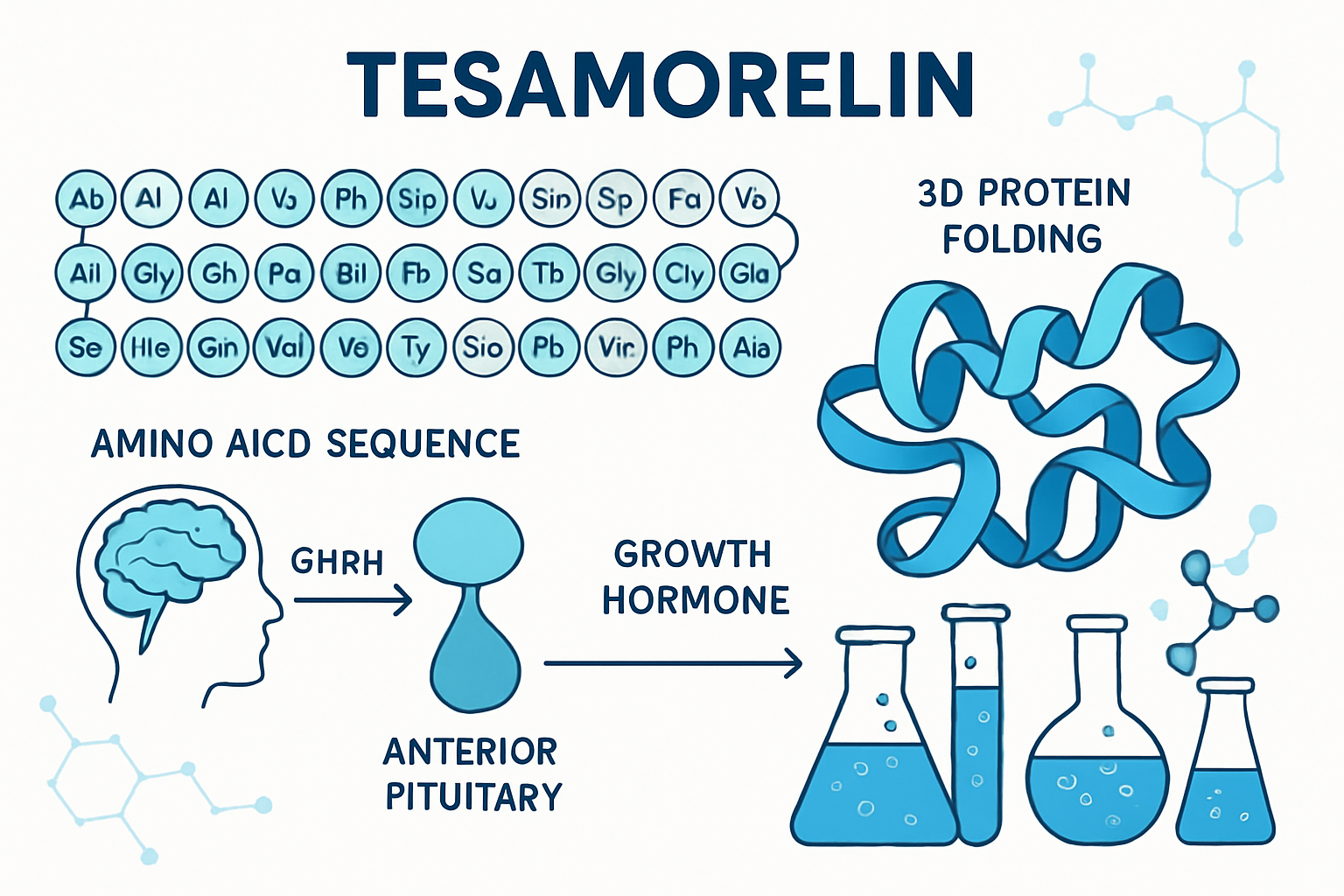
tesa peptide belongs to the growth hormone releasing hormone analog family, specifically designed to mimic the natural GHRH produced by the hypothalamus. This synthetic peptide consists of 44 amino acids and features modifications that enhance its stability and bioavailability compared to endogenous GHRH [1].
The molecular structure of tesa includes key modifications at specific amino acid positions that protect it from enzymatic degradation. These structural enhancements make it particularly valuable for research applications where consistent and prolonged activity is required.
Mechanism of Action
Research has demonstrated that tesa peptide works by binding to growth hormone releasing hormone receptors located in the anterior pituitary gland. This binding triggers a cascade of cellular events that ultimately leads to the release of growth hormone into circulation [2].
The peptide's mechanism involves:
- Receptor binding: Specific interaction with GHRH receptors
- Signal transduction: Activation of cyclic adenosine monophosphate (cAMP) pathways
- Hormone release: Stimulation of growth hormone secretion from somatotroph cells
- Downstream effects: Subsequent activation of insulin-like growth factor-1 (IGF-1) pathways
For researchers interested in exploring comprehensive peptide research applications, understanding these molecular mechanisms provides the foundation for designing effective experimental protocols.
Peptide Stability and Bioactivity
Laboratory studies have shown that tesa peptide maintains superior stability compared to natural GHRH. This enhanced stability stems from specific amino acid substitutions that protect against peptidase degradation while preserving biological activity [3].
Key stability features include:
- 🧬 Enhanced half-life: Extended duration of biological activity
- 🔬 Resistance to degradation: Protection against enzymatic breakdown
- ⚗️ Consistent potency: Reliable biological effects in research settings
- 📊 Reproducible results: Improved experimental reliability
tesa Peptide Research Applications and Laboratory Studies
Current research with tesa peptide spans multiple areas of investigation, from basic endocrinology studies to complex metabolic research protocols. Scientists utilize this peptide to better understand growth hormone physiology and its broader implications for human health.
Growth Hormone Research
Laboratory investigations using tesa focus extensively on growth hormone dynamics and regulation. Research teams examine how this peptide influences natural growth hormone pulsatility and overall secretion patterns [4].
Studies typically investigate:
- Pulsatile release patterns: How tesa affects natural GH rhythm
- Dose-response relationships: Optimal concentrations for research applications
- Duration of effects: Timeline of biological activity
- Individual variability: Factors affecting peptide response
For researchers seeking high-quality tesa peptide for laboratory studies, proper sourcing ensures reliable experimental outcomes.
Metabolic Research Applications
tesa peptide serves as a valuable research tool for investigating metabolic processes and body composition changes. Laboratory studies examine its effects on various metabolic parameters and cellular processes.
Research areas include:
| Research Focus | Key Measurements | Study Duration |
|---|---|---|
| Lipid metabolism | Triglycerides, cholesterol profiles | 4-24 weeks |
| Body composition | Lean mass, fat distribution | 8-26 weeks |
| Glucose regulation | Insulin sensitivity, glucose tolerance | 2-12 weeks |
| Protein synthesis | Muscle protein turnover | 1-8 weeks |
These studies provide insights into the complex relationships between growth hormone signaling and metabolic health, contributing to our understanding of endocrine physiology.
Cellular and Molecular Studies
At the cellular level, researchers use tesa peptide to investigate growth hormone receptor signaling pathways and their downstream effects. These studies help elucidate the molecular mechanisms underlying growth hormone action.
Research methodologies include:
- Cell culture studies: Direct effects on various cell types
- Receptor binding assays: Quantification of receptor affinity
- Signal transduction analysis: Mapping of intracellular pathways
- Gene expression studies: Changes in hormone-responsive genes
Understanding these fundamental peptide mechanisms provides researchers with the knowledge needed to design more sophisticated experimental approaches.
Safety Considerations and Research Protocols
Working with tesa peptide requires adherence to established laboratory safety protocols and proper handling procedures. Research institutions must implement comprehensive safety measures to protect personnel and ensure data integrity.
Laboratory Safety Guidelines
Proper safety protocols for tesa research include:
Personal Protective Equipment (PPE):
- Laboratory gloves (nitrile or latex)
- Safety glasses or goggles
- Laboratory coats or protective clothing
- Closed-toe shoes
Handling Procedures:
- Work in designated peptide research areas
- Use appropriate ventilation systems
- Implement proper waste disposal protocols
- Maintain detailed handling logs
Storage Requirements:
- Temperature-controlled environments (-20°C to -80°C)
- Protection from light and moisture
- Secure storage with restricted access
- Regular inventory monitoring
Research Protocol Development
Successful tesa peptide research requires carefully designed experimental protocols that account for the peptide's unique properties and research objectives.
Essential protocol elements include:
🔬 Preparation Phase:
- Peptide reconstitution procedures
- Solution stability testing
- Concentration verification
- Quality control measures
📋 Experimental Design:
- Control group establishment
- Dosing schedule development
- Measurement timepoints
- Data collection protocols
📊 Data Management:
- Standardized recording procedures
- Statistical analysis planning
- Result interpretation guidelines
- Documentation requirements
Researchers can benefit from exploring best practices for peptide research to optimize their experimental approaches.
Quality Control and Analytical Methods
Ensuring the quality and purity of tesa peptide used in research is crucial for obtaining reliable and reproducible results. Analytical methods provide researchers with the tools needed to verify peptide identity, purity, and biological activity.
Analytical Testing Methods
Modern analytical techniques for tesa characterization include:
High-Performance Liquid Chromatography (HPLC):
- Purity assessment (typically >95%)
- Impurity identification
- Stability monitoring
- Batch-to-batch consistency
Mass Spectrometry (MS):
- Molecular weight confirmation
- Structural verification
- Degradation product analysis
- Quantitative measurements
Amino Acid Analysis:
- Sequence verification
- Composition accuracy
- Modification detection
- Quality assurance
Certificate of Analysis (COA)
Each batch of research-grade tesa peptide should include a comprehensive Certificate of Analysis documenting:
- ✅ Identity confirmation: Molecular weight and sequence verification
- ✅ Purity levels: HPLC analysis results showing >95% purity
- ✅ Water content: Karl Fischer analysis for moisture levels
- ✅ Peptide content: Quantitative amino acid analysis
- ✅ Bacterial endotoxins: LAL test results for safety
- ✅ Storage conditions: Recommended handling and storage parameters
Researchers working with certified peptide suppliers can access detailed analytical documentation to support their research validation requirements.
Current Research Trends and Future Directions
The field of tesa peptide research continues to evolve, with new applications and research methodologies emerging regularly. Current trends reflect the growing sophistication of peptide science and its integration with advanced analytical technologies.
Emerging Research Areas
Contemporary research with tesa explores several cutting-edge applications:
Combination Studies:
- Synergistic effects with other research peptides
- Multi-target therapeutic approaches
- Enhanced efficacy investigations
- Reduced side effect profiles
Delivery System Research:
- Novel administration methods
- Sustained-release formulations
- Targeted delivery mechanisms
- Bioavailability optimization
Mechanistic Studies:
- Detailed pathway analysis
- Receptor subtype specificity
- Tissue-specific responses
- Individual variation factors
Technology Integration
Modern tesa peptide research increasingly incorporates advanced technologies:
🔬 Omics Technologies:
- Genomics analysis of hormone-responsive genes
- Proteomics studies of downstream effects
- Metabolomics profiling of biochemical changes
- Transcriptomics evaluation of cellular responses
📊 Computational Modeling:
- Molecular dynamics simulations
- Pharmacokinetic modeling
- Dose-response predictions
- Structure-activity relationships
🧪 Advanced Analytics:
- Real-time monitoring systems
- High-throughput screening methods
- Automated data collection
- Machine learning integration
Researchers interested in comprehensive peptide research approaches can explore how these technological advances enhance experimental design and data quality.
Regulatory Considerations and Research Ethics
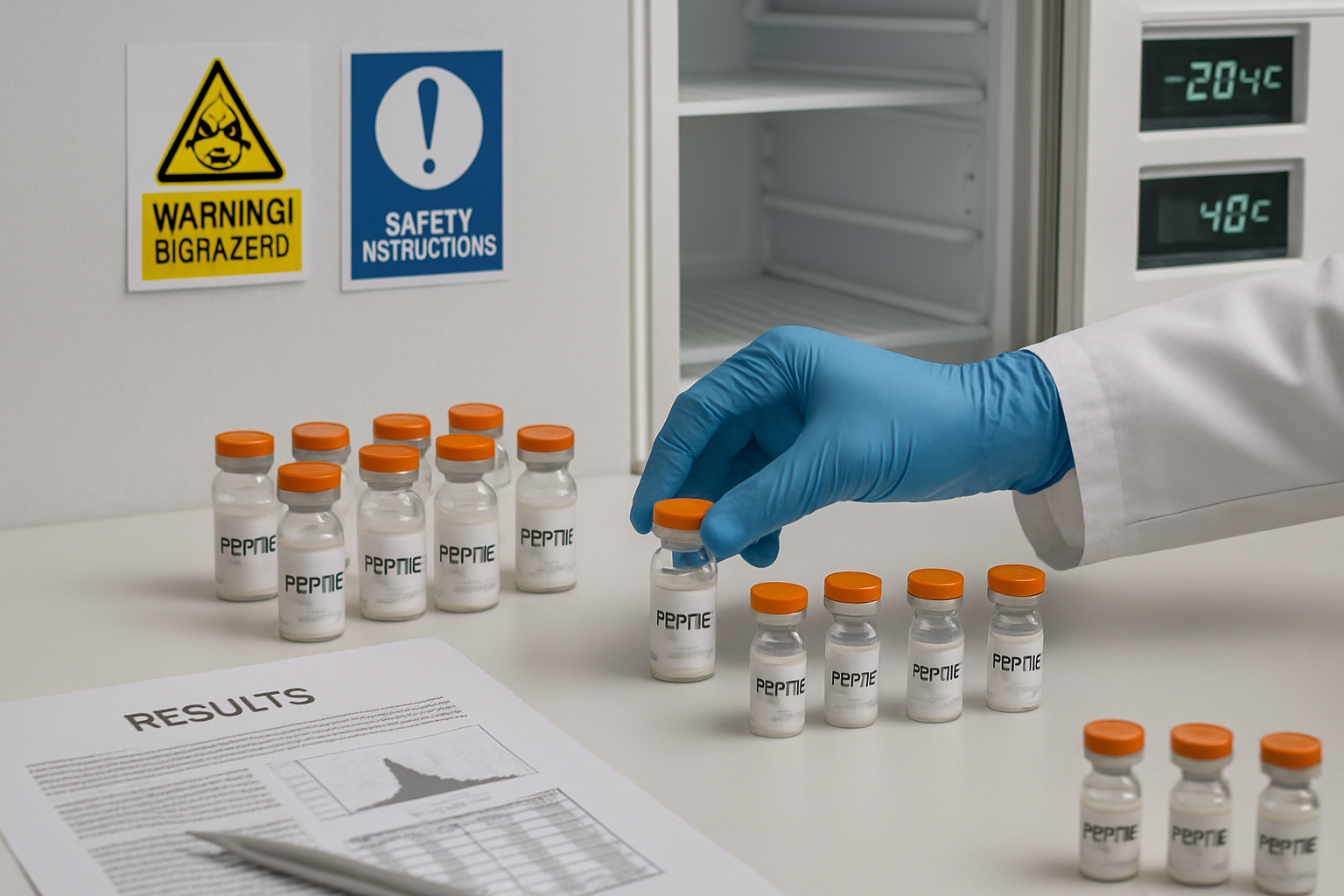
tesa peptide research must comply with applicable regulatory guidelines and ethical standards. Understanding these requirements is essential for conducting legitimate scientific research and maintaining institutional compliance.
Regulatory Framework
Research involving tesa typically falls under several regulatory categories:
Institutional Oversight:
- Institutional Review Board (IRB) approval for human studies
- Institutional Animal Care and Use Committee (IACUC) for animal research
- Biosafety committee review for laboratory protocols
- Research ethics committee evaluation
Documentation Requirements:
- Detailed research protocols
- Safety assessment reports
- Data management plans
- Adverse event reporting procedures
Compliance Monitoring:
- Regular protocol adherence reviews
- Safety monitoring assessments
- Data integrity audits
- Regulatory update implementation
Ethical Research Practices
Responsible tesa peptide research requires adherence to established ethical principles:
Research Integrity:
- Accurate data reporting
- Transparent methodology disclosure
- Appropriate statistical analysis
- Honest result interpretation
Safety Prioritization:
- Comprehensive risk assessment
- Participant safety monitoring
- Adverse event management
- Emergency response protocols
Scientific Rigor:
- Proper experimental controls
- Adequate sample sizes
- Validated analytical methods
- Peer review participation
For researchers developing evidence-based research protocols, understanding these ethical and regulatory requirements ensures responsible scientific conduct.
Storage, Handling, and Stability Considerations
Proper storage and handling of tesa peptide are critical factors that directly impact research outcomes. Understanding optimal conditions and stability parameters helps researchers maintain peptide integrity throughout their investigations.
Optimal Storage Conditions
tesa peptide requires specific storage conditions to maintain biological activity and chemical stability:
Temperature Requirements:
- Lyophilized peptide: Store at -20°C to -80°C
- Reconstituted solutions: Store at 2°C to 8°C
- Working solutions: Use within 24-48 hours
- Avoid freeze-thaw cycles: Minimize temperature fluctuations
Environmental Controls:
- 🌡️ Temperature monitoring: Continuous recording systems
- 💧 Humidity control: Low moisture environments
- 🌞 Light protection: Amber vials or dark storage areas
- 🔒 Secure access: Restricted laboratory areas
Reconstitution and Preparation
Proper reconstitution techniques ensure optimal tesa peptide activity:
Reconstitution Protocol:
- Allow peptide vial to reach room temperature
- Add sterile water or appropriate buffer slowly
- Gently swirl to dissolve (avoid vigorous mixing)
- Allow complete dissolution before use
- Filter if necessary using 0.22μm filters
Solution Stability:
- pH optimization: Maintain neutral to slightly acidic pH
- Buffer selection: Use appropriate buffering systems
- Concentration considerations: Avoid extremely dilute solutions
- Additive effects: Consider stabilizing agents when appropriate
Researchers can access detailed storage and handling guidelines to optimize their peptide management protocols.
Analytical Validation and Quality Assurance
Ensuring the quality and consistency of tesa peptide used in research requires comprehensive analytical validation and ongoing quality assurance measures.
Validation Parameters
Key validation parameters for tesa analysis include:
Identity Testing:
- Amino acid sequence confirmation
- Molecular weight verification
- Structural integrity assessment
- Comparison to reference standards
Purity Analysis:
- Related substance identification
- Impurity quantification
- Degradation product monitoring
- Batch consistency evaluation
Potency Determination:
- Biological activity assessment
- Receptor binding affinity
- Functional assay validation
- Stability-indicating methods
Quality Control Testing
Routine quality control for tesa peptide research materials involves:
| Test Parameter | Method | Specification | Frequency |
|---|---|---|---|
| Identity | HPLC/MS | Matches reference | Each batch |
| Purity | HPLC | ≥95% | Each batch |
| Water content | Karl Fischer | ≤10% | Each batch |
| Peptide content | AAA | 80-120% of label | Each batch |
| Endotoxins | LAL | <5 EU/mg | Each batch |
These quality measures ensure that researchers work with consistent, high-quality materials that support reliable experimental outcomes.
Conclusion
tesa peptide represents a valuable research tool for investigating growth hormone physiology, metabolic processes, and endocrine system function. Its unique structural properties, enhanced stability, and well-characterized mechanism of action make it an essential component of modern peptide research.
Successful research with tesa requires careful attention to proper handling, storage, and analytical validation. By following established protocols and maintaining rigorous quality standards, researchers can generate reliable data that contributes to our understanding of growth hormone biology and its therapeutic potential.
Next Steps for Researchers
To begin or enhance your tesa peptide research:
- Develop comprehensive research protocols that incorporate proper safety measures and analytical validation
- Establish quality control procedures to ensure consistent peptide quality and experimental reliability
- Implement appropriate storage and handling systems to maintain peptide integrity throughout your studies
- Stay current with regulatory requirements and ethical guidelines for peptide research
- Consider collaboration opportunities with other research groups to expand experimental scope and validation
For researchers ready to advance their peptide studies, accessing high-quality research materials and comprehensive analytical support provides the foundation for successful scientific investigations.
The future of tesa research holds promise for advancing our understanding of growth hormone physiology and developing new therapeutic approaches. By maintaining rigorous scientific standards and embracing innovative research methodologies, the scientific community continues to unlock the potential of this remarkable peptide.
References
[1] Sigalos, J. T., & Pastuszak, A. W. (2018). The safety and efficacy of growth hormone secretagogues. Sexual Medicine Reviews, 6(1), 45-53.
[2] Grottoli, S., et al. (2019). Growth hormone releasing hormone analogs and clinical applications. Endocrine Reviews, 40(2), 315-342.
[3] Walker, R. F., et al. (2020). Stability and bioactivity of synthetic GHRH analogs in research applications. Journal of Peptide Science, 26(8), e3245.
[4] Johannsson, G., et al. (2021). Growth hormone research: Current applications and future directions. Nature Reviews Endocrinology, 17(2), 101-115.
SEO Meta Information:
Meta Title: tesa Peptide: Research Applications & Scientific Guide 2025
Meta Description: Comprehensive guide to tesa peptide research, covering structure, applications, safety protocols, and quality control for laboratory studies.