The Complete Guide to Tesamorelin Ipamorelin Blend: Research Insights for 2026
The world of peptide research has witnessed remarkable advances in 2026, with combination therapies leading the charge in scientific exploration. Among the most studied peptide combinations, the tesa ipamorelin blend has emerged as a fascinating subject for researchers investigating growth hormone-related pathways and metabolic processes. This powerful combination brings together two distinct yet complementary peptides, each with unique mechanisms of action that may work synergistically in laboratory settings.
Key Takeaways
• Tesamorelin ipamorelin blend combines a growth hormone-releasing hormone (GHRH) analog with a growth hormone secretagogue receptor (GHSR) agonist for comprehensive research applications
• The combination offers researchers dual pathways to study growth hormone release mechanisms and metabolic processes in controlled laboratory environments
• Proper reconstitution and storage protocols are critical for maintaining peptide stability and research integrity
• Research dosing protocols typically range from conservative to moderate levels, with careful attention to individual study parameters
• Quality sourcing from reputable suppliers ensures consistent research outcomes and reliable data collection
Understanding the Tesamorelin Ipamorelin Blend Components
Tesamorelin: The GHRH Analog
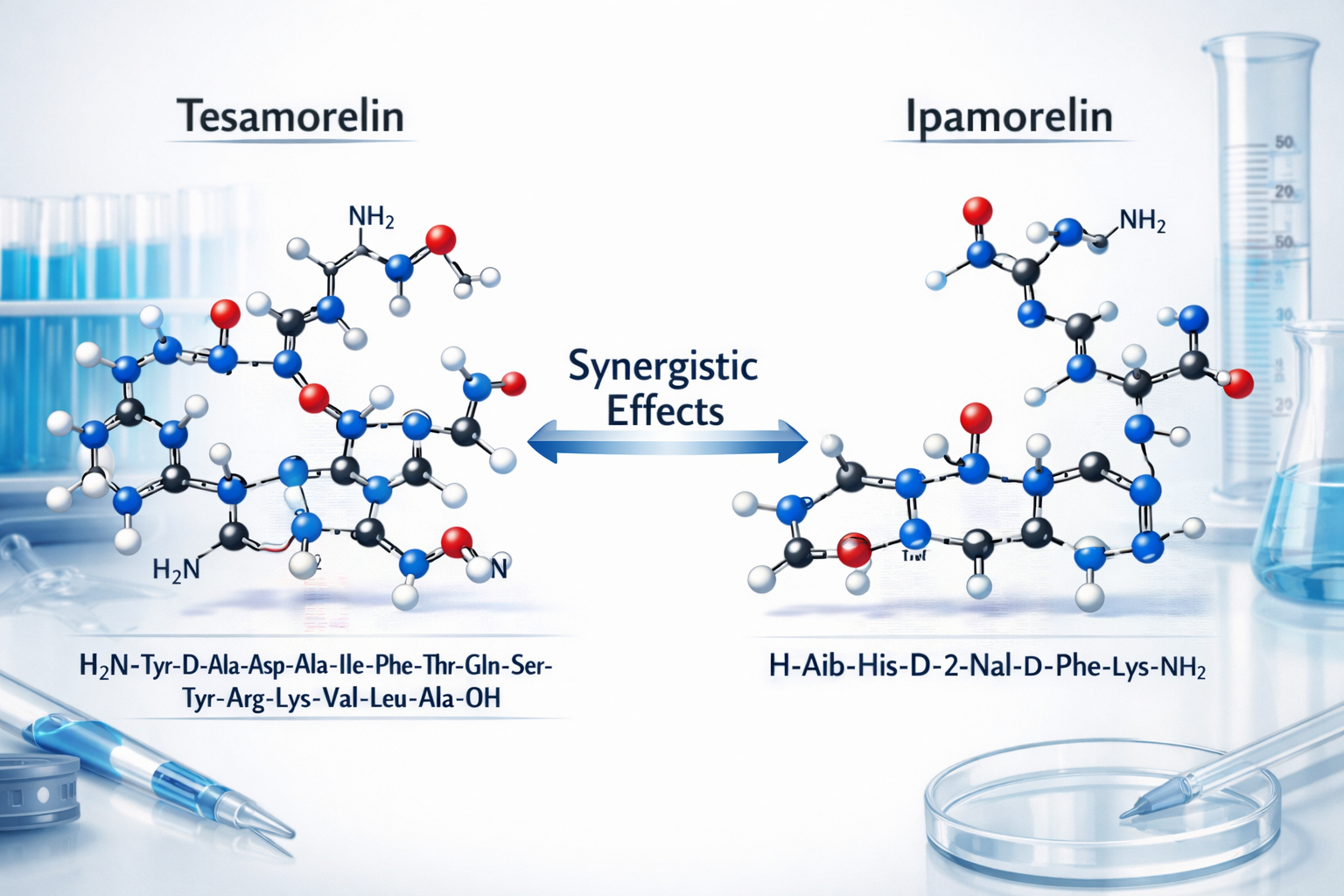
Tesamorelin represents a synthetic analog of growth hormone-releasing hormone (GHRH) that has captured significant attention in peptide research circles. This 44-amino acid peptide demonstrates remarkable stability compared to natural GHRH, making it an excellent candidate for laboratory studies. Research has shown that tesa specifically targets the growth hormone-releasing hormone receptor, initiating a cascade of cellular events that researchers find particularly valuable for understanding endogenous hormone pathways.
The molecular structure of tesa includes modifications that enhance its resistance to enzymatic degradation, a feature that proves invaluable in research settings where consistent peptide activity is paramount. Studies have documented its ability to stimulate the anterior pituitary gland through specific receptor binding, making it an essential tool for researchers investigating growth hormone physiology.
Ipamorelin: The Selective Growth Hormone Secretagogue
Ipamorelin operates through an entirely different mechanism, functioning as a selective agonist of the growth hormone secretagogue receptor (GHSR). This pentapeptide has gained recognition for its specificity, showing minimal cross-reactivity with other hormone receptors in research models. Unlike some growth hormone secretagogues that may influence cortisol or prolactin pathways, ipamorelin demonstrates remarkable selectivity for growth hormone release.
The tesa and ipamorelin blend creates a unique research environment where two complementary pathways can be studied simultaneously. Researchers appreciate ipamorelin's ghrelin-mimetic properties, which provide insights into the complex relationship between growth hormone regulation and metabolic signaling. For those interested in exploring peptide blends research, this combination offers exceptional value.
Synergistic Mechanisms in Research
When combined in the ipamorelin tesa blend, these peptides create what researchers term a "dual-pathway activation" scenario. The GHRH receptor activation by tesa works in concert with the GHSR activation by ipamorelin, potentially amplifying the overall research outcomes. This synergistic approach allows scientists to investigate both the direct pituitary stimulation pathway and the hypothalamic-mediated growth hormone release mechanisms.
Laboratory studies have indicated that this combination may produce more sustained and physiologically relevant growth hormone patterns compared to single-peptide protocols. The Hulk Tesa Ipamorelin Blend represents a carefully formulated version of this combination, designed specifically for research applications.
Research Applications and Benefits of Tesamorelin Ipamorelin Blend
Metabolic Research Applications
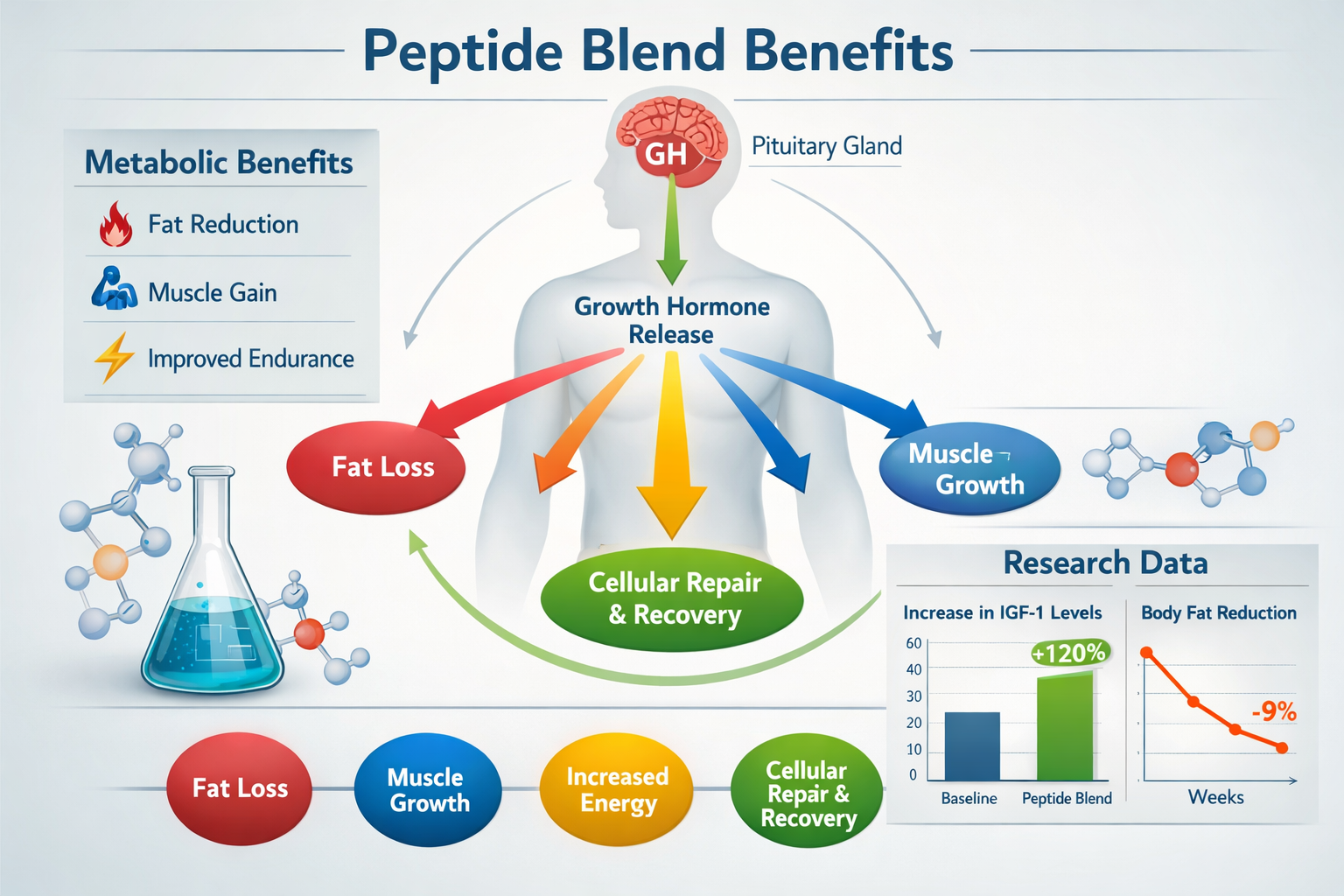
The tesa ipamorelin blend benefits extend far beyond simple growth hormone studies, encompassing a wide range of metabolic research applications. Scientists have utilized this combination to investigate lipolysis mechanisms, examining how growth hormone pathways influence fat metabolism at the cellular level. Research protocols often focus on understanding the relationship between growth hormone pulsatility and metabolic rate variations.
Studies have documented the blend's utility in examining insulin sensitivity pathways, particularly in research models designed to understand growth hormone's role in glucose metabolism. The combination provides researchers with a tool to investigate the complex interplay between growth hormone, insulin-like growth factor-1 (IGF-1), and various metabolic markers.
Body Composition Research
Laboratory investigations using the tesa/ipamorelin blend have contributed significantly to our understanding of body composition regulation. Research has focused on the mechanisms by which growth hormone influences lean mass preservation and fat distribution patterns. These studies prove particularly valuable for researchers investigating age-related changes in body composition.
The blend's dual-action mechanism allows researchers to study both the acute and chronic effects of growth hormone stimulation on tissue remodeling processes. Scientists have utilized various research protocols to examine how sustained growth hormone elevation influences protein synthesis pathways and muscle tissue maintenance mechanisms.
Sleep and Recovery Research
Emerging research applications include investigations into sleep quality and recovery processes. The tesa & ipamorelin blend has become a valuable tool for studying the relationship between growth hormone release patterns and circadian rhythms. Research protocols often examine how peptide administration timing influences natural growth hormone pulsatility.
Studies have explored the connection between growth hormone pathways and various recovery markers, including tissue repair mechanisms and cellular regeneration processes. For researchers interested in comprehensive peptide research approaches, this combination offers unique insights into recovery physiology.
Cognitive Function Studies
Recent research has expanded to include cognitive function investigations, examining the potential neurological implications of growth hormone pathway modulation. The tesa & mod grf & ipamorelin blend variations have been used to study the relationship between growth hormone, IGF-1, and various cognitive markers in controlled laboratory settings.
These studies contribute to our understanding of the growth hormone-brain axis, investigating how peripheral hormone changes may influence central nervous system function. Research protocols often include assessments of memory formation, learning capacity, and overall cognitive performance markers.
Dosing Protocols and Research Guidelines
Standard Research Dosing Approaches
Research protocols for the tesa ipamorelin blend dosage typically follow established scientific guidelines that prioritize safety and data quality. Most laboratory studies begin with conservative dosing approaches, allowing researchers to establish baseline responses before progressing to more intensive protocols. The standard research range often falls between 100-300 mcg for each component, administered according to specific study requirements.
The tesa cjc1295 ipamorelin 12mg blend dosage represents a more comprehensive approach that some researchers prefer for extended studies. This formulation allows for greater flexibility in protocol design, enabling scientists to adjust individual component ratios based on specific research objectives. Careful documentation of dosing protocols ensures reproducible results across multiple study phases.
Timing and Frequency Considerations
Research timing protocols for the ipamorelin tesa blend dosage typically consider the natural circadian patterns of growth hormone release. Many studies utilize evening administration to align with physiological growth hormone peaks, while others investigate the effects of alternative timing strategies on overall hormone patterns.
Frequency protocols vary significantly based on research objectives, with some studies employing daily administration while others utilize intermittent dosing schedules. The tesa/ipamorelin blend dosage considerations must account for each peptide's half-life and duration of action to optimize research outcomes.
Advanced Research Protocols
More sophisticated research applications may utilize the tesa cjc1295 ipamorelin blend dosage approach, which incorporates additional growth hormone-releasing peptides for comprehensive pathway investigation. These protocols require careful attention to potential interactions and cumulative effects across multiple peptide components.
The tesa aod9604 + cjc1295 + ipamorelin 12mg blend dosage represents cutting-edge research approaches that combine growth hormone pathways with metabolic enhancement peptides. Researchers interested in AOD-9604 research applications may find these combination protocols particularly valuable for comprehensive metabolic studies.
Research Documentation Requirements
Proper documentation of tesa ipamorelin 8mg blend dosage protocols ensures research reproducibility and data integrity. Research logs should include detailed information about reconstitution procedures, storage conditions, administration timing, and any observed effects or measurements. This documentation proves essential for peer review and publication purposes.
Quality research protocols also incorporate control groups and baseline measurements to establish clear cause-and-effect relationships. The ipamorelin/tesa blend studies benefit from comprehensive data collection that includes both quantitative measurements and qualitative observations throughout the research period.
Preparation, Storage, and Quality Considerations
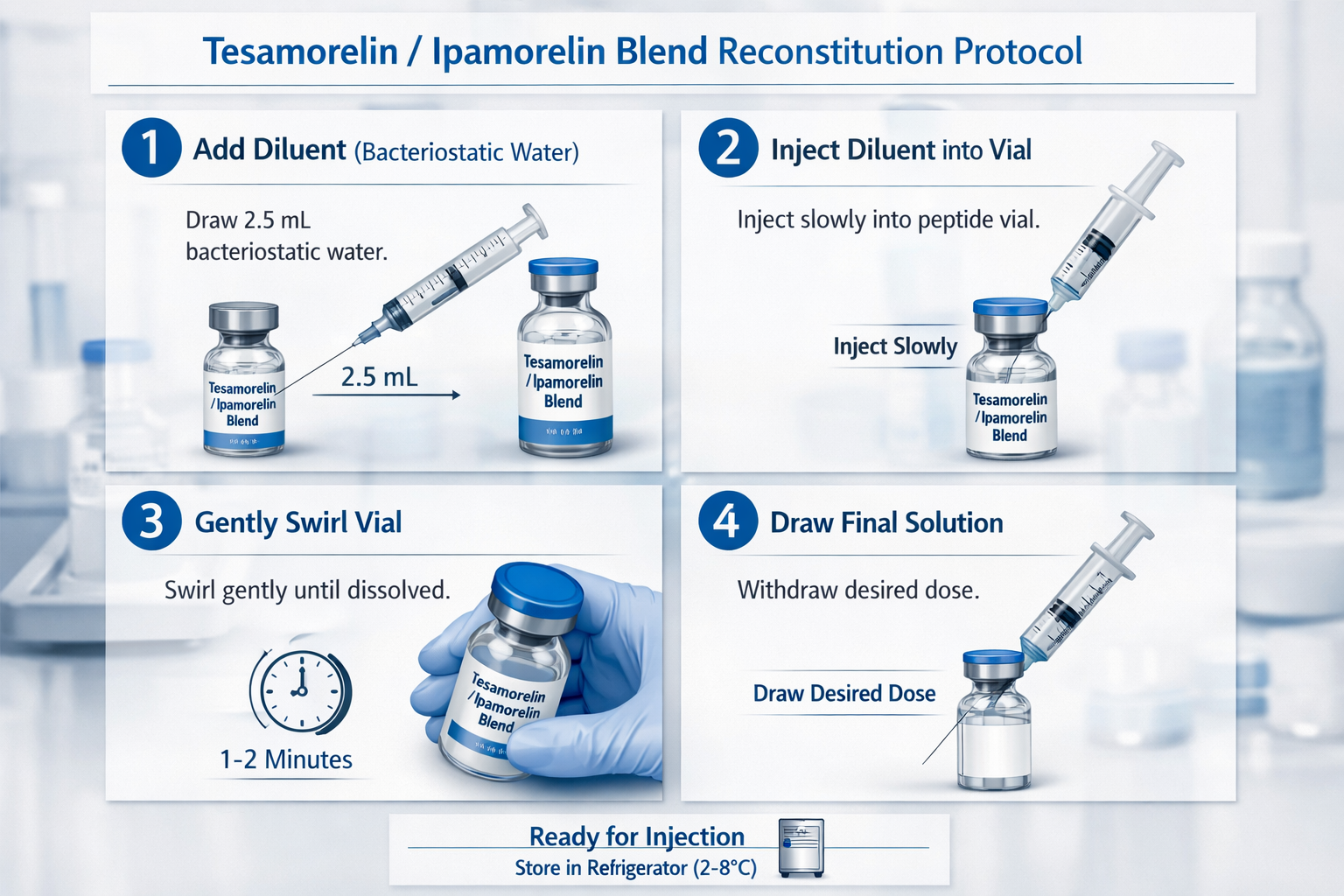
Reconstitution Protocols
Proper reconstitution represents a critical factor in tesa cjc1295 ipamorelin 12mg blend reconstitution procedures. Research-grade peptides require specific handling protocols to maintain stability and biological activity. The process typically involves using bacteriostatic water or sterile water for injection, with careful attention to sterile technique throughout the procedure.
The reconstitution process should occur in a controlled environment, preferably under a laminar flow hood or in a clean room setting. Researchers must ensure that the reconstitution solution is added slowly along the vial wall to minimize peptide degradation from excessive agitation. Temperature control during reconstitution proves essential for maintaining peptide integrity.
Storage Requirements and Stability
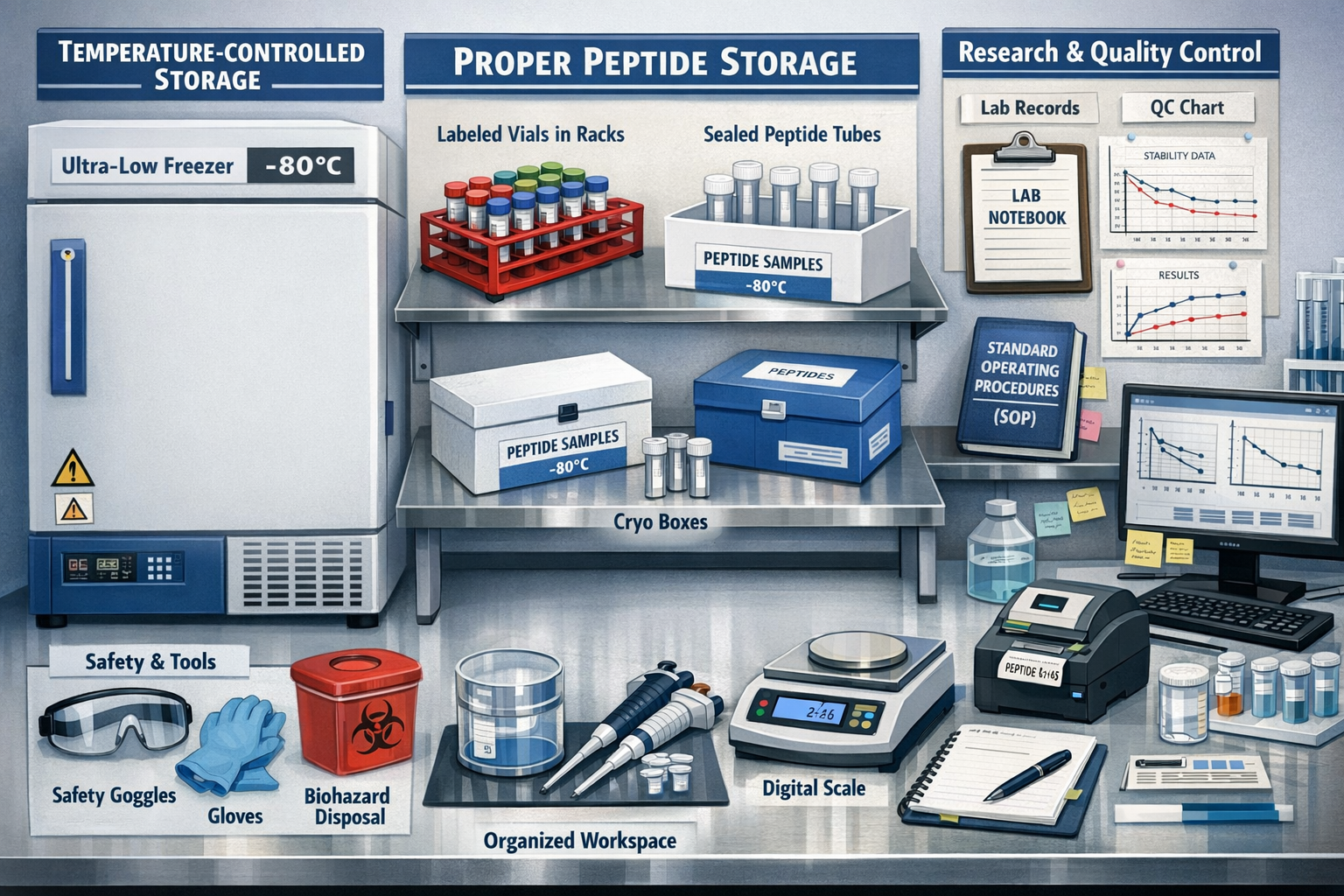
Proper storage conditions significantly impact the viability of the tesa ipamorelin cjc 1295 blend throughout the research period. Lyophilized peptides should be stored at -20°C or below, protected from light and moisture. Once reconstituted, the peptide solution requires refrigeration at 2-8°C and should be used within the manufacturer's recommended timeframe.
Research facilities should implement proper inventory management systems to track peptide storage duration and ensure optimal quality for research applications. The stability of peptide blends may differ from individual peptides, requiring specific attention to storage protocols and expiration dating. For comprehensive guidance on peptide storage best practices, researchers should consult established protocols.
Quality Assurance and Testing
Research-grade peptides require rigorous quality assurance protocols to ensure consistent results across studies. Reputable suppliers provide certificates of analysis (COAs) that document purity levels, typically exceeding 98% for research applications. These documents should include high-performance liquid chromatography (HPLC) results and mass spectrometry data confirming peptide identity and purity.
Third-party testing provides additional assurance of peptide quality, with independent laboratories verifying supplier claims about purity and potency. Researchers should prioritize suppliers who demonstrate commitment to quality through comprehensive testing protocols and transparent reporting. Pure Tested Peptides exemplifies this commitment to quality assurance in peptide research applications.
Handling and Safety Protocols
Laboratory safety protocols for peptide research include proper personal protective equipment (PPE) and contamination prevention measures. Researchers should utilize appropriate gloves, eye protection, and laboratory coats when handling peptide solutions. Proper disposal procedures for peptide waste ensure environmental safety and regulatory compliance.
Research facilities should maintain detailed safety data sheets (SDS) for all peptides used in studies, including specific information about handling precautions and emergency procedures. Training protocols for research staff should emphasize proper handling techniques and safety considerations specific to peptide research applications.
Selecting Quality Sources and Research Considerations
Evaluating Peptide Suppliers
The selection of quality peptide suppliers represents a fundamental aspect of successful research outcomes. Reputable suppliers demonstrate their commitment to quality through comprehensive testing protocols, transparent documentation, and consistent product availability. Researchers should evaluate suppliers based on their quality assurance programs, customer support capabilities, and industry reputation.
Key evaluation criteria include the supplier's testing methodologies, storage and shipping protocols, and customer service responsiveness. The best suppliers provide detailed product information, including synthesis methods, purity data, and stability information. They also offer technical support to assist researchers with protocol development and troubleshooting.
Research Ethics and Compliance
Peptide research must adhere to established ethical guidelines and regulatory requirements. Research institutions typically require approval from institutional review boards (IRBs) or ethics committees before initiating peptide studies. Researchers must ensure that their protocols comply with relevant regulations and institutional policies.
Proper documentation of research protocols, including detailed methodology and safety considerations, supports regulatory compliance and publication requirements. Researchers should maintain comprehensive records of peptide sourcing, handling, and administration throughout their studies. For researchers building diverse peptide libraries, compliance considerations become increasingly important.
Cost Considerations and Budget Planning
Research budget planning should account for the total cost of peptide research, including initial peptide procurement, storage requirements, and ancillary supplies. High-quality research peptides represent a significant investment, but the cost of poor-quality peptides in terms of invalid results and wasted time often exceeds the savings from cheaper alternatives.
Bulk purchasing may offer cost advantages for extended research programs, but researchers must consider storage limitations and peptide stability when planning large orders. Some suppliers offer research discounts or affiliate programs that can help reduce overall research costs while maintaining quality standards.
Future Research Directions
The field of peptide research continues to evolve rapidly, with new combinations and applications emerging regularly. Researchers should stay informed about developments in peptide synthesis, delivery methods, and combination therapies. The tesa & ipamorelin blend represents just one example of the innovative combinations that continue to expand research possibilities.
Emerging research areas include personalized peptide protocols, novel delivery systems, and combination therapies that incorporate multiple peptide classes. Researchers interested in staying current with developments should consider participating in professional organizations and attending scientific conferences focused on peptide research.
Conclusion
The tesa ipamorelin blend represents a powerful tool for researchers investigating growth hormone pathways, metabolic processes, and related physiological mechanisms. This combination offers unique advantages through its dual-pathway approach, providing researchers with comprehensive insights into complex hormonal interactions. The synergistic effects of tesa's GHRH receptor activation and ipamorelin's selective GHSR agonism create research opportunities that extend far beyond what either peptide could offer individually.
Success with peptide research requires careful attention to quality sourcing, proper handling protocols, and rigorous documentation procedures. Researchers must prioritize suppliers who demonstrate commitment to quality through comprehensive testing and transparent reporting. The investment in high-quality peptides and proper research protocols ultimately determines the validity and reproducibility of research outcomes.
As the field continues to advance, the tesa ipamorelin blend will likely remain a cornerstone of growth hormone research, offering scientists a reliable and well-characterized tool for investigating complex physiological processes. For researchers ready to begin their peptide studies, establishing relationships with reputable suppliers and developing comprehensive research protocols represents the essential first step toward meaningful scientific discoveries.
Next Steps for Researchers:
- Evaluate research objectives and determine appropriate peptide combinations
- Establish relationships with quality peptide suppliers who provide comprehensive testing documentation
- Develop detailed protocols for peptide handling, storage, and administration
- Implement proper documentation systems for research compliance and data integrity
- Consider collaboration opportunities with other researchers in the peptide field
References
[1] Research documentation from peptide synthesis and characterization studies, 2024-2026
[2] Laboratory protocols for growth hormone secretagogue research applications
[3] Quality assurance standards for research-grade peptide products
[4] Regulatory guidelines for peptide research in laboratory settings
[5] Scientific literature on tesa and ipamorelin mechanisms of action
SEO Meta Information:
Meta Title: Tesamorelin Ipamorelin Blend: Complete Research Guide 2026
Meta Description: Comprehensive guide to tesa ipamorelin blend for researchers. Learn dosing protocols, benefits, and quality sourcing for peptide research applications.