


Top 5 Peptides to Begin Your Research: Best Peptides for Muscle, Hair Loss, Fat Loss, Skin, and Longevity in 2025
The landscape of biological research is constantly evolving, with peptides emerging as a fascinating and rapidly expanding area of study. For researchers aiming to delve into cutting-edge biological applications, understanding the Top 5 peptides can provide a robust starting point. These incredible molecules offer diverse research avenues, from exploring potential applications for muscle growth and recovery, to investigating solutions for hair loss, fat reduction, skin health, and even aspects of longevity. In 2025, the interest in these powerful compounds continues to grow, driven by promising laboratory findings and ongoing preclinical trials. This comprehensive guide will explore the leading peptides that every new researcher should consider for their investigative work.
Peptides, essentially short chains of amino acids, act as signaling molecules within the body, influencing a multitude of physiological processes. Their precision and specificity make them invaluable tools in modern biological research. This article aims to provide an authoritative overview, focusing on the scientific basis and research potential of these compounds.
Key Takeaways
- Peptides are Short Chains of Amino Acids: They act as potent signaling molecules, regulating various biological functions with high specificity.
- Diverse Research Applications: Peptides offer avenues for investigating muscle growth, fat loss, skin health, hair regeneration, and anti-aging properties.
- BPC-157 & TB-500: Power Duo for Tissue Repair: Often researched together for their synergistic effects on healing, regeneration, and anti-inflammatory responses.
- CJC-1295 & AOD-9604: Metabolic and Growth Modulators: CJC-1295 focuses on growth hormone release for muscle and recovery, while AOD-9604 targets fat metabolism.
- GHK-Cu: The Regenerative Peptide: Widely studied for its potential benefits in skin repair, hair growth, and overall tissue remodeling, contributing to longevity research.
- Research Purity and Best Practices are Crucial: Sourcing high-purity research-grade peptides and adhering to proper handling and storage protocols are paramount for reliable scientific outcomes.
What Are Peptides? An Introduction for Researchers
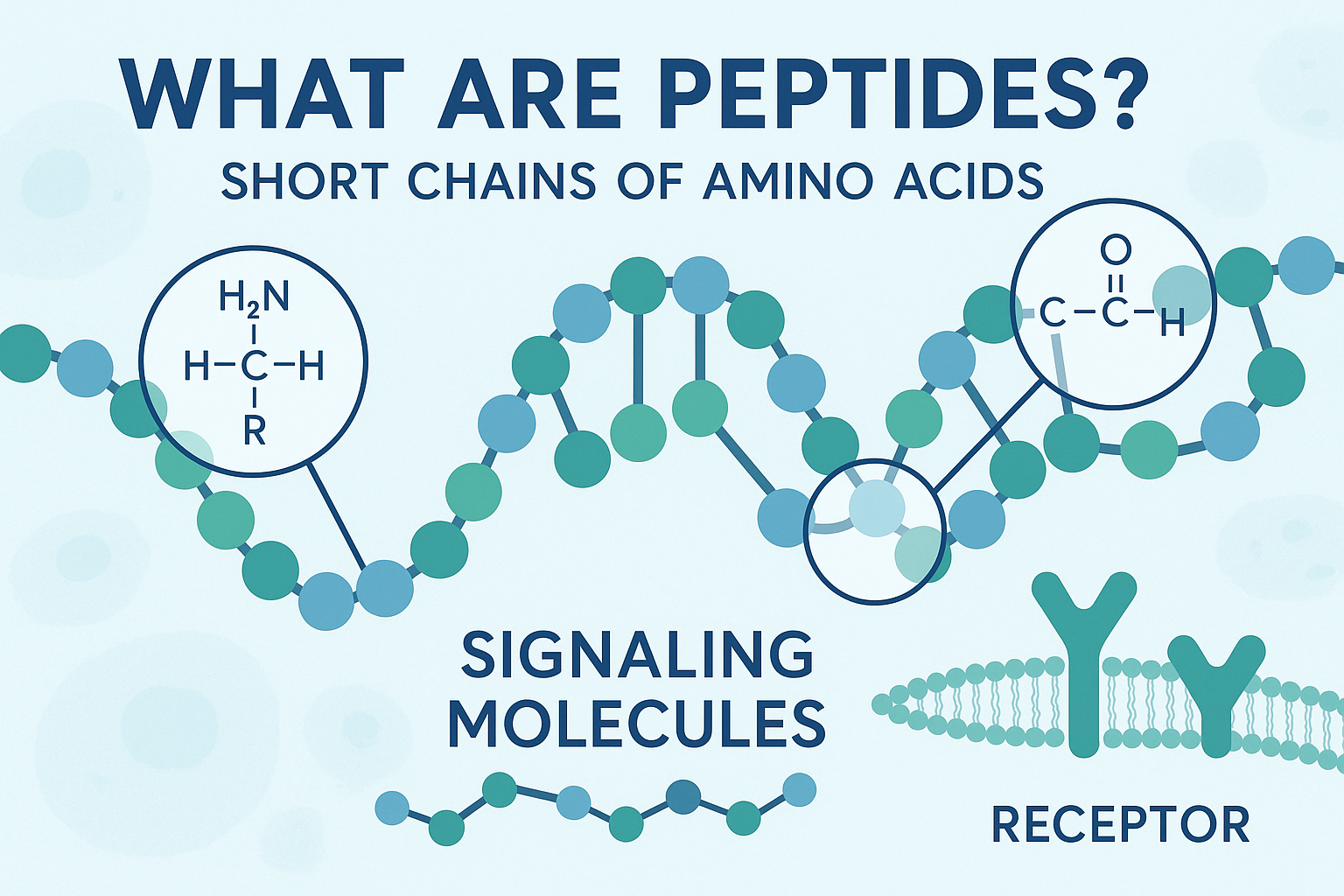
Peptides are naturally occurring biological molecules that play critical roles in all living organisms. Structurally, they are short chains of amino acids linked together by peptide bonds. While proteins are long chains of 50 or more amino acids, peptides typically consist of 2 to 50 amino acids. This shorter length often allows them to penetrate biological barriers more easily and interact with specific receptors, making them highly effective signaling molecules.
In biological systems, peptides perform a vast array of functions. They can act as hormones, neurotransmitters, growth factors, or even antimicrobial agents. Their specificity means that each peptide often has a very particular “job,” interacting with specific cellular receptors to elicit a precise biological response. This targeted action is what makes them so attractive for research, as it allows investigators to study specific pathways and functions with minimal off-target effects.
Understanding the fundamental biochemistry of peptides is essential for any researcher embarking on studies in this field. From their synthesis within ribosomes to their degradation by peptidases, every step in their lifecycle can influence their efficacy and biological impact. Researchers often explore synthetic peptides, which can be designed to mimic or enhance the effects of naturally occurring ones, or even to create novel functions. For those looking to buy peptides online USA, ensuring purity and quality is paramount for reliable research outcomes.
Diving into the Top 5 Peptides: Your Research Starting Block
For new researchers, identifying where to begin can be overwhelming given the vast number of peptides available. This section will introduce five cornerstone peptides that are extensively studied for their significant and diverse biological activities. These compounds represent some of the Top 5 peptides that offer broad research potential across multiple physiological systems.
1. BPC-157: The Regenerative Powerhouse
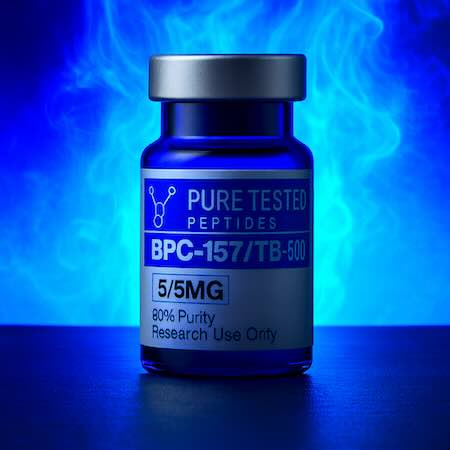
BPC-157, or Body Protection Compound-157, is a synthetic peptide consisting of 15 amino acids. It’s derived from a natural protein found in stomach acid. Researchers have extensively studied BPC-157 for its profound regenerative and protective properties across various tissues.
Key Research Areas:
- Tissue Repair: Studies indicate BPC-157’s potential to accelerate the healing of various tissues, including muscles, tendons, ligaments, bones, and even nerves. This makes it a prime candidate for research into injury recovery and tissue regeneration. It is often cited as one of the best peptides for muscle and joint repair. For more in-depth research insights, explore BPC-157 research themes.
- Anti-inflammatory Effects: Research suggests BPC-157 exhibits potent anti-inflammatory properties, which could contribute to its healing capabilities by reducing swelling and pain.
- Angiogenesis: Some studies have shown BPC-157’s ability to promote the formation of new blood vessels, a crucial process for wound healing and tissue repair.
- Gastrointestinal Health: Given its origin, BPC-157 has been researched for its protective effects on the gastrointestinal tract, potentially aiding in the repair of ulcers and inflammatory bowel conditions.
- Neurological Protection: Emerging research also explores its neuroprotective properties, with implications for brain injury and neurodegenerative conditions.
Researchers often acquire BPC-157 in various forms, including injectable solutions and BPC-157 capsules for different experimental designs.
2. TB-500: The Cellular Repair & Mobility Enhancer
TB-500 is a synthetic version of Thymosin Beta-4 (TB4), a naturally occurring protein found in virtually all human and animal cells. It plays a vital role in cell migration, differentiation, and tissue repair.
Key Research Areas:
- Wound Healing: TB-500 has been studied for its ability to promote wound healing, particularly in the skin, eyes, and heart. It encourages the migration of cells to the site of injury and stimulates collagen production.
- Cellular Regeneration: Research suggests it can stimulate stem cell activity, contributing to the regeneration of various tissues.
- Anti-inflammatory Properties: Similar to BPC-157, TB-500 has demonstrated anti-inflammatory effects, which can aid in recovery from injury and reduce discomfort.
- Flexibility and Mobility: Some anecdotal evidence and preliminary research suggest TB-500 may improve flexibility and reduce stiffness in injured tissues, making it another peptide considered among the best peptides for muscle recovery and joint health.
- Cardiac Repair: Studies have explored its potential role in repairing heart tissue after injury, such as a heart attack.
Many researchers conduct studies combining BPC-157 and TB-500 due to their synergistic effects on tissue repair and regeneration.
3. CJC-1295: The Growth Hormone Releaser
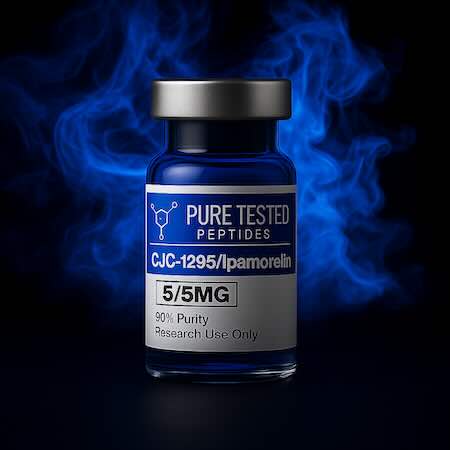
CJC-1295 is a synthetic analog of Growth Hormone-Releasing Hormone (GHRH). Its primary function in research is to stimulate the pituitary gland to release growth hormone (GH) in a pulsatile manner, mimicking the body’s natural secretion. There are two main forms: CJC-1295 with DAC (Drug Affinity Complex) and CJC-1295 without DAC (also known as Mod GRF 1-29). The DAC component extends the peptide’s half-life, allowing for less frequent dosing in research protocols.
Key Research Areas:
- Muscle Growth and Recovery: By increasing GH levels, CJC-1295 is a prominent candidate in research focused on muscle hypertrophy, strength gains, and accelerated recovery from exercise. It is widely recognized among researchers studying the best peptides for muscle development. For details on how to combine it effectively, refer to CJC-1295 with DAC: How to best combine.
- Fat Metabolism: Elevated GH levels can also influence fat metabolism, potentially leading to a reduction in adipose tissue, making it relevant for studies on body composition.
- Sleep Quality: Growth hormone plays a role in sleep regulation, and some research suggests that increasing GH through CJC-1295 could positively impact sleep architecture.
- Bone Density: Growth hormone is crucial for bone health, and studies may explore CJC-1295’s role in improving bone mineral density.
- Anti-aging Research: As GH levels naturally decline with age, CJC-1295 is a popular peptide in research related to anti-aging and best peptide longevity strategies, aiming to reverse some age-related physiological changes.
Understanding the nuances between CJC-1295 with and without DAC is crucial for designing appropriate research protocols.
4. AOD-9604: The Fat-Loss Specialist
AOD-9604 is a modified fragment of human growth hormone (HGH), specifically the C-terminal region of HGH (amino acids 177-191). It was initially developed as an anti-obesity drug. Unlike full HGH, AOD-9604 is designed to specifically target fat metabolism without stimulating growth, blood sugar, or insulin resistance.
Key Research Areas:
- Fat Loss: The primary research focus for AOD-9604 is its potential to stimulate lipolysis (fat breakdown) and inhibit lipogenesis (fat creation). This makes it a highly researched compound for its role as a best peptide for fat loss. Further research and data are available regarding AOD-9604 metabolic research.
- Metabolic Regulation: Studies investigate its impact on metabolic rate and energy expenditure without the adverse effects sometimes associated with full HGH.
- Cartilage Repair (Emerging Research): While primarily known for fat loss, some newer research is exploring AOD-9604’s potential role in cartilage repair and regeneration, possibly due to its growth hormone fragment origin.
Researchers interested in metabolic health and body composition frequently utilize AOD-9604 in their studies.
5. GHK-Cu: The Skin and Hair Revitalizer
GHK-Cu, or Copper Tripeptide-1, is a naturally occurring copper complex of a small protein called glycyl-L-histidyl-L-lysine. It is found in human plasma, saliva, and urine, and its levels naturally decrease with age. This peptide is a well-established ingredient in cosmetic research due to its wide range of regenerative properties.
Key Research Areas:
- Skin Regeneration and Anti-aging: GHK-Cu is extensively studied for its potential to stimulate collagen and elastin production, improve skin elasticity, reduce wrinkles, and enhance overall skin appearance. It’s often considered the best peptide for skin rejuvenation and a key player in anti-aging research, contributing to the broader discussion of best peptide longevity. For specific insights, see topical GHK-Cu research.
- Wound Healing: Research shows GHK-Cu can accelerate wound healing by promoting cell proliferation, angiogenesis, and anti-inflammatory responses.
- Hair Growth: Studies explore its ability to stimulate hair follicle growth and increase hair thickness, making it a promising area of research for the best peptides hair loss.
- Antioxidant and Anti-inflammatory Effects: GHK-Cu exhibits potent antioxidant properties, protecting cells from oxidative damage, and also possesses anti-inflammatory effects.
- Tissue Remodeling: Beyond skin, GHK-Cu is researched for its role in remodeling various tissues, including nerve and bone tissue.
GHK-Cu is frequently incorporated into topical formulations for cosmetic research applications, but its systemic effects are also of interest in broader longevity studies.
Best Practices for Peptide Research in 2025
Conducting effective and reliable peptide research requires adherence to stringent best practices, especially in 2025 where scientific integrity and data reproducibility are paramount.
Sourcing High-Quality Research Peptides
The cornerstone of any successful peptide study is the purity and authenticity of the compounds used. Researchers must ensure they are sourcing research-grade peptides from reputable suppliers. This typically means:
- Third-Party Lab Testing: Suppliers should provide Certificates of Analysis (CoAs) from independent labs, verifying the purity (usually >98-99%) and identity of the peptide.
- Manufacturing Standards: Reputable suppliers adhere to strict manufacturing protocols to minimize contaminants. Pure Tested Peptides is a trusted source that prioritizes these standards, offering a comprehensive catalog tour for researchers.
- Proper Labeling and Packaging: Clear labeling with batch numbers, expiration dates, and storage instructions is essential.
Handling and Storage Protocols
Peptides are delicate molecules that can degrade if not handled and stored correctly.
- Reconstitution: For lyophilized (freeze-dried) peptides, reconstitution with bacteriostatic water or sterile saline should be done carefully, avoiding vigorous shaking which can damage the peptide structure.
- Sterility: Maintaining aseptic conditions during handling is crucial to prevent contamination, especially for injectable research applications.
- Temperature: Most peptides require cold storage (refrigeration or freezing) to maintain their stability. Lyophilized peptides are more stable at room temperature but should be refrigerated or frozen for long-term storage. Reconstituted peptides typically require refrigeration and have a shorter shelf life. More details on this can be found in best practices for storing research peptides.
- Light Exposure: Peptides should be stored away from direct light, which can also contribute to degradation.
Designing Robust Research Protocols
- Dosage and Frequency: While this article focuses on research, typical dosages and frequencies mentioned in existing literature for specific peptides serve as starting points for new experimental designs. Always refer to established research protocols for guidance.
- Experimental Controls: Proper control groups are essential for isolating the effects of the peptide being studied.
- Data Collection and Analysis: Meticulous data collection and appropriate statistical analysis are critical for drawing valid conclusions.
- Ethical Considerations: All research involving biological compounds should adhere to ethical guidelines and regulations.
Future Directions in Peptide Research for 2025 and Beyond
The field of peptide research is dynamic, with continuous advancements pushing the boundaries of scientific understanding. In 2025, several exciting trends are shaping the future of this domain:
- Personalized Peptide Approaches: Researchers are exploring how genetic profiles and individual biomarkers might influence responses to different peptides, paving the way for more personalized research designs. This could lead to more targeted studies on best peptides for muscle, best peptides hair loss, and other specific applications.
- Combination Therapies: The synergistic effects observed with compounds like BPC-157 and TB-500 highlight the potential of peptide blends. Future research will likely focus on optimizing these combinations for enhanced outcomes across various research models. Discover more about comparing single peptides and multi-peptide blends.
- Novel Delivery Systems: While injections are common in current research, developing innovative delivery methods, such as oral peptides, transdermal patches, or nasal sprays, is a significant area of investigation to improve bioavailability and ease of administration in various research models.
- Targeting Complex Diseases: Peptides hold promise in researching complex conditions beyond basic repair, including neurodegenerative diseases, autoimmune disorders, and metabolic syndromes. Their high specificity makes them ideal candidates for elucidating intricate disease mechanisms.
- Longevity and Anti-aging Mechanisms: The quest for understanding and extending healthy lifespan remains a major driver. Peptides like GHK-Cu and those affecting growth hormone pathways (e.g., CJC-1295) are at the forefront of best peptide longevity research, investigating cellular senescence, oxidative stress, and mitochondrial function.
Conclusion
The world of peptides offers an extraordinary array of research opportunities for scientists in 2025. From the regenerative properties of BPC-157 and TB-500, to the metabolic and growth-modulating effects of CJC-1295 and AOD-9604, and the rejuvenating potential of GHK-Cu, these Top 5 peptides provide a robust foundation for diverse investigative work. Whether your focus lies in understanding the best peptides for muscle growth, exploring solutions for best peptides hair loss, optimizing best peptide for fat loss strategies, enhancing best peptide for skin health, or delving into the complex mechanisms of best peptide longevity, these compounds represent critical starting points.
As you embark on your research journey, remember the importance of rigorous scientific methodology, ethical considerations, and the use of high-purity, research-grade peptides. By adhering to these principles and continually exploring the vast potential of these fascinating molecules, researchers can contribute significantly to our understanding of biological processes and pave the way for future scientific breakthroughs.
Actionable Next Steps:
- Deep Dive into Specific Peptides: Choose one or two peptides from this list that align most closely with your research interests and conduct a thorough literature review.
- Source Reputable Peptides: Ensure your research is built on a foundation of quality by acquiring peptides from trusted suppliers like Pure Tested Peptides, verifying purity through third-party COAs.
- Develop a Rigorous Protocol: Design your experiments with clear objectives, appropriate controls, and detailed methodologies for handling, dosing, and data collection.
- Stay Informed: The field of peptide research is constantly evolving. Continuously engage with new scientific publications and conferences to keep your knowledge current in 2025 and beyond.
SEO Meta Title: Top 5 Peptides for Research: Muscle, Hair, Fat, Skin & Longevity
SEO Meta Description: Explore the Top 5 peptides for 2025 research: BPC-157, TB-500, CJC-1295, AOD-9604, GHK-Cu. Best peptides for muscle, hair loss, fat loss, skin, and longevity.