

What Does GLP-3 Peptide Do? The Complete Guide to Triple-Action Weight Loss
Imagine a single peptide therapy that could target three different hormone pathways simultaneously, delivering weight loss results that surpass anything currently available on the market. That's exactly what GLP-3 peptide promises to do. As fitness enthusiasts and peptide shoppers search for the most effective solutions in 2026, understanding what does GLP-3 peptide do has become more critical than ever. This revolutionary triple-agonist compound represents a complete paradigm shift in how we approach metabolic health, fat loss, and overall wellness.
The question "what does GLP-3 peptide do" isn't just about weight loss anymore—it's about understanding how cutting-edge peptide science can transform body composition, reduce inflammation, and potentially revolutionize therapeutic approaches to obesity and metabolic disorders. With clinical trial results showing average weight loss exceeding 28% of body weight, this peptide has captured the attention of researchers, healthcare providers, and fitness enthusiasts worldwide.
Key Takeaways
- Triple-action mechanism: GLP-3 peptide targets GLP-1, GIP, and glucagon receptors simultaneously, creating a more comprehensive metabolic response than single-pathway medications
- Exceptional weight loss results: Clinical trials demonstrate 24-28.7% average weight reduction over 48-68 weeks, significantly outperforming existing GLP-1 medications
- Multiple health benefits: Beyond weight loss, GLP-3 peptide shows promise for reducing knee pain by 75.8%, improving metabolic markers, and enhancing overall body composition
- Manageable side effect profile: Most adverse events are gastrointestinal in nature (nausea, diarrhea, constipation), similar to existing GLP-1 medications but generally well-tolerated
- Future therapeutic potential: Seven additional Phase 3 trials expected to conclude in 2026 will expand our understanding of what GLP-3 peptide does across various health conditions
Understanding What GLP-3 Peptide Does: The Triple-Agonist Mechanism
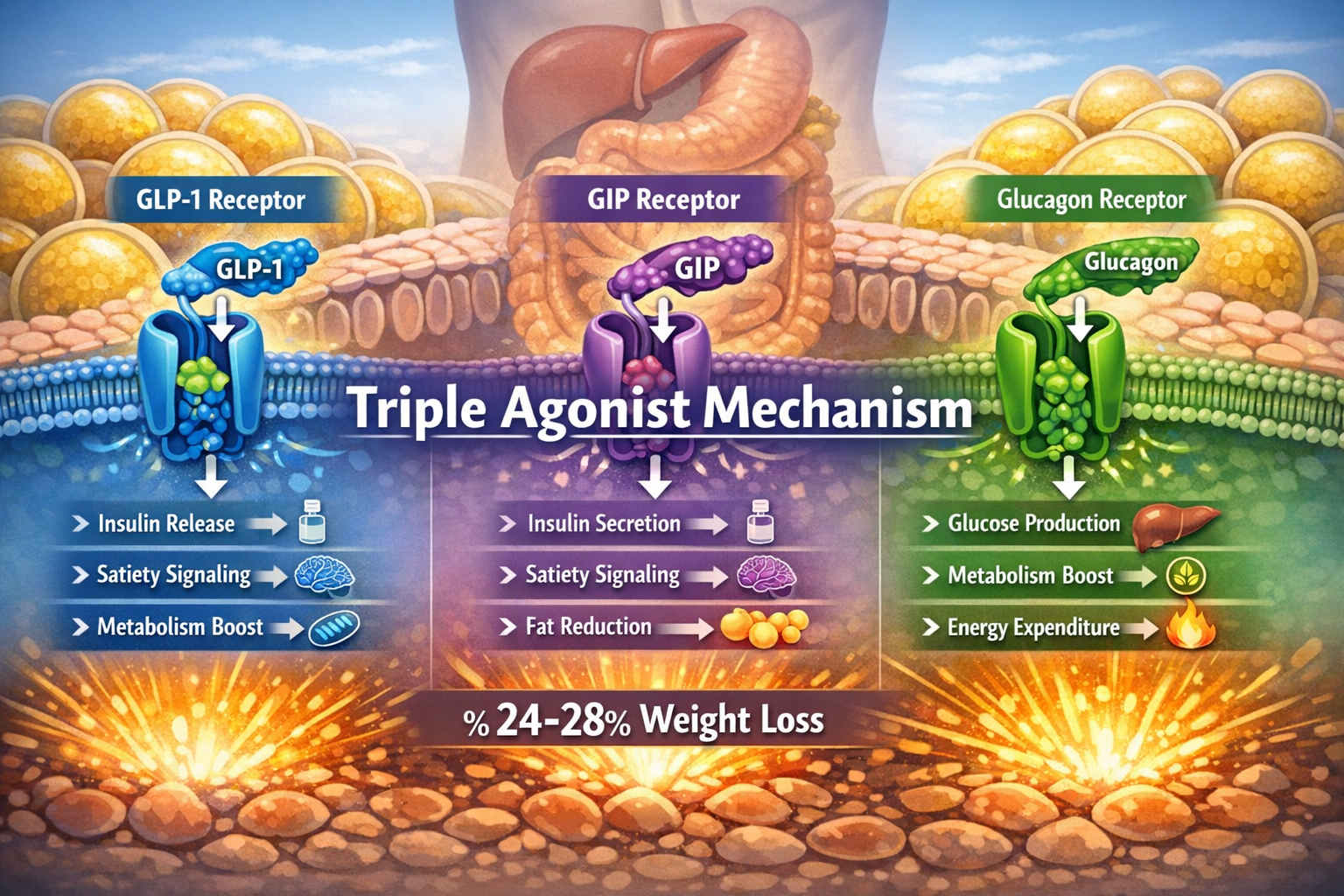
When exploring what does GLP-3 peptide do, the first thing to understand is its unique triple-agonist mechanism. Unlike traditional GLP-1 medications that simulate only one hormone pathway, GLP-3 peptide (also known as retatrutide) targets three distinct hormones: GLP-1 (glucagon-like peptide-1), GIP (glucose-dependent insulinotropic polypeptide), and glucagon receptors[1].
How Each Pathway Contributes to Results
GLP-1 Receptor Activation 🎯
The GLP-1 component of what GLP-3 peptide does mirrors the action of popular weight loss medications. This pathway signals the pancreas to release insulin after eating while simultaneously slowing digestion to promote feelings of fullness and satiety[1]. This dual action helps regulate blood sugar levels while reducing overall caloric intake.
GIP Receptor Activation 🔬
The GIP pathway works synergistically with GLP-1 to enhance insulin secretion and improve glucose metabolism. Research indicates that GIP and GLP-1 together create a more robust metabolic response than either hormone alone[1]. This combination is crucial for understanding what does GLP-3 peptide do differently from single-pathway alternatives.
Glucagon Receptor Activation ⚡
Perhaps the most distinctive aspect of what GLP-3 peptide does is its activation of glucagon receptors. The third hormone, glucagon, increases metabolism and helps the body break down fat cells for energy[1]. This metabolic boost distinguishes GLP-3 from dual-agonist medications and contributes significantly to its superior weight loss results.
If approved, retatrutide will be the first in a new class of medications targeting this triple pathway[1], making it a groundbreaking addition to peptide therapy options.
The Synergistic Effect
What makes understanding what does GLP-3 peptide do so important is recognizing how these three pathways work together. The synergistic effect creates:
- Enhanced insulin sensitivity through GLP-1 and GIP activation
- Increased energy expenditure via glucagon receptor stimulation
- Improved satiety signaling leading to reduced caloric intake
- Optimized fat metabolism for more efficient body composition changes
- Better glycemic control for overall metabolic health
This comprehensive approach to metabolic optimization represents a significant advancement in peptide-based therapeutics.
What Does GLP-3 Peptide Do for Weight Loss? Clinical Trial Results
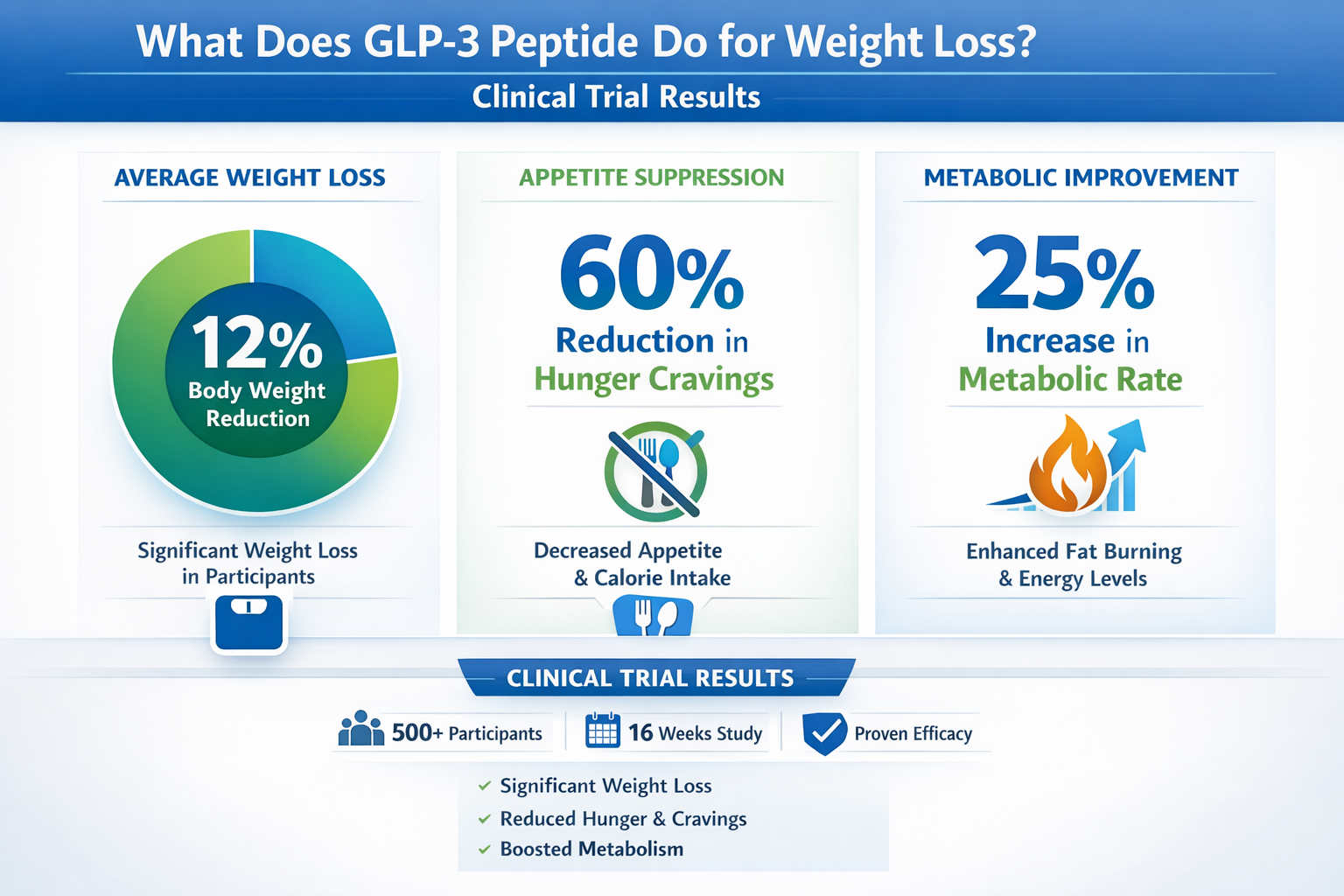
The most compelling evidence for what GLP-3 peptide does comes from robust clinical trial data. Eli Lilly's retatrutide has demonstrated unprecedented weight loss results that have captured worldwide attention.
Phase 3 Trial Outcomes
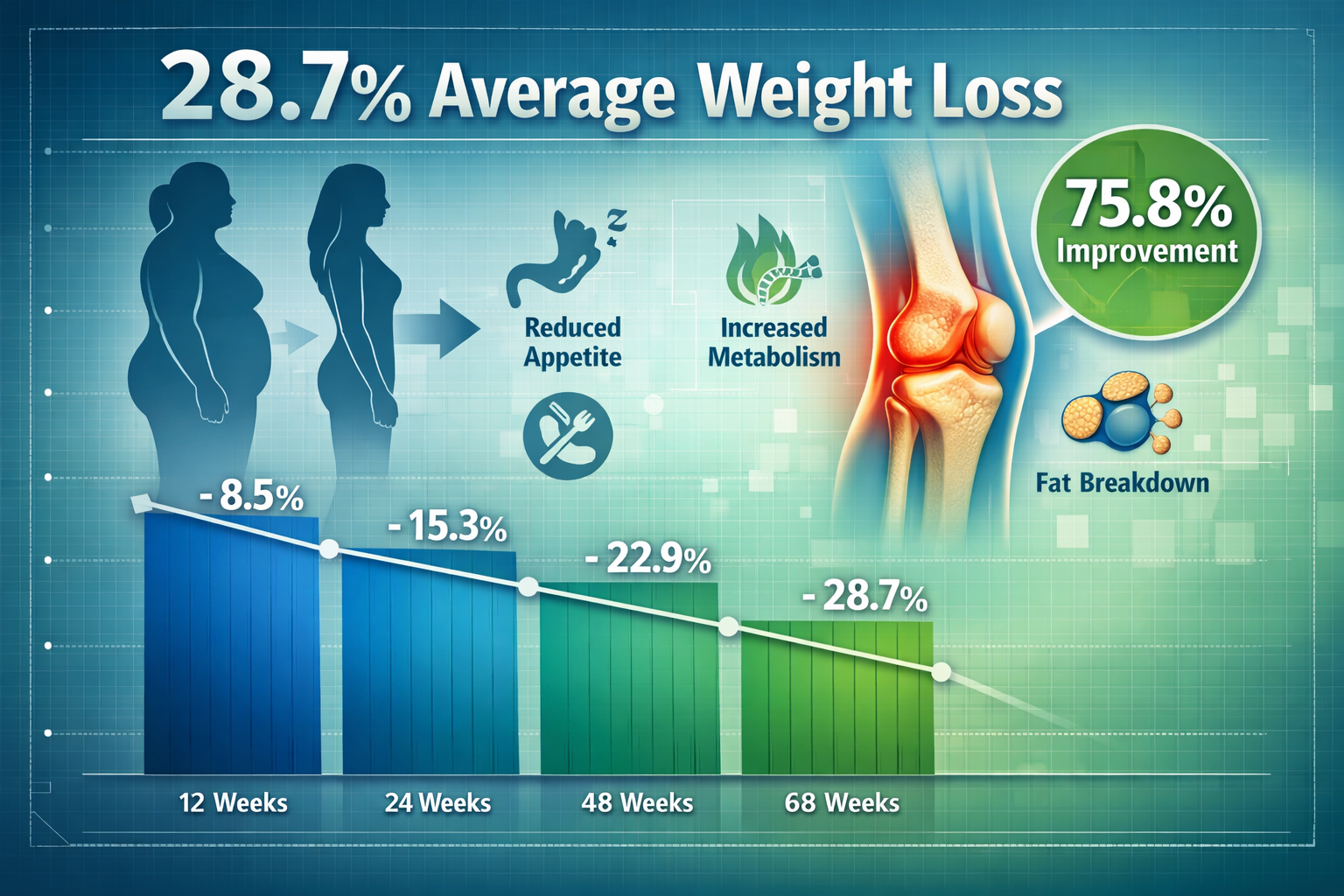
In a groundbreaking Phase 3 trial, participants with obesity and knee osteoarthritis using a 12 mg dose of GLP-3 peptide achieved an average weight loss of 28.7% (71.8 lbs) at 68 weeks[1][2]. To put this in perspective:
| Treatment Group | Average Weight Loss | Duration | Participant Profile |
|---|---|---|---|
| GLP-3 (12mg) | 28.7% (71.8 lbs) | 68 weeks | Obesity + Knee OA |
| GLP-3 (12mg) | 24.2% | 48 weeks | General obesity |
| Placebo | 2.1% | 48-68 weeks | Control group |
These results demonstrate what GLP-3 peptide does far more effectively than existing weight loss interventions. A 12 mg weekly injection dose led to 24.2% weight reduction in another trial, with participants continuing to lose weight after the 48-week period[1], suggesting the full potential of what does GLP-3 peptide do may extend beyond the trial duration.
Comparison to Existing Therapies
Understanding what does GLP-3 peptide do requires context. Current GLP-1 medications typically achieve:
- Semaglutide (Wegovy): 15-17% average weight loss
- Tirzepatide (dual-agonist): 20-22% average weight loss
- GLP-3 peptide (retatrutide): 24-28.7% average weight loss
The superior results highlight why fitness enthusiasts and peptide shoppers are eager to understand what GLP-3 peptide does and how it might fit into their comprehensive peptide protocols.
Sustained Weight Loss Trajectory
One of the most encouraging aspects of what GLP-3 peptide does is the sustained trajectory of weight loss. Unlike many interventions that plateau early, clinical data shows:
- Continuous weight reduction throughout the trial period
- No significant plateau at 48 weeks, suggesting ongoing efficacy
- Progressive improvements in body composition markers
- Maintained metabolic benefits throughout treatment duration
This sustained effect is critical for long-term success and represents a key advantage of understanding what does GLP-3 peptide do for metabolic health.
What Does GLP-3 Peptide Do Beyond Weight Loss? Additional Health Benefits
While weight loss dominates discussions about what GLP-3 peptide does, the compound offers several additional therapeutic benefits that make it particularly valuable for fitness enthusiasts and those seeking comprehensive metabolic optimization.
Pain Reduction and Joint Health
One of the most surprising discoveries about what does GLP-3 peptide do involves its impact on joint pain. In the Phase 3 trial with participants suffering from knee osteoarthritis, the drug reduced knee pain scores by an average of 75.8%[1]. Even more remarkably, more than one in eight patients reported being "completely free" from knee pain[1].
This pain reduction likely results from multiple mechanisms:
- Weight-related stress reduction on joints
- Anti-inflammatory effects of the peptide pathways
- Improved metabolic health supporting tissue repair
- Enhanced mobility enabling better joint function
For fitness enthusiasts dealing with joint issues, understanding what GLP-3 peptide does for pain management could be transformative, potentially allowing for more intensive training and better recovery.
Metabolic Health Improvements
What does GLP-3 peptide do for overall metabolic health? Research indicates comprehensive improvements across multiple markers:
Blood Sugar Regulation 📊
- Enhanced insulin sensitivity
- Improved glucose tolerance
- Better glycemic control throughout the day
- Reduced risk of metabolic syndrome progression
Cardiovascular Benefits ❤️
- Improved lipid profiles
- Potential blood pressure reductions
- Enhanced endothelial function
- Better overall cardiovascular risk markers
Body Composition Changes 💪
- Preferential fat loss over muscle mass
- Improved lean body mass retention
- Better muscle-to-fat ratio
- Enhanced metabolic rate
These comprehensive benefits demonstrate that what GLP-3 peptide does extends far beyond simple weight reduction, making it a valuable tool for those interested in advanced peptide therapy approaches.
Energy and Performance Enhancement
Fitness enthusiasts particularly want to know what does GLP-3 peptide do for energy levels and performance. The glucagon activation component plays a crucial role here:
- Increased energy expenditure supporting more intense workouts
- Enhanced fat oxidation providing sustained energy
- Improved metabolic flexibility allowing better fuel utilization
- Better recovery capacity through optimized metabolic function
The combination of weight loss, pain reduction, and enhanced metabolic function creates an environment conducive to improved athletic performance and body composition goals.
What Does GLP-3 Peptide Do: Safety Profile and Side Effects
Understanding what GLP-3 peptide does includes acknowledging its safety profile and potential adverse effects. Like all therapeutic interventions, GLP-3 peptide comes with considerations that users should understand before beginning treatment.
Common Gastrointestinal Side Effects
The most common adverse events associated with what does GLP-3 peptide do are gastrointestinal complications: nausea, diarrhea, constipation, and decreased appetite[1][2]. These effects are consistent with existing GLP-1 medications and generally:
- Occur most frequently during dose escalation
- Diminish over time as the body adapts
- Correlate with dosage (higher doses = more GI effects)
- Remain manageable for most participants
For those considering peptide therapy options, these side effects are typically temporary and can be mitigated through proper dosing protocols and gradual titration.
Cardiovascular Considerations
Heart rate increases were noted depending on dose[1], which is an important consideration for what GLP-3 peptide does to cardiovascular function. While these increases are generally modest, they warrant:
- Regular monitoring during treatment initiation
- Cardiovascular assessment before beginning therapy
- Dose adjustments if heart rate changes are significant
- Medical supervision for those with pre-existing heart conditions
Discontinuation Rates and Tolerability
The discontinuation rate was 18.2% for the high dose compared to 4% for placebo[2]. Interestingly, many discontinuations occurred not due to adverse effects but because of perceived excessive weight loss. This unique aspect of what does GLP-3 peptide do highlights:
- Highly effective weight loss that may exceed some users' goals
- Need for proper monitoring to ensure healthy weight maintenance
- Importance of individualized dosing based on goals and response
- Generally good tolerability for most participants
Managing Side Effects
For those exploring what GLP-3 peptide does and considering its use, several strategies can minimize side effects:
Gradual Dose Escalation 📈
- Start with lower doses
- Increase slowly over several weeks
- Allow body adaptation between increases
- Monitor response at each level
Dietary Modifications 🥗
- Smaller, more frequent meals
- Avoid high-fat, heavy foods initially
- Stay well-hydrated
- Focus on easily digestible proteins
Timing Optimization ⏰
- Take doses at consistent times
- Consider timing relative to meals
- Adjust based on individual response
- Work with healthcare providers for optimization
Understanding what does GLP-3 peptide do for both benefits and potential side effects allows for informed decision-making and better treatment outcomes. For comprehensive guidance, explore our ultimate guide to peptide therapy.
What Does GLP-3 Peptide Do: Dosing Protocols and Administration
For peptide shoppers and fitness enthusiasts wondering what GLP-3 peptide does at different doses, understanding proper administration is crucial for optimal results and safety.
Clinical Trial Dosing Schedules
The research on what does GLP-3 peptide do utilized several dosing protocols:
Standard Escalation Protocol
- Week 1-4: 2 mg weekly
- Week 5-8: 4 mg weekly
- Week 9-12: 8 mg weekly
- Week 13+: 12 mg weekly (maintenance)
This gradual escalation allows the body to adapt to what GLP-3 peptide does while minimizing gastrointestinal side effects. The 12 mg weekly dose produced the most impressive results in clinical trials[1][2].
Injection Technique and Timing
What does GLP-3 peptide do depends partly on proper administration:
Injection Sites 💉
- Subcutaneous injection (under the skin)
- Abdomen (most common)
- Thigh or upper arm (alternatives)
- Rotate sites to prevent irritation
Timing Considerations ⏱️
- Weekly administration
- Same day each week for consistency
- Can be taken with or without food
- Morning or evening based on preference
For those interested in innovative peptide delivery systems, understanding these administration details is essential.
Individual Response Variability
What GLP-3 peptide does can vary between individuals based on:
- Baseline metabolic health
- Body composition
- Genetic factors
- Lifestyle variables (diet, exercise, sleep)
- Concurrent medications or supplements
This variability emphasizes the importance of working with knowledgeable healthcare providers who understand what does GLP-3 peptide do and can adjust protocols accordingly.
Combination with Other Peptides
Many fitness enthusiasts wonder what GLP-3 peptide does when combined with other compounds. While research is limited, theoretical synergies exist with:
- Growth hormone secretagogues for body composition optimization
- Mitochondrial peptides for enhanced metabolic function
- Recovery peptides for improved training adaptation
- Longevity peptides for comprehensive health optimization
Those exploring peptide combinations should consult with experienced practitioners to ensure safety and efficacy.
What Does GLP-3 Peptide Do: Future Research and Clinical Trials
The question of what does GLP-3 peptide do continues to evolve as new research emerges. Seven additional Phase 3 trials for retatrutide are expected to wrap up in 2026[1], which will significantly expand our understanding of this compound's therapeutic potential.
Ongoing Research Areas
Metabolic Syndrome and Diabetes 🔬
Current trials are investigating what GLP-3 peptide does for:
- Type 2 diabetes management
- Prediabetic conditions
- Metabolic syndrome reversal
- Long-term glycemic control
Cardiovascular Outcomes ❤️
Research is exploring what does GLP-3 peptide do for:
- Heart failure management
- Cardiovascular disease prevention
- Atherosclerosis progression
- Overall cardiovascular mortality
Liver Health 🫀
Studies are examining what GLP-3 peptide does regarding:
- Non-alcoholic fatty liver disease (NAFLD)
- Non-alcoholic steatohepatitis (NASH)
- Liver enzyme normalization
- Hepatic fat reduction
Sleep Apnea and Respiratory Function 😴
Trials are assessing what does GLP-3 peptide do for:
- Obstructive sleep apnea severity
- Respiratory function improvement
- Sleep quality enhancement
- Oxygen saturation during sleep
Expansion of Therapeutic Applications
As we learn more about what GLP-3 peptide does, potential applications continue to expand:
Athletic Performance 🏋️
- Body composition optimization for athletes
- Weight class management for competitive sports
- Enhanced metabolic efficiency
- Improved recovery and adaptation
Longevity and Healthspan 🌟
- Metabolic optimization for aging populations
- Prevention of age-related metabolic decline
- Enhancement of overall healthspan
- Reduction of chronic disease risk
Cognitive Function 🧠
- Potential neuroprotective effects
- Metabolic support for brain health
- Inflammation reduction affecting cognition
- Improved energy availability for neural function
Understanding what does GLP-3 peptide do across these diverse applications will help fitness enthusiasts and peptide shoppers make informed decisions about incorporating it into their protocols. For the latest developments, check our page on what is new in peptide research.
Regulatory Timeline and Availability
The timeline for when GLP-3 peptide becomes widely available depends on:
FDA Approval Process 📋
- Completion of Phase 3 trials (2026)
- Regulatory submission and review
- Safety and efficacy evaluation
- Manufacturing and distribution approval
Market Introduction 🏪
- Initial prescription availability
- Insurance coverage determinations
- Pricing and accessibility considerations
- Competition with existing therapies
For those wondering what does GLP-3 peptide do and when they can access it, staying informed about regulatory developments and peptide availability is essential.
What Does GLP-3 Peptide Do: Practical Considerations for Users
For fitness enthusiasts and peptide shoppers ready to explore what GLP-3 peptide does, several practical considerations will optimize the experience and results.
Setting Realistic Expectations
Understanding what does GLP-3 peptide do requires realistic expectations:
Weight Loss Timeline 📅
- Weeks 1-4: Initial adaptation, modest weight loss (2-4%)
- Weeks 5-12: Accelerated loss phase (8-12%)
- Weeks 13-24: Sustained reduction (15-20%)
- Weeks 25-48: Continued progress (20-24%)
- Weeks 49-68: Maximum results (24-28.7%)
Individual Variability 🎯
Not everyone will achieve the average results. Factors affecting what GLP-3 peptide does for you include:
- Starting body composition
- Metabolic health baseline
- Adherence to protocol
- Lifestyle factors (diet, exercise, sleep, stress)
- Genetic predisposition
Lifestyle Optimization
What GLP-3 peptide does is enhanced when combined with optimal lifestyle practices:
Nutrition Strategies 🥑
- Protein prioritization: 0.8-1.2g per pound of target body weight
- Nutrient density: Focus on micronutrient-rich whole foods
- Adequate hydration: Minimum 0.5-1 oz per pound body weight daily
- Meal timing: Consistent eating windows to support metabolic adaptation
Exercise Programming 💪
- Resistance training: 3-4 sessions weekly to preserve muscle mass
- Cardiovascular activity: 150-300 minutes weekly for metabolic health
- Recovery optimization: Adequate rest between training sessions
- Progressive overload: Gradually increasing training stimulus
Sleep and Stress Management 😴
- Sleep quantity: 7-9 hours nightly
- Sleep quality: Optimized sleep environment and hygiene
- Stress reduction: Meditation, breathing exercises, or other practices
- Cortisol management: Avoiding chronic stress patterns
Monitoring Progress
To fully understand what does GLP-3 peptide do for you personally, implement comprehensive tracking:
Objective Measures 📊
- Weekly body weight
- Monthly body composition analysis (DEXA, BIA, or similar)
- Waist circumference and other measurements
- Progress photos (consistent lighting and positioning)
- Blood work (metabolic markers, lipids, glucose, etc.)
Subjective Measures 📝
- Energy levels throughout the day
- Hunger and satiety signals
- Exercise performance and recovery
- Sleep quality and duration
- Overall well-being and mood
Safety Monitoring 🏥
- Heart rate and blood pressure
- Gastrointestinal symptoms
- Any adverse effects or concerns
- Regular check-ins with healthcare provider
For those exploring comprehensive peptide protocols, this monitoring approach ensures both safety and optimal results.
Cost-Benefit Analysis
Understanding what GLP-3 peptide does also requires considering the financial investment:
Direct Costs 💰
- Medication/peptide cost (varies by source and availability)
- Medical supervision and monitoring
- Laboratory testing
- Injection supplies
Indirect Benefits 📈
- Reduced healthcare costs from improved metabolic health
- Enhanced quality of life and productivity
- Decreased need for other interventions
- Long-term health optimization value
For peptide shoppers comparing options, evaluating what does GLP-3 peptide do relative to its cost helps determine if it's the right choice for your goals and budget.
What Does GLP-3 Peptide Do: Comparing to Other Weight Loss Peptides
To fully appreciate what GLP-3 peptide does, it's helpful to compare it with other popular weight loss and metabolic peptides available to fitness enthusiasts.
GLP-3 vs. Single-Agonist GLP-1 Peptides
Semaglutide (GLP-1 Only)
- Activates only GLP-1 receptors
- Average weight loss: 15-17%
- Well-established safety profile
- More affordable currently
- Single pathway mechanism
What does GLP-3 peptide do differently? The triple-agonist mechanism produces significantly greater weight loss (24-28.7% vs. 15-17%) through comprehensive metabolic targeting[1][2].
GLP-3 vs. Dual-Agonist Peptides
Tirzepatide (GLP-1 + GIP)
- Activates two receptor pathways
- Average weight loss: 20-22%
- Currently FDA-approved
- Good tolerability profile
- Dual pathway synergy
What does GLP-3 peptide do beyond dual agonists? The addition of glucagon receptor activation increases metabolism and fat breakdown, producing superior results compared to dual-agonist alternatives[1].
GLP-3 vs. Growth Hormone Secretagogues
Ipamorelin, CJC-1295, Tesamorelin
- Stimulate growth hormone release
- Focus on body composition and muscle retention
- Different mechanism than GLP pathways
- Often used for lean mass preservation
- May have synergistic potential with GLP-3
What does GLP-3 peptide do that growth hormone peptides don't? While GH secretagogues optimize body composition, they don't provide the same appetite suppression, metabolic enhancement, or dramatic weight loss that GLP-3 delivers[1][2].
GLP-3 vs. Other Metabolic Peptides
MOTS-c, SS-31, and Mitochondrial Peptides
- Target mitochondrial function
- Enhance cellular energy production
- Support metabolic efficiency
- Different mechanism than receptor agonism
- Complementary rather than competitive
For those interested in mitochondrial optimization, combining what GLP-3 peptide does with mitochondrial support may create synergistic benefits.
Choosing the Right Peptide for Your Goals
What does GLP-3 peptide do that makes it the best choice? Consider these factors:
Choose GLP-3 if you prioritize:
- Maximum weight loss potential
- Comprehensive metabolic optimization
- Joint pain reduction alongside weight loss
- Cutting-edge therapeutic approach
- Willingness to manage GI side effects
Consider alternatives if you prefer:
- Lower cost options (single-agonist GLP-1)
- Proven long-term safety data (semaglutide)
- Muscle preservation focus (GH secretagogues)
- Mitochondrial health (MOTS-c, SS-31)
- Minimal side effects (various options)
Understanding what does GLP-3 peptide do in the context of other available peptides helps fitness enthusiasts and peptide shoppers make informed decisions aligned with their specific goals. Explore our most popular products to compare options.
<!DOCTYPE html>
<html lang="en">
<head>
    <meta charset="UTF-8">
    <meta name="viewport" content="width=device-width, initial-scale=1.0">
    <title>GLP-3 Peptide Weight Loss Calculator</title>
    <style>
        * {
            margin: 0;
            padding: 0;
            box-sizing: border-box;
        }

        .cg-element-container {
            font-family: -apple-system, BlinkMacSystemFont, 'Segoe UI', Roboto, Oxygen, Ubuntu, Cantarell, sans-serif;
            max-width: 800px;
            margin: 20px auto;
            padding: 30px;
            background: linear-gradient(135deg, #667eea 0%, #764ba2 100%);
            border-radius: 20px;
            box-shadow: 0 20px 60px rgba(0,0,0,0.3);
        }

        .cg-element-header {
            text-align: center;
            color: white;
            margin-bottom: 30px;
        }

        .cg-element-header h2 {
            font-size: 28px;
            margin-bottom: 10px;
            font-weight: 700;
        }

        .cg-element-header p {
            font-size: 16px;
            opacity: 0.95;
        }

        .cg-element-calculator {
            background: white;
            padding: 30px;
            border-radius: 15px;
            box-shadow: 0 10px 30px rgba(0,0,0,0.2);
        }

        .cg-element-input-group {
            margin-bottom: 25px;
        }

        .cg-element-input-group label {
            display: block;
            font-weight: 600;
            color: #333;
            margin-bottom: 8px;
            font-size: 15px;
        }

        .cg-element-input-group input,
        .cg-element-input-group select {
            width: 100%;
            padding: 12px 15px;
            border: 2px solid #e0e0e0;
            border-radius: 8px;
            font-size: 16px;
            transition: all 0.3s ease;
        }

        .cg-element-input-group input:focus,
        .cg-element-input-group select:focus {
            outline: none;
            border-color: #667eea;
            box-shadow: 0 0 0 3px rgba(102, 126, 234, 0.1);
        }

        .cg-element-button {
            width: 100%;
            padding: 15px;
            background: linear-gradient(135deg, #667eea 0%, #764ba2 100%);
            color: white;
            border: none;
            border-radius: 8px;
            font-size: 18px;
            font-weight: 700;
            cursor: pointer;
            transition: transform 0.2s ease, box-shadow 0.2s ease;
            margin-top: 10px;
        }

        .cg-element-button:hover {
            transform: translateY(-2px);
            box-shadow: 0 10px 25px rgba(102, 126, 234, 0.4);
        }

        .cg-element-button:active {
            transform: translateY(0);
        }

        .cg-element-results {
            margin-top: 30px;
            padding: 25px;
            background: linear-gradient(135deg, #f5f7fa 0%, #c3cfe2 100%);
            border-radius: 12px;
            display: none;
        }

        .cg-element-results.active {
            display: block;
            animation: slideIn 0.5s ease;
        }

        @keyframes slideIn {
            from {
                opacity: 0;
                transform: translateY(20px);
            }
            to {
                opacity: 1;
                transform: translateY(0);
            }
        }

        .cg-element-result-item {
            margin-bottom: 20px;
            padding: 15px;
            background: white;
            border-radius: 8px;
            border-left: 4px solid #667eea;
        }

        .cg-element-result-item:last-child {
            margin-bottom: 0;
        }

        .cg-element-result-label {
            font-size: 14px;
            color: #666;
            margin-bottom: 5px;
            font-weight: 600;
        }

        .cg-element-result-value {
            font-size: 24px;
            color: #333;
            font-weight: 700;
        }

        .cg-element-result-value span {
            font-size: 16px;
            color: #667eea;
            margin-left: 8px;
        }

        .cg-element-timeline {
            margin-top: 20px;
            padding: 20px;
            background: white;
            border-radius: 8px;
        }

        .cg-element-timeline h3 {
            color: #333;
            margin-bottom: 15px;
            font-size: 18px;
        }

        .cg-element-timeline-item {
            display: flex;
            justify-content: space-between;
            align-items: center;
            padding: 12px 0;
            border-bottom: 1px solid #e0e0e0;
        }

        .cg-element-timeline-item:last-child {
            border-bottom: none;
        }

        .cg-element-timeline-week {
            font-weight: 600;
            color: #667eea;
        }

        .cg-element-timeline-weight {
            font-weight: 700;
            color: #333;
        }

        .cg-element-disclaimer {
            margin-top: 20px;
            padding: 15px;
            background: #fff3cd;
            border-left: 4px solid #ffc107;
            border-radius: 8px;
            font-size: 13px;
            color: #856404;
            line-height: 1.6;
        }

        @media (max-width: 600px) {
            .cg-element-container {
                padding: 20px;
                margin: 10px;
            }

            .cg-element-calculator {
                padding: 20px;
            }

            .cg-element-header h2 {
                font-size: 24px;
            }
        }
    </style>
</head>
<body>
    <div class="cg-element-container">
        <div class="cg-element-header">
            <h2>🎯 GLP-3 Peptide Weight Loss Calculator</h2>
            <p>Estimate your potential weight loss based on clinical trial data</p>
        </div>

        <div class="cg-element-calculator">
            <div class="cg-element-input-group">
                <label for="currentWeight">Current Weight (lbs)</label>
                <input type="number" id="currentWeight" placeholder="Enter your current weight" min="100" max="500">
            </div>

            <div class="cg-element-input-group">
                <label for="targetDuration">Treatment Duration (weeks)</label>
                <select id="targetDuration">
                    <option value="12">12 weeks (Early phase)</option>
                    <option value="24">24 weeks (Mid phase)</option>
                    <option value="48" selected>48 weeks (Standard trial)</option>
                    <option value="68">68 weeks (Extended trial)</option>
                </select>
            </div>

            <div class="cg-element-input-group">
                <label for="dosage">Dosage Protocol</label>
                <select id="dosage">
                    <option value="conservative">Conservative (8mg maintenance)</option>
                    <option value="standard" selected>Standard (12mg maintenance)</option>
                </select>
            </div>

            <button class="cg-element-button" onclick="calculateResults()">Calculate Projected Results</button>

            <div class="cg-element-results" id="results">
                <div class="cg-element-result-item">
                    <div class="cg-element-result-label">Projected Weight Loss</div>
                    <div class="cg-element-result-value" id="totalLoss">0 lbs <span>(0%)</span></div>
                </div>

                <div class="cg-element-result-item">
                    <div class="cg-element-result-label">Projected Final Weight</div>
                    <div class="cg-element-result-value" id="finalWeight">0 lbs</div>
                </div>

                <div class="cg-element-timeline">
                    <h3>📊 Projected Timeline</h3>
                    <div id="timelineContainer"></div>
                </div>

                <div class="cg-element-disclaimer">
                    <strong>⚠️ Important:</strong> These calculations are based on average results from clinical trials (24.2-28.7% weight loss). Individual results vary significantly based on baseline health, adherence, lifestyle factors, and genetic predisposition. This calculator is for educational purposes only and does not constitute medical advice. Always consult with a qualified healthcare provider before starting any peptide therapy.
                </div>
            </div>
        </div>
    </div>

    <script>
        function calculateResults() {
            const currentWeight = parseFloat(document.getElementById('currentWeight').value);
            const duration = parseInt(document.getElementById('targetDuration').value);
            const dosage = document.getElementById('dosage').value;

            if (!currentWeight || currentWeight < 100 || currentWeight > 500) {
                alert('Please enter a valid weight between 100 and 500 lbs');
                return;
            }

            // Weight loss percentages based on clinical trial data
            let weightLossPercentage;

            if (dosage === 'conservative') {
                // Conservative estimates (lower dose)
                if (duration === 12) weightLossPercentage = 0.08;
                else if (duration === 24) weightLossPercentage = 0.15;
                else if (duration === 48) weightLossPercentage = 0.20;
                else weightLossPercentage = 0.24;
            } else {
                // Standard 12mg dose based on actual trial data
                if (duration === 12) weightLossPercentage = 0.10;
                else if (duration === 24) weightLossPercentage = 0.17;
                else if (duration === 48) weightLossPercentage = 0.242; // Actual trial result
                else weightLossPercentage = 0.287; // Actual 68-week trial result
            }

            const totalWeightLoss = currentWeight * weightLossPercentage;
            const finalWeight = currentWeight - totalWeightLoss;
            const percentLoss = (weightLossPercentage * 100).toFixed(1);

            // Update results
            document.getElementById('totalLoss').innerHTML =
                `${totalWeightLoss.toFixed(1)} lbs <span>(${percentLoss}%)</span>`;
            document.getElementById('finalWeight').textContent =
                `${finalWeight.toFixed(1)} lbs`;

            // Generate timeline
            generateTimeline(currentWeight, duration, weightLossPercentage);

            // Show results
            document.getElementById('results').classList.add('active');

            // Smooth scroll to results
            document.getElementById('results').scrollIntoView({ behavior: 'smooth', block: 'nearest' });
        }

        function generateTimeline(startWeight, totalWeeks, totalPercentage) {
            const container = document.getElementById('timelineContainer');
            container.innerHTML = '';

            // Create milestone weeks
            const milestones = totalWeeks === 12 ? [4, 8, 12] :
                             totalWeeks === 24 ? [8, 16, 24] :
                             totalWeeks === 48 ? [12, 24, 36, 48] :
                             [12, 24, 36, 48, 68];

            milestones.forEach((week, index) => {
                const progressRatio = week / totalWeeks;
                // Weight loss follows a curve (faster initially, then gradual)
                const adjustedRatio = 1 - Math.pow(1 - progressRatio, 1.2);
                const weeklyPercentage = totalPercentage * adjustedRatio;
                const weeklyLoss = startWeight * weeklyPercentage;
                const currentWeight = startWeight - weeklyLoss;

                const item = document.createElement('div');
                item.className = 'cg-element-timeline-item';
                item.innerHTML = `
                    <span class="cg-element-timeline-week">Week ${week}</span>
                    <span class="cg-element-timeline-weight">${currentWeight.toFixed(1)} lbs (-${weeklyLoss.toFixed(1)} lbs)</span>
                `;
                container.appendChild(item);
            });
        }
    </script>
</body>
</html>
Conclusion: What Does GLP-3 Peptide Do and Is It Right for You?
Understanding what does GLP-3 peptide do reveals a revolutionary approach to weight loss and metabolic optimization that surpasses existing single and dual-agonist medications. Through its unique triple-action mechanism targeting GLP-1, GIP, and glucagon receptors simultaneously, this peptide delivers unprecedented results: average weight loss of 24-28.7% over 48-68 weeks, significant pain reduction (75.8% improvement in knee pain), and comprehensive metabolic health benefits[1][2].
For fitness enthusiasts and peptide shoppers in 2026, what GLP-3 peptide does represents the cutting edge of metabolic therapeutics. The compound's ability to enhance insulin sensitivity, increase metabolism, promote satiety, and optimize fat breakdown creates a synergistic effect that produces superior outcomes compared to any previously available intervention.
Key Considerations Before Starting
Before incorporating what GLP-3 peptide does into your protocol, consider:
✅ You may be a good candidate if:
- You have significant weight to lose (BMI >30 or >27 with comorbidities)
- Previous weight loss attempts have plateaued
- You're committed to lifestyle optimization alongside peptide therapy
- You can tolerate potential GI side effects during adaptation
- You have access to medical supervision and monitoring
- You're seeking comprehensive metabolic optimization beyond simple weight loss
❌ You may want to consider alternatives if:
- You have contraindications to GLP receptor agonists
- You're pregnant, nursing, or planning pregnancy
- You have a history of medullary thyroid carcinoma or MEN2
- You're seeking minimal side effects above all else
- Cost is a primary limiting factor
- You prefer established long-term safety data
Actionable Next Steps
1. Educate Yourself Further 📚
- Review our ultimate guide to peptide therapy
- Explore innovative peptide delivery systems
- Stay updated on what is new in peptide research
2. Consult Healthcare Professionals 🏥
- Schedule comprehensive metabolic assessment
- Discuss what GLP-3 peptide does with knowledgeable providers
- Review contraindications and personal risk factors
- Establish monitoring protocols
3. Optimize Your Foundation 💪
- Implement nutrition strategies supporting peptide therapy
- Establish consistent resistance training program
- Prioritize sleep quality and stress management
- Create tracking systems for objective progress monitoring
4. Consider Complementary Approaches 🔬
- Explore most popular peptide products for synergistic benefits
- Investigate mitochondrial support peptides
- Research recovery and tissue repair peptides
- Evaluate comprehensive peptide protocols
5. Stay Informed About Availability 📅
- Monitor regulatory approval timeline
- Track completion of 2026 Phase 3 trials
- Evaluate emerging safety and efficacy data
- Compare cost-benefit as market develops
The Future of Metabolic Optimization
What does GLP-3 peptide do for the future of metabolic health? It represents a paradigm shift from single-pathway interventions to comprehensive, multi-targeted approaches that address the complex nature of obesity and metabolic dysfunction. As the seven additional Phase 3 trials conclude in 2026, our understanding of this remarkable compound will continue to expand, potentially revealing applications beyond weight loss in areas like cardiovascular health, liver disease, sleep disorders, and longevity.
For fitness enthusiasts and peptide shoppers committed to optimizing their health, understanding what GLP-3 peptide does provides valuable insight into the cutting edge of therapeutic innovation. Whether you choose to incorporate this peptide into your protocol now or wait for additional data and regulatory approval, the knowledge you've gained empowers you to make informed decisions aligned with your unique goals and circumstances.
The question isn't just "what does GLP-3 peptide do?"—it's "how can understanding this revolutionary compound help you achieve your health and fitness goals?" Armed with comprehensive knowledge about its mechanisms, benefits, risks, and practical applications, you're now equipped to have informed conversations with healthcare providers and make decisions that support your journey toward optimal health and body composition.
Remember that what GLP-3 peptide does is most effective when integrated into a comprehensive approach including proper nutrition, consistent training, adequate recovery, and ongoing medical supervision. No peptide, regardless of how powerful, can replace the fundamentals of healthy living—but when used appropriately, it can significantly accelerate your progress toward your goals.
Explore our complete selection of peptides to find the right compounds for your unique needs, and stay connected with the latest research and developments in this rapidly evolving field.
References
[1] What Glp 3s Meet New Generation Weight Loss Drugs Three Key Ingredients – https://www.foxnews.com/health/what-glp-3s-meet-new-generation-weight-loss-drugs-three-key-ingredients
[2] Eli Lilly Retatrutide Glp1 Gip Glucagon Obesity Weight Loss Osteoarthritis Lly – https://medcitynews.com/2025/12/eli-lilly-retatrutide-glp1-gip-glucagon-obesity-weight-loss-osteoarthritis-lly/
SEO Meta Title and Description
Meta Title: What Does GLP-3 Peptide Do? Complete 2026 Guide
Meta Description: Discover what GLP-3 peptide does for weight loss, metabolism, and health. Clinical data shows 28.7% weight reduction. Complete guide for fitness enthusiasts.
{“@context”:”https://schema.org”,”@type”:”Article”,”headline”:”what does glp-3 peptide do”,”description”:”Discover what GLP-3 peptide does for weight loss, metabolism, and health. Clinical data shows 28.7% weight reduction. Complete guide for fitness enthusiasts.”,”image”:”https://zsxkvszxbhpwnvzxdydv.supabase.co/storage/v1/object/public/generated-images/kie/3f4ed8db-c7bb-44b2-b106-63abec159687/slot-0-1770077641804.png”,”datePublished”:”2026-02-03T00:08:32.803095+00:00″,”dateModified”:”2026-02-03T00:14:51.934Z”,”author”:{“@type”:”Organization”,”name”:”PTP UPDATED 2.1.26″},”publisher”:{“@type”:”Organization”,”name”:”PTP UPDATED 2.1.26″}}