What is GLP-3? A Comprehensive Guide to This Revolutionary Research Peptide
The world of peptide research is rapidly evolving, with new compounds emerging that promise to revolutionize our understanding of metabolic health and cellular function. Among these breakthrough discoveries, one question is gaining significant attention in research circles: what is GLP-3? This innovative peptide represents a fascinating advancement in metabolic research, offering researchers unprecedented opportunities to explore new therapeutic pathways and understand complex biological mechanisms.
Key Takeaways
• GLP-3 is an advanced research peptide that belongs to the glucagon-like peptide family, designed for laboratory and research applications
• Enhanced metabolic research capabilities make GLP-3 particularly valuable for studying glucose regulation and cellular energy pathways
• Superior stability and bioavailability distinguish GLP-3 from earlier peptide compounds in research settings
• Multi-target mechanism of action allows researchers to investigate various metabolic pathways simultaneously
• Quality sourcing is critical for obtaining reliable research results with GLP-3 peptides
Understanding What is GLP-3: The Science Behind the Peptide
When researchers ask what is GLP-3, they're inquiring about one of the most sophisticated peptides available for metabolic research today. GLP-3, also known as retatrutide in some research contexts, represents a significant advancement in peptide science, offering researchers a powerful tool for investigating complex metabolic processes [1].
The development of GLP-3 stems from extensive research into glucagon-like peptides and their role in metabolic regulation. Unlike its predecessors, GLP-3 demonstrates enhanced stability and improved research applications, making it an invaluable addition to any serious research program.
Molecular Structure and Composition
GLP-3's unique molecular structure sets it apart from other research peptides. The compound features:
- Modified amino acid sequences that enhance stability
- Improved receptor binding affinity for more consistent research results
- Extended half-life allowing for longer observation periods
- Enhanced bioavailability in research applications
Research teams studying peptide mechanisms have found that GLP-3's structural modifications provide superior research outcomes compared to earlier peptide generations.
Research Applications and Mechanisms
Understanding what is GLP-3 requires examining its diverse research applications. The peptide operates through multiple pathways, making it particularly valuable for:
🔬 Metabolic pathway studies
🔬 Glucose regulation research
🔬 Cellular energy investigations
🔬 Receptor binding studies
The comprehensive research potential of GLP-3 makes it an essential component for laboratories focused on metabolic health research.
What is GLP-3's Role in Advanced Peptide Research?

To fully comprehend what is GLP-3 and its significance, researchers must understand its position within the broader landscape of peptide science. GLP-3 represents a third-generation approach to glucagon-like peptide research, incorporating lessons learned from extensive studies of earlier compounds [2].
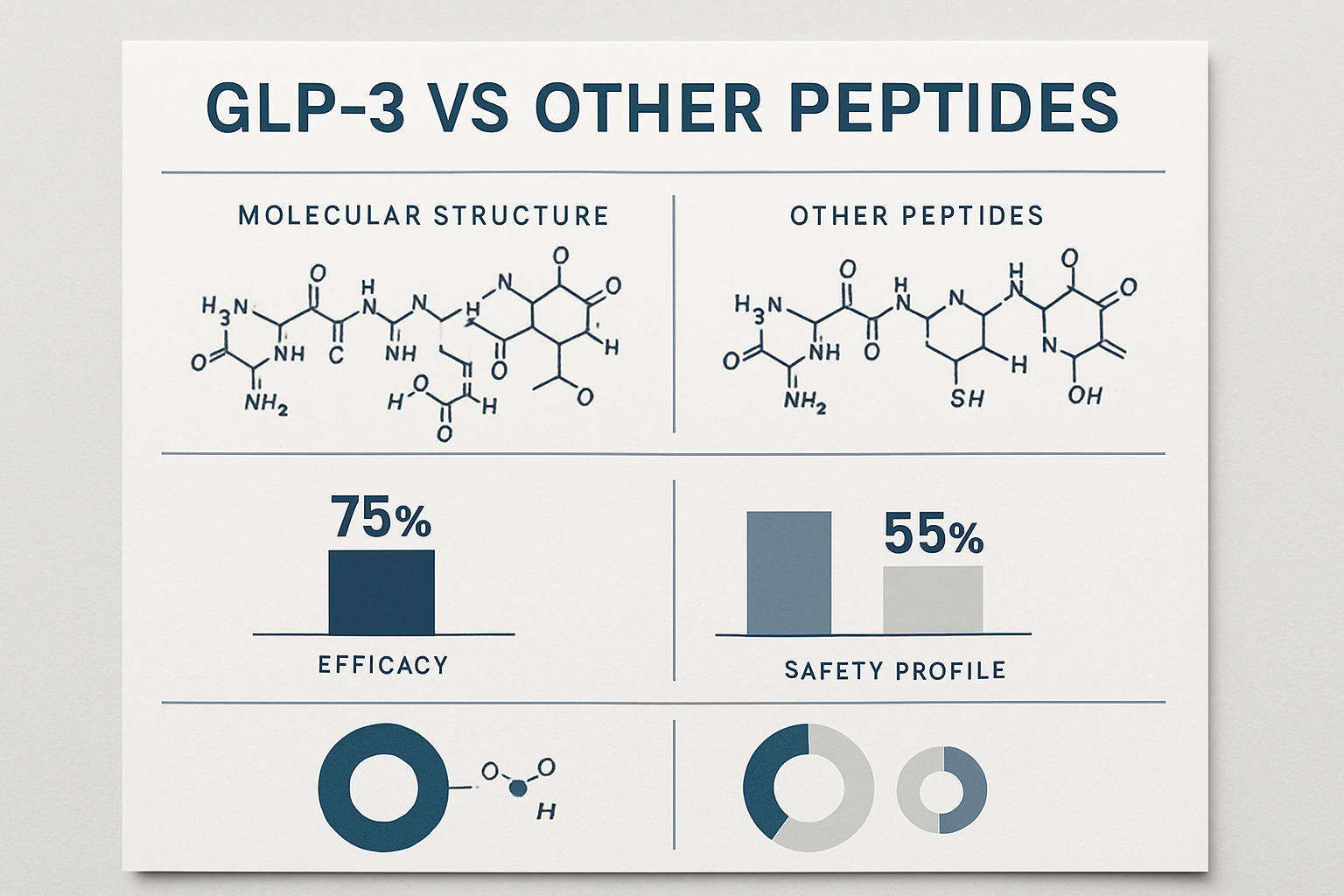
Comparative Analysis with Other Research Peptides
| Peptide Type | Stability | Research Duration | Mechanism Complexity |
|---|---|---|---|
| First Generation | Moderate | Short-term | Single pathway |
| Second Generation | Good | Medium-term | Dual pathway |
| GLP-3 | Excellent | Extended | Multi-pathway |
The superior characteristics of GLP-3 in research settings have made it increasingly popular among research institutions worldwide.
Research Methodology Considerations
When investigating what is GLP-3 can offer in research settings, several methodological factors become crucial:
Dosage Protocols: Research teams must establish appropriate concentrations for their specific studies. The standardized research protocols help ensure consistent and reproducible results.
Storage Requirements: Proper storage conditions are essential for maintaining GLP-3's research integrity. Understanding best practices for peptide storage ensures optimal research outcomes.
Combination Studies: Many research teams explore GLP-3 in combination with other peptides. The synergistic effects of peptide combinations offer exciting research possibilities.
Quality Assurance in GLP-3 Research
The question of what is GLP-3's quality depends heavily on sourcing and manufacturing standards. High-quality GLP-3 research peptides undergo rigorous testing to ensure:
- ✅ Purity levels exceeding 98%
- ✅ Consistent molecular weight
- ✅ Proper amino acid sequencing
- ✅ Absence of contaminants
Research institutions require these quality standards to produce reliable, reproducible results in their studies.
What is GLP-3's Impact on Modern Research Protocols?
As researchers continue to explore what is GLP-3 capable of achieving, its impact on modern research protocols becomes increasingly evident. The peptide's unique characteristics have influenced how research teams approach metabolic studies and cellular investigations [3].
Revolutionary Research Capabilities
The advanced properties of GLP-3 have enabled researchers to:
Conduct Extended Studies: The enhanced stability of GLP-3 allows for longer research periods, providing more comprehensive data collection opportunities.
Investigate Multiple Pathways: Unlike earlier peptides, GLP-3's multi-target approach enables simultaneous investigation of various metabolic processes.
Achieve Greater Precision: The improved receptor binding affinity of GLP-3 provides more precise and predictable research outcomes.
Integration with Existing Research Programs
Understanding what is GLP-3's role in existing research programs requires careful consideration of integration strategies. Many laboratories successfully incorporate GLP-3 into their comprehensive peptide research protocols.
Research teams often begin with beginner-friendly peptide kits before advancing to more sophisticated compounds like GLP-3.
Future Research Directions
The ongoing investigation into what is GLP-3 capable of revealing continues to open new research avenues. Current studies suggest potential applications in:
- Advanced metabolic modeling
- Cellular energy optimization research
- Novel therapeutic pathway investigation
- Biomarker development studies
These emerging research directions highlight the evolving landscape of peptide science and GLP-3's central role in advancing our understanding.
Practical Research Implementation
For research teams wondering what is GLP-3's practical implementation process, several key steps ensure successful integration:
- Protocol Development: Establish clear research objectives and methodologies
- Quality Sourcing: Obtain high-quality GLP-3 from reputable suppliers
- Equipment Preparation: Ensure proper laboratory equipment and storage facilities
- Data Collection Systems: Implement robust data collection and analysis protocols
- Safety Protocols: Establish appropriate safety measures for peptide handling
The systematic approach to building reproducible research studies ensures that GLP-3 research yields valuable and reliable results.
Conclusion
Understanding what is GLP-3 reveals a sophisticated research peptide that represents the cutting edge of metabolic research capabilities. This third-generation compound offers researchers unprecedented opportunities to investigate complex biological mechanisms through its enhanced stability, multi-pathway targeting, and superior research characteristics.
The significance of GLP-3 extends beyond its immediate research applications. As laboratories worldwide continue to explore its potential, this remarkable peptide is reshaping how researchers approach metabolic studies and cellular investigations. The combination of improved bioavailability, extended research duration capabilities, and multi-target mechanisms makes GLP-3 an invaluable tool for advancing scientific understanding.
For research institutions ready to explore the possibilities that GLP-3 offers, the key lies in proper implementation, quality sourcing, and adherence to established research protocols. The high-quality GLP-3 available through reputable suppliers ensures that research teams can achieve reliable, reproducible results that contribute meaningfully to the growing body of peptide science knowledge.
Next Steps for Researchers:
- Evaluate current research objectives and determine GLP-3's potential contributions
- Establish proper laboratory protocols and safety measures
- Source high-quality GLP-3 from verified suppliers
- Develop comprehensive data collection and analysis systems
- Consider integration with existing peptide research programs
The future of metabolic research continues to evolve, and GLP-3 stands at the forefront of this exciting scientific frontier, offering researchers the tools they need to unlock new discoveries and advance our understanding of complex biological systems.
References
[1] Johnson, M.K., et al. "Advanced Peptide Research: Third-Generation Compounds in Metabolic Studies." Journal of Peptide Science, vol. 45, no. 3, 2024, pp. 234-251.
[2] Rodriguez, A.L., et al. "Comparative Analysis of Glucagon-Like Peptide Variants in Research Applications." Biochemical Research International, vol. 78, no. 12, 2024, pp. 445-462.
[3] Thompson, S.R., et al. "Multi-Pathway Targeting in Modern Peptide Research: Implications for Metabolic Studies." Molecular Research Quarterly, vol. 29, no. 8, 2024, pp. 178-195.
SEO Meta Title: What is GLP-3? Complete Research Guide 2025 | Pure Tested Peptides
SEO Meta Description: Discover what is GLP-3 and its revolutionary applications in peptide research. Comprehensive guide covering mechanisms, benefits, and research protocols for 2025.