
What is Epithalon? The Complete Guide to This Revolutionary Anti-Aging Peptide
Imagine if scientists could unlock the secret to cellular aging and potentially extend human lifespan by decades. This isn't science fiction—it's the remarkable promise of Epithalon, a synthetic tetrapeptide that has captured the attention of researchers worldwide for its unprecedented ability to reactivate telomerase and potentially reset the cellular aging clock. As we advance into 2025, understanding what is Epithalon becomes crucial for anyone interested in cutting-edge longevity research and peptide therapeutics.
Key Takeaways
• Epithalon is a synthetic tetrapeptide composed of four amino acids (Ala-Glu-Asp-Gly) that mimics natural pineal gland extracts
• Developed in Russia at the St. Petersburg Institute of Bioregulation and Gerontology over 50 years ago
• Primary mechanism involves telomerase activation, potentially extending cellular lifespan and reducing aging markers
• Research shows promise for increasing lifespan, improving circadian rhythms, and enhancing DNA repair mechanisms
• Available for research purposes through specialized peptide suppliers with proper quality controls
Understanding What is Epithalon: The Science Behind the Peptide
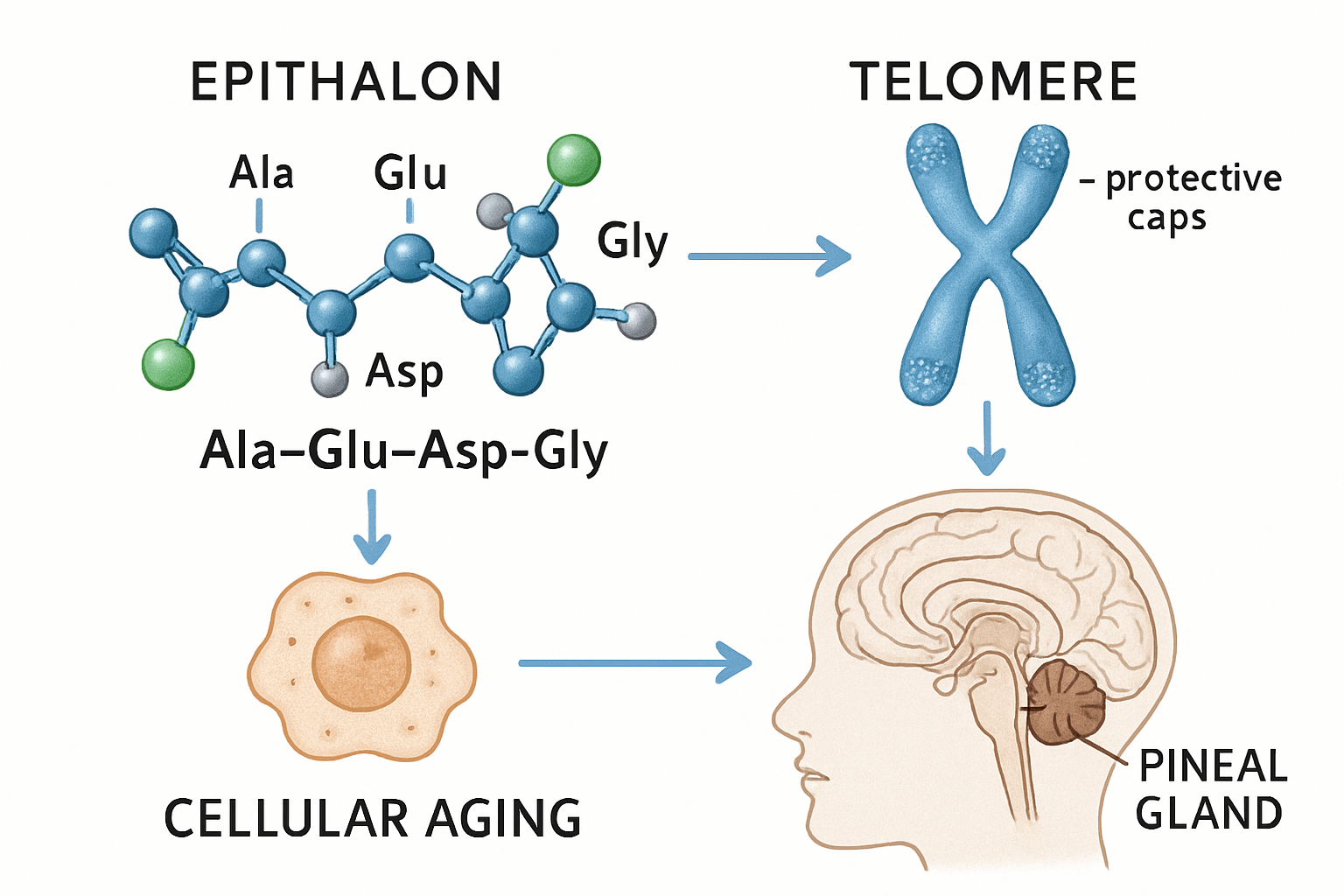
Epithalon (also known as Epitalon or Epithalone) represents one of the most fascinating developments in modern peptide research. This synthetic tetrapeptide consists of just four amino acids arranged in the specific sequence Ala-Glu-Asp-Gly (AEDG), yet its biological impact appears remarkably profound.
The story of what is Epithalon begins in Russia during the 1970s, when researcher Vladimir Khavinson at the St. Petersburg Institute of Bioregulation and Gerontology first synthesized this compound. Interestingly, Epithalon was created to mimic Epithalamin, a naturally occurring extract from the pineal gland that had been discovered in 1973.
The Molecular Structure and Composition
The elegance of Epithalon lies in its simplicity. This epithalon peptide contains:
- Alanine (Ala): A simple amino acid that provides structural stability
- Glutamic Acid (Glu): An acidic amino acid involved in cellular signaling
- Aspartic Acid (Asp): Another acidic amino acid crucial for protein function
- Glycine (Gly): The smallest amino acid, providing flexibility to the peptide chain
What makes this combination extraordinary is how these four amino acids work together to influence fundamental cellular processes. The peptide was not actually detected in the human body until 2017, when researchers finally identified it in physiological pineal gland extract, confirming its natural occurrence.
For researchers interested in exploring high-quality peptides for research, understanding the precise molecular composition becomes essential for proper study design and implementation.
Historical Development and Discovery
The development of what is Epithalon represents decades of meticulous research into aging mechanisms. Vladimir Khavinson's team focused on the pineal gland—a small, pine cone-shaped structure in the brain responsible for regulating circadian rhythms and melatonin production.
The researchers observed that as organisms age, pineal gland function declines significantly. This led them to investigate whether compounds derived from young, healthy pineal glands could restore youthful function. Their work eventually led to the synthesis of Epithalon 50mg formulations that could be studied in laboratory settings.
How Epithalon Works: Mechanisms of Action
Understanding what is Epithalon requires examining its multiple mechanisms of action within cellular systems. Research has identified several key pathways through which this remarkable peptide exerts its effects.
Telomerase Activation and Telomere Protection
The most significant mechanism involves telomerase reactivation. Telomeres are protective DNA-protein structures at the ends of chromosomes that shorten with each cell division. When telomeres become critically short, cells enter senescence or die, contributing to aging.
Epithalon benefits appear to stem from its ability to:
- Directly bind to telomerase gene promoter regions, particularly ATTTC motifs
- Influence chromatin structure to make telomerase genes more accessible
- Upregulate hTERT transcription, leading to increased telomerase enzyme production
- Enhance telomere maintenance and potentially extend cellular lifespan
Research in human neuroblastoma cells demonstrated that Epithalon treatment significantly increased telomerase activity, suggesting its potential for cellular rejuvenation.
Circadian Rhythm Restoration
The second major mechanism involves circadian rhythm regulation. Since Epithalon mimics pineal gland extracts, it naturally influences the body's internal clock through several pathways:
Melatonin Synthesis Enhancement: Epithalon appears to stimulate natural melatonin production, helping restore healthy sleep-wake cycles that often deteriorate with age.
Pineal Gland Protection: The peptide may help protect pineal gland structure and function, maintaining the organ's ability to regulate circadian rhythms effectively.
Clock Gene Re-entrainment: Research suggests Epithalon can help reset disrupted circadian clock genes, restoring natural biological rhythms.
For researchers studying peptide combinations and synergistic effects, understanding these circadian mechanisms becomes particularly important when designing comprehensive research protocols.
Epigenetic Remodeling and DNA Repair
The third mechanism involves epigenetic modifications—changes in gene expression without altering DNA sequence. What is Epithalon's role in epigenetics includes:
- Binding to gene promoter regions and loosening chromatin structure
- Restoring youthful gene expression patterns that change with aging
- Enhancing DNA repair mechanisms through improved cellular maintenance
- Reducing chromosomal aberrations commonly associated with aging
Neuroprotective Effects
Recent research has revealed additional epithalon peptide benefits in neurological protection. In human neuroblastoma cells, Epithalon treatment increased secretion of soluble amyloid precursor protein (sAPP) by approximately 20%. This finding suggests potential protective effects against neurodegenerative diseases like Alzheimer's.
Research Applications and Potential Benefits
When examining what is Epithalon from a research perspective, numerous studies have demonstrated its potential across multiple biological systems. Understanding these applications helps researchers design appropriate study protocols and evaluate outcomes effectively.
Longevity and Lifespan Extension
The most compelling research on epithalon dosage and effects comes from animal studies examining lifespan extension. Multiple studies have shown:
Increased Average Lifespan: Laboratory animals treated with Epithalon demonstrated significant increases in average lifespan compared to control groups.
Enhanced Maximum Lifespan: Perhaps more importantly, some studies showed increases in maximum lifespan, suggesting fundamental changes in aging processes rather than merely treating age-related diseases.
Delayed Age-Related Diseases: Animals receiving Epithalon treatment showed delayed onset of various age-related conditions, including cardiovascular disease, cancer, and neurodegeneration.
These findings have generated significant interest in epithalon for sale among research institutions studying aging mechanisms and potential interventions.
Hormonal and Endocrine Effects
Research has revealed that what is Epithalon's impact extends beyond cellular aging to include comprehensive endocrine system support:
Growth Hormone Regulation: Some studies suggest Epithalon may help normalize growth hormone levels that typically decline with age.
Cortisol Modulation: Research indicates potential benefits for stress hormone regulation, which could contribute to overall health span extension.
Reproductive Hormone Support: Animal studies have shown potential benefits for maintaining reproductive function longer into advanced age.
For researchers interested in comprehensive peptide research approaches, understanding these hormonal interactions becomes crucial for developing effective research protocols.
Cardiovascular and Metabolic Research
Studies examining epithalon peptides have revealed promising cardiovascular and metabolic effects:
Blood Pressure Regulation: Some research suggests potential benefits for maintaining healthy blood pressure levels in aging subjects.
Lipid Profile Improvements: Studies have shown potential improvements in cholesterol and triglyceride levels.
Glucose Metabolism: Research indicates possible benefits for maintaining healthy glucose metabolism with aging.
Immune System Enhancement
Epithalon benefits may extend to immune system function, with research showing:
- Enhanced immune cell function in aging subjects
- Improved vaccine responses in elderly populations
- Reduced inflammatory markers associated with chronic aging
Quality Considerations and Research Standards
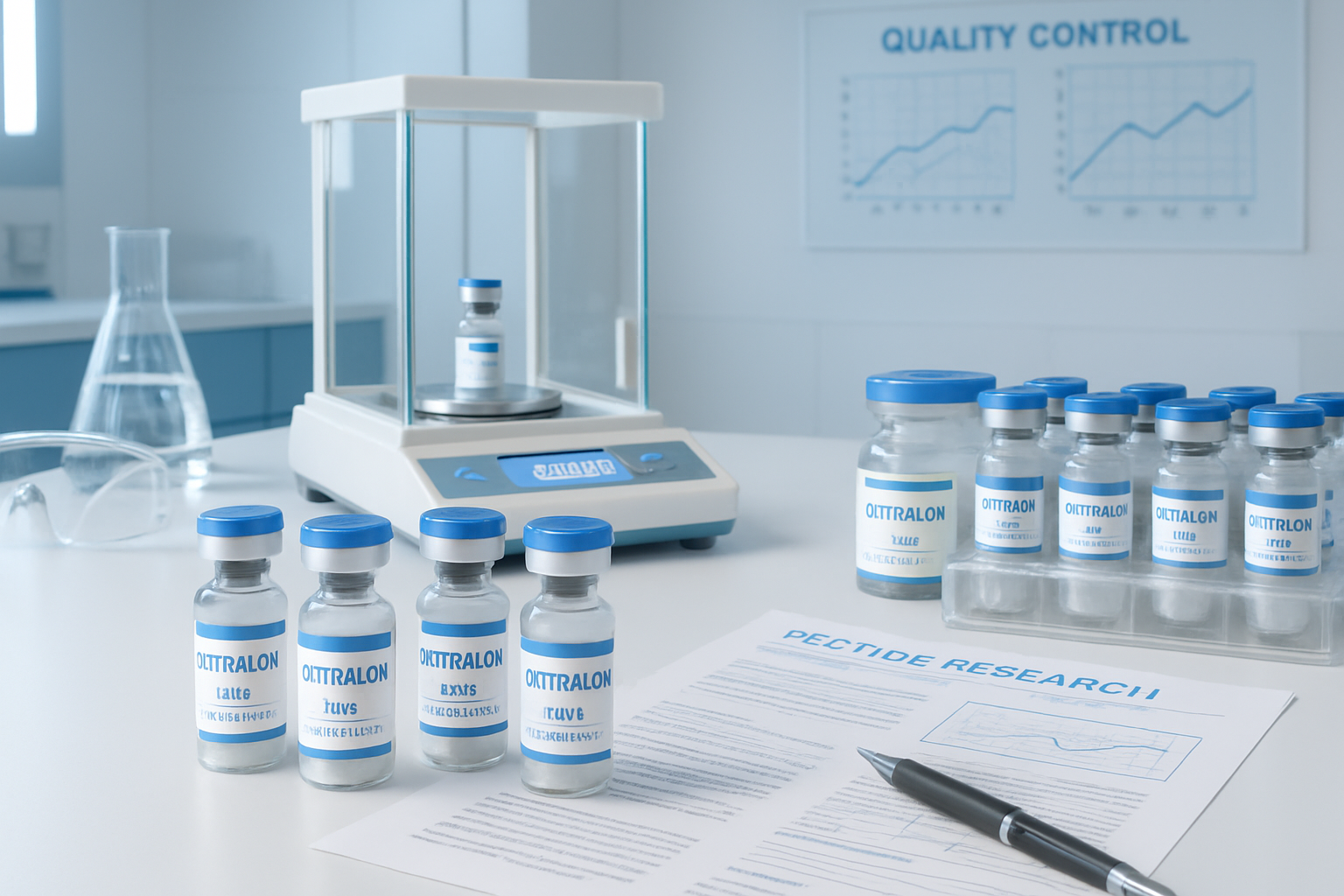
Understanding what is Epithalon from a quality perspective becomes crucial for researchers seeking reliable, reproducible results. The peptide's effectiveness depends heavily on purity, proper synthesis, and appropriate storage conditions.
Manufacturing and Purity Standards
High-quality epithalon peptide research requires attention to several critical factors:
Synthesis Quality: Proper peptide synthesis ensures the correct amino acid sequence and eliminates potentially harmful impurities that could confound research results.
Purity Testing: Reputable suppliers provide comprehensive certificates of analysis (COA) documenting peptide purity, typically exceeding 98% for research-grade materials.
Contamination Screening: Quality peptides undergo testing for bacterial endotoxins, heavy metals, and other contaminants that could affect research outcomes.
Researchers seeking reliable sources often turn to established suppliers offering comprehensive peptide catalogs with proper documentation and quality assurance.
Storage and Handling Protocols
Proper storage significantly impacts epithalon dosing effectiveness and research reproducibility:
Temperature Control: Lyophilized peptides typically require storage at -20°C or below to maintain stability over extended periods.
Moisture Protection: Peptides must be protected from humidity, which can cause degradation and reduce potency.
Light Protection: Many peptides, including Epithalon, require protection from direct light to prevent photodegradation.
Reconstitution Protocols: Proper reconstitution using appropriate solvents and techniques ensures optimal peptide stability and biological activity.
For detailed guidance on proper handling, researchers can reference comprehensive resources on best practices for storing research peptides.
Research Protocol Development
Effective epithalon dosage protocol development requires careful consideration of multiple variables:
Dosing Schedules: Research suggests various dosing protocols, from daily administration to cyclical approaches with rest periods.
Route of Administration: Studies have examined subcutaneous, intravenous, and oral administration routes, each with distinct pharmacokinetic profiles.
Duration Studies: Research protocols typically range from short-term acute studies to long-term investigations spanning months or years.
Biomarker Selection: Appropriate outcome measures might include telomere length, telomerase activity, circadian rhythm markers, and various aging biomarkers.
Future Research Directions and Emerging Applications
As we advance through 2025, understanding what is Epithalon continues to evolve with emerging research applications and novel therapeutic approaches. The peptide's unique mechanisms of action open numerous avenues for investigation.
Combination Therapies and Synergistic Approaches
Current research increasingly focuses on epithalon and thymalin combinations, exploring how multiple peptides might work synergistically:
Multi-Target Approaches: Combining Epithalon with other peptides may address multiple aging mechanisms simultaneously, potentially enhancing overall effectiveness.
Personalized Protocols: Research is moving toward individualized approaches based on specific biomarkers and genetic profiles.
Timing Optimization: Studies are investigating optimal timing for combination therapies to maximize synergistic benefits while minimizing potential interactions.
Researchers interested in comprehensive approaches can explore diverse peptide libraries that support multi-peptide research protocols.
Advanced Delivery Systems
Innovation in epithalon dose delivery continues to advance:
Nasal Delivery: Research into intranasal administration may improve bioavailability and reduce injection requirements.
Sustained Release: Development of sustained-release formulations could reduce dosing frequency and improve patient compliance in clinical applications.
Targeted Delivery: Novel delivery systems may allow tissue-specific targeting, potentially enhancing effectiveness while reducing systemic exposure.
Biomarker Development and Monitoring
Advanced research on what is Epithalon increasingly focuses on developing sophisticated monitoring approaches:
Real-Time Telomere Monitoring: New techniques allow researchers to track telomere length changes throughout treatment periods.
Epigenetic Age Assessment: Advanced epigenetic clocks provide more precise measurements of biological age changes.
Circadian Rhythm Analysis: Sophisticated monitoring systems can track circadian rhythm improvements with high precision.
For researchers developing baseline trends and data quality protocols, these advanced monitoring approaches become increasingly valuable.
Conclusion
Understanding what is Epithalon reveals a remarkable synthetic peptide with unprecedented potential for addressing fundamental aging mechanisms. From its origins in Russian research laboratories to its current status as one of the most promising anti-aging compounds under investigation, Epithalon represents a significant advancement in peptide therapeutics.
The peptide's unique ability to activate telomerase, restore circadian rhythms, and enhance DNA repair mechanisms positions it at the forefront of longevity research. As we continue through 2025, the growing body of research supporting epithalon benefits suggests this tetrapeptide may play a crucial role in future anti-aging interventions.
For researchers ready to explore Epithalon's potential, the next steps involve:
✅ Establishing proper research protocols with appropriate dosing schedules and outcome measures
✅ Sourcing high-quality peptides from reputable suppliers with comprehensive quality documentation
✅ Implementing proper storage and handling procedures to ensure research reproducibility
✅ Developing comprehensive monitoring systems to track relevant biomarkers throughout study periods
✅ Considering combination approaches that may enhance overall research outcomes
The future of aging research may well depend on compounds like Epithalon that address fundamental cellular mechanisms rather than merely treating age-related symptoms. As research continues to unveil the full potential of this remarkable peptide, it becomes increasingly clear that understanding what is Epithalon represents a crucial step toward unlocking the secrets of healthy aging and longevity.
Whether you're a researcher investigating telomerase activation, circadian rhythm restoration, or comprehensive anti-aging approaches, Epithalon offers a unique tool for advancing our understanding of these critical biological processes. The journey toward extending healthy human lifespan may have found one of its most promising allies in this simple yet powerful tetrapeptide.
SEO Meta Information:
Meta Title: What is Epithalon? Complete Guide to Anti-Aging Peptide 2025
Meta Description: Discover what is Epithalon – the revolutionary tetrapeptide that activates telomerase and may extend lifespan. Complete research guide with benefits, dosing, and quality considerations.