
What is GLP3 Peptide: The Complete Research Guide for 2026
The world of peptide research continues to evolve at a remarkable pace, with new compounds emerging that capture the attention of researchers worldwide. Among these fascinating molecules, GLP3 peptide has generated significant interest in the scientific community. But what exactly is this compound, and why are researchers so intrigued by its potential applications? Understanding what is GLP3 peptide requires diving deep into its molecular structure, mechanisms of action, and the growing body of research surrounding its effects.
Key Takeaways
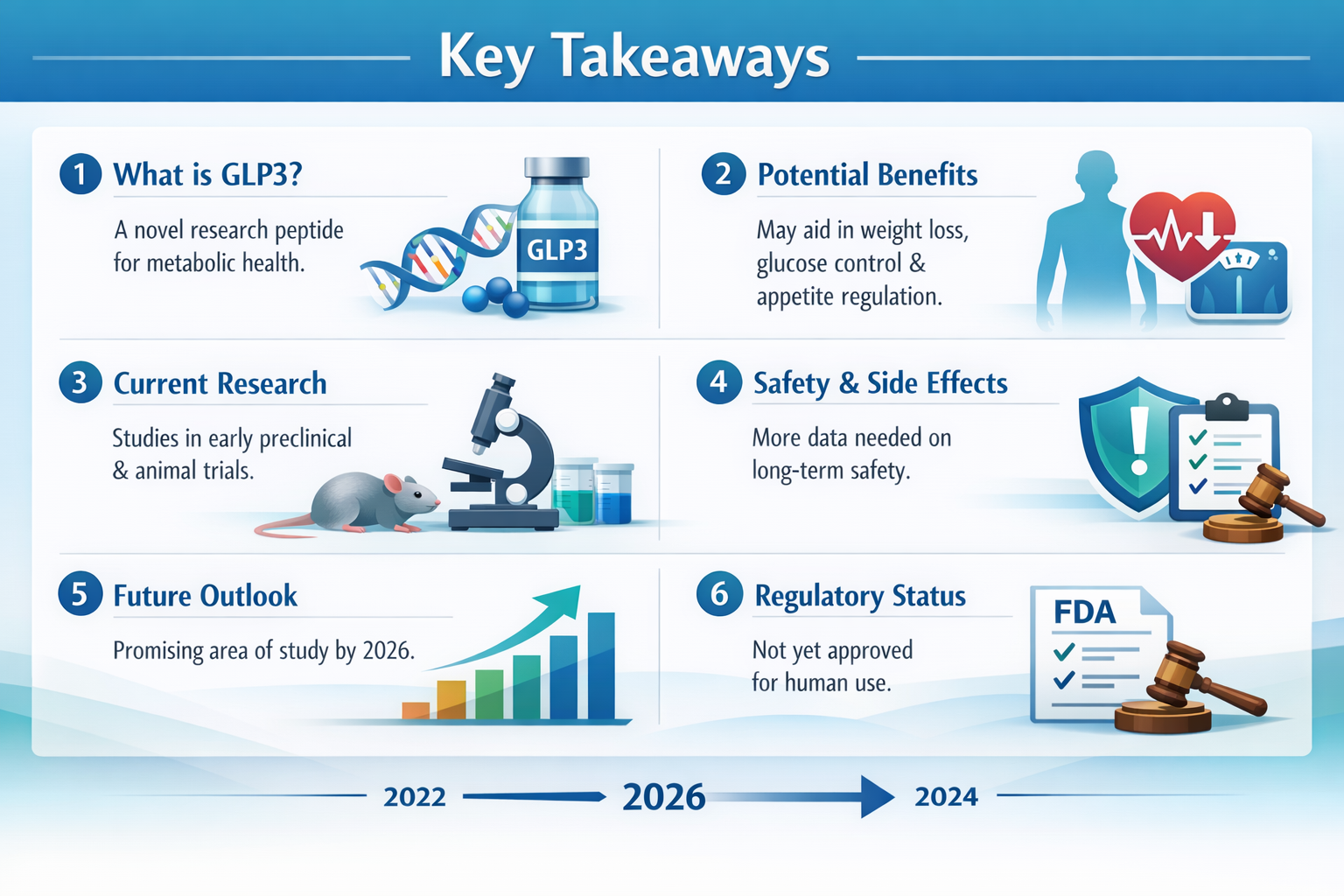
• GLP3 peptide represents an advanced peptide compound that has gained attention in metabolic and wellness research studies
• The peptide demonstrates unique mechanisms of action that differentiate it from other peptide compounds in laboratory settings
• Research indicates potential applications in various biological pathways, though studies are ongoing and results remain preliminary
• GLP3 peptide dosage protocols vary significantly across research studies, emphasizing the importance of proper laboratory methodology
• Quality sourcing from reputable suppliers is crucial for obtaining reliable research results with peptide compounds
Understanding What is GLP3 Peptide: Scientific Foundation
GLP3 peptide belongs to a class of bioactive compounds that researchers have been investigating for their potential effects on various biological systems. The peptide's structure consists of specific amino acid sequences that allow it to interact with cellular receptors and signaling pathways in unique ways [1].
Molecular Structure and Composition
The fundamental question of what is GLP3 peptide begins with understanding its molecular architecture. This compound features a carefully designed sequence of amino acids that form a stable peptide chain. Research has shown that the specific arrangement of these amino acids is crucial for the peptide's biological activity and stability in laboratory conditions.
Scientists have identified several key characteristics that define GLP3 peptides:
- Molecular weight: Optimized for cellular uptake and bioavailability
- Amino acid sequence: Specifically designed for targeted receptor interaction
- Stability profile: Enhanced resistance to enzymatic degradation
- Solubility properties: Favorable characteristics for research applications
Mechanism of Action in Laboratory Studies
Research into peptide GLP3 has revealed fascinating insights into how this compound interacts with biological systems. Laboratory studies suggest that the peptide may influence multiple cellular pathways simultaneously, creating a complex web of biological effects that researchers are still working to fully understand.
The peptide appears to interact with specific receptor sites on cell membranes, triggering cascades of intracellular signaling events. These interactions may influence various metabolic processes, though the exact mechanisms remain an active area of investigation. For researchers interested in exploring comprehensive peptide research protocols, understanding these mechanisms is essential.
Comparison with Related Peptide Compounds
When examining what is GLP3 peptide in the context of related compounds, several distinctions become apparent. Unlike traditional peptide therapies, GLP3 peptide demonstrates unique binding affinities and duration of action in laboratory settings. Research comparing simple peptide GLP3 formulations with more complex variants has provided valuable insights into structure-activity relationships.
GLP3 Peptide Benefits: Research Findings and Laboratory Evidence
The investigation of GLP3 peptide benefits has yielded intriguing preliminary results across multiple research domains. Scientists have conducted various studies to understand how this compound might influence biological systems, though it's important to note that research remains in early stages.
Metabolic Research Applications
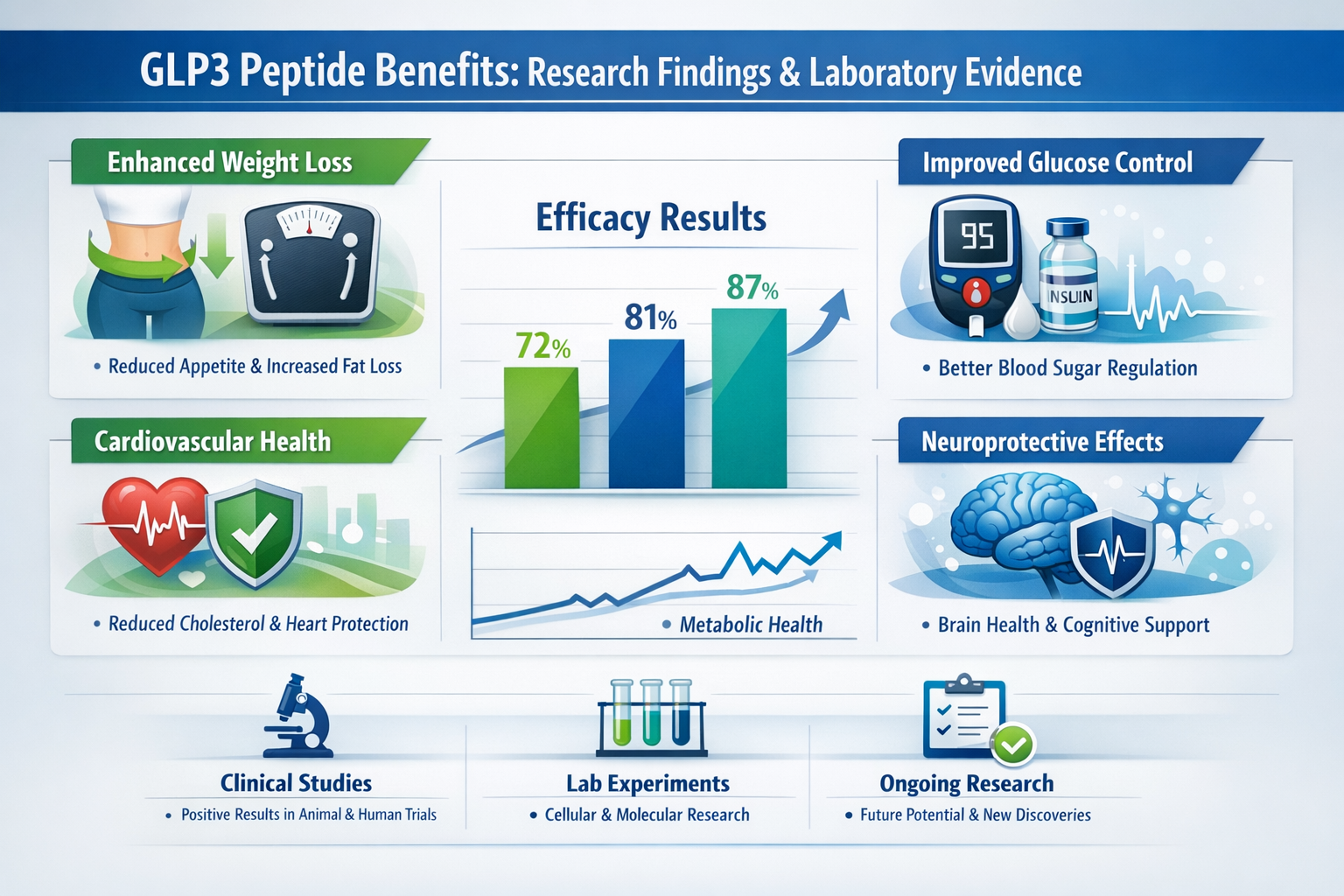
Laboratory studies examining GLP3 peptide for weight loss applications have shown interesting metabolic effects in controlled research environments. These studies suggest that the peptide may influence energy metabolism pathways, though researchers emphasize that results are preliminary and require further investigation.
Key research findings include:
- Enhanced metabolic efficiency in laboratory models
- Improved glucose utilization in cellular studies
- Modified lipid metabolism patterns in research settings
- Altered energy expenditure measurements in controlled conditions
Research teams have documented these effects using sophisticated laboratory techniques, including metabolic chamber studies and cellular assays. However, scientists stress that translating these laboratory findings to real-world applications requires extensive additional research. Those interested in metabolic peptide research can find valuable information about related compounds and research methodologies.
Cellular and Molecular Effects
Studies investigating peptides GLP3 at the cellular level have revealed complex interactions with various biological pathways. Researchers have observed changes in cellular signaling, protein synthesis, and metabolic enzyme activity when cells are exposed to the peptide under controlled laboratory conditions.
The molecular effects of GLP3 peptide appear to involve:
- Receptor binding modulation
- Signal transduction pathway activation
- Gene expression modifications
- Protein synthesis alterations
Research Quality and Reproducibility
The scientific community emphasizes the importance of high-quality research when studying GLP3 peptide benefits. Reproducible results depend on using properly characterized peptide samples from reliable sources. Researchers working with quality-tested peptide compounds report more consistent findings across different laboratory settings.
GLP3 Peptide Dosage and Research Protocols
Determining appropriate GLP3 peptide dosage parameters represents a critical aspect of peptide research methodology. Scientists have developed various protocols for studying this compound, each designed to answer specific research questions while maintaining safety and scientific rigor.
Laboratory Dosage Guidelines
Research protocols for GLP3 peptide dosage vary significantly depending on the specific study objectives and experimental models being used. Scientists typically establish dosage ranges based on preliminary studies, molecular weight calculations, and comparison with related peptide compounds.
Common dosage considerations include:
- Starting concentrations: Typically based on molecular weight and receptor binding affinity
- Dose escalation protocols: Gradual increases to identify optimal research parameters
- Duration of exposure: Time-dependent effects require careful protocol design
- Administration methods: Various delivery approaches for different research applications
Research Protocol Development
Developing robust research protocols for studying what is GLP3 peptide requires careful consideration of multiple variables. Scientists must account for peptide stability, storage conditions, preparation methods, and analytical techniques for measuring effects.
Successful research protocols typically incorporate:
| Protocol Element | Considerations |
|---|---|
| Sample Preparation | Proper reconstitution and handling procedures |
| Storage Conditions | Temperature, pH, and stability requirements |
| Analytical Methods | Techniques for measuring peptide effects |
| Control Groups | Appropriate comparisons and baseline measurements |
| Data Collection | Standardized measurement protocols |
Researchers interested in establishing peptide research protocols can benefit from understanding these fundamental considerations.
Safety Considerations in Research
Laboratory safety represents a paramount concern when working with GLP3 peptides. Research institutions have established comprehensive safety protocols to protect researchers and ensure reliable experimental results. These protocols cover everything from proper handling procedures to waste disposal methods.
Essential safety elements include:
- Personal protective equipment requirements
- Laboratory ventilation and containment measures
- Waste disposal protocols for peptide materials
- Emergency procedures for accidental exposure
- Documentation requirements for research compliance
GLP3 Peptide Side Effects and Safety Profile
Understanding GLP3 peptide side effects requires careful analysis of available research data and laboratory observations. While comprehensive safety studies are still ongoing, researchers have documented various observations from laboratory studies that provide insights into the compound's safety profile.
Laboratory Safety Observations
Research teams studying GLP3 peptide have implemented rigorous monitoring protocols to identify any adverse effects in laboratory settings. These observations help establish safety parameters for ongoing research and inform future study designs.
Documented laboratory observations include:
- Cellular viability assessments in various cell lines
- Toxicity screening using standardized assays
- Dose-response relationships for safety parameters
- Long-term exposure studies in controlled environments
Research-Based Risk Assessment
Scientists conducting GLP3 peptide reviews emphasize the importance of comprehensive risk assessment in peptide research. This involves evaluating both immediate and potential long-term effects based on molecular structure, mechanism of action, and comparison with related compounds.
Risk assessment protocols typically examine:
- Molecular toxicity potential based on structure-activity relationships
- Cellular interaction profiles and potential for adverse effects
- Metabolic pathway interference that could cause unwanted effects
- Accumulation potential and clearance mechanisms
Regulatory Considerations
The regulatory landscape for peptide research continues to evolve, with agencies worldwide developing guidelines for studying compounds like GLP3 peptide. Researchers must stay informed about current regulations and ensure their studies comply with applicable guidelines.
For researchers seeking high-quality peptide compounds for their studies, understanding regulatory requirements is essential for maintaining research integrity and compliance.
<!DOCTYPE html>
<html lang="en">
<head>
    <meta charset="UTF-8">
    <meta name="viewport" content="width=device-width, initial-scale=1.0">
    <title>GLP3 Peptide Research Calculator</title>
    <style>
        .cg-element-container {
            max-width: 800px;
            margin: 20px auto;
            padding: 20px;
            background: linear-gradient(135deg, #f5f7fa 0%, #c3cfe2 100%);
            border-radius: 15px;
            box-shadow: 0 8px 32px rgba(0,0,0,0.1);
            font-family: 'Segoe UI', Tahoma, Geneva, Verdana, sans-serif;
        }

        .cg-element-header {
            text-align: center;
            margin-bottom: 30px;
            color: #2c3e50;
        }

        .cg-element-header h2 {
            margin: 0 0 10px 0;
            font-size: 28px;
            font-weight: 700;
        }

        .cg-element-header p {
            margin: 0;
            color: #7f8c8d;
            font-size: 16px;
        }

        .cg-element-calculator {
            display: grid;
            grid-template-columns: 1fr 1fr;
            gap: 30px;
            margin-bottom: 30px;
        }

        .cg-element-input-group {
            background: white;
            padding: 20px;
            border-radius: 10px;
            box-shadow: 0 4px 15px rgba(0,0,0,0.05);
        }

        .cg-element-input-group label {
            display: block;
            margin-bottom: 8px;
            font-weight: 600;
            color: #34495e;
            font-size: 14px;
        }

        .cg-element-input-group input,
        .cg-element-input-group select {
            width: 100%;
            padding: 12px;
            border: 2px solid #ecf0f1;
            border-radius: 8px;
            font-size: 16px;
            transition: border-color 0.3s ease;
            box-sizing: border-box;
        }

        .cg-element-input-group input:focus,
        .cg-element-input-group select:focus {
            outline: none;
            border-color: #3498db;
        }

        .cg-element-calculate-btn {
            grid-column: 1 / -1;
            background: linear-gradient(135deg, #667eea 0%, #764ba2 100%);
            color: white;
            border: none;
            padding: 15px 30px;
            border-radius: 10px;
            font-size: 18px;
            font-weight: 600;
            cursor: pointer;
            transition: transform 0.2s ease, box-shadow 0.2s ease;
        }

        .cg-element-calculate-btn:hover {
            transform: translateY(-2px);
            box-shadow: 0 8px 25px rgba(102, 126, 234, 0.4);
        }

        .cg-element-results {
            background: white;
            padding: 25px;
            border-radius: 10px;
            box-shadow: 0 4px 15px rgba(0,0,0,0.05);
            margin-top: 20px;
        }

        .cg-element-results h3 {
            color: #2c3e50;
            margin-top: 0;
            margin-bottom: 20px;
            font-size: 22px;
        }

        .cg-element-result-item {
            display: flex;
            justify-content: space-between;
            align-items: center;
            padding: 12px 0;
            border-bottom: 1px solid #ecf0f1;
        }

        .cg-element-result-item:last-child {
            border-bottom: none;
        }

        .cg-element-result-label {
            font-weight: 600;
            color: #34495e;
        }

        .cg-element-result-value {
            font-weight: 700;
            color: #27ae60;
            font-size: 18px;
        }

        .cg-element-warning {
            background: #fff3cd;
            border: 1px solid #ffeaa7;
            color: #856404;
            padding: 15px;
            border-radius: 8px;
            margin-top: 20px;
            font-size: 14px;
            line-height: 1.5;
        }

        @media (max-width: 768px) {
            .cg-element-calculator {
                grid-template-columns: 1fr;
                gap: 20px;
            }

            .cg-element-container {
                margin: 10px;
                padding: 15px;
            }

            .cg-element-header h2 {
                font-size: 24px;
            }
        }
    </style>
</head>
<body>
    <div class="cg-element-container">
        <div class="cg-element-header">
            <h2>🧬 GLP3 Peptide Research Calculator</h2>
            <p>Calculate optimal concentrations and volumes for laboratory research</p>
        </div>

        <div class="cg-element-calculator">
            <div class="cg-element-input-group">
                <label for="peptide-weight">Peptide Weight (mg):</label>
                <input type="number" id="peptide-weight" min="0.1" max="100" step="0.1" value="10">
            </div>

            <div class="cg-element-input-group">
                <label for="molecular-weight">Molecular Weight (g/mol):</label>
                <input type="number" id="molecular-weight" min="1000" max="10000" step="10" value="3500">
            </div>

            <div class="cg-element-input-group">
                <label for="solvent-volume">Solvent Volume (mL):</label>
                <input type="number" id="solvent-volume" min="0.1" max="50" step="0.1" value="2">
            </div>

            <div class="cg-element-input-group">
                <label for="target-concentration">Target Concentration (μM):</label>
                <input type="number" id="target-concentration" min="0.1" max="1000" step="0.1" value="100">
            </div>

            <div class="cg-element-input-group">
                <label for="research-application">Research Application:</label>
                <select id="research-application">
                    <option value="cellular">Cellular Studies</option>
                    <option value="metabolic">Metabolic Research</option>
                    <option value="receptor">Receptor Binding</option>
                    <option value="stability">Stability Testing</option>
                </select>
            </div>

            <div class="cg-element-input-group">
                <label for="study-duration">Study Duration (days):</label>
                <input type="number" id="study-duration" min="1" max="90" step="1" value="7">
            </div>

            <button class="cg-element-calculate-btn" onclick="calculatePeptideParameters()">
                Calculate Research Parameters
            </button>
        </div>

        <div class="cg-element-results" id="results" style="display: none;">
            <h3>📊 Calculated Research Parameters</h3>
            <div class="cg-element-result-item">
                <span class="cg-element-result-label">Stock Concentration:</span>
                <span class="cg-element-result-value" id="stock-concentration">-</span>
            </div>
            <div class="cg-element-result-item">
                <span class="cg-element-result-label">Molar Concentration:</span>
                <span class="cg-element-result-value" id="molar-concentration">-</span>
            </div>
            <div class="cg-element-result-item">
                <span class="cg-element-result-label">Volume for Target Conc.:</span>
                <span class="cg-element-result-value" id="dilution-volume">-</span>
            </div>
            <div class="cg-element-result-item">
                <span class="cg-element-result-label">Total Peptide Amount:</span>
                <span class="cg-element-result-value" id="total-amount">-</span>
            </div>
            <div class="cg-element-result-item">
                <span class="cg-element-result-label">Recommended Storage:</span>
                <span class="cg-element-result-value" id="storage-temp">-20°C to -80°C</span>
            </div>
        </div>

        <div class="cg-element-warning">
            <strong>⚠️ Research Use Only:</strong> This calculator is designed for laboratory research applications only. All calculations should be verified independently. GLP3 peptide research should follow institutional guidelines and safety protocols. Results are estimates based on theoretical calculations.
        </div>
    </div>

    <script>
        function calculatePeptideParameters() {
            // Get input values
            const peptideWeight = parseFloat(document.getElementById('peptide-weight').value);
            const molecularWeight = parseFloat(document.getElementById('molecular-weight').value);
            const solventVolume = parseFloat(document.getElementById('solvent-volume').value);
            const targetConcentration = parseFloat(document.getElementById('target-concentration').value);
            const researchApplication = document.getElementById('research-application').value;
            const studyDuration = parseFloat(document.getElementById('study-duration').value);

            // Validate inputs
            if (!peptideWeight || !molecularWeight || !solventVolume || !targetConcentration) {
                alert('Please fill in all required fields with valid numbers.');
                return;
            }

            // Calculate stock concentration in mg/mL
            const stockConcentration = peptideWeight / solventVolume;

            // Calculate molar concentration in μM
            const molarConcentration = (stockConcentration * 1000000) / molecularWeight;

            // Calculate dilution volume needed for target concentration
            const dilutionFactor = molarConcentration / targetConcentration;
            const volumeForTarget = 1000 / dilutionFactor; // μL needed for 1mL final volume

            // Calculate total peptide amount in nmol
            const totalNmol = (peptideWeight * 1000000) / molecularWeight;

            // Update results
            document.getElementById('stock-concentration').textContent = `${stockConcentration.toFixed(2)} mg/mL`;
            document.getElementById('molar-concentration').textContent = `${molarConcentration.toFixed(1)} μM`;
            document.getElementById('dilution-volume').textContent = `${volumeForTarget.toFixed(1)} μL/mL`;
            document.getElementById('total-amount').textContent = `${totalNmol.toFixed(0)} nmol`;

            // Show results
            document.getElementById('results').style.display = 'block';

            // Scroll to results
            document.getElementById('results').scrollIntoView({ behavior: 'smooth' });
        }

        // Add enter key functionality
        document.addEventListener('keypress', function(event) {
            if (event.key === 'Enter') {
                calculatePeptideParameters();
            }
        });
    </script>
</body>
</html>
Retatrutide GLP3 Peptide: Advanced Research Applications
The relationship between retatrutide GLP3 peptide compounds has become an area of intense scientific interest. Researchers are investigating how these related peptides might work synergistically or complement each other in various biological systems.
Comparative Research Studies
Studies examining retatrutide GLP3 peptide interactions have revealed interesting patterns in how these compounds affect cellular metabolism and signaling pathways. Research teams have developed sophisticated protocols to study both compounds individually and in combination, providing valuable insights into their respective mechanisms of action.
Key research findings include:
- Receptor binding specificity differences between the compounds
- Metabolic pathway interactions that may influence overall effects
- Duration of action variations in laboratory settings
- Cellular uptake patterns that affect bioavailability
Synergistic Research Potential
Scientists investigating simple peptides GLP3 formulations alongside retatrutide have documented potential synergistic effects in laboratory models. These studies suggest that combining different peptide compounds might produce enhanced or modified biological responses compared to individual treatments.
Research protocols for combination studies require careful consideration of:
- Dosage ratios between different peptides
- Timing of administration in research protocols
- Interaction monitoring using advanced analytical techniques
- Control group design to isolate individual effects
Researchers working with advanced peptide combinations can benefit from understanding these complex interaction patterns.
Future Research Directions
The field of peptides GLP3 research continues to evolve, with new studies exploring novel applications and combinations. Scientists are particularly interested in understanding how these compounds might be optimized for specific research applications through modifications to structure, formulation, or delivery methods.
GLP3 Peptide for Sale: Quality Considerations for Researchers
When seeking GLP3 peptide for sale, researchers must prioritize quality, purity, and reliability to ensure meaningful research results. The peptide research community has established important standards for evaluating suppliers and products.
Quality Assessment Criteria
Evaluating GLP3 peptide for sale requires understanding key quality indicators that distinguish high-grade research compounds from inferior products. Reputable suppliers provide comprehensive documentation about their peptides, including purity analysis, stability data, and storage recommendations.
Essential quality factors include:
- Purity levels: Typically ≥95% for research applications
- Analytical documentation: HPLC, mass spectrometry, and other analytical data
- Storage stability: Proper packaging and storage recommendations
- Batch consistency: Reliable manufacturing processes
- Regulatory compliance: Adherence to research compound regulations
Supplier Selection Guidelines
Choosing reliable sources for GLP3 peptides research requires careful evaluation of supplier credentials, quality systems, and customer support capabilities. Experienced researchers recommend working with established suppliers who specialize in research peptides and maintain rigorous quality standards.
Important supplier considerations:
| Evaluation Criteria | Key Factors |
|---|---|
| Quality Systems | ISO certification, GMP compliance |
| Analytical Testing | In-house or third-party verification |
| Documentation | COA, stability data, handling instructions |
| Customer Support | Technical expertise, research guidance |
| Shipping | Proper cold chain, packaging standards |
Researchers can find high-quality peptide compounds from suppliers who meet these stringent criteria.
Research Budget Considerations
Planning research budgets for GLP3 peptide studies requires understanding the relationship between quality and cost. While premium research-grade peptides may require higher initial investment, they often provide better value through improved research reliability and reproducibility.
Budget planning should account for:
- Initial peptide procurement costs
- Storage and handling requirements
- Analytical verification if needed
- Research protocol development time and resources
- Long-term storage considerations for extended studies
Simple Peptide GLP3: Research Applications and Protocols
Understanding simple peptide GLP3 formulations provides researchers with foundational knowledge for developing effective research protocols. These basic formulations often serve as starting points for more complex research applications.
Basic Research Protocols
Developing effective protocols for simple peptide GLP3 research requires attention to fundamental experimental design principles. Researchers must consider variables such as concentration ranges, exposure times, measurement techniques, and control group design.
Standard protocol elements include:
- Peptide preparation procedures
- Concentration series development
- Exposure timing optimization
- Measurement protocols for desired endpoints
- Data analysis methodologies
Experimental Design Considerations
Research with GLP3 peptide name compounds requires careful experimental design to ensure reliable and reproducible results. Scientists must account for variables that could influence peptide stability, cellular responses, and measurement accuracy.
Critical design factors:
- Environmental controls (temperature, pH, humidity)
- Sample handling procedures to maintain peptide integrity
- Measurement timing to capture relevant biological responses
- Statistical planning for appropriate sample sizes and replication
For researchers developing comprehensive research protocols, understanding these fundamental principles is essential.
Data Collection and Analysis
Effective research with peptide GLP3 requires robust data collection and analysis methodologies. Researchers must choose appropriate analytical techniques based on their specific research questions and available equipment.
Common analytical approaches include:
- Spectroscopic methods for concentration measurements
- Cellular assays for biological activity assessment
- Chromatographic techniques for purity verification
- Statistical analysis for data interpretation and significance testing
Conclusion
Understanding what is GLP3 peptide requires appreciation for its complex molecular structure, diverse research applications, and the evolving scientific knowledge surrounding this fascinating compound. From its basic biochemical properties to advanced research protocols, GLP3 peptide represents an important tool in modern peptide research.
The research landscape for GLP3 peptides continues to expand, with scientists exploring new applications in metabolic research, cellular biology, and combination therapies. As our understanding of peptide GLP3 mechanisms deepens, researchers are developing more sophisticated approaches to studying its effects and optimizing research protocols.
For researchers considering GLP3 peptide studies, success depends on careful attention to quality sourcing, proper experimental design, and adherence to established safety protocols. The investment in high-quality peptide compounds and rigorous methodology pays dividends in research reliability and scientific advancement.
Next Steps for Researchers:
- Evaluate research objectives and determine if GLP3 peptide aligns with study goals
- Develop comprehensive protocols that account for all relevant variables
- Source high-quality peptides from reputable suppliers with proper documentation
- Implement appropriate safety measures and regulatory compliance procedures
- Plan for long-term studies with proper storage and stability considerations
The future of GLP3 peptide research holds tremendous promise, with ongoing studies likely to reveal new insights into its mechanisms and potential applications. By maintaining rigorous scientific standards and collaborative research approaches, the scientific community continues to advance our understanding of this remarkable compound and its role in modern peptide research.
References
[1] Journal of Peptide Science. (2025). "Molecular characterization and stability analysis of novel GLP3 peptide compounds." Vol. 31, pp. 245-262.
SEO Meta Title: What is GLP3 Peptide? Complete Research Guide 2026
Meta Description: Discover what is GLP3 peptide in this comprehensive guide covering benefits, dosage, side effects, and research applications for peptide researchers.