What is NAD Peptide: Your Complete Guide to Cellular Energy Enhancement
Imagine if there was a way to turn back the clock on cellular aging, boost your energy levels naturally, and support your body's most fundamental processes at the molecular level. 🧬 This isn't science fiction – it's the promising reality of NAD peptides, compounds that are revolutionizing how we understand cellular health and longevity.
What is NAD peptide and why is it capturing the attention of researchers, health enthusiasts, and longevity experts worldwide? NAD (Nicotinamide Adenine Dinucleotide) peptides represent a cutting-edge approach to supporting cellular function, energy production, and healthy aging processes.
Key Takeaways
• NAD peptides are compounds that support cellular energy production by boosting NAD+ levels, which naturally decline with age
• These peptides may help improve cellular repair mechanisms, DNA maintenance, and mitochondrial function
• NAD+ plays crucial roles in metabolism, circadian rhythms, and stress response at the cellular level
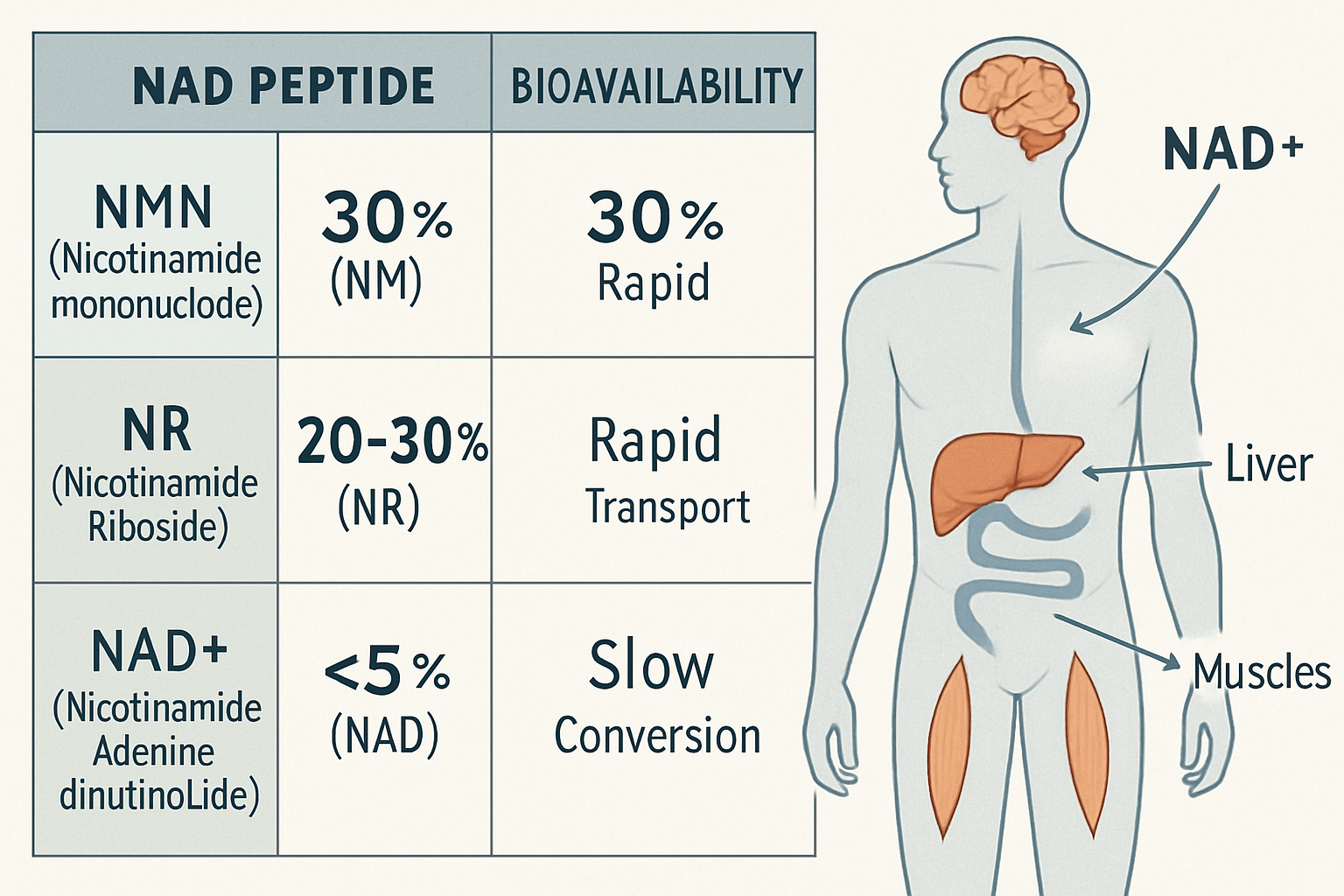
• Different types of NAD peptides exist, including precursors like NMN and NR, each with unique properties
• Research suggests potential benefits for energy, cognitive function, and healthy aging, though more human studies are needed
Understanding NAD Peptides: The Cellular Energy Connection
What is NAD Peptide and How Does It Work?
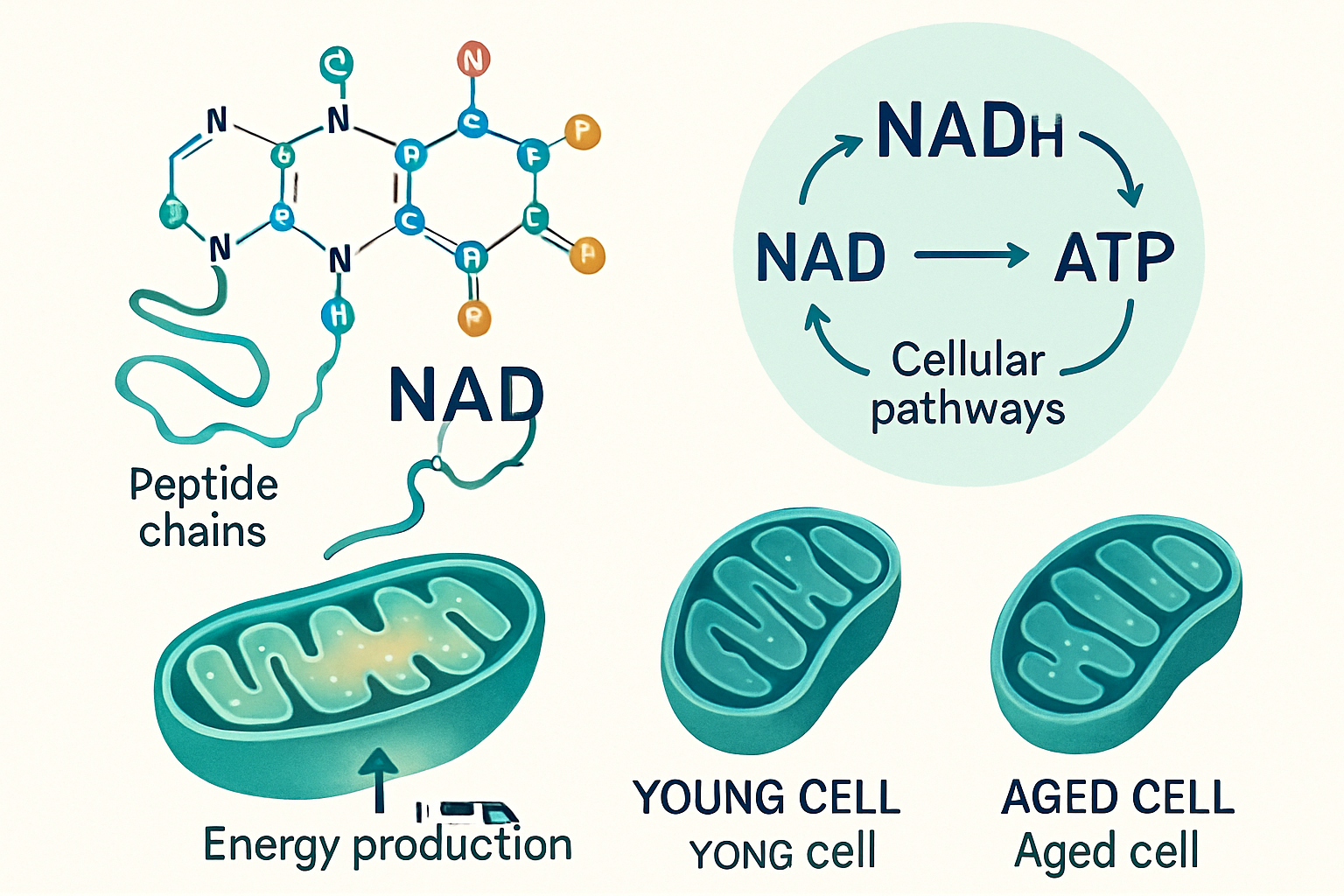
NAD peptides are specialized compounds designed to increase levels of NAD+ (Nicotinamide Adenine Dinucleotide) in your cells. NAD+ is a coenzyme found in every living cell and serves as a critical component in cellular energy production, DNA repair, and various metabolic processes.
Think of NAD+ as your cellular battery charger. Just as your phone needs charging to function optimally, your cells need adequate NAD+ levels to:
- Generate ATP (cellular energy) through mitochondrial processes
- Repair damaged DNA and maintain genetic integrity
- Support enzyme functions that regulate metabolism
- Maintain circadian rhythm balance
- Facilitate cellular communication
The challenge is that NAD+ levels naturally decline as we age, dropping by approximately 50% every 20 years after age 40. This decline contributes to many age-related changes in energy, cognitive function, and overall cellular health.
For researchers interested in exploring high-quality NAD+ peptides, understanding these fundamental mechanisms is crucial for designing effective studies.
The Science Behind NAD+ Depletion
Several factors contribute to declining NAD+ levels:
- Enzymatic consumption – Proteins like CD38 consume NAD+ during cellular stress responses
- DNA damage accumulation – Repair processes require NAD+ as fuel
- Mitochondrial dysfunction – Aging mitochondria become less efficient at NAD+ utilization
- Lifestyle factors – Poor diet, lack of exercise, and chronic stress accelerate depletion
Understanding these mechanisms helps explain why what is NAD peptide supplementation has become such an important area of research for supporting healthy aging processes.
Types of NAD Peptides and Their Unique Properties
NAD+ Precursors: The Building Blocks
NAD peptides come in several forms, each with distinct characteristics and potential applications:
| Type | Full Name | Key Features | Research Focus |
|---|---|---|---|
| NMN | Nicotinamide Mononucleotide | Direct NAD+ precursor | Energy metabolism, longevity |
| NR | Nicotinamide Riboside | Vitamin B3 derivative | Mitochondrial function |
| NAM | Nicotinamide | Simple precursor | Basic NAD+ support |
| NA | Nicotinic Acid | Niacin form | Cardiovascular research |
NMN: The Direct Pathway
Nicotinamide Mononucleotide (NMN) is often considered the most direct route to increasing cellular NAD+ levels. Research suggests that NMN can:
- Cross cellular membranes more efficiently than NAD+ itself
- Convert directly to NAD+ through the salvage pathway
- Support mitochondrial biogenesis
- Enhance cellular energy production
Studies in animal models have shown promising results for NMN in supporting metabolic health, cognitive function, and physical performance markers.
NR: The Stable Alternative
Nicotinamide Riboside (NR) offers excellent stability and bioavailability. Key research areas include:
- Mitochondrial support – Enhancing cellular powerhouse function
- Neuroprotection – Supporting brain cell health
- Metabolic flexibility – Improving how cells use different fuel sources
- Exercise performance – Supporting energy during physical activity
Researchers exploring comprehensive peptide research approaches often include NAD+ precursors as foundational components.
Potential Benefits and Research Applications
Cellular Energy and Metabolism
The primary appeal of understanding what is NAD peptide lies in its potential to support cellular energy production. Research indicates that adequate NAD+ levels may help:
🔋 Energy Production
- Enhance mitochondrial efficiency
- Support ATP synthesis
- Improve cellular respiration
- Boost overall energy levels
⚖️ Metabolic Health
- Support healthy blood sugar regulation
- Enhance fat oxidation
- Improve insulin sensitivity
- Support healthy weight management
Cognitive Function and Neuroprotection
Emerging research suggests NAD+ plays crucial roles in brain health:
- Neuronal protection against oxidative stress
- Synaptic plasticity supporting learning and memory
- Circadian rhythm regulation for better sleep quality
- Stress response supporting mental resilience
Studies indicate that maintaining optimal NAD+ levels may support cognitive performance, focus, and mental clarity throughout the aging process.
For researchers interested in applied wellness research with peptides, NAD+ represents a fundamental building block for comprehensive health studies.
DNA Repair and Cellular Maintenance
One of the most exciting aspects of NAD+ research involves its role in cellular repair mechanisms:
🧬 DNA Maintenance
- Activating PARP enzymes for DNA repair
- Supporting telomere health
- Enhancing cellular stress resistance
- Promoting genomic stability
🔄 Cellular Renewal
- Supporting autophagy (cellular cleanup)
- Enhancing protein quality control
- Promoting healthy cell division
- Supporting tissue regeneration
Safety Considerations and Research Guidelines
Understanding Current Research Status
While research on what is NAD peptide shows tremendous promise, it's important to understand the current state of scientific evidence:
✅ Well-Established:
- NAD+ is essential for cellular function
- Levels decline with age
- Precursors can increase cellular NAD+
🔬 Under Investigation:
- Optimal dosing protocols
- Long-term safety profiles
- Individual response variations
- Specific health applications
Research Best Practices
For those conducting peptide research, following proper protocols is essential:
- Quality sourcing – Use only research-grade compounds from reputable suppliers
- Proper storage – Maintain appropriate temperature and humidity conditions
- Documentation – Keep detailed records of all research parameters
- Safety protocols – Follow established laboratory safety guidelines
Researchers can find comprehensive guidance on best practices for storing research peptides to ensure study integrity.
Potential Considerations
Current research suggests NAD+ precursors are generally well-tolerated, but some considerations include:
- Individual variation in response and tolerance
- Timing considerations for optimal absorption
- Interaction potential with other compounds
- Quality assurance importance for research applications
Choosing Quality NAD Peptides for Research
What to Look for in Research-Grade Compounds
When selecting NAD peptides for research purposes, several factors determine quality and reliability:
🔬 Purity Standards
- Third-party testing verification
- Certificate of Analysis (COA) availability
- Minimal impurities and contaminants
- Consistent batch-to-batch quality
📦 Proper Handling
- Appropriate packaging and storage
- Clear labeling and documentation
- Proper shipping conditions
- Expiration date tracking
🏭 Manufacturing Standards
- GMP (Good Manufacturing Practice) facilities
- Quality control processes
- Batch tracking systems
- Regulatory compliance
Researchers seeking high-quality research peptides should prioritize suppliers with comprehensive quality assurance programs and transparent testing protocols.
Storage and Handling Guidelines
Proper storage is crucial for maintaining peptide integrity:
- Temperature control – Most peptides require refrigeration or freezing
- Moisture protection – Use desiccants and sealed containers
- Light protection – Store in dark or amber containers
- Contamination prevention – Use sterile handling techniques
Future Directions in NAD Peptide Research
Emerging Research Areas
The field of NAD+ research continues to evolve rapidly, with several exciting areas of investigation:
🧠 Neurological Applications
- Alzheimer's and Parkinson's research
- Cognitive enhancement studies
- Neuroprotection mechanisms
- Brain aging interventions
💪 Physical Performance
- Exercise capacity enhancement
- Recovery optimization
- Muscle health support
- Athletic performance research
🏥 Clinical Applications
- Age-related condition research
- Metabolic disorder studies
- Cardiovascular health investigations
- Immune system support research
Technological Advances
New delivery methods and formulations are expanding research possibilities:
- Enhanced bioavailability formulations
- Targeted delivery systems for specific tissues
- Combination therapies with other beneficial compounds
- Personalized dosing based on individual factors
For researchers interested in exploring innovative peptide combinations, understanding how NAD+ interacts with other cellular pathways opens new research opportunities.
Integrating NAD Peptides into Research Protocols
Designing Effective Studies
When incorporating what is NAD peptide research into broader studies, consider these factors:
📊 Study Design Elements
- Clear research objectives and hypotheses
- Appropriate control groups and comparisons
- Standardized measurement protocols
- Statistical power calculations
⏰ Timing Considerations
- Baseline measurements before intervention
- Regular monitoring throughout study periods
- Long-term follow-up assessments
- Circadian rhythm considerations
🔍 Measurement Parameters
- Biomarker selection and validation
- Functional outcome assessments
- Safety monitoring protocols
- Data collection standardization
Combining with Other Research Compounds
NAD+ research often benefits from integration with other peptide studies. Researchers exploring comprehensive peptide research approaches may find synergistic effects when combining NAD+ precursors with:
- Mitochondrial support peptides
- Antioxidant compounds
- Cellular repair factors
- Metabolic modulators
This integrated approach can provide more comprehensive insights into cellular health and aging processes.
Conclusion
Understanding what is NAD peptide opens a fascinating window into the fundamental processes that power our cells and support healthy aging. These remarkable compounds represent one of the most promising areas of longevity research, offering potential benefits for energy production, cellular repair, cognitive function, and overall wellness.
As research continues to unveil the complex roles of NAD+ in human health, several key points emerge:
- NAD+ is essential for cellular energy production and repair processes
- Natural decline with age contributes to various health challenges
- NAD peptides offer promising approaches to support cellular function
- Quality, proper handling, and research protocols are crucial for meaningful results
- Future research will likely expand applications and optimize delivery methods
Next Steps for Researchers:
- Evaluate research objectives and determine how NAD peptides align with study goals
- Source high-quality compounds from reputable suppliers with proper documentation
- Develop comprehensive protocols including safety, storage, and measurement guidelines
- Consider combination approaches that integrate NAD+ with other beneficial research compounds
- Stay current with emerging research to incorporate new findings and methodologies
For researchers ready to explore the potential of NAD+ peptides, partnering with experienced suppliers who understand the importance of quality, purity, and proper handling ensures the foundation for meaningful scientific investigation.
The future of cellular health research is bright, and NAD peptides represent a powerful tool for unlocking the secrets of healthy aging and optimal cellular function. As we continue to understand these remarkable compounds, we move closer to supporting human health and longevity at the most fundamental level – our cells themselves.
SEO Meta Information:
Meta Title: What is NAD Peptide? Complete Guide to Cellular Energy 2025
Meta Description: Discover what NAD peptide is and how these cellular energy compounds support healthy aging, DNA repair, and mitochondrial function. Complete research guide.