
What is tesa: A Comprehensive Guide to This Research Peptide
Imagine a single molecule that could unlock new possibilities in growth hormone research and metabolic studies. tesa, a synthetic analog of growth hormone-releasing hormone (GHRH), represents one of the most fascinating developments in peptide research today. This remarkable compound has captured the attention of researchers worldwide for its unique properties and potential applications in various scientific studies.
Key Takeaways
• tesa is a synthetic GHRH analog consisting of 44 amino acids that stimulates natural growth hormone release
• Research applications include metabolic studies, body composition research, and growth hormone pathway investigations
• Laboratory studies have demonstrated its ability to increase IGF-1 levels and influence various physiological processes
• Quality sourcing from reputable suppliers is crucial for reliable research outcomes
• Proper handling and storage are essential for maintaining peptide integrity in research settings
Understanding What is tesa: The Science Behind This GHRH Analog
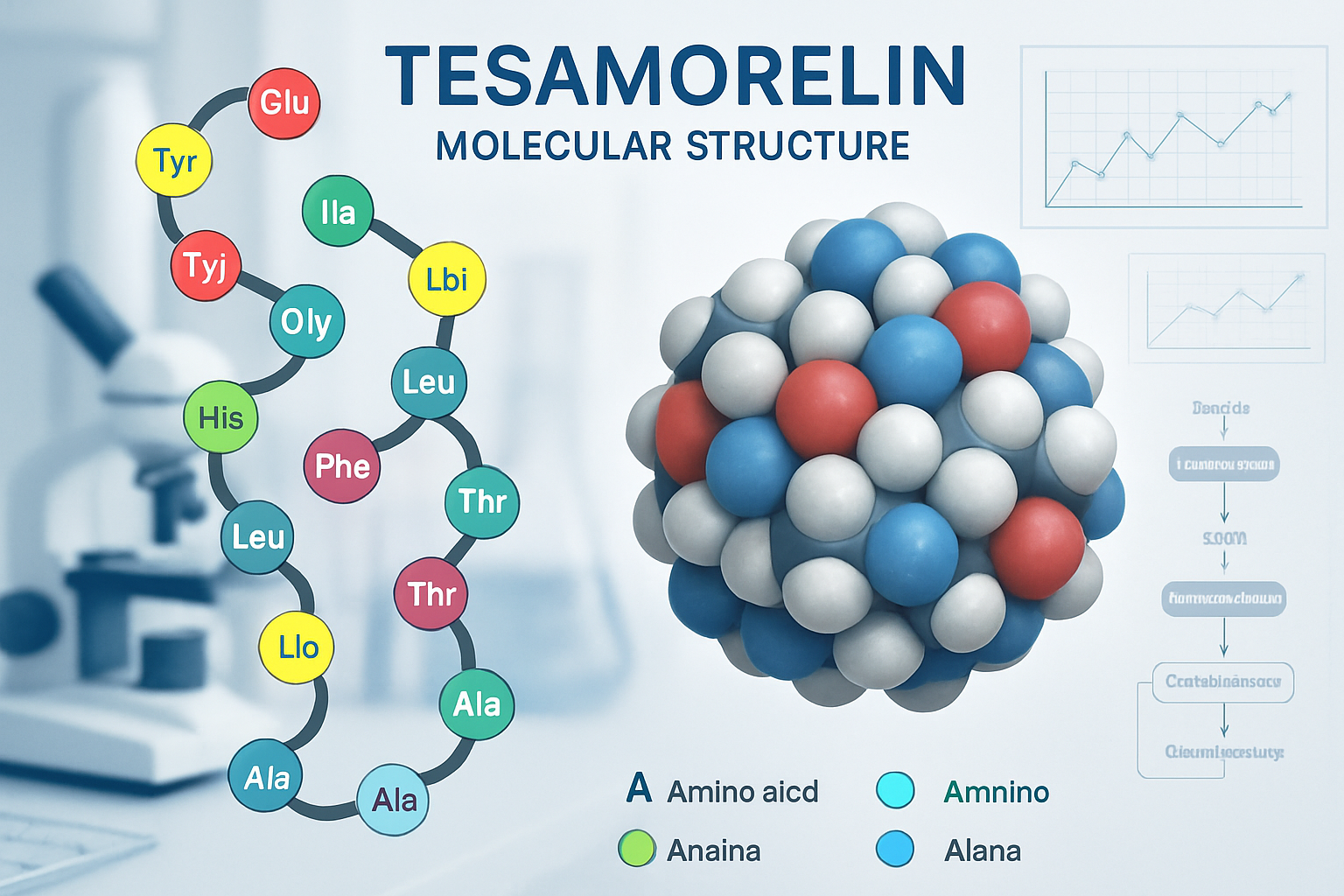
When researchers ask what is tesa, they're inquiring about one of the most sophisticated peptides in modern scientific research. tesa (also known as TH9507) is a synthetic growth hormone-releasing hormone analog that consists of 44 amino acids. This peptide was specifically designed to mimic the action of natural GHRH while offering enhanced stability and bioavailability for research applications.
The molecular structure of tesa includes the first 29 amino acids of human GHRH, with additional modifications that improve its resistance to enzymatic degradation. This enhanced stability makes it particularly valuable for research peptide studies where consistent results are paramount.
Chemical Properties and Structure
tesa's unique chemical composition sets it apart from other growth hormone-releasing compounds:
- Molecular Formula: C₂₂₁H₃₆₆N₇₂O₆₇S₁
- Molecular Weight: Approximately 5,136 Da
- Sequence Length: 44 amino acids
- Stability: Enhanced resistance to dipeptidyl peptidase-4 (DPP-4)
The peptide's structure includes a trans-3-hexenoic acid group attached to the N-terminus, which significantly improves its pharmacological properties compared to natural GHRH[1].
Research Applications: What is tesa Used For in Laboratory Studies
Understanding what is tesa used for in research settings reveals its versatility as a scientific tool. Researchers have explored numerous applications for this peptide across various fields of study.
Growth Hormone Pathway Research
tesa serves as an excellent model compound for studying growth hormone release mechanisms. Laboratory studies have shown that it effectively stimulates the anterior pituitary gland to release growth hormone, making it valuable for:
- Endocrine system research
- Growth hormone receptor studies
- IGF-1 pathway investigations
- Metabolic pathway analysis
For researchers interested in comprehensive peptide studies, Pure Tested Peptides offers high-quality tesa specifically designed for laboratory applications.
Metabolic Research Applications
The metabolic effects observed in tesa studies have opened new avenues for research:
| Research Area | Observed Effects | Study Duration |
|---|---|---|
| Lipid Metabolism | Changes in fat distribution patterns | 6-26 weeks |
| Glucose Metabolism | Alterations in insulin sensitivity markers | 12-26 weeks |
| Protein Synthesis | Modifications in muscle protein markers | 8-24 weeks |
| Energy Expenditure | Changes in metabolic rate indicators | 4-52 weeks |
Body Composition Studies
Laboratory research has extensively examined tesa's effects on body composition parameters. These studies provide valuable insights into:
- Adipose tissue distribution patterns
- Lean body mass measurements
- Visceral fat accumulation research
- Muscle tissue composition analysis
Researchers conducting comprehensive peptide research often combine tesa with other compounds to study synergistic effects.
Mechanisms of Action: How tesa Functions in Research Models
To fully understand what is tesa and its research value, examining its mechanisms of action is essential. This peptide operates through several well-characterized pathways that make it an excellent research tool.
Growth Hormone Release Pathway
tesa binds to GHRH receptors on somatotroph cells in the anterior pituitary gland, triggering a cascade of cellular events:
- Receptor Binding: tesa binds to GHRH receptors with high affinity
- cAMP Activation: Binding stimulates adenylyl cyclase, increasing cyclic AMP levels
- Protein Kinase A: Elevated cAMP activates protein kinase A pathways
- Gene Expression: Transcription factors promote growth hormone gene expression
- Hormone Release: Newly synthesized growth hormone is released into circulation
IGF-1 Stimulation
Research has consistently demonstrated that tesa administration leads to increased IGF-1 levels in study models. This effect is particularly important for researchers studying:
- Growth factor signaling pathways
- Anabolic processes in tissues
- Age-related changes in growth hormone axis
- Metabolic regulation mechanisms
Metabolic Pathway Modulation
Laboratory studies have identified several metabolic pathways influenced by tesa:
Lipid Metabolism Effects:
- Enhanced lipolysis in adipose tissue
- Improved fatty acid oxidation
- Modifications in lipid storage patterns
- Changes in cholesterol metabolism markers
Glucose Metabolism Impacts:
- Alterations in glucose uptake mechanisms
- Changes in insulin sensitivity markers
- Modifications in gluconeogenesis pathways
- Effects on glycogen storage and utilization
For researchers exploring metabolic peptide research, tesa provides a valuable tool for understanding these complex processes.
Research Protocols and Laboratory Considerations
When investigating what is tesa capable of in research settings, proper protocols and laboratory considerations are crucial for obtaining reliable results.
Storage and Handling Requirements
Maintaining peptide integrity is essential for consistent research outcomes:
Storage Conditions:
- Temperature: Store at -20°C for long-term storage
- Humidity: Maintain low humidity environment
- Light Protection: Store in dark conditions to prevent degradation
- Reconstitution: Use sterile bacteriostatic water when preparing solutions
Handling Best Practices:
- Use sterile techniques throughout preparation
- Avoid repeated freeze-thaw cycles
- Prepare fresh solutions when possible
- Monitor solution clarity and consistency
Researchers can find detailed guidance on best practices for storing research peptides to ensure optimal results.
Research Design Considerations
Effective tesa research requires careful attention to experimental design:
Dosing Protocols:
- Establish appropriate concentration ranges
- Consider timing of administration
- Account for peptide half-life in planning
- Include appropriate control groups
Measurement Parameters:
- Growth hormone levels
- IGF-1 concentrations
- Body composition markers
- Metabolic indicators
- Safety parameters
Quality Control in tesa Research
Ensuring peptide quality is fundamental to reliable research outcomes. Researchers should verify:
- Purity levels through analytical testing
- Peptide content via quantitative analysis
- Stability data for storage validation
- Certificate of Analysis documentation
High-quality research peptides from established suppliers provide the foundation for reproducible scientific studies.
Safety Considerations and Research Guidelines
Understanding what is tesa from a safety perspective is crucial for responsible research practices. Laboratory studies have provided extensive data on safety parameters and considerations.
Laboratory Safety Protocols
Research involving tesa requires adherence to standard laboratory safety practices:
Personal Protective Equipment:
- Laboratory gloves during handling
- Safety glasses when preparing solutions
- Laboratory coats for protection
- Proper ventilation in work areas
Waste Disposal:
- Follow institutional guidelines for peptide disposal
- Use appropriate containers for contaminated materials
- Maintain proper documentation of disposal procedures
- Consider environmental impact of disposal methods
Research Ethics and Compliance
tesa research must comply with relevant guidelines and regulations:
- Institutional Review Board approval for applicable studies
- Good Laboratory Practice (GLP) compliance
- Documentation requirements for research protocols
- Reporting standards for study outcomes
Quality Sourcing: Selecting Reliable tesa for Research
When determining what is tesa suitable for research applications, source quality becomes paramount. The reliability of research outcomes depends heavily on peptide quality and consistency.
Analytical Testing Requirements
High-quality tesa should undergo comprehensive analytical testing:
Purity Analysis:
- High-Performance Liquid Chromatography (HPLC)
- Mass spectrometry confirmation
- Amino acid sequence verification
- Impurity profiling
Quality Metrics:
- Minimum 98% purity levels
- Accurate peptide content quantification
- Stability testing data
- Microbiological testing results
Supplier Evaluation Criteria
Researchers should evaluate potential suppliers based on:
- Manufacturing Standards: GMP-compliant facilities
- Testing Protocols: Comprehensive analytical testing
- Documentation: Complete certificates of analysis
- Reputation: Established track record in research community
- Support: Technical assistance and customer service
For researchers seeking reliable peptide sources, Pure Tested Peptides maintains rigorous quality standards and comprehensive testing protocols.
Comparative Analysis: tesa vs. Other GHRH Analogs

To fully appreciate what is tesa and its unique properties, comparing it with other GHRH analogs provides valuable context for research applications.
Structural Differences
| Peptide | Length | Key Modifications | Stability |
|---|---|---|---|
| tesa | 44 amino acids | Trans-3-hexenoic acid group | High |
| Sermorelin | 29 amino acids | Minimal modifications | Moderate |
| CJC-1295 | 30 amino acids | Drug Affinity Complex (DAC) | Very High |
| GHRP-6 | 6 amino acids | Synthetic hexapeptide | Moderate |
Research Applications Comparison
Different GHRH analogs offer distinct advantages for specific research applications:
tesa Advantages:
- Enhanced stability profile
- Well-characterized safety data
- Consistent growth hormone response
- Suitable for long-term studies
Research Synergies:
Some researchers explore combinations of different peptides to study synergistic effects. CJC-1295 research often complements tesa studies in comprehensive growth hormone investigations.
Future Research Directions and Emerging Applications
As our understanding of what is tesa continues to evolve, new research directions and applications emerge regularly.
Emerging Research Areas
Aging Research:
- Cellular senescence studies
- Age-related hormone decline investigations
- Longevity pathway research
- Cognitive function studies
Metabolic Research:
- Obesity mechanism studies
- Diabetes research applications
- Metabolic syndrome investigations
- Energy balance research
Tissue Research:
- Muscle wasting studies
- Bone density research
- Cardiovascular health investigations
- Immune system function studies
Technological Advances
Modern research techniques continue to expand tesa research possibilities:
- Advanced imaging for real-time monitoring
- Genomic analysis for mechanism understanding
- Proteomics for pathway identification
- Metabolomics for comprehensive metabolic profiling
Researchers interested in cutting-edge peptide research can explore these advanced methodologies in their studies.
Research Community and Collaborative Opportunities
The growing interest in what is tesa has fostered a vibrant research community with numerous collaborative opportunities.
Academic Partnerships
Universities and research institutions worldwide are conducting tesa studies across multiple disciplines:
- Endocrinology departments studying hormone regulation
- Metabolism research centers investigating energy balance
- Aging research institutes exploring longevity mechanisms
- Pharmaceutical companies developing new applications
Research Networks
Professional organizations and research networks provide platforms for sharing tesa research findings:
- International peptide societies
- Endocrine research associations
- Metabolic research consortiums
- Academic collaboration networks
Publication and Dissemination
The tesa research community actively shares findings through:
- Peer-reviewed journals in endocrinology and metabolism
- Scientific conferences and symposiums
- Research databases and repositories
- Collaborative research platforms
Conclusion
Understanding what is tesa reveals a sophisticated research tool with remarkable potential across multiple scientific disciplines. This synthetic GHRH analog offers researchers a stable, well-characterized peptide for investigating growth hormone pathways, metabolic processes, and various physiological mechanisms.
The comprehensive body of research surrounding tesa demonstrates its value in laboratory settings, from basic mechanistic studies to complex metabolic investigations. Its enhanced stability profile, consistent biological activity, and well-documented safety parameters make it an excellent choice for both novice and experienced researchers.
Next Steps for Researchers
For those beginning tesa research:
- Review current literature to understand established protocols
- Develop clear research objectives aligned with study goals
- Source high-quality peptides from reputable suppliers
- Establish proper storage and handling procedures
- Design appropriate experimental controls for reliable results
For experienced researchers:
- Explore novel applications in emerging research areas
- Consider combination studies with complementary peptides
- Collaborate with other research groups for comprehensive studies
- Publish findings to contribute to the scientific community
- Stay updated on latest research developments and methodologies
The future of tesa research holds tremendous promise as new technologies and methodologies continue to expand our understanding of this remarkable peptide. Whether investigating fundamental biological processes or exploring novel therapeutic applications, tesa provides researchers with a powerful tool for advancing scientific knowledge.
For researchers ready to begin their tesa studies, high-quality research peptides are available from established suppliers committed to supporting the scientific community with reliable, well-characterized compounds.
References
[1] Mamputu, J. C., & Renier, G. (2010). tesa, a growth hormone-releasing factor analogue. Expert Opinion on Investigational Drugs, 19(2), 299-310.
SEO Meta Information
Meta Title: What is tesa? Complete Research Guide 2025
Meta Description: Discover what tesa is, its research applications, mechanisms of action, and laboratory considerations in this comprehensive scientific guide.