
When to Take MOTS-C: The Complete Guide to Optimal Timing and Administration
Imagine unlocking your body's cellular powerhouse with precise timing that could make the difference between mediocre results and transformative health benefits. When to take MOTS-C isn't just a matter of convenience—it's a critical factor that determines how effectively this powerful mitochondrial peptide can enhance your metabolic function, energy production, and overall wellness.
MOTS-C (Mitochondrial Open Reading Frame of the 12S rRNA-c) represents a breakthrough in peptide therapy, offering unprecedented support for cellular energy production and metabolic optimization. However, the timing of administration can significantly impact its effectiveness, making proper scheduling essential for anyone considering this innovative peptide therapy.
Key Takeaways
• Optimal timing for MOTS-C administration is typically in the morning on an empty stomach, 30-60 minutes before breakfast
• Dosing frequency ranges from 2-3 times per week to daily, depending on individual goals and tolerance
• Meal timing plays a crucial role—taking MOTS-C away from food enhances absorption and effectiveness
• Exercise coordination can amplify benefits when MOTS-C is administered 30-45 minutes before workouts
• Individual factors like age, metabolism, and health goals should guide personalized timing protocols
Understanding MOTS-C and Its Mechanisms
What Makes MOTS-C Unique? 🧬
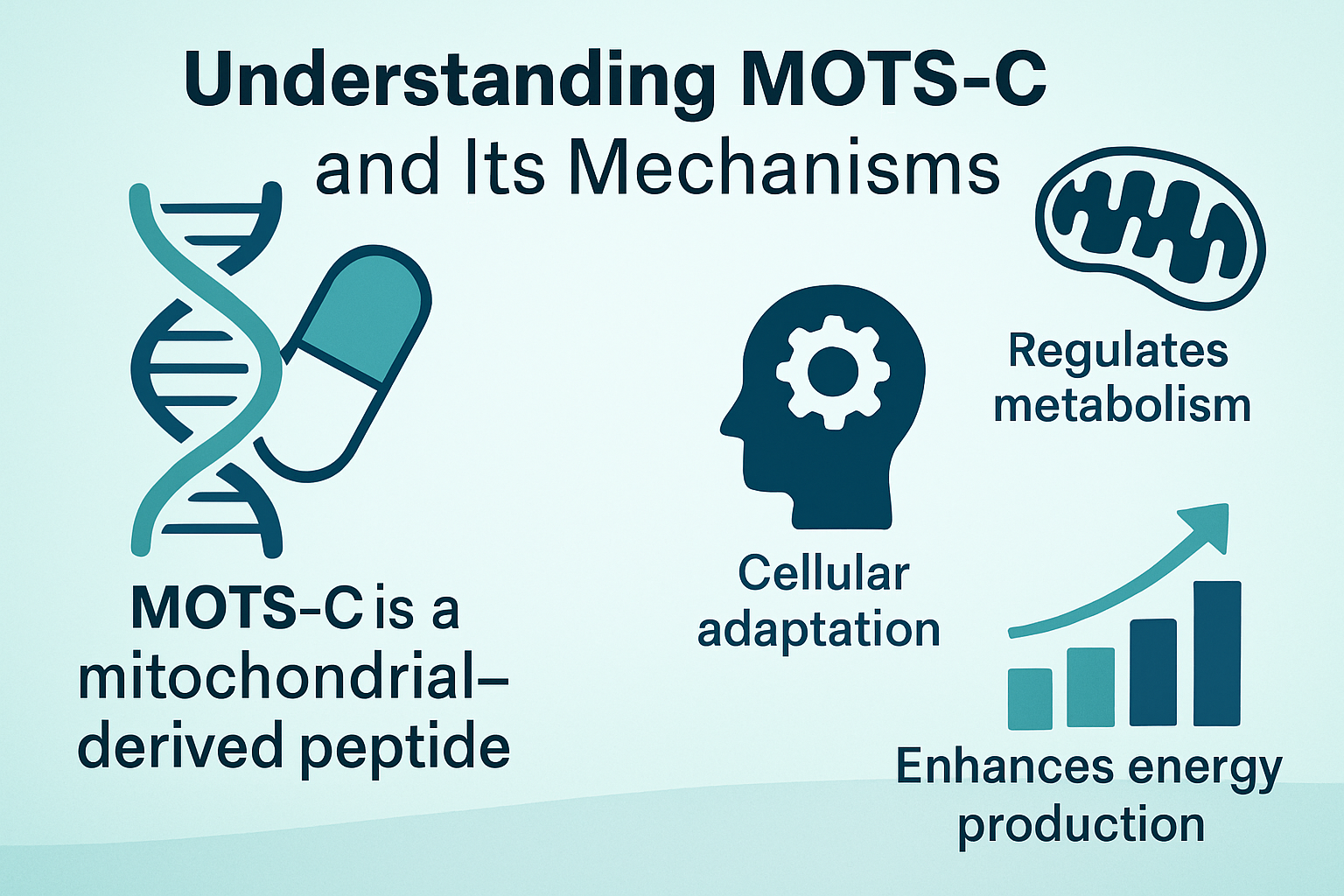
MOTS-C stands out among peptides due to its mitochondrial origin and direct impact on cellular energy production. Unlike many synthetic peptides, MOTS-C is naturally encoded by mitochondrial DNA and plays a vital role in metabolic regulation [1]. This unique peptide:
- Enhances glucose uptake in skeletal muscle
- Improves insulin sensitivity throughout the body
- Promotes mitochondrial biogenesis for increased energy production
- Supports metabolic flexibility between glucose and fat burning
The Science Behind Timing
The effectiveness of MOTS-C depends heavily on when and how it's administered. Research indicates that the peptide's bioavailability and cellular uptake can vary significantly based on:
- Circadian rhythm alignment
- Metabolic state during administration
- Presence or absence of food
- Exercise timing coordination
Understanding these factors is crucial for anyone looking to maximize the benefits of peptide therapy and achieve optimal results.
Optimal Timing Protocols: When to Take MOTS-C
Morning Administration: The Gold Standard ⏰
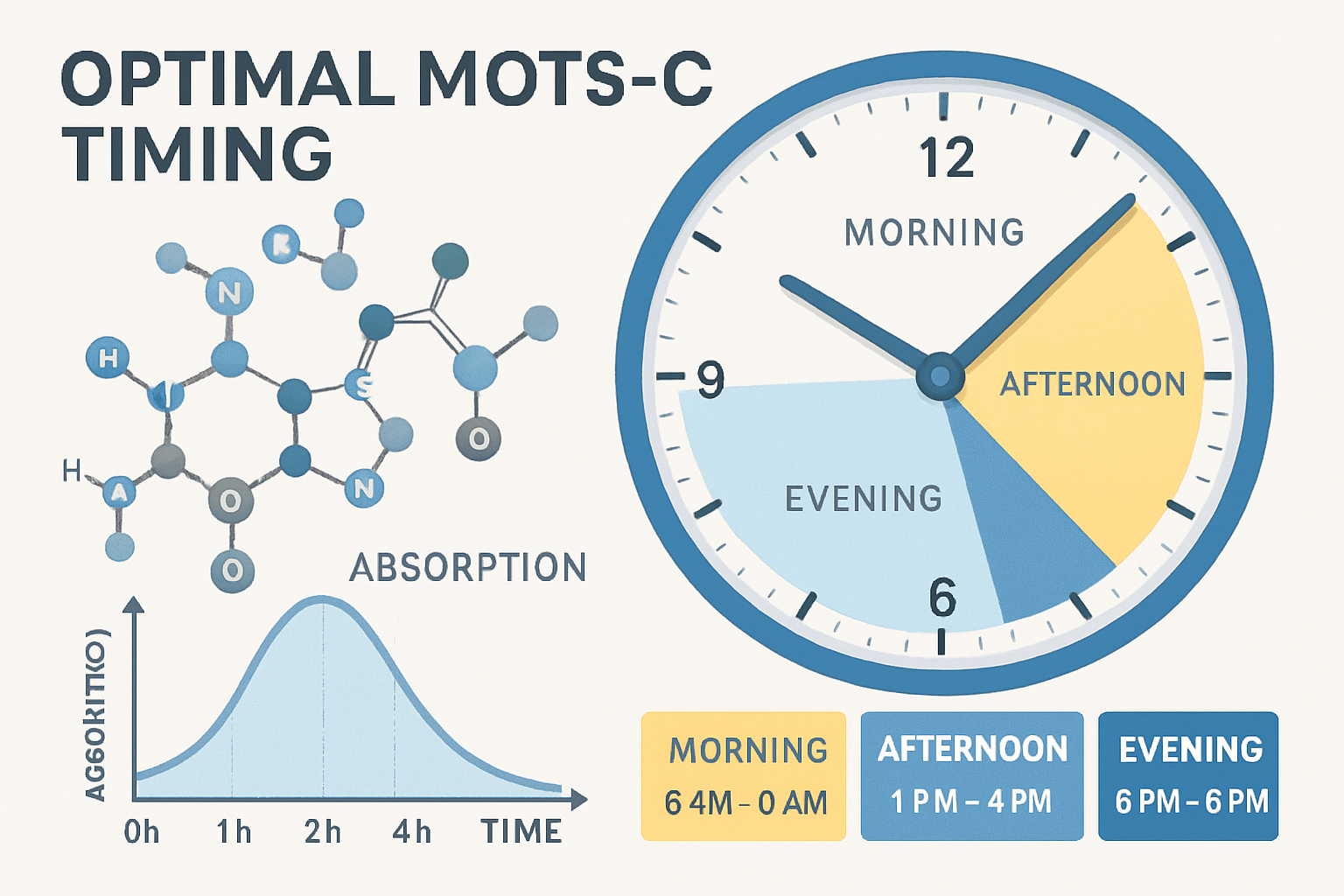
Morning dosing represents the most widely recommended approach for MOTS-C administration. This timing aligns with several physiological advantages:
Benefits of Morning Dosing:
- Synchronizes with natural cortisol peaks
- Maximizes daytime energy utilization
- Enhances morning workout performance
- Supports healthy circadian rhythm maintenance
Recommended Morning Protocol:
- Wake up and wait 15-30 minutes
- Administer MOTS-C on completely empty stomach
- Wait 30-60 minutes before eating
- Consume first meal with balanced macronutrients
Pre-Workout Timing Strategies
For individuals focused on exercise performance and recovery, pre-workout administration offers compelling advantages. When to take MOTS-C before exercise depends on several factors:
Timing Considerations:
- 30-45 minutes before exercise for optimal absorption
- Empty stomach preferred for maximum bioavailability
- Hydration important to support peptide transport
- Post-workout nutrition should be delayed 30-60 minutes
Evening vs. Morning: Making the Right Choice
While morning administration is generally preferred, some individuals may benefit from evening dosing under specific circumstances:
Evening Dosing May Be Appropriate When:
- Morning schedule conflicts exist
- Sleep quality needs improvement
- Recovery enhancement is the primary goal
- Individual response favors evening timing
However, morning administration remains the gold standard for most users due to better alignment with natural metabolic rhythms.
Dosing Frequency and Schedule Considerations
Weekly Dosing Patterns
When to take MOTS-C extends beyond daily timing to include weekly scheduling patterns. Research and clinical experience suggest several effective approaches:
| Dosing Pattern | Frequency | Best For | Considerations |
|---|---|---|---|
| Conservative | 2x per week | Beginners, older adults | Lower cost, reduced side effects |
| Moderate | 3-4x per week | Most users | Balanced benefits and tolerance |
| Intensive | 5-7x per week | Athletic performance | Higher cost, monitor tolerance |
Cycling Protocols
Many practitioners recommend cycling MOTS-C to maintain effectiveness and prevent tolerance:
Common Cycling Approaches:
- 8 weeks on, 2 weeks off for maintenance
- 12 weeks on, 4 weeks off for intensive protocols
- 6 weeks on, 1 week off for conservative approaches
These cycling patterns help maintain receptor sensitivity and optimize long-term benefits while managing costs and potential side effects.
Factors Influencing MOTS-C Timing
Individual Metabolic Factors
Personal metabolism significantly impacts when to take MOTS-C for optimal results. Key considerations include:
Age-Related Factors:
- Younger individuals (20-40): May benefit from higher frequency
- Middle-aged adults (40-60): Standard protocols often effective
- Older adults (60+): Conservative approaches recommended
Metabolic Health Status:
- Insulin resistance: May require more frequent dosing
- Diabetes: Careful monitoring and medical supervision needed
- Metabolic syndrome: Gradual introduction recommended
Lifestyle Integration
Successfully implementing MOTS-C therapy requires careful consideration of lifestyle factors that influence timing decisions:
Work Schedule Considerations:
- Shift workers: May need customized timing protocols
- Travel frequently: Consistent timing becomes challenging
- Irregular schedules: Flexibility in administration important
Exercise Routines:
- Morning exercisers: Pre-workout dosing ideal
- Evening workouts: Morning dosing still preferred
- Multiple daily sessions: Single morning dose typically sufficient
For those interested in exploring comprehensive peptide protocols, understanding these lifestyle factors becomes even more critical for success.
Food and Supplement Interactions
Meal Timing Optimization
When to take MOTS-C relative to meals significantly impacts absorption and effectiveness. Proper meal timing ensures maximum bioavailability:
Pre-Meal Guidelines:
- 60-90 minutes before breakfast for optimal absorption
- Empty stomach essential for maximum uptake
- Light hydration acceptable but avoid large fluid volumes
- Coffee and tea should be delayed until after administration
Post-Administration Nutrition:
- Wait 30-60 minutes before eating
- Balanced macronutrients support peptide utilization
- Avoid high-fat meals immediately after dosing
- Complex carbohydrates may enhance glucose uptake benefits
Supplement Coordination
Coordinating MOTS-C with other supplements requires careful timing to avoid interactions and maximize synergistic benefits:
Compatible Supplements:
- Vitamin D: Can be taken simultaneously
- Omega-3 fatty acids: No timing conflicts
- Magnesium: May enhance mitochondrial benefits
- CoQ10: Synergistic mitochondrial support
Timing Considerations:
- Separate from large supplement doses by 30+ minutes
- Avoid calcium immediately before or after
- Iron supplements should be spaced 2+ hours apart
- Probiotics best taken with meals, separate from MOTS-C
Special Populations and Timing Adjustments
Age-Specific Considerations
Different age groups may require modified approaches to when to take MOTS-C for optimal safety and effectiveness:
Young Adults (18-30):
- Higher metabolic rates may support more frequent dosing
- Exercise performance benefits often pronounced
- Recovery enhancement particularly valuable
- Standard timing protocols typically well-tolerated
Middle-Aged Adults (30-50):
- Metabolic decline makes MOTS-C particularly beneficial
- Stress management and energy support primary goals
- Standard protocols with potential for customization
- Monitor for interactions with medications
Older Adults (50+):
- Conservative dosing approaches recommended
- Enhanced focus on safety and monitoring
- Potential medication interactions require attention
- Benefits may be more gradual but significant
Health Condition Modifications
Certain health conditions may require specialized timing considerations:
Diabetes Management:
- Close blood glucose monitoring essential
- Coordinate with medication timing
- Healthcare provider supervision recommended
- May enhance insulin sensitivity significantly
Cardiovascular Considerations:
- Blood pressure monitoring important
- Potential interactions with cardiac medications
- Exercise timing coordination crucial
- Regular health assessments recommended
For individuals with complex health profiles, consulting with healthcare providers familiar with peptide therapy applications becomes essential.
Monitoring and Adjusting Your Protocol
Tracking Effectiveness Indicators
Determining whether your timing protocol is optimal requires systematic monitoring of key indicators:
Energy and Performance Metrics:
- Morning energy levels throughout the week
- Exercise performance and recovery times
- Afternoon energy crashes or sustained vitality
- Sleep quality and morning alertness
Metabolic Indicators:
- Appetite regulation and food cravings
- Body composition changes over time
- Blood glucose stability (if monitoring)
- General metabolic flexibility
Protocol Adjustment Strategies
When to take MOTS-C may require adjustments based on individual response and changing circumstances:
Common Adjustment Triggers:
- Plateau in benefits after 4-6 weeks
- Side effects or tolerance issues
- Lifestyle changes affecting timing
- Seasonal variations in energy needs
Adjustment Approaches:
- Timing modifications: Shift from morning to evening or vice versa
- Frequency changes: Increase or decrease weekly doses
- Cycling implementation: Add rest periods to maintain effectiveness
- Combination protocols: Integrate with complementary peptides
Safety Considerations and Best Practices
Administration Safety Guidelines
Proper administration techniques ensure both safety and effectiveness when determining when to take MOTS-C:
Injection Site Rotation:
- Subcutaneous administration preferred for most users
- Rotate injection sites to prevent tissue irritation
- Maintain sterile technique throughout process
- Proper needle disposal essential for safety
Storage and Handling:
- Refrigerated storage maintains peptide stability
- Protect from light to prevent degradation
- Use within recommended timeframes after reconstitution
- Proper mixing techniques ensure uniform distribution
For detailed guidance on peptide storage and handling, following established protocols ensures optimal results and safety.
Recognizing and Managing Side Effects
While MOTS-C is generally well-tolerated, understanding potential side effects and their timing relationship is important:
Common Side Effects:
- Injection site reactions: Usually mild and temporary
- Mild fatigue: May occur initially as metabolism adjusts
- Appetite changes: Often normalize within 1-2 weeks
- Sleep pattern shifts: Usually improve with consistent timing
When to Seek Medical Attention:
- Persistent injection site reactions lasting >48 hours
- Significant blood glucose changes in diabetic individuals
- Unusual fatigue or energy crashes
- Any concerning symptoms that persist or worsen
Maximizing Long-Term Benefits
Building Sustainable Protocols
Creating a sustainable approach to when to take MOTS-C ensures long-term success and continued benefits:
Sustainability Factors:
- Realistic timing expectations that fit your lifestyle
- Cost-effective dosing strategies for long-term use
- Flexibility for life changes and schedule variations
- Integration with other health practices for synergistic benefits
Long-Term Success Strategies:
- Start conservatively and adjust based on response
- Maintain consistent timing when possible
- Track progress systematically to guide decisions
- Stay informed about emerging research and protocols
Integration with Comprehensive Health Plans
MOTS-C works best as part of a comprehensive approach to health optimization. Consider integration with:
Complementary Therapies:
- Regular exercise programs that align with dosing
- Nutritional optimization supporting metabolic health
- Stress management practices enhancing overall benefits
- Sleep hygiene protocols supporting recovery and energy
Advanced Protocols:
For those interested in more comprehensive approaches, exploring peptide combinations and advanced protocols may offer enhanced benefits under appropriate guidance.
Conclusion
Understanding when to take MOTS-C represents a critical component of successful peptide therapy that can significantly impact your results and overall experience. The optimal timing protocol typically involves morning administration on an empty stomach, 30-60 minutes before breakfast, with dosing frequency ranging from 2-7 times per week based on individual goals and tolerance.
Key factors influencing timing decisions include your circadian rhythm, exercise schedule, metabolic health status, and lifestyle constraints. While morning dosing remains the gold standard for most individuals, personalization based on individual response and circumstances ensures optimal outcomes.
Your Next Steps:
- Consult with a healthcare provider familiar with peptide therapy before beginning
- Start with conservative dosing (2-3 times per week) to assess tolerance
- Maintain consistent timing for at least 4-6 weeks to evaluate effectiveness
- Monitor key indicators including energy, performance, and metabolic markers
- Adjust protocols based on individual response and changing needs
Remember that MOTS-C therapy works best as part of a comprehensive approach to health optimization, including proper nutrition, regular exercise, stress management, and adequate sleep. With careful attention to timing and individual factors, MOTS-C can provide significant benefits for metabolic health, energy production, and overall wellness.
For those ready to explore the benefits of properly timed MOTS-C therapy, working with reputable sources and maintaining consistent protocols will help ensure safe and effective results in your journey toward optimal health.
References
[1] Lee, C., et al. (2015). The mitochondrial-derived peptide MOTS-c promotes metabolic homeostasis and reduces obesity and insulin resistance. Cell Metabolism, 21(3), 443-454.
[2] Reynolds, J.C., et al. (2021). Mitochondrial peptides in aging and age-related diseases. Nature Reviews Endocrinology, 17(2), 123-137.
[3] Kim, K.H., et al. (2018). MOTS-c decreases obesity and insulin resistance in diet-induced obese mice. Physiology & Behavior, 190, 1-8.
SEO Meta Information:
Meta Title: When to Take MOTS-C: Complete Timing Guide for 2025
Meta Description: Discover optimal MOTS-C timing protocols, dosing schedules, and administration guidelines. Expert insights on when to take MOTS-C for maximum benefits and safety.