Where to Buy GLP-3 Peptides: Your 2025 Research Guide
The landscape of scientific research is constantly evolving, with novel compounds frequently emerging to capture the attention of researchers worldwide. Among these, peptides have garnered significant interest due to their specificity and diverse biological activities. In 2025, one such peptide that continues to draw considerable inquiry is GLP-3. Researchers often find themselves asking: Where to buy GLP-3? Identifying a reliable, high-quality source for research peptides like GLP-3 is paramount for ensuring the integrity and reproducibility of experimental results. This comprehensive guide aims to equip peptide shoppers and scientific researchers with the essential knowledge needed to navigate the market and confidently answer the question of where to buy GLP-3, emphasizing the critical factors that define a reputable peptide supplier in the current year.
Key Takeaways
- Purity is Paramount: Always prioritize vendors offering high-purity GLP-3, ideally with third-party lab verification, to ensure reliable research outcomes.
- Reputation and Reviews: Opt for suppliers with a strong track record, positive customer reviews, and transparent business practices in 2025.
- Third-Party Testing: Look for Certificates of Analysis (CoAs) from independent laboratories, confirming the identity and purity of the GLP-3 peptide.
- Legal Compliance: Ensure the vendor operates within legal frameworks, selling GLP-3 strictly for research purposes and not for human consumption.
- Customer Support & Education: A reliable supplier will offer excellent customer service and provide clear, accurate information regarding their products and research applications.
Understanding GLP-3 and Its Research Significance
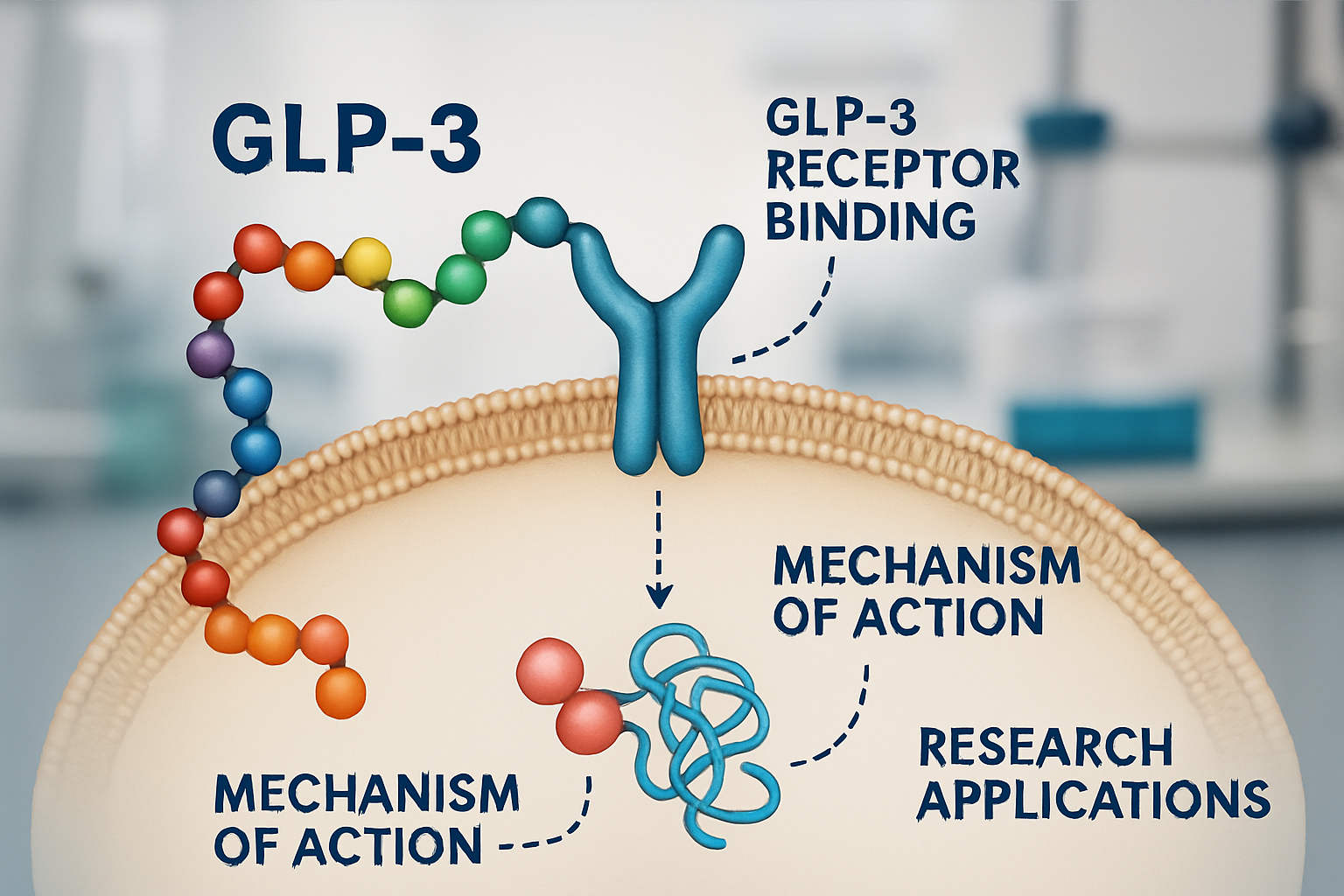
The GLP-3 peptide, or Glucagon-Like Peptide-3, represents a fascinating area of ongoing scientific investigation. While GLP-1 (Glucagon-Like Peptide-1) and GLP-2 (Glucagon-Like Peptide-2) are well-known for their roles in glucose metabolism, gut health, and other physiological processes, GLP-3 is a newer focus for researchers exploring its unique properties and potential applications. Understanding its structure, presumed mechanisms, and the early research findings is crucial for any peptide shopper considering where to buy GLP-3 for their studies.
GLP-3 is typically a synthetic peptide, often developed to mimic or modulate specific biological pathways. While specific, definitive human studies on GLP-3 are still emerging, its nomenclature suggests a potential relationship to the glucagon-like peptide family, which plays significant roles in:
- Metabolic Regulation: GLP-1 is a key incretin hormone, stimulating insulin release and inhibiting glucagon secretion. Research on GLP-3 may explore similar or distinct effects on glucose homeostasis.
- Gastrointestinal Function: GLP-2 is known for its trophic effects on the intestinal mucosa, promoting gut growth and repair. Researchers might investigate if GLP-3 shares any of these enterotrophic properties.
- Neuroprotection: Some GLP-1 analogs have shown neuroprotective effects, leading to curiosity about whether GLP-3 might have similar neurological implications.
It's important to reiterate that research into GLP-3 is in its early stages. Most available GLP-3 is intended for in vitro (cell culture) or in vivo (animal model) research to understand its pharmacological profile, safety, and efficacy before any potential clinical applications. This emphasizes the importance of purchasing high-quality GLP-3 from reputable sources that adhere to strict manufacturing and testing protocols. When considering where to buy GLP-3, researchers must prioritize suppliers that can verify the authenticity and purity of their product. This dedication to quality ensures that experimental data is reliable and contributes meaningfully to the scientific community's understanding of this intriguing peptide. For those looking to buy peptides, especially novel ones like GLP-3, due diligence in vendor selection is absolutely non-negotiable.
The Importance of Purity and Verification When You Buy GLP-3
When exploring where to buy GLP-3, or any research peptide, the purity of the compound is the single most critical factor. Impurities can skew experimental results, lead to false positives or negatives, and ultimately invalidate research. High-purity GLP-3, typically 98% or higher, ensures that researchers are working with the intended compound, free from contaminants that could interfere with biological assays.
How is Purity Verified?
Reputable peptide suppliers utilize advanced analytical techniques to verify the purity and identity of their products. These methods often include:
- High-Performance Liquid Chromatography (HPLC): This technique separates the peptide from impurities, allowing for quantification of its purity percentage. A chromatogram showing a single, sharp peak at the expected retention time indicates high purity.
- Mass Spectrometry (MS): MS confirms the molecular weight of the peptide, verifying its identity and detecting any unexpected fragments or contaminants.
- Nuclear Magnetic Resonance (NMR): For more complex structures, NMR can provide detailed information about the peptide's chemical structure.
When you buy peptides, particularly a compound like GLP-3, always request or check for a Certificate of Analysis (CoA) from a third-party, independent laboratory. A CoA from the manufacturer itself is a good start, but independent verification adds an extra layer of trust and transparency. This third-party validation provides an unbiased assessment of the product's quality, offering peace of mind to researchers. Without verifiable purity, any research conducted with the peptide is compromised. This is why the question of where to buy GLP-3 quickly turns into where to buy verified, high-purity GLP-3.
Identifying Reputable Suppliers: Where to Buy GLP-3 in 2025
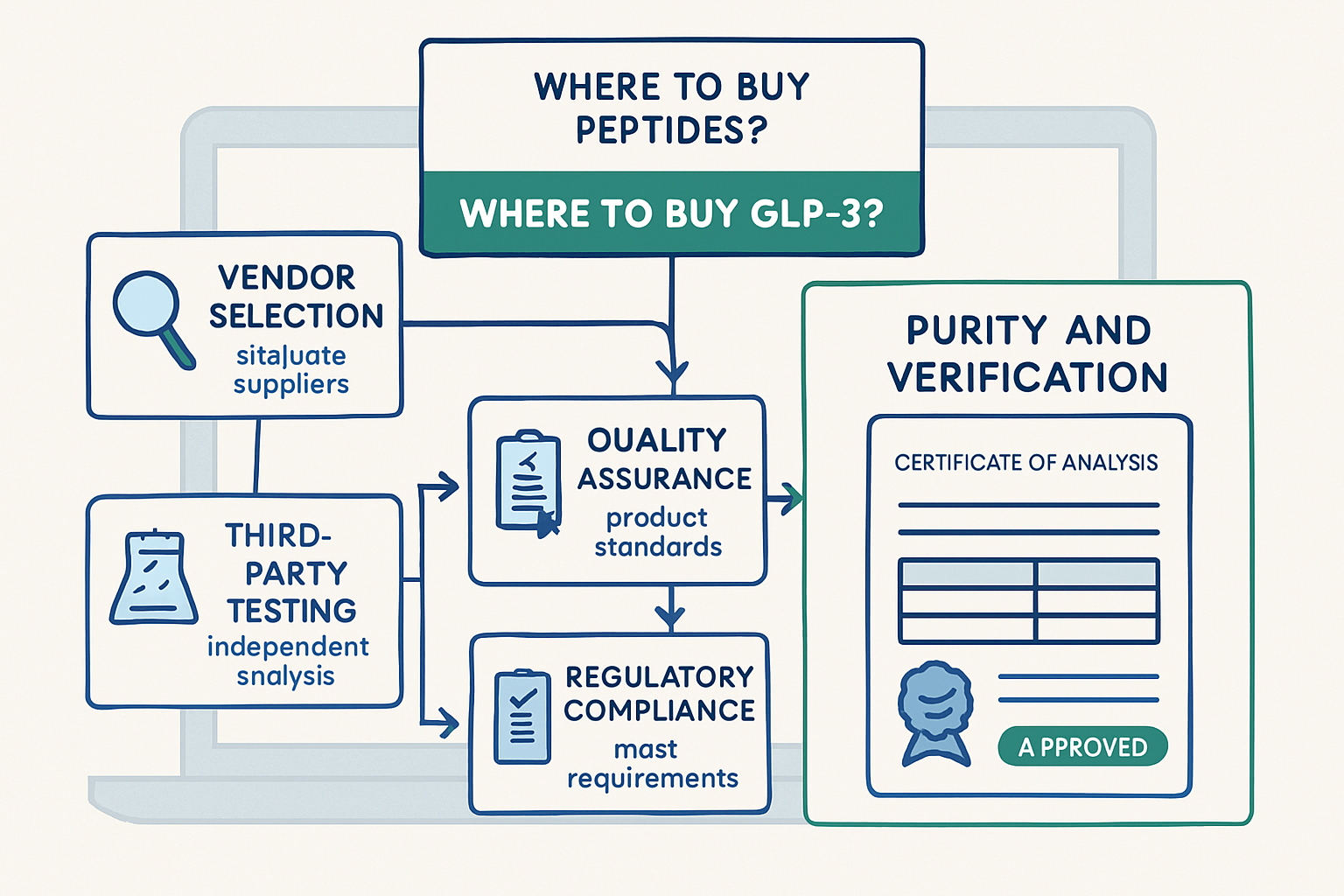
The internet has opened up a vast marketplace for research chemicals, including peptides. While this offers convenience, it also presents challenges in discerning legitimate suppliers from those offering substandard or even fraudulent products. For researchers asking where to buy GLP-3, a systematic approach to vendor evaluation is essential. In 2025, several factors distinguish a trustworthy peptide supplier from a questionable one.
Key Characteristics of a Top-Tier Peptide Retailer
When you are ready to buy peptides, specifically a cutting-edge compound like GLP-3, look for suppliers that demonstrate a commitment to quality, transparency, and customer satisfaction.
-
Transparent Sourcing and Manufacturing: Reputable companies will be open about their sourcing practices and manufacturing standards. While proprietary information may be protected, they should be able to confirm that their peptides are synthesized using industry-standard techniques and undergo rigorous quality control. For example, some suppliers might detail their peptide synthesis methods, like solid-phase peptide synthesis (SPPS).
-
Extensive Third-Party Testing: As mentioned, independent third-party lab testing is non-negotiable. Always look for CoAs that confirm the purity and identity of the GLP-3 peptide. These reports should be recent and specific to the batch you are purchasing. A supplier who hides this information should be avoided. Learn more about best practices for storing research peptides.
-
Positive Customer Reviews and Reputation: Online forums, scientific communities, and independent review sites can offer valuable insights into a supplier's reputation. Look for consistent positive feedback regarding product quality, shipping, and customer service. Be wary of sites with only glowing, non-specific reviews or those with a high volume of negative complaints. A long-standing presence in the market is often a good indicator of reliability.
-
Clear Research-Use-Only Disclaimer: A responsible peptide supplier US will clearly state that their products, including GLP-3, are sold strictly for research purposes and are not intended for human consumption or therapeutic use. This disclaimer highlights their compliance with regulatory guidelines and ethical research practices. Misleading marketing or suggestions of personal use are red flags.
-
Secure and Professional Website: A well-designed, secure website (look for HTTPS in the URL) that provides detailed product information, clear pricing, and secure payment options is a sign of a professional operation. Vagueness, broken links, or an unprofessional appearance can indicate a less reliable vendor.
-
Responsive and Knowledgeable Customer Support: The ability to contact customer service with questions and receive prompt, informed responses is crucial. They should be able to answer queries about product specifications, shipping, and return policies. If you are having trouble determining where to buy GLP-3, a helpful support team can guide you through their offerings.
-
Appropriate Packaging and Shipping: Peptides are sensitive compounds that require careful handling. A good supplier will use secure, appropriate packaging (e.g., vacuum-sealed vials, insulated containers for temperature-sensitive products) and reliable shipping methods to ensure the integrity of the product upon arrival. This is especially important for maintaining the stability of the TESA 10mg peptide.
Navigating Online Retailers for Research Peptides
When it comes to where to buy peptides online, you'll encounter a variety of options. Some specialize exclusively in research chemicals, while others might offer a broader range of laboratory supplies. When searching for where to buy GLP-3, consider these retailer types:
- Dedicated Peptide Suppliers: These companies often have the most extensive selection, deep expertise, and stringent quality control processes for peptides. They are typically the best peptide retail US options. They understand the specific needs of researchers and often provide detailed product information.
- Chemical Supply Companies: Larger laboratory chemical suppliers may carry a selection of peptides. While their quality control is usually high, their peptide selection might be less specialized, and their pricing could vary.
- Marketplaces/Aggregators: Some platforms list products from multiple suppliers. While this can offer convenience for finding where to buy GLP-3, it requires extra vigilance to verify the quality and reputation of each individual vendor listed.
Always prioritize direct purchases from established, reputable peptide suppliers. This minimizes the risk associated with intermediaries and ensures direct accountability. When trying to buy peptides, specifically GLP-3, the vendor's reputation is your strongest ally.
Considerations for Specific Peptides: Beyond GLP-3
While this guide focuses on where to buy GLP-3, many of these principles apply to other popular research peptides. For example, if you are looking to buy Reta-Cagrilintide blend, where to buy epithalon, where to buy serm, where to buy ipamorelin/tesa, or even specialized blends like the Wolverine Blend Peptide, the emphasis on third-party testing, purity, and a transparent supplier remains the same. Understanding these foundational aspects will make any future peptide purchase, such as when you buy Lipo c peptide or where to buy mots c peptide, a more informed decision. The consistent need for quality is why reputable sites like Pure Tested Peptides are a go-to for many researchers.
The Buying Process and What to Expect in 2025
Once you've identified potential suppliers for GLP-3, understanding the purchasing process and what to expect is crucial. This section will guide you through ordering, payment, shipping, and the importance of proper storage upon receipt in 2025. This information is vital for any researcher determining where to buy GLP-3.
Placing an Order for Research Peptides
The process for ordering research peptides like GLP-3 typically involves:
- Product Selection: Navigate the supplier's website to find the GLP-3 product. Check for available sizes (e.g., 5mg, 10mg vials) and any concentration options. Read the product description carefully to ensure it's the exact peptide you need for your research.
- Reviewing Product Details: Before adding to cart, confirm details such as:
- Purity: Look for the stated purity percentage (e.g., >98%).
- Third-Party Lab Reports: Check if CoAs are readily available on the product page or upon request.
- CAS Number: This unique identifier helps confirm the chemical identity.
- Storage Recommendations: Note any specific storage instructions.
- Adding to Cart and Checkout: Follow the standard e-commerce checkout process. Ensure your shipping address is accurate and that you provide any necessary research affiliation details if requested.
- Payment Options: Reputable suppliers typically offer secure payment gateways, including credit/debit cards, cryptocurrency, or bank transfers. Be wary of suppliers demanding unconventional or unsecured payment methods.
When you're looking to buy peptides, be sure to review all terms and conditions, especially those related to shipping and returns. For example, if you want to buy Selank nasal spray or buy BPC nasal spray, ensure the supplier has experience shipping temperature-sensitive or fragile products.
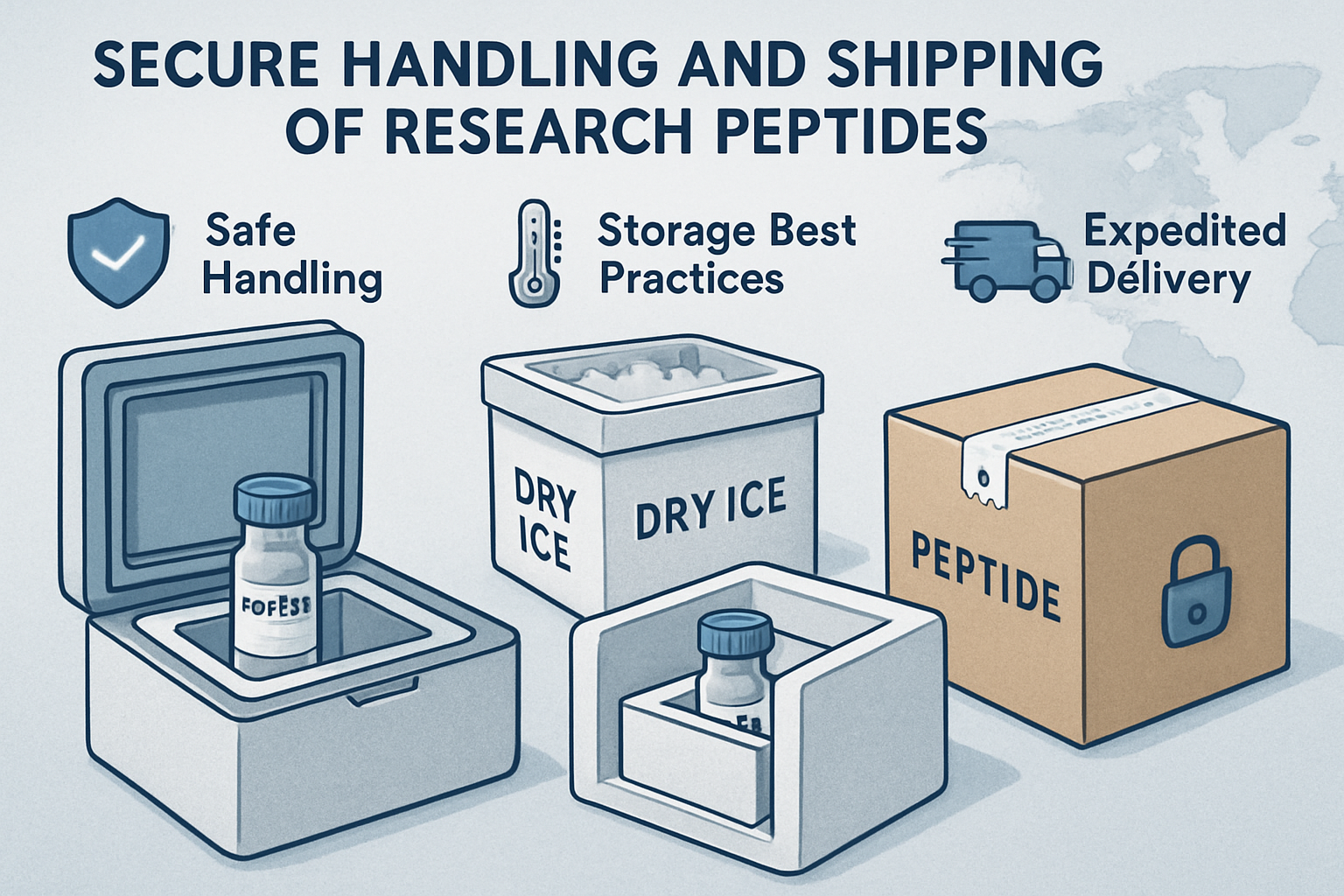
Shipping and Receiving Your GLP-3
Shipping is a critical phase for sensitive research materials like GLP-3. Improper handling during transit can degrade the peptide, rendering it useless for research.
- Packaging: Expect GLP-3 to be shipped in a securely sealed, air-tight vial. For peptides that are temperature-sensitive, the package should include ice packs or dry ice to maintain a cold chain. This is particularly important for delicate compounds.
- Delivery Time: Shipping times will vary depending on the supplier's location and your delivery address. Peptide supplier US companies typically offer faster domestic shipping. Factor in potential customs delays if ordering internationally, though most reputable suppliers cater to specific regions to avoid this.
- Inspection upon Arrival: As soon as you receive your GLP-3, inspect the package and its contents.
- Check for any signs of tampering or damage to the packaging.
- Verify that the product label matches your order.
- Ensure the vial is properly sealed and intact.
- Confirm that any temperature-sensitive components (e.g., ice packs) are still cold.
- If anything seems amiss, contact the supplier's customer service immediately.
This vigilance upon delivery is crucial to maintaining the integrity of your research materials, especially when you have diligently sourced where to buy GLP-3.
Proper Storage and Handling of GLP-3
The longevity and efficacy of your GLP-3 peptide heavily depend on correct storage and handling.
- Unreconstituted (Powder Form): Most peptides, including GLP-3, are stable in lyophilized (freeze-dried) powder form for extended periods when stored properly.
- Temperature: Store in a freezer at -20°C (-4°F) or colder. Some highly stable peptides may tolerate refrigerator temperatures (2-8°C) for shorter periods, but freezing is generally preferred for long-term storage.
- Environment: Keep the vial tightly sealed to prevent moisture absorption. Exposure to air and humidity can degrade the peptide. Protect from light.
- Reconstituted (Liquid Form): Once GLP-3 is reconstituted with bacteriostatic water or a suitable solvent, its stability significantly decreases.
- Temperature: Store reconstituted GLP-3 in a refrigerator at 2-8°C (36-46°F). Freezing reconstituted peptides can damage their structure due to ice crystal formation.
- Shelf Life: Use reconstituted peptides within a few weeks, or as recommended by the supplier, as degradation can occur over time.
- Handling: Always use sterile techniques when handling and reconstituting peptides to avoid contamination. Use sterile syringes and needles.
- For those interested in building a diverse peptide library with Pure Tested Peptides, understanding these storage protocols for each peptide is key.
Maintaining these conditions is vital to ensure that the GLP-3 you've gone to the effort of finding where to buy glp3 remains viable for your experimental needs.
This vigilance upon delivery is crucial to maintaining the integrity of your research materials, especially when you have diligently sourced where to buy GLP-3. Researchers using the TESA 10mg peptide will also find these guidelines critical for maintaining product integrity.
Proper Storage and Handling of GLP-3
The longevity and efficacy of your GLP-3 peptide heavily depend on correct storage and handling.
- Unreconstituted (Powder Form): Most peptides, including GLP-3, are stable in lyophilized (freeze-dried) powder form for extended periods when stored properly.
- Temperature: Store in a freezer at -20°C (-4°F) or colder. Some highly stable peptides may tolerate refrigerator temperatures (2-8°C) for shorter periods, but freezing is generally preferred for long-term storage.
- Environment: Keep the vial tightly sealed to prevent moisture absorption. Exposure to air and humidity can degrade the peptide. Protect from light.
- Reconstituted (Liquid Form): Once GLP-3 is reconstituted with bacteriostatic water or a suitable solvent, its stability significantly decreases.
- Temperature: Store reconstituted GLP-3 in a refrigerator at 2-8°C (36-46°F). Freezing reconstituted peptides can damage their structure due to ice crystal formation.
- Shelf Life: Use reconstituted peptides within a few weeks, or as recommended by the supplier, as degradation can occur over time.
- Handling: Always use sterile techniques when handling and reconstituting peptides to avoid contamination. Use sterile syringes and needles.
- For those interested in building a a diverse peptide library with Pure Tested Peptides, understanding these storage protocols for each peptide is key.
Maintaining these conditions is vital to ensure that the GLP-3 you've gone to the effort of finding where to buy glp3 remains viable for your experimental needs. This applies to all research peptides, including if you're looking to buy MOTS-c peptide or where to buy GLP-1T.
This vigilance upon delivery is crucial to maintaining the integrity of your research materials, especially when you have diligently sourced where to buy GLP-3. Researchers using the TESA 10mg peptide will also find these guidelines critical for maintaining product integrity.
Proper Storage and Handling of GLP-3
The longevity and efficacy of your GLP-3 peptide heavily depend on correct storage and handling.
- Unreconstituted (Powder Form): Most peptides, including GLP-3, are stable in lyophilized (freeze-dried) powder form for extended periods when stored properly.
- Temperature: Store in a freezer at -20°C (-4°F) or colder. Some highly stable peptides may tolerate refrigerator temperatures (2-8°F) for shorter periods, but freezing is generally preferred for long-term storage.
- Environment: Keep the vial tightly sealed to prevent moisture absorption. Exposure to air and humidity can degrade the peptide. Protect from light.
- Reconstituted (Liquid Form): Once GLP-3 is reconstituted with bacteriostatic water or a suitable solvent, its stability significantly decreases.
- Temperature: Store reconstituted GLP-3 in a refrigerator at 2-8°C (36-46°F). Freezing reconstituted peptides can damage their structure due to ice crystal formation.
- Shelf Life: Use reconstituted peptides within a few weeks, or as recommended by the supplier, as degradation can occur over time.
- Handling: Always use sterile techniques when handling and reconstituting peptides to avoid contamination. Use sterile syringes and needles.
- For those interested in building a diverse peptide library with Pure Tested Peptides, understanding these storage protocols for each peptide is key.
Maintaining these conditions is vital to ensure that the GLP-3 you've gone to the effort of finding where to buy glp3 remains viable for your experimental needs. This applies to all research peptides, including if you're looking to buy MOTS-c peptide or where to buy GLP-1T.
Legal and Ethical Considerations When Buying GLP-3
The legal landscape surrounding research chemicals and peptides is complex and can vary significantly by region. When determining where to buy GLP-3, it's not just about quality and price; it's also about adherence to legal and ethical standards. In 2025, regulatory bodies continue to monitor the sale and distribution of these compounds, emphasizing their use strictly within defined research parameters.
Research-Use-Only Status
A fundamental principle governing the sale of GLP-3 and similar peptides is their "research-use-only" (RUO) designation. This means:
- Not for Human Consumption: GLP-3 and other RUO peptides are explicitly not approved for use in humans, animals, or as drugs, food additives, or cosmetics. Any supplier that suggests otherwise is operating outside of legal and ethical boundaries.
- Laboratory-Based Research: These peptides are intended solely for in vitro (e.g., cell culture, biochemical assays) or in vivo (e.g., animal models) scientific research within a controlled laboratory setting.
- No Therapeutic Claims: Reputable suppliers will never make therapeutic claims or provide dosing instructions for human use. Their product descriptions and marketing materials should clearly reflect the RUO status.
Understanding and respecting this designation is paramount. Researchers are responsible for ensuring their use of GLP-3 complies with all applicable laws and ethical guidelines. For those looking to buy peptides, specifically those with emerging research profiles like GLP-3, this legal distinction is critical.
The Importance of a Responsible Peptide Supplier
A responsible peptide supplier will uphold these legal and ethical standards through:
- Clear Disclaimers: Their website and product packaging will feature prominent disclaimers stating that products are for research purposes only and not for human or animal consumption.
- Age Verification: Many suppliers implement age verification processes to ensure buyers are adults and likely professional researchers.
- Regulatory Compliance: They stay informed about evolving regulations regarding research chemicals and adjust their practices accordingly. This is particularly important for a peptide supplier US to navigate the varying state and federal guidelines.
- Ethical Marketing: Their marketing will be factual and avoid sensationalism or unsubstantiated claims. They will not promote their products for non-research uses.
When seeking where to buy GLP-3, scrutinize the supplier's website for these indicators of responsibility. Any ambiguity or suggestion of direct human application should be a significant warning sign. Websites like Pure Tested Peptides provide detailed information and disclaimers to ensure compliance.
Avoiding Scams and Substandard Products
The market for research chemicals can attract unscrupulous vendors. Being aware of common red flags can help you avoid scams:
- Unrealistic Claims: Be skeptical of suppliers making bold, unsubstantiated claims about the efficacy or benefits of GLP-3. Remember, GLP-3 is still largely in the exploratory research phase.
- Lack of Transparency: If a supplier is unwilling to provide CoAs, details about their sourcing, or contact information, it's a major red flag.
- Extremely Low Prices: While everyone appreciates a good deal, prices that seem too good to be true often are. Exceptionally low prices for peptides like GLP-3 can indicate low purity, incorrect product, or even fraudulent activity. Quality research materials come at a fair, but not artificially deflated, price.
- Poor Website Quality: As mentioned earlier, a poorly designed or unprofessional website, especially one with grammatical errors or broken links, suggests a lack of attention to detail that could extend to product quality.
- Lack of Customer Support: If it's difficult to get in touch with customer service or they provide vague answers, consider looking elsewhere for where to buy GLP-3.
By maintaining a critical perspective and prioritizing due diligence, researchers can significantly mitigate the risks associated with purchasing research peptides. This commitment to legal and ethical sourcing ensures that your research using GLP-3 is conducted with integrity and reliable materials. If you are looking to buy Wolverine blend peptide or buy Wolverine stack peptide, the same stringent checks apply to ensure you receive a legitimate, high-quality product.
Conclusion
Navigating the landscape of research peptide acquisition, especially for emerging compounds like GLP-3, demands careful consideration and a commitment to quality. As a peptide shopper in 2025, understanding where to buy GLP-3 reliably is crucial for the success and validity of your scientific endeavors. The journey begins with recognizing the critical role of purity, verifying it through independent third-party lab testing, and then selecting a supplier who champions transparency, ethical conduct, and exceptional customer support.
Remember, the "research-use-only" designation is not merely a formality but a fundamental principle that guides responsible sourcing and application of compounds like GLP-3. Prioritizing suppliers who adhere strictly to this, providing clear disclaimers, and avoiding unsubstantiated claims, safeguards both your research integrity and compliance with regulatory standards.
By meticulously evaluating vendor reputation, scrutinizing Certificates of Analysis, and understanding proper handling and storage protocols, you empower yourself to make informed decisions. Whether you are looking to buy peptides for metabolic research, gut health studies, or neurological investigations, the principles outlined in this guide will serve as a robust framework. The consistent theme across all peptide purchases, from where to buy Cagrilintide to the nuanced question of where to buy GLP-3, remains unwavering: quality and verification are non-negotiable.
Actionable Next Steps
- Prioritize Suppliers with Third-Party CoAs: Before considering any purchase, ensure the vendor provides readily accessible Certificates of Analysis from independent laboratories for their GLP-3 product. This is your primary shield against low-quality or mislabeled peptides.
- Review Customer Feedback and Reputation: Actively seek out reviews and testimonials in scientific forums and reputable review sites. A strong, consistent positive reputation over time is a reliable indicator of a trustworthy best peptide retail US supplier.
- Confirm Research-Use-Only Status: Verify that the supplier explicitly states GLP-3 is for research purposes only and avoids making any claims related to human consumption or therapeutic use.
- Understand Storage Requirements: Familiarize yourself with the proper storage and handling guidelines for GLP-3 before placing an order. This ensures the peptide maintains its integrity from the moment it arrives.
- Bookmark Trusted Resources: Keep a list of reputable suppliers that consistently meet these high standards. For example, Pure Tested Peptides is a valuable resource for high-quality research peptides.
By following these guidelines, you can confidently navigate the market and secure high-quality GLP-3, laying a solid foundation for robust and reproducible scientific research in 2025 and beyond.
Meta Title: Where to Buy GLP-3 Peptides in 2025 – Research Guide
Meta Description: Find out where to buy high-purity GLP-3 peptides for research in 2025. This guide covers trusted suppliers, quality checks, and ethical sourcing.