The Complete Guide to Where to Buy Peptides Online: Your 2026 Research Resource
Did you know that the global peptide therapeutics market is projected to reach over $50 billion by 2026? 🧬 As research into these powerful biological molecules continues to expand, finding reliable sources has become more critical than ever. If you're wondering where to buy peptides online, you're not alone—thousands of researchers are seeking trustworthy suppliers for their scientific investigations.
The world of online peptide purchasing can feel like navigating a complex maze. With countless suppliers claiming to offer "premium quality" products, how do you separate legitimate research companies from questionable vendors? The stakes are high when it comes to research integrity, and choosing the wrong supplier can compromise your entire study.
Key Takeaways
• Quality verification is paramount – Look for suppliers with third-party testing, certificates of analysis, and transparent manufacturing processes
• Research-only suppliers are your safest bet – Reputable companies like Pure Tested Peptides clearly state products are for research purposes only
• Price shouldn't be your primary factor – Extremely low prices often indicate compromised quality or questionable sourcing
• Documentation matters – Legitimate suppliers provide comprehensive product information, storage guidelines, and research protocols
• Customer support indicates professionalism – Responsive, knowledgeable support teams reflect a company's commitment to research excellence
Understanding the Online Peptide Marketplace
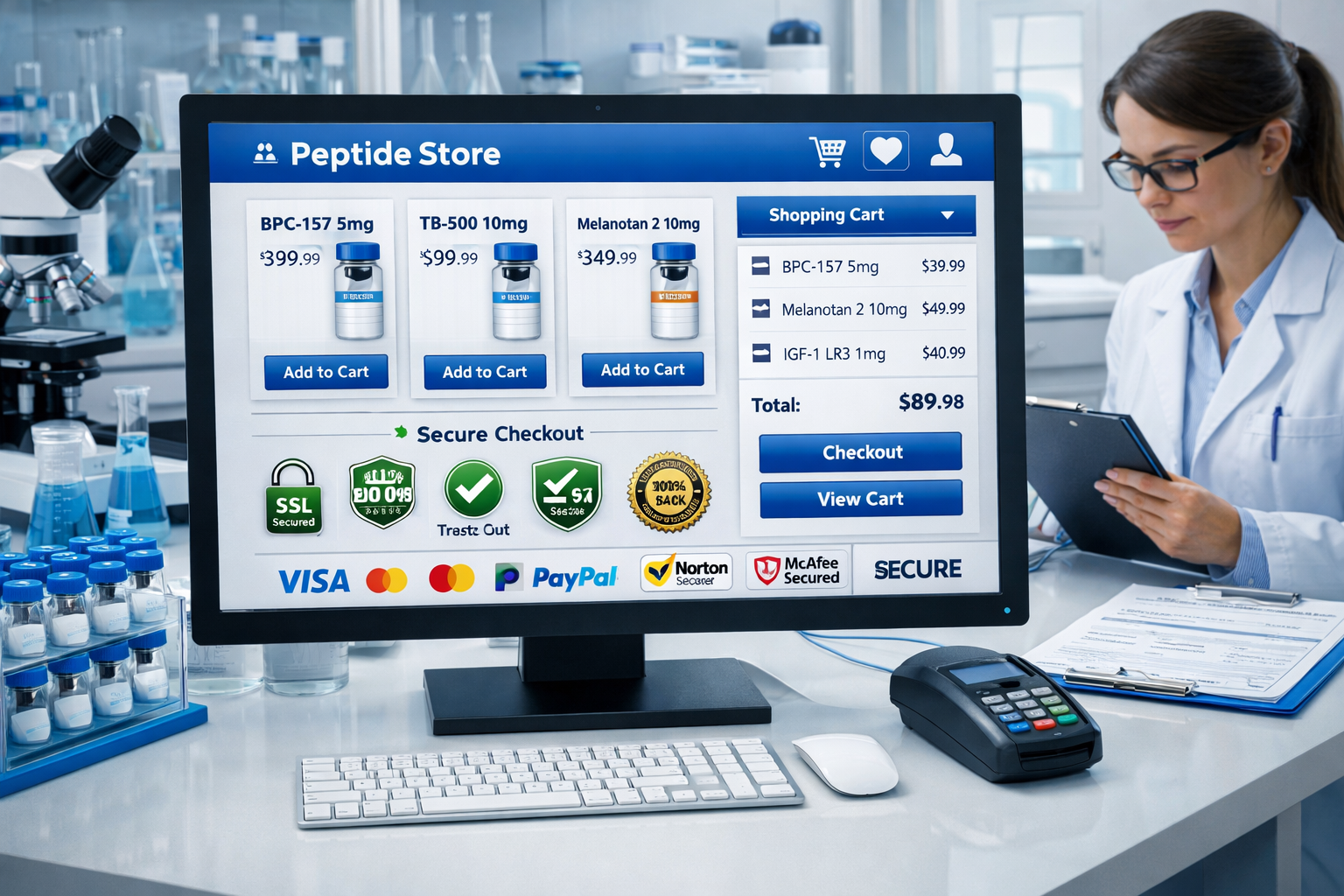
The digital peptide marketplace has evolved dramatically over the past decade. What started as a niche market for specialized researchers has grown into a sophisticated ecosystem of suppliers, each claiming to offer superior products. However, not all peptide suppliers are created equal.
The Research Peptide Landscape
Research peptides occupy a unique position in the scientific supply chain. These compounds are specifically manufactured for laboratory investigations, cellular studies, and academic research. Unlike pharmaceutical-grade medications, research peptides are not intended for human consumption and must be clearly labeled as such.
The most reputable suppliers understand this distinction and build their entire business model around supporting legitimate research endeavors. They invest heavily in quality control, proper storage facilities, and comprehensive documentation to ensure researchers receive consistent, reliable products.
Market Trends and Growth
The peptide research market has experienced unprecedented growth, driven by advances in:
- Regenerative medicine studies
- Metabolic research investigations
- Cellular repair mechanism studies
- Longevity and aging research
- Performance enhancement studies
This growth has attracted both legitimate suppliers and opportunistic vendors looking to capitalize on increased demand. The challenge for researchers is identifying which companies prioritize scientific integrity over quick profits.
Regulatory Considerations
When exploring where to buy peptides online, understanding the regulatory landscape is crucial. Research peptides exist in a specific legal framework that requires:
✅ Clear labeling as research chemicals
✅ Proper documentation and certificates
✅ Compliance with shipping regulations
✅ Age verification for purchasers
✅ Transparent ingredient disclosure
Legitimate suppliers navigate these requirements seamlessly, while questionable vendors often ignore or misrepresent regulatory obligations.
<!DOCTYPE html>
<html>
<head>
    <title>Peptide Market Growth Tracker</title>
    <style>
        .cg-element-container {
            max-width: 800px;
            margin: 20px auto;
            padding: 20px;
            font-family: Arial, sans-serif;
            background: #f8f9fa;
            border-radius: 10px;
            box-shadow: 0 4px 6px rgba(0,0,0,0.1);
        }
        .cg-element-title {
            text-align: center;
            color: #2c3e50;
            margin-bottom: 20px;
            font-size: 24px;
            font-weight: bold;
        }
        .cg-element-chart {
            position: relative;
            height: 300px;
            background: white;
            border-radius: 8px;
            padding: 20px;
            margin-bottom: 20px;
        }
        .cg-element-bar {
            position: absolute;
            bottom: 40px;
            background: linear-gradient(to top, #3498db, #5dade2);
            border-radius: 4px 4px 0 0;
            transition: all 0.3s ease;
        }
        .cg-element-bar:hover {
            background: linear-gradient(to top, #2980b9, #3498db);
            transform: translateY(-2px);
        }
        .cg-element-year {
            position: absolute;
            bottom: 10px;
            font-size: 12px;
            text-align: center;
            color: #7f8c8d;
            font-weight: bold;
        }
        .cg-element-value {
            position: absolute;
            top: -25px;
            font-size: 11px;
            text-align: center;
            color: #2c3e50;
            font-weight: bold;
            width: 100%;
        }
        .cg-element-controls {
            text-align: center;
            margin-bottom: 15px;
        }
        .cg-element-button {
            background: #3498db;
            color: white;
            border: none;
            padding: 8px 16px;
            margin: 0 5px;
            border-radius: 5px;
            cursor: pointer;
            font-size: 14px;
        }
        .cg-element-button:hover {
            background: #2980b9;
        }
        .cg-element-button.active {
            background: #e74c3c;
        }
        .cg-element-info {
            background: white;
            padding: 15px;
            border-radius: 8px;
            margin-top: 10px;
        }
        .cg-element-metric {
            display: inline-block;
            margin: 0 20px;
            text-align: center;
        }
        .cg-element-metric-value {
            font-size: 20px;
            font-weight: bold;
            color: #3498db;
        }
        .cg-element-metric-label {
            font-size: 12px;
            color: #7f8c8d;
        }
    </style>
</head>
<body>
    <div class="cg-element-container">
        <div class="cg-element-title">Global Peptide Market Growth (2020-2026)</div>

        <div class="cg-element-controls">
            <button class="cg-element-button active" onclick="showMarket('total')">Total Market</button>
            <button class="cg-element-button" onclick="showMarket('research')">Research Segment</button>
            <button class="cg-element-button" onclick="showMarket('suppliers')">Online Suppliers</button>
        </div>

        <div class="cg-element-chart" id="chart">
            <!-- Bars will be generated by JavaScript -->
        </div>

        <div class="cg-element-info">
            <div class="cg-element-metric">
                <div class="cg-element-metric-value" id="cagr">12.4%</div>
                <div class="cg-element-metric-label">CAGR 2020-2026</div>
            </div>
            <div class="cg-element-metric">
                <div class="cg-element-metric-value" id="current">$31.9B</div>
                <div class="cg-element-metric-label">2024 Market Size</div>
            </div>
            <div class="cg-element-metric">
                <div class="cg-element-metric-value" id="projected">$50.8B</div>
                <div class="cg-element-metric-label">2026 Projection</div>
            </div>
        </div>
    </div>

    <script>
        const marketData = {
            total: {
                2020: 23.2,
                2021: 26.1,
                2022: 29.3,
                2023: 32.8,
                2024: 36.9,
                2025: 41.5,
                2026: 50.8,
                cagr: "12.4%",
                current: "$36.9B",
                projected: "$50.8B"
            },
            research: {
                2020: 3.8,
                2021: 4.4,
                2022: 5.1,
                2023: 5.9,
                2024: 6.8,
                2025: 7.9,
                2026: 9.2,
                cagr: "15.8%",
                current: "$6.8B",
                projected: "$9.2B"
            },
            suppliers: {
                2020: 145,
                2021: 189,
                2022: 234,
                2023: 287,
                2024: 342,
                2025: 398,
                2026: 465,
                cagr: "21.2%",
                current: "342",
                projected: "465"
            }
        };

        let currentMarket = 'total';

        function showMarket(market) {
            currentMarket = market;

            // Update button states
            document.querySelectorAll('.cg-element-button').forEach(btn => {
                btn.classList.remove('active');
            });
            event.target.classList.add('active');

            // Update chart
            updateChart(marketData[market]);

            // Update metrics
            document.getElementById('cagr').textContent = marketData[market].cagr;
            document.getElementById('current').textContent = marketData[market].current;
            document.getElementById('projected').textContent = marketData[market].projected;
        }

        function updateChart(data) {
            const chart = document.getElementById('chart');
            chart.innerHTML = '';

            const years = [2020, 2021, 2022, 2023, 2024, 2025, 2026];
            const maxValue = Math.max(...years.map(year => data[year]));

            years.forEach((year, index) => {
                const value = data[year];
                const height = (value / maxValue) * 220;
                const left = 50 + (index * 100);

                const bar = document.createElement('div');
                bar.className = 'cg-element-bar';
                bar.style.left = left + 'px';
                bar.style.width = '60px';
                bar.style.height = height + 'px';

                const valueLabel = document.createElement('div');
                valueLabel.className = 'cg-element-value';
                valueLabel.textContent = currentMarket === 'suppliers' ? value : '$' + value + 'B';
                bar.appendChild(valueLabel);

                const yearLabel = document.createElement('div');
                yearLabel.className = 'cg-element-year';
                yearLabel.style.left = left + 'px';
                yearLabel.style.width = '60px';
                yearLabel.textContent = year;

                chart.appendChild(bar);
                chart.appendChild(yearLabel);
            });
        }

        // Initialize chart
        updateChart(marketData.total);
    </script>
</body>
</html>
Identifying Reputable Suppliers When Looking Where to Buy Peptides Online
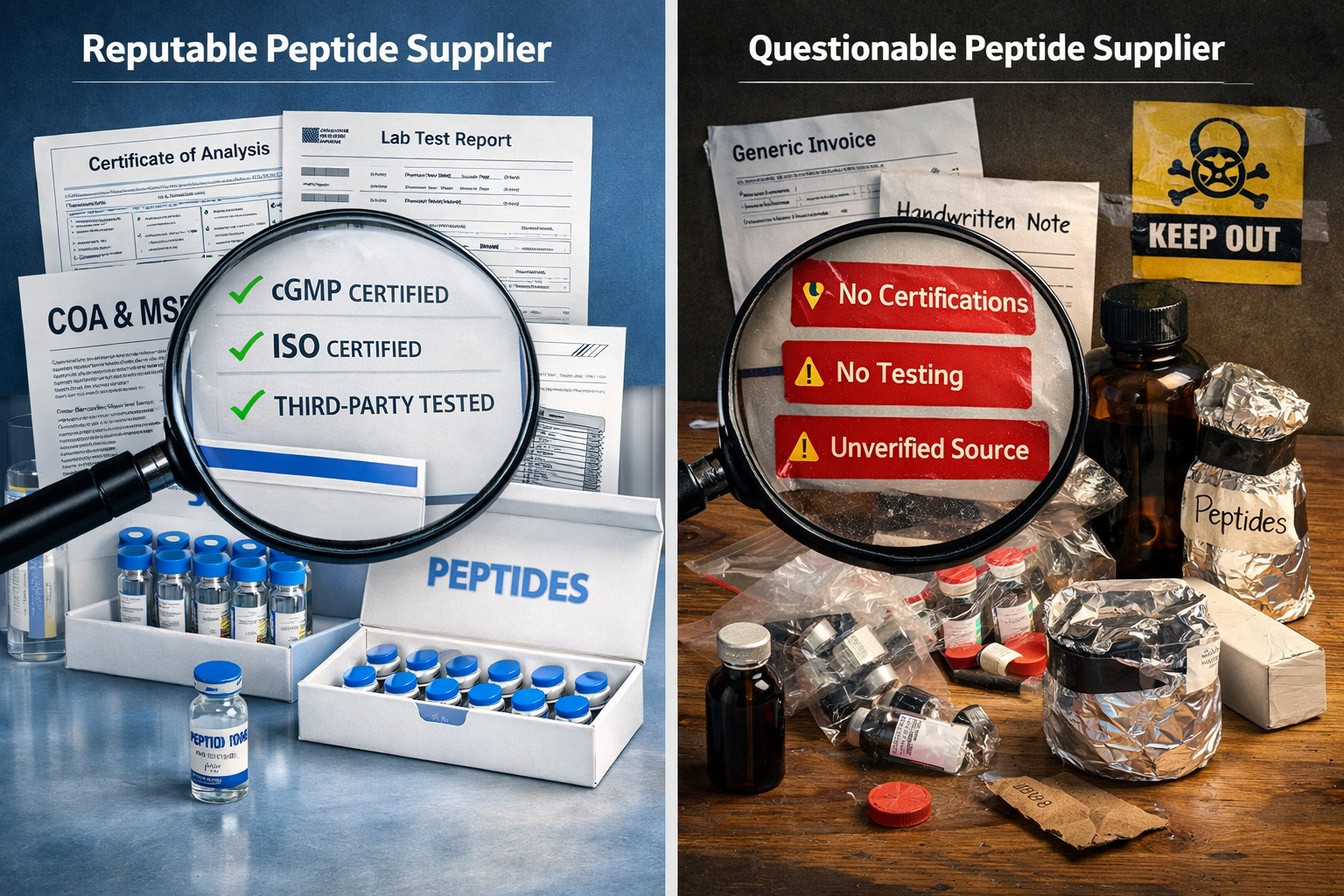
Finding trustworthy peptide suppliers requires a systematic approach to evaluation. The difference between a reputable research company and a questionable vendor can significantly impact your research outcomes and budget.
Essential Quality Indicators
When evaluating where to buy peptides online, several key factors distinguish professional suppliers from amateur operations:
🔬 Third-Party Testing
Legitimate suppliers invest in independent laboratory testing for every batch. Look for companies that provide:
- High-Performance Liquid Chromatography (HPLC) results
- Mass spectrometry verification
- Purity certificates showing >98% purity levels
- Endotoxin testing documentation
- Heavy metals screening results
📋 Comprehensive Documentation
Professional suppliers provide extensive product information including:
- Detailed certificates of analysis (COA)
- Storage and handling guidelines
- Research protocol suggestions
- Safety data sheets (SDS)
- Batch tracking numbers
🏢 Transparent Business Practices
Reputable companies operate with complete transparency:
- Clear contact information and physical addresses
- Responsive customer service teams
- Professional website design and functionality
- Detailed terms of service and privacy policies
- Educational resources and research support
Red Flags to Avoid
Certain warning signs should immediately disqualify a potential supplier:
❌ Unrealistic pricing – Peptides require expensive manufacturing processes; extremely low prices indicate corners are being cut
❌ Health claims – Any supplier making therapeutic claims about their products violates research chemical regulations
❌ Poor communication – Unresponsive customer service or vague product descriptions
❌ Missing documentation – No certificates of analysis or quality testing information
❌ Suspicious payment methods – Only accepting cryptocurrency or money transfers
Evaluating Supplier Credentials
Professional peptide suppliers typically demonstrate their legitimacy through:
Industry Certifications
- GMP (Good Manufacturing Practices) compliance
- ISO quality management certifications
- FDA-registered facilities
- International shipping certifications
Research Community Engagement
- Participation in scientific conferences
- Published research collaborations
- Academic institution partnerships
- Professional association memberships
Customer Testimonials and Reviews
- Verified customer feedback
- Research institution endorsements
- Independent review platform ratings
- Scientific community recommendations
For researchers seeking reliable sources, companies like Pure Tested Peptides exemplify these quality standards through comprehensive testing protocols and transparent business practices.
The Importance of Specialization
The most reliable peptide suppliers focus exclusively on research chemicals rather than trying to be everything to everyone. Specialized companies typically offer:
- Deeper product knowledge from focused expertise
- Better quality control through specialized processes
- Superior customer support from knowledgeable staff
- Consistent inventory of research-grade materials
- Ongoing innovation in product development
When exploring where to buy peptides online, prioritizing specialized suppliers over general chemical distributors often yields better research outcomes and more reliable partnerships.
Quality Assurance and Testing Standards
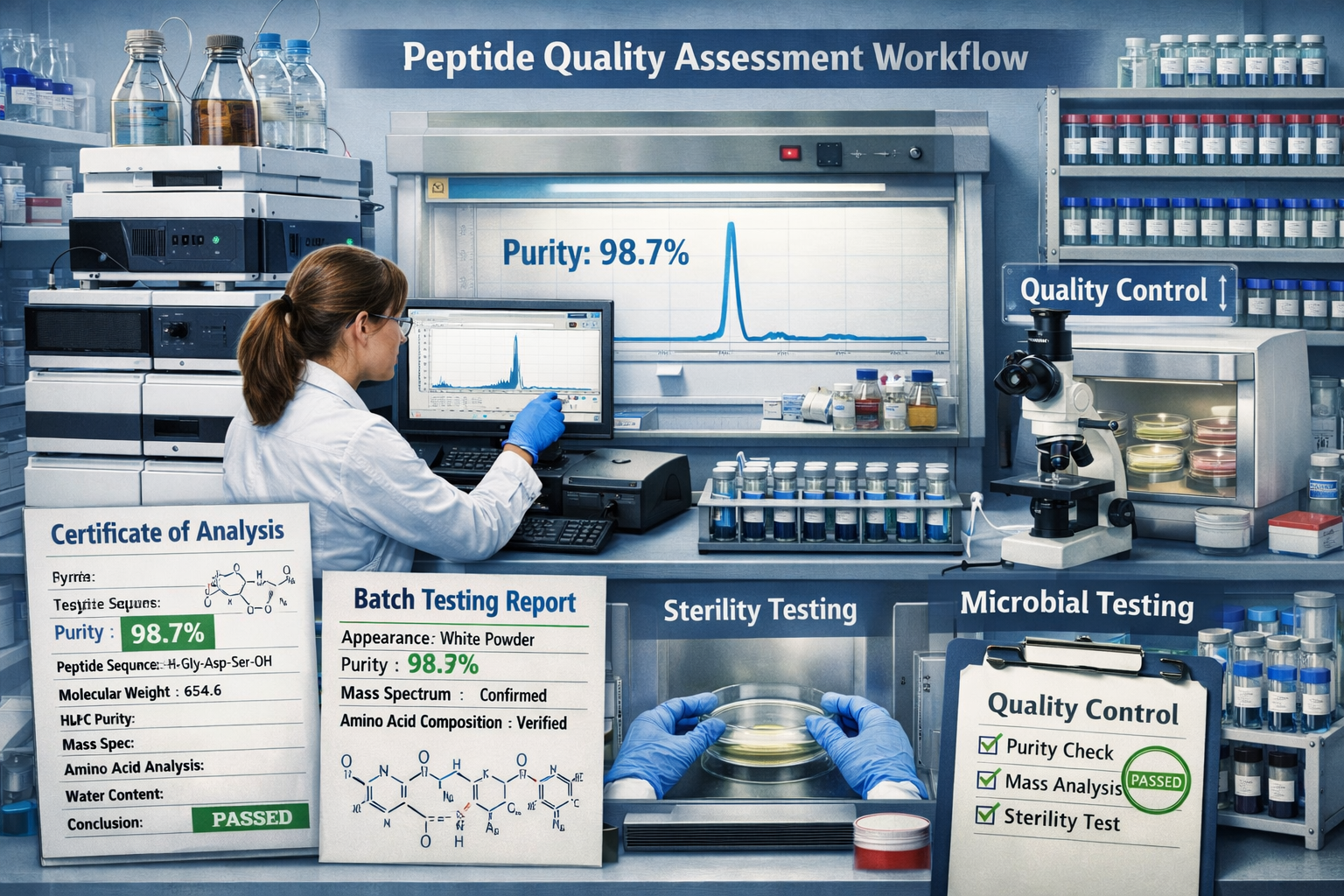
The foundation of reliable peptide research lies in rigorous quality assurance protocols. Understanding these standards helps researchers make informed decisions about where to buy peptides online and ensures their investigations maintain scientific integrity.
Understanding Purity Standards
Peptide purity directly impacts research reliability and reproducibility. Professional suppliers adhere to strict purity benchmarks:
Purity Levels and Their Significance
- >99% Purity: Premium research grade, ideal for critical studies
- >98% Purity: Standard research grade, suitable for most applications
- >95% Purity: Basic research grade, acceptable for preliminary studies
- <95% Purity: Substandard quality, avoid for serious research
The purity percentage represents the amount of target peptide versus impurities, degradation products, and manufacturing byproducts. Even small variations in purity can significantly affect research outcomes, making this metric crucial for supplier evaluation.
Analytical Testing Methods
Reputable suppliers employ multiple analytical techniques to verify product quality:
High-Performance Liquid Chromatography (HPLC)
- Separates and quantifies peptide components
- Identifies impurities and degradation products
- Provides detailed purity profiles
- Industry standard for peptide analysis
Mass Spectrometry (MS)
- Confirms molecular weight accuracy
- Identifies structural modifications
- Detects unexpected compounds
- Validates peptide identity
Amino Acid Analysis
- Verifies sequence accuracy
- Quantifies individual amino acids
- Confirms proper synthesis
- Detects sequence errors
Additional Quality Tests
- Endotoxin testing – Ensures bacterial contamination absence
- Water content analysis – Verifies proper drying and storage
- pH testing – Confirms appropriate acidity levels
- Sterility testing – Validates contamination-free products
Certificate of Analysis (COA) Interpretation
A comprehensive COA serves as your product's quality passport. Professional suppliers provide detailed certificates that include:
Essential COA Components
- Product identification – Name, catalog number, batch information
- Purity results – HPLC chromatogram and percentage purity
- Mass spectrometry data – Molecular weight confirmation
- Testing dates – When analyses were performed
- Storage conditions – Temperature and humidity requirements
- Expiration dating – Product stability timeframe
Reading HPLC Results
- Peak area percentages indicate purity levels
- Multiple peaks suggest impurities or degradation
- Baseline noise indicates analytical quality
- Retention times confirm peptide identity
Companies like Pure Tested Peptides provide comprehensive COAs with every product, ensuring researchers have complete quality information before beginning their studies.
Storage and Stability Considerations
Proper storage significantly impacts peptide quality and research outcomes. Professional suppliers provide detailed storage guidelines:
Temperature Requirements
- -20°C to -80°C: Long-term storage for most peptides
- 2-8°C: Short-term storage for immediate use
- Room temperature: Generally not recommended for extended periods
- Freeze-thaw cycles: Should be minimized to prevent degradation
Environmental Factors
- Humidity control: Low humidity prevents hydrolysis
- Light protection: UV exposure can cause degradation
- Oxygen exposure: Can lead to oxidation of sensitive residues
- pH stability: Affects peptide structure and activity
Packaging Standards
Professional suppliers use specialized packaging including:
- Amber vials for light protection
- Nitrogen flushing to prevent oxidation
- Desiccants for moisture control
- Temperature monitoring during shipping
Quality Control Throughout the Supply Chain
Comprehensive quality assurance extends beyond final product testing to include:
Raw Material Verification
- Amino acid purity testing
- Supplier audits and certifications
- Incoming material quarantine procedures
- Batch-to-batch consistency monitoring
Manufacturing Process Controls
- In-process testing at critical points
- Equipment calibration and maintenance
- Environmental monitoring
- Personnel training and qualification
Final Product Release Testing
- Complete analytical testing battery
- Stability verification studies
- Packaging integrity checks
- Documentation review and approval
When evaluating peptides for sale, researchers should prioritize suppliers who demonstrate comprehensive quality control throughout their entire operation, not just final product testing.
Making Informed Purchasing Decisions
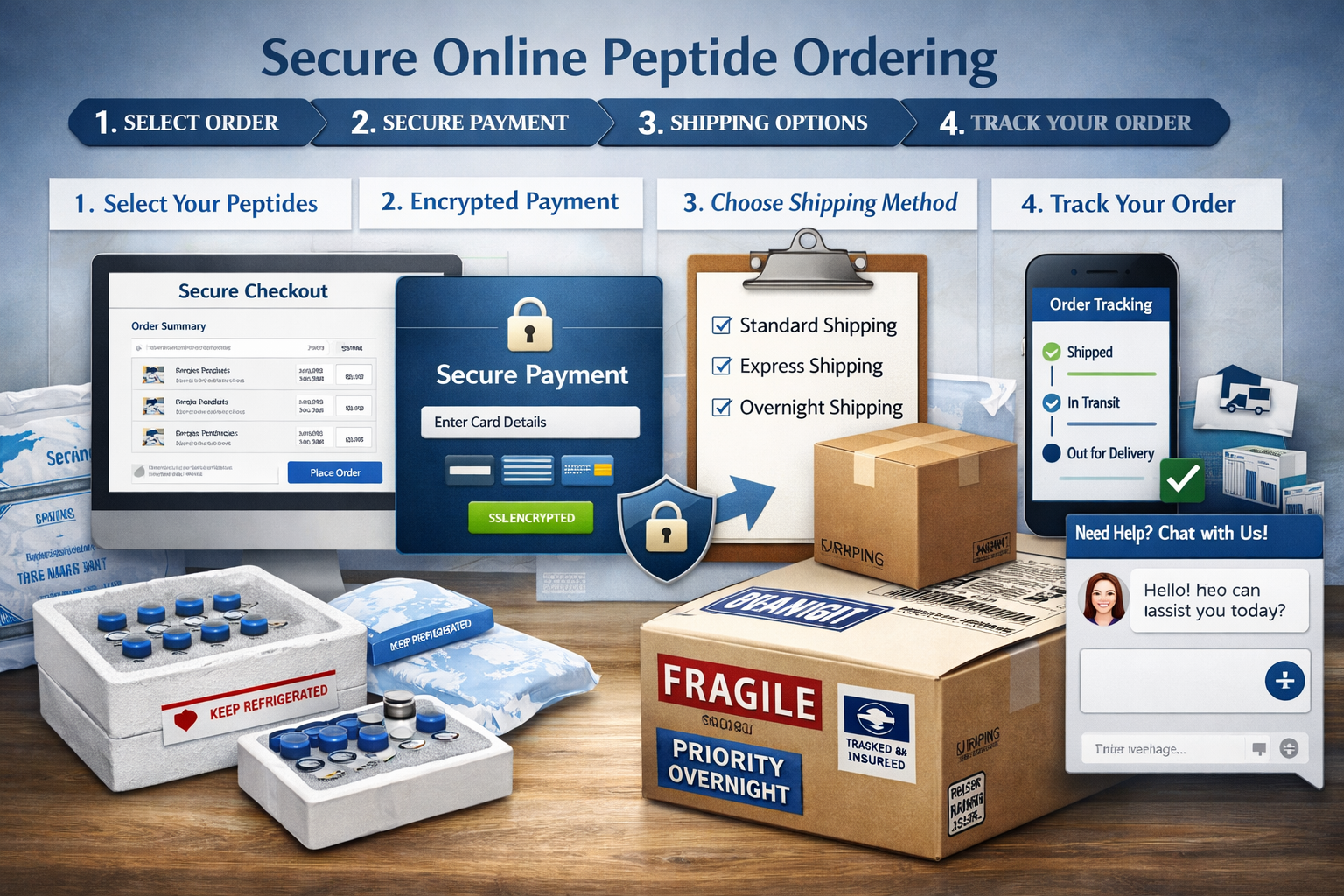
Successful peptide procurement requires balancing multiple factors beyond simple price comparisons. Smart purchasing decisions protect research integrity while optimizing budget allocation and project timelines.
Cost vs. Quality Analysis
The relationship between peptide pricing and quality follows predictable patterns that researchers should understand:
Pricing Factors That Affect Quality
- Synthesis complexity: Longer sequences cost more to produce properly
- Purity requirements: Higher purity demands more purification steps
- Testing protocols: Comprehensive analysis increases production costs
- Scale of production: Smaller batches typically cost more per unit
- Storage requirements: Specialized handling adds operational expenses
Warning Signs in Pricing
- Dramatically low prices: Often indicate compromised quality or questionable sourcing
- No price variation: Suggests lack of quality differentiation
- Hidden fees: Shipping, handling, or testing charges added later
- Bulk discounts only: May indicate pressure to move questionable inventory
Value Assessment Framework
When comparing suppliers, consider total value rather than unit price:
- Product quality (40% weight) – Purity, testing, documentation
- Reliability (25% weight) – Consistency, availability, shipping
- Support (20% weight) – Technical assistance, research guidance
- Price (15% weight) – Competitive but not the primary factor
Quantity Planning and Storage
Effective peptide purchasing requires strategic quantity planning based on research needs and storage capabilities:
Research Timeline Considerations
- Project duration: Order sufficient quantities for complete studies
- Stability periods: Consider peptide shelf life and degradation rates
- Experimental variables: Account for protocol optimization and repeats
- Backup requirements: Plan for unexpected needs or failed experiments
Storage Capacity Assessment
- Freezer space: Ensure adequate -20°C or -80°C storage
- Organization systems: Implement proper labeling and tracking
- Access frequency: Consider how often you'll need each peptide
- Security measures: Protect valuable research materials
Bulk Purchasing Strategies
- Cost savings: Larger quantities often reduce per-unit costs
- Consistency: Same batch ensures experimental reproducibility
- Availability: Protects against supply interruptions
- Sharing opportunities: Coordinate with other researchers for bulk orders
Shipping and Handling Considerations
Peptide shipping requires specialized handling to maintain product integrity:
Temperature Control Requirements
- Cold chain maintenance: Continuous temperature monitoring
- Packaging materials: Dry ice, gel packs, insulated containers
- Transit time limits: Minimize exposure to temperature fluctuations
- Destination preparation: Ensure proper storage immediately upon arrival
International Shipping Complexities
- Customs documentation: Proper classification and declarations
- Regulatory compliance: Meet destination country requirements
- Transit delays: Account for potential customs processing time
- Documentation requirements: Research permits and import licenses
Delivery Timing Optimization
- Weekday delivery: Avoid weekend storage at shipping facilities
- Weather considerations: Plan around extreme temperature periods
- Holiday scheduling: Account for shipping company closures
- Receiving availability: Ensure someone can accept delivery promptly
Companies specializing in research peptides, such as Pure Tested Peptides, understand these shipping complexities and provide appropriate packaging and handling protocols.
Building Supplier Relationships
Long-term supplier relationships provide significant advantages for ongoing research:
Benefits of Supplier Partnerships
- Priority access: First availability of new products and limited quantities
- Technical support: Direct access to synthesis and application expertise
- Custom synthesis: Ability to request specific modifications or sequences
- Volume discounts: Better pricing for consistent purchasing patterns
- Research collaboration: Potential partnerships for novel peptide development
Relationship Building Strategies
- Consistent communication: Regular contact beyond purchase transactions
- Feedback provision: Share research outcomes and product performance
- Payment reliability: Maintain excellent payment history and terms
- Professional networking: Participate in supplier-sponsored events and education
Evaluating Supplier Responsiveness
- Query response time: How quickly they address questions and concerns
- Problem resolution: Their approach to handling issues or complaints
- Proactive communication: Updates on product availability or changes
- Educational resources: Provision of research support and documentation
Documentation and Record Keeping
Proper documentation supports research reproducibility and regulatory compliance:
Essential Purchase Records
- Supplier information: Contact details, certifications, business registration
- Product specifications: Catalog numbers, batch numbers, purity data
- Certificates of analysis: Complete testing documentation for each batch
- Storage conditions: Temperature logs and handling procedures
- Usage tracking: When and how peptides were used in experiments
Regulatory Compliance Documentation
- Research permits: Institutional approvals for peptide use
- Import documentation: Customs declarations and permits
- Safety protocols: Handling procedures and emergency contacts
- Disposal records: Proper waste management documentation
When researchers carefully evaluate where to buy peptides online, focusing on these comprehensive factors rather than price alone, they establish foundations for successful, reproducible research programs that advance scientific knowledge while maintaining the highest standards of integrity.
Conclusion
Navigating the complex landscape of where to buy peptides online requires careful consideration of multiple factors that extend far beyond simple price comparisons. As we've explored throughout this comprehensive guide, successful peptide procurement hinges on identifying suppliers who prioritize quality, transparency, and research integrity above all else.
The peptide research market continues to evolve rapidly, with new suppliers entering the space regularly. However, the fundamental principles of supplier evaluation remain constant: rigorous quality testing, comprehensive documentation, transparent business practices, and unwavering commitment to research-only applications. Companies that demonstrate these qualities, such as Pure Tested Peptides, represent the gold standard for research peptide suppliers.
Remember that your choice of peptide supplier directly impacts your research outcomes, budget efficiency, and scientific credibility. By prioritizing quality over cost savings, building strong supplier relationships, and maintaining meticulous documentation practices, you create the foundation for reproducible, high-impact research that advances scientific knowledge.
Your Next Steps
- Audit your current suppliers using the quality criteria outlined in this guide
- Develop a supplier evaluation checklist incorporating testing standards, documentation requirements, and business practice assessments
- Create a strategic purchasing plan that balances quality, quantity, and budget considerations
- Establish relationships with 2-3 reputable suppliers to ensure consistent access to high-quality peptides
- Implement proper storage and documentation systems to maximize your peptide investments
The research peptide landscape will continue evolving, but by following these evidence-based guidelines, you'll be well-equipped to make informed decisions that support your scientific objectives while maintaining the highest standards of research integrity.
Important Disclaimer: All peptides discussed in this article are intended for research purposes only and are not for human consumption. Researchers should ensure compliance with all applicable regulations and institutional guidelines when purchasing and using research peptides.
SEO Meta Information:
Meta Title: Where to Buy Peptides Online: Complete 2026 Research Guide
Meta Description: Discover trusted sources for research peptides online. Complete guide to quality suppliers, testing standards, and safe purchasing practices for researchers in 2026.