Which Peptide Should I Use in 2025? A Comprehensive Guide to Peptides for Purchase and Research
Navigating the complex world of peptides can feel like charting unexplored territory. For researchers, understanding which peptides work best for specific applications, where to find reliable peptides for purchase, and how to effectively integrate them into studies is paramount. This guide aims to demystify the process, offering a high-authority perspective on selecting the right peptides for your research needs in 2025, whether you're exploring general wellness, targeted physiological functions, or cellular mechanisms. We'll delve into the science behind these potent compounds, highlight leading providers of USA peptides, and discuss the critical considerations for anyone looking to buy peptides for research from reputable sources like Peptidesciences.
Key Takeaways
- Define Your Research Question First: Peptides are tools, not magic solutions. Clearly identifying the underlying patterns of inflammation, energy drain, stress, metabolic dysfunction, or emotional wounds is crucial before selecting a peptide.
- Quality and Purity Are Non-Negotiable: When considering peptides for purchase, always prioritize vendors that provide third-party testing and Certificates of Analysis (CoAs) to ensure you're getting pure, accurately labeled compounds.
- Understand Peptide Categories and Functions: Different peptides target distinct physiological pathways. Familiarize yourself with growth hormone secretagogues, regenerative peptides, metabolic regulators, and immunomodulators to align with your research goals.
- Reputable Suppliers are Key: For reliable USA peptides, choosing established suppliers like Peptidesciences ensures access to high-quality products and essential research support.
- Start with Foundational Changes: Peptides can amplify positive outcomes, but they don't fix foundational confusion or misalignment. Address lifestyle factors and deeply rooted issues first for optimal research results.
Defining the Problem: The Foundation of Peptide Selection in 2025
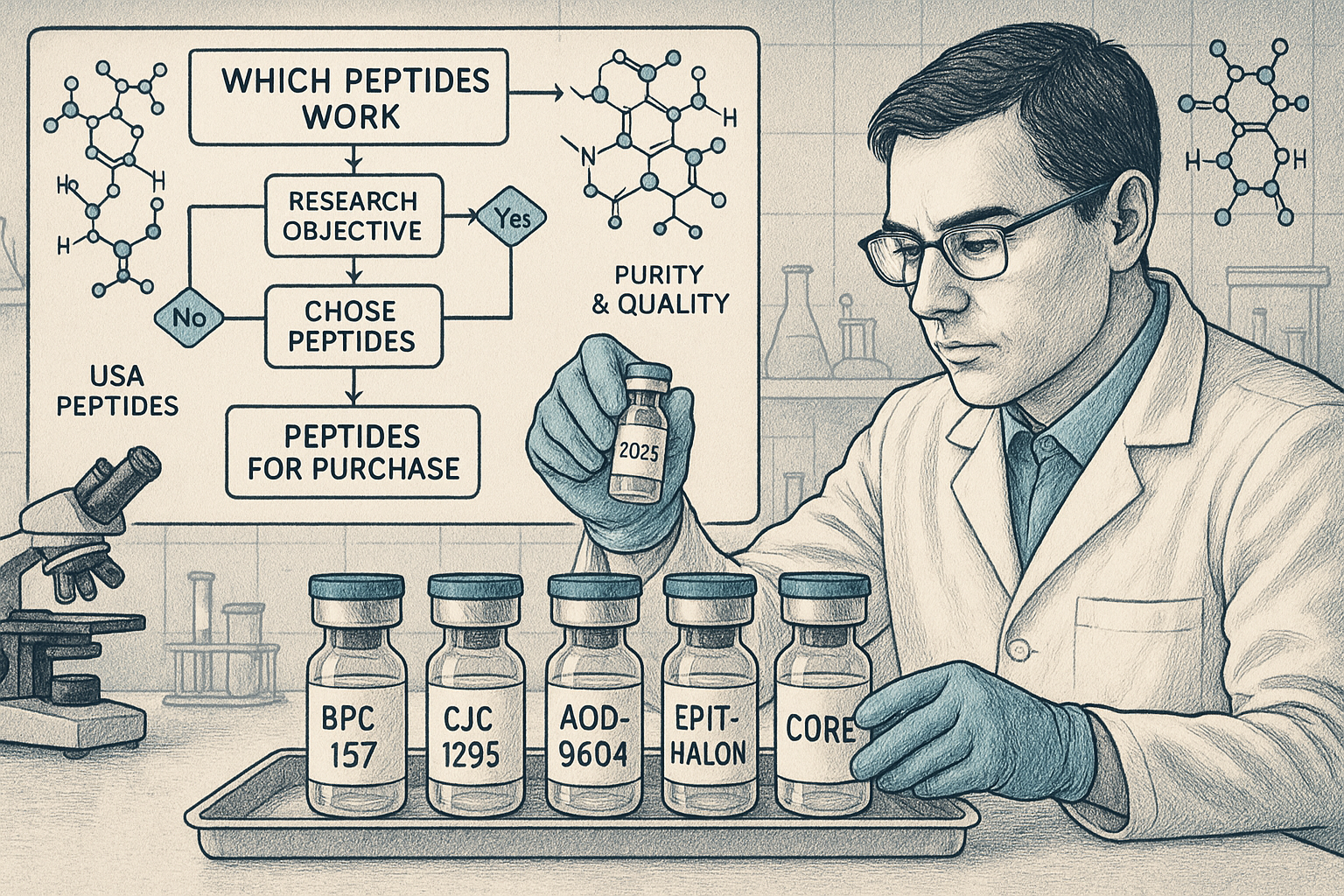
Before considering which peptides work for a given study, researchers must confront the foundational question: "what must I change right now?" This introspective inquiry is not just about personal health; it's a critical framework for scientific investigation. Peptides are powerful biochemical tools, but they operate within a larger biological system. Without a clear understanding of the specific problems being addressed, the application of peptides can be directionless.
Consider these guiding questions for your research design in 2025:
- What patterns are creating inflammation? Is it systemic, localized, or a response to cellular damage? Understanding the root cause of inflammation dictates whether regenerative peptides like BPC-157 or anti-inflammatory compounds might be most appropriate.
- What habits are draining your energy? This could involve mitochondrial dysfunction, poor sleep cycles, or hormonal imbalances. Peptides targeting energy metabolism or sleep regulation might be explored.
- What beliefs are triggering stress? While peptides don't directly alter beliefs, chronic stress has profound physiological impacts. Research might explore peptides that modulate the HPA axis or support neurological resilience.
- What metabolic dysfunction is driving symptoms? Insulin resistance, impaired fat metabolism, or inefficient glucose utilization are prime targets for metabolic peptides. For example, research into 5-Amino-1MQ could be highly relevant here.
- What emotional wounds are affecting your physiology? The gut-brain axis and neuroinflammation are areas where specific neuropeptides could offer avenues for exploration.
This is the real work. Peptides don't fix confusion. Supplements don't fix directionlessness. Tools don't fix misalignment. You cannot solve a problem you haven’t defined. Therefore, the first step in selecting which peptides work for your research is a precise definition of the problem.
The Importance of Precision in Research Design
In 2025, the scientific community places an ever-increasing emphasis on precision and reproducible results. This means that merely acquiring peptides for purchase is insufficient. A robust research protocol requires:
- Clear Objectives: What specific hypothesis are you testing? What measurable outcomes are you seeking?
- Defined Parameters: What dosage, frequency, and duration will be used? What control groups are necessary?
- Ethical Considerations: Ensure all research adheres to ethical guidelines, particularly when working with sensitive biological models.
- Baseline Data: Establishing baseline metrics before introducing peptides is crucial for evaluating their impact. Learn more about baseline trends and data quality for effective research.
Without this meticulous planning, even the highest quality USA peptides purchased from reputable vendors like Peptidesciences may yield inconclusive or misleading data.
Understanding Peptide Categories and Their Applications in Research
Peptides are short chains of amino acids, the building blocks of proteins. They act as signaling molecules in the body, influencing a vast array of physiological processes. Their targeted action and relative specificity make them invaluable tools for research. When considering which peptides work for various studies, it's helpful to categorize them by their primary functions.
1. Growth Hormone Secretagogues (GHS)
These peptides stimulate the body's own production and release of Growth Hormone (GH). GH plays a crucial role in cellular repair, muscle growth, fat metabolism, and overall vitality.
- CJC-1295 (with and without DAC): CJC-1295 with DAC (Drug Affinity Complex) has a longer half-life, leading to sustained GH release, making it suitable for studies requiring less frequent administration. CJC-1295 without DAC provides a shorter, more pulsatile release, mimicking natural GH secretion. Research into CJC-1295 with DAC explores its potential in muscle growth and metabolic regulation. Understanding the differences is vital for targeted studies; learn more about comparing CJC-1295 with and without DAC.
- Ipamorelin: A selective GHRP (Growth Hormone Releasing Peptide), Ipamorelin stimulates GH release without significantly affecting cortisol or prolactin levels, making it appealing for studies focused solely on GH benefits.
- CJC-1295/Ipamorelin Blend: Often combined for a synergistic effect, this blend offers both sustained GH release (from CJC-1295) and increased pulsatility (from Ipamorelin), making it a popular choice for comprehensive GH axis research. Explore the synergy of CJC-1295 and Ipamorelin.
Research Applications: Studies focused on muscle protein synthesis, fat loss, connective tissue repair, and improving sleep quality. When looking for these core peptides, ensure your supplier provides detailed information on their purity and structure.
2. Regenerative and Healing Peptides
These peptides are renowned for their ability to promote tissue repair, reduce inflammation, and accelerate healing processes across various body systems.
- BPC-157 (Body Protection Compound-157): A partial sequence of human gastric juice protein, BPC-157 is widely studied for its potent regenerative and cytoprotective effects. It has shown promise in repairing tendons, ligaments, bones, and even organ damage. It also exhibits significant anti-inflammatory properties and can protect the gastrointestinal tract. Many researchers seek to buy BPC-157 for research due to its broad spectrum of potential applications.
- TB-500 (Thymosin Beta 4): A synthetic version of a naturally occurring peptide, TB-500 promotes wound healing, cell migration, and blood vessel formation (angiogenesis). It works synergistically with BPC-157 in many studies targeting comprehensive tissue repair. Research often explores the BPC-157 and TB-500 combination for enhanced regenerative outcomes.
- GHK-Cu (Copper Tripeptide-1): This naturally occurring copper-binding peptide is extensively studied for its role in skin regeneration, wound healing, and anti-aging properties. It can stimulate collagen and elastin production and acts as a powerful antioxidant. For studies on dermatological applications, considering topical GHK-Cu could be highly beneficial.
Research Applications: Investigating injury recovery, anti-inflammatory mechanisms, gut health, dermatological regeneration, and athletic performance enhancement. When evaluating peptides for purchase, particularly regenerative ones, verifying the supplier's commitment to quality control is essential.
3. Metabolic and Weight Management Peptides
A growing area of research focuses on peptides that influence metabolism, fat loss, and appetite regulation.
- AOD-9604: A modified fragment of the growth hormone molecule, AOD-9604 is studied for its fat-reducing properties without stimulating GH receptors or affecting insulin sensitivity. It appears to work by mimicking the lipolytic effects of GH, specifically targeting fat cells. More research on AOD-9604's metabolic impact is continuously emerging.
- 5-Amino-1MQ: This small molecule is a non-peptide compound but is often grouped with peptides due to its research applications in metabolic health. It acts as an ENMT inhibitor, boosting NAD+ levels and potentially enhancing fat metabolism and energy expenditure. Research into 5-Amino-1MQ is promising for addressing metabolic dysfunction. Further exploration into 5-Amino-1MQ research and data provides valuable insights for researchers.
- CAG: A long-acting amylin analogue that acts as a potent satiety agent and can regulate gastric emptying, leading to reduced food intake and weight loss. It is often studied in conjunction with GLP-1 agonists. Explore research into CAG synergy with GLP-1 for advanced metabolic studies.
Research Applications: Investigating obesity, insulin resistance, type 2 diabetes, fatty liver disease, and appetite control. For these sensitive applications, sourcing from highly reputable providers of USA peptides is non-negotiable.
4. Immune Modulating and Anti-Aging Peptides
This category includes peptides that influence the immune system, cellular longevity, and general well-being.
- Epithalon: A synthetic tetrapeptide derived from the pineal gland, Epithalon is a prominent subject in anti-aging research. It is thought to regulate melatonin production, normalize circadian rhythms, and potentially activate telomerase, thereby contributing to cellular longevity. Discover more about Epithalon and its longevity signals.
- Thymosin Alpha-1 (TA1): A naturally occurring peptide produced by the thymus gland, TA1 plays a crucial role in modulating the immune system, enhancing T-cell function, and strengthening defenses against pathogens.
- LL-37: An antimicrobial peptide with broad-spectrum activity against bacteria, viruses, and fungi. It also exhibits immunomodulatory and anti-inflammatory properties, making it an interesting candidate for research into infection and immune response. Research often looks at the synergy of LL-37 and mots-c.
Research Applications: Exploring immunodeficiency, chronic infections, autoimmune conditions, cellular senescence, and age-related decline. When you buy peptides for research in this area, particular attention to purity and proper storage is essential.
5. Nootropic and Neurological Peptides
These peptides are studied for their potential effects on cognitive function, neuroprotection, and mood regulation.
- Smax: A synthetic analog of a fragment of ACTH (adrenocorticotropic hormone), Smax is researched for its neuroprotective, nootropic, and anxiolytic effects. It may improve memory, focus, and mitigate stress responses.
- Selank: Another synthetic neuropeptide, Selank is a derivative of tuftsin, an immunomodulatory peptide. It is primarily studied for its anxiolytic and antidepressant properties, without sedative side effects.
Research Applications: Investigating cognitive enhancement, neurodegenerative diseases, anxiety, depression, and stress resilience. For studies involving neurological pathways, choosing high-purity core peptides is vital for accurate and reliable results.
The Critical Role of Quality and Sourcing: Where to Buy Peptides for Research in 2025
The integrity of your research hinges entirely on the quality and purity of the peptides you utilize. In 2025, the market for peptides for purchase is robust, but not all suppliers are created equal. It is paramount to distinguish between reputable vendors committed to scientific rigor and those that may offer substandard products.
Why Quality Matters: The Risks of Impure Peptides
Using impure or mislabeled peptides can lead to:
- Inaccurate Results: Contaminants or incorrect peptide sequences can alter experimental outcomes, making your data unreliable and irreproducible.
- Compromised Safety: Unknown impurities can introduce unforeseen variables or even toxic effects in biological models, jeopardizing the integrity of your study.
- Wasted Resources: Time, effort, and funding are squandered when experiments need to be repeated due to poor-quality starting materials.
Key Factors for Selecting a Reputable Peptide Supplier
When looking to buy peptides for research, especially USA peptides, consider the following criteria:
- Third-Party Testing and Certificates of Analysis (CoAs): This is non-negotiable. A reputable supplier will provide readily accessible CoAs for each batch of peptide, detailing purity (often >98-99% by HPLC), mass spectrometry results, and sometimes amino acid analysis. This transparency is a hallmark of trustworthiness.
- Manufacturing Standards: Inquire about their manufacturing processes. Are they adhering to cGMP (current Good Manufacturing Practices) or similar high standards?
- Customer Support and Scientific Resources: A good supplier will have knowledgeable staff who can answer technical questions and provide additional scientific resources or data sheets.
- Positive Reputation and Reviews: Look for long-standing suppliers with positive reviews from other researchers and institutions. Word-of-mouth and testimonials from the scientific community can be highly indicative.
- Clear Labeling and Packaging: Peptides should be clearly labeled with their name, sequence, purity, and batch number. Proper packaging (e.g., lyophilized powder in sterile vials) is also crucial for maintaining stability. Learn about best practices for storing research peptides.
- Transparent Pricing: While not the sole factor, be wary of prices that seem too good to be true, as they often indicate compromised quality.
Peptidesciences and Other Reputable USA Peptides Providers
For researchers seeking high-quality USA peptides, companies like Peptidesciences have established themselves as reliable sources. They typically adhere to stringent quality control measures, provide detailed CoAs, and cater specifically to the research community. When you are ready to buy peptides online in the USA, prioritize vendors that demonstrate this level of commitment to scientific excellence. Building a diverse peptide library is made easier with suppliers like Pure Tested Peptides.
Pull Quote: "The integrity of your research is only as strong as the purity of your peptides. Choose your supplier wisely." 🔬
Designing Your Research: Integrating Peptides into Your Protocol in 2025
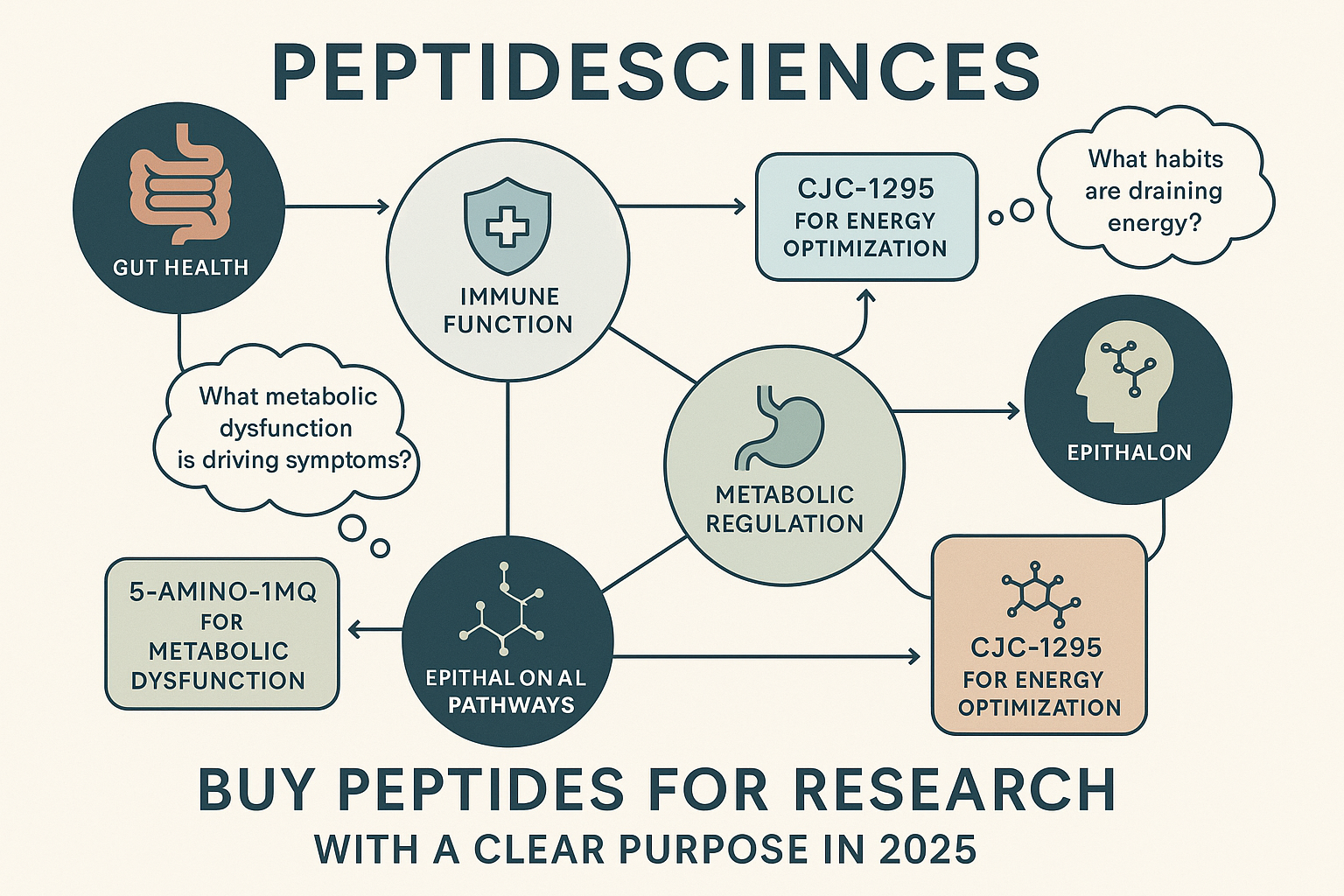
Once you have defined your research question and secured high-quality core peptides from a trusted vendor, the next step is to meticulously design your experimental protocol for 2025. This involves more than just selecting which peptides work; it encompasses dosage, administration, monitoring, and ethical considerations.
Dosage and Administration
Determining the appropriate dosage and route of administration is critical and highly dependent on the specific peptide, the research objective, and the model system being used.
- Dosage Calculation: Based on existing literature or pilot studies, calculate the required peptide amount. Peptides are typically dosed in micrograms (µg) or milligrams (mg).
- Reconstitution: Most research peptides are sold as lyophilized (freeze-dried) powders. They need to be reconstituted with a sterile solvent, often bacteriostatic water or saline, to a specific concentration. Precise measurement and aseptic technique are essential.
- Routes of Administration:
- Subcutaneous (SC) Injection: Common for many peptides due to ease of administration and systemic absorption.
- Intramuscular (IM) Injection: Used when faster absorption or direct delivery to muscle tissue is desired.
- Intranasal: Some peptides, particularly those targeting the central nervous system, can be administered intranasally for direct brain access. For example, BPC-157 nasal spray is an area of study.
- Oral: While less common for peptides due to degradation in the digestive tract, some orally bioavailable peptides or encapsulated forms (e.g., BPC-157 capsules) are being explored.
- Topical: For skin-related research, peptides like GHK-Cu can be applied topically.
- Frequency and Duration: The half-life of the peptide and the desired effect will dictate how often it needs to be administered and for how long. Some peptides may require daily administration, while others with longer half-lives might be administered less frequently. Consider how daily routines and peptide timing might influence your experimental design.
Monitoring and Data Collection
Robust data collection is the cornerstone of any successful research project.
- Biomarkers: Identify specific biomarkers that will provide objective measures of the peptide's effects. For example, blood tests for hormone levels (for GHS), inflammatory markers (for regenerative peptides), or metabolic panels (for metabolic peptides).
- Behavioral Observations: For studies involving nootropics or mood-modulating peptides, careful observation of behavior and cognitive performance is crucial.
- Imaging Techniques: MRI, CT scans, or ultrasound can provide visual evidence of tissue regeneration or changes in body composition.
- Regular Documentation: Keep meticulous records of all peptide preparations, administration times, dosages, and observed outcomes. This includes any adverse events or unexpected findings.
Ethical Considerations and Regulatory Landscape
In 2025, the ethical landscape surrounding peptide research continues to evolve.
- Research Use Only: It is critical to reiterate that the peptides for purchase discussed in this article are strictly for research purposes and not for human consumption. Reputable vendors, including those offering USA peptides and those within the Peptidesciences network, explicitly state this.
- Institutional Review Boards (IRBs) / Ethics Committees: Any research involving animal models or human subjects (e.g., observational studies with de-identified data) must undergo rigorous review and approval by an appropriate ethics committee.
- Regulatory Compliance: Stay informed about the latest regulations concerning the acquisition, handling, and disposal of research chemicals in your region.
Comparative Studies: Single Peptides vs. Blends
Researchers often face the decision of whether to use a single peptide or a blend.
- Single Peptides: Allow for precise investigation of a single compound's effects, making it easier to attribute observed changes to that specific peptide. This is ideal for establishing foundational understanding.
- Peptide Blends: Designed to create synergistic effects, addressing multiple pathways simultaneously. For example, the BPC-157/TB-500 blend targets comprehensive tissue repair. While potentially offering broader benefits, attributing specific effects to individual components can be more challenging. Explore the nuances of comparing single peptides and multi-peptide blends.
The choice depends on your research question. For fundamental mechanistic studies, single peptides are often preferred. For applied wellness research exploring complex physiological interactions, blends might be more suitable. Learn more about applied wellness research with peptides.
Beyond the Vial: Holistic Considerations for Robust Research in 2025
While selecting which peptides work and ensuring their quality are critical, true scientific inquiry recognizes that peptides are just one piece of a larger puzzle. The context in which they are studied – the "real work" of understanding underlying patterns – profoundly influences research outcomes in 2025.
Addressing Foundational Imbalances First
The initial questions posed earlier are not rhetorical. They represent crucial variables that can confound or enhance the effects of any peptide under investigation.
- Inflammation: If systemic inflammation is driven by a poor diet or chronic stress, BPC-157 may help with localized repair, but the root cause will continue to challenge the system. Research studies that simultaneously address dietary interventions alongside peptide administration could yield more profound insights.
- Energy Drain: If sleep deprivation or nutrient deficiencies are draining energy, Ipamorelin might boost GH, but the body's fundamental restorative processes remain compromised. Studies incorporating sleep optimization protocols or nutritional support alongside GH-releasing peptides would offer a more holistic view.
- Metabolic Dysfunction: If a sedentary lifestyle is contributing to insulin resistance, 5-Amino-1MQ might improve fat metabolism, but without increased physical activity, the overall metabolic picture may not fully resolve. Research designs that integrate exercise regimens could demonstrate superior results.
- Emotional Wounds: Chronic psychological stress can manifest as physiological symptoms. While peptides like Selank can help modulate stress responses, parallel studies addressing psychological well-being through behavioral interventions could provide a comprehensive understanding of mind-body interactions.
Pull Quote: "Peptides are amplifiers, not architects. They enhance well-structured systems; they don't build them from scratch." 🏗️
The emphasis here is that the most impactful research often involves multi-modal approaches. Peptides for purchase from leading USA peptides providers like Peptidesciences offer powerful tools, but their true potential is realized when integrated into a well-defined research framework that considers all contributing factors.
Building Reproducible Wellness Studies
For those engaged in wellness-focused research, reproducibility is key. This requires:
- Standardized Protocols: Clearly define every step, from peptide reconstitution to data measurement.
- Control Groups: Always include appropriate control groups to isolate the effects of the peptide.
- Longitudinal Data: Track parameters over time to observe both immediate and sustained effects. This is crucial for understanding the dynamic nature of physiological systems. Explore strategies for building reproducible wellness studies.
- Consider Synergy: Explore how peptides interact with other compounds or lifestyle interventions. Researching peptide blends for research is one way to investigate synergistic effects.
The Future of Peptide Research in 2025
The field of peptidomics is rapidly expanding. In 2025, we anticipate continued advancements in:
- Novel Peptide Discovery: Identification of new endogenous peptides with therapeutic potential.
- Peptide Engineering: Designing modified peptides with enhanced stability, bioavailability, and specificity.
- Delivery Systems: Innovations in oral, transdermal, and targeted delivery methods to overcome current limitations.
- Personalized Peptide Research: Tailoring peptide interventions based on individual genetic profiles and metabolic needs, a concept gaining traction in wellness labs. Discover more about adaptive capacity and peptide mapping.
Researchers who stay abreast of these developments and integrate them into their inquiries will be at the forefront of understanding which peptides work best for the challenges of our time. Staying informed about the latest findings from sources like Peptidesciences and other leading research institutions is vital.
Conclusion: Making Informed Choices for Peptide Research in 2025
Choosing which peptide should I use is a complex, multi-faceted decision that demands careful consideration, especially in 2025's evolving research landscape. It begins not with the peptide itself, but with a profound and precise definition of the problem you aim to investigate. Peptides are sophisticated tools, but they cannot compensate for a lack of clarity in your research objectives or foundational physiological imbalances.
To successfully navigate the world of peptides for purchase, remember these crucial steps:
- Define Your Problem: Clearly articulate the specific inflammation, energy drain, stress, metabolic dysfunction, or emotional wound your research seeks to address. This clarity will guide your peptide selection.
- Understand Peptide Functions: Familiarize yourself with the various categories of peptides—GHS, regenerative, metabolic, immunomodulating, nootropic—and their specific mechanisms of action. This knowledge empowers you to select which peptides work best for your hypothesis.
- Prioritize Quality Sourcing: Always buy peptides for research from reputable suppliers, especially those providing USA peptides, who offer third-party Certificates of Analysis (CoAs) and demonstrate a commitment to purity and quality. Companies like Peptidesciences are invaluable partners in this regard.
- Design Rigorous Protocols: Meticulously plan your research, including dosage, administration route, monitoring, and data collection. Incorporate control groups and consider the broader physiological context for robust, reproducible results.
- Embrace Holistic Research: Recognize that peptides are most effective when integrated into a comprehensive research design that also considers lifestyle factors and underlying systemic issues.
By adhering to these principles, researchers can effectively utilize the power of peptides to unlock new insights into biology and human health. The journey of discovery is an ongoing process, and with a well-defined problem and high-quality tools, the potential for groundbreaking research in 2025 is immense.
Actionable Next Steps:
- Review your current research questions: Are they clearly defined? Do they address foundational issues?
- Identify potential peptide candidates: Based on your refined research questions, explore which peptide categories and specific peptides might be most relevant.
- Vet your suppliers: Ensure any peptides for purchase you consider come with verifiable third-party CoAs and strong reputations in the scientific community.
- Develop a detailed protocol: Outline your proposed dosage, administration, monitoring plan, and ethical considerations.
SEO Meta Information:
Meta Title: Which Peptides Work? Buy Research Peptides USA | 2025 Guide
Meta Description: Discover which peptides work for your research in 2025. Learn to buy high-quality USA peptides for purchase from trusted sources like Peptidesciences, with a focus on core peptides.
Leave a Reply
Want to join the discussion?Feel free to contribute!