
Wolverine Stack: What is it and How Does it Work? A Deep Dive into Peptide Blends for Research in 2025
The realm of scientific research is constantly evolving, with new compounds and blends emerging that capture the attention of researchers worldwide. Among these, the "wolverine stack" has garnered significant interest within the peptide research community in 2025. But what exactly is the wolverine stack, and how is it hypothesized to work? This comprehensive article will explore the components of this intriguing blend, its potential research applications, and the scientific understanding behind its mechanisms. For those looking to buy wolverine stack for laboratory studies, understanding its scientific underpinnings is crucial. We will delve into the specific peptides that form the core of the wolverine stack peptide, examining the existing laboratory science and research findings that illuminate its theoretical benefits. As we proceed, we will address common inquiries such as "what is the wolverine stack" and explore aspects like wolverine stack dosage and wolverine stack benefits strictly within the context of controlled scientific studies.
Key Takeaways
- The wolverine stack is a peptide blend primarily composed of BPC-157 and TB-500, designed for advanced research into tissue repair and regeneration.
- BPC-157, a gastric pentadecapeptide, is studied for its potential roles in wound healing, anti-inflammatory effects, and tissue protective properties across various organ systems.
- TB-500, a synthetic variant of Thymosin Beta-4, is researched for its influence on cell migration, angiogenesis (new blood vessel formation), and tissue repair mechanisms.
- The hypothesized synergy of the wolverine stack bpc tb aims to combine and amplify the individual effects of BPC-157 and TB-500, offering a multifaceted approach to investigating regenerative processes.
- Research on the peptide wolverine stack focuses on understanding its mechanisms at the cellular and molecular levels, particularly in models of injury, inflammation, and recovery.
Decoding the Wolverine Stack Peptide: Components and Mechanisms
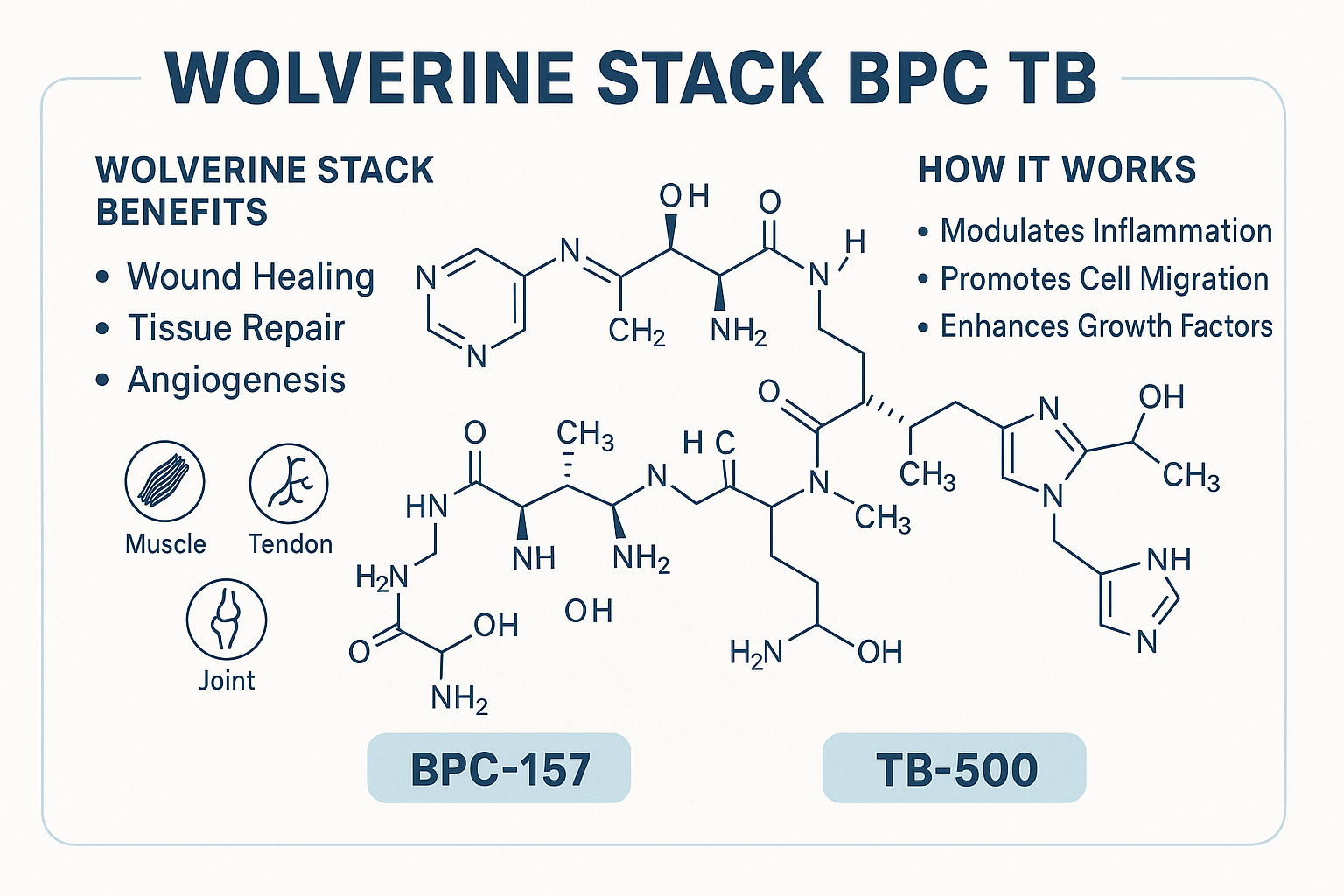
The wolverine stack is a specific combination of two well-researched peptides: Body Protection Compound-157 (BPC-157) and Thymosin Beta-4 (TB-500). This blend is often referred to as the wolverine stack peptide or the wolverine stack peptides due to its targeted approach to tissue repair and regeneration, mirroring the fictional character's rapid healing abilities. To truly understand what is the wolverine stack, it's essential to examine each component individually and then consider their combined effects in a research context.
BPC-157: The Gastric Pentadecapeptide
BPC-157 is a synthetic peptide, a partial sequence of human gastric juice protein BPC. It consists of 15 amino acids and has been the subject of numerous in vitro and in vivo studies. Researchers are particularly interested in its potential for:
- Accelerated Wound Healing: Laboratory studies have shown BPC-157's capacity to accelerate the healing of various tissues, including muscles, tendons, ligaments, and bones. This is often attributed to its role in promoting angiogenesis—the formation of new blood vessels—and influencing growth factors. Studies indicate that BPC-157 can stabilize F-actin and improve cell survival, crucial for tissue regeneration.
- Anti-inflammatory Effects: Research suggests BPC-157 exhibits significant anti-inflammatory properties. It appears to modulate inflammatory responses, potentially by regulating various cytokines and growth factors. This makes it a compelling subject for studies on conditions involving chronic inflammation.
- Organoprotective Properties: Beyond musculoskeletal repair, BPC-157 has been investigated for its protective effects on various organs, including the gastrointestinal tract, liver, and brain. It has shown promise in mitigating damage from various insults, such as ulcers and drug-induced injuries. This broader protective capacity highlights its versatility in research.
- Nitric Oxide System Modulation: Studies have indicated that BPC-157 interacts with the nitric oxide (NO) system, a key regulator of various physiological processes including blood flow and inflammation. Its ability to modulate NO production and activity may contribute to its diverse therapeutic potentials observed in research.
For researchers interested in BPC-157, a deeper dive into its mechanisms can be found in discussions around BPC-157. Those looking for detailed information on various forms for research can also explore BPC-157 capsules research themes and BPC-157 nasal spray and capsules evidence.
TB-500: The Regenerative Thymosin
TB-500 is a synthetic version of the naturally occurring peptide Thymosin Beta-4 (TB4). TB4 is found in virtually all human and animal cells and is a critical regulator of cell division, migration, and differentiation. Research into TB-500 focuses on its role in:
- Cell Migration and Actin Regulation: TB-500 plays a crucial role in regulating actin, a protein essential for cell structure and movement. By promoting actin polymerization, TB-500 facilitates cell migration, which is vital for wound healing and tissue repair. This mechanism allows various cells, including fibroblasts and endothelial cells, to move to sites of injury.
- Angiogenesis: Similar to BPC-157, TB-500 is a potent promoter of angiogenesis. It encourages the formation of new blood vessels, which is essential for delivering oxygen and nutrients to damaged tissues and facilitating repair. This property is particularly significant in ischemic conditions and chronic wounds.
- Inflammation Reduction: TB-500 has demonstrated anti-inflammatory effects in various in vitro and in vivo models. It can reduce the production of pro-inflammatory cytokines and chemokines, contributing to a more favorable environment for tissue regeneration.
- Stem Cell Activation: Some research suggests that TB-500 may promote the activation and differentiation of various stem cell populations, further contributing to its regenerative potential. This makes it a fascinating subject for studies on regenerative medicine.
Further information on related peptide research can be found on pages such as adaptive capacity and peptide mapping and cellular maintenance with peptide tools.
The Synergy of the Wolverine Stack BPC TB
The concept behind combining BPC-157 and TB-500 to create the wolverine stack bpc tb is rooted in the idea of synergistic action. While both peptides individually show significant promise in tissue repair and regeneration, researchers hypothesize that their combined effects may be greater than the sum of their parts.
- Multifaceted Healing: BPC-157’s targeted effects on tendon-to-bone healing, mucosal integrity, and anti-inflammatory pathways, combined with TB-500's broad influence on cell migration, actin dynamics, and angiogenesis, could create a comprehensive regenerative environment. This combination offers a more robust platform for researching complex injuries or systemic conditions.
- Enhanced Angiogenesis: Both peptides are known to promote angiogenesis. In combination, they might stimulate this crucial process more effectively, ensuring better blood supply to injured areas, which is vital for accelerated healing.
- Complementary Anti-inflammatory Pathways: While both possess anti-inflammatory properties, they might act through different or complementary pathways, leading to a more potent reduction of inflammation and a quicker resolution of tissue damage.
- Broader Spectrum of Tissue Repair: The wolverine stack peptides may offer a broader spectrum of tissue repair capabilities. BPC-157 is often noted for specific tissue types like tendons and gut, while TB-500 has a more generalized effect on cellular repair and migration across various tissues. This makes the wolverine stack before and after results a compelling area of study in diverse injury models.
Understanding this synergy is key to comprehending what is the wolverine peptide stack and its potential as a research tool. When considering where to buy wolverine stack, researchers often look for vendors that provide detailed information on the purity and composition of these blends.
Research Applications and Observed Benefits of the Wolverine Stack
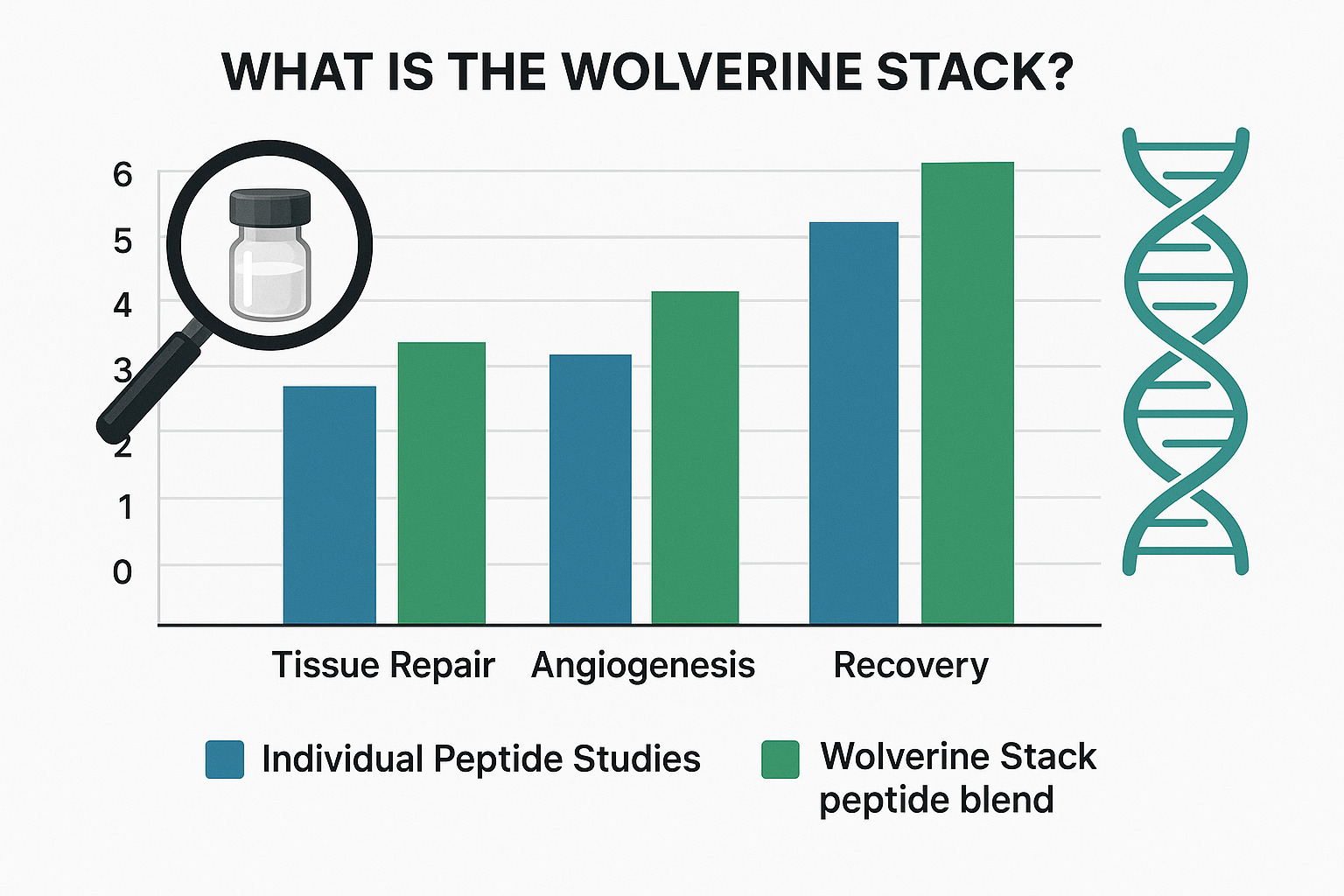
The wolverine stack, primarily consisting of BPC-157 and TB-500, is a subject of intense interest in various research fields due to the hypothesized wolverine stack benefits. While studies are ongoing, the individual peptides have demonstrated significant potential in numerous laboratory settings, leading researchers to explore their combined effects in a peptide wolverine stack.
Investigating Musculoskeletal Injuries
One of the primary areas of research for the wolverine stack involves musculoskeletal repair. Given that BPC-157 has shown promise in accelerating the healing of tendons, ligaments, and muscles, and TB-500 contributes to cell migration and tissue regeneration, their combination is a natural fit for studies focused on:
- Tendon and Ligament Repair: In animal models, BPC-157 has demonstrated the ability to promote the healing of torn tendons and ligaments, including improvements in tensile strength. TB-500's role in promoting angiogenesis and cell motility could further enhance this process, making the wolverine stack bpc tb a focus for advanced research into chronic tendon injuries.
- Muscle Regeneration: Both peptides are thought to contribute to muscle repair following injury. BPC-157 helps reduce inflammation and improves cellular survival, while TB-500 can aid in the migration of satellite cells, crucial for muscle regeneration. This makes the the wolverine stack a promising area for investigating recovery from muscle tears and strains.
- Bone Healing: While BPC-157 has shown direct effects on bone healing in certain models, TB-500's role in promoting a regenerative environment could indirectly support this. Researchers are exploring how the blend influences osteoblast activity and bone matrix formation.
For those conducting such research, quality is paramount. Information on best practices for storing research peptides can ensure experimental integrity.
Exploring Gastrointestinal Health and Wound Healing
BPC-157, originally discovered in gastric juice, has a strong research history in gastrointestinal healing. Its properties extend to various forms of wound repair across different organ systems.
- Ulcerative Colitis and Gastric Ulcers: BPC-157 has been extensively studied for its protective and healing effects on the gastrointestinal mucosa. When combined in the wolverine stack, researchers are interested to see if TB-500's anti-inflammatory and regenerative properties further enhance these effects, offering new avenues for understanding gastrointestinal disorders.
- Skin Wound Repair: Both peptides have shown positive effects on dermal wound healing. BPC-157 promotes collagen production and angiogenesis, while TB-500 accelerates keratinocyte and fibroblast migration. The peptide wolverine stack could therefore be a valuable tool for studying complex wound healing processes.
Investigating Neurological Recovery and Neuroprotection
Emerging research suggests both BPC-157 and TB-500 may have neuroprotective and neuroregenerative properties.
- Neuroprotection: Studies have indicated that BPC-157 can protect neurons from various insults and promote functional recovery after brain or spinal cord injury. TB-500 has also been linked to neuroprotection and improved neurological outcomes in some models.
- Spinal Cord Injury (SCI) Research: The combined pro-angiogenic and anti-inflammatory properties of the wolverine stack peptide could make it an interesting candidate for investigating recovery from spinal cord injuries, focusing on nerve regeneration and reducing secondary damage.
This area of research is complex, and understanding how peptides interact with neurological systems is a frontier. Resources on cognition and sleep in wellness studies may offer relevant insights for broader wellness research.
Anti-inflammatory and Angiogenic Research
The profound anti-inflammatory and pro-angiogenic effects of both BPC-157 and TB-500 are key reasons for the formation of the wolverine stack.
- Chronic Inflammation Models: Researchers use the wolverine stack to study mechanisms by which chronic inflammation can be mitigated, and how subsequent tissue repair is facilitated. This could have implications for understanding a wide range of inflammatory diseases.
- Ischemic Conditions: The blend's ability to promote new blood vessel formation is highly relevant for research into conditions caused by insufficient blood supply, such as peripheral artery disease or myocardial ischemia. The best wolverine stack research often focuses on optimizing these effects.
The potential research applications of the wolverine stack peptides are extensive, spanning multiple physiological systems. This broad utility is why inquiries like "what is the wolverine stack" are increasingly common among scientific researchers. When acquiring these materials, researchers need to know where to buy wolverine stack from reputable sources like Pure Tested Peptides to ensure quality and purity.
Practical Considerations for Researching the Wolverine Stack in 2025
Conducting research with the wolverine stack requires careful planning, adherence to ethical guidelines, and an understanding of appropriate laboratory practices. As interest grows in the wolverine stack peptide, questions regarding sourcing, handling, and experimental design frequently arise.
Sourcing and Purity: Where to Buy Wolverine Stack
One of the most critical aspects of peptide research is ensuring the purity and authenticity of the compounds used. Researchers looking for wolverine stack for sale must prioritize reputable suppliers. The quality of peptides can significantly impact experimental results, making it essential to:
- Verify Supplier Credentials: Choose suppliers that specialize in research peptides and provide transparent information about their manufacturing processes and quality control.
- Request Certificates of Analysis (CoA): A CoA is a document that confirms a product meets its specification. It typically includes details on purity, identity, and absence of contaminants. Reputable vendors will readily provide CoAs for their wolverine stack peptides. For instance, Pure Tested Peptides offers wolverine stack peptide with detailed quality assurance.
- Understand Pricing: The wolverine stack cost and wolverine stack price can vary. While cost is a factor, it should not supersede the importance of quality. A significantly lower wolverine stack price might indicate compromised purity.
- Look for Transparency: Suppliers that offer detailed product descriptions, storage guidelines, and research applications demonstrate a commitment to supporting scientific inquiry. When considering where to buy wolverine stack, check for clear, comprehensive product information like that found on Pure Tested Peptides.
Wolverine Stack Dosage in Research Settings
Determining the appropriate wolverine stack dosage is a complex process in scientific research, as it depends heavily on the specific research model, the target outcome, and the specific peptides being combined.
- Individual Peptide Dosages: Researchers often begin by reviewing existing literature on the individual peptides, BPC-157 and TB-500, to establish a baseline for their respective dosages in various models. Information found on forums like "wolverine stack dosage reddit" might offer anecdotal discussion, but should always be corroborated with peer-reviewed scientific literature.
- Synergistic Ratios: When combining peptides, the ratio and total dosage of the wolverine stack bpc tb need careful consideration. The goal is to maximize synergistic effects while minimizing potential interactions. This often involves dose-response studies.
- Route of Administration: The route of administration (e.g., subcutaneous, oral, topical) can significantly affect the bioavailability and efficacy of peptides. Research protocols must specify and justify the chosen route, as discussed in commonly researched typical dosages for peptides.
- Duration of Study: The length of time a peptide blend is administered in a study is also a critical factor, impacting observed effects and potential mechanisms.
- Experimental Controls: Robust experimental design includes appropriate control groups (e.g., saline-only, individual peptide controls) to isolate the effects of the wolverine stack itself.
Researchers seeking insight into optimal dosages should always consult established scientific databases and literature rather than relying solely on anecdotal reports or "wolverine stack reddit" discussions for definitive dosing information.
Reconstitution and Storage
Proper handling and storage are vital for maintaining the stability and efficacy of peptides.
- Reconstitution: Peptides typically come in lyophilized (freeze-dried) powder form and must be reconstituted with a sterile solvent, usually bacteriostatic water. Precise measurement and aseptic technique are crucial.
- Storage: Once reconstituted, peptide wolverine stack solutions generally require refrigeration (2-8°C) to maintain stability. For longer-term storage, freezing aliquots may be necessary. Always refer to the manufacturer's specific guidelines, as well as general best practices for storing research peptides.
Ethical Considerations and Regulatory Landscape
It is imperative that all research involving the wolverine stack adheres to strict ethical guidelines and regulatory frameworks.
- Research Use Only: The wolverine stack peptide and its components are sold for research purposes only and are not intended for human consumption or therapeutic use. This distinction is critical and must be respected by all researchers.
- Institutional Review Boards (IRBs): Any research involving animal models or human subjects (though the latter is beyond the scope of this research-only discussion for peptides) must be approved by an appropriate ethics committee or IRB.
- Data Integrity: Maintaining rigorous data collection, analysis, and reporting practices is essential for the credibility and reproducibility of scientific findings.
By adhering to these practical considerations, researchers can contribute valuable, reliable data to the growing body of knowledge surrounding the wolverine stack and its individual components. The goal is to advance scientific understanding of tissue repair, regeneration, and anti-inflammatory processes. When contemplating best place to buy wolverine stack or best wolverine stack peptide, purity and scientific rigor are paramount.
Conclusion
The wolverine stack, a blend of BPC-157 and TB-500, represents a significant area of interest in peptide research for 2025. This powerful combination is hypothesized to offer a synergistic approach to investigating tissue repair, regeneration, and anti-inflammatory mechanisms. By understanding the individual properties of BPC-157's gastric protective and healing capabilities, and TB-500's profound influence on cell migration and angiogenesis, researchers can appreciate the rationale behind developing the wolverine stack peptide.
From accelerated musculoskeletal repair to enhanced gastrointestinal healing and potential neuroprotection, the wolverine stack benefits are being rigorously explored in diverse laboratory settings. Key research themes include the blend's ability to promote comprehensive healing, reduce inflammation, and stimulate the formation of new blood vessels, making it a compelling tool for studies across various injury and disease models.
For scientists embarking on studies with the wolverine stack, careful consideration of sourcing from reputable providers, understanding appropriate wolverine stack dosage in a controlled research context, and adhering to strict handling and ethical guidelines are paramount. As the scientific community continues to unravel the complexities of peptide therapeutics, the the wolverine stack stands out as a focal point for innovative research into regenerative biology. Those looking to advance their studies and buy wolverine stack should always prioritize quality and purity from trusted suppliers to ensure accurate and reproducible results.
Meta Title: Wolverine Stack: Unraveling Peptide Blends & Research in 2025
Meta Description: Explore the wolverine stack peptide (BPC-157 & TB-500) for research in 2025. Understand its mechanisms, benefits, and where to buy quality peptides.