
Understanding Cagrilintide and Retatrutide: A Deep Dive for Health Enthusiasts in 2025
The quest for advanced metabolic health solutions continues to drive scientific inquiry, leading to the emergence of novel compounds with profound potential. Among the most talked-about candidates are cagrilintide and retatrutide, two investigational peptides that have garnered significant attention for their unique mechanisms of action and promising research outcomes. For gym health enthusiasts and those committed to optimizing their well-being, understanding these cutting-edge research compounds is crucial in 2025. This article will explore the science behind cagrilintide and retatrutide, their individual properties, and the compelling reasons why researchers are exploring their potential synergy.
Key Takeaways
- Cagrilintide is a dual agonist targeting GLP-1 and amylin receptors, primarily studied for its impact on appetite regulation and post-meal glucose control.
- Retatrutide is a groundbreaking triple agonist, activating GLP-1, GIP, and glucagon receptors, offering a broader spectrum of metabolic effects, including significant impact on energy expenditure and fat metabolism.
- Research is actively exploring the potential benefits of using cagrilintide and retatrutide together due to their complementary mechanisms, which could lead to enhanced metabolic outcomes.
- While promising, both compounds are currently investigational, and studies are ongoing to fully understand their long-term effects and optimal applications in metabolic research.
- These peptides represent the forefront of scientific research into advanced metabolic support, offering new avenues for exploration beyond traditional approaches.
The Science Behind Cagrilintide and Retatrutide: Individual Mechanisms and Research Focus
The landscape of metabolic research is constantly evolving, with a particular focus on peptides that mimic natural hormones involved in energy balance, glucose homeostasis, and satiety. Cagrilintide and retatrutide stand out due to their innovative approaches to engaging these intricate biological systems. To truly appreciate their potential, it's essential to understand each compound individually before delving into the concept of cagrilintide and retatrutide together.
Cagrilintide: A Dual Agonist for Appetite Control and Satiety
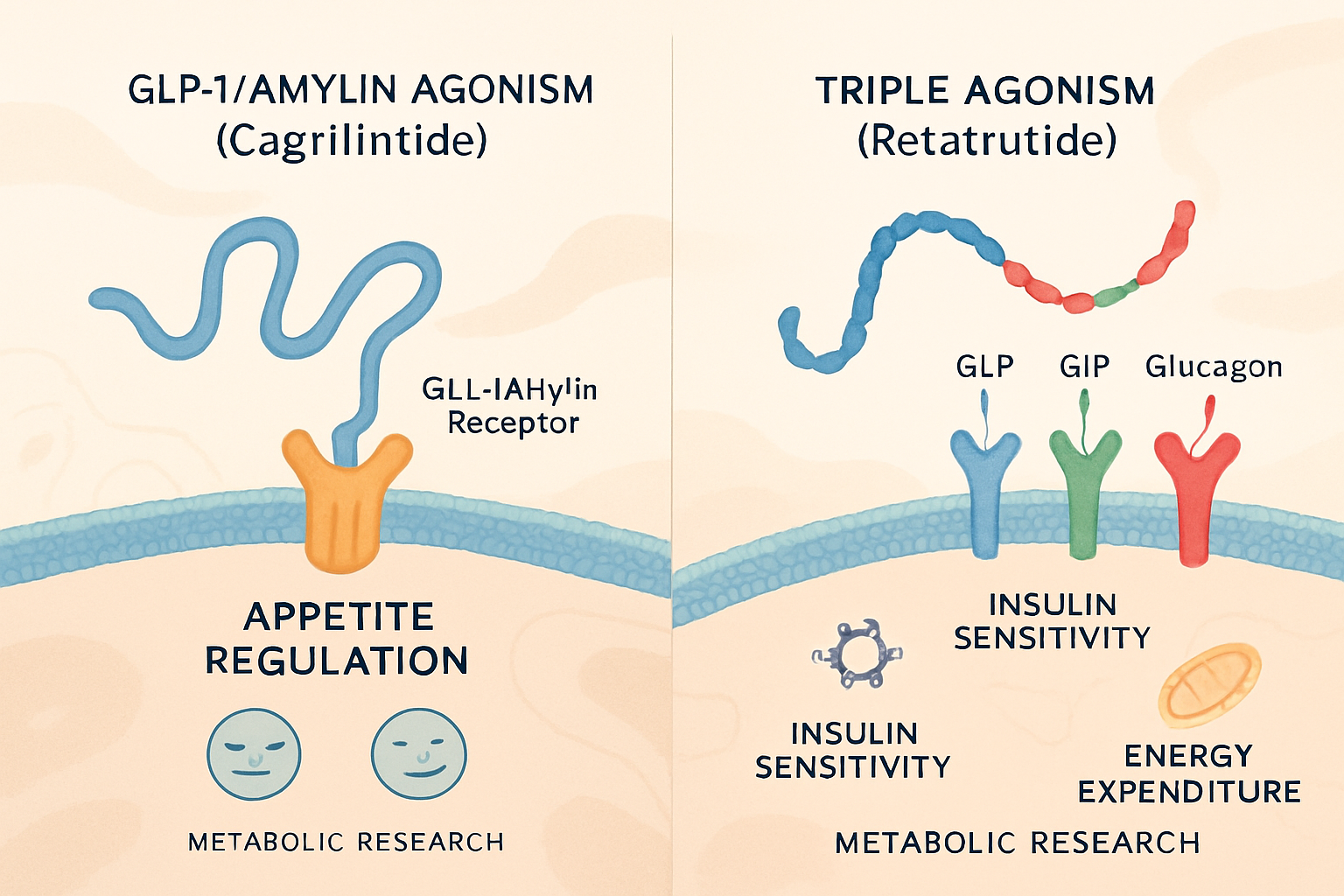
Cagrilintide is a fascinating research peptide that acts as a dual agonist, meaning it activates two different types of receptors in the body: the glucagon-like peptide-1 (GLP-1) receptor and the amylin receptor [1]. Both GLP-1 and amylin are naturally occurring hormones that play significant roles in regulating appetite, food intake, and glucose metabolism.
- GLP-1 Receptor Agonism: GLP-1 is known for stimulating insulin secretion, slowing gastric emptying, and promoting feelings of fullness (satiety) in the brain. By activating GLP-1 receptors, cagrilintide can help to reduce hunger and caloric intake.
- Amylin Receptor Agonism: Amylin, co-secreted with insulin from the pancreas, also contributes to satiety and helps regulate post-meal glucose levels by slowing gastric emptying and suppressing glucagon secretion. Cagrilintide's amylin activity enhances these effects.
The combined action of cagrilintide on both GLP-1 and amylin pathways has made it a subject of extensive research for its potential in influencing body composition and metabolic markers. Early studies have indicated its ability to induce significant and sustained reductions in body weight [2]. This dual mechanism is particularly interesting because it targets different aspects of metabolic regulation simultaneously, offering a more comprehensive approach compared to single-receptor agonists. Researchers studying peptides for advanced metabolic research often look for compounds with multi-faceted actions, making cagrilintide a prime candidate for investigation.
When considering research applications, understanding the purity and quality of peptides like cagrilintide is paramount. Reputable suppliers, such as Pure Tested Peptides, offer high-quality research peptides for scientific study. For more information on individual peptides, one can explore resources on peptide blends research and specific compounds like cagrilintide 10mg research peptide information.
Retatrutide: A Triple Agonist Pushing Metabolic Boundaries
Retatrutide represents a significant advancement in metabolic research, distinguishing itself as a "triple agonist." This means it activates three crucial receptors: GLP-1, glucose-dependent insulinotropic polypeptide (GIP), and glucagon receptors [3]. This multi-pronged approach allows retatrutide to exert a broader and potentially more profound impact on metabolic pathways than dual or single agonists.
Let's break down its triple action:
- GLP-1 Receptor Agonism: Similar to cagrilintide, retatrutide activates GLP-1 receptors, contributing to improved glucose control, delayed gastric emptying, and enhanced satiety.
- GIP Receptor Agonism: GIP is another incretin hormone that stimulates insulin release in response to food intake and plays a role in fat deposition. GIP agonism can further enhance glucose metabolism and may have positive effects on lipid profiles.
- Glucagon Receptor Agonism: This is where retatrutide truly differentiates itself. While glucagon is typically known for raising blood sugar, controlled activation of its receptor can increase energy expenditure and promote lipolysis (fat breakdown) [4]. This unique aspect contributes to retatrutide's significant research outcomes in reducing fat mass.
The synergistic activation of these three receptors allows retatrutide to address multiple facets of metabolic dysfunction, including appetite regulation, glucose homeostasis, and energy expenditure. Research into retatrutide has shown impressive results in clinical trials, demonstrating substantial body weight reductions and improvements in various metabolic markers, even when compared to compounds like tirzepatide (a dual GLP-1/GIP agonist) [5]. The question of cagrilintide vs retatrutide often arises due to their distinct yet powerful mechanisms. While both are potent, retatrutide’s triple agonism offers a unique breadth of action, making it a highly compelling subject for researchers focused on comprehensive metabolic interventions.
"The emergence of triple agonists like retatrutide signifies a pivotal moment in metabolic research, offering an unprecedented scope for impacting energy balance and glucose regulation."
For those interested in the broader world of peptide research, understanding the best practices for handling and storing these sensitive compounds is vital. Information on best practices for storing research peptides can be found from reputable suppliers.
The Synergy of Cagrilintide and Retatrutide: Researching a Powerful Combination
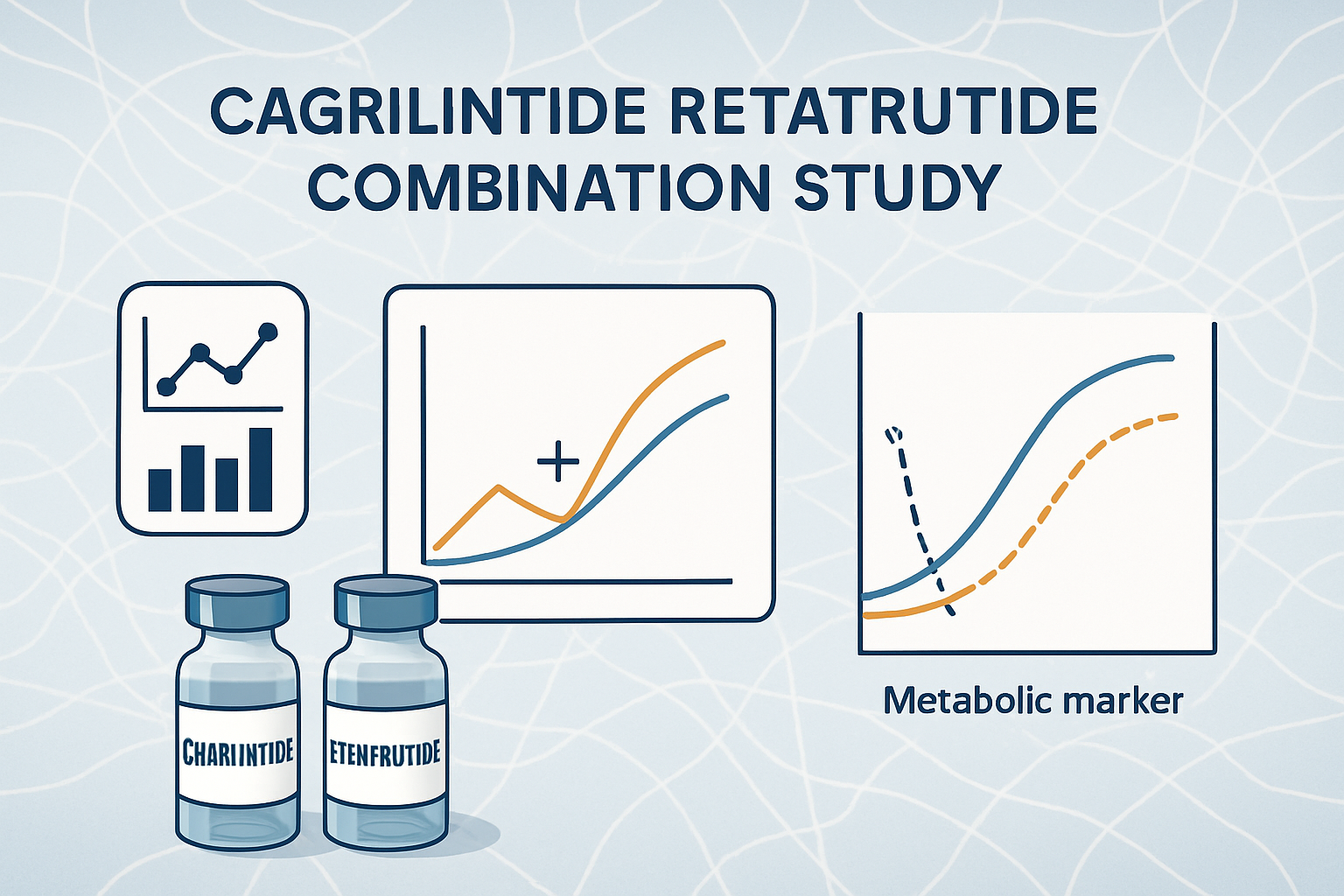
Given the individual strengths of cagrilintide and retatrutide, researchers are naturally exploring the potential benefits of using cagrilintide and retatrutide together. The idea behind a cagrilintide retatrutide combination study or a retatrutide cagrilintide blend is to leverage their complementary mechanisms of action to achieve potentially enhanced or broader metabolic effects than either compound could achieve alone.
Why Combine Cagrilintide and Retatrutide?
The rationale for investigating retatrutide and cagrilintide together stems from their distinct but complementary receptor profiles.
-
Complementary Receptor Activation: Cagrilintide targets GLP-1 and amylin, focusing strongly on satiety and gastric emptying. Retatrutide, on the other hand, adds GIP and glucagon agonism, bringing in additional elements of insulin sensitivity, fat metabolism, and energy expenditure.
- Cagrilintide's strong amylin component could provide robust appetite suppression and post-meal glucose control.
- Retatrutide's glucagon component could further boost energy expenditure and fat burning.
-
Potential for Enhanced Outcomes: Theoretically, combining these compounds could lead to a more comprehensive and perhaps more effective approach to metabolic research. For example, the strong satiety signaling from cagrilintide could be synergized with the potent metabolic improvements from retatrutide, leading to greater reductions in body weight and improved metabolic health markers in research subjects.
-
Addressing Multifaceted Metabolic Dysfunction: Metabolic conditions are complex and often involve multiple dysregulated pathways. A combination like cagrilintide with retatrutide could offer a broader therapeutic research window, addressing more aspects of the condition simultaneously.
The question "can you take cagrilintide with retatrutide?" in a research context is being explored to see if this cagrilintide retatrutide stack offers advantages over individual administration. Researchers are keen to determine if the combined effects are merely additive or if a true synergy emerges.
Current Research and Future Directions for Cagrilintide and Retatrutide Combinations
While both cagrilintide and retatrutide have shown significant promise individually, the concept of a cagrilintide retatrutide combination trial is relatively nascent but highly intriguing. Researchers are meticulously designing studies to evaluate:
- Safety and Tolerability: The primary concern in any combination study is ensuring that the compounds can be safely administered together without increased adverse effects.
- Efficacy: Evaluating whether the combination leads to superior outcomes (e.g., greater weight reduction, improved glucose control, better lipid profiles) compared to either compound alone.
- Optimal Dosing: Determining the cagrilintide dosage with retatrutide that maximizes benefits while minimizing potential side effects in research settings. This is a critical aspect, as the optimal dose for each peptide might change when administered in combination.
- Long-term Effects: Understanding the sustained impact of such a combination on metabolic health markers over extended periods.
Early indications from related combination studies (e.g., GLP-1/amylin with GLP-1/GIP) suggest that multi-agonist approaches can be highly effective. The specific blend of cagrilintide and retatrutide represents a novel and exciting frontier. For researchers interested in sourcing these compounds for their studies, products like GLP3 Cagrilintide 10mg/5.5mg offer a convenient option for initiating research protocols.
Distinguishing CAGRILINTIDE VS RETATRUTIDE VS TIRZEPATIDE
It's helpful to place cagrilintide and retatrutide within the broader context of other prominent metabolic peptides. Another well-known dual agonist is tirzepatide, which targets GLP-1 and GIP receptors. Understanding the nuances between cagrilintide vs retatrutide vs tirzepatide helps clarify their distinct research applications:
| Feature | Cagrilintide | Retatrutide | Tirzepatide (Comparison) |
|---|---|---|---|
| Agonism | GLP-1, Amylin | GLP-1, GIP, Glucagon | GLP-1, GIP |
| Primary Focus | Appetite suppression, Satiety | Broad metabolic impact, Energy exp. | Glucose control, Body composition |
| Unique Aspect | Amylin receptor agonism | Glucagon receptor agonism | Dual GLP-1/GIP balanced agonism |
| Research Stage | Late-stage clinical trials | Late-stage clinical trials | FDA-approved (for specific conditions) |
This table highlights that while all three are powerful metabolic research tools, cagrilintide brings amylin to the table, retatrutide adds glucagon, and tirzepatide provides a well-established GLP-1/GIP dual action. Researchers can select the most appropriate peptide or combination based on the specific metabolic pathways they aim to investigate.
The exploration of cagrilintide peptide vs retatrutide in research settings is driven by the desire to fine-tune metabolic interventions. Each peptide offers a unique set of tools, and their combined use could unlock unprecedented insights into metabolic regulation. For those looking to explore other cutting-edge compounds for research, information on AOD-9604 metabolic research or 5-Amino-1MQ research can provide additional avenues of interest.
Important Considerations for Researchers in 2025
As with all advanced research compounds, it's crucial for gym health enthusiasts and researchers to approach cagrilintide and retatrutide with a clear understanding of their current status and limitations. These are investigational peptides, meaning they are still undergoing rigorous scientific study to fully understand their properties, efficacy, and safety profile.
Research-Grade Peptides and Sourcing
For any research involving cagrilintide and retatrutide, sourcing high-quality, research-grade peptides is non-negotiable. The integrity of research findings depends entirely on the purity and accurate composition of the compounds being studied.
- Purity: Ensure that peptides are tested for purity (e.g., via HPLC) to avoid contaminants that could skew results or introduce confounding variables.
- Reliable Suppliers: Partner with reputable suppliers who provide detailed analytical data for their products. This transparency is crucial for maintaining scientific rigor.
- Proper Handling: Peptides are sensitive molecules. Adhering to strict storage and handling protocols is essential to maintain their stability and activity throughout the research period. This includes proper refrigeration and reconstitution techniques.
For those conducting advanced research, understanding how to select reliable suppliers and best practices for storage is critical. Pure Tested Peptides is committed to providing researchers with high-quality, pure compounds, including those used in studies involving cagrilintide synergy w/ GLP1 and other metabolic research peptides. Additional insights into sourcing can be found on pages like best place to buy peptides online.
Ethical Considerations in Peptide Research
The growing interest in compounds like cagrilintide and retatrutide within the health and fitness community necessitates a strong emphasis on ethical considerations.
- Research Use Only: These peptides are sold strictly for laboratory research purposes and are not approved for human consumption. It is vital to adhere to this designation to ensure responsible scientific inquiry.
- Informed Research Design: Any research involving these compounds should be meticulously planned, adhering to scientific principles and ethical guidelines.
- Dissemination of Results: Researchers should strive for transparent and accurate reporting of their findings, contributing to the collective scientific knowledge base.
The rapid pace of discovery means that compounds like cagrilintide and retatrutide will continue to be areas of active investigation in 2025 and beyond. Their potential to significantly advance our understanding of metabolic health is immense, making them key players in the future of scientific exploration for improved well-being.
Conclusion
The scientific exploration of cagrilintide and retatrutide represents a thrilling frontier in metabolic research for 2025. Cagrilintide, with its dual GLP-1 and amylin agonism, offers potent avenues for appetite regulation and satiety. Retatrutide, as a triple agonist targeting GLP-1, GIP, and glucagon receptors, provides a comprehensive approach to enhancing energy expenditure and improving glucose homeostasis. The prospect of using cagrilintide and retatrutide together opens up exciting possibilities for synergistic effects, potentially leading to more profound and well-rounded metabolic improvements in research settings.
For gym health enthusiasts keen on staying at the forefront of scientific advancements, understanding the individual mechanisms and the potential of a cagrilintide retatrutide combination study is crucial. As research continues to unfold, these peptides are poised to offer unprecedented insights into metabolic health and body composition. Always remember that these are research-grade compounds, strictly intended for scientific investigation in laboratory settings.
Actionable Next Steps for Researchers:
- Stay Informed: Continuously monitor scientific publications and clinical trial updates on cagrilintide and retatrutide.
- Ensure Quality Sourcing: When planning research, always source your peptides from reputable suppliers who provide comprehensive purity and analysis reports. Explore trusted options like those found at Pure Tested Peptides.
- Adhere to Research Protocols: Strictly follow all established laboratory protocols and ethical guidelines for peptide research.
- Consider Combined Approaches: Explore the scientific literature on multi-agonist strategies and consider how a cagrilintide retatrutide stack might fit into your research objectives.
- Contribute to the Knowledge Base: Share your research findings responsibly and transparently to advance the collective understanding of these powerful compounds.
References
[1] Whittle, E., et al. (2020). Cagrilintide, a Novel Amylin and GLP-1 Receptor Agonist. Obesity (Silver Spring), 28(S1), S120-S120.
[2] Nauck, M. A., et al. (2021). Cagrilintide: a once-weekly dual GLP-1 and amylin receptor agonist for body weight reduction. The Lancet Diabetes & Endocrinology, 9(12), 856-867.
[3] Coskun, T., et al. (2022). Retatrutide (LY3437943), a single polypeptide incorporating GIP, GLP-1, and glucagon agonism, is a potent and efficacious weight loss agent in adults with obesity. The New England Journal of Medicine, 387(20), 1836-1847.
[4] Kim, S. J., et al. (2021). Retatrutide (LY3437943): a GIP, GLP-1 and glucagon receptor triple agonist, for the treatment of obesity and related metabolic diseases. Diabetologia, 64(S1), S8.
[5] Jastreboff, A. M., et al. (2023). Triple-Hormone-Receptor Agonist Retatrutide for Obesity—A Phase 2 Trial. The New England Journal of Medicine, 389(6), 513-526.
Meta Title: Cagrilintide & Retatrutide: 2025 Research for Metabolic Health
Meta Description: Explore cagrilintide and retatrutide in 2025: understanding individual science, combination potential, and advanced metabolic research.