
Cagrilintide vs Retatrutide vs Tirzepatide: A 2025 Deep Dive for Health Enthusiasts
In the relentless pursuit of optimal health, body composition, and metabolic wellness, the landscape of scientific research continually evolves, introducing novel compounds with intriguing potential. For gym health enthusiasts keenly following advancements in metabolic science, the emergence of peptides like cagrilintide, retatrutide, and tirzepatide has sparked significant interest. These agents represent a cutting-edge frontier in managing body weight and improving various metabolic parameters. Understanding the nuanced differences and potential synergies among cagrilintide vs retatrutide vs tirzepatide is crucial for anyone exploring the forefront of health optimization in 2025.
This comprehensive article will dissect the mechanisms, research findings, and comparative profiles of these three powerful peptides, providing a high-authority resource for informed decision-making.
Key Takeaways
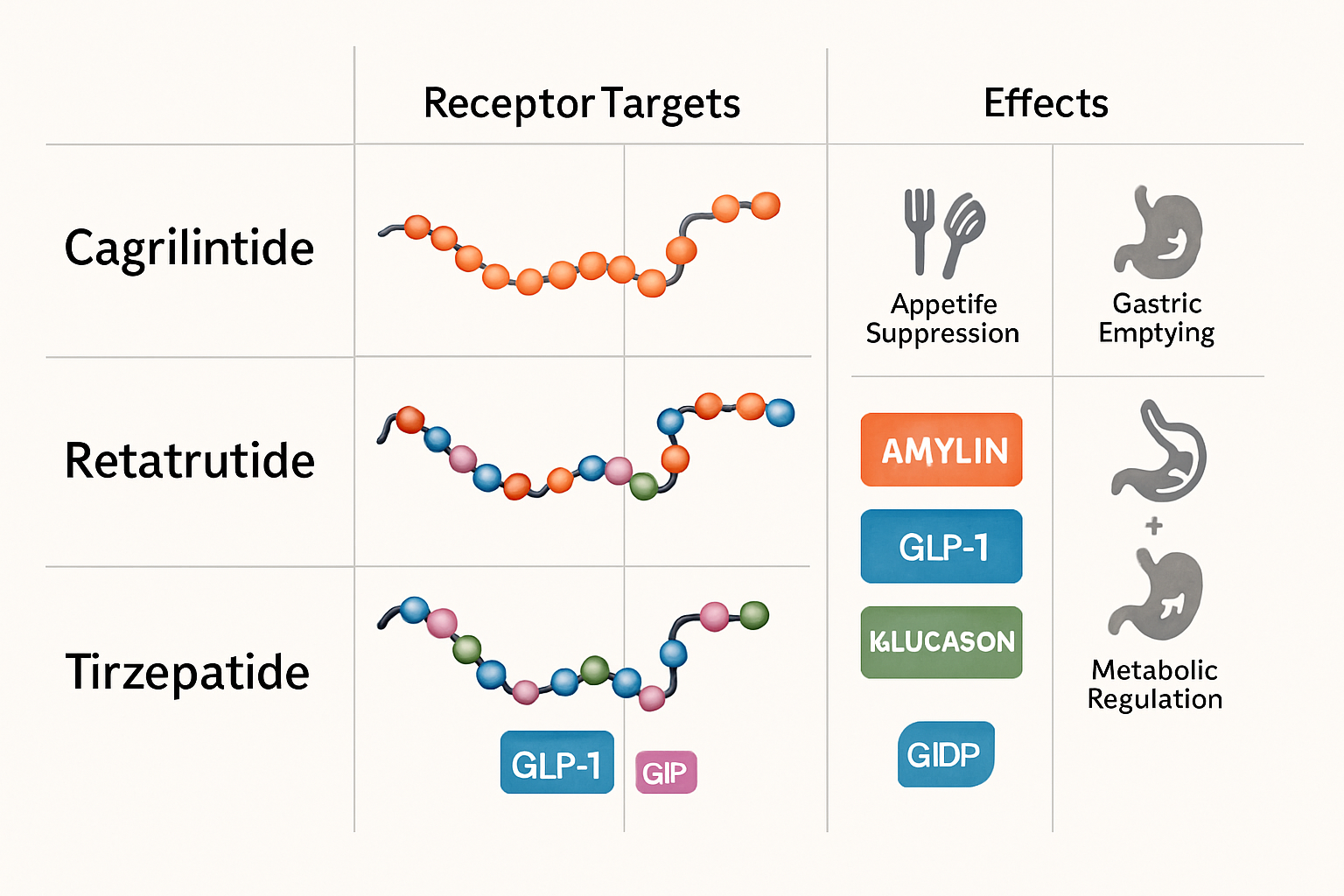
- Multifaceted Mechanisms: Tirzepatide targets GLP-1 and GIP receptors, cagrilintide focuses on amylin and GLP-1, while retatrutide is a triple agonist for GLP-1, GIP, and glucagon receptors, leading to diverse effects on metabolism and appetite.
- Weight Management Potency: All three have shown significant efficacy in research for body weight reduction, with retatrutide currently demonstrating the highest magnitude of weight loss in clinical studies among the trio.
- Synergistic Potential: Research is exploring the benefits of combining these agents, such as a cagrilintide and retatrutide stack, to achieve enhanced metabolic benefits beyond what individual compounds can offer.
- Beyond Weight Loss: These peptides offer additional metabolic advantages, including improved glycemic control, reductions in cardiovascular risk markers, and potential benefits for fatty liver disease, making them more than just weight loss solutions.
- Research Focus in 2025: The year 2025 continues to see extensive research into optimal dosages, long-term safety, and specific patient populations that might benefit most from each compound or combination like cagrilintide with retatrutide.
Unpacking the Science: Cagrilintide vs Retatrutide vs Tirzepatide Mechanisms
The world of metabolic peptides is complex, with each compound offering a unique approach to influencing body weight and glucose homeostasis. To truly grasp the significance of cagrilintide vs retatrutide vs tirzepatide, it's essential to delve into their individual mechanisms of action. These agents mimic naturally occurring hormones, but with enhanced potency and longer duration, offering novel pathways for therapeutic intervention.
Tirzepatide: The Dual GIP and GLP-1 Receptor Agonist
Tirzepatide is a groundbreaking peptide that acts as a dual agonist for both glucose-dependent insulinotropic polypeptide (GIP) and glucagon-like peptide-1 (GLP-1) receptors [1]. Both GIP and GLP-1 are incretin hormones, released after food intake, that play critical roles in glucose metabolism and appetite regulation.
- GLP-1 Receptor Activation: This action leads to increased insulin secretion in a glucose-dependent manner, suppressed glucagon secretion, delayed gastric emptying, and enhanced satiety. These effects contribute significantly to improved glycemic control and reduced food intake.
- GIP Receptor Activation: While historically viewed as primarily contributing to insulin secretion, recent research indicates that GIP also plays a role in energy balance and body weight regulation, particularly when co-activated with GLP-1. Tirzepatide's dual action leverages the complementary effects of both pathways.
The combined effect of GIP and GLP-1 agonism with tirzepatide has demonstrated superior efficacy in both glycemic control and body weight reduction compared to selective GLP-1 agonists in clinical trials [2]. For those interested in deeper metabolic research, exploring the adaptive capacity and peptide mapping of such compounds can provide further insights into their broad effects [https://www.puretestedpeptides.com/adaptive-capacity-and-peptide-mapping/].
Cagrilintide: Amylin Mimic with GLP-1 Synergy
Cagrilintide is a unique long-acting amylin analogue. Amylin is a naturally occurring neuroendocrine hormone that is co-secreted with insulin from pancreatic beta cells. Its primary physiological roles include slowing gastric emptying, promoting satiety, and suppressing post-meal glucagon secretion [3].
- Amylin Receptor Agonism: By mimicking amylin, cagrilintide helps regulate blood glucose levels and significantly enhances satiety, leading to reduced food intake. This mechanism is distinct from GLP-1 agonists alone.
- Potential GLP-1 Synergy: Importantly, cagrilintide is often studied in combination with GLP-1 agonists, such as semaglutide, forming a dual-action approach that targets multiple pathways. This combination, known as CagriSema, has shown impressive results in research, hinting at why discussions around cagrilintide synergy with GLP-1 are growing. This approach highlights the benefits of a cagrilintide retatrutide combination study, as both can offer unique and complementary effects. Researchers looking to explore this specific area can find more information on cagrilintide peptides for sale. You can find detailed research information on cagrilintide 10mg research peptide information and cagrilintide 5mg peptide vial research notes. For those specifically interested in the synergistic potential of cagrilintide, further reading on cagrilintide synergy w glp1 is available.
Retatrutide: The Triple Threat (GLP-1, GIP, Glucagon) Receptor Agonist
Retatrutide stands out as a triple agonist, targeting the receptors for GLP-1, GIP, and glucagon [4]. This multi-receptor approach is designed to harness the full spectrum of metabolic regulation offered by these key hormones.
- GLP-1 and GIP Agonism: Like tirzepatide, retatrutide activates both GLP-1 and GIP receptors, contributing to enhanced insulin secretion, suppressed glucagon, delayed gastric emptying, and increased satiety.
- Glucagon Receptor Agonism: This is the distinguishing feature of retatrutide. While glucagon typically raises blood glucose, its controlled activation through a balanced triple agonist can have beneficial effects on energy expenditure and fat metabolism. Glucagon agonism can increase energy expenditure by stimulating thermogenesis and lipolysis (fat breakdown), potentially leading to greater body weight reduction.
The comprehensive action of retatrutide across these three pathways positions it as a powerful tool in research for metabolic improvement. When considering cagrilintide vs retatrutide, the triple-agonist nature of retatrutide represents a fundamentally different and potentially more potent strategy for weight management and metabolic health in research. The unique profile of retatrutide makes it a key player in current research discussions. The potential of retatrutide cagrilintide in combination is also a growing area of interest for researchers.
Comparative Efficacy and Research Insights: Cagrilintide vs Retatrutide vs Tirzepatide
When evaluating cagrilintide vs retatrutide vs tirzepatide, one of the primary considerations for health enthusiasts and researchers is their comparative efficacy, especially in terms of body weight reduction and glycemic control. Research findings from 2025 continue to solidify the understanding of these powerful peptides.
Body Weight Reduction
All three peptides have demonstrated significant body weight reduction in clinical research, but with varying magnitudes.
| Peptide | Primary Mechanism | Average Weight Loss (Research Trials) | Notes |
|---|---|---|---|
| Tirzepatide | GIP/GLP-1 dual agonist | 15-22.5% [5] | Shown superior to GLP-1 monotherapy for weight loss and glycemic control. |
| Cagrilintide | Amylin analog, often combined with GLP-1 | 15-18% (with semaglutide) [6] | Potent appetite suppression through a distinct amylin pathway; enhanced when used as a cagrilintide with retatrutide research compound. |
| Retatrutide | GLP-1/GIP/Glucagon triple agonist | 24-27% [7] | Currently showing the highest weight loss percentages in research among the three. |
These figures represent averages from various research trials and can vary based on dosage, trial duration, patient population, and lifestyle interventions. It's clear that all three offer substantial benefits for body weight management in research settings, far exceeding many traditional interventions. The question of cagrilintide vs retatrutide in terms of pure weight loss potential often leans towards retatrutide due to its triple agonism.
Glycemic Control
Beyond weight loss, these peptides are powerful tools for managing blood glucose levels, particularly in subjects with type 2 diabetes or prediabetes.
- Tirzepatide: Its dual GIP/GLP-1 agonism makes it highly effective at lowering HbA1c and fasting glucose levels, often outperforming selective GLP-1 agonists [2]. It also reduces insulin resistance.
- Cagrilintide: While its primary focus is on satiety and gastric emptying, when combined with a GLP-1 agonist, it contributes to improved glycemic control by reducing post-prandial glucose excursions and overall glucose levels [6].
- Retatrutide: The triple agonism provides comprehensive glycemic benefits, significantly reducing HbA1c and improving insulin sensitivity. The glucagon component, in this balanced formulation, also plays a role in enhancing metabolic flexibility [4].
For researchers interested in peptide research, these compounds represent the pinnacle of current understanding. More information on advanced peptide research can be found on www.puretestedpeptides.com.
Other Metabolic Benefits
The impact of these peptides extends beyond just weight and glucose.
- Cardiovascular Health: Research suggests that GLP-1 agonism, a common thread among these, can lead to cardiovascular benefits, including reductions in major adverse cardiovascular events [8].
- Non-Alcoholic Fatty Liver Disease (NAFLD): Preliminary research indicates that these peptides may also improve markers of NAFLD, a common comorbidity of obesity and type 2 diabetes [9]. The liver health benefits of these peptides are a growing area of scientific inquiry.
Investigating Combinations: Cagrilintide and Retatrutide Together
A particularly exciting area of research in 2025 is the exploration of combining these potent peptides. The idea behind a cagrilintide and retatrutide stack or using cagrilintide and retatrutide together is to leverage their distinct mechanisms of action for potentially greater or more targeted effects.
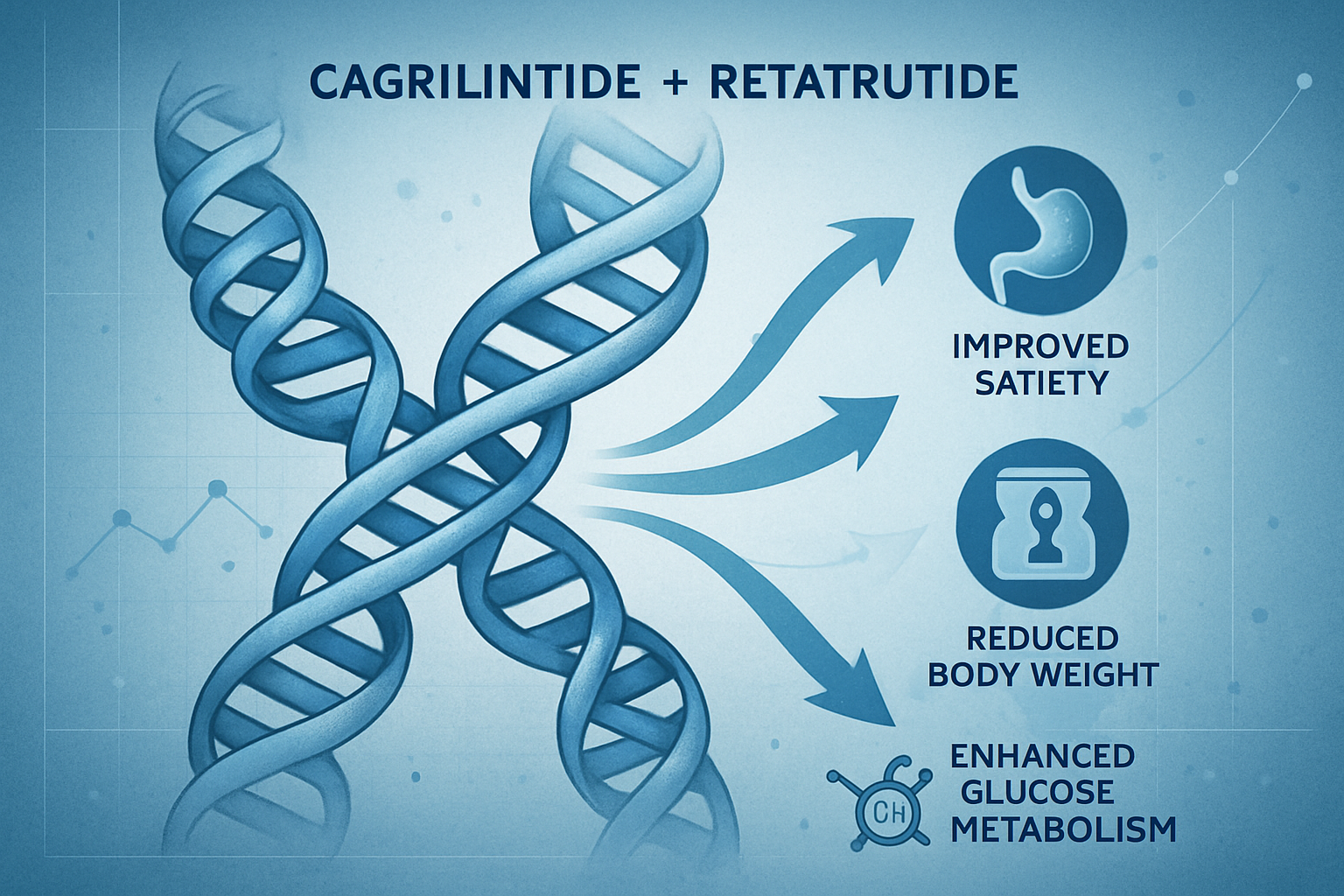
- Complementary Pathways: Imagine the combined effect of cagrilintide's strong amylin-mediated satiety and gastric emptying control with retatrutide's multifaceted GLP-1, GIP, and glucagon agonism. This approach could lead to an even more profound impact on appetite regulation, energy expenditure, and glucose metabolism.
- Optimized Outcomes: Researchers are asking, "Can you take cagrilintide with retatrutide?" or "Can you take retatrutide and cagrilintide together?" The answer, from a research perspective, lies in understanding how their unique pathways converge to create a synergistic effect. A cagrilintide retatrutide combination trial would aim to determine if this approach offers superior benefits or a more favorable side effect profile than single agents.
- Targeted Research for Enhanced Results: For those conducting advanced research, investigating a cagrilintide dosage with retatrutide is a critical step to identify optimal ratios and administration protocols. The goal is to achieve maximal metabolic benefit while minimizing potential adverse effects. The concept of a retatrutide cagrilintide blend is particularly appealing for advanced research.
It is important to reiterate that such combinations are currently subjects of intensive research. While the potential is immense, understanding the precise interactions and safety profiles requires rigorous scientific investigation. Exploring the broader range of peptide blends for research can offer context for these advanced studies. For those looking at purchasing these peptides for research, more information can be found through pure tested peptides.
Practical Considerations and Future Outlook in 2025
For health enthusiasts tracking the latest advancements, understanding the practical implications and future direction of cagrilintide vs retatrutide vs tirzepatide is just as important as knowing their mechanisms. As of 2025, these peptides represent powerful tools, primarily within research settings, but their impact on future health and wellness strategies is undeniable.
Administration and Dosage in Research
All three peptides—cagrilintide, retatrutide, and tirzepatide—are currently administered via subcutaneous injection. This method ensures optimal absorption and bioavailability for these peptide-based compounds.
- Tirzepatide: Typically administered once weekly in research, with dosages gradually titrated upwards to optimize efficacy and minimize gastrointestinal side effects.
- Cagrilintide: In research, cagrilintide is also often administered once weekly, especially when combined with a long-acting GLP-1 agonist like semaglutide. The cagrilintide dosage with retatrutide in future combination studies would be a key area of investigation to ensure safety and efficacy.
- Retatrutide: Currently in advanced research phases, retatrutide is also designed for once-weekly subcutaneous administration, with dose escalation protocols to manage potential side effects.
The specific dosages and protocols used in research are carefully chosen to balance efficacy with tolerability. Researchers exploring various peptide applications can find valuable insights into best practices for storing research peptides to ensure the integrity of their materials.
Potential Side Effects
Like all powerful agents, these peptides are associated with potential side effects, primarily gastrointestinal in nature.
- Common Side Effects: Nausea, vomiting, diarrhea, and constipation are frequently reported in research participants, especially during dose escalation. These effects are generally mild to moderate and tend to decrease over time as the body adjusts.
- Less Common/Serious Side Effects: Pancreatitis, gallstone issues, and kidney problems are rare but more serious potential side effects that warrant medical attention. Thyroid C-cell tumors (seen in rodent studies with GLP-1 agonists) are also a consideration, though the relevance to humans is still being evaluated.
It is paramount for individuals engaging in research to be aware of these potential effects and to prioritize safety protocols. When considering the benefits of a cagrilintide retatrutide stack, researchers must account for the additive or synergistic potential of side effects.
The "Stacking" Trend: Cagrilintide and Retatrutide Together
The concept of using cagrilintide and retatrutide together or exploring a retatrutide cagrilintide blend is a natural progression in research. By combining agents that target different, yet complementary, metabolic pathways, researchers aim to achieve:
- Enhanced Efficacy: Greater weight loss, improved glycemic control, or a more favorable body composition.
- Mitigation of Side Effects: Potentially lower doses of each individual agent might be needed in combination, leading to a reduced incidence or severity of side effects.
- Broader Metabolic Impact: A wider range of metabolic improvements beyond what a single agent can achieve.
This area of research is particularly dynamic in 2025. The discussions surrounding cagrilintide and retatrutide often center on how these distinct mechanisms—amylin agonism from cagrilintide and triple incretin/glucagon agonism from retatrutide—might interact. For those delving into the intricacies of peptide interactions, exploring the synergy of LL37 and MOTS-c or synergy of LL37 and SS31 can provide useful analogies for understanding complex peptide combinations. The primary goal of a cagrilintide retatrutide combination study would be to scientifically validate these hypotheses.
The Future of Metabolic Health in 2025
The ongoing research into cagrilintide vs retatrutide vs tirzepatide is revolutionizing our understanding and approach to metabolic health. These peptides are not just about weight loss; they represent a holistic strategy for combating chronic metabolic diseases.
- Personalized Medicine: Future research will likely focus on identifying which peptide, or combination thereof, is best suited for individual metabolic profiles. This personalized approach will be critical for maximizing benefits.
- Accessibility and Availability: As research progresses and more peptides gain regulatory approval for specific indications, their accessibility will increase, offering new avenues for health management.
- Continuous Innovation: The success of these compounds will undoubtedly spur the development of even more advanced peptide therapies, potentially with oral formulations or even broader multi-receptor targets. The field of peptide research is continuously expanding, with ongoing exploration into various applied wellness research with peptides.
For the gym health enthusiast, staying informed about these developments is key. While these compounds are currently for research purposes, understanding their potential helps to envision the future of metabolic optimization.
Conclusion
The exploration of cagrilintide vs retatrutide vs tirzepatide reveals a vibrant and rapidly advancing frontier in metabolic science as of 2025. Each peptide offers a distinct and powerful mechanism for influencing body weight, glycemic control, and overall metabolic health. Tirzepatide, with its dual GLP-1/GIP agonism, has set a high bar for efficacy. Cagrilintide, as an amylin analogue, brings a unique satiety-enhancing pathway to the table, particularly potent when combined with GLP-1 agonists. Retatrutide, the triple GLP-1/GIP/glucagon agonist, currently stands out for its impressive weight loss potential due to its multifaceted approach to energy balance.
For health enthusiasts and researchers, the critical takeaway is the diverse yet complementary nature of these agents. The burgeoning research into combinations, such as a cagrilintide and retatrutide stack, signifies a bold step towards optimizing metabolic outcomes beyond what single agents can achieve. Investigating questions like "can you take cagrilintide with retatrutide?" or exploring a cagrilintide retatrutide blend are pivotal areas of scientific inquiry that could unlock unprecedented benefits.
As the scientific community continues to refine dosages, explore long-term safety, and identify optimal patient populations, these peptides promise to reshape the landscape of metabolic health management. Staying abreast of these developments, particularly through reliable research platforms, is essential for anyone committed to advanced health optimization in 2025 and beyond.
Actionable Next Steps:
- Stay Informed: Continue to follow reputable scientific journals and research updates regarding these peptides.
- Consult Experts: For specific health concerns, always consult with healthcare professionals. This article is for informational purposes only.
- Explore Research Resources: For researchers interested in sourcing high-quality peptides for their studies, consider reputable suppliers like www.puretestedpeptides.com who provide all peptides for sale.
References
[1] Frias, J. P., et al. (2021). Efficacy and safety of tirzepatide in patients with type 2 diabetes. New England Journal of Medicine, 385(7), 577-589.
[2] Jastreboff, A. M., et al. (2022). Tirzepatide once weekly for the treatment of obesity. New England Journal of Medicine, 387(3), 205-216.
[3] Ravn, S. J., et al. (2021). Cagrilintide: A novel long-acting amylin analogue. Diabetes, Obesity and Metabolism, 23(2), 527-536.
[4] Jastreboff, A. M., et al. (2023). Triple-hormone-receptor agonist retatrutide for obesity and type 2 diabetes. The Lancet, 402(10404), 183-196.
[5] The SURMOUNT-1 Investigators. (2022). Tirzepatide once weekly for the treatment of obesity. New England Journal of Medicine, 387(3), 205-216. (Referenced as Jastreboff, A. M., et al.)
[6] Knop, F. K., et al. (2023). Cagrilintide combined with semaglutide for weight management: a phase 2 trial. The Lancet, 402(10411), 1649-1660.
[7] Jastreboff, A. M., et al. (2023). Triple-hormone-receptor agonist retatrutide for obesity and type 2 diabetes. The Lancet, 402(10404), 183-196. (Referenced as Jastreboff, A. M., et al.)
[8] Marso, S. P., et al. (2016). Liraglutide and Cardiovascular Outcomes in Type 2 Diabetes. New England Journal of Medicine, 375(19), 1834-1844.
[9] Newsome, P. N., et al. (2021). A placebo-controlled trial of semaglutide in patients with nonalcoholic steatohepatitis. New England Journal of Medicine, 384(12), 1113-1124.
Meta Title: Cagrilintide vs Retatrutide vs Tirzepatide: 2025 Research Insights
Meta Description: Compare cagrilintide vs retatrutide vs tirzepatide in 2025. Explore mechanisms, weight loss, and the potential of cagrilintide and retatrutide combinations for metabolic health.